
Nutrition comparison
Kohlrabi vs Cauliflower: Which Cruciferous Vegetable Is Better for You?
Compare kohlrabi and cauliflower on nutrition, versatility, digestion, and low-carb value. Find out which one deserves a regular spot in your kitchen.
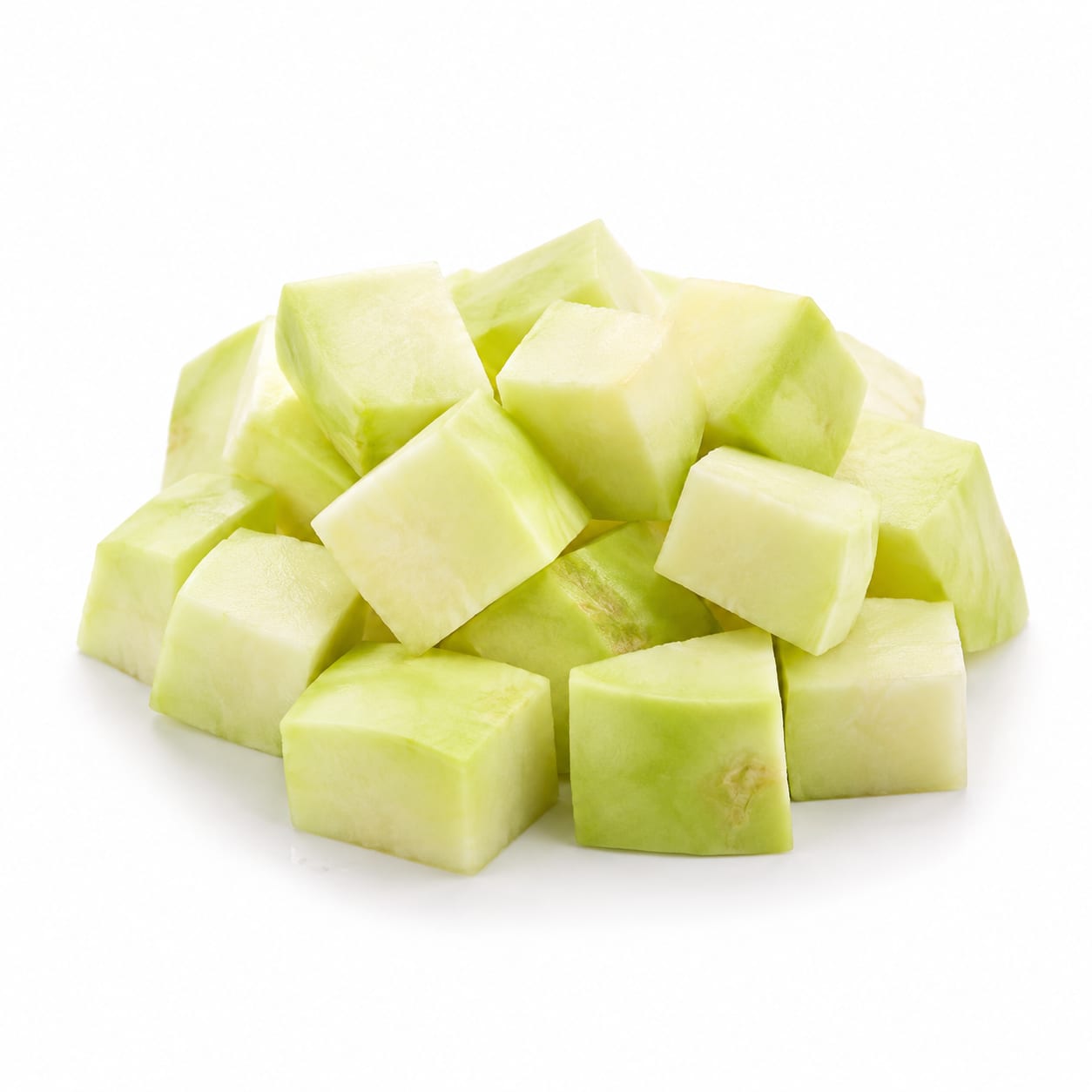
Kohlrabi
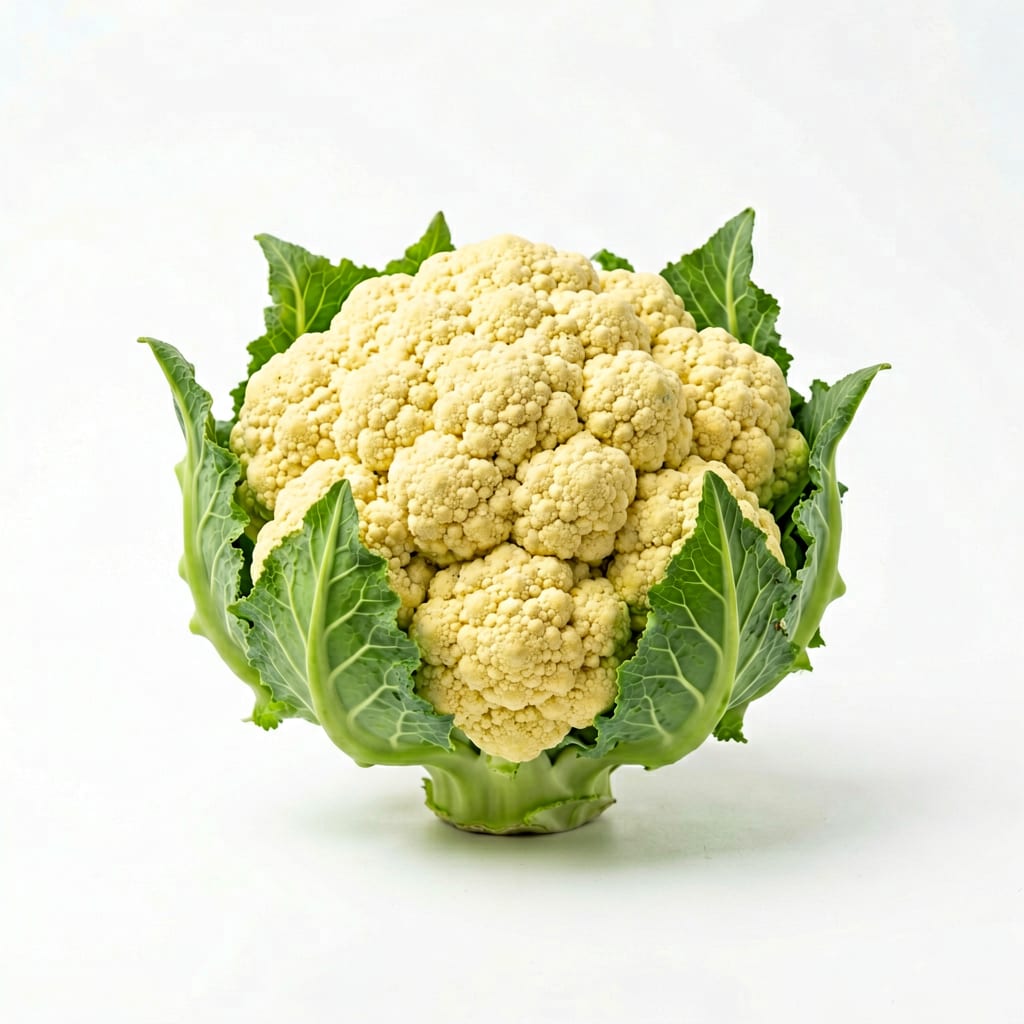
Cauliflower
Cauliflower wins on versatility and availability, but kohlrabi delivers more vitamin C and a crisper, sweeter eating experience raw.
Cauliflower scores slightly higher due to unmatched culinary versatility and widespread availability. Kohlrabi edges ahead nutritionally in vitamin C and potassium but loses ground on practicality and recipe flexibility.
Cauliflower is the kitchen transformer; kohlrabi is the nutrient-dense snack that most people overlook.
At a glance
Executive summary
Overall
It depends
Healthier
Kohlrabi
More practical
Cauliflower
Daily use
Cauliflower
Key comparison lenses
low carb diet staple
Both are popular cruciferous vegetables for low-carb and keto diets, but cauliflower dominates as a carb substitute
nutritional density comparison
Users want to know which delivers more vitamins and minerals per calorie
kitchen versatility
Cauliflower's ability to become rice, mash, or crust makes it a pantry workhorse
digestive tolerance
Both are brassicas that can cause bloating, but severity differs
everyday accessibility
Kohlrabi is harder to find and less familiar to most shoppers
Best choice for
Kohlrabi
- A raw snack with crunch and natural sweetness
- Boosting vitamin C intake without supplements
- Adding variety beyond the usual cruciferous rotation
- Light salads where you want refreshing crispness
Cauliflower
- Low-carb cooking substitutes like rice or pizza crust
- Meal prep that demands ingredient flexibility
- Budget-friendly bulk vegetable options
- Families needing a familiar, kid-approachable veggie
Least suitable for
Kohlrabi
- People who need a versatile cooking ingredient for multiple recipes
- Shoppers with limited access to specialty or farmers market produce
- Those who dislike peeling and prep work
Cauliflower
- Raw snackers wanting something sweet and crunchy
- People sensitive to sulfur compounds and strong cabbage smells
- Those seeking maximum vitamin C per bite
Deep comparison
Dimension by dimension
Each lens scores both foods and breaks down who each option suits.
- Dimension 1 · Priority 88Kohlrabi
Vitamin and Mineral Density
Kohlrabi · 82Cauliflower · 70Kohlrabi packs more vitamin C and potassium per serving than cauliflower, making it the stronger micronutrient pick.
Tradeoff
Cauliflower provides more vitamin K and folate, which matter for bone health and cell repair.
Why it matters
If you are not supplementing, small differences in vitamin C add up over weeks and months.
Real-world impact
Eating kohlrabi raw gives you over 80% of your daily vitamin C in one cup — cauliflower gives about half that.
Kohlrabi
- Immune support during cold season
- Potassium intake without bananas
- Antioxidant protection from vitamin C
Better for
- Situations requiring high folate intake
Worse for
Cauliflower
- Bone health via vitamin K
- Pregnancy nutrition via folate
- Blood clotting support
Better for
- Maximizing vitamin C on a budget
Worse for
- Dimension 2 · Priority 92Cauliflower
Culinary Versatility
Kohlrabi · 50Cauliflower · 93Cauliflower is one of the most adaptable vegetables in the kitchen. Kohlrabi is more limited in how it can be used.
Tradeoff
Kohlrabi's crispness and mild sweetness shine raw, but it does not transform into rice, mash, or crust the way cauliflower does.
Why it matters
A versatile vegetable reduces food waste and keeps meals interesting without buying more ingredients.
Real-world impact
One head of cauliflower can become soup on Monday, rice on Wednesday, and a pizza base on Friday. Kohlrabi is mostly a snack or slaw ingredient.
Kohlrabi
- Raw crudité platters
- Refreshing slaws and salads
Better for
- Recipe variety over a full week
Worse for
Cauliflower
- Low-carb meal replacements
- Batch cooking and meal prep
- Kid-friendly hidden vegetable recipes
- Comfort food makeovers
Better for
- Quick no-cook snacking
Worse for
- Dimension 3 · Priority 80Kohlrabi
Fiber and Satiety
Kohlrabi · 78Cauliflower · 72Kohlrabi provides slightly more fiber per calorie, keeping you fuller longer with less food.
Tradeoff
The difference is modest — both are solid fiber sources compared to most vegetables.
Why it matters
Higher fiber per calorie means you can eat less volume while feeling just as satisfied.
Real-world impact
A cup of raw kohlrabi keeps afternoon hunger at bay slightly better than the same amount of cauliflower.
Kohlrabi
- Weight management through higher satiety
- Digestive regularity
Better for
- Those who prefer cooked fiber sources
Worse for
Cauliflower
- Still a strong fiber source in larger portions
Better for
- Maximizing fullness per calorie
Worse for
- Dimension 4 · Priority 75Kohlrabi
Digestive Tolerance
Kohlrabi · 70Cauliflower · 60Kohlrabi tends to be gentler on digestion than cauliflower, which is notorious for causing gas and bloating.
Tradeoff
Both are brassicas and can cause issues in sensitive people, but cauliflower's sulfur compounds are more intense when cooked.
Why it matters
If you experience bloating after cruciferous vegetables, cauliflower is usually the bigger culprit.
Real-world impact
After a cauliflower rice bowl, you may feel uncomfortably gassy. Kohlrabi sticks are less likely to cause that post-meal bloat.
Kohlrabi
- Sensitive stomachs and IBS-aware eating
- Eating raw without digestive discomfort
Better for
- Still problematic for very sensitive individuals
Worse for
Cauliflower
- Those who tolerate brassicas well
Better for
- Date nights and social dinners where bloating matters
- People with active IBS flare-ups
Worse for
- Dimension 5 · Priority 78Cauliflower
Availability and Convenience
Kohlrabi · 45Cauliflower · 90Cauliflower is in every grocery store year-round. Kohlrabi can be seasonal and harder to find.
Tradeoff
Farmers markets and specialty stores often carry kohlrabi, but it requires more effort to source.
Why it matters
The healthiest vegetable is the one you actually buy and eat consistently.
Real-world impact
You can grab cauliflower at any supermarket at 10 PM. Kohlrabi might require a dedicated trip to a farmers market.
Kohlrabi
- Farmers market shoppers who enjoy seasonal eating
- Gardeners who can grow it easily
Better for
- Last-minute recipe decisions
- Small-town grocery runs
Worse for
Cauliflower
- Busy weeknight shoppers
- People in areas with limited produce selection
- Year-round meal planning
Better for
- Those seeking unique seasonal variety
Worse for
- Dimension 6 · Priority 72Cauliflower
Antioxidant and Cancer-Fighting Potential
Kohlrabi · 68Cauliflower · 78Cauliflower contains more glucosinolates that convert to sulforaphane, a well-studied cancer-fighting compound.
Tradeoff
Kohlrabi has glucosinolates too, but in lower concentrations than cauliflower.
Why it matters
Sulforaphane is one of the most compelling reasons to eat cruciferous vegetables regularly.
Real-world impact
Eating cauliflower a few times a week gives your body more raw material for cellular defense than kohlrabi does.
Kohlrabi
- Still a meaningful source of protective compounds
Better for
- Maximizing sulforaphane intake
Worse for
Cauliflower
- Long-term cancer risk reduction
- Detoxification enzyme support
- Anti-inflammatory benefits
Better for
- Those who cook it heavily, which reduces sulforaphane
Worse for
Timeline
Health impact over time
Short-term
Hours to days
Kohlrabi
- Quick vitamin C boost supporting immune function
- Mild diuretic effect from potassium content
- Steady energy without blood sugar spikes
- Possible mild gas if eaten in large quantities raw
Cauliflower
- Noticeable bloating or gas within hours, especially when cooked
- Blood sugar stability due to low carb content
- Quick feeling of fullness from bulk and fiber
- Sulfur odor during cooking that may bother sensitive households
Long-term
Months to years
Kohlrabi
- Consistent vitamin C intake supports skin and immune health over years
- Potassium contributes to healthy blood pressure patterns
- Dietary variety from rotating less common vegetables supports gut microbiome diversity
- Glucosinolate consumption adds to cumulative cancer-protective intake
Cauliflower
- Regular sulforaphane exposure linked to reduced cancer risk in epidemiological studies
- Consistent low-carb substitution helps maintain healthy weight long-term
- High folate intake supports cell repair and healthy pregnancy outcomes
- Risk of over-reliance as a carb substitute leading to dietary monotony
Risk profile
Safety & processing
Both kohlrabi and cauliflower are whole, unprocessed vegetables. However, cauliflower is increasingly sold pre-riced or in frozen bags with preservatives — check labels if avoiding additives.
Kohlrabi
Pesticide residue on skin
mediumKohlrabi bulbs can retain pesticide residue on their thick skin. Peeling significantly reduces exposure.
Contamination from soil
lowAs a root-adjacent vegetable, kohlrabi grows near soil. Thorough washing eliminates most risk.
Cauliflower
Pesticide residue in florets
mediumCauliflower's tight florets trap pesticide spray more than smooth-skinned vegetables. Soaking in salt water helps.
Mold in stored heads
mediumCauliflower is prone to brown spots and mold if stored too long. Inspect before eating and trim affected areas.
Who wins for whom
Audience fit
Same foods, different winners depending on your goal.
children
CauliflowerCauliflower can be hidden in mac and cheese, mashed potatoes, and pizza crust. Kohlrabi is less familiar and harder to sneak into kid meals.
daily consumption
CauliflowerCauliflower's versatility means you can eat it daily in different forms without getting bored.
diabetes
CauliflowerCauliflower rice and mash make cutting carbs dramatically easier for blood sugar management.
elderly
KohlrabiKohlrabi is gentler on digestion and provides more vitamin C, which supports immune health in aging bodies.
muscle gain
It dependsNeither is a significant protein source. Both work as low-calorie sides for muscle-building meals.
weight loss
CauliflowerCauliflower's ability to replace high-calorie carbs like rice and potatoes makes it a more practical weight loss tool.
Your move
Decision guide
Choose Kohlrabi
- You want a crisp, refreshing raw snack with natural sweetness
- Maximizing vitamin C and potassium matters to you
- You experience bloating from cauliflower but still want a cruciferous vegetable
- You shop at farmers markets and enjoy seasonal produce
- You want to diversify beyond the usual vegetable rotation
Choose Cauliflower
- You need a low-carb substitute for rice, potatoes, or flour-based dishes
- Meal prep and batch cooking are part of your routine
- You want one vegetable that can do the job of five
- Availability and convenience are top priorities
- You are cooking for a family and need kid-friendly options
Either works if
- You simply want more cruciferous vegetables in your diet
- You are focusing on general health and neither food is a staple yet
- You enjoy rotating vegetables for gut microbiome diversity
Avoid both if
- You have a diagnosed cruciferous vegetable allergy
- You are on a strict low-FODMAP elimination phase and reacting to brassicas
- You have severe thyroid issues and your doctor recommended limiting goitrogenic foods raw
Final recommendation
Keep cauliflower as your daily workhorse for its unmatched versatility, but add kohlrabi whenever you find it for a vitamin C boost and a refreshing crunch that cauliflower cannot replicate. The best approach is rotation — use cauliflower for cooking and kohlrabi for raw snacking.
Practical
Consumer tips
- 1
Peel kohlrabi thickly — the skin is tough and fibrous even when young
- 2
Slice kohlrabi into sticks and pair with hummus for a superior alternative to carrot sticks
- 3
If cauliflower causes bloating, try steaming it lightly instead of eating it raw — heat reduces sulfur compounds
- 4
Buy whole cauliflower heads over pre-cut bags to avoid preservatives and save money
- 5
Kohlrabi leaves are edible and cook like collard greens — do not throw them away
- 6
Soak cauliflower florets in salted water for 10 minutes to remove hidden pesticide residue and insects
- 7
Roast both vegetables together with olive oil and smoked paprika for an easy side dish that highlights the best of each