
Nutrition comparison
Kohlrabi vs Jicama: Which Crunchy Snack is Healthier?
Compare Kohlrabi and Jicama to find out which low-calorie vegetable is better for weight loss, digestion, and blood sugar. Learn the nutritional tradeoffs.
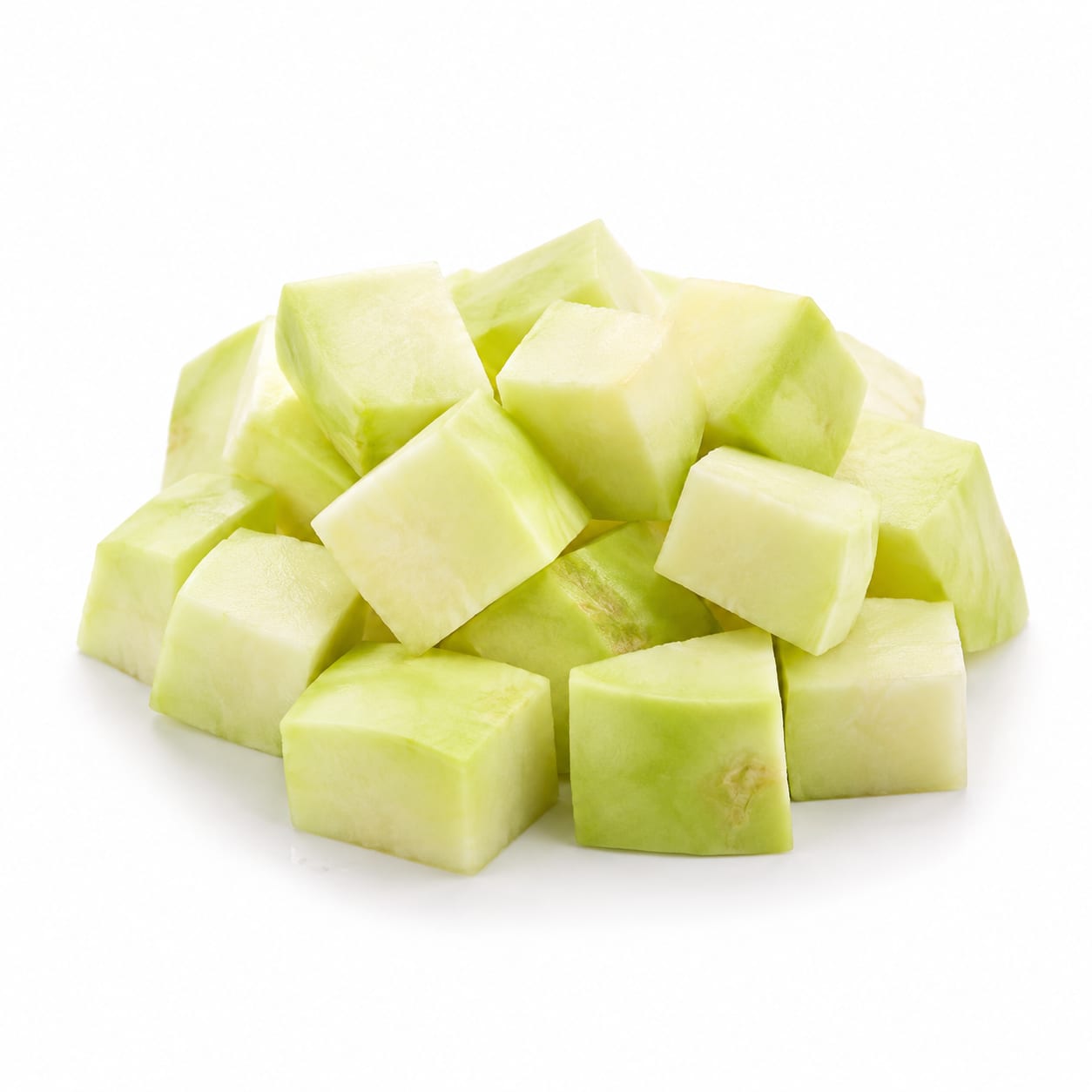
Kohlrabi
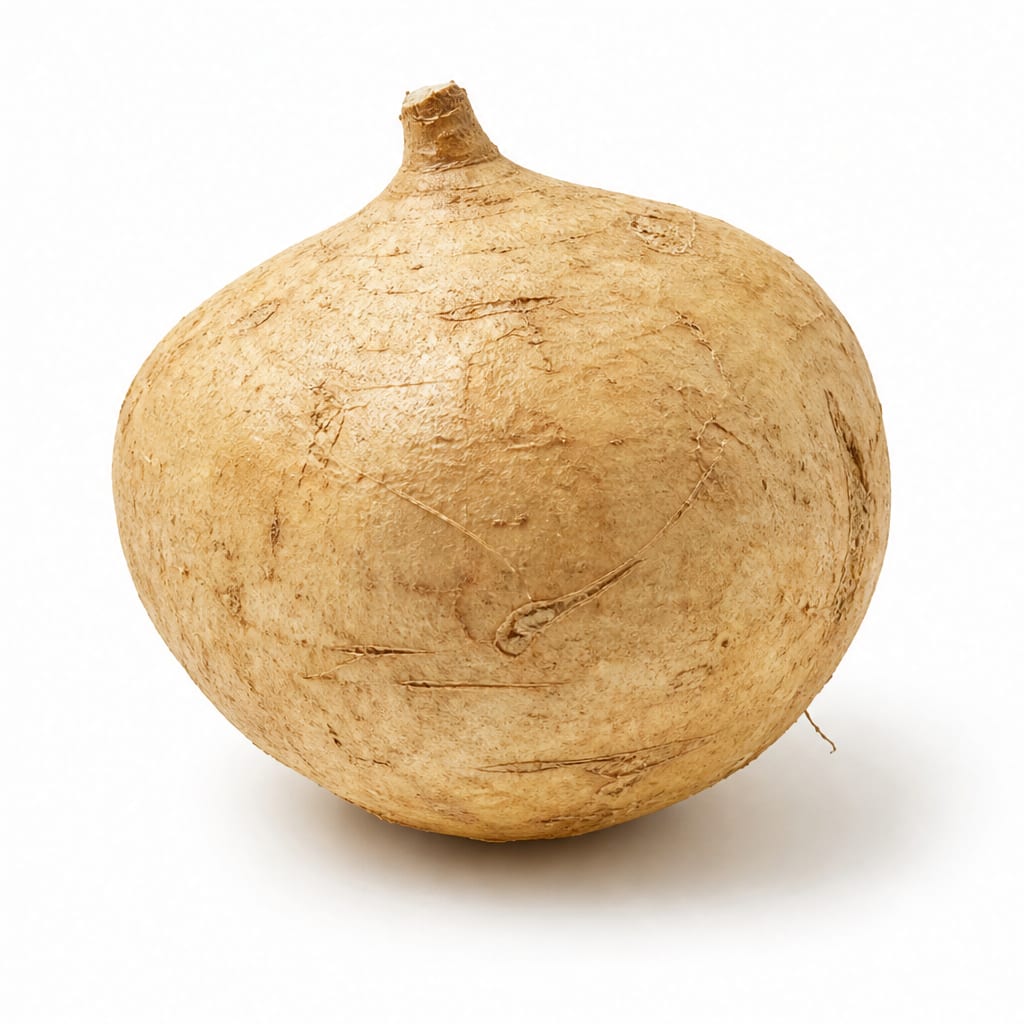
Jicama
Kohlrabi delivers more vitamins and cancer-fighting compounds, while Jicama is a superior prebiotic snack that feels like a refreshing treat.
Kohlrabi scores slightly higher for its broader micronutrient profile and disease-fighting compounds, but Jicama is extremely close due to its exceptional prebiotic fiber and raw snack appeal.
Cellular defense and vitamin C (Kohlrabi) versus gut-friendly prebiotic fiber and snackability (Jicama).
At a glance
Executive summary
Overall
It depends
Healthier
Kohlrabi
More practical
Jicama
Daily use
It depends
Key comparison lenses
Low-calorie crunchy snacking
Both are famously crisp, hydrating, and low in calories, making them direct substitutes for chips or crackers.
Digestive health and fiber type
Jicama offers prebiotic inulin while Kohlrabi provides roughage and glucosinolates, leading to very different gut benefits.
Micronutrient density
Users often wonder if these watery crunch-bombs actually offer vitamins, and Kohlrabi pulls ahead significantly here.
Blood sugar management
Both are low-glycemic, but the specific fiber in Jicama makes it particularly interesting for glucose control.
Best choice for
Kohlrabi
- Boosting immune function
- Adding to cooked dishes like stir-fries and soups
- Increasing overall vitamin and mineral intake
Jicama
- Improving gut microbiome health
- Satisfying sweet cravings without sugar spikes
- Raw snacking and dipping
Least suitable for
Kohlrabi
- People who dislike cruciferous flavors like cabbage or broccoli
- Those looking for a sweet snack
Jicama
- People with severe inulin intolerance or FODMAP sensitivities
- Those wanting a cooked vegetable side dish
Deep comparison
Dimension by dimension
Each lens scores both foods and breaks down who each option suits.
- Dimension 1 · Priority 90Kohlrabi
Micronutrient Density
Kohlrabi · 88Jicama · 60Kohlrabi is notably richer in vitamins and minerals, especially vitamin C, vitamin B6, and potassium.
Tradeoff
You get more immune-boosting and energy-supporting nutrients with Kohlrabi, but you miss out on the specific prebiotic fiber Jicama offers.
Why it matters
Higher micronutrient density means better cellular defense, steadier energy, and stronger immunity from your food.
Real-world impact
Eating Kohlrabi helps you hit your daily vitamin C target much faster, keeping you from catching every cold that goes around the office.
Kohlrabi
- Immune support
- Energy metabolism
- Electrolyte balance
Better for
- None significant
Worse for
Jicama
- Basic hydration and vitamin C
Better for
- Reliance on a single vegetable for broad vitamin coverage
Worse for
- Dimension 2 · Priority 92Jicama
Digestive Health & Fiber
Kohlrabi · 72Jicama · 95Jicama is packed with inulin, a powerful prebiotic fiber that feeds beneficial gut bacteria, whereas Kohlrabi offers standard dietary fiber.
Tradeoff
Jicama actively cultivates a healthy gut microbiome, while Kohlrabi mostly provides bulk for regular bowel movements.
Why it matters
A thriving gut microbiome impacts everything from mood to immunity, making prebiotics incredibly valuable.
Real-world impact
Snacking on Jicama regularly can lead to noticeably better digestion and less bloating over time, especially if your diet lacks diverse fiber.
Kohlrabi
- Promoting regularity
Better for
- Lacks targeted prebiotic action
Worse for
Jicama
- Feeding beneficial gut bacteria
- Reducing gut inflammation
- Improving nutrient absorption from other foods
Better for
- Can cause gas if you suddenly eat a lot of inulin
Worse for
- Dimension 3 · Priority 85Jicama
Blood Sugar Stability
Kohlrabi · 80Jicama · 92Both are low-glycemic, but Jicama's inulin fiber actively slows digestion and prevents glucose spikes more effectively.
Tradeoff
Jicama offers a sweeter taste without the blood sugar cost, while Kohlrabi has a milder, earthier flavor.
Why it matters
Keeping blood sugar steady prevents the afternoon energy crash and reduces cravings later in the day.
Real-world impact
Jicama is a safe, sweet-tasting crunch for diabetics that will not cause a rollercoaster energy ride.
Kohlrabi
- Low-carb snacking
Better for
- Less effective at actively lowering glycemic response of a meal
Worse for
Jicama
- Active blood sugar regulation
- Satisfying sweet cravings safely
Better for
- None significant
Worse for
- Dimension 4 · Priority 88Jicama
Raw Snackability & Convenience
Kohlrabi · 70Jicama · 90Jicama has a sweeter, apple-like crunch that is more universally appealing raw, while Kohlrabi can have a tougher, woody texture if not perfectly fresh.
Tradeoff
Jicama is a crowd-pleasing raw snack, but Kohlrabi shines more when cooked or thinly sliced with strong dips.
Why it matters
If a vegetable is not enjoyable to eat raw, you are less likely to reach for it when hunger strikes.
Real-world impact
Jicama sticks are an easy sell for kids and picky eaters at a party; Kohlrabi might sit on the tray unless paired with hummus or ranch.
Kohlrabi
- Hearty texture for thick dips
- Cooking versatility
Better for
- Can be woody or tough
- Cabbage-like flavor is not for everyone
Worse for
Jicama
- Refreshing raw snacking
- Appealing to sweet palates
- Kid-friendly crunch
Better for
- Does not cook well, gets mushy and loses crunch
Worse for
Timeline
Health impact over time
Short-term
Hours to days
Kohlrabi
- Quick vitamin C boost for immune defense
- Provides satisfying bulk that keeps you full
- Can cause mild gas if you are sensitive to cruciferous vegetables
Jicama
- Immediate hydration from high water content
- Satisfies sweet cravings without a sugar crash
- Can cause temporary bloating if you overeat the inulin fiber
Long-term
Months to years
Kohlrabi
- Glucosinolates support cellular defense and may lower cancer risk
- Consistent vitamin C intake promotes healthier skin and blood vessels
- Supports sustained energy metabolism via B-vitamins
Jicama
- Inulin promotes a thriving gut microbiome, improving overall digestion
- Helps maintain steady blood sugar levels, reducing diabetes risk
- Supports healthy weight management through high satiety per calorie
Risk profile
Safety & processing
Both Kohlrabi and Jicama are whole, raw vegetables with no artificial additives when purchased fresh. They are as close to nature as food gets.
Kohlrabi
Tough or woody texture in overgrown Kohlrabi
lowLarge or older Kohlrabi can become extremely fibrous, posing a mild choking hazard or digestive discomfort if not chewed properly.
Jicama
Toxic skin and seeds
highJicama skin and seeds contain rotenone, a natural insecticide toxic to humans. The flesh is perfectly safe, but the skin must be completely peeled away.
Who wins for whom
Audience fit
Same foods, different winners depending on your goal.
children
JicamaJicama's mild, sweet, apple-like crunch is usually much more appealing to kids than Kohlrabi's slightly spicy, cabbage-like flavor.
daily consumption
It dependsEat Jicama daily for gut health and raw snacking, or Kohlrabi daily for broader vitamin intake and cooked dishes. Rotating both is ideal.
diabetes
JicamaThe inulin in Jicama actively improves insulin sensitivity and blunts blood sugar spikes, making it a superior choice for glucose control.
elderly
JicamaJicama is easier to chew when raw, and its prebiotic fiber is highly beneficial for older adults who often struggle with digestive sluggishness.
muscle gain
KohlrabiKohlrabi provides more potassium and vitamin B6, which support muscle contraction and protein metabolism, though neither is a primary muscle-building food.
weight loss
JicamaJicama is slightly lower in calories, sweeter to satisfy cravings, and its inulin fiber is exceptionally filling, making it easier to stick to a deficit.
Your move
Decision guide
Choose Kohlrabi
- You want to boost your immune system with extra vitamin C
- You enjoy cooking vegetables in stir-fries, soups, or roasts
- You like the earthy, broccoli-stem flavor of cruciferous veggies
Choose Jicama
- You want a refreshing, sweet raw snack to replace chips or fruit
- You are focused on healing your gut microbiome
- You need a low-glycemic food that satisfies sweet cravings
Either works if
- You just want a low-calorie, high-fiber crunchy snack
- You are trying to increase your daily vegetable intake
- You want something to dip into hummus or guacamole
Avoid both if
- You have severe digestive issues with raw vegetables or FODMAPs
Final recommendation
Keep both in your fridge for different moods: reach for Jicama when you want a refreshing, sweet crunch, and slice up Kohlrabi when you need a nutrient-dense addition to a cooked meal or a hearty dip.
Practical
Consumer tips
- 1
Always peel Jicama completely before eating, as the skin contains a natural toxin.
- 2
Choose smaller Kohlrabi bulbs, as larger ones tend to be woody and tough to chew.
- 3
Store cut Jicama in water in the fridge to keep it from drying out and losing its signature crunch.
- 4
If Kohlrabi tastes too strong raw, try roasting it with olive oil, which brings out a sweet, mellow flavor.
- 5
Squeeze lime juice and sprinkle chili powder on Jicama sticks for a delicious, metabolism-boosting snack.