
Nutrition comparison
Kohlrabi vs Rutabaga: Which Root Vegetable Is Better for You?
Compare kohlrabi and rutabaga nutrition, calories, taste, and health benefits. Find out which cruciferous root vegetable fits your diet and cooking style best.
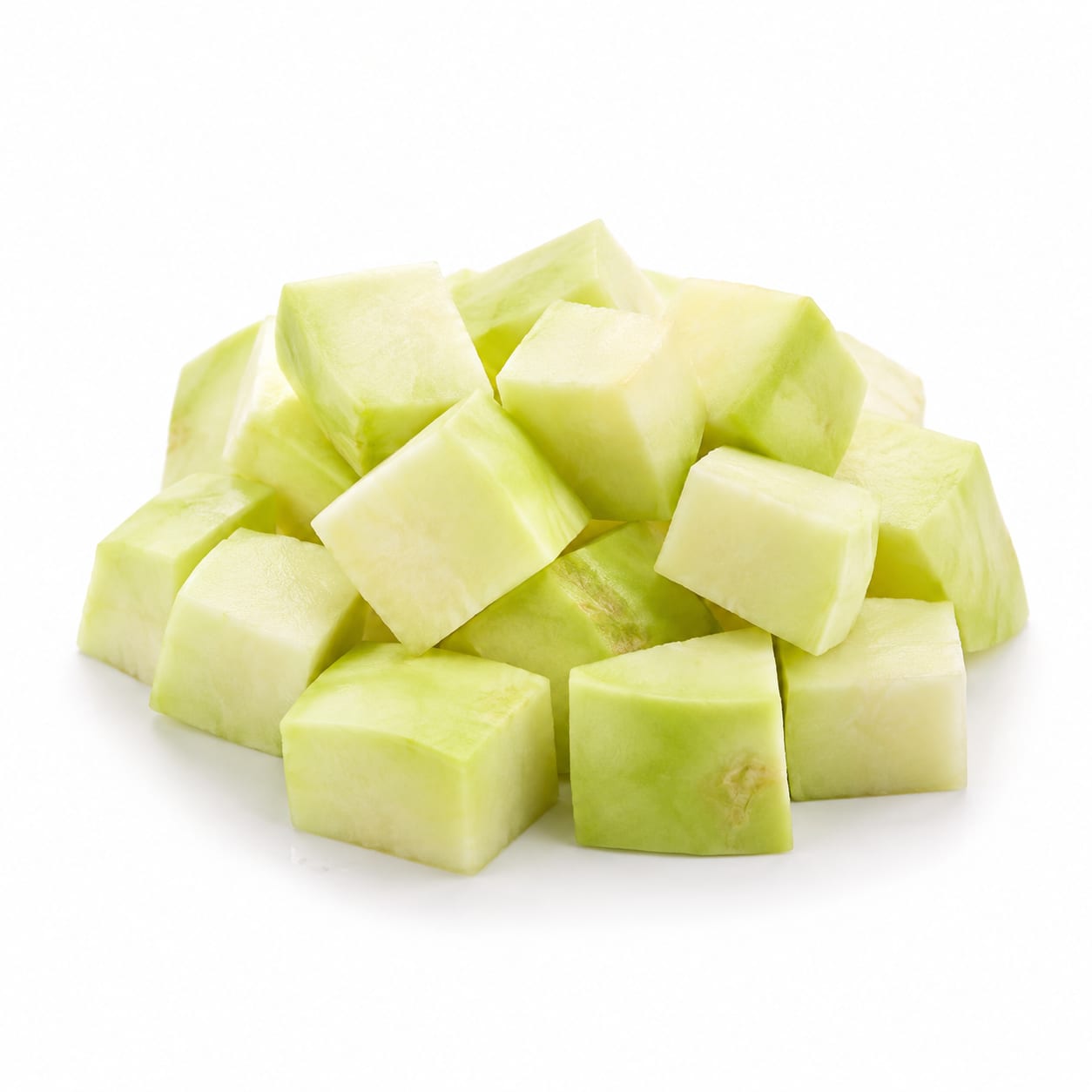
Kohlrabi
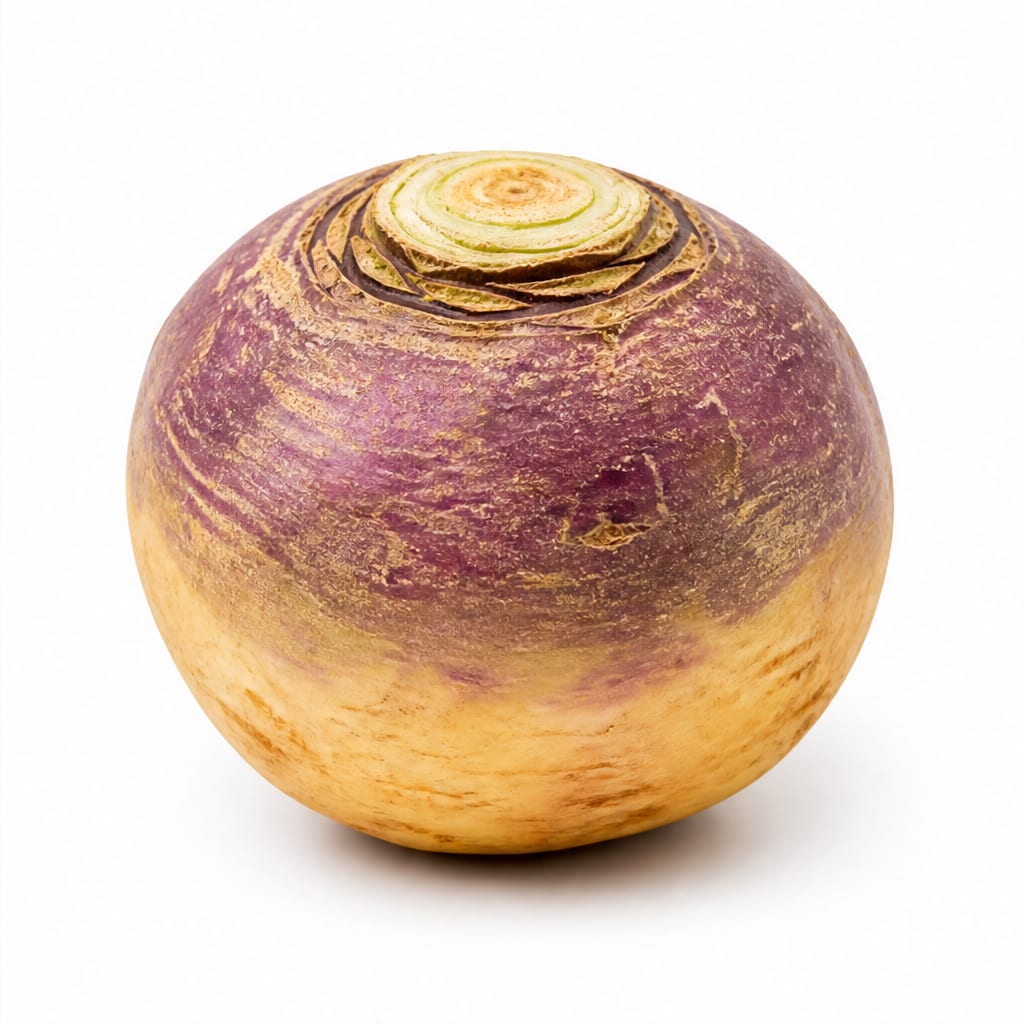
Rutabaga
Kohlrabi is lighter and crispier with more vitamin C per calorie, while rutabaga is heartier and more filling with a comforting, starchy quality.
Kohlrabi edges ahead on nutrient density per calorie and raw versatility, but rutabaga wins on satiety and comfort factor. The close scores reflect that neither is universally better — it depends on how you eat them.
Refreshing crunch and lower calories versus satisfying density and richer flavor that feels more like a meal
At a glance
Executive summary
Overall
It depends
Healthier
Kohlrabi
More practical
Rutabaga
Daily use
It depends
Key comparison lenses
Low-calorie vegetable selection for weight management
Both are low-calorie root vegetables often chosen as carb substitutes, so calorie density and satiety matter most
Raw vs cooked versatility
Kohlrabi shines raw in slaws and snacks while rutabaga is almost always cooked, shaping how people actually use them
Blood sugar and glycemic impact
Both are brassica roots with different starch profiles, relevant for diabetes-conscious eaters
Nutrient density per calorie
Users choosing between these want to know which delivers more vitamins and minerals for the calorie cost
Digestive comfort and FODMAP tolerance
Cruciferous vegetables can cause bloating, and the two differ significantly in fiber type and amount
Best choice for
Kohlrabi
- Raw snacking and crudité platters
- Low-calorie crunch cravings
- Maximizing vitamin C intake
- Light summer meals and salads
- People who find cooked roots too heavy
Rutabaga
- Hearty winter meals and stews
- Mashed potato replacement
- Sustained energy and fullness
- Budget-conscious meal prep
- Comfort food cravings without the guilt
Least suitable for
Kohlrabi
- Those wanting a filling starchy side dish
- People unfamiliar with prep (peeling the tough skin)
- Large-batch meal prep where texture degrades quickly
Rutabaga
- Raw food enthusiasts
- Anyone watching total carb intake strictly
- People sensitive to higher FODMAP loads
Deep comparison
Dimension by dimension
Each lens scores both foods and breaks down who each option suits.
- Dimension 1 · Priority 90Kohlrabi
Calorie Efficiency and Nutrient Density
Kohlrabi · 82Rutabaga · 68Kohlrabi delivers more vitamin C and fewer calories per serving, making it the more nutrient-dense choice bite for bite.
Tradeoff
Rutabaga provides more potassium and slightly more fiber, but at a higher calorie cost per 100g
Why it matters
If you are tracking calories closely, kohlrabi gives you more micronutrient bang per calorie
Real-world impact
A cup of raw kohlrabi costs you about 36 calories while delivering over 80% of your daily vitamin C — that is an exceptional deal
Kohlrabi
- Calorie-restricted diets
- Vitamin C optimization
- Nutrient-per-calorie maximizers
Better for
- People needing calorie density for weight gain
Worse for
Rutabaga
- Potassium-focused diets
- Those who need more calories from whole foods
- Endurance athletes needing carb replenishment
Better for
- Strict calorie counters who find it too easy to overeat
Worse for
- Dimension 2 · Priority 85Rutabaga
Satiety and Fullness
Kohlrabi · 62Rutabaga · 80Rutabaga's denser starch content and heartier texture make it noticeably more filling, especially when mashed or roasted.
Tradeoff
That fullness comes with more calories and carbs, which may not suit everyone's goals
Why it matters
Feeling satisfied after a meal determines whether you reach for snacks an hour later
Real-world impact
A roasted rutabaga side at dinner tends to keep you full through the evening, while raw kohlrabi sticks may leave you hunting for something else
Kohlrabi
- Light snacking between meals
- People who prefer eating smaller amounts more frequently
Better for
- Those who need a vegetable to carry a meal's satiety
Worse for
Rutabaga
- Main dish side that replaces potatoes or rice
- Anyone trying to reduce between-meal snacking
- Cold-weather meals where heaviness feels right
Better for
- People who feel sluggish after starchy meals
Worse for
- Dimension 3 · Priority 80Kohlrabi
Culinary Versatility
Kohlrabi · 78Rutabaga · 65Kohlrabi works both raw and cooked across more dish types, while rutabaga is largely limited to cooked applications.
Tradeoff
Rutabaga excels in the cooked dishes it fits, delivering deeper flavor and creaminess that kohlrabi cannot match
Why it matters
A vegetable you can use more ways tends to get eaten more often and wasted less
Real-world impact
Kohlrabi can go into slaws, stir-fries, fritters, and snack plates raw, or into soups and roasts cooked — rutabaga really needs heat to shine
Kohlrabi
- Meal preppers who want one vegetable for multiple recipes
- Raw food diets
- Quick no-cook snack options
Better for
- Recipes requiring a creamy, starchy base
Worse for
Rutabaga
- Soups and stews where sweetness and body matter
- Mashed side dishes
- Roasted vegetable medleys
Better for
- Any raw application including salads and slaws
Worse for
- Dimension 4 · Priority 78Kohlrabi
Blood Sugar Stability
Kohlrabi · 76Rutabaga · 64Kohlrabi has a lower glycemic impact due to less starch and more water content, keeping blood sugar steadier.
Tradeoff
Rutabaga is not a glycemic disaster by any means, but its higher carbohydrate load creates a more noticeable blood sugar response
Why it matters
Steadier blood sugar means fewer energy crashes and less craving cycles throughout the day
Real-world impact
After a kohlrabi-heavy lunch you are less likely to hit that 3pm energy dip compared to a rutabaga-heavy one
Kohlrabi
- People with insulin resistance or prediabetes
- Low-carb diet followers
- Anyone prone to afternoon energy crashes
Better for
- Athletes needing quick glycogen recovery
Worse for
Rutabaga
- Active people who need post-workout carb replenishment
- Those who tolerate starches well
Better for
- People monitoring glycemic load carefully
Worse for
- Dimension 5 · Priority 72Kohlrabi
Digestive Tolerance
Kohlrabi · 70Rutabaga · 60Kohlrabi is generally easier on the digestive system, while rutabaga's higher fiber and FODMAP content can cause bloating in sensitive people.
Tradeoff
Rutabaga's extra fiber is beneficial if your gut handles it well, supporting regularity and microbiome health
Why it matters
A healthy food that causes discomfort gets avoided, defeating the purpose entirely
Real-world impact
If you have IBS or FODMAP sensitivity, rutabaga is more likely to leave you bloated after a large serving
Kohlrabi
- People with IBS or FODMAP sensitivity
- Those new to high-fiber vegetables
- Gentle reintroduction after digestive issues
Better for
- Anyone wanting maximum fiber intake from a single vegetable
Worse for
Rutabaga
- People with robust digestion who benefit from extra fiber
- Those needing help with constipation
Better for
- FODMAP-sensitive individuals
- People prone to gas and bloating from cruciferous vegetables
Worse for
- Dimension 6 · Priority 70It depends
Flavor and Enjoyment
Kohlrabi · 70Rutabaga · 72Kohlrabi offers a mild, sweet-peppery freshness while rutabaga delivers a deeper, earthy sweetness that many find more comforting.
Tradeoff
Kohlrabi's mildness makes it more versatile but less exciting on its own; rutabaga has more personality but narrower appeal
Why it matters
You will actually eat the vegetable you enjoy, which matters more than marginal nutrient differences
Real-world impact
Kids often accept kohlrabi sticks with dip more readily, while adults tend to prefer rutabaga's richer flavor in cooked dishes
Kohlrabi
- People who like crisp, refreshing flavors
- Dip-friendly snacking
- Mild flavor that pairs with anything
Better for
- Those seeking rich, complex flavor as a centerpiece
Worse for
Rutabaga
- Comfort food lovers
- Those who enjoy sweet, earthy root vegetable flavor
- Hearty soup and stew enthusiasts
Better for
- Anyone put off by earthy or slightly bitter notes
Worse for
Timeline
Health impact over time
Short-term
Hours to days
Kohlrabi
- Quick hydration boost from high water content
- Mild blood sugar stabilization after meals
- Refreshing crunch that satisfies without heaviness
- Possible slight gas if consumed in very large quantities raw
Rutabaga
- Noticeable fullness after eating, reducing snacking urge
- Moderate blood sugar rise that provides sustained energy for 2-3 hours
- Warming, comforting sensation from cooked preparations
- Potential bloating or gas in FODMAP-sensitive individuals
Long-term
Months to years
Kohlrabi
- Consistent vitamin C intake supporting immune function and skin health
- Low calorie habit that supports weight maintenance without feeling deprived
- Cruciferous compounds supporting cellular detoxification pathways
- Easier long-term adherence due to raw snack convenience
Rutabaga
- Higher fiber intake supporting gut microbiome diversity over time
- Potassium contribution supporting healthy blood pressure
- Sustained satiety patterns that may reduce overall calorie intake
- Cruciferous glucosinolates supporting long-term cellular health
Risk profile
Safety & processing
Both kohlrabi and rutabaga are whole, unprocessed vegetables typically sold fresh and bare. Neither carries processing concerns unless purchased pre-cut or frozen with added ingredients.
Kohlrabi
Pesticide residue on skin
lowKohlrabi is not on the EWG Dirty Dozen list, but conventional farming uses standard brassica pesticides. Peeling eliminates most residue.
Tough indigestible skin if improperly prepared
lowOlder kohlrabi can develop woody skin that is unpleasant to eat and may cause mild digestive discomfort if consumed in quantity.
Rutabaga
Pesticide residue on skin
lowRutabaga is often waxed in US grocery stores to extend shelf life. The wax can trap pesticide residue underneath, so peeling is recommended.
Wax coating on store-bought roots
mediumMany commercial rutabagas are coated in food-grade wax that is not digestible. Always peel before cooking, and consider buying unwaxed organic if available.
Goitrogenic compounds
lowLike all cruciferous vegetables, rutabaga contains goitrogens that could affect thyroid function in extremely high intakes, especially raw. Cooking significantly reduces this concern.
Who wins for whom
Audience fit
Same foods, different winners depending on your goal.
children
KohlrabiKohlrabi sticks with dip are fun and approachable for kids, while rutabaga's earthy flavor is often rejected by young palates
daily consumption
It dependsKohlrabi works better as a daily raw snack, rutabaga as a daily cooked side — it depends on your eating pattern
diabetes
KohlrabiLower starch content and glycemic impact make kohlrabi the safer choice for blood sugar management
elderly
RutabagaRutabaga's soft texture when cooked is easier to chew and digest for aging digestive systems, and its potassium supports blood pressure
muscle gain
RutabagaRutabaga provides more carbohydrates per serving, supporting glycogen replenishment needed for training volume
weight loss
KohlrabiKohlrabi's lower calorie density and raw snackability make it easier to create a calorie deficit without feeling restricted
Your move
Decision guide
Choose Kohlrabi
- You want a low-calorie crunchy snack you can eat raw
- Blood sugar management is a priority
- You enjoy light, refreshing flavors over hearty ones
- You want maximum vitamin C per calorie
- You have FODMAP sensitivity or a delicate digestive system
Choose Rutabaga
- You want a satisfying, filling side dish that replaces potatoes
- Comfort food matters for your dietary adherence
- You need sustained energy from complex carbohydrates
- You are cooking soups, stews, or roasts in cold weather
- You want more fiber and potassium in your diet
Either works if
- You simply want more cruciferous vegetables in your life
- You are rotating vegetables for microbiome diversity
- Both are available and affordable at your market
Avoid both if
- You are on a strict very-low-carb ketogenic diet and counting every gram
- You have a known cruciferous allergy or severe thyroid condition requiring goitrogen restriction
Final recommendation
Keep both in rotation. Use kohlrabi when you want something light and crisp — raw in salads, as a snack with hummus, or quickly stir-fried. Turn to rutabaga when you need warmth and fullness — mashed instead of potatoes, roasted with herbs, or simmered in soup. The real win is eating more cruciferous vegetables in any form, and these two complement each other beautifully across seasons and moods.
Practical
Consumer tips
- 1
Peel kohlrabi thoroughly — the skin gets tough and fibrous, especially on larger bulbs
- 2
For rutabaga, always peel to remove the wax coating found on most grocery store versions
- 3
Choose smaller kohlrabi bulbs for sweeter, more tender flesh — baseball-sized is ideal
- 4
Rutabaga sweetens significantly with roasting, so do not judge it by its raw flavor alone
- 5
Store both in the crisper drawer: kohlrabi lasts about 2 weeks, rutabaga up to a month
- 6
Kohlrabi leaves are edible and nutritious — sauté them like collard greens rather than discarding
- 7
If rutabaga feels intimidating, try half rutabaga half potato mash as a gateway preparation