
Nutrition comparison
Kohlrabi vs Potato: Nutrition, Carbs, and Health Comparison
Comparing kohlrabi and potato? Discover which is better for weight loss, blood sugar, and daily meals in this expert nutrition breakdown.
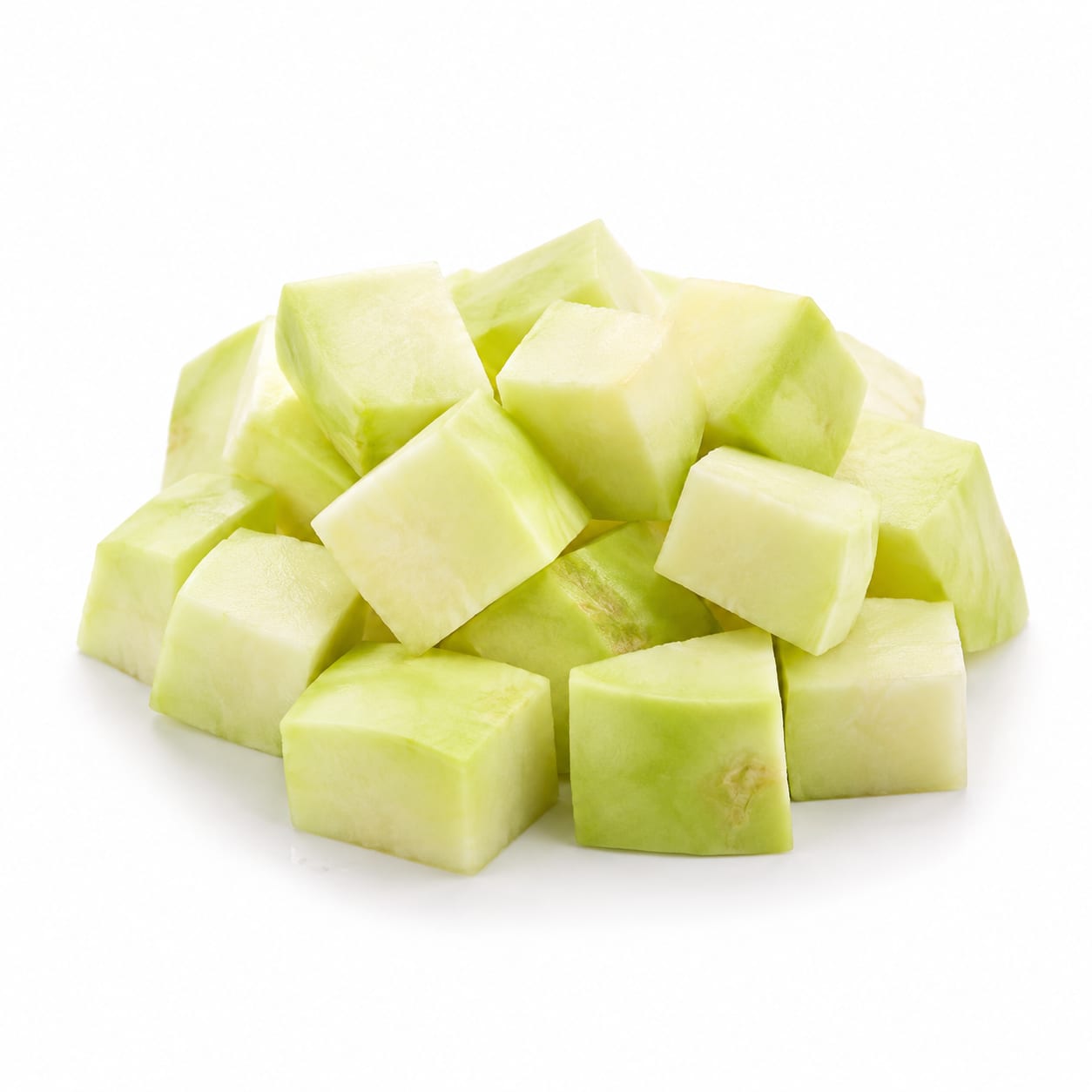
Kohlrabi
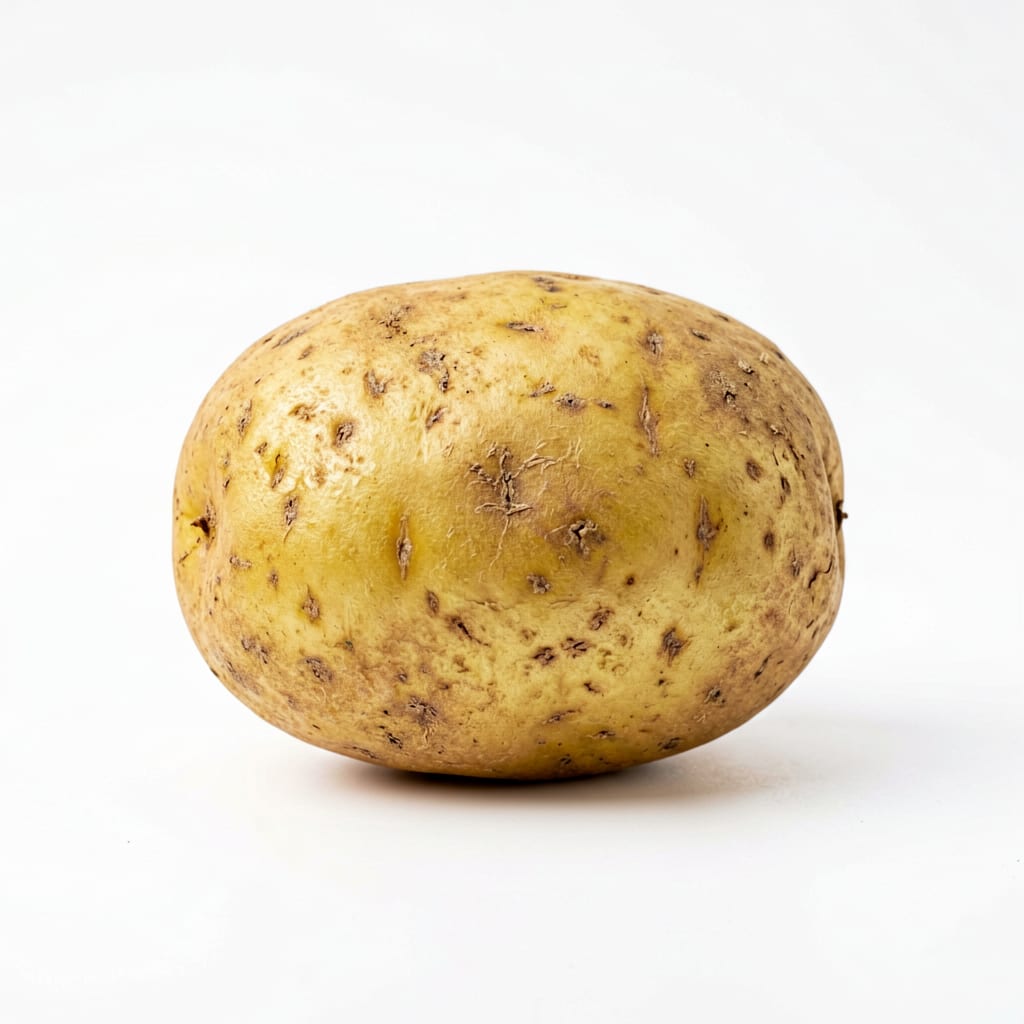
Potato
Kohlrabi is the low-carb, low-calorie alternative, while Potato delivers more sustained energy and comforting fullness.
Kohlrabi scores higher for metabolic health and weight management, but Potato remains a nutrient-dense, filling whole food that excels in energy delivery and practicality.
Blood sugar control and calorie savings versus satiety and culinary familiarity.
At a glance
Executive summary
Overall
It depends
Healthier
Kohlrabi
More practical
Potato
Daily use
It depends
Key comparison lenses
Blood sugar and carbohydrate management
Kohlrabi is a low-carb cruciferous vegetable, while Potato is a starchy staple, making this the primary divergence for most eaters.
Weight loss and calorie density
Kohlrabi offers massive volume for very few calories, whereas Potatoes are more calorie-dense, impacting portion control.
Satiety and energy sustainability
Potatoes are famously filling and provide sustained energy, which matters greatly for meal satisfaction and athletic performance.
Culinary versatility and convenience
Potatoes are a universal comfort food with endless preparations, while Kohlrabi is less familiar but surprisingly adaptable.
Best choice for
Kohlrabi
- People managing diabetes or insulin resistance
- Low-carb and keto dieters
- Those seeking maximum volume for minimal calories
Potato
- Athletes needing carb fueling
- Families needing affordable, filling meals
- Anyone needing long-lasting physical energy
Least suitable for
Kohlrabi
- Those needing to gain weight or increase caloric intake
- People looking for quick, dense energy
- Pickier eaters unfamiliar with its taste
Potato
- Strict low-carb dieters
- People with severe blood sugar spikes from starches
- Those trying to minimize calorie density
Deep comparison
Dimension by dimension
Each lens scores both foods and breaks down who each option suits.
- Dimension 1 · Priority 95Kohlrabi
Blood Sugar Stability
Kohlrabi · 92Potato · 45Kohlrabi keeps blood sugar steady, while Potatoes can cause noticeable spikes depending on preparation.
Tradeoff
You trade the quick, satisfying energy of starch for metabolic peace of mind.
Why it matters
Stable blood sugar prevents the afternoon energy crash and reduces cravings later in the day.
Real-world impact
Eating Kohlrabi instead of Potato means no food coma after lunch and fewer sweet cravings at 3 PM.
Kohlrabi
- Diabetics
- Intermittent fasters
- Desk workers avoiding afternoon slumps
Better for
- Someone who just ran a marathon and needs rapid glycogen replenishment
Worse for
Potato
- Endurance athletes mid-event
- Someone recovering from a hypoglycemic episode
Better for
- Prediabetics
- Those prone to sugar crashes
Worse for
- Dimension 2 · Priority 90Kohlrabi
Calorie Density & Weight Management
Kohlrabi · 95Potato · 60Kohlrabi is a dieter's dream, offering huge portions for almost no calories. Potatoes are moderate but easier to overeat, especially with added fats.
Tradeoff
Kohlrabi lets you eat a massive bowl without guilt, while Potatoes require more portion awareness.
Why it matters
Low calorie density allows you to feel physically full without accidentally overconsuming calories.
Real-world impact
You can eat an entire bowl of kohlrabi fries for a fraction of the calories of a small serving of regular potato fries.
Kohlrabi
- Volume eaters
- Calorie counters
- Weight loss plateau breakers
Better for
- Those struggling to get enough calories daily
Worse for
Potato
- Underweight individuals
- Growing teenagers needing energy
Better for
- Emotional eaters who struggle with portion control
Worse for
- Dimension 3 · Priority 85Potato
Satiety & Fullness
Kohlrabi · 70Potato · 90Potatoes rank among the most filling foods on the planet. Kohlrabi fills your stomach with water and fiber, but lacks the heavy satisfaction of starch.
Tradeoff
Lightness versus lasting fullness.
Why it matters
Meals that truly satisfy prevent mindless snacking between meals.
Real-world impact
A baked potato with dinner will likely keep you full until breakfast; kohlrabi might leave you hunting for a snack by 9 PM.
Kohlrabi
- Those who prefer light, non-sluggish feelings after eating
Better for
- People who feel hungry again quickly after vegetables
Worse for
Potato
- Manual laborers
- Anyone trying to reduce between-meal snacking
Better for
- Those who dislike feeling overly full
Worse for
- Dimension 4 · Priority 75It depends
Micronutrient Diversity
Kohlrabi · 82Potato · 80Kohlrabi brings vitamin C and glucosinolates, while Potatoes deliver potassium and B6.
Tradeoff
Immune and detox support versus electrolyte and nervous system support.
Why it matters
Different nutrients serve entirely different bodily functions, making variety more important than dominance.
Real-world impact
Kohlrabi helps ward off colds and inflammation, while Potatoes help with muscle cramps and recovery.
Kohlrabi
- Immune support
- Detoxification pathways
Better for
- Those needing high potassium for blood pressure management
Worse for
Potato
- Electrolyte balance
- Post-workout recovery
Better for
- Those relying on diet for high vitamin C intake
Worse for
- Dimension 5 · Priority 80Potato
Kitchen Versatility & Cost
Kohlrabi · 65Potato · 95Potatoes are cheap, universally loved, and can be cooked a hundred ways. Kohlrabi is pricier, less available, and requires more culinary creativity.
Tradeoff
Nutritional optimization versus everyday practicality.
Why it matters
The healthiest food only works if you can afford it, find it, and know how to cook it.
Real-world impact
Potatoes are a reliable, budget-friendly staple at any grocery store; kohlrabi might require a trip to a specialty market or farmers market.
Kohlrabi
- Home cooks looking to experiment
- Raw snackers
Better for
- Those on a tight grocery budget
Worse for
Potato
- Budget-conscious families
- Meal preppers
- Comfort food lovers
Better for
- Chefs looking for novel, low-carb ingredients
Worse for
Timeline
Health impact over time
Short-term
Hours to days
Kohlrabi
- Light, non-bloated feeling after meals
- Stable energy without a sugar crash
- High water content aids immediate hydration
Potato
- Rapid feeling of physical fullness
- Potential drowsiness if eaten in large quantities alone
- Quick energy replenishment after physical exertion
Long-term
Months to years
Kohlrabi
- Easier weight maintenance due to low calorie density
- Consistent blood sugar control reducing diabetes risk
- Glucosinolates supporting cellular detox and lower cancer risk
Potato
- Improved blood pressure from high potassium intake
- Risk of weight gain if fried or heavily buttered
- Enhanced gut health if cooked and cooled to form resistant starch
Risk profile
Safety & processing
Both Kohlrabi and Potato are whole, unprocessed vegetables. The health impact of both depends almost entirely on how you prepare and cook them.
Kohlrabi
Pesticide residue
mediumAs a cruciferous vegetable, Kohlrabi can retain pesticide residues on its outer skin; peeling or buying organic minimizes this.
Goitrogenic compounds
lowRaw kohlrabi contains goitrogens that can interfere with thyroid function if consumed in extreme, unrealistic amounts. Cooking neutralizes this.
Potato
Solanine toxicity
mediumGreen or sprouting potatoes contain solanine, a natural toxin that can cause digestive distress and neurological symptoms. Always cut away green spots.
Acrylamide formation
mediumFrying or baking potatoes at very high temperatures creates acrylamide, a potential carcinogen. Boiling or steaming avoids this.
Who wins for whom
Audience fit
Same foods, different winners depending on your goal.
children
PotatoPotatoes are mild, familiar, and provide the dense energy growing kids need, whereas kohlrabi can be a harder sell to picky eaters.
daily consumption
It dependsChoose Kohlrabi for daily low-carb meals, and Potatoes for active days requiring sustained energy.
diabetes
KohlrabiKohlrabi has a minimal impact on blood sugar, making it a safe, worry-free carb alternative for diabetics.
elderly
PotatoPotatoes are soft, easy to chew, and provide essential potassium for heart and muscle health in older adults.
muscle gain
PotatoPotatoes provide the dense, starchy carbohydrates needed to fuel heavy training and replenish glycogen stores efficiently.
weight loss
KohlrabiKohlrabi provides massive portion sizes for minimal calories, making it far easier to sustain a calorie deficit.
Your move
Decision guide
Choose Kohlrabi
- You are tracking carbs or managing diabetes
- You want to eat large volumes without gaining weight
- You enjoy crunchy, slightly sweet, cabbage-like flavors
Choose Potato
- You need affordable, filling comfort food
- You are an athlete or highly active person
- You want a reliable base for meal prepping
Either works if
- You want whole-food carbohydrates and are mindful of preparation methods
- You are building a balanced plate and need a vegetable base
Avoid both if
- You are on a strict zero-carb diet
- You have severe digestive issues with fiber or nightshades
Final recommendation
Use Kohlrabi as your go-to low-carb side dish for everyday meals, and save Potatoes for active days or when you need true comfort and lasting fullness.
Practical
Consumer tips
- 1
Roast kohlrabi cubes with olive oil and salt for a french fry alternative that actually crisps up nicely.
- 2
Cook potatoes, then chill them in the fridge before eating to increase resistant starch, which lowers the glycemic impact and feeds good gut bacteria.
- 3
Peel kohlrabi thoroughly; the thick outer skin is tough and fibrous, unlike potato skin which is often the best part.
- 4
If potatoes taste slightly bitter or look green, throw them out to avoid solanine poisoning.