
Nutrition comparison
Kohlrabi vs Carrot: Which Vegetable Is Better for Your Health Goals?
Compare kohlrabi and carrot nutrition — vitamin C vs vitamin A, blood sugar impact, cancer-fighting compounds, and practicality. Find which fits your diet better.
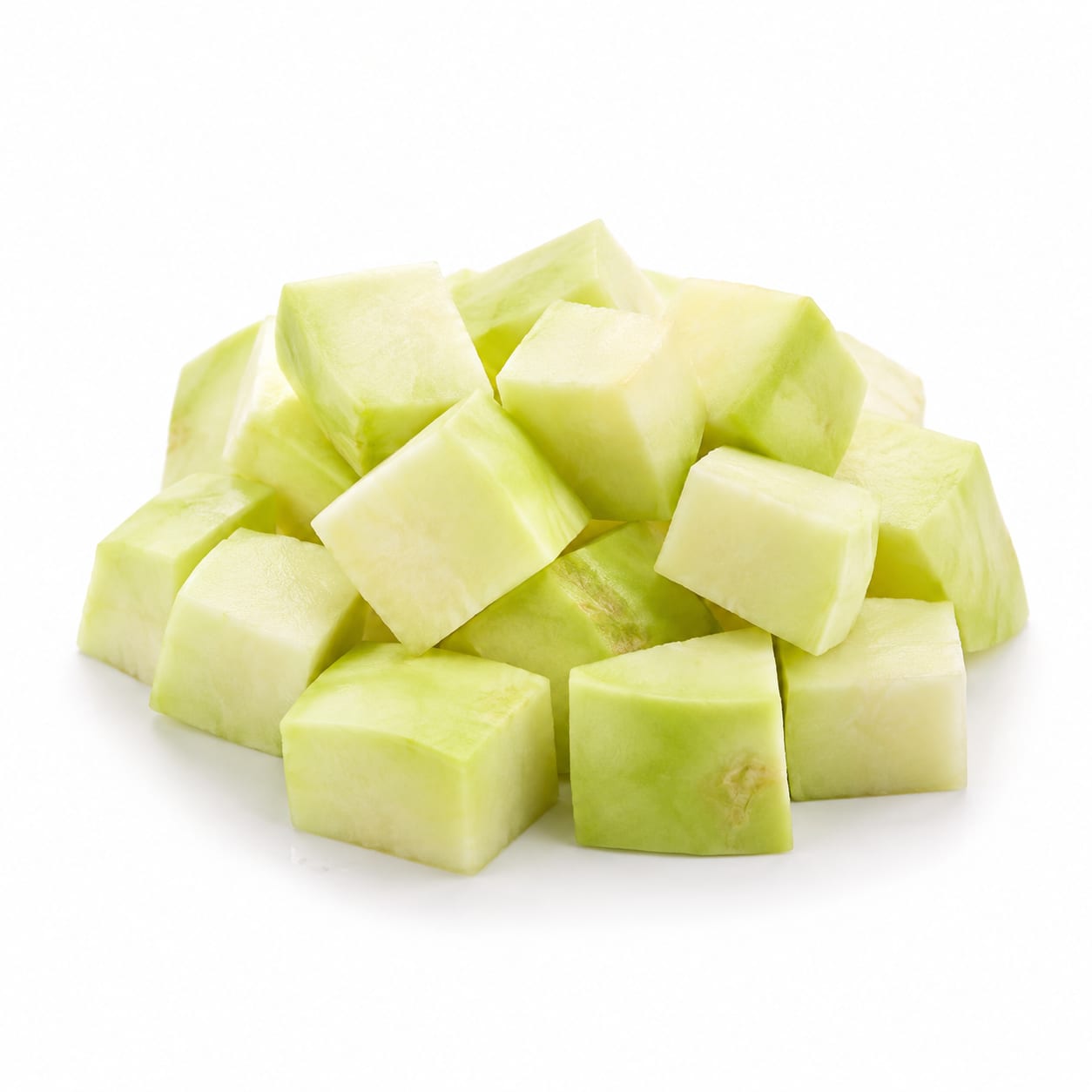
Kohlrabi

Carrot
Kohlrabi wins on vitamin C and cancer-fighting compounds; carrots win on vitamin A, sweetness, and everyday convenience.
Carrots edge ahead due to superior practicality, universal availability, and unmatched vitamin A content. Kohlrabi offers a stronger vitamin C and glucosinolate profile but loses points on accessibility and familiarity. The gap is narrow because both are genuinely healthy whole foods.
Cruciferous immune power versus root vegetable eye health and accessibility — both are excellent but serve different nutritional roles.
At a glance
Executive summary
Overall
It depends
Healthier
It depends
More practical
Carrot
Daily use
Carrot
Key comparison lenses
nutrient density and vitamin profile tradeoffs
Kohlrabi delivers far more vitamin C while carrots dominate in vitamin A — users need to understand this core tradeoff
blood sugar and sweetness comparison
Carrots are noticeably sweeter, which matters for snacking behavior and glucose-conscious eaters
cancer-fighting compound differences
Kohlrabi contains glucosinolates unique to cruciferous vegetables; carrots offer different carotenoid-based protection
everyday practicality and availability
Carrots are ubiquitous and cheap; kohlrabi is harder to find and less familiar to most cooks
eye health and immune support prioritization
Each vegetable excels in a different defensive role — vision versus immune function
Best choice for
Kohlrabi
- Boosting immune defense during cold season
- Adding cruciferous cancer-fighting compounds to your diet
- Low-sugar crunchy snacking without blood sugar spikes
- Expanding vegetable variety beyond the usual staples
Carrot
- Supporting eye health and night vision
- Affordable daily vegetable that requires zero prep effort
- Getting kids to eat more vegetables through natural sweetness
- Meal prepping bulk vegetables for the week
Least suitable for
Kohlrabi
- People who need widely available affordable produce on a tight budget
- Anyone unfamiliar with cooking cruciferous vegetables who might waste it
- Those wanting a sweet-tasting vegetable to replace fruit cravings
Carrot
- People strictly limiting sugar intake who react to even natural sweetness
- Those already eating plenty of orange vegetables wanting broader nutrient diversity
- Anyone seeking significant vitamin C from a single vegetable source
Deep comparison
Dimension by dimension
Each lens scores both foods and breaks down who each option suits.
- Dimension 1 · Priority 95It depends
Vitamin and Mineral Density
Kohlrabi · 76Carrot · 82Carrots deliver extraordinary vitamin A; kohlrabi provides much more vitamin C and slightly more potassium.
Tradeoff
You choose between vision-supporting beta-carotene and immune-boosting vitamin C — rarely does one vegetable dominate both.
Why it matters
Vitamin A deficiency affects night vision and skin health, while vitamin C shortfall hits immune resilience and wound healing.
Real-world impact
Eating carrots regularly helps with night driving visibility. Eating kohlrabi regularly helps you fight off seasonal colds faster.
Kohlrabi
- Vitamin C intake — roughly 5x more per serving than carrots
- Potassium for blood pressure regulation
- Vitamin B6 for energy metabolism
Better for
- Very low beta-carotene and vitamin A activity
Worse for
Carrot
- Vitamin A — over 300% daily value per cup of raw carrots
- Biotin for hair and nail strength
- Vitamin K1 for bone health and clotting
Better for
- Modest vitamin C content compared to cruciferous alternatives
Worse for
- Dimension 2 · Priority 88Kohlrabi
Blood Sugar and Sweetness
Kohlrabi · 85Carrot · 68Kohlrabi is less sweet and has a lower glycemic impact, making it the steadier choice for glucose-sensitive eaters.
Tradeoff
Carrots taste better raw to most people because of their sweetness, but that same sweetness raises blood sugar slightly more.
Why it matters
For diabetics and anyone avoiding afternoon energy crashes, even small differences in sugar content add up over daily snacking.
Real-world impact
A kohlrabi stick afternoon snack keeps energy flat. A carrot stick snack gives a mild pleasant boost but a slight dip 45 minutes later.
Kohlrabi
- Lower natural sugar content per serving
- Milder impact on blood glucose
- Better for uninterrupted focus during long work sessions
Better for
- Less appealing as a sweet snack replacement
Worse for
Carrot
- Natural sweetness satisfies sugar cravings without junk food
- More motivating to eat raw as a standalone snack
Better for
- Higher sugar load matters when eaten in large quantities or juiced
Worse for
- Dimension 3 · Priority 82Kohlrabi
Cancer-Fighting and Antioxidant Compounds
Kohlrabi · 84Carrot · 72Kohlrabi contains glucosinolates — sulfur compounds linked to cancer cell suppression. Carrots offer carotenoid antioxidants instead.
Tradeoff
Cruciferous glucosinolates have stronger direct anti-cancer evidence, but carotenoids protect differently through oxidative stress reduction.
Why it matters
Long-term disease prevention is the main reason to eat vegetables beyond basic vitamins — compound diversity matters more than people think.
Real-world impact
Eating kohlrabi a few times weekly adds a layer of cellular defense that carrots simply cannot replicate. But carrots protect eye tissue in ways kohlrabi cannot.
Kohlrabi
- Glucosinolates activate detoxification enzymes
- Indole compounds support healthy estrogen metabolism
- Broader anti-inflammatory pathway coverage
Better for
- Less population-level research on specific cancer reduction
Worse for
Carrot
- Beta-carotene reduces oxidative damage in skin and eyes
- Falcarinol shows lab evidence of anti-tumor activity
- More studied for long-term population health outcomes
Better for
- Lacks the sulfur-based detoxification compounds unique to cruciferous vegetables
Worse for
- Dimension 4 · Priority 78Carrot
Practicality and Availability
Kohlrabi · 48Carrot · 92Carrots are available everywhere, cheap, and require zero learning to prepare. Kohlrabi is seasonal, harder to find, and unfamiliar to most shoppers.
Tradeoff
Nutritional novelty comes at the cost of convenience — kohlrabi rewards effort but demands it first.
Why it matters
The healthiest vegetable is the one you actually eat consistently. Accessibility often beats nutrient density in real-world outcomes.
Real-world impact
You can grab carrots at any gas station produce rack. Finding kohlrabi might require a farmers market trip or specialty grocery store.
Kohlrabi
- Longer fridge life when stored properly — stays crisp for weeks
- Dual-use: both bulb and leaves are edible
Better for
- Many people do not know what it is or how to cut it
- Not carried in many small or discount grocery stores
- Seasonal availability varies significantly by region
Worse for
Carrot
- Available year-round in virtually every grocery store
- Extremely affordable even on tight budgets
- No peeling required — wash and eat
- Universally recognized — no recipe research needed
Better for
- Less exciting for adventurous eaters seeking variety
Worse for
- Dimension 5 · Priority 72It depends
Digestive Health and Fiber Quality
Kohlrabi · 78Carrot · 76Both provide good fiber, but kohlrabi offers slightly more insoluble fiber while carrots provide more pectin-based soluble fiber.
Tradeoff
Insoluble fiber speeds transit; soluble fiber feeds gut bacteria. Both matter, but your gut may prefer one over the other.
Why it matters
People with constipation benefit more from insoluble fiber, while those repairing gut flora need soluble fiber more.
Real-world impact
Kohlrabi helps more if things feel sluggish. Carrots help more if you are rebuilding after antibiotics or gut damage.
Kohlrabi
- Slightly higher total fiber per serving
- More insoluble fiber for regularity and constipation relief
- Cruciferous fiber supports diverse gut microbiome patterns
Better for
- Can cause bloating in people sensitive to cruciferous vegetables
Worse for
Carrot
- Higher pectin content feeds beneficial gut bacteria
- Gentler on sensitive digestive systems
- Less likely to cause gas than cruciferous vegetables
Better for
- Less total fiber per calorie compared to kohlrabi
Worse for
- Dimension 6 · Priority 70Carrot
Versatility and Culinary Use
Kohlrabi · 65Carrot · 82Carrots integrate into nearly every cuisine and cooking method. Kohlrabi works well but has a narrower comfort zone for most home cooks.
Tradeoff
Kohlrabi has a unique mild-crisp texture that shines in specific dishes, but carrots are the universal team player.
Why it matters
A vegetable you can use ten ways gets eaten more often than one you only use once — variety of preparation drives consistency.
Real-world impact
Carrots go into stir-fries, soups, salads, cakes, juices, and roasting pans without thinking. Kohlrabi requires a moment of planning each time.
Kohlrabi
- Excellent raw with dip when cut into sticks
- Bulb can be roasted, mashed, or added to slaws
- Leaves are edible and work like kale in recipes
Better for
- Limited recipe resources compared to mainstream vegetables
- Unfamiliar taste may need experimentation to enjoy
Worse for
Carrot
- Works in sweet and savory dishes equally well
- Grates easily into baked goods, salads, and sauces
- Roasts, steams, boils, juices, and eats raw with zero fuss
- Universally accepted flavor even by picky eaters
Better for
- Can dominate milder dishes with sweetness when overused
Worse for
Timeline
Health impact over time
Short-term
Hours to days
Kohlrabi
- Vitamin C boost supports same-day immune readiness
- Crunchy texture promotes thorough chewing and satiety signaling
- Mild diuretic effect from potassium helps reduce water retention
Carrot
- Quick beta-carotene absorption supports immediate eye adaptation to dim light
- Natural sweetness satisfies cravings without processed sugar
- Mild blood sugar rise provides a short energy lift between meals
Long-term
Months to years
Kohlrabi
- Regular glucosinolate intake associated with reduced colorectal cancer risk
- Consistent vitamin C intake supports collagen integrity and skin aging defense
- Cruciferous vegetable pattern linked to lower cardiovascular disease markers
Carrot
- Sustained beta-carotene intake reduces age-related macular degeneration risk
- Long-term carotenoid consumption associated with lower lung cancer rates in studies
- Consistent soluble fiber intake supports stable cholesterol levels over decades
Risk profile
Safety & processing
Both kohlrabi and carrots are whole vegetables typically sold fresh and unprocessed. Neither carries meaningful additive concerns unless purchased pre-cut with preservatives. Choose whole unpeeled versions of either for maximum naturalness.
Kohlrabi
Pesticide residue on conventional kohlrabi
mediumKohlrabi is not on the Dirty Dozen list but cruciferous vegetables can retain surface pesticides. Washing thoroughly or choosing organic reduces exposure.
Goitrogenic compounds with excessive raw intake
lowRaw cruciferous vegetables contain goitrogens that can interfere with thyroid function in very high amounts. Cooking deactivates most of these compounds. Normal intake is safe for healthy thyroids.
Carrot
Pesticide residue on conventional carrots
mediumCarrots frequently appear on the Dirty Dozen list due to pesticide retention in root soil. Peeling reduces but does not eliminate exposure. Organic carrots are a safer bet.
Carotenemia from excessive consumption
lowEating very large amounts of carrots can cause orange skin discoloration from beta-carotene buildup. This is harmless and reversible but surprises some people.
Who wins for whom
Audience fit
Same foods, different winners depending on your goal.
children
CarrotCarrots are sweeter, more familiar, and easier for kids to accept. Kohlrabi's unfamiliar appearance and milder taste can be a harder sell.
daily consumption
CarrotCarrots are affordable, available everywhere, and easy to incorporate daily without recipe fatigue. Kohlrabi works better as a rotating addition than a daily staple.
diabetes
KohlrabiLower sugar content and milder glycemic impact make kohlrabi the safer regular choice for blood glucose management.
elderly
CarrotCarrots support vision health which declines with age, and their softer texture when cooked is easier on aging digestive systems and dental issues.
muscle gain
It dependsNeither vegetable is a protein source. Both serve as complementary sides. Carrots offer slightly more carbohydrate for post-workout glycogen replenishment.
weight loss
KohlrabiKohlrabi has slightly fewer calories per serving and less sugar, making it the better volume-eating choice for calorie-conscious snacking.
Your move
Decision guide
Choose Kohlrabi
- You want to strengthen your immune system during cold and flu season
- You are looking for low-sugar crunchy snacks that will not spike blood glucose
- You eat cruciferous vegetables specifically for their cancer-fighting glucosinolates
- You enjoy trying less common vegetables and expanding your cooking repertoire
- You have access to farmers markets or quality produce sections with good kohlrabi selection
Choose Carrot
- Eye health and vision protection are top priorities for you
- You need an affordable vegetable that is always available and requires zero prep thought
- You want a naturally sweet snack that replaces processed sugar cravings
- You are feeding children or picky eaters who resist unfamiliar vegetables
- You meal prep in bulk and need a reliable versatile vegetable for the week
Either works if
- You simply want more vegetable variety and both are available
- You are building a crudité platter and want color and crunch diversity
- You are already eating plenty of greens and want to add root and bulb vegetables
Avoid both if
- You have a known allergy to cruciferous vegetables or root vegetables
- You are on a very strict very-low-carb protocol and need to minimize all carbohydrate sources
Final recommendation
Eat both — but let carrots be your daily driver and kohlrabi your strategic addition. Carrots give you reliable vitamin A and everyday convenience. Kohlrabi gives you vitamin C and cruciferous compounds that carrots cannot match. The healthiest approach is rotating between them rather than choosing one exclusively. If budget or access forces a choice, carrots win on sustainability. If you are already eating carrots daily, adding kohlrabi once or twice a week fills the nutrient gaps carrots leave open.
Practical
Consumer tips
- 1
Choose organic carrots when possible — they consistently rank high for pesticide residue on conventional produce
- 2
Peel conventional carrots to reduce surface pesticide exposure, but leave the skin on organic carrots for maximum nutrients
- 3
Cut kohlrabi bulbs into sticks and store in water in the fridge — they stay crisp for snacking all week
- 4
Do not discard kohlrabi leaves — sauté them like kale or add to soups for extra nutrients at zero extra cost
- 5
Roast both vegetables together with olive oil for a side dish that combines the best of both nutrient profiles
- 6
If kohlrabi is hard to find fresh, check the frozen section of well-stocked grocery stores — it retains nutrients well when frozen
- 7
Lightly steaming kohlrabi reduces goitrogenic compounds while preserving most vitamin C — a good middle ground for thyroid-conscious eaters