
Nutrition comparison
Kohlrabi vs Turnip: Which Cruciferous Vegetable Is Better for You?
Compare kohlrabi and turnip nutrition, flavor, and versatility. Find out which brassica wins for vitamin C, raw snacking, cooking, and daily use.
Overall winner · Kohlrabi
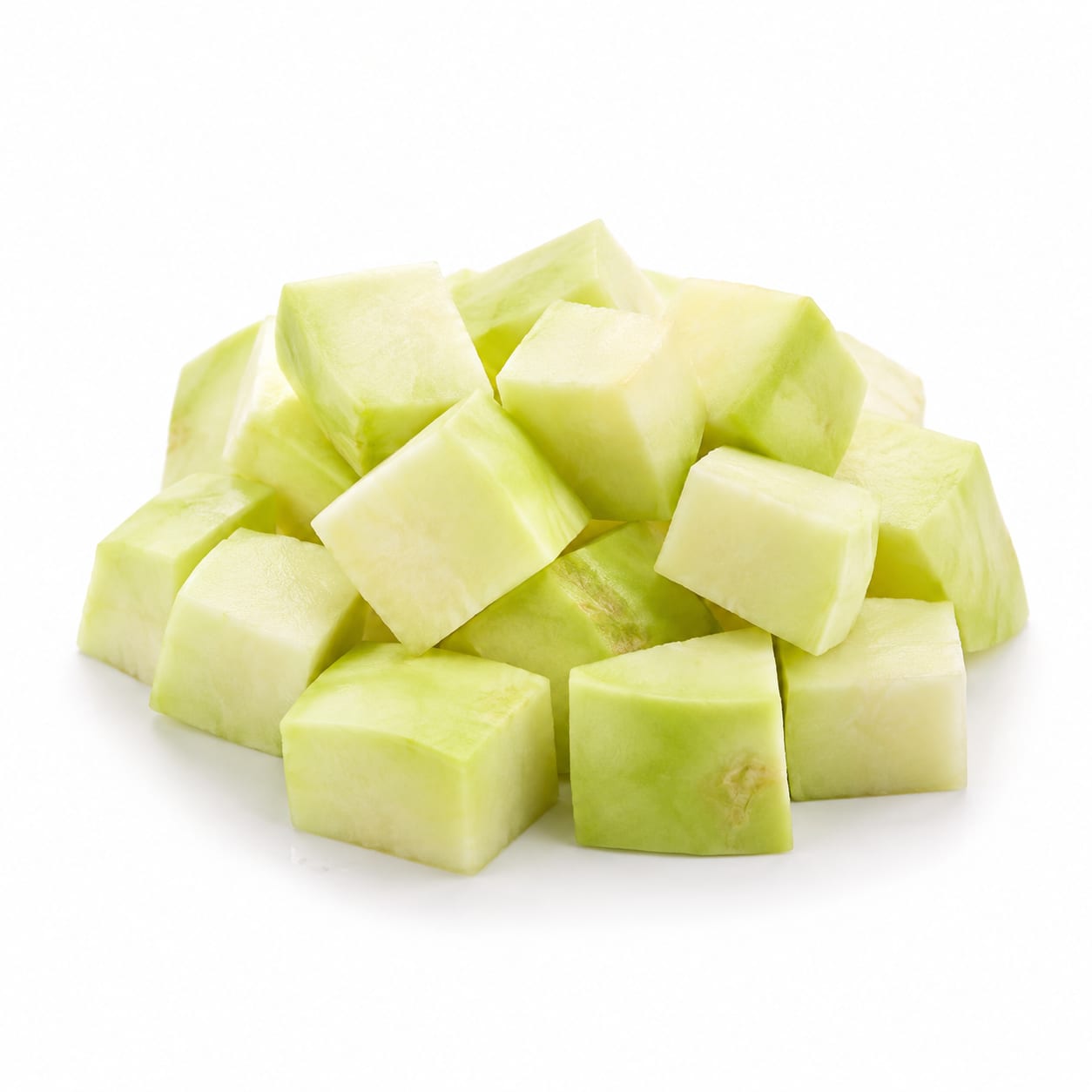
Kohlrabi
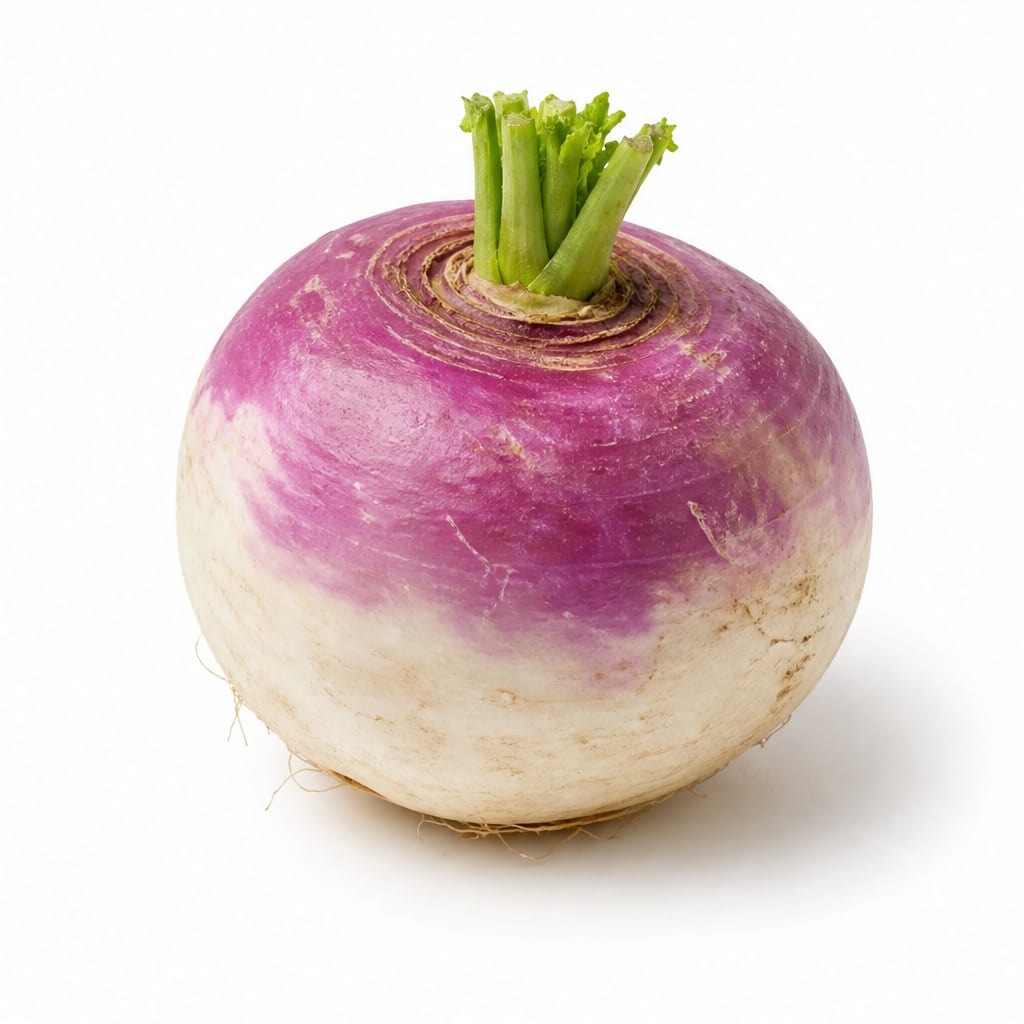
Turnip
Kohlrabi edges out turnip with more vitamin C, better raw versatility, and a friendlier flavor profile for most people.
Kohlrabi scores higher due to superior vitamin C content, raw eating versatility, and milder flavor that fits more meals. Turnip remains valuable for cooked dishes and budget cooking but is less adaptable overall.
Kohlrabi is milder and more versatile raw, while turnip brings a deeper earthy flavor that holds up better in hearty cooked dishes.
At a glance
Executive summary
Overall
Kohlrabi
Healthier
Kohlrabi
More practical
Kohlrabi
Daily use
Kohlrabi
Key comparison lenses
nutritional density comparison
Both are low-calorie cruciferous vegetables, so micronutrient differences drive the real decision
raw vs cooked versatility
Kohlrabi shines raw while turnip almost always needs cooking, affecting how people actually use them
flavor accessibility
Kohlrabi's mild sweetness is more approachable than turnip's peppery bite
digestive tolerance
Both are brassicas that can cause gas, but turnip tends to be harsher on sensitive stomachs
weight management
Both are excellent low-calorie options, so subtle differences in satiety and cravings matter
Best choice for
Kohlrabi
- Raw snacking and crudité plates
- Families introducing more vegetables to picky eaters
- Salads and slaws needing crunch
- Maximum vitamin C intake
Turnip
- Hearty stews and soups
- Traditional comfort food recipes
- Budget-conscious shoppers seeking flavor depth
- Winter roasting medleys
Least suitable for
Kohlrabi
- Long braised dishes where its delicate flavor disappears
- Very tight grocery budgets in regions where it is imported
- People wanting strong earthy flavor
Turnip
- Raw salads or snacking
- People with sensitive digestion who struggle with brassica bitterness
- Light summer meals
Deep comparison
Dimension by dimension
Each lens scores both foods and breaks down who each option suits.
- Dimension 1 · Priority 88Kohlrabi
Vitamin C Content
Kohlrabi · 85Turnip · 55Kohlrabi delivers roughly double the vitamin C per serving compared to turnip.
Tradeoff
Turnip compensates slightly with more calcium, but the vitamin C gap is significant for immune support and skin health.
Why it matters
Vitamin C is water-soluble and must be replenished daily. Kohlrabi makes that easier.
Real-world impact
A single cup of raw kohlrabi covers over 100% of daily vitamin C needs, while turnip covers closer to 40%.
Kohlrabi
- Immune system support during cold season
- Skin health and collagen production
- Post-workout recovery
Better for
- Not a significant calcium source
Worse for
Turnip
- Bone health support from slightly higher calcium
Better for
- Lower antioxidant protection from reduced vitamin C
Worse for
- Dimension 2 · Priority 85Kohlrabi
Raw Eating Quality
Kohlrabi · 90Turnip · 40Kohlrabi is crisp, sweet, and refreshing raw. Turnip is peppery, dense, and rarely enjoyable uncooked.
Tradeoff
Turnip's tough texture and sharp bite make it almost exclusively a cooked vegetable, limiting its use cases.
Why it matters
Raw vegetables retain more heat-sensitive nutrients like vitamin C and are faster to prepare.
Real-world impact
Kohlrabi can be sliced for snacks, added to salads, or used as a dip vessel. Turnip almost always requires peeling and cooking.
Kohlrabi
- Quick no-cook snacking
- Salads and slaws
- Lunchbox vegetable sticks
Better for
- Can lose its appeal if stored too long and becomes woody
Worse for
Turnip
- Nothing — turnip is rarely eaten raw by choice
Better for
- Limited to cooked preparations, adding prep time
Worse for
- Dimension 3 · Priority 82Kohlrabi
Flavor Versatility
Kohlrabi · 80Turnip · 65Kohlrabi's mild, slightly sweet flavor adapts to both raw and cooked dishes. Turnip's peppery earthiness works well in some recipes but dominates others.
Tradeoff
Turnip adds more personality to hearty dishes but can overpower delicate flavors. Kohlrabi plays well with almost anything.
Why it matters
Vegetables that blend into multiple cuisines and cooking styles get eaten more consistently.
Real-world impact
Kohlrabi works in stir-fries, salads, roasted dishes, and even fritters. Turnip excels in stews and roasts but feels out of place in lighter fare.
Kohlrabi
- Fusion cooking and varied cuisines
- Light spring and summer dishes
- Recipes where other flavors should shine
Better for
- Can taste bland if overcooked or underseasoned
Worse for
Turnip
- Hearty winter comfort food
- Traditional European and Southern recipes
- Dishes where bold vegetable flavor is desired
Better for
- Peppery bitterness limits pairing options
Worse for
- Dimension 4 · Priority 75Kohlrabi
Digestive Tolerance
Kohlrabi · 72Turnip · 58Both are brassicas that can cause gas, but kohlrabi is generally gentler on the digestive system.
Tradeoff
Turnip's higher sulfur compounds and stronger fibers can be tougher on sensitive stomachs, especially when undercooked.
Why it matters
If a vegetable causes discomfort, people stop eating it regardless of its nutritional value.
Real-world impact
People with IBS or sensitive digestion often tolerate kohlrabi better, especially when cooked until tender.
Kohlrabi
- People with mild IBS or sensitive digestion
- Gradual introduction of more cruciferous vegetables
- Children still developing taste for brassicas
Better for
- Still a brassica — can cause bloating if eaten in large quantities raw
Worse for
Turnip
- Those with robust digestion who enjoy bold flavors
Better for
- More likely to cause gas and discomfort, especially raw or undercooked
Worse for
- Dimension 5 · Priority 78It depends
Fiber and Satiety
Kohlrabi · 72Turnip · 70Both provide solid fiber with low calories, making them equally good for feeling full without overeating.
Tradeoff
Kohlrabi has slightly more soluble fiber, while turnip has marginally more insoluble fiber. The practical difference is minimal.
Why it matters
Fiber is the main reason these vegetables satisfy hunger and support stable blood sugar.
Real-world impact
A cup of either vegetable provides 4-5 grams of fiber for under 40 calories. Both are excellent for volume eating.
Kohlrabi
- Steadier blood sugar from slightly more soluble fiber
- Gentler digestive transit
Better for
- Minimal practical difference from turnip
Worse for
Turnip
- Slightly better bowel regularity from marginally more insoluble fiber
Better for
- Minimal practical difference from kohlrabi
Worse for
- Dimension 6 · Priority 70Turnip
Budget and Accessibility
Kohlrabi · 50Turnip · 80Turnip is widely available and inexpensive year-round. Kohlrabi can be harder to find and pricier, especially outside farmers market season.
Tradeoff
Kohlrabi's nutritional edge comes at a higher cost and lower availability in many grocery stores.
Why it matters
The healthiest vegetable is the one you can actually buy and eat regularly.
Real-world impact
Turnip is a staple in budget cooking worldwide. Kohlrabi often requires specialty stores or farmers markets, limiting consistent access.
Kohlrabi
- Nothing — kohlrabi is consistently more expensive and less available
Better for
- May require specialty shopping trips
- Higher cost per serving
Worse for
Turnip
- Consistent year-round availability
- Lower price per pound
- Found in virtually any grocery store
Better for
- Lower nutritional density per dollar compared to kohlrabi's vitamin C advantage
Worse for
Timeline
Health impact over time
Short-term
Hours to days
Kohlrabi
- Quick vitamin C boost supporting immune function
- Light, hydrating crunch that satisfies snack cravings without heaviness
- Possible mild bloating if eaten raw in large amounts
Turnip
- Moderate blood sugar stabilization from fiber
- Possible gas or digestive discomfort, especially if undercooked
- Warming, grounding effect when consumed in cooked dishes
Long-term
Months to years
Kohlrabi
- Consistent vitamin C intake supporting skin, joints, and immune resilience
- Glucosinolate compounds contributing to cellular defense mechanisms
- Improved dietary variety from versatile preparation options
Turnip
- Solid fiber intake supporting digestive regularity and gut health
- Glucosinolate exposure similar to other brassicas for long-term cellular protection
- Calcium contribution to bone health over time
Risk profile
Safety & processing
Both kohlrabi and turnip are whole vegetables sold in their natural state. Neither carries processing concerns. Choose organic when possible to reduce pesticide exposure on brassica crops.
Kohlrabi
Pesticide residue on conventional crops
mediumAs a brassica, kohlrabi can retain pesticide residues on its skin. Washing thoroughly or choosing organic reduces this concern.
Woody texture from over-mature harvest
lowOlder kohlrabi can develop tough, fibrous stems that are unpleasant to eat and may cause choking if not properly chewed. Select smaller, firm bulbs.
Turnip
Pesticide residue on conventional crops
mediumTurnip roots and greens can carry pesticide residues. Root vegetables generally have lower surface exposure than leafy crops, but peeling helps.
Goitrogenic compounds with excessive raw consumption
lowRaw turnip contains goitrogens that can interfere with thyroid function in susceptible individuals if consumed in very large amounts. Cooking significantly reduces this risk.
Who wins for whom
Audience fit
Same foods, different winners depending on your goal.
children
KohlrabiKohlrabi's mild sweetness and satisfying crunch make it more appealing to kids. It can be sliced into fun sticks or added to slaws without the bitter turnip backlash.
daily consumption
KohlrabiKohlrabi's flexibility across raw and cooked preparations makes it easier to eat daily without flavor fatigue, though availability and cost may limit some households.
diabetes
It dependsBoth have minimal impact on blood sugar with nearly identical glycemic profiles. Either works well as a low-carb vegetable choice.
elderly
KohlrabiKohlrabi is easier to digest when cooked tender and provides more vitamin C, which supports immune health and skin integrity in aging adults.
muscle gain
It dependsNeither is a significant protein source. Both serve as low-calorie sides that leave room for protein-rich foods. Pick based on meal context.
weight loss
KohlrabiKohlrabi's raw snacking versatility and higher vitamin C make it easier to reach for instead of calorie-dense snacks, while both are equally low in calories.
Your move
Decision guide
Choose Kohlrabi
- You want a crunchy raw vegetable for snacks and salads
- You prioritize maximum vitamin C from your vegetables
- You are introducing more vegetables to cautious eaters or children
- You enjoy mild, slightly sweet flavors that pair with anything
Choose Turnip
- You are making hearty stews, pot roasts, or winter soups
- Budget and availability are primary concerns
- You appreciate bold, earthy, peppery vegetable flavors
- You want a traditional ingredient for classic comfort recipes
Either works if
- You need a low-calorie, high-fiber vegetable side dish
- You are focusing on cruciferous vegetable benefits for cellular health
- You want to rotate brassicas for dietary diversity
Avoid both if
- You have severe thyroid issues and are sensitive to goitrogens without cooking
- You are on a very low-FODMAP diet and react strongly to brassica fiber
- You cannot access fresh produce and only find wilted or over-mature stock
Final recommendation
Keep both in rotation if possible. Kohlrabi is your daily workhorse for raw crunch and vitamin C, while turnip earns its place in cold-weather cooking where its depth of flavor truly shines. If you must pick one, kohlrabi's versatility gives you more ways to actually eat it consistently.
Practical
Consumer tips
- 1
Select kohlrabi bulbs that are small to medium — larger ones become woody and less sweet
- 2
Peel kohlrabi thoroughly as the skin can be tough, even when young
- 3
Store turnips unwashed in a cool dark place; they last weeks longer than kohlrabi
- 4
If turnip tastes too bitter, try boiling it briefly before roasting to mellow the bite
- 5
Kohlrabi leaves are edible and nutritious — cook them like collard greens instead of discarding
- 6
Both vegetables freeze well after blanching, making seasonal buying more practical
- 7
Try kohlrabi matchsticks in a slaw with apple and mustard for an easy entry point