
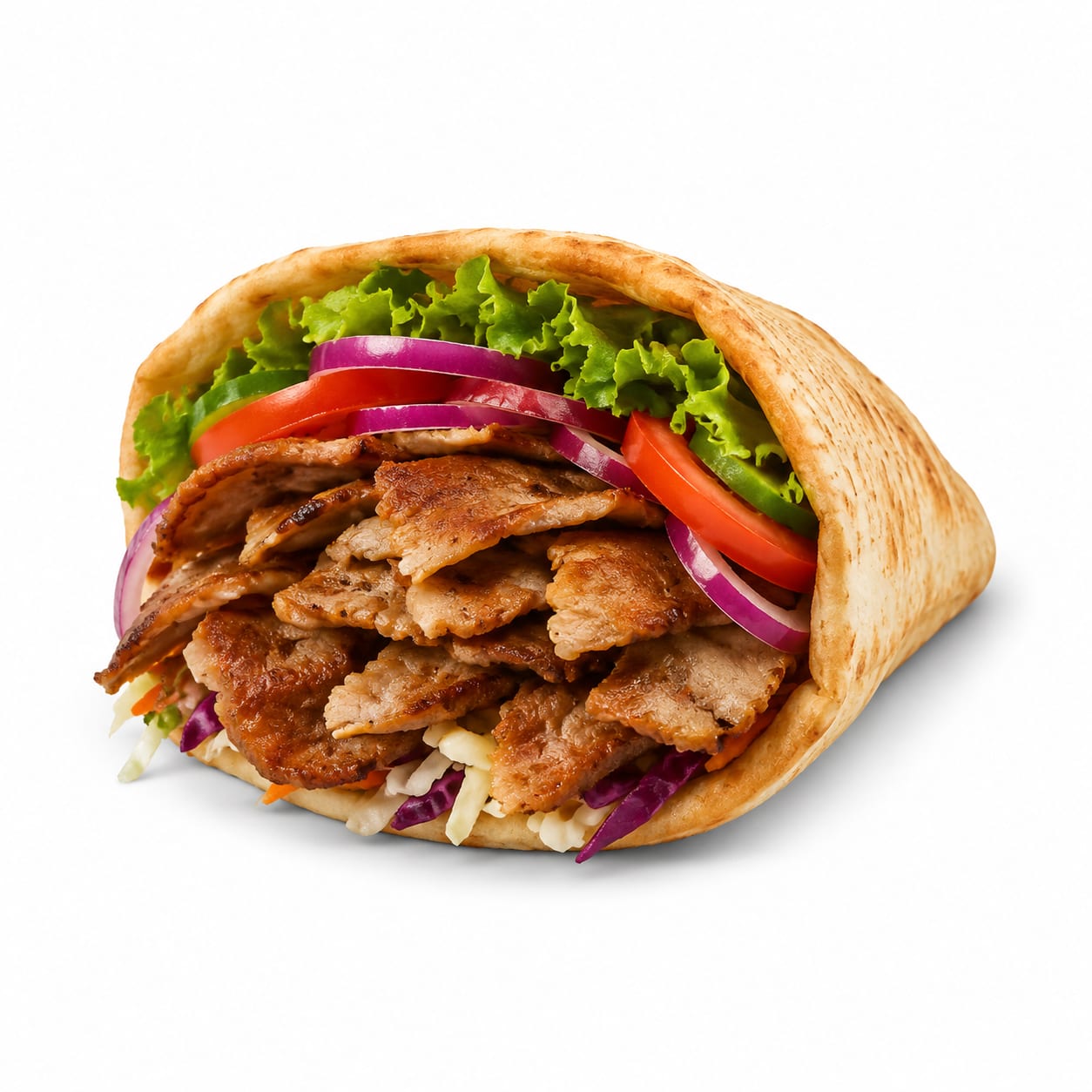
Meat / Street Food
Kebab
A savory meat dish cooked on a skewer or rotating spit, typically made from lamb, beef, or chicken.
A popular Middle Eastern and Mediterranean dish consisting of meat cut into pieces or ground, cooked on a spit or skewer, often served with flatbread, vegetables, and sauces.
protein-dense high-fat meat dish
Typical serving · 200g
Common varieties · Doner kebab, Shish kebab, Adana kebab, Chicken kebab, Kofta kebab
Overall context score across nutrition, safety, and diet fit
At a glance
Quick facts
Simple indicators based on nutrition, processing, and diet fit.
The story
What makes it unique
Kebab provides a concentrated source of protein and fat with minimal carbohydrates. Digestion speed is moderate due to high protein and fat content, promoting high satiety. Processing characteristics vary widely; shish kebab uses whole muscle meat, while doner kebab often contains restructured meat, binders, and sodium.
Varieties: Doner kebab · Shish kebab · Adana kebab · Chicken kebab · Kofta kebab
Per 100g
Nutrition breakdown
Macro balance and key metrics at a glance.
Energy
Density 2.26 kcal/g
Protein
Carbs
Fat
Fiber
Sugar
0.5 g
Sodium
800 mg
Potassium
310 mg
Glycemic index
0
Glycemic load
0
Water content
60%
Standout compounds
Nutrient highlights
Protein
highSupports muscle growth and repair
Sodium
highElectrolyte balance but excessive intake raises blood pressure
Saturated Fat
moderateProvides energy but can impact heart health in excess
Vitamin B12
highEssential for nerve function and red blood cell formation
Wellness map
Health scores & processing
NOVA processing scale
Highly processed (Doner) / Minimally processed (Shish) · Ultra-processed
Doner kebab is typically ultra-processed, containing restructured meat, binders, and preservatives. Shish kebab made from whole cuts of meat is minimally processed.
Diet compatibility
- Weight loss
- Muscle gain
- Diabetes
- Gut health
- Low carb
- High protein
- Heart health
Relative standing
Food rankings
Qualitative ranks compared to similar whole foods.
- Satietygood
- Blood sugarexcellent
- Nutrient densitymoderate
- Fitness fuelgood
- Processing qualitypoor
Eat with confidence
Food safety profile
Risk primarily stems from improper temperature control during spit rotation and high sodium content. Whole-meat shish kebabs carry lower microbial risk than ground meat varieties.
Evidence confidence 85%
- Pesticideslow
- Antibioticsmoderate
- Heavy metalslow
- Contaminationmoderate
Watch for
- Pathogenic bacteria (Salmonella, E. coli)
Safer choices
Chicken shish kebab from reputable sources with high turnover.
Prep tips
Ensure meat is thoroughly cooked and steaming hot; avoid doner meat that looks undercooked near the center of the spit.
Inconsistent meat quality and undeclared fillers or allergens in commercial doner kebabs.
Deep dive
Health analysis
How this food may fit different goals and preparation choices.
Weight loss
Doner kebabs are calorie-dense and high in fat, making portion control difficult for weight loss. Shish kebabs are leaner and more suitable.
Blood sugar
Virtually zero carbohydrates in the meat itself, resulting in minimal blood sugar impact unless consumed with bread or sweet sauces.
Fitness & energy
High protein content supports muscle repair, but the high fat content in doner kebabs can slow digestion, making it less ideal for immediate post-workout recovery.
Gut health
Lacks dietary fiber and the high saturated fat and sodium content may negatively impact gut microbiome diversity.
Processing quality
Highly variable. Ground meat kebabs often contain binders and additives, while whole-meat kebabs are minimally processed.
Food safety
Ground or restructured meats carry higher bacterial risk. Proper cooking and safe handling are essential, especially for spit-roasted meats.
Common mistakes
Assuming all kebabs are lean; doner meat is often heavily marbled with fat. Ignoring the high calorie and sodium content of accompanying sauces and breads.
Best preparation
Grilling lean cuts like chicken breast or lean lamb over an open flame with minimal oil, served with vegetables instead of bread.
Practical guide
Best use cases
When and how this food fits real eating patterns.
High-protein low-carb meal
Shish kebab without bread provides a filling, low-carb protein source.
Keto-friendly takeout
Kebab meat with salad and no bread fits well into a ketogenic macronutrient profile.
Post-drinking meal
The high fat and protein content in doner kebab is a popular choice for satiety after alcohol consumption.
Balance sheet
Pros & cons
Upsides
- High protein content supports satiety and muscle maintenance
- Very low carbohydrate content suitable for keto diets
- Rich in B vitamins and minerals like zinc and iron
- Versatile and easily combined with vegetables
Trade-offs
- Doner kebabs are highly processed with fillers and additives
- Very high sodium content increases blood pressure risk
- High in saturated fat, particularly lamb and beef doner
- Often served with high-calorie breads and sauces
Fit check
Who is it for?
Great match
- keto diets
- high-protein diets
- low-carb eating
- post-workout recovery (shish only)
Consider alternatives
- low-sodium diets
- heart-healthy diets
- strict whole-food diets (for doner)
- calorie restriction (for doner)
Side by side
How it compares
Open the full head-to-head analysis for nutrition, safety, and practical tradeoffs.
This food
Kebab
VS95% alike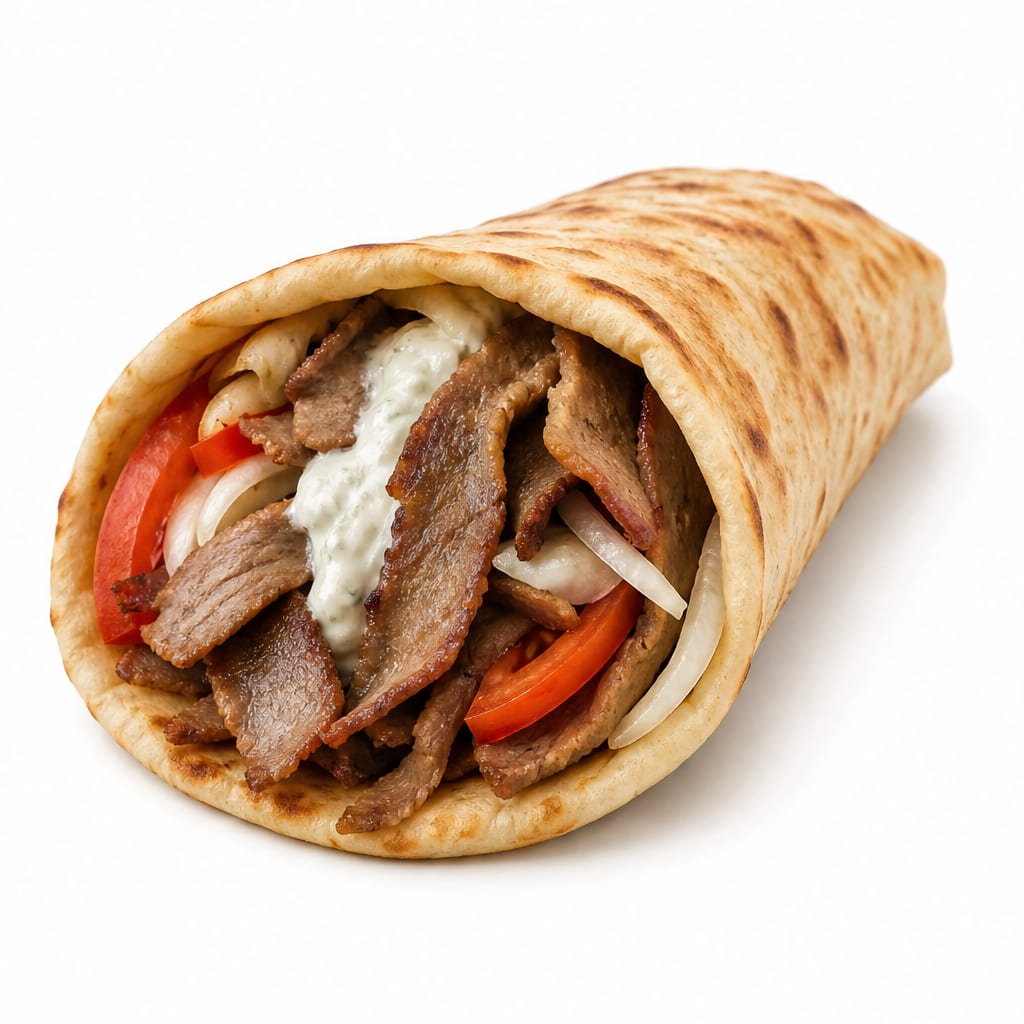
Compare with
Gyros
Gyros is traditionally pork or chicken, while doner is lamb or beef. Both are high in sodium.
Gyros and doner kebabs are similar spit-roasted meats, but chicken gyros is generally leaner than lamb doner.
This food
Kebab
VS90% alike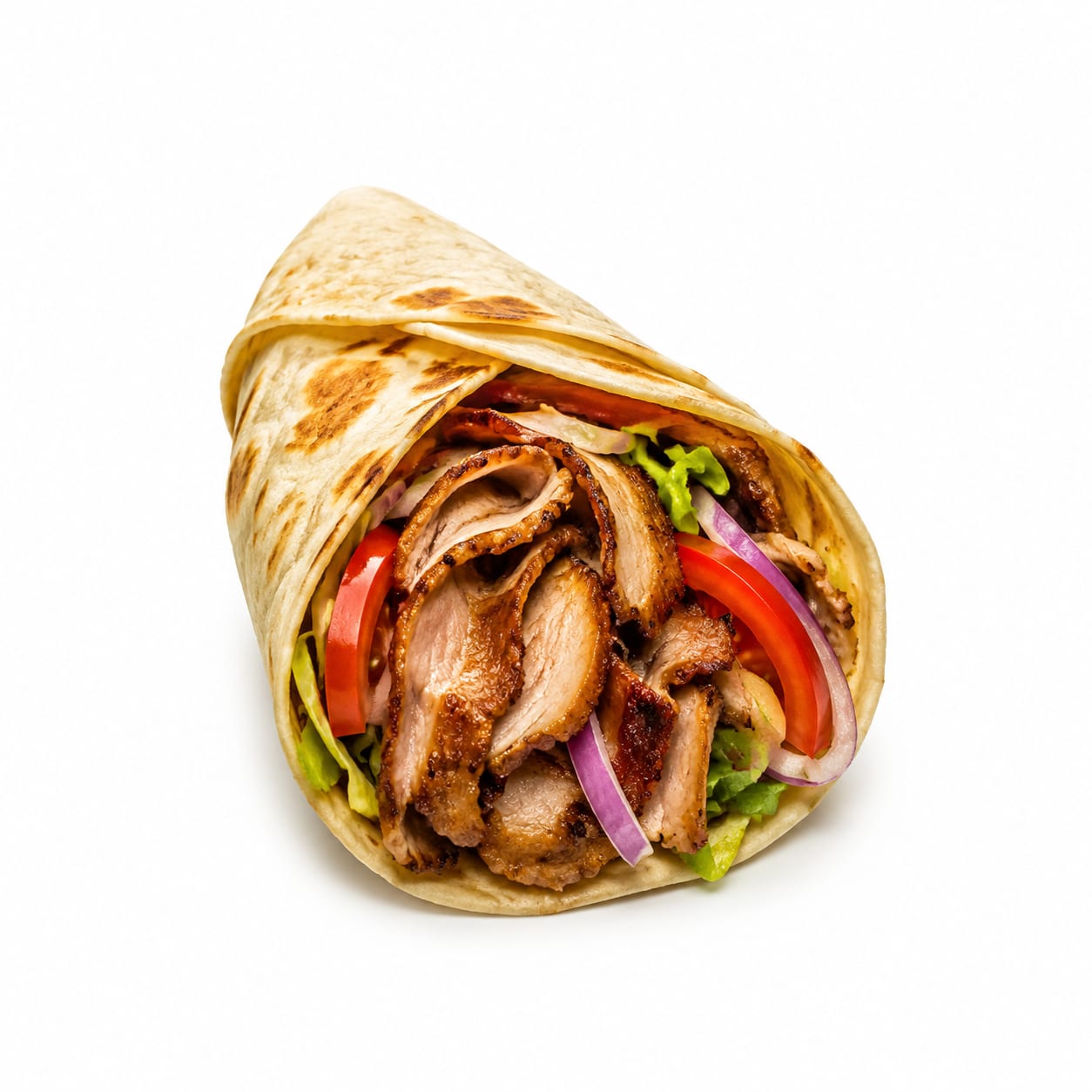
Compare with
Shawarma
Shawarma often features more complex spice marinades and is sliced thinner, but nutritionally they are very similar.
Shawarma and doner kebab are nutritionally nearly identical, both being high-protein, high-sodium spit-roasted meats.
This food
Kebab
VS85% alike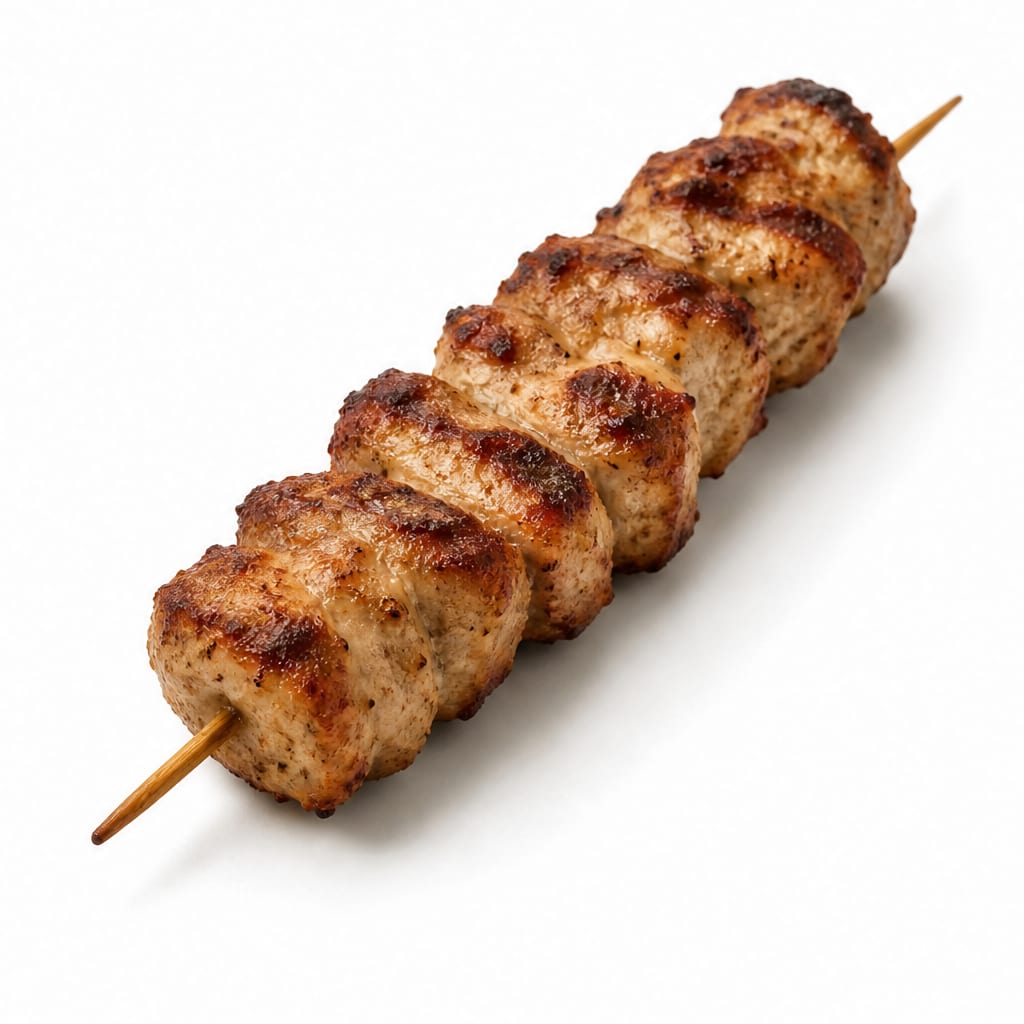
Compare with
Souvlaki
Souvlaki is grilled on skewers (whole meat), whereas doner is spit-roasted (often ground).
Souvlaki is usually leaner grilled whole meat, making it healthier than the highly processed doner kebab.
This food
Kebab
VS70% alike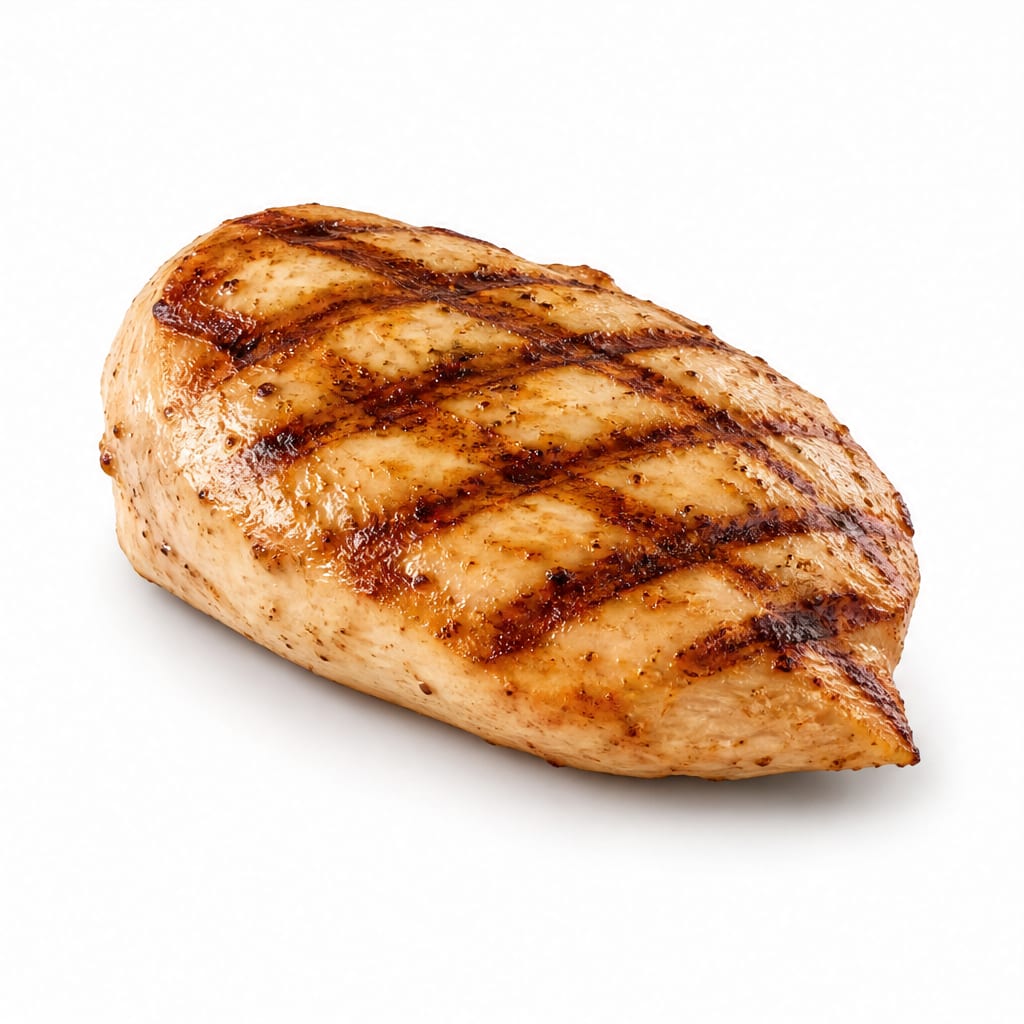
Compare with
Grilled Chicken Breast
Chicken breast is much leaner and unprocessed compared to doner kebab.
Grilled chicken breast is far lower in fat and calories than doner kebab, making it better for weight loss.
This food
Kebab
VS65% alike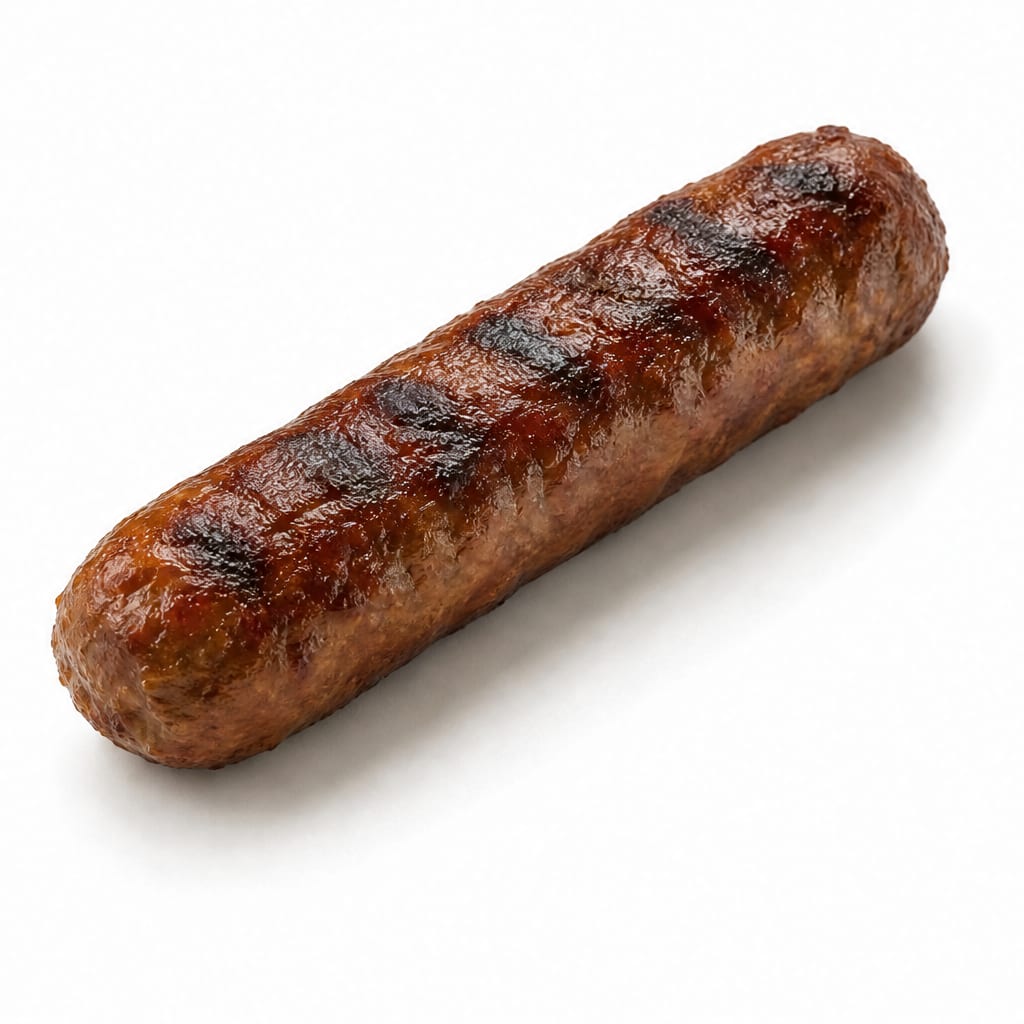
Compare with
Beef Sausage
Both are emulsified meat products with high fat and sodium, though sausage is usually encased.
Doner kebab and beef sausage are both highly processed, but kebab often has slightly more protein per calorie.
This food
Kebab
VS60% alike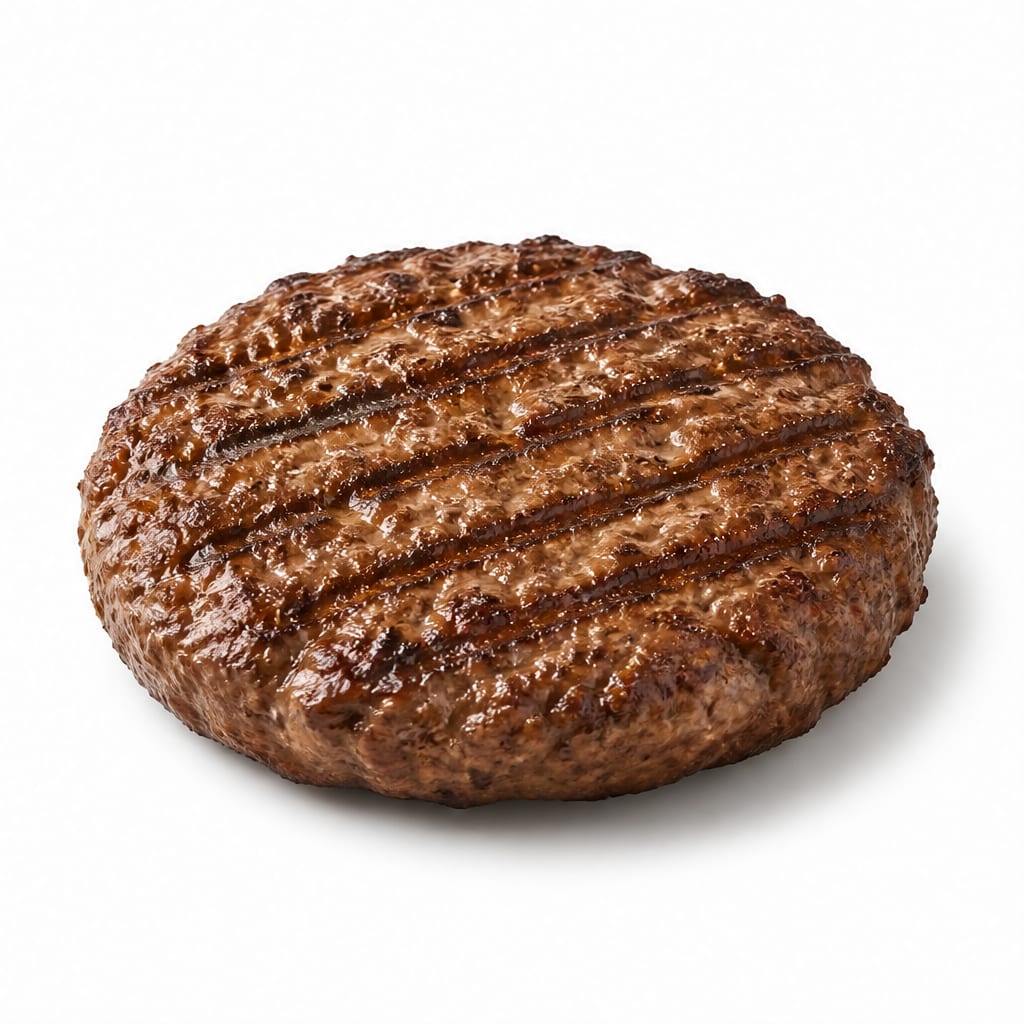
Compare with
Hamburger Patty
A plain hamburger patty is 100% beef, while doner often includes fillers and more sodium.
A plain hamburger patty is less processed than a doner kebab, which often contains fillers and binders.
This food
Kebab
VS55% alike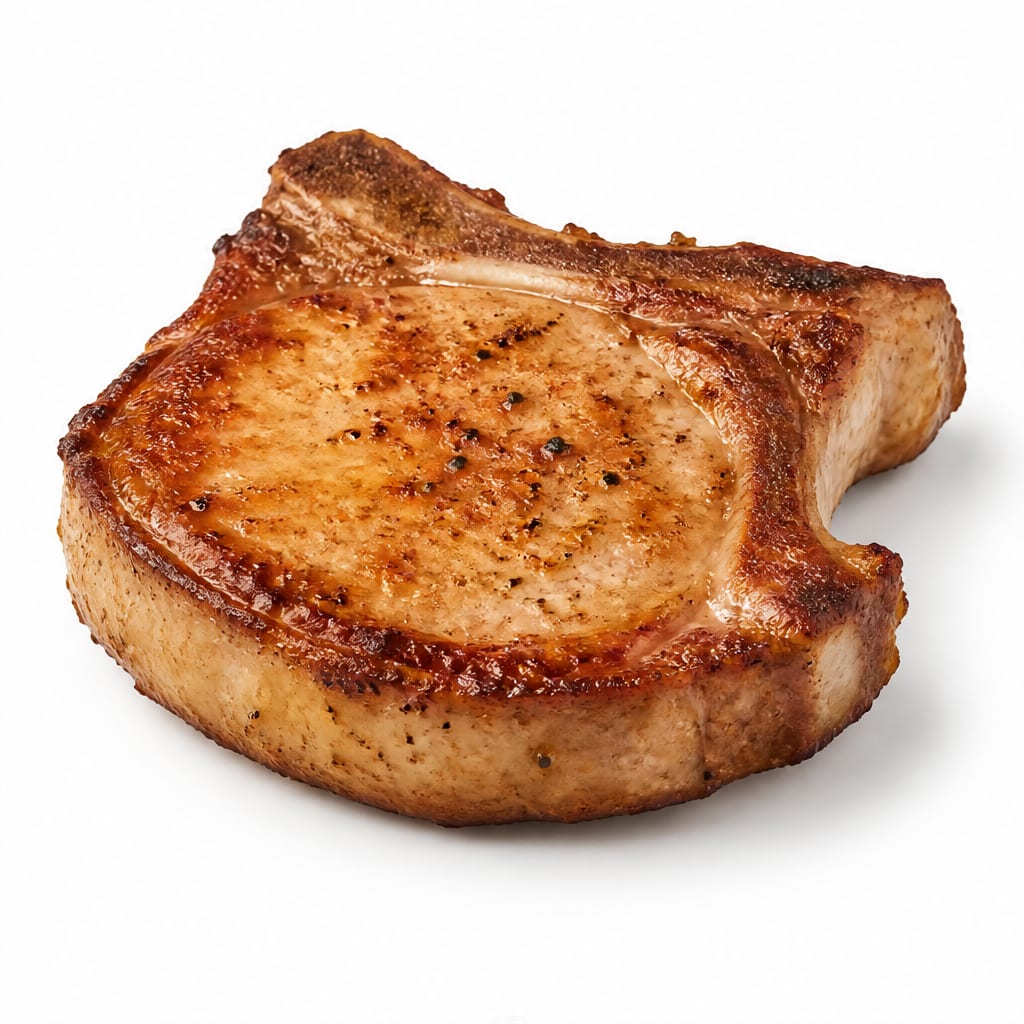
Compare with
Pork Chops
Pork chops are unprocessed whole cuts, whereas doner is processed and higher in sodium.
Pork chops are an unprocessed whole meat, making them a cleaner protein source than processed doner kebab.
This food
Kebab
VS55% alike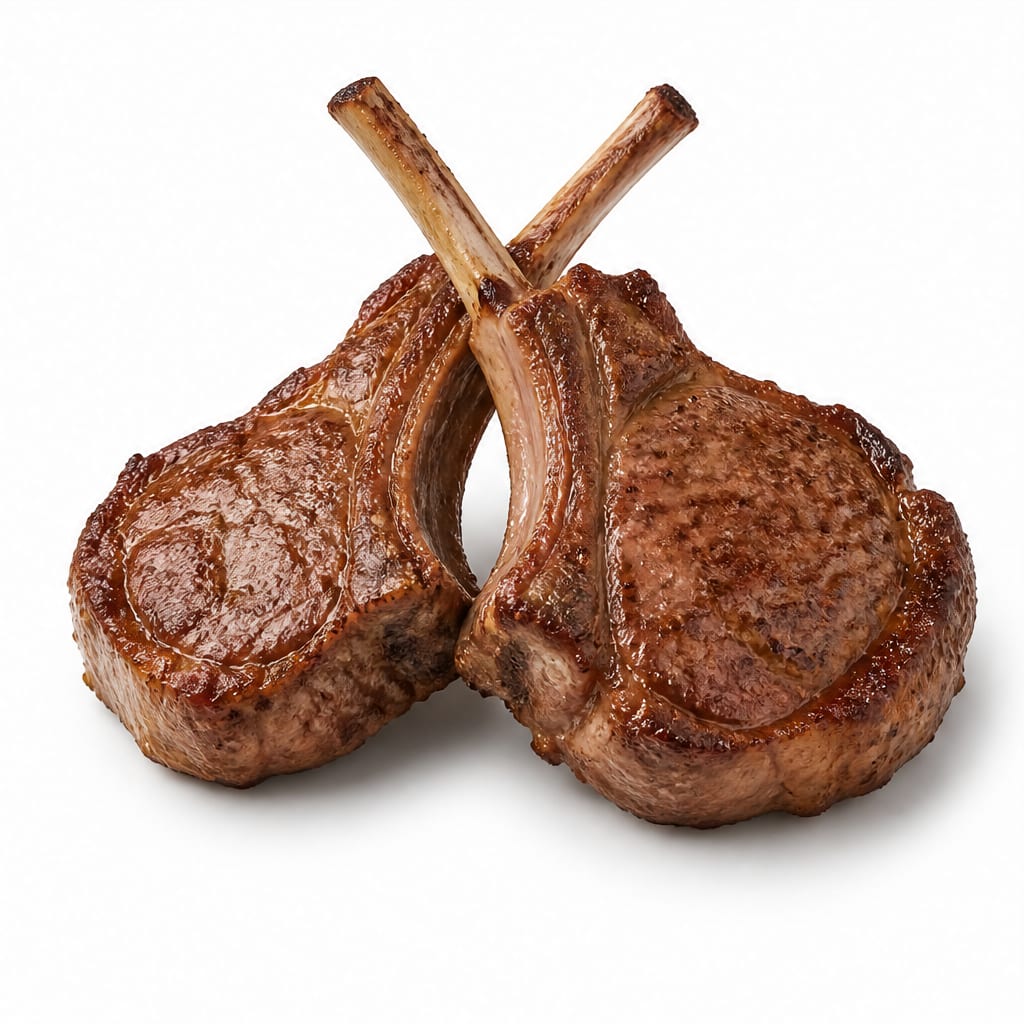
Compare with
Lamb Chops
Lamb chops are premium whole cuts, while doner uses cheaper cuts and fat blended together.
Lamb chops offer the same flavor but are unprocessed, making them healthier than the high-sodium doner kebab.
This food
Kebab
VS50% alike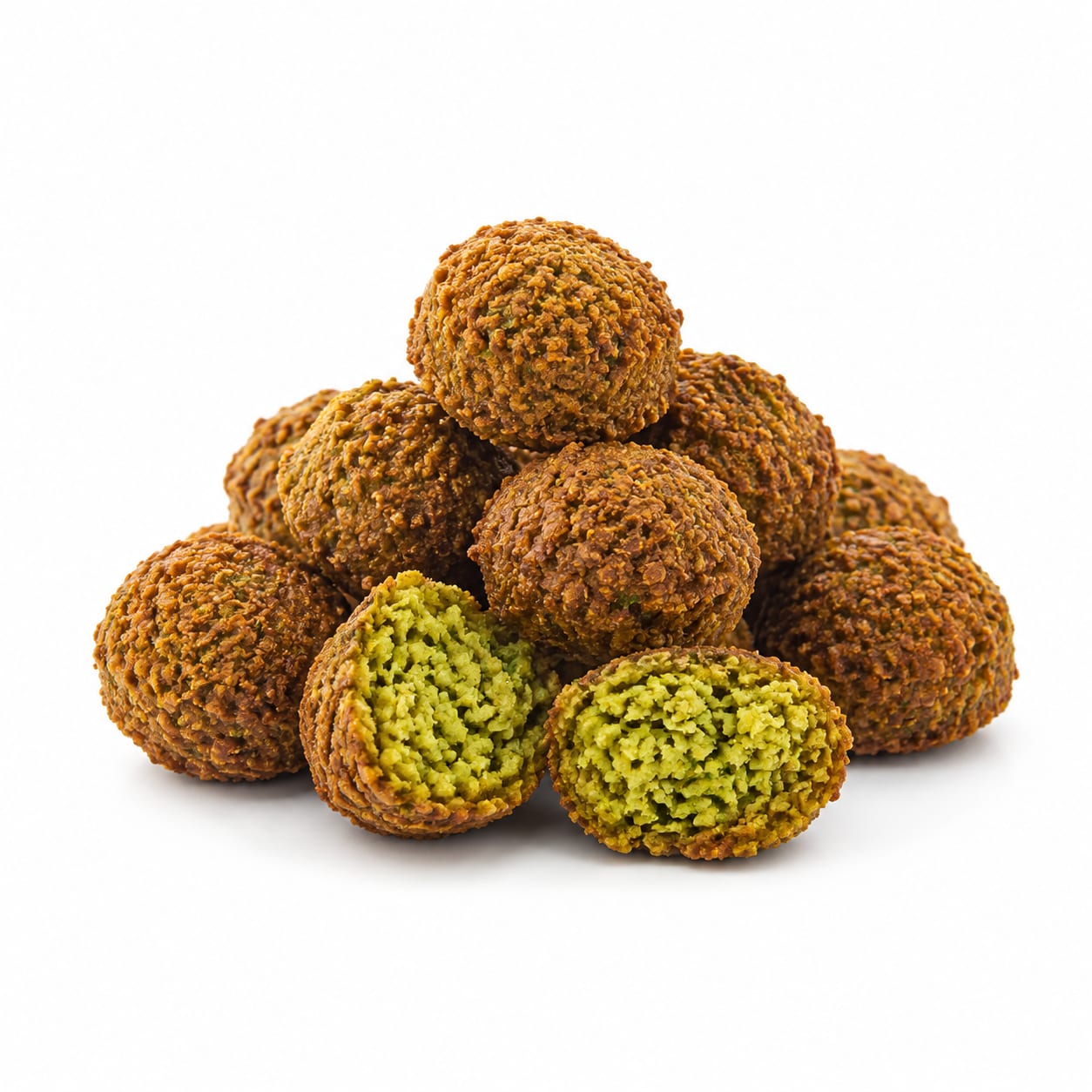
Compare with
Falafel
Falafel is a deep-fried plant-based option, while kebab is meat-based. Falafel has more fiber but less protein.
Kebab provides much more protein and zero carbs compared to falafel, which is higher in fiber and carbohydrates.
This food
Kebab
VS50% alike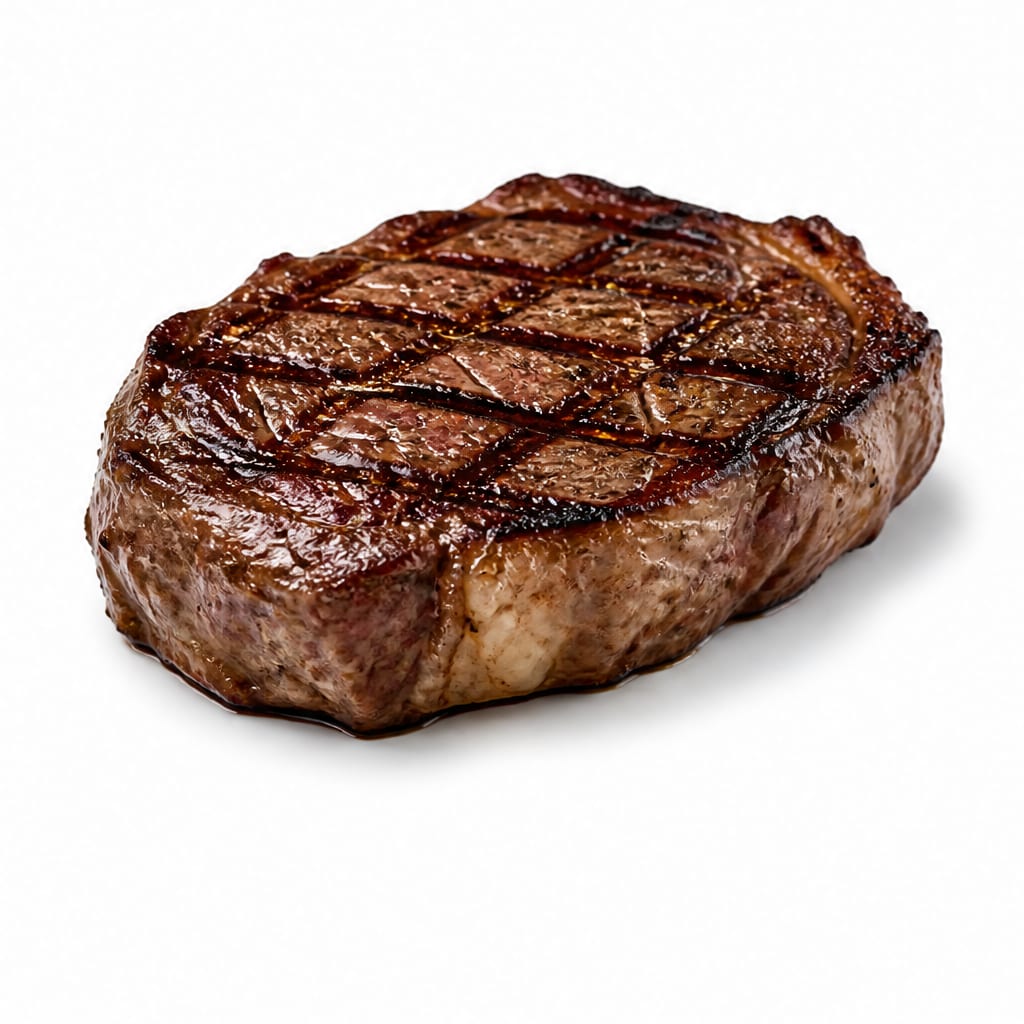
Compare with
Steak
Steak is a whole food with no additives; doner is processed with binders and salt.
Steak is an unprocessed whole food, making it far superior in quality and nutrition to processed doner kebab.
Common questions
FAQ
Answers aligned with how people search for this food.
Are kebabs good for weight loss?
Shish kebabs can be good for weight loss due to high protein and low carbs, but doner kebabs are high in calories and fat, making them less ideal.
How many calories are in a doner kebab?
A typical doner kebab meat portion (200g) contains around 450 calories, but a full doner kebab with bread and sauce can exceed 1000 calories.
Is kebab meat highly processed?
Doner kebab meat is usually highly processed, made from restructured meat, fat, and binders. Shish kebab uses whole cuts of meat and is minimally processed.
Can I eat kebab on a keto diet?
Yes, the meat itself is low in carbs and high in fat and protein. Just skip the pita bread and sugary sauces.
What is the healthiest kebab option?
Chicken shish kebab is the healthiest option, offering lean protein without the high fat and fillers found in doner meat.
Why is doner kebab so high in sodium?
Doner meat contains added salt and preservatives to enhance flavor and extend shelf life, contributing to its high sodium content.
Is kebab safe to eat?
Kebab is safe when cooked to proper internal temperatures. The main risk comes from doner spits where the outer meat may be cooked but inner meat can harbor bacteria if not rotated properly.
Transparency
Data confidence
Estimated confidence for nutrition data, interpretation, safety notes, and comparisons.
Nutrition data
Health analysis
Food safety
Comparisons