
Nutrition comparison
Kebab vs Souvlaki: Nutrition, Calories, and Healthier Choice
Compare Kebab vs Souvlaki to find out which is healthier. Discover the differences in fat, calories, processing, and protein to make the best choice for your diet.
Overall winner · Souvlaki
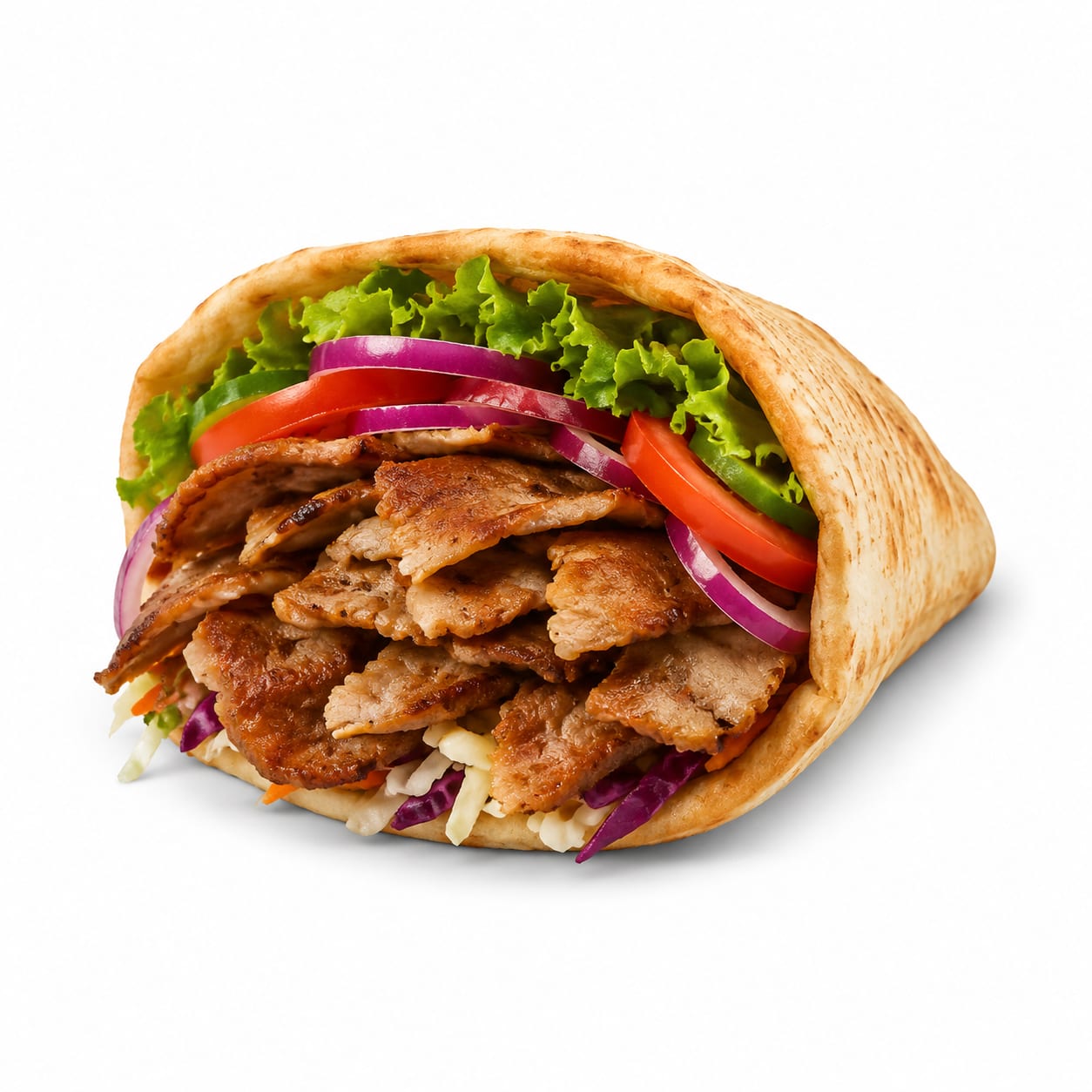
Kebab
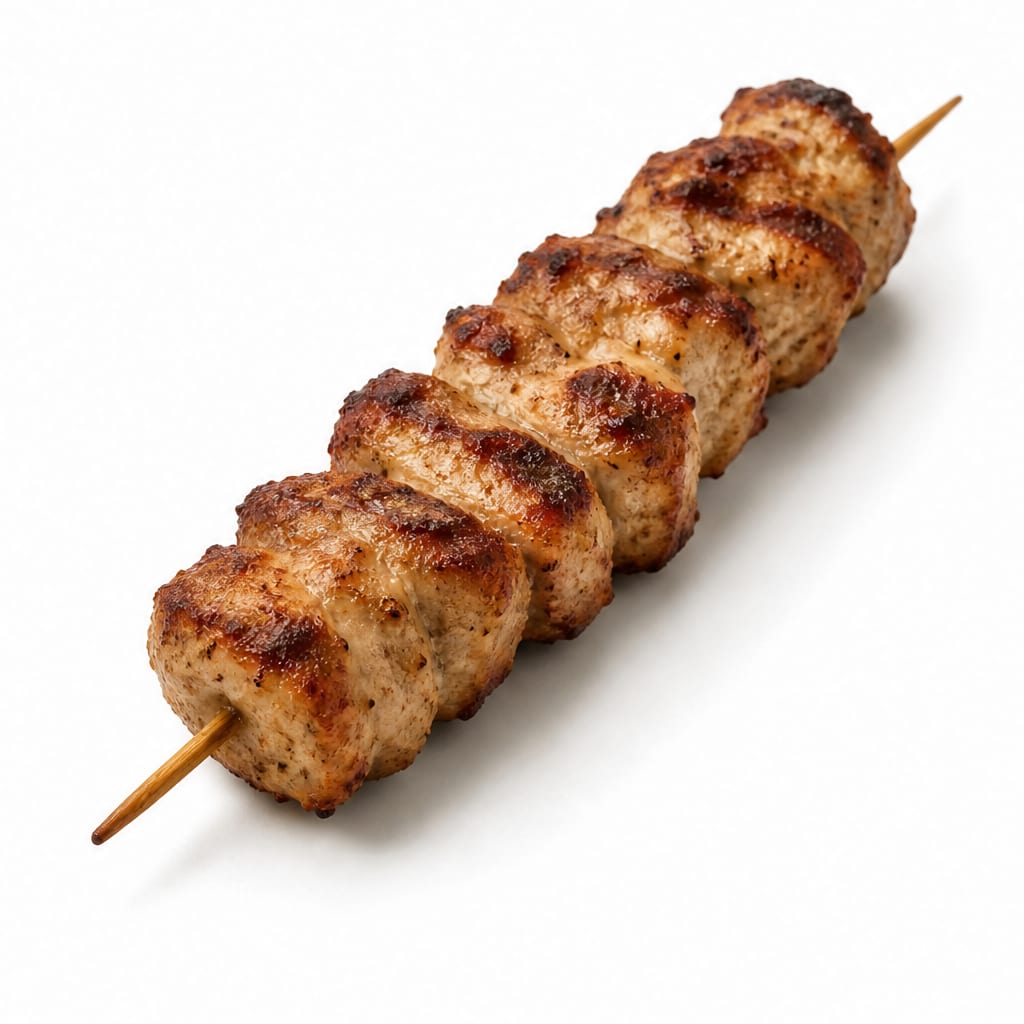
Souvlaki
Souvlaki is the leaner, less processed choice, while Kebab offers richer flavor at the cost of higher fat and sodium.
Souvlaki scores significantly higher due to leaner whole-meat cuts and minimal processing. Kebab loses ground on hidden fats, sodium, and the formed-meat processing typical of doner styles.
Whole-meat simplicity and easier digestion versus formed-meat richness and higher calorie density.
At a glance
Executive summary
Overall
Souvlaki
Healthier
Souvlaki
More practical
It depends
Daily use
Souvlaki
Key comparison lenses
Fat content and calorie density
Kebab often uses fattier cuts and formed meat, while Souvlaki relies on leaner whole cuts, drastically changing the calorie profile.
Meat processing and additives
Doner kebab meat is typically processed and formed on a spit, whereas souvlaki is usually unprocessed chunks of meat.
Sodium and hidden seasonings
Formed kebab meat requires more salt and preservatives for structure and flavor, impacting blood pressure and hydration.
Satiety and digestion comfort
The heavier fat load in kebab slows digestion and can cause sluggishness, while souvlaki feels lighter yet still filling.
Best choice for
Kebab
- Hearty post-drinking meals
- Aggressive bulking phases needing surplus calories
- Craving rich, savory comfort food
Souvlaki
- Lean protein intake without the grease
- Heart-healthy dietary patterns
- Lighter lunches that won't cause an afternoon slump
Least suitable for
Kebab
- Low-fat or heart-healthy diets
- Sodium-sensitive individuals
- Those prone to acid reflux from rich foods
Souvlaki
- Those wanting an ultra-indulgent comfort meal
- Very low-carb diets if eaten with a thick pita
Deep comparison
Dimension by dimension
Each lens scores both foods and breaks down who each option suits.
- Dimension 1 · Priority 92Souvlaki
Protein Quality & Processing
Kebab · 55Souvlaki · 90Souvlaki uses identifiable whole muscle meat, while kebab is often a formed block of processed meat and fat.
Tradeoff
You get a more consistent, richer texture with kebab, but at the expense of eating highly processed protein.
Why it matters
Whole meats offer better protein absorption and fewer inflammatory additives compared to reformed meat products.
Real-world impact
Eating souvlaki feels like a clean grilled meal; kebab often leaves you wondering what exactly is in the meat.
Kebab
- Texture uniformity in every bite
Better for
- Unclear ingredient origins
Worse for
Souvlaki
- Muscle building with clean protein
- Avoiding ultra-processed food categories
Better for
- Can dry out if overcooked
Worse for
- Dimension 2 · Priority 95Souvlaki
Fat & Calorie Density
Kebab · 40Souvlaki · 85Kebab is significantly higher in hidden fats and calories, while souvlaki remains relatively lean.
Tradeoff
Kebab delivers a more succulent, satisfying mouthfeel because of the fat, but heavily increases the caloric load.
Why it matters
Hidden fats in formed meats easily derail calorie goals and can trigger digestive sluggishness.
Real-world impact
A kebab can silently pack double the calories of a souvlaki plate, leaving you feeling heavy rather than energized.
Kebab
- Satiety during cold weather
- Dirty bulking for weight gain
Better for
- Weight management struggles
- Heavy feeling after eating
Worse for
Souvlaki
- Staying lean without tracking macros
- Avoiding greasy food comas
Better for
- May feel too light if you are extremely hungry
Worse for
- Dimension 3 · Priority 78Souvlaki
Sodium & Seasoning
Kebab · 45Souvlaki · 75Kebab relies heavily on salt for preservation and flavor in the formed meat, whereas souvlaki uses simpler marinades.
Tradeoff
Kebab's intense seasoning makes it highly craveable, but it can easily push you over daily sodium limits.
Why it matters
High sodium intake leads to bloating and elevated blood pressure, especially relevant in fast food contexts.
Real-world impact
After a kebab, you might wake up parched and puffy; souvlaki is far less likely to cause next-day bloat.
Kebab
- Intense savory flavor punch
Better for
- Risk of water retention
Worse for
Souvlaki
- Better blood pressure management
- Less post-meal thirst
Better for
- Can taste bland if poorly marinated
Worse for
- Dimension 4 · Priority 72Souvlaki
Digestive Comfort
Kebab · 50Souvlaki · 80Souvlaki is much easier on the stomach due to lower fat content and simpler ingredients.
Tradeoff
Kebab's rich fat and heavy sauces deliver comfort but often cause delayed digestion and heartburn.
Why it matters
Heavy, greasy meals late at night severely disrupt sleep quality and next-day energy.
Real-world impact
Souvlaki sits comfortably in your stomach; kebab often leads to reaching for antacids before bed.
Kebab
- Feeling extremely full quickly
Better for
- Indigestion and heartburn risk
Worse for
Souvlaki
- Avoiding acid reflux
- Better sleep after an evening meal
Better for
- May require larger portions to feel full
Worse for
Timeline
Health impact over time
Short-term
Hours to days
Kebab
- Quick feeling of fullness from high fat content
- Potential sluggishness or food coma
- Immediate thirst from high sodium
Souvlaki
- Steady energy without the greasy crash
- Lighter digestion and easier post-meal activity
- Minimal bloating
Long-term
Months to years
Kebab
- Increased cardiovascular risk from frequent processed meat consumption
- Higher likelihood of weight gain due to calorie density
- Potential elevated blood pressure from sodium load
Souvlaki
- Supports muscle maintenance with lean protein
- Better heart health profile due to olive oil marinades and lean cuts
- Easier long-term weight management
Risk profile
Safety & processing
Souvlaki is simply chopped meat and basic marinade. Kebab, specifically doner style, is a formed product requiring binders, preservatives, and higher salt to maintain its shape on the spit.
Kebab
Inadequate cooking at the spit center
mediumIf the doner spit is cooked too quickly or at low heat, the inner meat may not reach safe temperatures.
Pathogen growth from slicing and holding
mediumSliced meat sitting in a warming tray can become a breeding ground for bacteria if not kept at proper temperatures.
Souvlaki
Heterocyclic amines from grilling
lowCharring the meat over an open flame can create carcinogenic compounds, though this is manageable by avoiding blackened bits.
Who wins for whom
Audience fit
Same foods, different winners depending on your goal.
children
SouvlakiSouvlaki offers identifiable, unprocessed meat, which is better for developing bodies and avoids the high sodium and preservatives in kebab.
daily consumption
SouvlakiThe lower processing and fat content of souvlaki make it a sustainable everyday lunch, whereas daily kebab would heavily impact heart health.
diabetes
SouvlakiLeaner meat causes less insulin resistance over time, though both need careful pairing with low-glycemic sides instead of heavy pitas.
elderly
SouvlakiLower sodium and easier digestion make souvlaki a safer choice for aging cardiovascular and digestive systems.
muscle gain
SouvlakiCleaner, whole-meat protein supports muscle repair without the excessive saturated fat that comes with kebab.
weight loss
SouvlakiSouvlaki provides high protein with significantly fewer calories and less fat, making it far easier to stay in a deficit.
Your move
Decision guide
Choose Kebab
- You are ravenously hungry and need a massive calorie hit
- You are out late and craving intense, salty, savory flavors
- You are actively trying to gain weight and need calorie-dense options
Choose Souvlaki
- You want a high-protein meal that will not ruin your afternoon energy
- You are watching your cholesterol, blood pressure, or waistline
- You prefer knowing exactly what cut of meat you are eating
Either works if
- You are loading up on carbs after an endurance event
- You need a quick street-food protein fix and have no dietary restrictions
Avoid both if
- You are on a strict vegan or plant-based diet
- You have severe sodium restrictions and cannot control the kitchen's seasoning
- You are highly sensitive to gluten and cannot verify the pita ingredients
Final recommendation
Make souvlaki your default choice for a balanced, lean, and satisfying meal. Save the kebab for occasional indulgences when the craving for rich, salty comfort food hits hard.
Practical
Consumer tips
- 1
Ask for your souvlaki with extra lemon and skip heavy sauces to keep it incredibly lean.
- 2
If ordering kebab, ask for extra salad and less meat to balance the high fat and calorie content.
- 3
Swap the thick pita for a lighter wrap or skip the bread entirely to turn either option into a low-carb meal.
- 4
Watch out for garlic sauces and tzatziki—they add flavor but can secretly pack hundreds of calories if applied generously.