
Nutrition comparison
Kebab vs Gyros: Which Is Healthier and What Are the Real Tradeoffs?
Compare Kebab and Gyros side by side on calories, protein, fat, sodium, and digestion. Learn which is better for weight loss, muscle gain, and everyday eating.
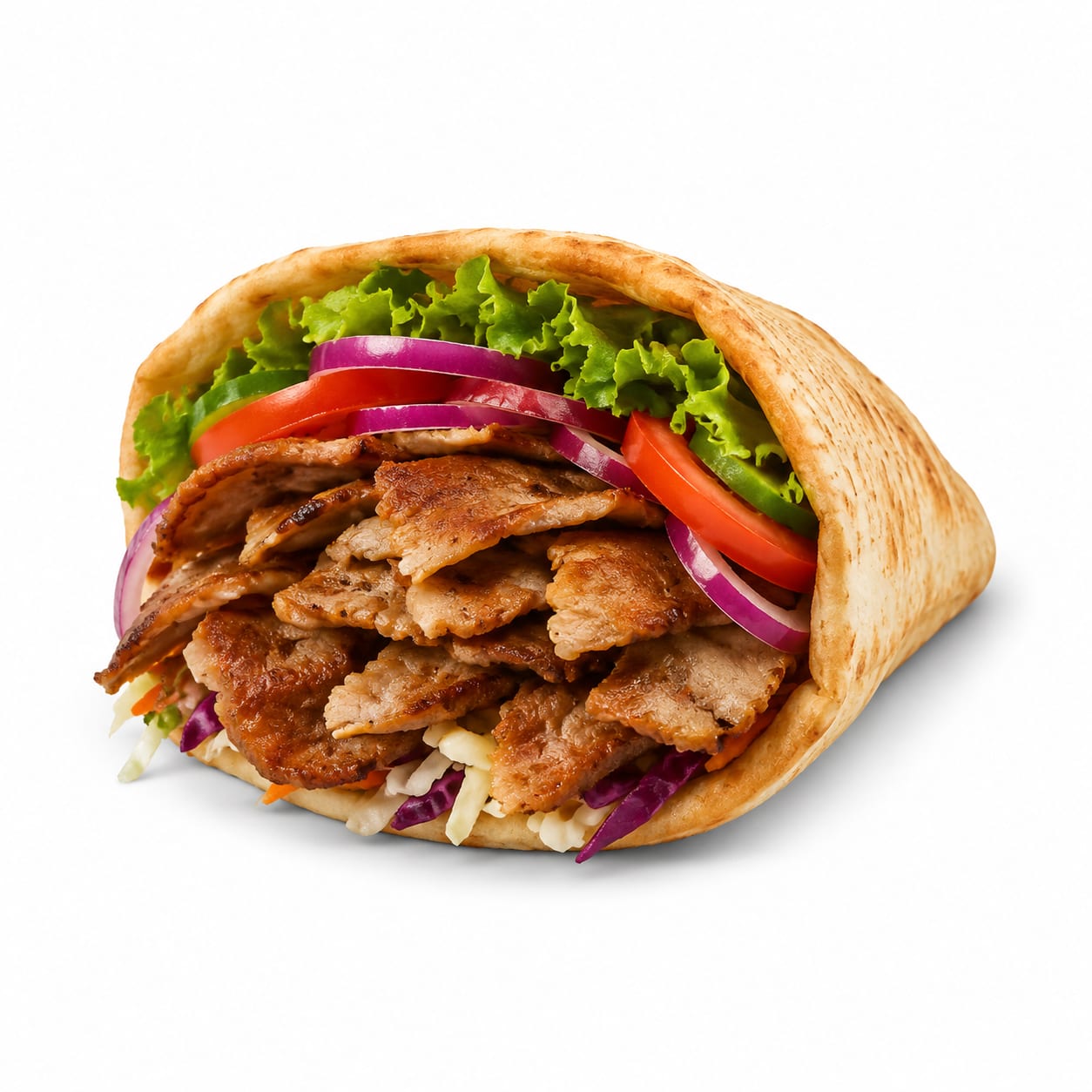
Kebab
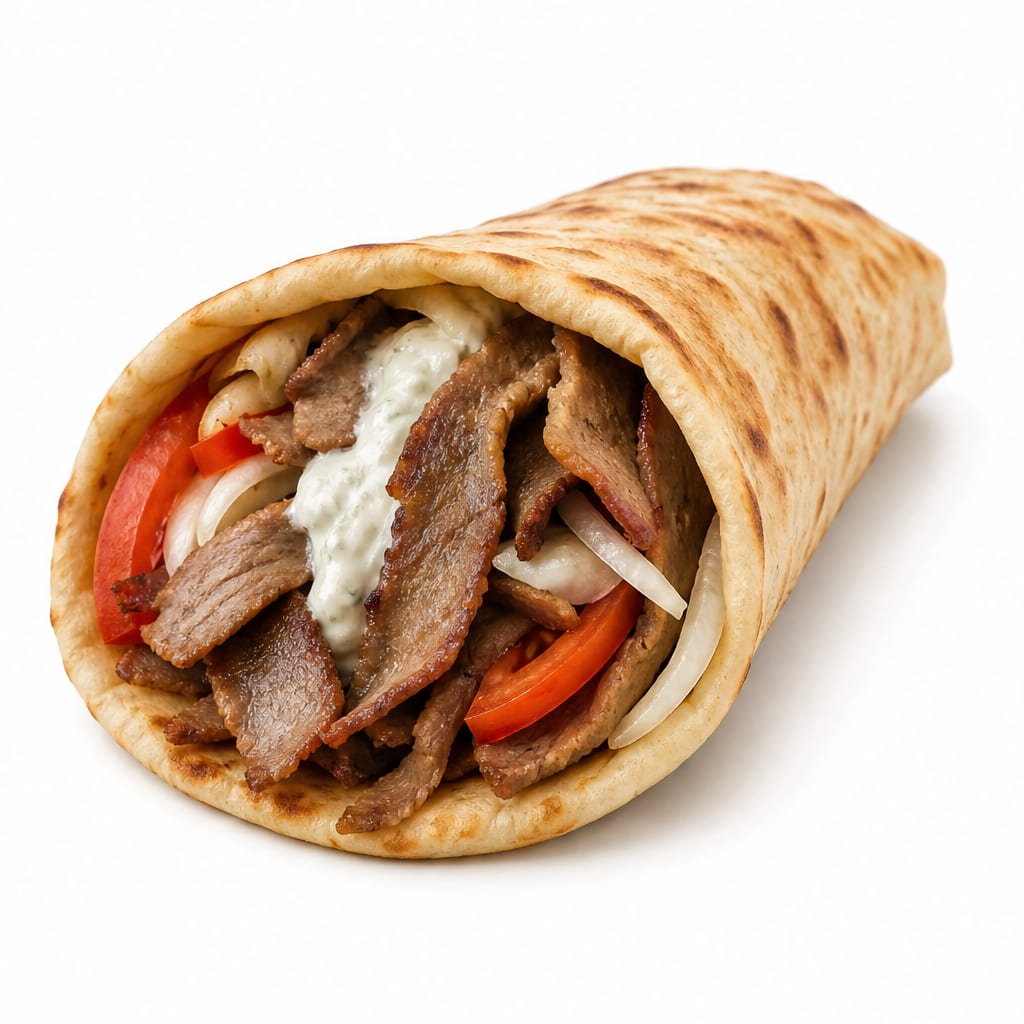
Gyros
Kebab and Gyros are surprisingly similar in structure, but Kebab offers more variety and can be leaner if you choose shish-style, while Gyros tends to be more consistent but heavier due to pork and tzatziki.
Kebab scores moderately higher due to greater versatility and the option to choose leaner preparations like shish kebab. Gyros is more consistent but typically heavier, with fewer ways to reduce calories and fat without altering the dish fundamentally.
Kebab gives you more control over leanness and portion style, while Gyros delivers a more indulgent, unified flavor experience that's harder to lighten up.
At a glance
Executive summary
Overall
It depends
Healthier
Kebab
More practical
Gyros
Daily use
Kebab
Key comparison lenses
understanding meat preparation differences and health impact
Both are rotating spit meats but differ in meat type, seasoning, and typical accompaniments
choosing the healthier late-night or fast-casual option
Both are popular street foods often consumed as quick meals
managing sodium and saturated fat intake
Both can be high in sodium and fat depending on preparation
identifying the better protein source for fitness goals
Both are protein-dense but meat quality and cuts vary
Best choice for
Kebab
- People watching saturated fat intake
- Those who prefer leaner meat options like chicken shish
- Anyone wanting more vegetable-heavy meals
- People avoiding pork for religious or dietary reasons
Gyros
- Those wanting a quick, satisfying meal with consistent flavor
- People who prefer pork-based proteins
- Anyone craving a richer, more indulgent street food experience
- Fans of creamy tzatziki and Greek flavor profiles
Least suitable for
Kebab
- People avoiding red meat if ordering lamb or beef doner
- Those wanting a quick no-decision meal since options vary widely
Gyros
- People avoiding pork or dairy
- Anyone closely monitoring sodium and saturated fat
- Those who find heavy meals cause afternoon energy crashes
Deep comparison
Dimension by dimension
Each lens scores both foods and breaks down who each option suits.
- Dimension 1 · Priority 90Kebab
protein quality and leanness
Kebab · 72Gyros · 58Kebab offers leaner protein options like chicken shish, while Gyros typically uses pork or a lamb-beef blend with higher fat content.
Tradeoff
Choosing shish kebab gives you cleaner protein but loses the convenience and juiciness of rotisserie meat.
Why it matters
Leaner protein means less saturated fat and fewer calories for the same muscle-building benefit.
Real-world impact
A chicken shish kebab can save you 200+ calories and 10g of saturated fat compared to a typical Gyros portion.
Kebab
- Lean muscle gain with lower fat intake
- Post-workout meals where you want protein without heaviness
Better for
- Doner-style kebab can match Gyros in fat content
Worse for
Gyros
- Days when satisfaction matters more than macros
- Bulking phases where extra calories are welcome
Better for
- Higher saturated fat load per serving is hard to avoid
Worse for
- Dimension 2 · Priority 85Kebab
sodium and heart health
Kebab · 55Gyros · 42Both are high-sodium foods, but Gyros packs more salt through seasoned meat, feta cheese, and tzatziki, while kebab can be ordered with less salty accompaniments.
Tradeoff
Even the lower-sodium option is still a high-sodium meal that shouldn't be a daily staple.
Why it matters
Regular high sodium intake raises blood pressure and increases cardiovascular risk over time.
Real-world impact
A single Gyros can deliver 1500-2500mg sodium, nearly your entire daily limit. Kebab with rice and salad without extra sauce can cut that by a third.
Kebab
- People with hypertension who still want a treat
- Those who can skip salty sauces and cheese
Better for
- Doner kebab with garlic sauce and cheese approaches Gyros sodium levels
Worse for
Gyros
- Not applicable — Gyros is the higher sodium choice
Better for
- Tzatziki, feta, and seasoned meat create a triple sodium hit
Worse for
- Dimension 3 · Priority 82Gyros
satiety and fullness
Kebab · 68Gyros · 78Gyros feels more filling per serving due to higher fat content, creamy sauce, and the pita wrap format that packs everything together.
Tradeoff
That satisfying fullness comes with more calories and a heavier digestion experience.
Why it matters
Feeling full matters for avoiding snacking later, but heavy fullness can also cause sluggishness.
Real-world impact
After a Gyros you likely won't be hungry for hours, but you might also want a nap. A shish kebab leaves you satisfied without the food coma.
Kebab
- People who want to stay energized after eating
- Lighter lunch that won't kill afternoon productivity
Better for
- May feel less satisfying if you're used to richer meals
Worse for
Gyros
- After a long day when you need one meal to carry you
- Preventing late-night snacking with a single filling meal
Better for
- Heavy feeling can interfere with activity or sleep if eaten late
Worse for
- Dimension 4 · Priority 75Kebab
versatility and customization
Kebab · 85Gyros · 45Kebab covers a wide range of styles — shish, doner, adana, chicken, lamb — while Gyros is essentially one dish with minor variations.
Tradeoff
More options mean more decisions, and not all kebab styles are healthier than Gyros.
Why it matters
Having choices lets you align your meal with your current health goals instead of settling.
Real-world impact
You can order a chicken shish kebab with salad when cutting, or a lamb doner when bulking. With Gyros, you're getting roughly the same nutritional profile every time.
Kebab
- People who want to adjust their meal based on daily goals
- Those with specific dietary restrictions who need options
Better for
- Quality varies dramatically between kebab shops and styles
Worse for
Gyros
- People who prefer not to think about choices and just order
Better for
- Very limited ability to make it lighter or different
Worse for
- Dimension 5 · Priority 80Kebab
calorie density and weight management
Kebab · 65Gyros · 48A typical Gyros wrap runs 700-1100 calories, while a shish kebab with rice and salad can be 500-700. Doner kebab falls closer to Gyros.
Tradeoff
The calorie difference mostly disappears if you compare doner kebab to Gyros — it only holds for grilled kebab styles.
Why it matters
For weight management, 200-400 calories per meal difference adds up significantly over weeks.
Real-world impact
Swapping Gyros for chicken shish kebab twice a week could save you roughly 400 calories per meal — that's over a pound of weight difference per month.
Kebab
- Active weight loss phases
- People tracking calories who need flexibility
Better for
- Doner kebab with sauces and bread matches Gyros calorie density
Worse for
Gyros
- Not applicable — Gyros is the higher calorie default
Better for
- Easy to underestimate calories in a single wrap
Worse for
- Dimension 6 · Priority 70Kebab
digestive comfort
Kebab · 65Gyros · 50Grilled kebab is easier on the stomach than the fatty, saucy Gyros wrap. Tzatziki adds dairy which can bother some people.
Tradeoff
If you order doner kebab with garlic sauce, the digestive difference shrinks considerably.
Why it matters
Heavy, greasy meals cause bloating and discomfort that can last hours and disrupt sleep.
Real-world impact
A shish kebab with rice digests comfortably in 2-3 hours. A Gyros wrap can sit heavy for 4+ hours, especially if eaten late.
Kebab
- People with sensitive digestion
- Late meals that won't disrupt sleep
Better for
- Spicy adana kebab can cause heartburn in sensitive people
Worse for
Gyros
- Those with iron stomachs who enjoy rich food
Better for
- High fat plus dairy plus bread is a common bloating trigger
Worse for
Timeline
Health impact over time
Short-term
Hours to days
Kebab
- Shish-style provides steady energy without a heavy crash
- Doner-style can cause similar sluggishness to Gyros
- Spicy varieties may cause heartburn in sensitive individuals
Gyros
- High fat and carb content creates a satisfying but heavy feeling
- Tzatziki can cause bloating in dairy-sensitive people
- Likely to cause an energy dip 1-2 hours after eating
Long-term
Months to years
Kebab
- Choosing grilled kebab regularly supports better cardiovascular markers than rotisserie styles
- Moderate sodium intake still requires monitoring if eaten frequently
- Varied meat options allow rotating protein sources for broader nutrient intake
Gyros
- Regular consumption increases saturated fat and sodium exposure significantly
- Pork-based Gyros provides B vitamins but with a high cardiovascular tradeoff
- Frequent heavy meals may contribute to insulin resistance over time
Risk profile
Safety & processing
Both foods involve processed meat from rotisserie preparation. Doner kebab and Gyros meat often contain binders, preservatives, and added sodium. Shish kebab is the least processed option between both foods, using whole cuts of marinated meat grilled directly.
Kebab
Inadequate cooking on rotating spit
mediumDoner kebab meat sliced from the outside may not reach safe temperatures throughout if the spit rotates too quickly or the meat block is very large.
Cross-contamination with sauces
mediumShared utensils and sauce containers at kebab shops can introduce contamination, especially at high-volume late-night vendors.
Meat quality and sourcing opacity
mediumDoner meat blocks are often made from reformed meat pieces, and sourcing quality varies widely between establishments.
Gyros
Inadequate cooking on rotating spit
mediumSame rotisserie risk as doner kebab — meat must be sliced thin enough to ensure full cooking.
Dairy spoilage in tzatziki
mediumTzatziki is yogurt-based and can spoil if not kept at proper temperature, especially at outdoor vendors.
Trichinosis from undercooked pork
lowModern pork production has virtually eliminated trichinosis in most countries, but undercooked pork Gyros still carries a small risk in regions with less regulated farming.
Who wins for whom
Audience fit
Same foods, different winners depending on your goal.
children
GyrosGyros has a milder, more kid-friendly flavor profile and the wrap format is easier for small hands to hold.
daily consumption
KebabNeither should be eaten daily, but a shish kebab with vegetables is closer to a balanced meal than the heavier Gyros wrap.
diabetes
KebabGrilled kebab with minimal bread causes a lower glycemic response than a Gyros pita wrap loaded with sauce and carbs.
elderly
KebabGrilled kebab is easier to digest and lower in sodium, which matters more for older adults managing blood pressure and digestion.
muscle gain
KebabLeaner chicken or lamb shish provides high-quality protein with less fat, supporting muscle growth without unnecessary calories.
weight loss
KebabShish kebab with salad offers a lower-calorie, lower-fat option that Gyros simply cannot match without fundamentally changing the dish.
Your move
Decision guide
Choose Kebab
- You want more control over calories, fat, and portion composition
- You prefer grilled whole meats over reformed rotisserie cuts
- You're avoiding pork or dairy
- You want a meal that won't leave you sluggish afterward
Choose Gyros
- You want maximum satisfaction from a single handheld meal
- You're not worried about calories today and want something indulgent
- You love Greek flavors and creamy tzatziki
- You need one meal to keep you full for hours
Either works if
- You're eating at a late-night spot and both are available
- You want a protein-heavy meal after drinking
- You're sharing with someone and can split both
Avoid both if
- You have severe sodium restrictions
- You're following a plant-based diet
- You need a light meal before physical activity
- You have gout and are sensitive to purine-rich meats
Final recommendation
If health is your priority, go for a chicken or lamb shish kebab with salad and rice — it gives you the flavor experience with far better nutritional control. If you're out with friends and want something satisfying and indulgent, Gyros delivers that comfort food hit. Just don't make either a daily habit.
Practical
Consumer tips
- 1
Ask for shish kebab instead of doner — it's almost always a leaner choice
- 2
Request sauce on the side so you control how much goes on your meal
- 3
Skip the extra pita or bread and add more vegetables instead
- 4
At Gyros spots, ask for less meat and extra salad to cut calories without feeling deprived
- 5
Avoid ordering either food from vendors with poor hygiene ratings — rotating spit meats require careful temperature management
- 6
If watching sodium, skip feta cheese and salty pickled toppings on both options
- 7
Choose water instead of soda with these meals — you're already getting plenty of sodium and calories