
Nutrition comparison
Kebab vs Pork Chops: Which Is Healthier? Nutrition & Tradeoffs Compared
Compare kebab and pork chops on processing, sodium, protein quality, and convenience. Find out which meat is better for weight loss, muscle gain, and daily eating.
Overall winner · Pork Chops
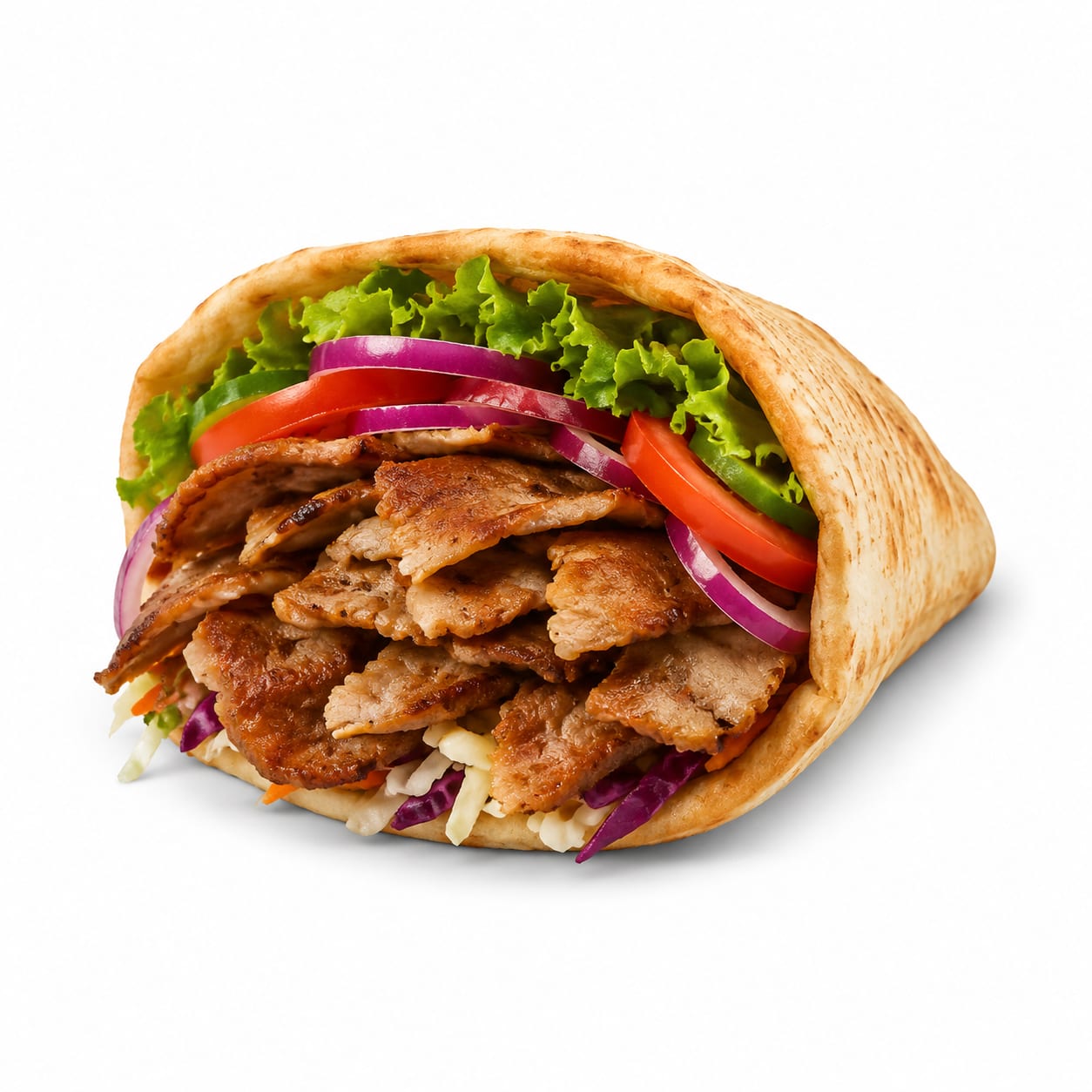
Kebab
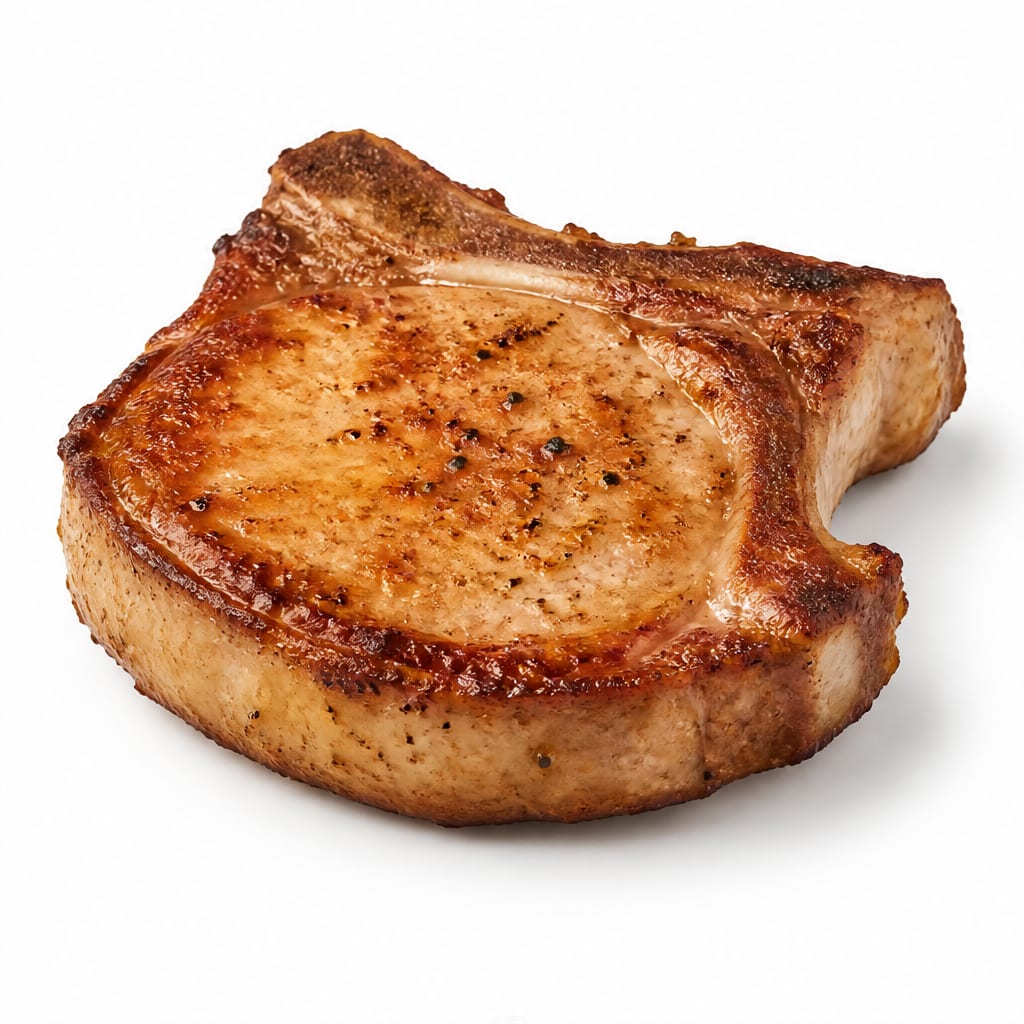
Pork Chops
Pork chops win for clean eating and nutritional control, but kebab dominates convenience and bold flavor on the go.
Pork chops score notably higher due to minimal processing, lower sodium, and better ingredient transparency. Kebab loses ground on additive exposure and sodium load but remains relevant for convenience and flavor satisfaction.
You trade ingredient transparency and lower sodium for speed and ready-to-eat satisfaction with kebab.
At a glance
Executive summary
Overall
Pork Chops
Healthier
Pork Chops
More practical
Kebab
Daily use
Pork Chops
Key comparison lenses
processing level and clean eating
Kebab is often highly processed with additives while pork chops are a whole muscle cut, making this the starkest difference between them
sodium and heart health
Kebab seasoning and marinades pack significant sodium, a major concern for blood pressure and cardiovascular health
protein quality and satiety
Both are protein-heavy foods but differ in leanness, fill-power, and how they fit into muscle-building or weight-loss goals
convenience vs control
Kebab is grab-and-go street food; pork chops require cooking but give you full control over ingredients
food safety and contamination
Rotisserie kebab has unique hygiene risks from extended holding temperatures, while pork requires proper internal cooking
Best choice for
Kebab
- Busy professionals needing quick post-pub or lunch protein
- Anyone craving bold spice and marinade flavors without prep work
- Situations where cooking is impossible or impractical
Pork Chops
- Home cooks prioritizing clean, whole-food protein sources
- People managing sodium intake or blood pressure concerns
- Meal preppers who want full control over seasoning and fat content
Least suitable for
Kebab
- People on low-sodium diets or with hypertension
- Anyone avoiding processed meats and preservatives
- Those tracking exact macronutrients and ingredients
Pork Chops
- People without access to a kitchen or cooking equipment
- Anyone who needs grab-and-go meals in under five minutes
- Those who dislike cooking or meal preparation
Deep comparison
Dimension by dimension
Each lens scores both foods and breaks down who each option suits.
- Dimension 1 · Priority 92Pork Chops
Processing & Additive Exposure
Kebab · 35Pork Chops · 88Pork chops are a single-ingredient whole food; kebab often contains binders, preservatives, and mystery seasoning blends.
Tradeoff
Kebab delivers complex flavor effortlessly but you surrender knowledge of what is actually in the meat mixture.
Why it matters
Ultra-processed meats are linked to higher inflammation and long-term disease risk, while whole cuts give your body cleaner fuel.
Real-world impact
Eating kebab regularly means regularly consuming hidden sodium and preservatives you would never add at home.
Kebab
- Flavor complexity without effort
Better for
- Hidden preservatives and phosphates
- Possible meat quality inconsistency
- Hard to track actual nutrient intake
Worse for
Pork Chops
- Full ingredient transparency
- No hidden binders or fillers
- Lower inflammatory potential
Better for
- Requires you to season and flavor yourself
Worse for
- Dimension 2 · Priority 88Pork Chops
Sodium & Heart Health
Kebab · 28Pork Chops · 72A single kebab can deliver half your daily sodium limit; pork chops start near zero before you add anything.
Tradeoff
Kebab comes pre-loaded with salty, savory seasoning, while pork chops let you dial sodium to your needs.
Why it matters
High sodium intake drives blood pressure up silently and is one of the most modifiable heart disease risks.
Real-world impact
Two kebabs per week can easily push you over recommended sodium limits before counting any other meals.
Kebab
- No need to add seasoning yourself
Better for
- Realistic sodium load of 1200-2000mg per serving
- Difficult to modify when bought ready-made
Worse for
Pork Chops
- Near-zero baseline sodium
- Full control over salt added
- Better for hypertension management
Better for
- Bland without conscious seasoning effort
Worse for
- Dimension 3 · Priority 85Pork Chops
Protein Quality & Satiety
Kebab · 62Pork Chops · 82Pork chops provide leaner, more predictable protein per calorie; kebab protein is diluted by fat and fillers.
Tradeoff
Kebab feels indulgent and satisfying in the moment, but pork chops keep you full longer with less caloric baggage.
Why it matters
Higher protein-to-calorie ratios support muscle maintenance and make portion control easier.
Real-world impact
A pork chop dinner leaves you satisfied without the heavy, greasy feeling that often follows a kebab.
Kebab
- Higher fat content can feel more immediately satisfying
Better for
- Variable protein content depending on meat quality
- Higher fat-to-protein ratio in many preparations
Worse for
Pork Chops
- Better protein-to-calorie ratio
- More consistent amino acid profile
- Longer-lasting fullness per calorie
Better for
- Leaner cuts can dry out if overcooked
Worse for
- Dimension 4 · Priority 80Kebab
Convenience & Accessibility
Kebab · 90Pork Chops · 35Kebab is ready when you are; pork chops require planning, cooking, and cleanup.
Tradeoff
You gain time and zero effort with kebab but lose control over what goes into your meal.
Why it matters
The best nutrition plan is one you can actually follow, and convenience often wins over ideal nutrition in real life.
Real-world impact
After a long day, a kebab shop on the corner beats thawing and cooking pork chops every time.
Kebab
- Zero prep or cooking required
- Available late at night in most urban areas
- Instant hot meal satisfaction
Better for
- Limited to vendor hours and locations
- No customization after ordering
Worse for
Pork Chops
- Leftovers reheat well for meal prep
Better for
- Requires 15-25 minutes of active cooking
- Needs planning for thawing if frozen
Worse for
- Dimension 5 · Priority 75Pork Chops
Fat Profile & Caloric Density
Kebab · 40Pork Chops · 70Pork chops can be trimmed to lean portions; kebab fat content is baked in and often substantial.
Tradeoff
Kebab's fat carries flavor but adds hidden calories; pork chops let you choose lean cuts and trim visible fat.
Why it matters
Hidden fat calories add up fast and can undermine weight management without you realizing it.
Real-world impact
A kebab can easily exceed 800 calories with sauce and bread, while a trimmed pork chop sits around 250.
Kebab
- Fat carries spice and marinade flavor deeply
Better for
- Fat content is opaque and often high
- Garlic sauce or dressings add further hidden calories
Worse for
Pork Chops
- Selectable leanness at the butcher counter
- Easier calorie tracking
- Better for consistent weight management
Better for
- Very lean cuts can taste dry without proper technique
Worse for
- Dimension 6 · Priority 72It depends
Food Safety & Contamination Risk
Kebab · 45Pork Chops · 55Kebab rotisserie holds meat at borderline temperatures for hours; pork requires thorough cooking but risks are manageable at home.
Tradeoff
Kebab convenience comes with less visibility into food handling; pork chops put safety entirely in your hands.
Why it matters
Improperly held or undercooked meat can cause serious foodborne illness, especially for vulnerable people.
Real-world impact
A sketchy kebab stall at 2am carries real risk; home-cooked pork with a meat thermometer is highly predictable.
Kebab
- Reputable shops follow strict hygiene protocols
Better for
- Rotisserie meat can sit in the danger zone for hours
- Cross-contamination risk in busy takeaway environments
Worse for
Pork Chops
- You control cooking temperature and doneness
- No extended holding time at warm temperatures
Better for
- Undercooked pork carries parasite and bacterial risk
- Requires food safety awareness when preparing at home
Worse for
Timeline
Health impact over time
Short-term
Hours to days
Kebab
- Quick satiety from high fat and protein content
- Possible bloating from rich sauces and bread accompaniments
- Energy dip within a few hours due to heavy fat load
- Thirst from high sodium intake
Pork Chops
- Steady, lasting fullness from lean protein
- Comfortable digestion when properly cooked
- Stable energy without the greasy aftermath
- Minimal thirst response when seasoned lightly
Long-term
Months to years
Kebab
- Regular consumption increases cardiovascular risk from sodium and saturated fat
- Processed meat exposure linked to higher colorectal cancer risk
- Hidden calorie load may contribute to gradual weight gain
- Preservative and additive accumulation with frequent intake
Pork Chops
- Consistent lean protein supports muscle maintenance and metabolic health
- Controllable sodium supports healthier blood pressure long-term
- B-vitamin and mineral intake supports energy production and immunity
- Risk only increases with poor cooking methods like deep frying
Risk profile
Safety & processing
Pork chops are essentially a single-ingredient food straight from the butcher. Kebab meat is typically reformed, seasoned with commercial spice blends, and may contain binders, stabilizers, and preservatives that are invisible to the consumer.
Kebab
Extended holding temperature
highRotisserie kebab meat often sits at warm but not safe temperatures for extended periods, creating bacterial growth potential.
Cross-contamination
mediumHigh-volume takeaway environments increase risk of utensil and surface cross-contamination.
Unknown meat sourcing
mediumReformed kebab meat can blend cuts and sources, making traceability harder than with a single muscle cut.
Pork Chops
Undercooking
highPork must reach 145°F (63°C) internally to eliminate parasites like Trichinella and harmful bacteria.
Improper storage and thawing
mediumLeaving pork at room temperature or thawing incorrectly can promote rapid bacterial growth.
Who wins for whom
Audience fit
Same foods, different winners depending on your goal.
children
Pork ChopsWhole-cut meat with known ingredients is safer and more nutritionally appropriate for developing bodies than processed kebab.
daily consumption
Pork ChopsMinimal processing and full ingredient control make pork chops sustainable as a regular protein source without cumulative additive exposure.
diabetes
Pork ChopsLower sodium and no hidden sugars from marinades or sauces make pork chops easier on blood sugar and cardiovascular health.
elderly
Pork ChopsControllable sodium and softer texture when properly cooked make pork chops better for aging cardiovascular and digestive systems.
muscle gain
Pork ChopsHigher protein-to-calorie ratio and more consistent amino acid content make pork chops more reliable for muscle building.
weight loss
Pork ChopsPork chops offer better calorie control, lower hidden fat, and more predictable portion sizing than kebab.
Your move
Decision guide
Choose Kebab
- You need a hot meal right now with zero cooking
- You are out socially and want something satisfying and protein-rich
- You occasionally crave bold, heavily spiced meat and can budget the sodium
- You have no kitchen access or cooking equipment available
Choose Pork Chops
- You want clean, transparent protein with no hidden ingredients
- You are managing blood pressure, weight, or cardiovascular risk
- You enjoy cooking and want control over seasoning and fat content
- You meal prep and need a versatile, reheatable protein source
Either works if
- You simply need a solid protein source and both are available
- You rotate proteins throughout the week for variety
Avoid both if
- You follow a plant-based or vegetarian diet
- You have severe pork or red meat allergies
- You are on a very low-fat medical diet and cannot accommodate either option
Final recommendation
Make pork chops your default protein at home for their cleanliness, controllability, and nutritional predictability. Save kebab for occasional convenience moments when cooking is not realistic, and choose reputable vendors with visible hygiene standards. The gap between these two is really about how much control you want over what enters your body.
Practical
Consumer tips
- 1
Ask kebab vendors for nutrition information or ingredient lists if available — transparency varies widely
- 2
Trim visible fat from pork chops before cooking and use a meat thermometer to hit 145°F perfectly
- 3
Order kebab without extra sauce or with sauce on the side to cut hidden calories and sodium significantly
- 4
Choose loin or rib pork chops for the best leanness-to-flavor balance
- 5
If getting kebab, pair with salad instead of chips and bread to reduce the overall calorie and carb load
- 6
Marinate pork chops at home with herbs, garlic, and citrus for big flavor without the sodium bomb