
Nutrition comparison
Kebab vs Shawarma: Which Is Healthier? Nutrition & Flavor Compared
Kebab or shawarma? Compare calories, sodium, protein, and real-world health tradeoffs between these popular street foods. Find out which fits your goals better.
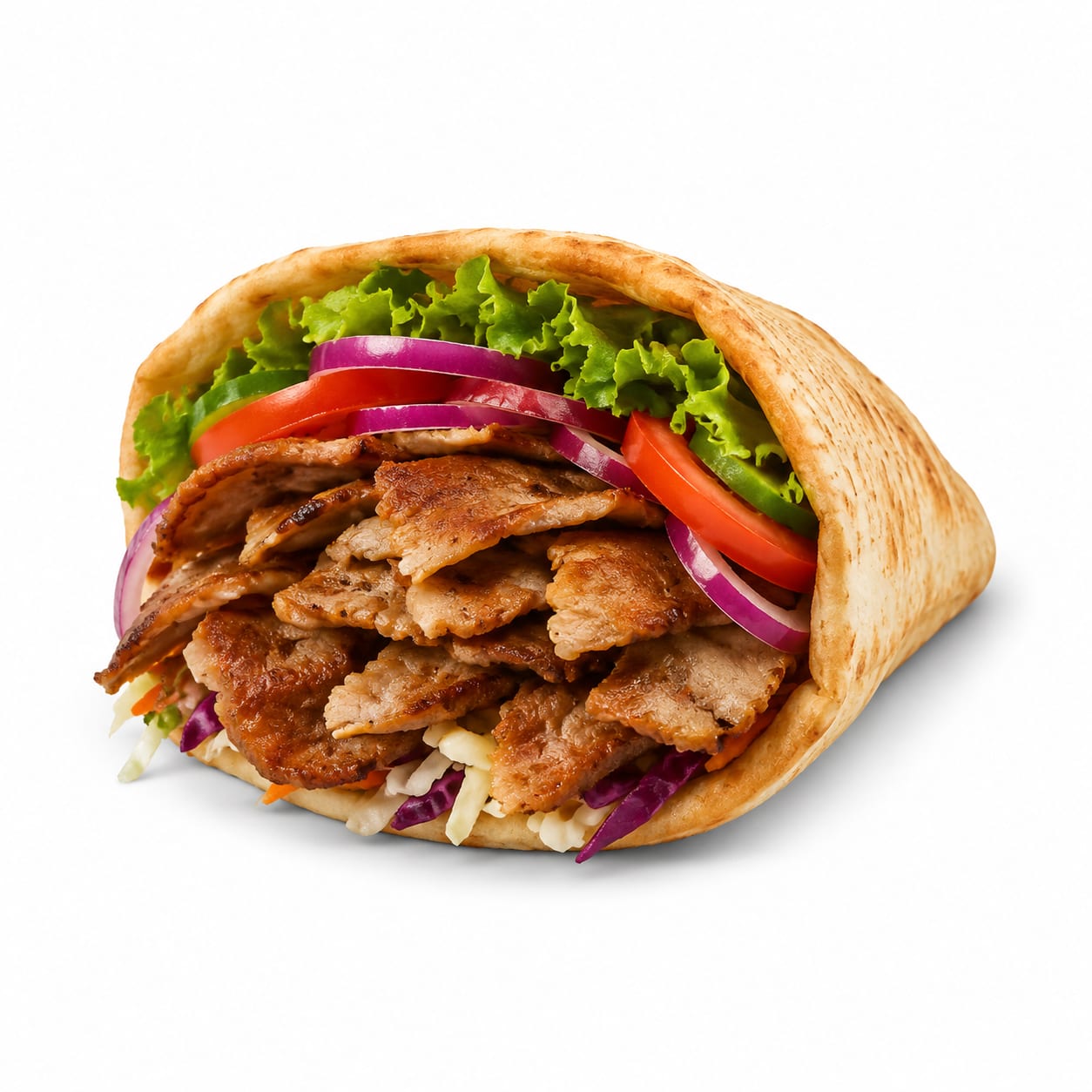
Kebab
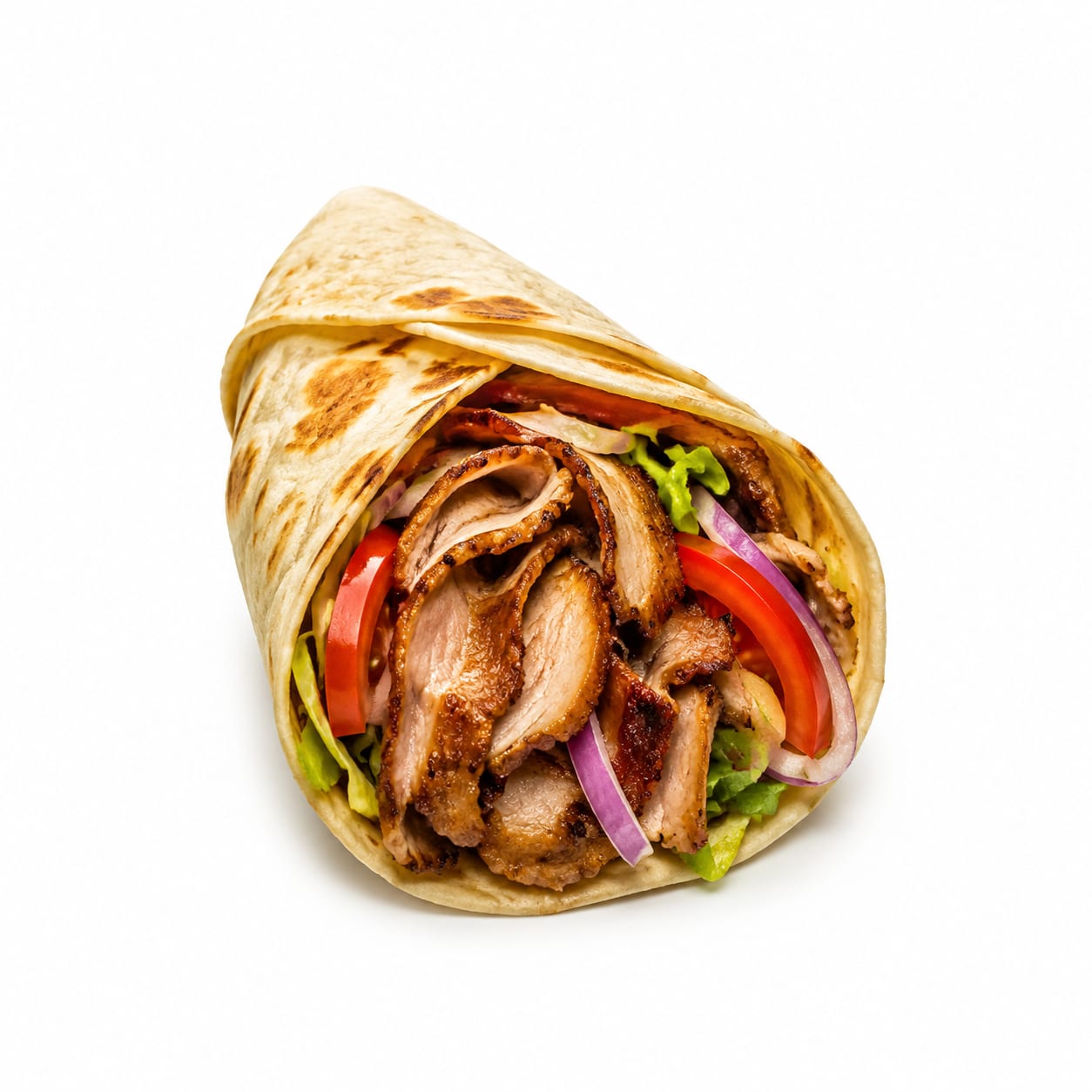
Shawarma
Kebab edges ahead for leaner protein and simpler prep, while shawarma wins for flavor satisfaction but often carries more sodium and calories from sauces and marinades.
Kebab scores moderately higher due to leaner preparation options and lower sodium, but both lose points for variable quality and street-food uncertainty. The gap is modest because shawarma's flavor advantage makes it more sustainable for many people long-term.
Kebab gives you cleaner, more controllable nutrition. Shawarma gives you richer flavor but at the cost of higher sodium, more calories, and heavier sauces.
At a glance
Executive summary
Overall
It depends
Healthier
Kebab
More practical
Shawarma
Daily use
Kebab
Key comparison lenses
street food health comparison
Both are popular street foods where users wonder which is the smarter grab-and-go choice
sodium and marinade impact
Shawarma's heavy spicing and marinades significantly increase sodium compared to simpler kebab preparations
fat and calorie density
Both can be calorie bombs depending on meat cut and sauces, but shawarma wraps with tahini and garlic sauce often pack more
protein quality for active lifestyles
Both deliver solid protein but preparation method affects leanness and portion control
food safety from spit cooking
Both use vertical spit cooking which carries specific contamination risks if not handled properly
Best choice for
Kebab
- Athletes tracking macros carefully
- People watching sodium intake
- Anyone wanting leaner protein with fewer hidden calories
- Those who prefer simpler, less saucy meals
Shawarma
- Hard gainers needing calorie-dense meals
- People who find bland food unsustainable
- Anyone craving bold flavors without cooking complexity
- Busy commuters needing a satisfying grab-and-go wrap
Least suitable for
Kebab
- People who find plain meat boring and unsatisfying
- Anyone needing quick one-handed eating on the go
- Those wanting a self-contained meal without side dishes
Shawarma
- People with hypertension or sodium sensitivity
- Anyone strictly cutting calories
- Those avoiding heavy sauces or dairy-based condiments
- People prone to bloating from rich, spiced foods
Deep comparison
Dimension by dimension
Each lens scores both foods and breaks down who each option suits.
- Dimension 1 · Priority 90Kebab
protein quality and leanness
Kebab · 74Shawarma · 62Kebab typically uses leaner cuts and simpler grilling, while shawarma's fatty marinades and rotating spit basting add flavor but also fat.
Tradeoff
Shawarma's fat adds juiciness and taste, but kebab's leanness makes macro tracking easier and keeps calories more predictable.
Why it matters
If you're eating these regularly, the fat difference compounds. An extra 15g of fat per serving adds up to 135 calories daily.
Real-world impact
After a kebab, you feel satisfied without heaviness. After shawarma, you might feel more stuffed and sluggish, especially with the wrap and sauces.
Kebab
- Post-workout meals where lean protein matters
- Cutting phases where every gram of fat counts
- People who dislike greasy mouthfeel
Better for
- Situations where you need maximum calories per bite
- People who associate lean meat with diet culture frustration
Worse for
Shawarma
- Bulking where extra calories are welcome
- Endurance athletes needing calorie density
- Anyone who finds dry lean meat unappealing
Better for
- Anyone tracking fat macros precisely
- Meals before activity where heaviness hurts performance
Worse for
- Dimension 2 · Priority 88Kebab
sodium load
Kebab · 58Shawarma · 38Shawarma's complex spice blends and overnight marinades can push sodium past 1500mg per serving. Kebab seasoning is usually lighter.
Tradeoff
The same marinade that makes shawarma irresistible also makes it a sodium minefield. Kebab's simpler seasoning is less exciting but gentler on blood pressure.
Why it matters
A single shawarma wrap can deliver half your daily sodium limit. For salt-sensitive people, this is not a small concern.
Real-world impact
After shawarma, you might notice thirst, bloating, or puffy fingers the next morning. Kebab is less likely to cause that water-retention hangover.
Kebab
- People with hypertension
- Anyone already eating processed foods that day
- Older adults more sensitive to sodium
Better for
- Post-heavy-workout refueling where sodium replacement is actually beneficial
Worse for
Shawarma
- Athletes who sweat heavily and need sodium replenishment
- People eating mostly home-cooked low-sodium meals otherwise
Better for
- Anyone watching blood pressure
- Evening meals where sodium disrupts sleep quality
- People prone to next-day bloating
Worse for
- Dimension 3 · Priority 85Kebab
calorie density and portion control
Kebab · 66Shawarma · 48A shawarma wrap with tahini, garlic sauce, and bread easily hits 800-1000 calories. A kebab plate with rice and salad is more modular and controllable.
Tradeoff
Shawarma bundles everything into one delicious calorie-dense package. Kebab lets you eat the meat and skip the carb-heavy sides.
Why it matters
With shawarma, you often finish the whole wrap before realizing how calorie-dense it was. Kebab's separable components give you visual portion awareness.
Real-world impact
A shawarma wrap disappears fast and leaves you overfed. A kebab plate lets you stop at the meat and salad, saving 300+ calories from rice or bread.
Kebab
- Weight loss where calorie awareness matters
- People who like leaving food on the plate
- Anyone eating late at night
Better for
- Situations where you need maximum eating efficiency
Worse for
Shawarma
- Skipped meals where you need to catch up on calories
- Physically demanding jobs requiring fuel density
- Teenagers with high metabolic needs
Better for
- Anyone who struggles with stopping once they start eating
- Mindless eating scenarios like watching TV
Worse for
- Dimension 4 · Priority 82Shawarma
flavor satisfaction and sustainability
Kebab · 55Shawarma · 82Shawarma's layered spices, tender texture, and rich sauces make it genuinely more craveable and satisfying for most people.
Tradeoff
The flavor that makes shawarma hard to resist also makes it harder to eat moderately. Kebab is easier to walk away from, which is both a pro and a con.
Why it matters
A meal you actually look forward to is more sustainable than a virtuous one you dread. Bland food leads to binge cycles.
Real-world impact
You're more likely to stick with shawarma as an occasional treat without feeling deprived. Kebab might leave you hunting for snacks an hour later.
Kebab
- People who eat for fuel not pleasure
- Anyone prone to overeating delicious food
Better for
- Long-term adherence to lean eating plans
- Social situations where bland food feels isolating
Worse for
Shawarma
- Emotional eaters who need satisfaction to avoid bingeing later
- Social meals where enjoyment matters
- Anyone who has quit healthy eating plans because food was too boring
Better for
- Trigger situations for overeating
- Anyone using food as a primary comfort mechanism
Worse for
- Dimension 5 · Priority 75It depends
food safety and contamination risk
Kebab · 55Shawarma · 52Both use vertical spit cooking where the outer layer may not reach safe temperatures consistently. Shawarma's longer marination adds a small additional risk window.
Tradeoff
Kebab's faster grilling on skewers can reach safer temperatures, but doner-style kebab shares shawarma's spit risks. It depends heavily on the vendor.
Why it matters
Street food safety is almost entirely about the kitchen, not the dish. A clean shawarma shop beats a sketchy kebab stand every time.
Real-world impact
Food poisoning from either one ruins your week. Pick busy, clean-looking places with high turnover regardless of which dish you choose.
Kebab
- Situations where you can see the food being freshly grilled
- Skewered kebab cooked directly over flame
Better for
- Doner kebab from slow vendors with meat sitting lukewarm
Worse for
Shawarma
- Reputable restaurants with visible health standards
- Places where you can watch the spit being freshly carved
Better for
- Pre-marinated meat from unknown suppliers
- Shops where the spit looks dried out or has been spinning too long
Worse for
- Dimension 6 · Priority 70Kebab
digestive tolerance
Kebab · 65Shawarma · 48Shawarma's garlic sauce, tahini, spices, and bread combination is tougher on sensitive stomachs. Kebab with simple sides is gentler.
Tradeoff
Shawarma's richness is its appeal and its digestive burden. Kebab trades excitement for easier digestion.
Why it matters
If you have IBS, acid reflux, or spice sensitivity, shawarma is more likely to trigger symptoms, especially eaten late.
Real-world impact
Late-night shawarma is a common heartburn trigger. A simpler kebab with rice and salad is less likely to keep you awake with discomfort.
Kebab
- People with GERD or acid reflux
- Anyone with spice sensitivity
- Late dinners where heavy food disrupts sleep
Better for
- Meals where digestive comfort is not a concern
Worse for
Shawarma
- Cast-iron stomachs with no digestive complaints
- People who tolerate rich food well
Better for
- Anyone prone to heartburn
- People with IBS triggers from garlic and onion
- Before physical activity or lying down
Worse for
Timeline
Health impact over time
Short-term
Hours to days
Kebab
- Satisfying protein hit without excessive fullness
- Lower likelihood of post-meal thirst and bloating
- Steadier energy without the heavy food coma
Shawarma
- Strong immediate satisfaction from rich flavors
- Possible thirst and bloating from high sodium
- Heavier fullness that may cause drowsiness
Long-term
Months to years
Kebab
- Easier to maintain as part of a balanced diet without weight creep
- Lower cumulative sodium exposure supports blood pressure health
- Simpler ingredient profile reduces additive exposure over time
Shawarma
- Regular consumption may contribute to sodium-related blood pressure issues
- Calorie density can silently drive weight gain if eaten frequently
- Flavor satisfaction may improve diet adherence if kept to moderate frequency
Risk profile
Safety & processing
Both are processed meat preparations, but the degree depends heavily on the vendor. Commercial shawarma marinades sometimes contain preservatives and stabilizers, while mass-produced kebab meat can include binders and fillers. Either can be relatively clean at a quality restaurant or heavily processed at a cheap chain.
Kebab
Inadequate cooking temperature on vertical spit
mediumDoner-style kebab meat may not reach safe internal temperatures if the spit rotates too slowly or the meat block is too large, leaving cold spots where bacteria survive.
Cross-contamination from shared surfaces
mediumBusy kebab shops often handle raw and cooked meat on adjacent surfaces, increasing risk during peak hours.
Shawarma
Extended marination and room-temperature exposure
mediumShawarma meat marinates for hours, and if temperature control fails during prep, bacterial growth can occur before cooking even starts.
Sauce contamination
highTahini and garlic sauces are often made in large batches and stored without refrigeration at street vendors, creating a prime environment for bacterial growth.
Who wins for whom
Audience fit
Same foods, different winners depending on your goal.
children
ShawarmaShawarma's softer texture and wrapped format are easier for kids to handle. The familiar flavors and fun eating experience make it more appealing to picky eaters.
daily consumption
KebabNeither should be daily, but kebab's simpler profile and lower sodium make it less harmful as an occasional regular option compared to shawarma's cumulative salt load.
diabetes
KebabKebab plates allow you to skip or minimize refined carbs. Shawarma wraps bundle bread into every bite, making blood sugar management harder.
elderly
KebabLower sodium and gentler seasoning make kebab more appropriate for older adults managing blood pressure and digestive sensitivity.
muscle gain
KebabLeaner protein with less fat means more protein per calorie, which matters when you're trying to hit macro targets without overshooting energy intake.
weight loss
KebabKebab's separable components and leaner meat make calorie control more realistic. You can eat the protein and skip the carb-heavy sides.
Your move
Decision guide
Choose Kebab
- You're tracking calories or macros closely
- Sodium is a health concern for you
- You want a meal that won't leave you bloated or sluggish
- You prefer eating protein with a side salad over a heavy wrap
- You have acid reflux or spice sensitivity
Choose Shawarma
- Flavor satisfaction is your top priority
- You need a calorie-dense meal after skipping food all day
- You're eating socially and want something everyone enjoys
- You have a cast-iron stomach and no sodium concerns
- You're craving something bold and comforting
Either works if
- You're eating at a reputable restaurant with fresh preparation
- You only eat these foods occasionally, so the differences are minor
- You're choosing based on what sounds good in the moment
Avoid both if
- You have severe sodium restrictions
- You're avoiding processed meats entirely for health reasons
- The vendor looks unclean or has low customer turnover
- You have a history of food poisoning from street meat
Final recommendation
For everyday health, kebab is the smarter default. But shawarma is the better experience. Eat kebab when you need to feel good afterward. Eat shawarma when you need to feel good during. Just don't make either a daily habit, and always pick the cleanest vendor you can find.
Practical
Consumer tips
- 1
Ask for kebab without the rice or bread to save 300+ calories while keeping the protein
- 2
Request shawarma with half the sauce or sauce on the side to cut calories and sodium significantly
- 3
Choose chicken over lamb or beef in either dish for a leaner meal
- 4
Watch the vendor carve the meat. If the spit looks dried out or has been spinning for hours, walk away.
- 5
Drink extra water after shawarma to help flush the sodium and reduce next-day bloating
- 6
Avoid either food late at night if you have acid reflux or digestive sensitivity
- 7
Look for places with high customer turnover. Fresh meat is safer meat.