
Nutrition comparison
Kebab vs Grilled Chicken Breast: Which Is Healthier?
Compare kebab and grilled chicken breast on calories, protein, sodium, and health impact. Find out which lean protein source wins for weight loss, muscle gain, and daily eating.
Overall winner · Grilled Chicken Breast
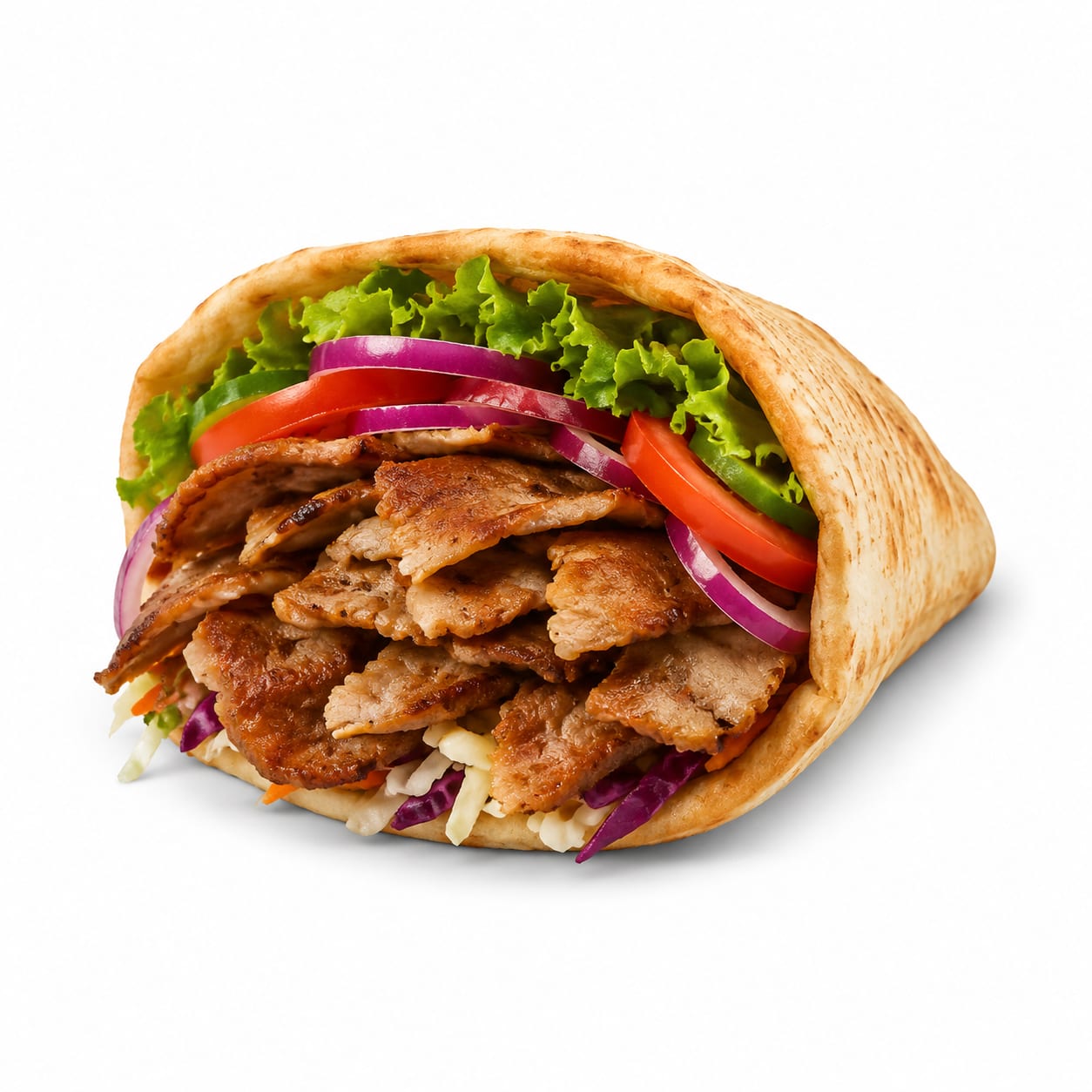
Kebab
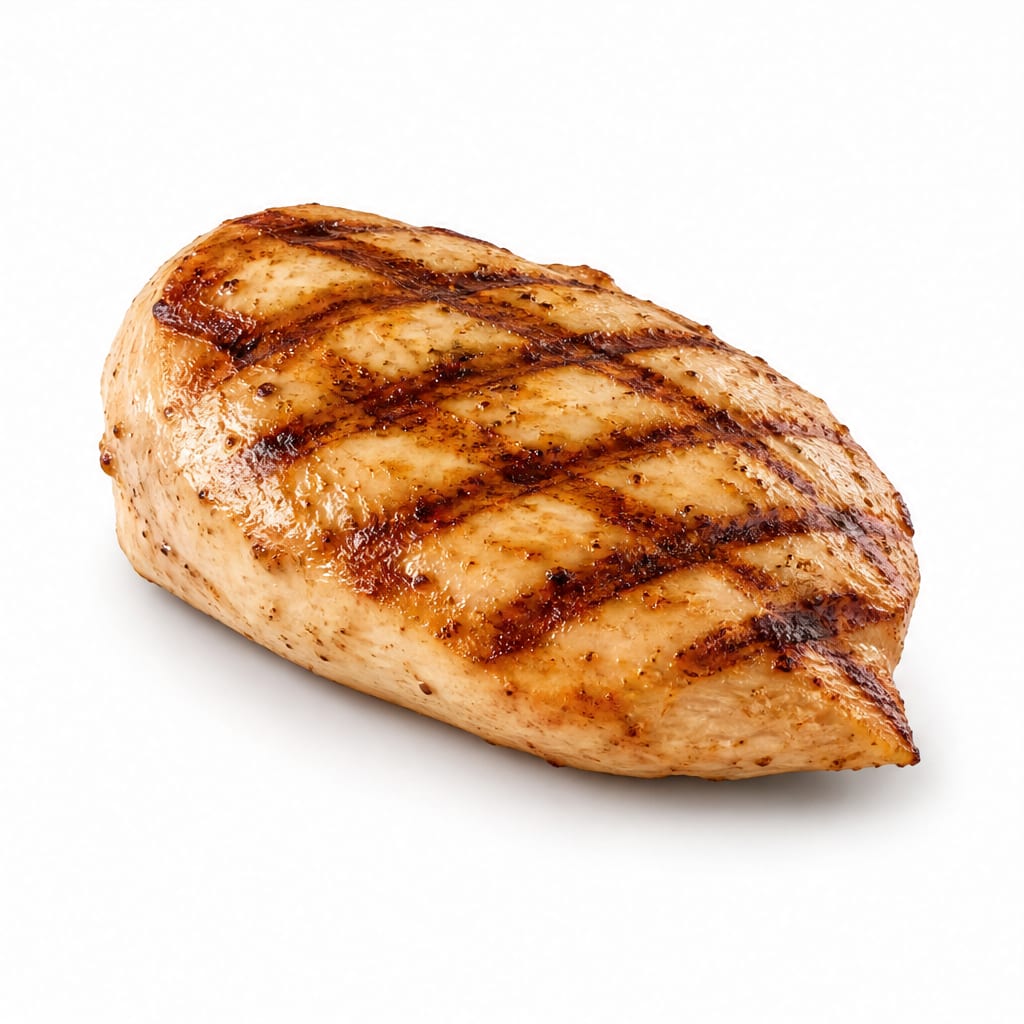
Grilled Chicken Breast
Grilled Chicken Breast is the cleaner, leaner, and more predictable choice for daily eating, while Kebab delivers far more flavor but at a steep nutritional cost.
Grilled Chicken Breast wins decisively for nutritional quality, consistency, and health outcomes. Kebab scores reasonably for enjoyment and convenience but loses heavily on sodium, fat content, and predictability.
Taste satisfaction and convenience versus calorie control and nutritional consistency.
At a glance
Executive summary
Overall
Grilled Chicken Breast
Healthier
Grilled Chicken Breast
More practical
Grilled Chicken Breast
Daily use
Grilled Chicken Breast
Key comparison lenses
lean protein source selection
Users comparing these two are typically deciding between a flavorful takeout option and a clean lean protein staple
weight management and calorie control
The calorie and fat difference between these foods is dramatic and directly impacts fat loss goals
convenience versus nutritional control tradeoff
Kebab is often grabbed on the go while grilled chicken breast is typically meal-prepped at home
sodium and heart health awareness
Kebab carries a significant sodium load that matters for blood pressure and cardiovascular health
food safety and contamination risk
Street or takeout kebab carries higher foodborne illness risk than home-prepared chicken breast
Best choice for
Kebab
- Occasional flavorful meal when craving something satisfying
- Social dining and takeout situations
- Bulking phases where extra calories are welcome
- Post-drinking meal when you need something heavy and filling
Grilled Chicken Breast
- Consistent weight loss or body recomposition goals
- Daily meal prep routines
- Athletes tracking macronutrients precisely
- Anyone managing blood pressure or heart health
Least suitable for
Kebab
- Sodium-sensitive individuals
- Daily consumption during fat loss phases
- People tracking calories closely
- Anyone with cardiovascular concerns
Grilled Chicken Breast
- People who find plain lean meat unsustainable and boring
- Social takeout scenarios
- Those needing high-calorie meals for bulking
Deep comparison
Dimension by dimension
Each lens scores both foods and breaks down who each option suits.
- Dimension 1 · Priority 95Grilled Chicken Breast
protein quality and leanness
Kebab · 55Grilled Chicken Breast · 95Grilled Chicken Breast delivers more protein per calorie with minimal fat. Kebab protein comes packaged with significantly more saturated fat and total calories.
Tradeoff
Kebab provides adequate protein but you pay for it with far more fat calories than you likely need.
Why it matters
For anyone tracking macros or trying to lose fat while preserving muscle, protein-per-calorie efficiency is the single most important metric.
Real-world impact
A grilled chicken breast gives you roughly 35g protein for 165 calories. A doner kebab can hit 500+ calories for similar protein, making fat loss much harder.
Kebab
- Higher calorie meals when bulking
- Situations where fat intake is not a concern
Better for
- Anyone in a calorie deficit
- People watching saturated fat intake
Worse for
Grilled Chicken Breast
- Cutting phases and calorie deficits
- Lean muscle gain without excess fat
- Consistent macro tracking
Better for
- Hard gainers needing calorie surplus
- Those who find lean meat too filling to eat enough
Worse for
- Dimension 2 · Priority 92Grilled Chicken Breast
calorie density and fat content
Kebab · 30Grilled Chicken Breast · 90Kebab is calorie-dense with high fat content, especially saturated fat. Grilled Chicken Breast is one of the lowest-calorie protein sources available.
Tradeoff
The fats in kebab carry rich flavor but silently push you over daily calorie targets without feeling like you ate that much.
Why it matters
Calorie density determines whether you can stay full while losing weight or whether you accidentally overeat.
Real-world impact
One large kebab can contain 800-1200 calories. You could eat nearly five chicken breasts for the same calories and feel far more full.
Kebab
- Active individuals needing calorie surplus
- Cold weather meals where heaviness feels good
Better for
- Sedentary evenings
- Anyone prone to overeating
- Late-night meals
Worse for
Grilled Chicken Breast
- Weight loss and maintenance
- Staying full on fewer calories
- Controlling body fat percentage
Better for
- Endurance athletes needing calorie density
- Underweight individuals
Worse for
- Dimension 3 · Priority 85Grilled Chicken Breast
sodium and heart health
Kebab · 25Grilled Chicken Breast · 80Kebab is extremely sodium-heavy from seasoning, sauces, and preserved meats. Grilled Chicken Breast has minimal sodium unless you add it yourself.
Tradeoff
Kebab's seasoning and sauces taste great but can deliver 1500-2500mg sodium in a single meal, nearing or exceeding daily limits.
Why it matters
High sodium intake directly raises blood pressure and increases cardiovascular disease risk over time.
Real-world impact
A single kebab meal can hit your entire day's sodium allowance. Grilled chicken breast with light seasoning stays under 200mg, leaving room for the rest of your day.
Kebab
- Post-heavy-sweating situations where sodium replenishment helps
Better for
- Salt-sensitive individuals
- People with kidney issues
- Anyone on a low-sodium diet
Worse for
Grilled Chicken Breast
- Hypertension management
- Daily heart-healthy eating
- Anyone over 40 monitoring blood pressure
Better for
- Endurance athletes who actually need more sodium
Worse for
- Dimension 4 · Priority 80Kebab
taste satisfaction and enjoyment
Kebab · 88Grilled Chicken Breast · 45Kebab delivers bold, complex flavors from spices, sauces, and fat. Grilled Chicken Breast is plain by comparison and requires effort to make exciting.
Tradeoff
The food that tastes better is the one that can quietly sabotage your health goals if eaten too often.
Why it matters
Sustainability matters. If you hate your food, you will quit your diet. But relying on hyper-palatable food has its own risks.
Real-world impact
Most people look forward to kebab night. Grilled chicken breast feels like discipline. The trick is making grilled chicken more enjoyable with marinades and sides.
Kebab
- Meal satisfaction and reduced cravings afterward
- Social eating enjoyment
- Breaking monotony in restrictive diets
Better for
- People who struggle to stop eating when food tastes amazing
Worse for
Grilled Chicken Breast
- Consistent eating without triggering overeating
- Building sustainable habits without emotional dependency on food
Better for
- Anyone who finds bland food depressing and eventually binges
Worse for
- Dimension 5 · Priority 75Grilled Chicken Breast
food safety and contamination risk
Kebab · 40Grilled Chicken Breast · 85Takeout kebab carries higher risks from temperature abuse, cross-contamination, and questionable meat sourcing. Home-grilled chicken breast gives you full control over handling and cooking.
Tradeoff
Convenience comes with less visibility into how your food was stored, handled, and cooked.
Why it matters
Food poisoning is not just unpleasant. Repeated exposure to poor food handling increases risk of chronic gut issues.
Real-world impact
Late-night kebab shops are not always models of food safety. Home-prepared chicken breast cooked to proper temperature is significantly safer.
Kebab
- Trusted restaurants with good hygiene ratings
Better for
- Late-night takeout with unknown hygiene standards
- Street vendors in unfamiliar locations
Worse for
Grilled Chicken Breast
- Immune-compromised individuals
- Pregnant women
- Anyone with a sensitive stomach
- Daily consumption safety
Better for
- Risk only increases with poor home handling, which is fully in your control
Worse for
- Dimension 6 · Priority 70Kebab
convenience and practicality
Kebab · 82Grilled Chicken Breast · 55Kebab is ready-to-eat takeout with zero prep. Grilled Chicken Breast requires planning, cooking, and seasoning.
Tradeoff
The easier food to obtain is the harder one to control nutritionally. The food that takes effort gives you full control.
Why it matters
When you are hungry and tired, convenience wins. That is exactly when kebab's calories and sodium hit hardest.
Real-world impact
Grabbing a kebab takes 10 minutes. Meal-prepping grilled chicken for the week takes 30-45 minutes but saves time and money daily.
Kebab
- Busy evenings with no meal prep
- Travel and on-the-go eating
- When cooking is not an option
Better for
- Anyone trying to break takeout habits
- People watching their spending on food
Worse for
Grilled Chicken Breast
- Planned weekly meal prep
- Budget-conscious eating
- Consistent portion control
Better for
- People with unpredictable schedules and no meal prep time
Worse for
- Dimension 7 · Priority 72Grilled Chicken Breast
satiety and fullness durability
Kebab · 65Grilled Chicken Breast · 85Grilled Chicken Breast provides longer-lasting satiety per calorie due to high protein density. Kebab fills you up fast but the high fat and refined carbs can trigger hunger again sooner.
Tradeoff
Kebab feels immediately satisfying but the calorie-to-fullness ratio is poor. Chicken breast keeps you full longer on fewer calories.
Why it matters
Foods that keep you full longer make sticking to any eating plan dramatically easier.
Real-world impact
After a kebab you may feel stuffed, but the refined carbs and sauces can spike and crash blood sugar, leaving you hungry again in 2-3 hours. Grilled chicken with vegetables keeps hunger away for 4-5 hours.
Kebab
- Immediate hunger relief when very hungry
Better for
- Blood sugar crashes after the initial fullness wears off
- Late-night hunger returning after an evening kebab
Worse for
Grilled Chicken Breast
- Sustained energy between meals
- Avoiding afternoon snacking
- Staying full during calorie deficits
Better for
- The first 20 minutes feel less satisfying than a hot flavorful meal
Worse for
Timeline
Health impact over time
Short-term
Hours to days
Kebab
- Immediate fullness from high calorie and fat content
- Possible bloating from rich sauces and bread
- Blood sugar spike from refined carbohydrates in pita or wraps
- Thirst from high sodium intake
- Potential digestive discomfort if spices or sauces are heavy
Grilled Chicken Breast
- Clean sustained energy without crash
- Comfortable satiety without heaviness
- Stable blood sugar with minimal fluctuation
- Light feeling that does not slow you down
Long-term
Months to years
Kebab
- Increased cardiovascular risk from frequent high sodium and saturated fat intake
- Weight gain if consumed regularly due to calorie density
- Potential for elevated blood pressure over time
- Higher inflammatory load from processed meat components and sauces
Grilled Chicken Breast
- Improved body composition with consistent lean protein intake
- Better blood pressure and heart health markers
- Easier weight maintenance due to low calorie density
- Reduced inflammation compared to processed alternatives
Risk profile
Safety & processing
Kebab meat often contains binders, preservatives, and added sodium beyond what you would use at home. Sauces add emulsifiers and stabilizers. Grilled Chicken Breast is essentially just chicken with whatever seasoning you choose, giving you full control over additives.
Kebab
Temperature abuse and improper holding
highKebab meat often sits on rotating spits for extended periods, creating windows where bacteria can multiply if temperature control is inadequate.
Cross-contamination
mediumBusy takeout environments with shared utensils and surfaces increase contamination risk, especially with raw and cooked items in close proximity.
Questionable meat sourcing and composition
mediumProcessed kebab meat can contain mixed meat sources, binders, and fillers that are not always transparent to the consumer.
Grilled Chicken Breast
Undercooking and salmonella
mediumRaw chicken always carries salmonella risk, but this is fully manageable by cooking to 165°F/74°C internal temperature.
Cross-contamination at home
lowEasily prevented with basic kitchen hygiene: separate cutting boards, hand washing, and proper storage.
Who wins for whom
Audience fit
Same foods, different winners depending on your goal.
children
Grilled Chicken BreastCleaner ingredient list, lower sodium, and no questionable additives. Kids benefit from simple, recognizable protein sources.
daily consumption
Grilled Chicken BreastPredictable nutrition, low sodium, minimal additives, and consistent protein intake make it safe and sustainable for daily use. Kebab is best kept as an occasional meal.
diabetes
Grilled Chicken BreastMinimal carbohydrate content and no added sugars. Kebab's bread, sauces, and marinades can spike blood sugar unpredictably.
elderly
Grilled Chicken BreastLower sodium protects blood pressure, and lean protein supports muscle preservation without stressing the cardiovascular system.
muscle gain
Grilled Chicken BreastHigher protein-per-calorie ratio supports muscle protein synthesis without adding unnecessary fat that complicates lean bulking.
weight loss
Grilled Chicken BreastGrilled Chicken Breast provides maximum protein and satiety per calorie, making it far easier to maintain a deficit without feeling deprived.
Your move
Decision guide
Choose Kebab
- You are eating out socially and want something satisfying
- You are in a bulking phase and welcome extra calories
- You meal-prepped all week and want a reward meal
- You need a filling meal after intense physical labor or a long night
Choose Grilled Chicken Breast
- You are tracking calories or macronutrients
- You want a reliable daily protein source
- You are managing blood pressure, cholesterol, or heart health
- You meal prep for the week and need consistency
- You want to lose fat while maintaining muscle
Either works if
- You are simply hungry and either option is available
- You mix both across the week: chicken for daily meals, kebab as a weekend treat
Avoid both if
- You are vegetarian or vegan
- You have a poultry allergy
- You are on a strict sodium-restricted diet and cannot control seasoning in either option
Final recommendation
Make Grilled Chicken Breast your daily protein staple and treat Kebab as an occasional enjoyment meal. If you love kebab, try making a healthier homemade version with lean chicken, light seasoning, and fresh vegetables in a whole grain wrap. You get the flavor experience with far more nutritional control.
Practical
Consumer tips
- 1
Ask for kebab without sauce or with sauce on the side to cut calories and sodium significantly
- 2
Choose chicken kebab over doner or mixed meat kebab for a leaner takeout option
- 3
Marinate grilled chicken breast in yogurt, lemon, and spices for 30 minutes to dramatically improve flavor without adding calories
- 4
Meal prep grilled chicken in bulk on Sunday to eliminate the convenience advantage of takeout kebab
- 5
If ordering kebab, skip the pita and eat it as a plate with salad to reduce refined carbs
- 6
Check hygiene ratings of kebab shops before ordering. A low rating is not worth the risk
- 7
Use a meat thermometer for grilled chicken to ensure it hits 165°F internally without overcooking