
Nutrition comparison
Kebab vs Hamburger Patty: Nutrition, Health & Taste Compared
Comparing kebab and hamburger patty? Discover the nutritional differences, sodium levels, and processing concerns to find out which is healthier for your diet.
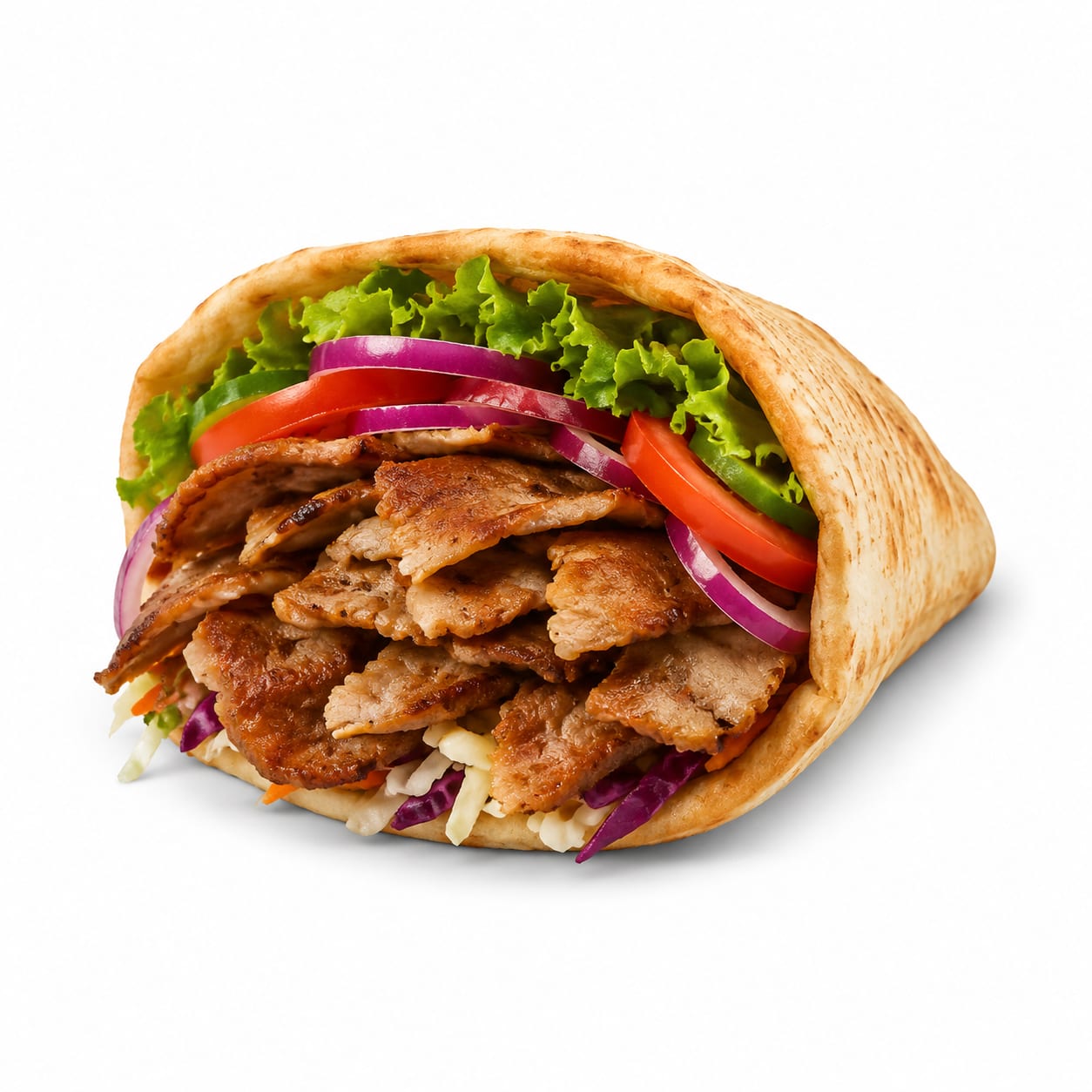
Kebab
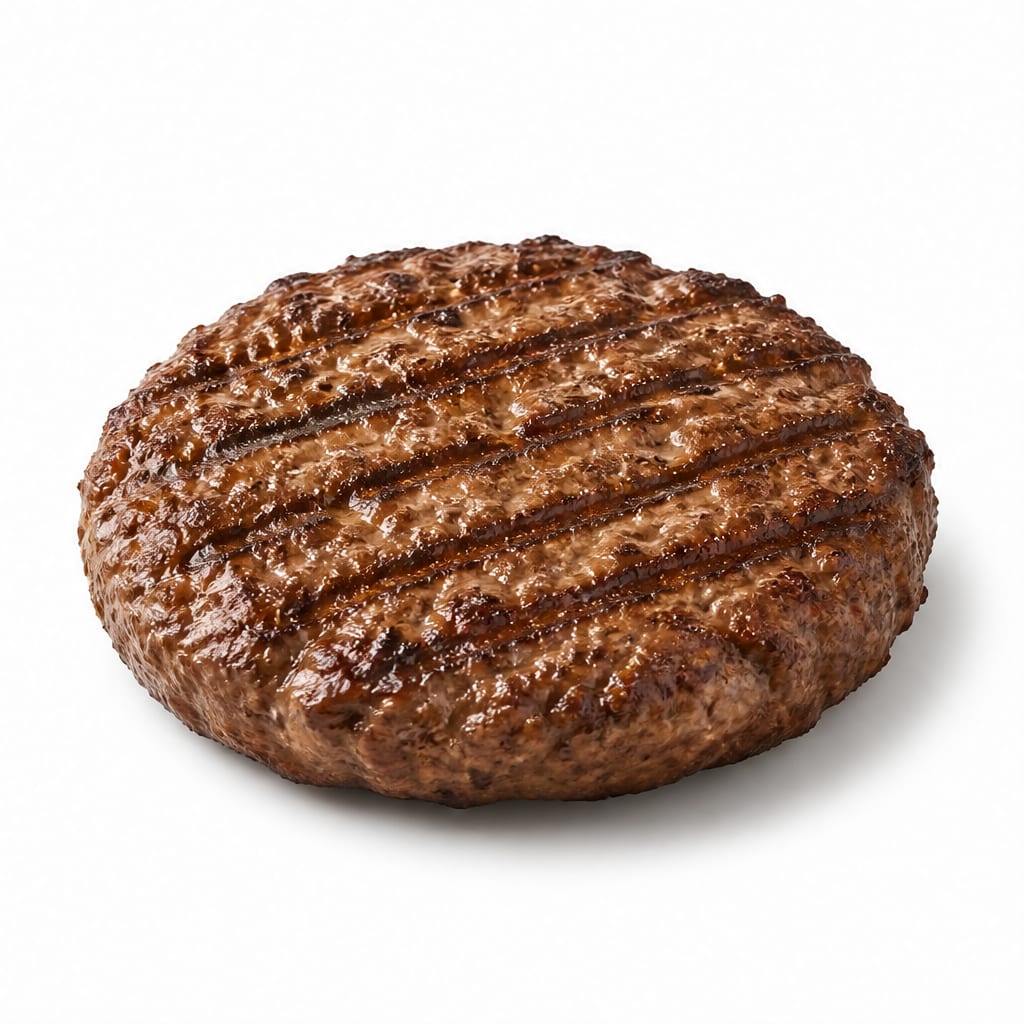
Hamburger Patty
Hamburger patties offer simpler ingredients and lower sodium, while kebabs deliver bolder flavor and potentially leaner meat depending on the style.
Hamburger patties score slightly higher due to typically cleaner ingredients and lower sodium, but the scores are close because kebabs can vary wildly in quality and leanness, making them nearly equal in the best-case scenario.
You are trading the clean, minimalist profile of a hamburger patty for the intense seasoning and convenience of a kebab, which often brings hidden sodium and binders.
At a glance
Executive summary
Overall
It depends
Healthier
It depends
More practical
Hamburger Patty
Daily use
Hamburger Patty
Key comparison lenses
Protein quality and satiety for muscle and fullness
Both are meat-centric dishes primarily eaten for high protein and satisfaction, making the quality and density of that protein a key decision factor.
Sodium and seasoning load
Kebabs are heavily marinated and salted, while hamburger patties are usually lightly seasoned, creating a major daily sodium tradeoff.
Processing level and additive exposure
Doner-style kebab meat is often restructured with binders, whereas a basic hamburger patty is typically just ground beef, raising different processing concerns.
Heart health and fat profile
Both can be high in saturated fat, but the source and variability of the fat content differ significantly between a mixed-meat kebab and a specific ground beef blend.
Best choice for
Kebab
- People craving bold, complex flavors without adding extra sauces
- Those eating Mediterranean or Middle Eastern style meals with lots of vegetables
- Anyone needing a quick, hot street-food meal on the go
Hamburger Patty
- Home cooks wanting full control over meat quality and fat content
- People monitoring their blood pressure and daily sodium intake
- Those following a clean-eating or whole-food approach
Least suitable for
Kebab
- People with severe sodium restrictions or hypertension
- Individuals avoiding processed or restructured meats
- Those sensitive to unknown spice blends or potential allergens in marinades
Hamburger Patty
- Anyone seeking a highly flavorful standalone meat without toppings
- People looking for a leaner protein source if using high-fat beef
- Those wanting a built-in vegetable component in the same dish
Deep comparison
Dimension by dimension
Each lens scores both foods and breaks down who each option suits.
- Dimension 1 · Priority 90Hamburger Patty
Satiety and Fullness
Kebab · 75Hamburger Patty · 85A hamburger patty is denser and more filling per bite than shaved kebab meat, keeping you satisfied longer.
Tradeoff
Kebab meat is often eaten in larger volumes with veggies, which adds bulk, but the meat itself is less dense in protein and fat compared to a solid patty.
Why it matters
Feeling full after a meal prevents snacking later. A denser protein source staves off hunger more effectively.
Real-world impact
A hamburger patty will likely keep you full from lunch until dinner, while a kebab might leave you hunting for a snack by mid-afternoon.
Kebab
- Meals where you eat a large volume of food with sides
- People who prefer feeling physically full from bulk
Better for
- Very active individuals needing high protein density in small portions
Worse for
Hamburger Patty
- Long gaps between meals
- Anyone needing sustained energy without feeling heavy
Better for
- Those who feel uncomfortably stuffed by dense foods
Worse for
- Dimension 2 · Priority 85Hamburger Patty
Sodium and Seasoning Load
Kebab · 40Hamburger Patty · 80Hamburger patties are naturally low in sodium, while kebabs are heavily salted and spiced to develop their signature flavor.
Tradeoff
The intense flavor of a kebab comes at the cost of high sodium intake, which can spike blood pressure and cause bloating.
Why it matters
Excess sodium is a leading driver of hypertension and water retention, impacting heart health and how you feel the next day.
Real-world impact
Eating a kebab can easily use up half your daily sodium allowance, leaving you thirsty and bloated, whereas a homemade hamburger patty uses only a pinch of salt.
Kebab
- Endurance athletes needing to replenish sodium after heavy sweating
- People who find plain meat unappetizing and need flavor to enjoy their meal
Better for
- People with hypertension or kidney issues
Worse for
Hamburger Patty
- Anyone watching their blood pressure
- People trying to reduce morning puffiness and water retention
Better for
- Those who need flavorful food to stick to their diet and avoid blandness
Worse for
- Dimension 3 · Priority 80Hamburger Patty
Processing and Additives
Kebab · 45Hamburger Patty · 85A basic hamburger patty is usually just ground beef, while doner-style kebab meat often contains binders, fillers, and preservatives.
Tradeoff
Kebab's uniform texture and ability to stick together on a rotisserie often come from added starches and gums, sacrificing whole-food purity.
Why it matters
Ultra-processed meats can disrupt gut health and often contain hidden carbs and lower-quality protein than whole cuts.
Real-world impact
When you eat a hamburger patty, you know exactly what you are getting. With kebab, you might be eating a mystery mix of meats and fillers.
Kebab
- Situations where ingredient transparency is not a priority over taste
Better for
- Those with food sensitivities to hidden fillers or gluten
Worse for
Hamburger Patty
- Clean-eating diets and whole30 approaches
- People with gluten or dairy sensitivities who must avoid hidden binders
Better for
- None, unless the patty is pre-formed with added fillers
Worse for
- Dimension 4 · Priority 75It depends
Heart Health and Fat Profile
Kebab · 60Hamburger Patty · 60Both can be high in saturated fat, but the exact amount depends entirely on the meat blend used for either the kebab or the patty.
Tradeoff
Kebabs can be made from leaner lamb or chicken, but often use fatty cuts for flavor. Hamburgers can be 90% lean or 70% lean, making variability the only constant.
Why it matters
Saturated fat intake directly impacts LDL cholesterol levels and long-term cardiovascular risk.
Real-world impact
A lean turkey kebab beats a 80/20 hamburger patty for heart health, but a 90/10 lean beef patty beats a fatty lamb doner. It comes down to the specific meat.
Kebab
- Chicken or turkey kebab options when available
- Meals where excess fat drips away from the vertical rotisserie
Better for
- Fatty lamb or beef doner mixes which are highly caloric
Worse for
Hamburger Patty
- Situations where you can specifically select 90/10 or leaner ground beef
- Grass-fed beef options for a better omega-3 to omega-6 ratio
Better for
- Standard 80/20 burger blends which are very high in saturated fat
Worse for
Timeline
Health impact over time
Short-term
Hours to days
Kebab
- Likely to cause thirst and water retention due to high sodium marinades
- Provides quick, satisfying energy from dense protein and fat
Hamburger Patty
- Provides steady, heavy satiety without the sodium crash
- Can cause sluggishness if the patty is particularly fatty
Long-term
Months to years
Kebab
- Frequent consumption may raise blood pressure due to sodium and preservatives
- Risk of consuming lower-quality processed meats if sourced from cheap vendors
Hamburger Patty
- Regular intake of high saturated fat versions can impact heart health over time
- Choosing lean blends offers a sustainable, high-quality protein source for years
Risk profile
Safety & processing
Hamburger patties are typically a single-ingredient whole food, while kebab meat is often a processed composite with binders and flavor enhancers.
Kebab
Inadequate cooking on rotisserie
mediumThe inner layers of a large kebab cone may not reach safe temperatures if the rotisserie spins too quickly or the meat is stacked too thick.
Pathogen growth from holding temperatures
highDoner kebabs often sit in warm zones for hours, creating an ideal environment for bacteria if the temperature drops below safe holding levels.
Hamburger Patty
E. coli contamination
mediumGround beef has a higher risk of E. coli because surface bacteria get mixed throughout the meat during grinding, requiring thorough cooking.
Heterocyclic amines from charring
lowCooking hamburger patties at very high temperatures or until well-done can create carcinogenic compounds on the surface.
Who wins for whom
Audience fit
Same foods, different winners depending on your goal.
children
Hamburger PattyKids generally prefer the mild flavor of beef patties, and parents can guarantee the meat is cooked to a safe, well-done temperature without mystery spices.
daily consumption
Hamburger PattyThe minimal processing and low sodium of a lean hamburger patty make it a safer daily staple than the seasoned and processed kebab alternatives.
diabetes
Hamburger PattyBoth are low carb, but hamburger patties have zero hidden sugars or starches that are sometimes found in kebab binders and marinades.
elderly
Hamburger PattyLower sodium is critical for older adults, and the simple, easily digestible protein of a hamburger patty is gentler on the system.
muscle gain
Hamburger PattyHamburger patties provide dense, high-quality, complete protein without fillers, making it easier to hit macro targets precisely.
weight loss
It dependsA lean hamburger patty is lower in sodium and fillers, but a chicken kebab with the fat dripped off can be exceptionally low in calories.
Your move
Decision guide
Choose Kebab
- You are craving bold, complex spices and Mediterranean flavors
- You are eating it alongside a large serving of vegetables and salad
- You are getting it from a trusted, high-volume vendor with safe holding practices
Choose Hamburger Patty
- You want complete control over your sodium and fat intake
- You are meal prepping and need a simple, clean protein source
- You have high blood pressure or are sensitive to preservatives and fillers
Either works if
- You need a filling, low-carb protein source after a workout
- You are building a balanced plate with healthy fats and fiber
Avoid both if
- You have severe heart disease and must strictly limit saturated red meat
- You are following a plant-based or cholesterol-lowering diet
Final recommendation
For everyday eating, a lean hamburger patty gives you more control over your health due to its simple ingredients and low sodium. Save the kebab for when you want a flavorful treat, choosing chicken or lean lamb when possible, and always pair it with extra veggies to balance the salt.
Practical
Consumer tips
- 1
When ordering a kebab, ask for chicken or leaner meats, and request that they slice from a freshly cooked section of the rotisserie.
- 2
For hamburger patties, choose 90% lean ground beef or mix ground turkey to reduce saturated fat without losing the burger experience.
- 3
If making kebabs at home, use whole chunks of meat rather than ground meat to skip the binders and fillers entirely.
- 4
Always cook ground beef patties to an internal temperature of 160°F (71°C) to eliminate E. coli risks.
- 5
Rinse canned vegetables or skip salty sauces when eating either meat to keep the overall meal's sodium in check.