
Nutrition comparison
Kebab vs Falafel: Which Is Healthier? Nutrition, Protein, and Heart Health Compared
Kebab or Falafel? Compare protein, fiber, calories, heart health impact, and real-world satiety. Find out which Middle Eastern favorite fits your diet and lifestyle better.
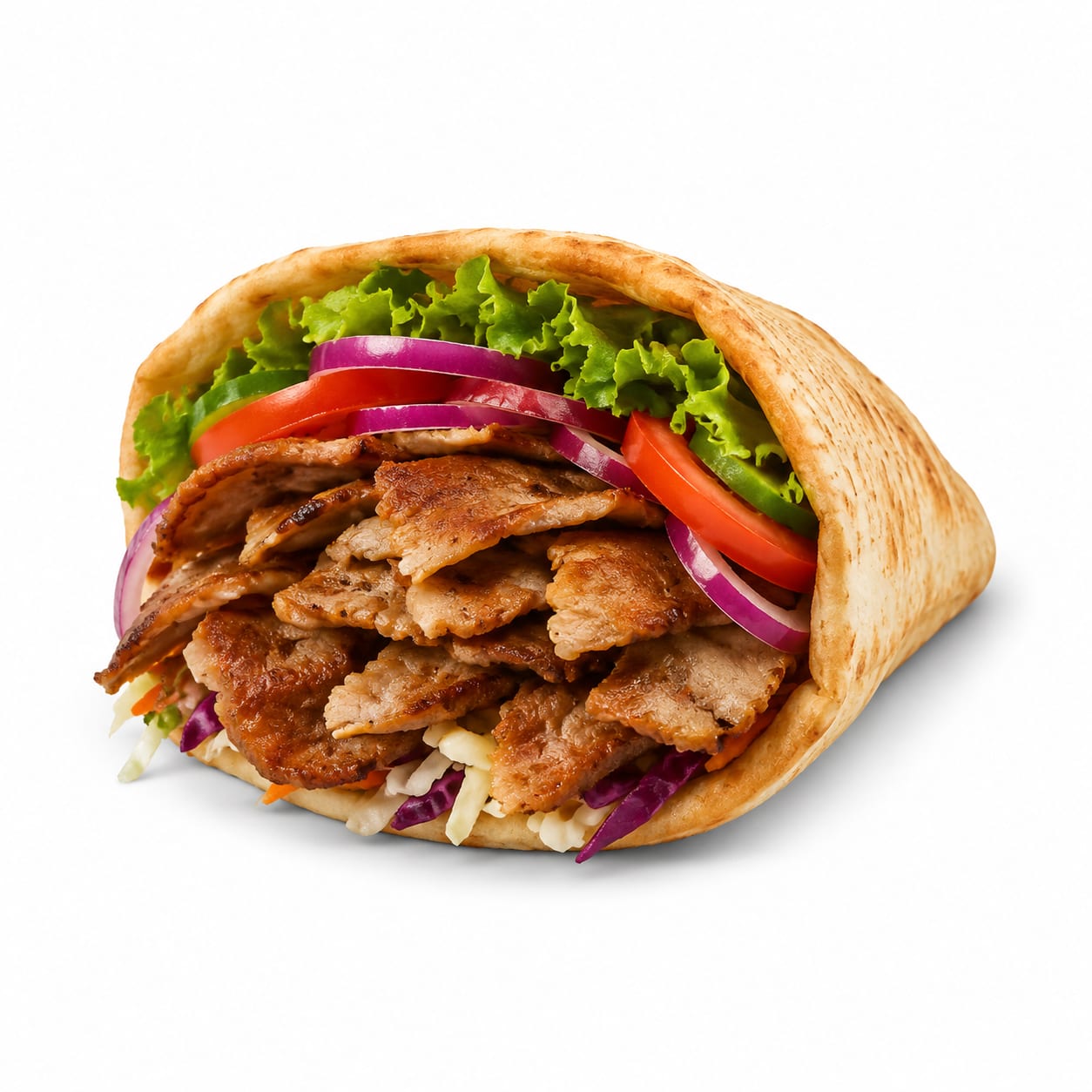
Kebab
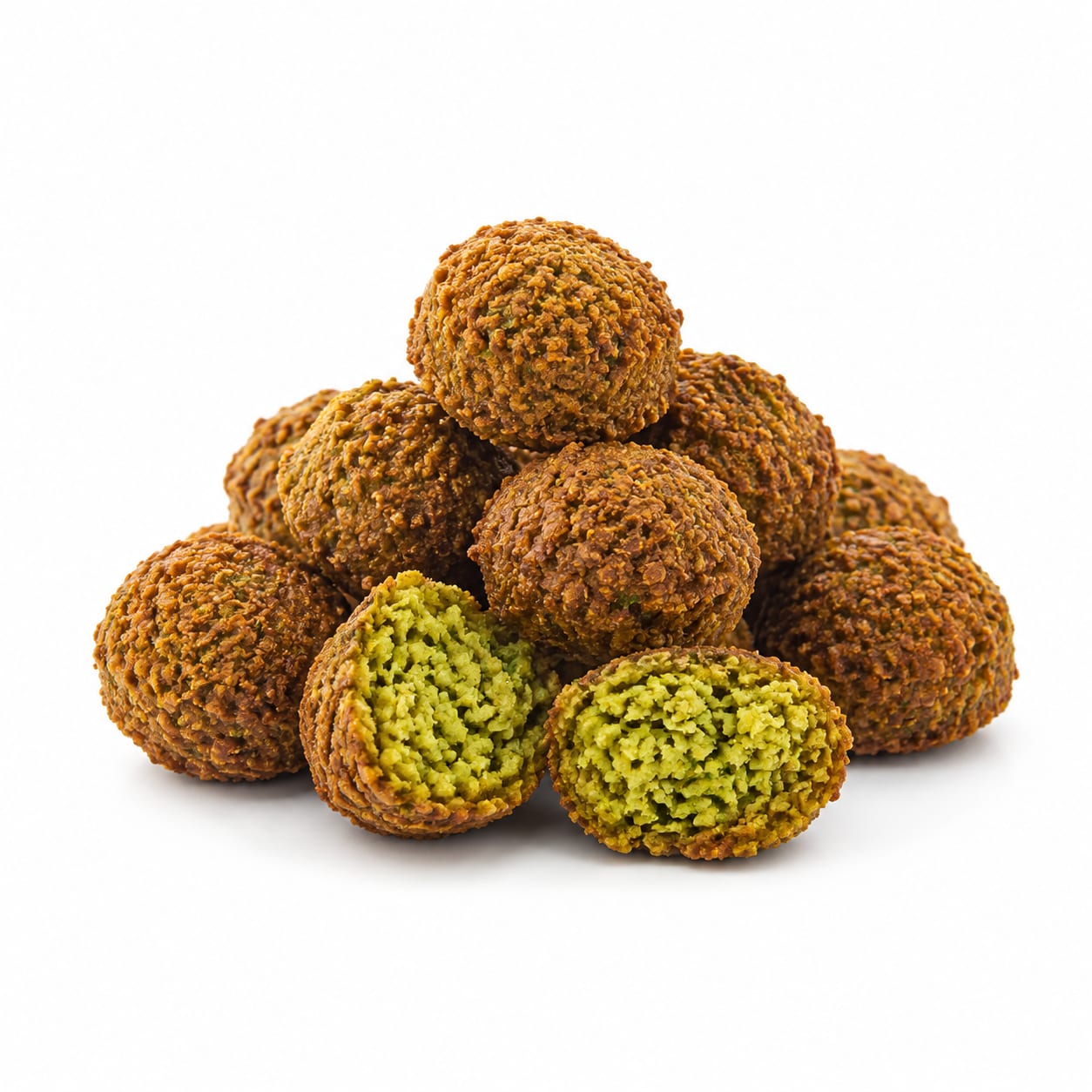
Falafel
Kebab delivers superior protein and satiety for meat-eaters, while Falafel offers plant-based nutrition with more fiber and zero cholesterol but less protein per bite.
Kebab edges ahead on protein quality and satiety, but Falafel's fiber, zero cholesterol, and plant-based advantages keep it competitive. The close scores reflect that neither dominates universally.
Complete high-quality protein and better fullness from Kebab versus heart-friendlier, fiber-rich, plant-based Falafel that leaves you hungrier sooner.
At a glance
Executive summary
Overall
It depends
Healthier
It depends
More practical
It depends
Daily use
Falafel
Key comparison lenses
meat vs plant protein
The core decision: animal protein with complete amino acids versus plant-based protein with more fiber but lower bioavailability
weight management
Both are popular street foods but differ significantly in calorie density and satiety profiles
heart health cholesterol
Kebab brings saturated fat and cholesterol concerns; Falafel offers zero cholesterol but deep-frying adds its own fat issues
vegetarian vegan lifestyle
Falafel is a go-to plant protein; Kebab is off-limits for vegetarians and vegans
blood sugar management
Falafel's chickpea base provides steady carbs with fiber, while Kebab's lower carb profile suits low-carb eaters
food safety street food
Both are common street foods, but meat handling carries higher contamination risk than fried chickpea patties
Best choice for
Kebab
- Athletes and gym-goers needing complete protein
- Low-carb and keto dieters
- Anyone prioritizing maximum satiety from one meal
- People with iron deficiency or higher iron needs
- Those who feel unsatisfied without meat
Falafel
- Vegetarians and vegans seeking substantial protein
- People watching cholesterol and saturated fat
- Fiber-focused eaters wanting better digestion
- Anyone eating plant-based most days of the week
- Those who find fried foods easier to digest than heavy meat
Least suitable for
Kebab
- Vegetarians and vegans
- People with gout or uric acid concerns
- Those strictly limiting saturated fat
- Anyone with red meat sensitivities
- People watching cholesterol closely
Falafel
- Low-carb dieters avoiding legumes
- People with chickpea or legume allergies
- Those needing high protein per calorie
- Anyone sensitive to deep-fried foods
- People seeking maximum satiety from a single meal
Deep comparison
Dimension by dimension
Each lens scores both foods and breaks down who each option suits.
- Dimension 1 · Priority 95Kebab
protein_quality_and_content
Kebab · 88Falafel · 55Kebab provides complete protein with all essential amino acids at roughly 20-30g per serving. Falafel offers only 8-12g of incomplete plant protein per serving.
Tradeoff
You get substantially more and better-quality protein from Kebab, but Falafel still contributes meaningful plant protein without the saturated fat baggage.
Why it matters
Protein quality directly affects muscle maintenance, satiety, and how long you stay full after eating.
Real-world impact
After a Kebab meal you likely stay full 2-3 hours longer. After Falafel, you may be reaching for a snack within 90 minutes.
Kebab
- Muscle recovery after workouts
- Staying full through long afternoons
- Meeting daily protein targets easily
Better for
- Those limiting animal protein for health reasons
- Anyone with gout flares from purine-rich meat
Worse for
Falafel
- Lighter meals where you don't want heaviness
- Adding protein to an already protein-rich diet
- Plant-based eaters getting any protein they can
Better for
- Anyone relying on this as their main protein source
- Older adults needing high leucine for muscle preservation
Worse for
- Dimension 2 · Priority 88Falafel
fiber_and_digestive_health
Kebab · 25Falafel · 82Falafel delivers 4-6g of fiber per serving from chickpeas, supporting gut health and steady digestion. Kebab provides virtually zero fiber unless paired with vegetables.
Tradeoff
Falafel's fiber supports digestion and blood sugar control, but the deep-frying can cause bloating in sensitive people. Kebab sits heavier without the digestive help fiber provides.
Why it matters
Fiber isn't just about regularity. It controls blood sugar spikes, feeds gut bacteria, and helps you feel satisfied without overeating.
Real-world impact
Regular Falafel eaters get a meaningful fiber boost toward their 25-30g daily target. Kebab eaters need to consciously add vegetables or sides to avoid a fiber gap.
Kebab
- Those who already get plenty of fiber from other meals
- People with IBS who tolerate low-fiber meals better
Better for
- Chronic constipation sufferers who need more fiber
- Anyone eating low-fiber meals all day
Worse for
Falafel
- Anyone falling short on daily fiber intake
- Gut health enthusiasts feeding beneficial bacteria
- People wanting steadier digestion throughout the day
Better for
- People with IBS or FODMAP sensitivities reacting to chickpeas
- Those who feel bloated after legume-heavy meals
Worse for
- Dimension 3 · Priority 85Falafel
heart_health_and_cholesterol
Kebab · 40Falafel · 72Falafel has zero cholesterol and mostly unsaturated fats from chickpeas and olive oil. Kebab, especially lamb or beef, brings saturated fat and dietary cholesterol that raise heart risk with frequent consumption.
Tradeoff
Falafel wins on paper for heart health, but deep-frying adds oxidized oils and trans fat risk. Kebab's saturated fat is more directly linked to LDL cholesterol elevation.
Why it matters
Frequent saturated fat intake from red meat kebabs can move cholesterol numbers in the wrong direction over months and years.
Real-world impact
Eating Kebab multiple times weekly may show up in your next lipid panel. Falafel a few times weekly is unlikely to negatively impact cholesterol.
Kebab
- Lean chicken kebab versions are more heart-friendly
- Occasional consumption poses minimal risk
Better for
- People with existing high cholesterol
- Anyone with multiple cardiovascular risk factors
- Frequent eaters having kebab several times per week
Worse for
Falafel
- Anyone with family history of heart disease
- People actively trying to lower LDL cholesterol
- Those following heart-healthy Mediterranean patterns
Better for
- Deep-fried versions still carry heart risk from oxidized oils
- Restaurant falafel may reuse oil, creating harmful compounds
Worse for
- Dimension 4 · Priority 82Kebab
satiety_and_fullness
Kebab · 85Falafel · 58Kebab's high protein content creates lasting fullness that delays hunger for hours. Falafel fills you up initially but the lower protein and higher carb content means hunger returns sooner.
Tradeoff
Kebab keeps you satisfied longer but can feel heavy and sluggish. Falafel feels lighter and more energizing initially but may leave you hunting for snacks within two hours.
Why it matters
Satiety determines whether you stick to your eating plan or cave into cravings later. Protein-driven fullness is more reliable than carb-driven fullness.
Real-world impact
A Kebab lunch often carries you to dinner without thinking about food. A Falafel lunch may have you eyeing the vending machine by 3pm.
Kebab
- Long workdays without snack access
- Anyone trying to reduce between-meal eating
- One-meal or two-meal daily eaters
Better for
- People who dislike the sluggish feeling after heavy meals
- Those who prefer eating smaller amounts more frequently
Worse for
Falafel
- Those who prefer lighter meals without food coma
- People who snack intentionally and healthily between meals
- Anyone finding heavy meals disrupt their afternoon focus
Better for
- Emotional eaters triggered by returning hunger
- Anyone trying to minimize daily food decisions and snacking
Worse for
- Dimension 5 · Priority 78Kebab
blood_sugar_stability
Kebab · 75Falafel · 60Kebab's low carb content means minimal blood sugar impact. Falafel's chickpea base has a moderate glycemic load, and deep-frying with refined carbs in pita can cause noticeable sugar spikes.
Tradeoff
Kebab is naturally low-carb and blood sugar friendly, while Falafel's carbs are tempered by fiber but still register more on the glycemic scale, especially wrapped in white pita.
Why it matters
Blood sugar crashes after meals drive fatigue, cravings, and irritability. Stable blood sugar means steadier energy and mood.
Real-world impact
After Kebab, energy stays relatively flat and stable. After Falafel in pita, you might notice a brief energy dip 45-60 minutes later.
Kebab
- Diabetics managing post-meal glucose
- Low-carb and keto adherents
- Anyone prone to afternoon energy crashes
Better for
- Very active people needing carbohydrate replenishment
- Those who feel weak without some carbs at meals
Worse for
Falafel
- Endurance athletes needing carb fuel
- Active people who burn through carbs quickly
- Those who find very low-carb meals unsatisfying
Better for
- Insulin-resistant individuals watching carb load
- Anyone pairing Falafel with sweet sauces or drinks
Worse for
- Dimension 6 · Priority 80Falafel
calorie_density_and_weight_management
Kebab · 50Falafel · 62Falafel is moderately calorie-dense from deep-frying but portions are naturally limited. Kebab portions, especially doner with sauces, can easily exceed 800-1000 calories in a single serving.
Tradeoff
Falafel's calories are more visible and portion-controllable. Kebab's calories hide in sauces, oils, and generous meat portions that silently push you past your target.
Why it matters
Unnoticed calories from sauces and oils are the silent driver of weight gain. Both foods can be caloric, but Kebab has more sneaky calorie traps.
Real-world impact
A doner kebab with garlic sauce can match a fast-food burger in calories. A falafel wrap is more predictable at 400-600 calories.
Kebab
- Those who skip sauces and choose lean meat versions
- Active people who can afford higher calorie intake
Better for
- Anyone who defaults to large portions with extra sauce
- People who underestimate calories in meat-heavy meals
Worse for
Falafel
- Calorie counters wanting predictable portions
- Those who find it easier to stop eating falafel than kebab
- Weight loss dieters needing visual portion control
Better for
- Those who eat multiple falafel portions mindlessly
- Anyone assuming fried food is automatically low-calorie
Worse for
- Dimension 7 · Priority 72Kebab
iron_and_micronutrients
Kebab · 80Falafel · 55Kebab, especially red meat versions, provides highly absorbable heme iron, B12, and zinc. Falafel offers non-heme iron and some B vitamins but at lower absorption rates.
Tradeoff
Kebab delivers nutrients that are genuinely hard to get from plant sources, particularly B12. Falafel provides some iron and folate but you absorb significantly less of it.
Why it matters
Iron deficiency is common, especially in women. Heme iron from meat is absorbed 2-3 times better than plant iron, making a real practical difference.
Real-world impact
Regular Kebab eaters are unlikely to run low on B12 or iron. Falafel eaters need to pair with vitamin C sources and monitor levels more carefully.
Kebab
- Women with heavy periods needing iron
- Anyone diagnosed with low B12
- Teens in growth spurts needing zinc and iron
Better for
- People with hemochromatosis who absorb too much iron
- Anyone advised to limit red meat for health reasons
Worse for
Falafel
- Those getting B12 from supplements or other sources
- People with iron overload conditions like hemochromatosis
Better for
- Vegans relying on falafel as a primary iron source without supplementation
- Anyone already borderline anemic
Worse for
- Dimension 8 · Priority 70Falafel
inflammatory_potential
Kebab · 42Falafel · 65Processed and red meats in Kebab promote inflammatory markers when consumed regularly. Falafel's chickpea base has anti-inflammatory properties, though deep-frying partially offsets this benefit.
Tradeoff
Falafel's whole-food ingredients lean anti-inflammatory, while the frying oil tempers the benefit. Kebab's meat, especially processed doner meat, leans pro-inflammatory, especially with regular consumption.
Why it matters
Chronic low-grade inflammation drives joint pain, fatigue, and disease risk over years. Small dietary choices compound over time.
Real-world impact
Frequent Kebab eaters may notice more joint stiffness or sluggishness over months. Falafel eaters get some anti-inflammatory benefit if the frying oil quality is decent.
Kebab
- Occasional consumption minimizes inflammatory impact
- Grilled fresh meat versions are less inflammatory than processed doner
Better for
- People with autoimmune conditions sensitive to red meat
- Regular consumers eating kebab multiple times weekly
Worse for
Falafel
- Anyone with inflammatory conditions like arthritis
- People following anti-inflammatory eating patterns
- Those who notice joint pain after heavy meat meals
Better for
- Those eating falafel fried in low-quality reused oils
- Anyone sensitive to omega-6 heavy seed oils used in frying
Worse for
Timeline
Health impact over time
Short-term
Hours to days
Kebab
- Heavy fullness that delays hunger for 3-4 hours
- Possible sluggishness or food coma from high fat and protein load
- Risk of heartburn or acid reflux from rich meat and garlic sauces
- Steady energy without blood sugar spikes or crashes
Falafel
- Moderate fullness lasting 1.5-2.5 hours before hunger returns
- Lighter initial feeling with possible energy dip from carb load
- Potential bloating from chickpea fiber and fried oil combination
- More noticeable blood sugar response, especially with white pita
Long-term
Months to years
Kebab
- Regular consumption may elevate LDL cholesterol from saturated fat intake
- Higher heme iron stores which benefit deficient individuals but may harm those with overload
- Increased uric acid levels potentially triggering gout in susceptible people
- Better muscle maintenance from consistent high-quality protein intake
Falafel
- Improved fiber intake supporting gut microbiome diversity and regularity
- Zero cholesterol contribution helps maintain healthier lipid panels
- Consistent plant-based meals associated with lower cardiovascular risk markers
- Possible need for B12 supplementation if Falafel replaces all animal protein
Risk profile
Safety & processing
Both foods involve processing, but different types. Kebab, especially commercial doner, may contain binders, preservatives, and sodium enhancers. Falafel is simpler: ground chickpeas, herbs, and spices, with the main concern being frying oil quality rather than additives.
Kebab
Undercooked meat contamination
highStreet vendor kebabs may not reach safe internal temperatures, especially with thick meat rotations. Risk of Salmonella, E. coli, and Campylobacter.
Extended meat holding at warm temperatures
highDoner meat spinning for hours in the danger zone (40-140°F) creates ideal bacterial growth conditions if not managed properly.
Cross-contamination from shared surfaces
mediumBusy kebab stalls often handle raw and cooked meat on the same surfaces, increasing contamination risk.
Sodium and preservative load in processed kebab meat
mediumCommercial doner meat may contain phosphates, nitrates, and excessive sodium as preservatives and flavor enhancers.
Falafel
Reused frying oil degradation
mediumOil reused multiple times for frying falafel develops oxidized compounds and potentially harmful aldehydes that increase inflammation.
Chickpea allergen exposure
lowLegume allergies, while less common than nut allergies, can cause serious reactions in sensitive individuals.
Cross-contamination with sesame in tahini
mediumFalafel is commonly served with tahini, a sesame paste that is a top allergen often present in the same preparation area.
Who wins for whom
Audience fit
Same foods, different winners depending on your goal.
children
FalafelFalafel is easier for kids to eat, has no choking hazard from tough meat, and introduces legumes in a kid-friendly format without food safety worries about undercooked meat.
daily consumption
FalafelFalafel's plant-based profile, zero cholesterol, and fiber content make it more sustainable for daily eating. Daily kebab would raise legitimate concerns about saturated fat, sodium, and heart health.
diabetes
KebabKebab's minimal carbohydrate content creates far less post-meal glucose impact than Falafel's chickpea and pita combination.
elderly
FalafelFalafel is softer and easier to chew, provides fiber for common constipation issues, and avoids the saturated fat that compounds cardiovascular risk in older adults.
muscle gain
KebabKebab provides substantially more complete protein with higher leucine content, which is the key amino acid trigger for muscle protein synthesis.
weight loss
FalafelFalafel offers more predictable calorie portions and fiber that supports satiety without the hidden calorie bombs from kebab sauces and fatty meat cuts.
Your move
Decision guide
Choose Kebab
- You need serious protein after a workout or long active day
- Low-carb eating is your priority and you want a satisfying meal
- You feel unsatisfied and hungry after plant-based meals
- Iron or B12 deficiency is a concern for you
- You're eating out occasionally and want maximum enjoyment and fullness
Choose Falafel
- You're vegetarian, vegan, or reducing meat intake
- Heart health and cholesterol management are daily priorities
- You want a lighter meal that won't cause afternoon sluggishness
- Fiber and digestive regularity matter to you
- You're eating this food multiple times per week and need a sustainable choice
Either works if
- You're eating it as an occasional treat rather than a staple
- You pair it with a large salad and skip heavy sauces
- Your overall diet is balanced and neither choice creates a nutritional gap
Avoid both if
- You have severe sodium restrictions, as both can be very salty
- You're avoiding fried foods and rich meals due to gallbladder issues
- You have specific allergies to chickpeas, sesame, or the meat proteins
- Your doctor has advised against both high-fat and high-sodium foods
Final recommendation
For most people eating this choice a few times per month, pick based on what satisfies you most. For regular weekly consumption, Falafel is the safer long-term bet for your heart and digestion, while Kebab is the better occasional protein powerhouse. If you choose Kebab, opt for grilled chicken over doner, skip the heavy sauces, and add vegetables. If you choose Falafel, seek out baked versions when possible and watch the tahini portion.
Practical
Consumer tips
- 1
Ask for grilled chicken or lean meat kebab instead of doner to cut saturated fat and processing concerns by half
- 2
Request Falafel baked instead of fried when possible — you keep the fiber and protein while dropping significant calories and oxidized oils
- 3
Always ask for sauces on the side with Kebab — garlic sauce alone can add 200+ calories of hidden fat
- 4
Pair Falafel with a vitamin C source like lemon juice or tomato to boost iron absorption from the chickpeas
- 5
Avoid eating either food late at night — Kebab's heavy protein and Falafel's fried oils both disrupt sleep quality
- 6
Check if the restaurant changes frying oil regularly for Falafel — clean oil makes a real difference in inflammatory quality
- 7
Choose whole wheat pita over white pita with Falafel to slow down the blood sugar response meaningfully
- 8
If buying Kebab from a street vendor, go during busy hours when meat turnover is faster and holding times are shorter