
Nutrition comparison
Kebab vs Beef Sausage: Which is Healthier?
Compare Kebab and Beef Sausage to see which is better for protein, weight loss, and heart health. Discover the nutritional tradeoffs and make a smarter choice.
Overall winner · Kebab
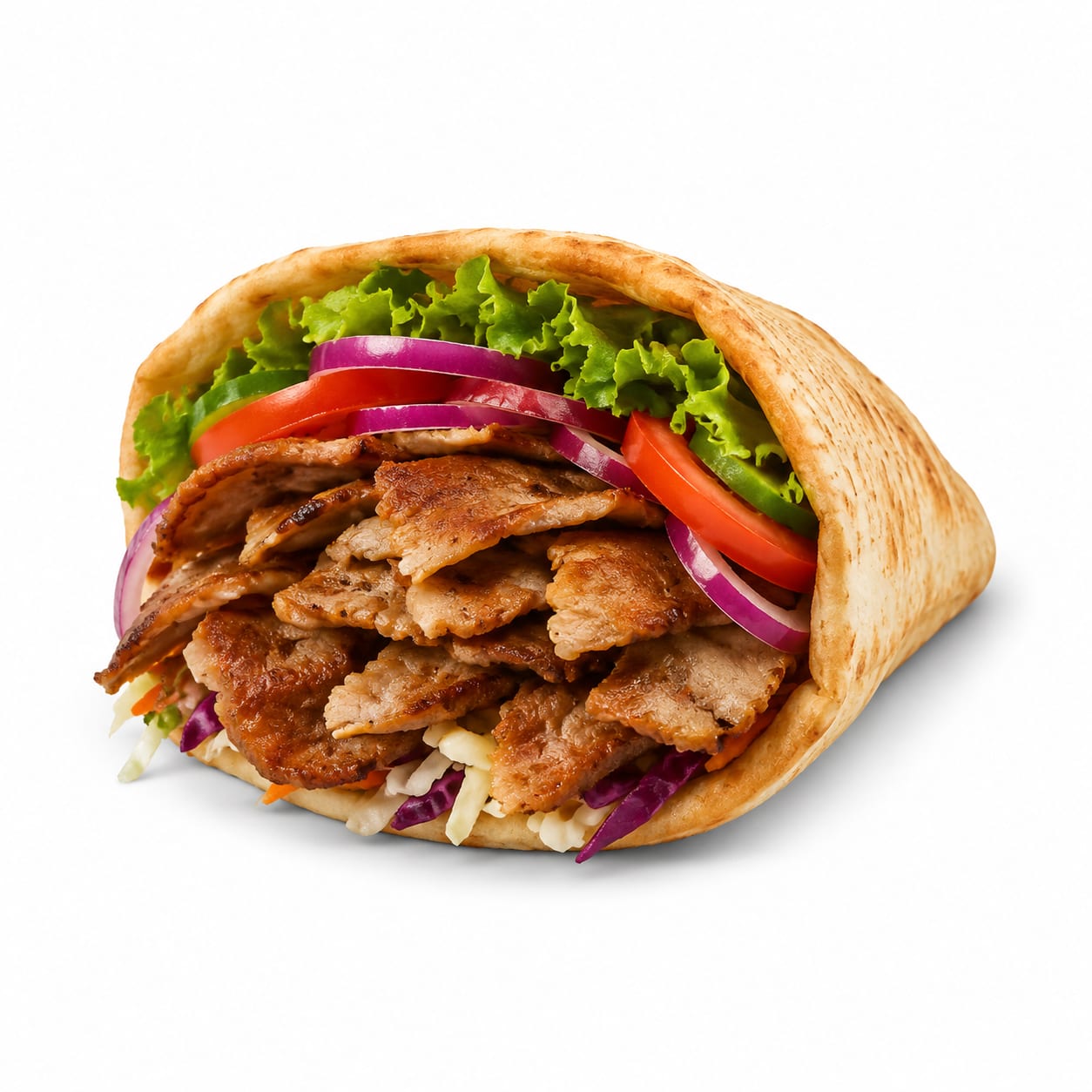
Kebab
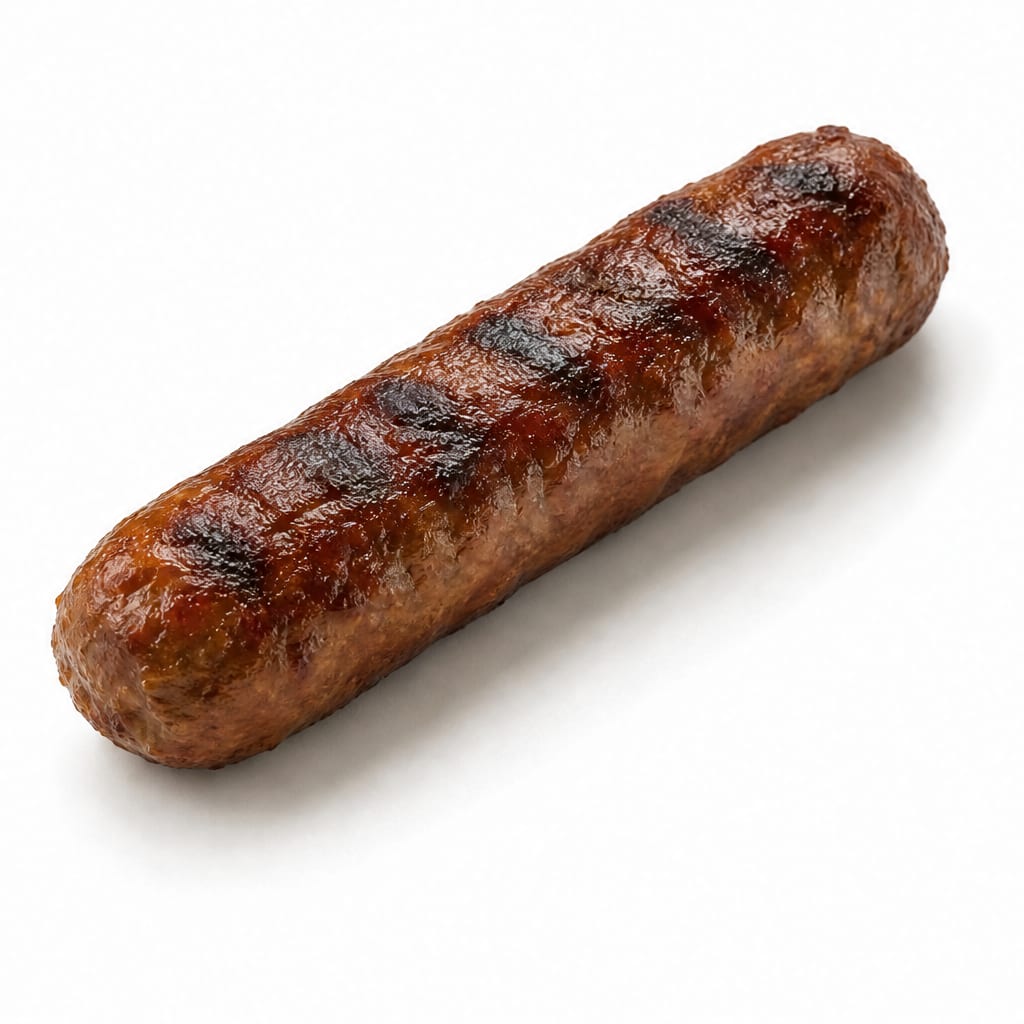
Beef Sausage
Kebab generally offers better protein quality and fewer artificial additives than Beef Sausage, making it the smarter choice for regular meat cravings.
Kebab scores significantly higher due to better protein density and lower processing, while Beef Sausage is penalized for extreme sodium, high saturated fat, and nitrite preservatives.
You trade the extreme convenience and cured flavor of Beef Sausage for a less processed, higher-protein meal in a Kebab, though both carry sodium and charring risks.
At a glance
Executive summary
Overall
Kebab
Healthier
Kebab
More practical
Beef Sausage
Daily use
Kebab
Key comparison lenses
Processing level and additive exposure
Beef Sausage is typically ultra-processed with nitrates and fillers, whereas Kebab varies from minimally processed whole meat to reformed meat, making additive load a primary concern.
Protein quality and fat profile
Both are meat-based, but Beef Sausage is notoriously high in saturated fat and lower in usable protein per calorie compared to a standard Kebab.
Sodium load and cardiovascular impact
Cured meats like Beef Sausage pack extreme sodium levels, while Kebab seasoning is often milder, making this a crucial differentiator for heart health.
Carcinogenic risk from cooking and curing
Beef Sausage carries nitrite-related cancer risks, while Kebab carries heterocyclic amine risks from high-heat charring, requiring a nuanced tradeoff.
Best choice for
Kebab
- Athletes needing high protein with moderate fat
- People avoiding nitrates and artificial preservatives
- Those managing saturated fat intake
Beef Sausage
- Campers needing shelf-stable protein
- Quick breakfast scrambles where convenience is priority
- Those seeking high-calorie weight gain on a budget
Least suitable for
Kebab
- Strict low-sodium diets if heavily salted
- Vegetarians and plant-based eaters
- People highly sensitive to grilled meat compounds
Beef Sausage
- Anyone monitoring heart health or blood pressure
- Those avoiding ultra-processed foods
- People trying to lose weight
Deep comparison
Dimension by dimension
Each lens scores both foods and breaks down who each option suits.
- Dimension 1 · Priority 95Kebab
Processing and Additives
Kebab · 65Beef Sausage · 20Kebab is usually closer to whole meat, while Beef Sausage is heavily processed with fillers and preservatives.
Tradeoff
Choosing Kebab means consuming fewer artificial chemicals, but quality varies widely by vendor.
Why it matters
Ultra-processed meats are linked to higher risks of chronic diseases and gut inflammation.
Real-world impact
Eating Beef Sausage regularly can expose you to nitrates and emulsifiers that Kebab typically skips, making you feel less sluggish after eating Kebab.
Kebab
- Clean-eating goals
- Avoiding synthetic preservatives
Better for
- Inconsistent ingredient quality
Worse for
Beef Sausage
- Shelf-stable meal prep
- Budget bulk buying
Better for
- Digestive irritation from emulsifiers
- Higher long-term disease risk
Worse for
- Dimension 2 · Priority 90Kebab
Protein Quality and Satiety
Kebab · 78Beef Sausage · 45Kebab delivers more muscle-building protein per bite, whereas Beef Sausage is mostly fat by calorie.
Tradeoff
Beef Sausage provides a richer mouthfeel from fat, but Kebab keeps you full longer without the heavy grease.
Why it matters
Higher protein-to-fat ratios support muscle maintenance and prevent energy crashes.
Real-world impact
A Kebab will fuel your afternoon without the food coma that often follows a Beef Sausage breakfast.
Kebab
- Post-workout recovery
- Staying full between meals
Better for
- Lower calorie density for hard gainers
Worse for
Beef Sausage
- Ultra-caloric bulking diets
- Keto fat-loading
Better for
- Overconsuming calories without feeling full
Worse for
- Dimension 3 · Priority 85Kebab
Sodium and Heart Health
Kebab · 50Beef Sausage · 20Both are salty, but Beef Sausage is cured with sodium levels that far exceed typical Kebab seasoning.
Tradeoff
Kebab is still a high-sodium food, but it won't push your blood pressure to the same extremes as Beef Sausage.
Why it matters
Excessive sodium intake directly drives hypertension and cardiovascular strain.
Real-world impact
Eating Beef Sausage can easily put you over your daily sodium limit before noon, leaving you bloated and thirsty.
Kebab
- Maintaining healthier blood pressure
- Reducing water retention
Better for
- Still risky for strict low-sodium diets
Worse for
Beef Sausage
- Replenishing sodium after extreme sweating
Better for
- High risk for hypertension patients
- Causes severe bloating
Worse for
- Dimension 4 · Priority 80Kebab
Carcinogenic and Safety Risks
Kebab · 45Beef Sausage · 25Beef Sausage carries nitrite-related cancer risks from curing, while Kebab faces charring risks from grilling.
Tradeoff
You choose between preservative risks in Beef Sausage and high-heat cooking risks in Kebab.
Why it matters
Frequent consumption of cured or heavily charred meats increases long-term cancer risk.
Real-world impact
Minimizing charring on Kebab or choosing fresh Beef Sausage without nitrates are the best ways to reduce these hidden dangers.
Kebab
- Lower colorectal cancer risk compared to cured meat
Better for
- Charring creates heterocyclic amines
Worse for
Beef Sausage
- Safer if boiled instead of grilled, reducing char
Better for
- Nitrates are a known class 1 carcinogen risk
Worse for
Timeline
Health impact over time
Short-term
Hours to days
Kebab
- Provides steady, long-lasting energy from high protein
- May cause mild thirst from salt, but less severe than cured meat
Beef Sausage
- Quick energy hit followed by a heavy, sluggish feeling
- Noticeable bloating and water retention from extreme sodium
Long-term
Months to years
Kebab
- Better muscle preservation due to higher protein quality
- Moderate cardiovascular risk if eaten too frequently
Beef Sausage
- Increased risk of hypertension and heart disease
- Higher likelihood of colorectal cancer from regular processed meat consumption
Risk profile
Safety & processing
Kebab is typically seasoned and shaped meat, while Beef Sausage contains a long list of preservatives, nitrates, and fillers that distance it from whole food.
Kebab
Heterocyclic amines from charring
mediumHigh-heat grilling of Kebab creates compounds linked to cancer, especially if the meat is heavily blackened.
Inconsistent hygiene in street vendors
mediumReheated or improperly stored Kebab meat can harbor bacteria, making source selection crucial.
Beef Sausage
Nitrite and nitrate exposure
highCuring agents in Beef Sausage can form nitrosamines, which are strongly linked to colorectal cancer.
Pathogen risk from undercooking
mediumProcessed sausages require thorough cooking to eliminate risks of bacteria like E. coli or Salmonella.
Who wins for whom
Audience fit
Same foods, different winners depending on your goal.
children
It dependsNeither is ideal, but a fresh, uncharred Kebab is better than nitrate-loaded Beef Sausage for developing bodies.
daily consumption
KebabWhile neither should be eaten daily, Kebab is far less taxing on the cardiovascular system than daily cured sausage.
diabetes
KebabBoth are low-carb, but Beef Sausage's high saturated fat worsens insulin resistance over time compared to Kebab.
elderly
KebabOlder adults need high-quality protein to prevent muscle loss and should avoid the extreme sodium in Beef Sausage.
muscle gain
KebabHigher protein density and better amino acid availability make Kebab superior for muscle repair and growth.
weight loss
KebabKebab offers far more protein per calorie, keeping you full longer with less fat-driven calorie inflation.
Your move
Decision guide
Choose Kebab
- You want a high-protein meal that actually satisfies your hunger
- You are trying to limit ultra-processed foods and artificial preservatives
- You need a post-workout meal that will not weigh you down
Choose Beef Sausage
- You are camping and need shelf-stable, calorie-dense food
- You are on a strict keto diet and need a quick fat source
- You crave the specific savory flavor of cured breakfast meat
Either works if
- You simply want a savory, hot meat dish and portion control is your main strategy
- You plan to pair it with a large serving of vegetables to balance the meal
Avoid both if
- You have severe hypertension and are on a strict low-sodium protocol
- You are trying to eliminate all red and processed meats from your diet
- You have gout and need to limit purine-rich foods
Final recommendation
Choose Kebab over Beef Sausage when possible. It delivers better nutrition with fewer additives, making it a more sustainable choice for satisfying meat cravings without the heavy health toll of ultra-processed sausage.
Practical
Consumer tips
- 1
Ask for Kebab meat that is freshly sliced and less charred to reduce carcinogenic compounds.
- 2
Look for Beef Sausage labels that say 'uncured' or 'no nitrates added' if you must eat sausage.
- 3
Pair either option with a side of fresh vegetables or a salad to buffer the sodium and add fiber.
- 4
Drain the excess oil from your Kebab or pat down your sausage to reduce unnecessary saturated fat intake.
- 5
Watch your portion sizes; a single sausage or a small Kebab box is enough protein for one meal.