
Nutrition comparison
Kebab vs Steak: Which Is Healthier and What Are the Real Tradeoffs?
Compare kebab and steak on protein quality, sodium, processing, food safety, and satiety. Learn which is better for weight loss, muscle gain, and daily eating.
Overall winner · Steak
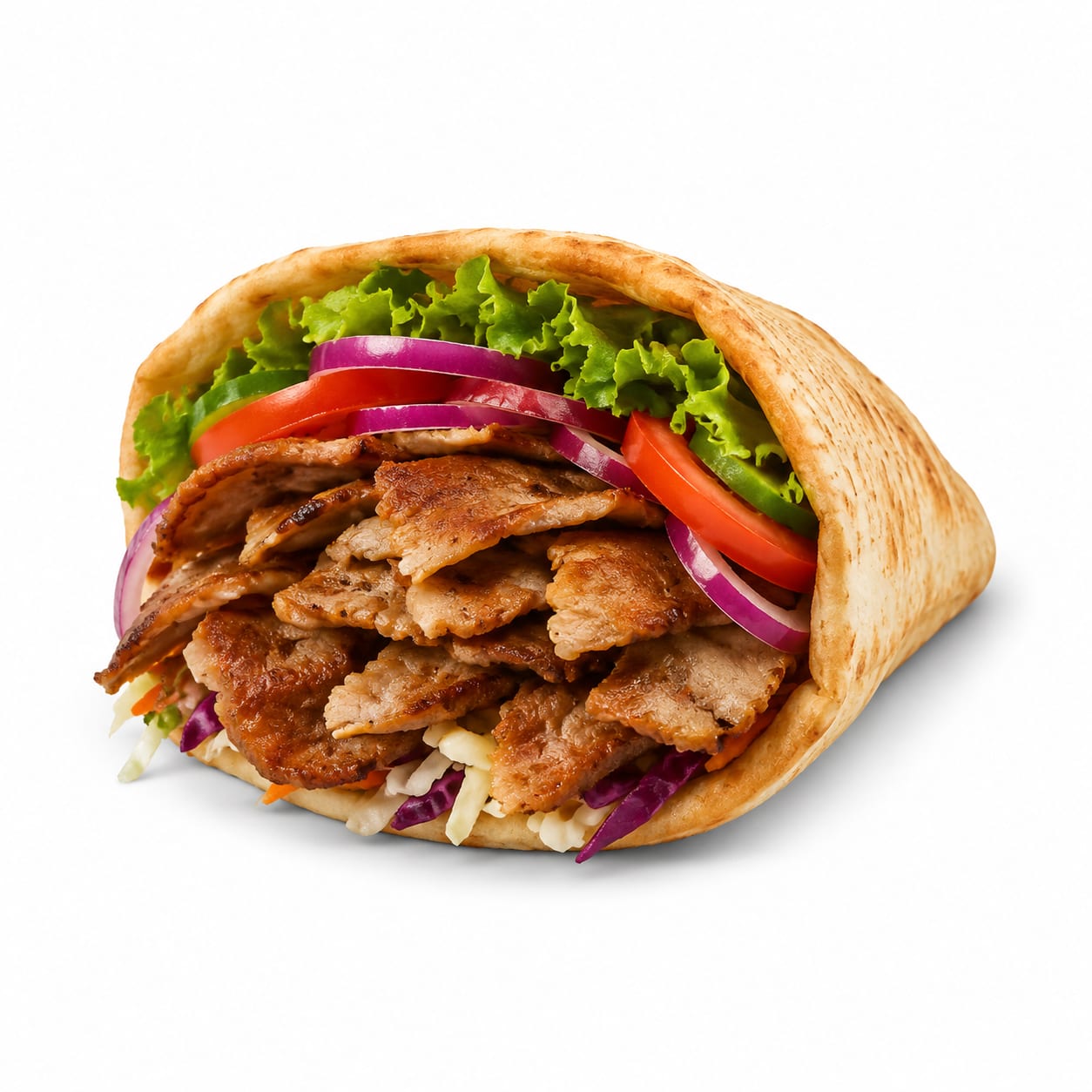
Kebab
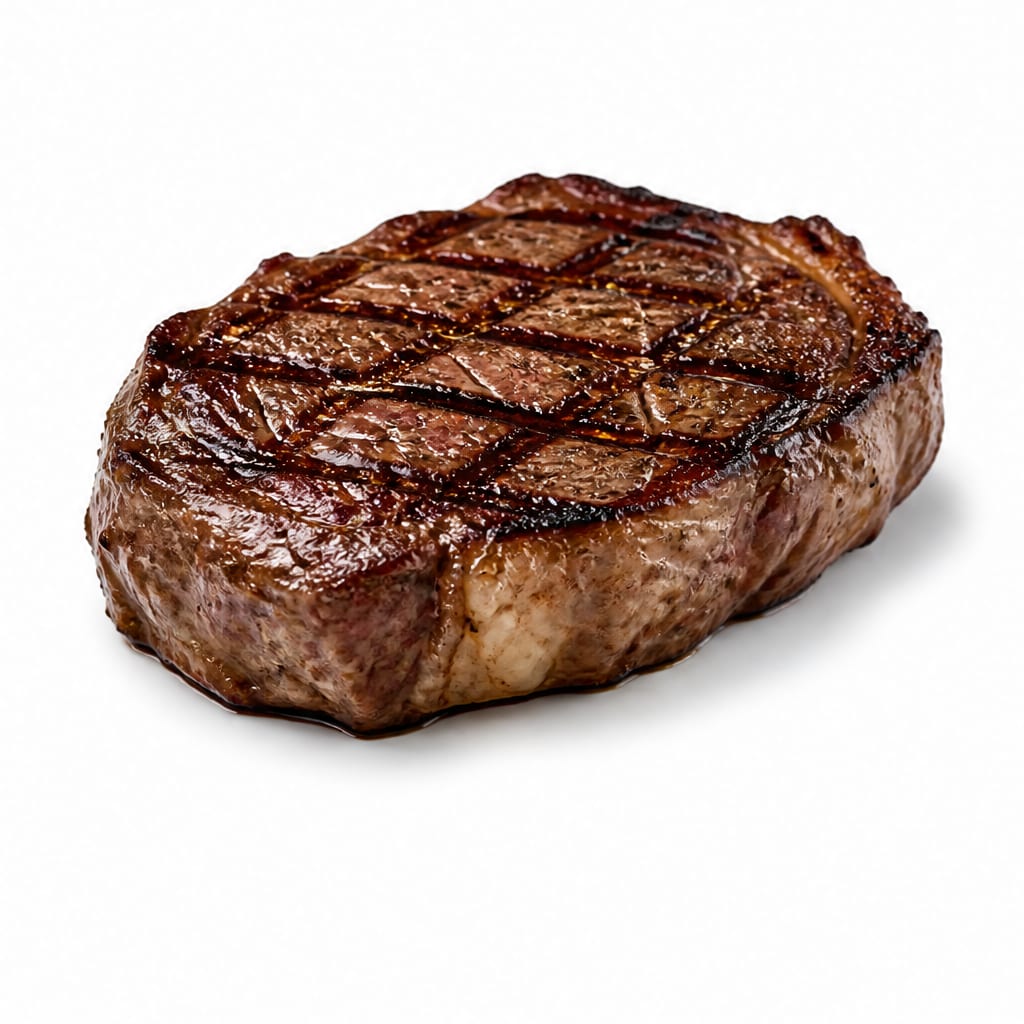
Steak
Steak delivers cleaner protein with fewer additives, but kebab wins on convenience and price.
Steak scores significantly higher due to superior protein quality, minimal processing, and lower sodium. Kebab loses ground on additives, salt content, and variable meat quality, though it remains a practical and affordable option in context.
Whole-food nutritional quality versus speed and accessibility — steak nourishes better, kebab feeds faster.
At a glance
Executive summary
Overall
Steak
Healthier
Steak
More practical
Kebab
Daily use
It depends
Key comparison lenses
protein quality and whole-food superiority
Steak is a single whole-muscle cut while kebab often uses reformed or processed meat, making protein integrity a central concern
processing level and additive exposure
Kebab frequently contains binders, preservatives, and fillers that steak avoids entirely
convenience and everyday practicality
Kebab is grab-and-go street food; steak requires cooking time and planning
sodium load and heart health impact
Kebab seasoning and marinades dramatically increase sodium compared to unseasoned steak
food safety and contamination risk
Doner-style kebab rotating on a spit for hours creates unique contamination concerns steak does not share
Best choice for
Kebab
- Quick post-pub meals when you need calories fast
- Budget-conscious protein seekers
- Busy weeknights with zero cooking energy
- Social street-food eating experiences
Steak
- High-protein diets prioritizing muscle retention
- Clean-eating and minimally processed meal plans
- Special occasion meals where quality matters
- Those monitoring sodium or blood pressure
Least suitable for
Kebab
- Daily consumption due to sodium and processing concerns
- People with hypertension or heart conditions
- Anyone avoiding fillers and hidden additives
- Strict clean-eating protocols
Steak
- Quick lunch breaks with limited time
- Tight weekly food budgets
- Plant-leaning flexitarians eating meat rarely
- Those who lack cooking facilities
Deep comparison
Dimension by dimension
Each lens scores both foods and breaks down who each option suits.
- Dimension 1 · Priority 93Steak
Protein Quality & Integrity
Kebab · 55Steak · 92Steak provides intact whole-muscle protein with complete amino acid profile. Kebab often uses reformed meat with binders that dilute protein density.
Tradeoff
You sacrifice protein purity for speed and cost — kebab protein comes with fillers and lower bioavailability.
Why it matters
Better protein quality means more effective muscle repair, greater satiety, and steadier blood sugar after eating.
Real-world impact
After a steak dinner you stay full for hours. After a kebab you may feel hungry again within two hours despite similar calorie counts.
Kebab
- Getting any protein when cooking is impossible
Better for
- Reliable amino acid delivery
- Lean protein goals
Worse for
Steak
- Muscle recovery after training
- Sustained fullness between meals
- High-protein diet compliance
Better for
- Quick protein on the go
Worse for
- Dimension 2 · Priority 88Steak
Processing & Additives
Kebab · 30Steak · 90Steak is a single unprocessed cut of meat. Kebab frequently contains binders, preservatives, emulsifiers, and fillers that reduce nutritional transparency.
Tradeoff
Kebab trades ingredient purity for shelf stability and cost reduction — you rarely know exactly what is in the meat mixture.
Why it matters
Hidden additives and ultra-processing are linked to inflammation, gut disruption, and long-term metabolic strain.
Real-world impact
With steak you know exactly what you are eating. With kebab you are trusting the vendor's ingredient list you will never see.
Kebab
- Situations where ingredient purity is secondary to getting fed
Better for
- Transparency about what you consume
- Minimizing ultra-processed food intake
Worse for
Steak
- Clean-eating routines
- Avoiding hidden sodium and preservatives
- Gut health focused diets
Better for
- Nothing meaningful — steak wins this category cleanly
Worse for
- Dimension 3 · Priority 82Steak
Sodium & Heart Health
Kebab · 28Steak · 72Kebab is heavily seasoned and salted, often delivering 2-3 times the sodium of an unseasoned steak.
Tradeoff
Flavor and preservation come at the cost of cardiovascular stress — kebab salt loads can approach half your daily limit in one serving.
Why it matters
High sodium meals spike blood pressure, trigger bloating, and increase thirst and overeating risk.
Real-world impact
After a kebab you may wake up puffy and thirsty. After a steak with light seasoning you feel normal the next morning.
Kebab
- Endurance athletes who need sodium replenishment after heavy sweating
Better for
- Hypertension management
- Low-sodium diet compliance
Worse for
Steak
- Blood pressure management
- Reducing water retention
- Heart-healthy eating patterns
Better for
- Post-sweat-session sodium replenishment
Worse for
- Dimension 4 · Priority 80Kebab
Convenience & Practicality
Kebab · 88Steak · 35Kebab is ready in minutes from a shop or delivery. Steak requires sourcing, seasoning, cooking, and cleanup.
Tradeoff
Convenience comes with nutritional compromise — the fastest meal is rarely the cleanest.
Why it matters
When hunger hits hard or time is zero, practicality determines what you actually eat, not what is theoretically optimal.
Real-world impact
At 10pm after a long day, kebab is realistic and steak is aspirational. The food you actually eat always beats the food you meant to cook.
Kebab
- Late-night hunger emergencies
- Zero-cook weeknight dinners
- Grab-and-go lunch scenarios
Better for
- Meal prep and batch cooking
Worse for
Steak
- Planned meal prep sessions
- Weekend cooking rituals
Better for
- Any scenario with under 20 minutes available
Worse for
- Dimension 5 · Priority 78Steak
Satiety & Fullness Durability
Kebab · 50Steak · 85Steak's dense whole-protein structure delivers longer-lasting fullness. Kebab's refined carbs and fillers digest faster.
Tradeoff
Kebab satisfies immediately with fat and salt hit but fades fast. Steak builds slower but lasts much longer.
Why it matters
Meals that keep you full reduce snacking, improve energy stability, and support weight management without willpower.
Real-world impact
Steak at 7pm often carries you to breakfast. Kebab at 7pm often has you raiding the fridge by 10pm.
Kebab
- Immediate hunger satisfaction when ravenous
Better for
- Appetite control over several hours
- Avoiding post-meal cravings
Worse for
Steak
- Staying full between meals
- Reducing late-night snacking urges
- Intermittent fasting compliance
Better for
- Quick relief from acute hunger
Worse for
- Dimension 6 · Priority 75Steak
Food Safety & Contamination
Kebab · 38Steak · 70Doner kebab meat sits on a rotating spit for hours, creating temperature danger zones. Steak is cooked fresh to order.
Tradeoff
Mass-cooked street meat carries higher bacterial risk than freshly seared whole cuts.
Why it matters
Food poisoning from improperly stored rotating meat is real and underreported. Fresh cooking eliminates most of this risk.
Real-world impact
A bad kebab can ruin 48 hours of your life. A properly cooked steak almost never does.
Kebab
- Trusted vendors with high turnover and clean practices
Better for
- Late-night vendors with low turnover
- Hot climate food safety
Worse for
Steak
- Immune-compromised individuals
- Pregnant women avoiding foodborne risk
- Anyone prioritizing food safety certainty
Better for
- Undercooked preparation risks for vulnerable groups
Worse for
- Dimension 7 · Priority 72Steak
Nutrient Density & Micronutrients
Kebab · 45Steak · 82Steak delivers concentrated iron, B12, zinc, and creatine. Kebab's fillers and breading dilute micronutrient concentration per calorie.
Tradeoff
More calories in kebab deliver fewer actual nutrients — you fill up without fully nourishing.
Why it matters
Nutrient-dense meals reduce cravings, support energy, and prevent the fed-but-undernourished cycle.
Real-world impact
Steak eaters often report steadier energy the next day. Kebab eaters often feel sluggish and depleted despite having eaten.
Kebab
- Iron intake when steak is unaffordable or unavailable
Better for
- Micronutrient-per-calorie efficiency
- Avoiding empty calories from fillers
Worse for
Steak
- Preventing iron deficiency
- B12 for energy and mood
- Zinc for immune function
Better for
- Nothing significant — steak is clearly more nutrient-dense
Worse for
Timeline
Health impact over time
Short-term
Hours to days
Kebab
- Rapid satiety from fat and salt but quick hunger return
- Possible bloating from sodium and refined carbs
- Thirst and water retention within hours
- Risk of digestive discomfort from grease and spices
Steak
- Sustained fullness lasting 4-6 hours
- Steady energy without crash
- Minimal bloating when not over-seasoned
- Satisfaction without subsequent cravings
Long-term
Months to years
Kebab
- Elevated blood pressure risk from chronic high sodium intake
- Increased exposure to preservatives and processed meat compounds
- Potential weight gain from calorie density and hidden fats
- Higher inflammatory load from processed meat consumption
Steak
- Better muscle maintenance with aging when eaten regularly
- Stronger iron and B12 status supporting energy and cognition
- Lower inflammatory burden compared to processed alternatives
- Cholesterol considerations requiring mindful portion control
Risk profile
Safety & processing
Kebab is a processed meat product with binders, emulsifiers, and preservatives common in reformed meat. Steak is a whole-muscle cut with no added ingredients unless you choose to season it yourself. The gap in naturalness is substantial and meaningful for long-term health.
Kebab
Bacterial contamination from extended spit rotation
highDoner kebab meat can sit at unsafe temperatures for hours, especially at the outer layers, creating ideal conditions for bacterial growth.
Cross-contamination from shared equipment
mediumBusy kebab shops handle large volumes with shared slicers and surfaces, increasing contamination likelihood.
Unknown meat origin and quality
mediumReformed kebab meat blends cuts from multiple sources, making traceability and quality verification difficult.
Steak
Undercooking for vulnerable individuals
mediumRare or medium-rare steak carries slight risk for pregnant women and immunocompromised people, though whole-cut surfaces are safer than ground meat.
Heme iron overconsumption
lowExcessive red meat intake over years may increase certain health risks, but moderate consumption is well-tolerated by most people.
Who wins for whom
Audience fit
Same foods, different winners depending on your goal.
children
SteakWhole cuts offer cleaner protein with fewer additives. Kebab's high sodium and unknown additives are less suitable for developing bodies.
daily consumption
It dependsNeither should be eaten daily in large portions. Steak is healthier per serving but red meat daily has risks. Kebab daily would be excessive in sodium and processing. Rotate both with fish and poultry.
diabetes
SteakSteak causes steadier blood sugar response with no refined carbs or sugary marinades. Kebab often comes with bread and sweet sauces.
elderly
SteakOlder adults need high-quality protein for muscle preservation and have lower sodium tolerance, both favoring steak.
muscle gain
SteakSuperior protein quality and bioavailability support muscle protein synthesis more effectively than reformed kebab meat.
weight loss
SteakSteak provides more satiety per calorie with fewer hidden fats and fillers, making portion control and calorie tracking more reliable.
Your move
Decision guide
Choose Kebab
- You need food now and cooking is not happening tonight
- Your budget is tight and protein is the priority over purity
- You are out socially and kebab fits the moment
- You are an endurance athlete who just finished a long session and needs salt and calories fast
Choose Steak
- You care about what goes into your body and want full transparency
- You are tracking macros and need reliable protein numbers
- You have high blood pressure or sodium sensitivity
- You want one meal to keep you full for 5-6 hours
- You are meal prepping for the week
Either works if
- You simply want a satisfying meat meal and both are available
- You are eating red meat only occasionally so processing differences matter less
- You pair either with a large salad to balance the plate
Avoid both if
- You have gout and need to limit purine intake
- Your doctor has advised reducing red meat for cardiovascular risk
- You eat red meat more than 3-4 times per week already
Final recommendation
Choose steak when quality and health matter most. Choose kebab when convenience and cost dominate your reality. When you do eat kebab, pick vendors with high turnover, skip the extra sauces, and add a side salad. When you eat steak, keep portions to 150-200g and avoid heavy butter-based sauces. Neither is a daily food — but steak is the clearly better choice for your body when you can swing it.
Practical
Consumer tips
- 1
Ask kebab vendors for chicken kebab instead of doner — it is usually less processed and lower in fat
- 2
At kebab shops, choose salad instead of chips and skip the garlic mayo to save 300+ calories
- 3
Cook steak at home with just salt, pepper, and a touch of olive oil — restaurant steaks hide butter and sodium
- 4
If eating kebab, go at peak hours when meat turnover is highest for better food safety
- 5
Batch-cook steak strips for the week and refrigerate — you get steak convenience without the kebab processing
- 6
Limit either red meat option to 2-3 times per week and fill other days with fish, poultry, or legumes
- 7
Pair steak with roasted vegetables or a large green salad to reduce the overall inflammatory load of the meal