
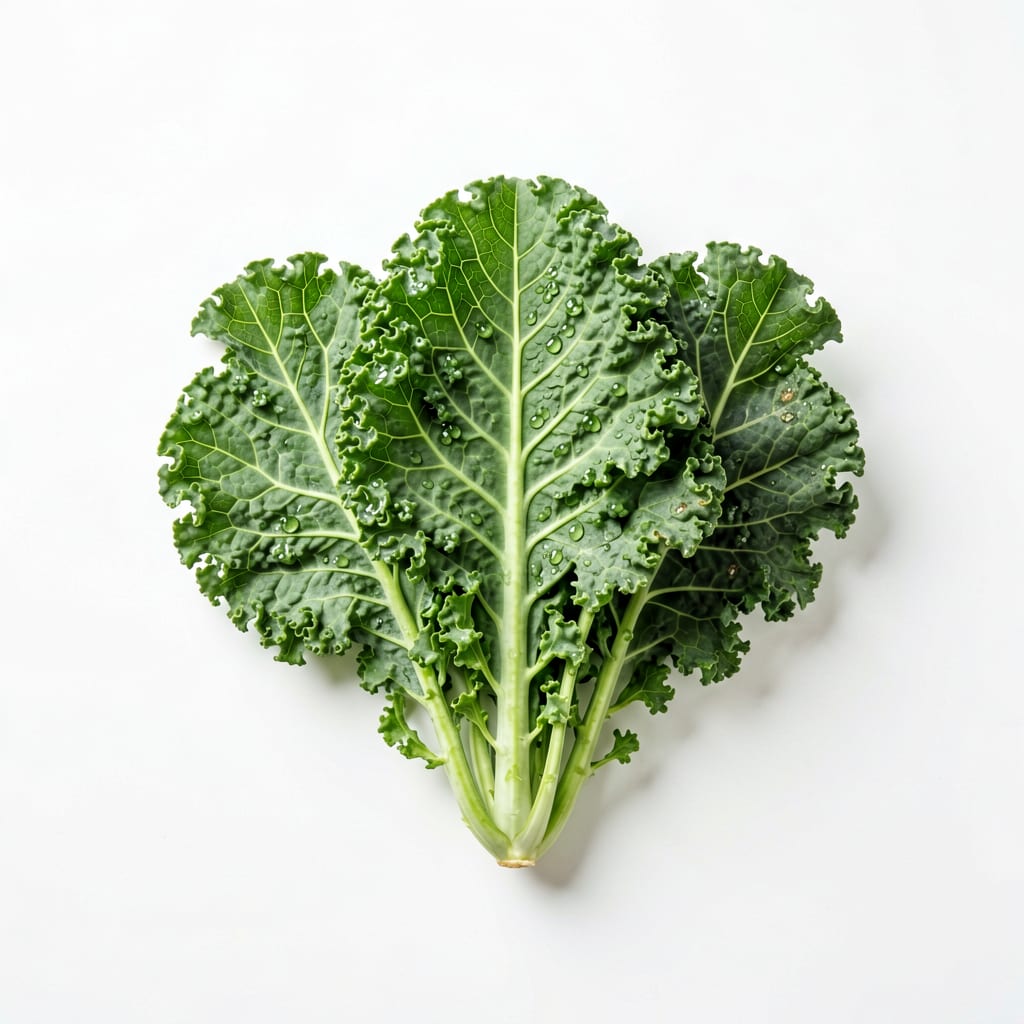
Leafy Green Vegetable
Kale
A nutrient-dense dark leafy green packed with vitamins K, A, and C, and fiber.
A nutrient-dense dark leafy green vegetable belonging to the cabbage family, prized for its high vitamin and antioxidant content.
high-volume low-calorie vegetable
Typical serving · 100g
Common varieties · curly, lacinato, red russian, ornamental, siberian
Overall context score across nutrition, safety, and diet fit
At a glance
Quick facts
Simple indicators based on nutrition, processing, and diet fit.
The story
What makes it unique
Kale is a low-energy-density, high-fiber cruciferous vegetable that digests slowly, promoting prolonged satiety. Its macronutrient profile is dominated by complex carbohydrates with minimal sugar, and it is virtually unprocessed in its raw form.
Varieties: curly · lacinato · red russian · ornamental · siberian
Per 100g
Nutrition breakdown
Macro balance and key metrics at a glance.
Energy
Density 0.49 kcal/g
Protein
Carbs
Fat
Fiber
Sugar
2.3 g
Sodium
38 mg
Potassium
491 mg
Glycemic index
3
Glycemic load
1
Water content
84%
Standout compounds
Nutrient highlights
Vitamin K
highEssential for bone metabolism and blood clotting
Vitamin A
highSupports vision, immune function, and skin health
Vitamin C
highActs as an antioxidant and supports collagen synthesis
Manganese
highImportant for metabolism and bone formation
Fiber
moderatePromotes digestive regularity and gut microbiome health
Wellness map
Health scores & processing
NOVA processing scale
minimally processed · Whole food
Raw kale is a whole, unprocessed food. Even when chopped or washed, it retains its natural cellular structure and nutrient profile.
Diet compatibility
- Weight loss
- Muscle gain
- Diabetes
- Gut health
- Low carb
- High protein
- Heart health
Relative standing
Food rankings
Qualitative ranks compared to similar whole foods.
- Satietyexcellent
- Blood sugarexcellent
- Nutrient densityexcellent
- Fitness fuelmoderate
- Processing qualityexcellent
Eat with confidence
Food safety profile
Primary concerns involve pesticide residues and potential heavy metal uptake from soil. Washing and sourcing organic mitigate these risks effectively.
Evidence confidence 88%
- Pesticidesmoderate
- Antibioticslow
- Heavy metalsmoderate
- Contaminationlow
Watch for
- pesticides
- thallium
Safer choices
Organic kale.
Prep tips
Wash thoroughly under running water. Soaking in a baking soda solution for 15 minutes can help remove surface pesticide residues.
Frequently appears on the EWG's Dirty Dozen list due to pesticide residue detection on conventional crops.
Deep dive
Health analysis
How this food may fit different goals and preparation choices.
Weight loss
Extremely low energy density allows large portion sizes with minimal calories, promoting fullness without caloric excess.
Blood sugar
Very low glycemic index and load. Fiber slows glucose absorption, preventing blood sugar spikes and improving insulin sensitivity.
Fitness & energy
Not a primary energy source due to low calories, but provides essential micronutrients like iron and vitamin C that support oxygen transport and recovery.
Gut health
High fiber and phytonutrients support a diverse gut microbiome. Raw kale can be difficult to digest for some, causing bloating.
Processing quality
Whole food with no added ingredients. Retains maximum nutritional value when fresh or lightly cooked.
Food safety
Moderate pesticide risk requires thorough washing or organic sourcing. Heavy metal uptake from soil is rare but possible in highly contaminated farms.
Common mistakes
Eating massive amounts raw which can cause digestive distress or thyroid issues. Boiling leaches water-soluble vitamins into the cooking water.
Best preparation
Massaging raw kale with oil to break down fibrous cell walls. Lightly sautéing or steaming to reduce goitrogens while preserving nutrients.
Practical guide
Best use cases
When and how this food fits real eating patterns.
High-volume low-calorie eating
Large salads that fill the stomach without excess calories.
Nutrient boosting smoothies
Adding a handful of raw kale to fruit smoothies for vitamins without altering the taste significantly.
Low-carb meal base
Replacing pasta or rice with sautéed kale as a fiber-rich foundation.
Balance sheet
Pros & cons
Upsides
- Extremely high in vitamins K, A, and C
- Very low calorie with high water and fiber content
- Contains cancer-fighting glucosinolates
- Versatile for raw and cooked preparations
Trade-offs
- Pesticide residue risk is high in conventional farming
- Goitrogens in raw form can affect thyroid if overconsumed
- Tough fibrous texture can be hard to digest raw
- Bitter taste is unappealing to some palates
Fit check
Who is it for?
Great match
- high-volume eating
- low-carb diets
- nutrient density optimization
- blood sugar management
Consider alternatives
- people with severe hypothyroidism (raw)
- those prone to kidney stones (due to oxalates)
- individuals with sensitive digestion (raw)
Side by side
How it compares
Open the full head-to-head analysis for nutrition, safety, and practical tradeoffs.
This food
Kale
VS95% alike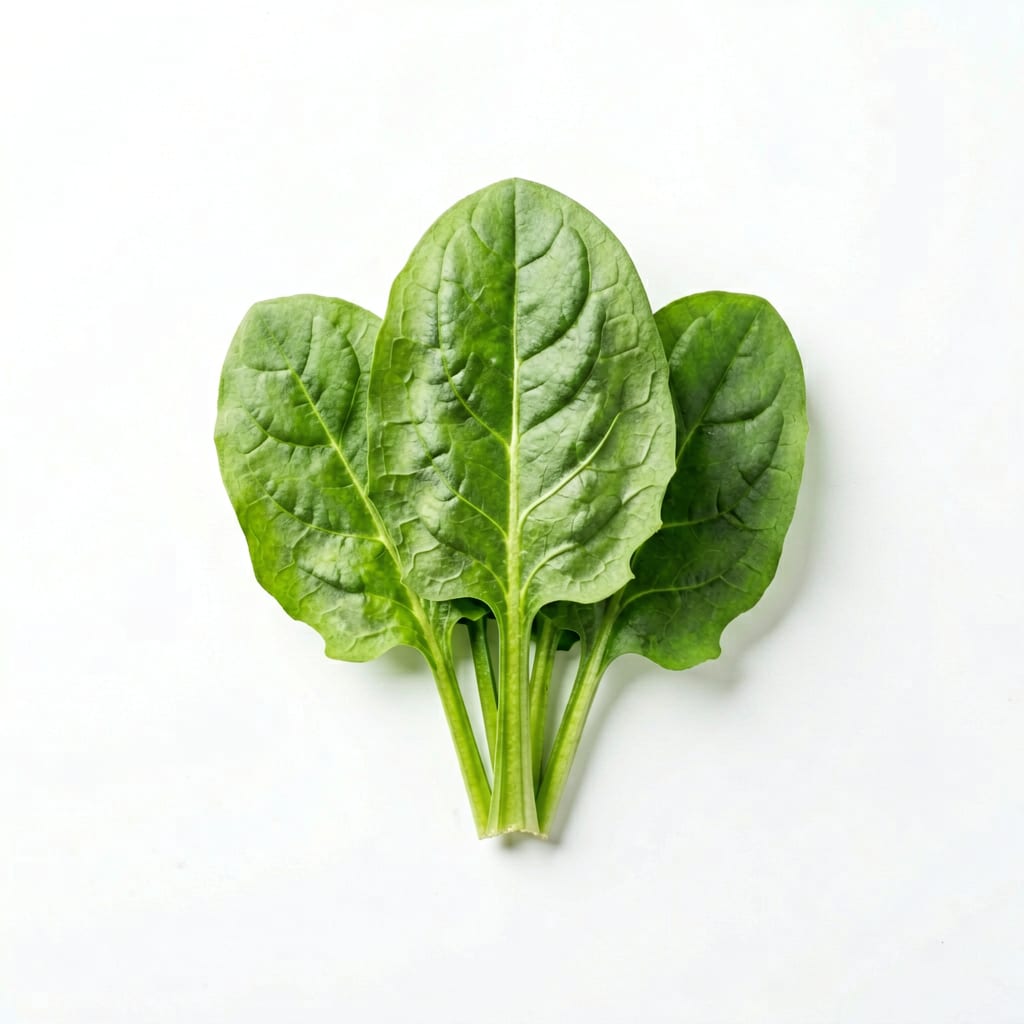
Compare with
Spinach
Kale has more vitamin C and K while spinach has more iron and folate.
Kale is lower in calories and higher in vitamin C, while spinach is richer in iron and easier to digest raw.
This food
Kale
VS90% alike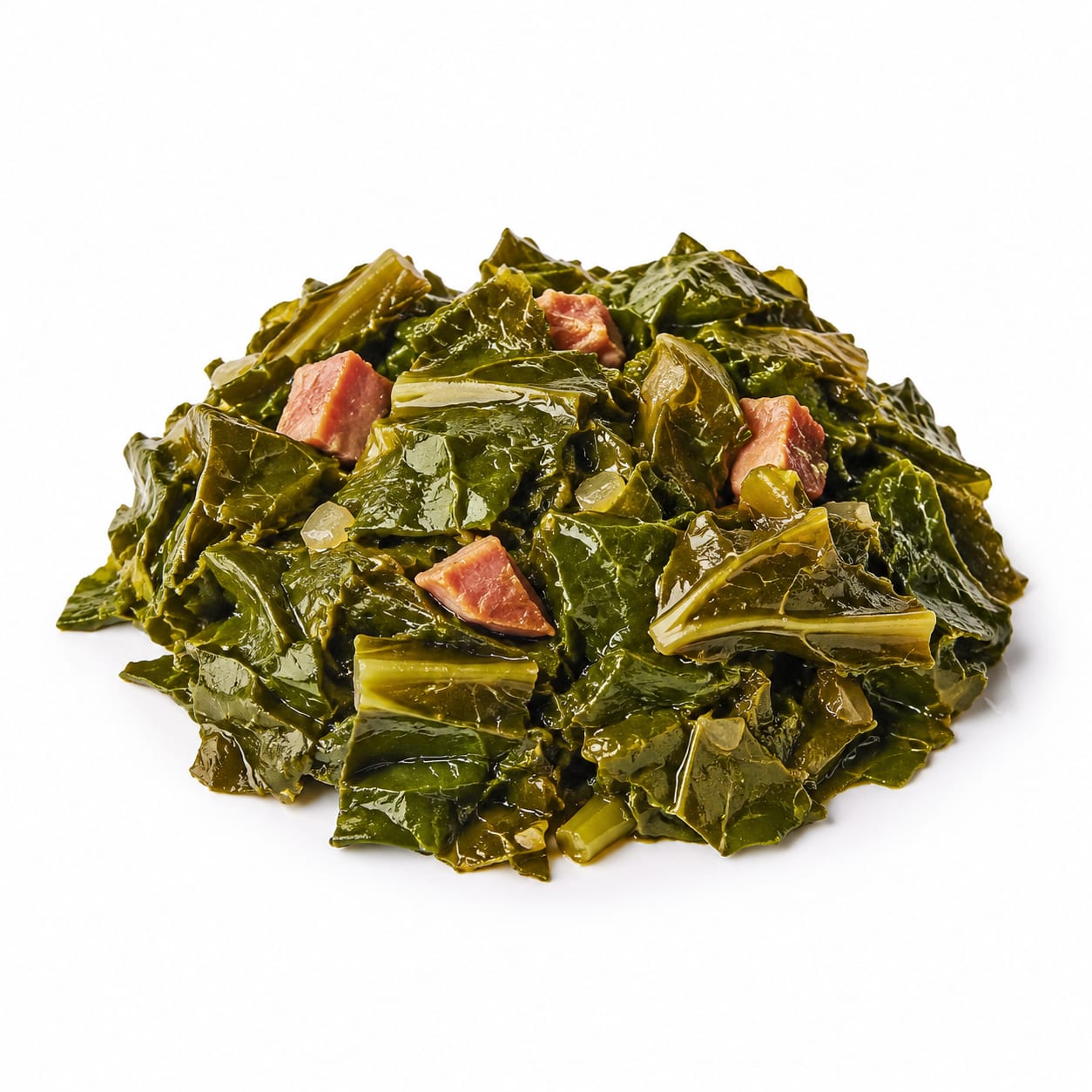
Compare with
Collard Greens
Kale is more nutrient-dense raw, while collards have a milder flavor when cooked.
Kale is better raw in salads, while collards are preferred for slow cooking; both offer excellent blood sugar control.
This food
Kale
VS88% alike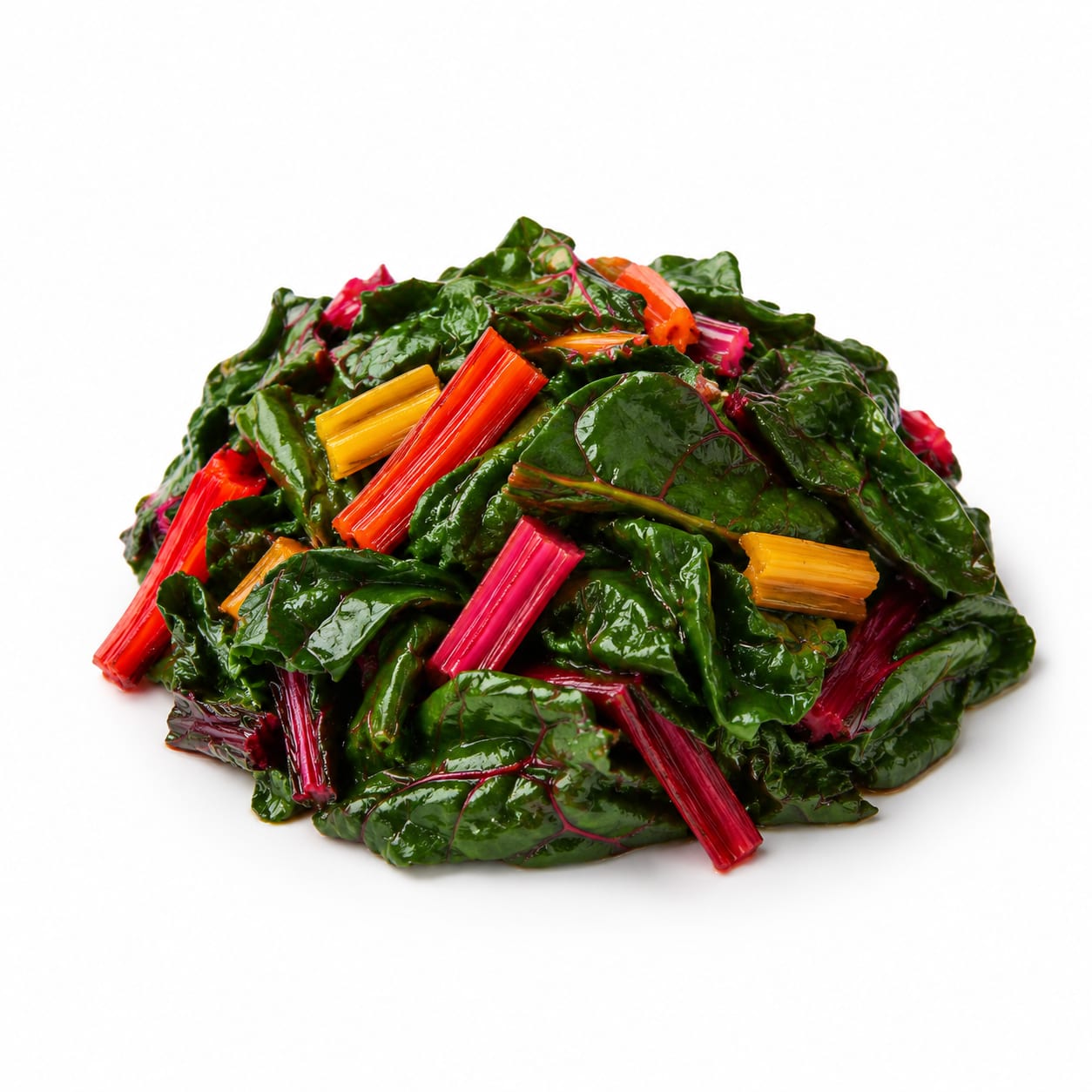
Compare with
Swiss Chard
Chard has a milder, earthy flavor compared to kale's bitter, peppery taste.
Kale offers more vitamin C and fiber, while Swiss chard is slightly higher in magnesium and easier to chew raw.
This food
Kale
VS75% alike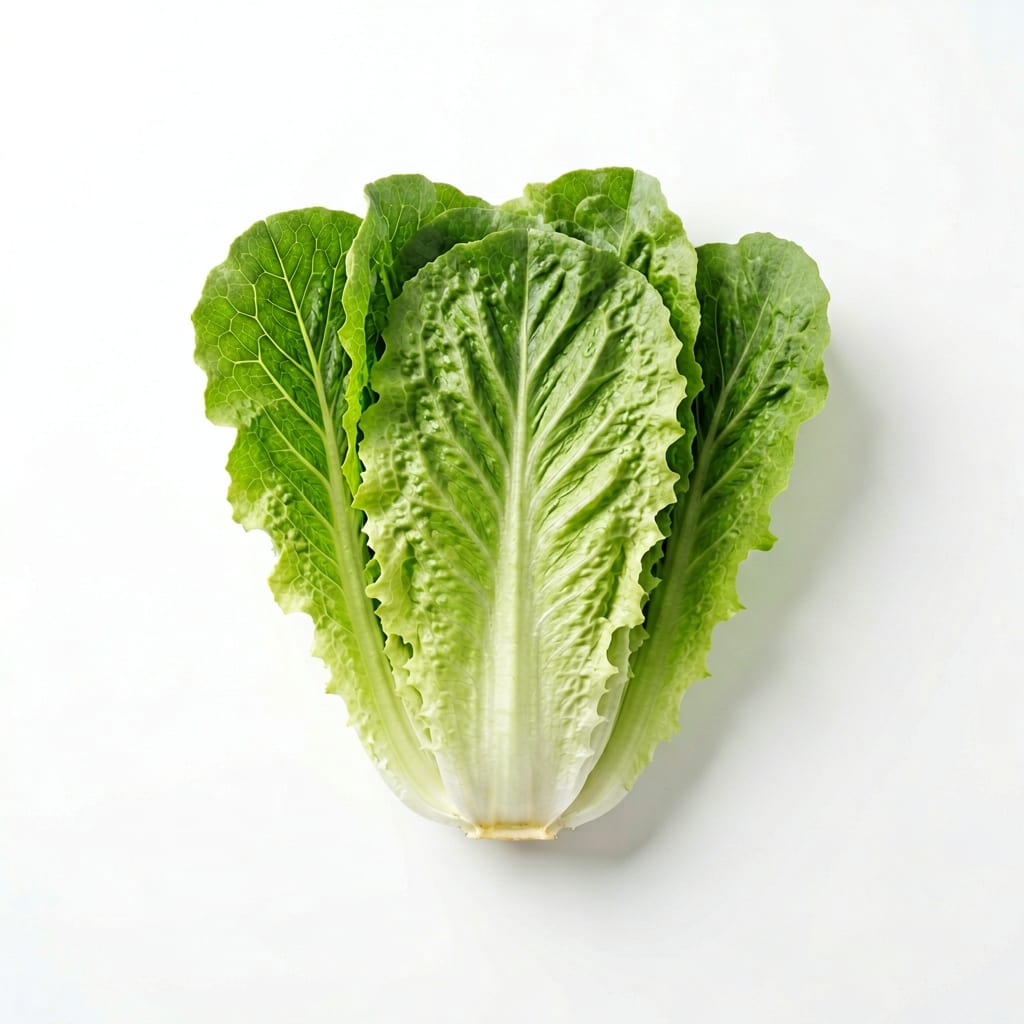
Compare with
Romaine Lettuce
Romaine is a crisp, water-heavy lettuce, whereas kale is a dense, nutrient-packed cruciferous green.
Kale is vastly more nutrient-dense and better for satiety, while romaine provides a refreshing crunch with fewer calories.
This food
Kale
VS80% alike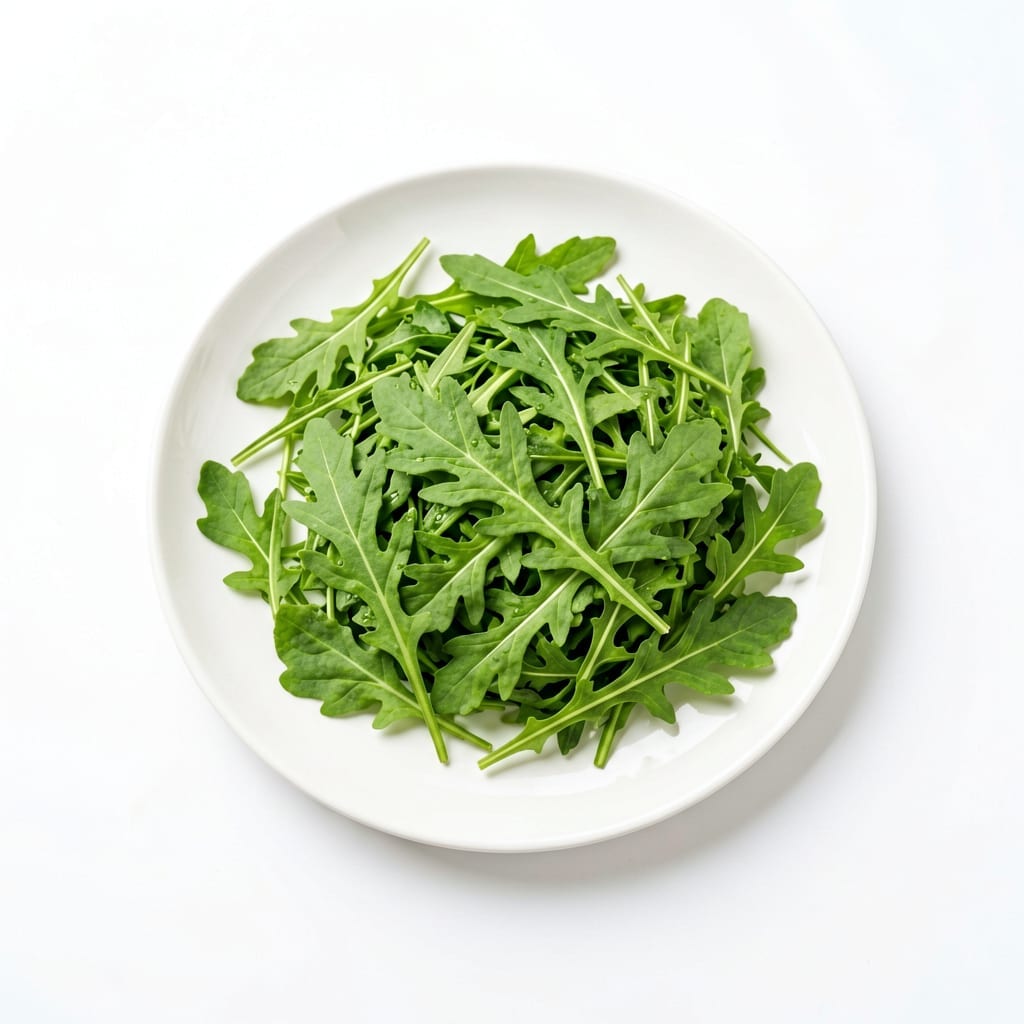
Compare with
Arugula
Arugula is a tender, peppery green, while kale is robust and fibrous.
Kale provides more fiber and vitamin C, while arugula is easier to digest raw and offers distinct peppery flavor.
This food
Kale
VS85% alike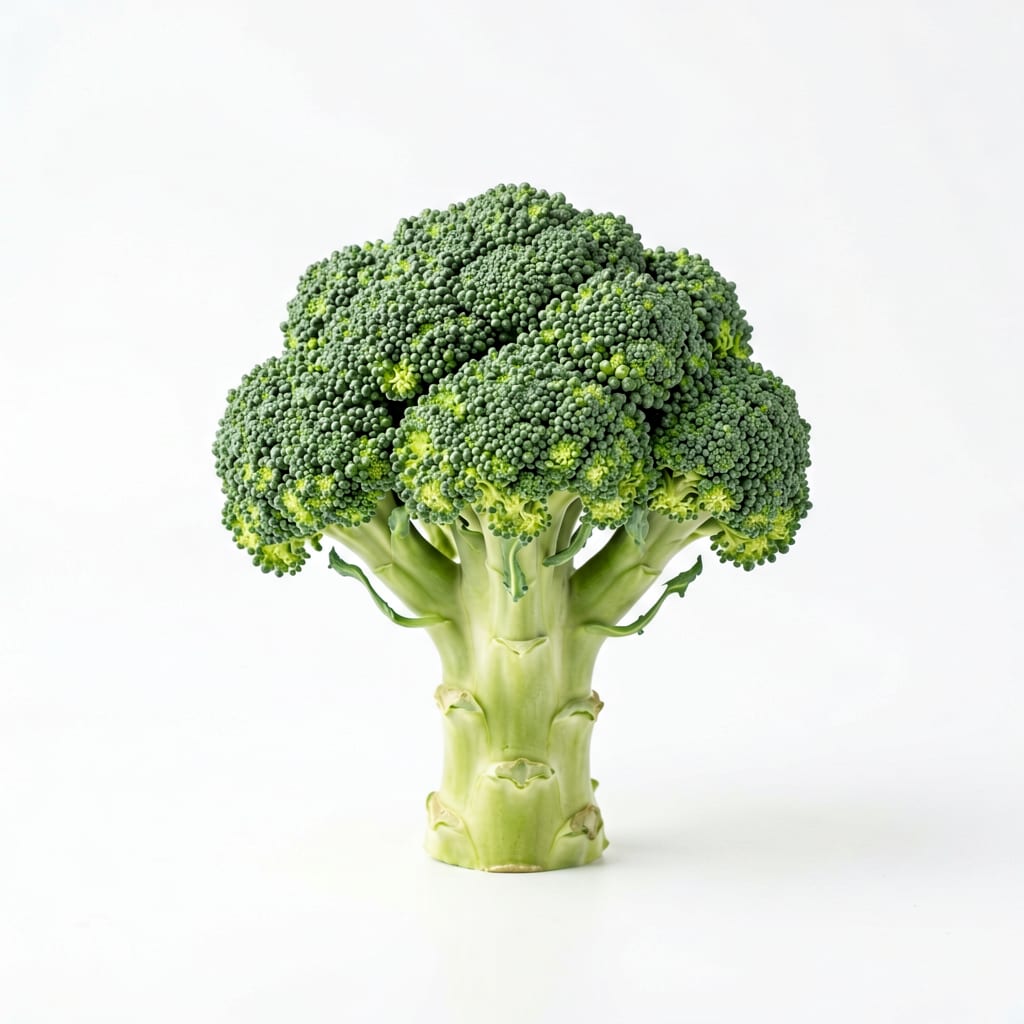
Compare with
Broccoli
Broccoli has a milder taste and is often preferred for snacking.
Kale is better for low-calorie volume eating, while broccoli offers slightly more protein and a milder flavor for snacking.
This food
Kale
VS82% alike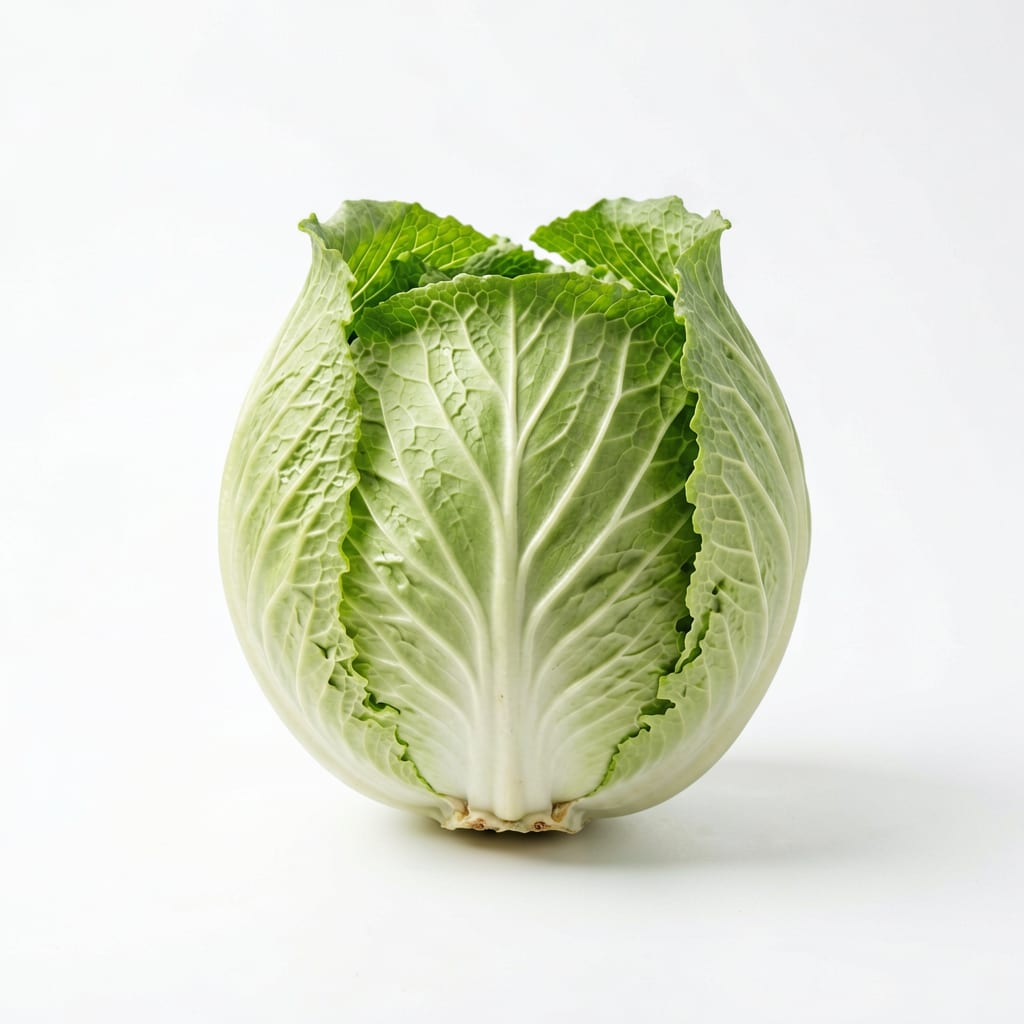
Compare with
Cabbage
Cabbage is a mild, crunchy vegetable, while kale is a dark, leafy nutrient powerhouse.
Kale has a higher concentration of vitamins A and K, while cabbage is more affordable and digests easier for some.
This food
Kale
VS60% alike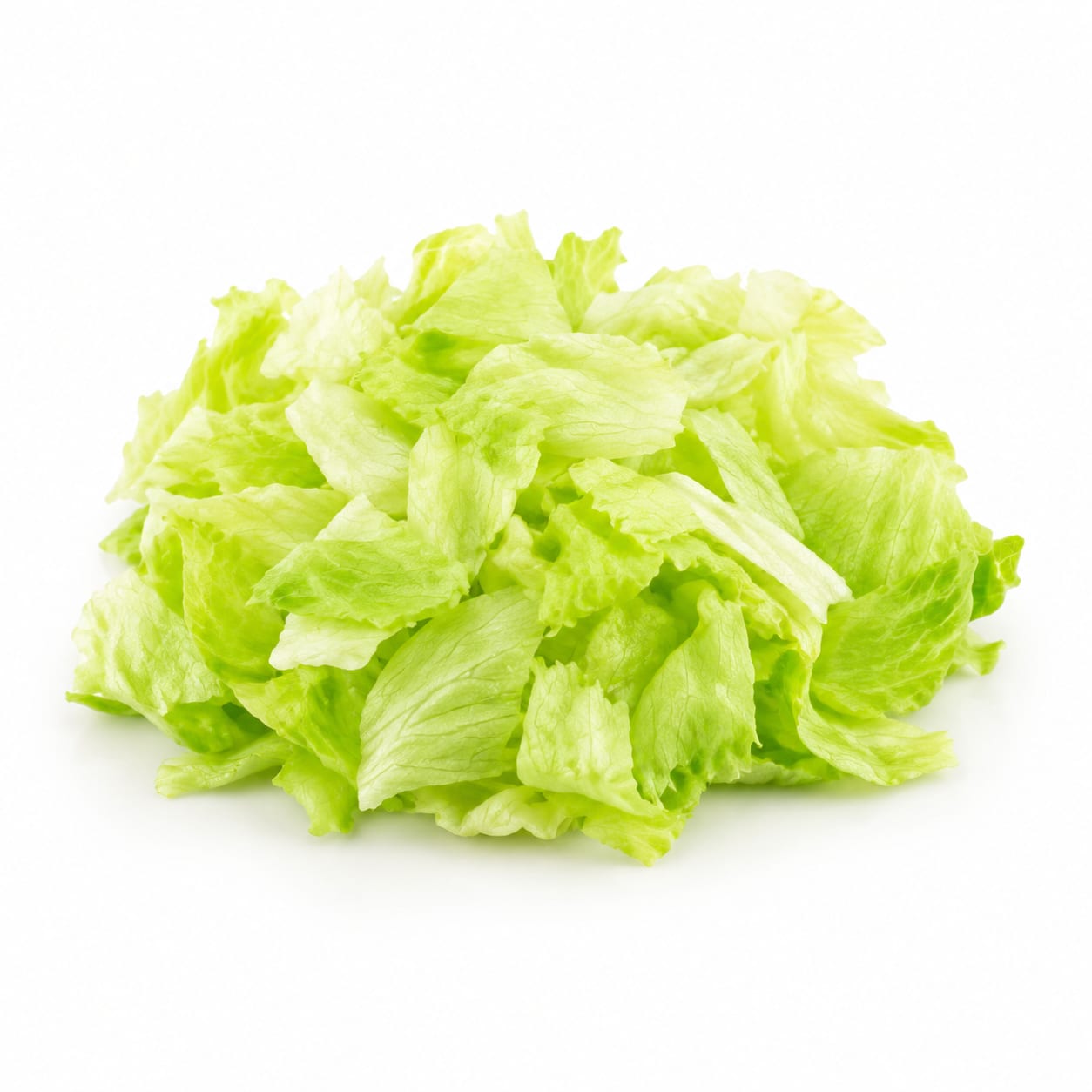
Compare with
Iceberg Lettuce
Iceberg is mostly water with minimal nutrients, whereas kale is a nutrient-dense superfood.
Kale vastly outperforms iceberg in nutrition and satiety, though iceberg provides superior crunch and hydration.
This food
Kale
VS83% alike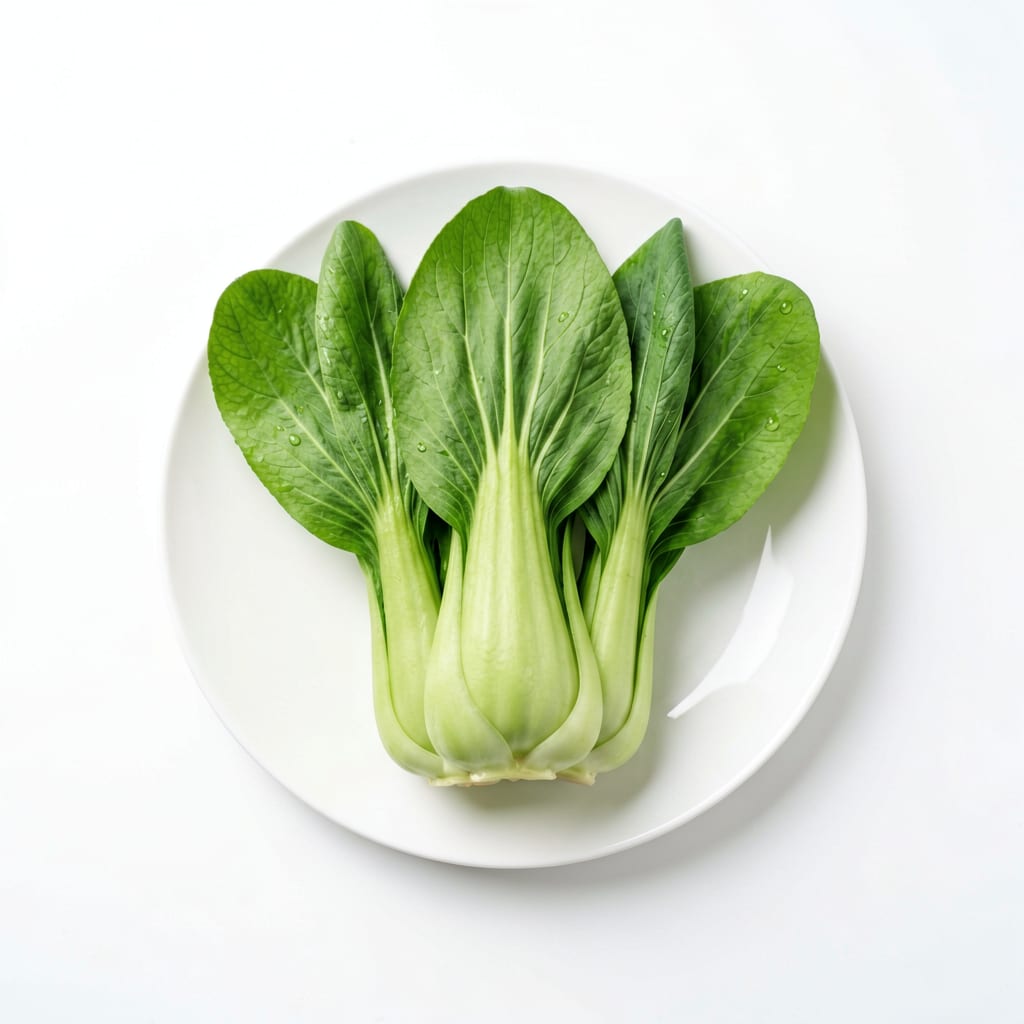
Compare with
Bok Choy
Bok choy is a mild, watery vegetable, while kale is denser and more fibrous.
Kale is richer in vitamins K and A, while bok choy is gentler on digestion and cooks much faster.
This food
Kale
VS86% alike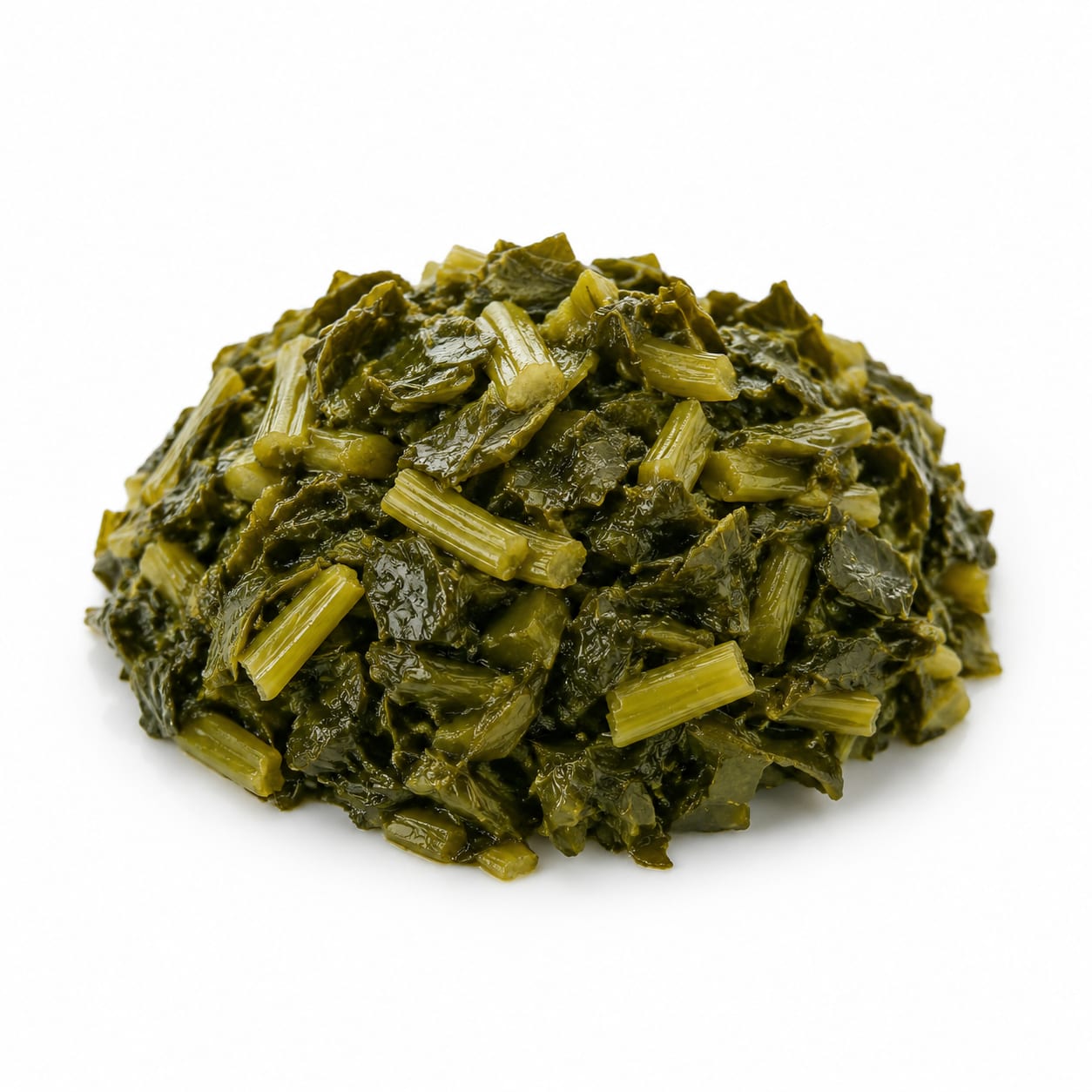
Compare with
Mustard Greens
Mustard greens have a distinctly sharp, horseradish-like bite compared to kale.
Kale is more versatile for salads and chips, while mustard greens offer a spicier kick and similar blood sugar benefits.
Common questions
FAQ
Answers aligned with how people search for this food.
Is kale good for weight loss?
Yes, kale is excellent for weight loss because its high fiber and water content provide volume and satiety with very few calories.
Can diabetics eat kale?
Yes, kale has a very low glycemic index and load, meaning it will not spike blood sugar and helps improve glucose control.
Is raw kale bad for your thyroid?
Raw kale contains goitrogens which can interfere with thyroid hormone production in large amounts, but moderate intake is safe for most people. Cooking reduces goitrogens.
What is the healthiest way to eat kale?
Lightly steaming or sautéing kale is the healthiest method, as it reduces goitrogens and makes it easier to digest while preserving most vitamins.
Does kale have more nutrients than spinach?
Kale has more vitamin C and vitamin K than spinach, while spinach provides more iron and folate. Both are highly nutritious.
Is kale hard to digest?
Raw kale can be hard to digest due to its tough fibrous structure. Massaging it with oil or cooking it breaks down the fibers and improves digestibility.
How do you remove pesticides from kale?
Washing kale thoroughly under running water and soaking it in a baking soda solution for 15 minutes can help remove surface pesticide residues.
Why does kale make me bloated?
Kale is high in fiber and contains raffinose, a complex sugar that bacteria ferment in the gut, producing gas. Introduce it slowly into your diet.
Transparency
Data confidence
Estimated confidence for nutrition data, interpretation, safety notes, and comparisons.
Nutrition data
Health analysis
Food safety
Comparisons