
Nutrition comparison
Kale vs Mustard Greens: Nutrition, Taste, and Health Benefits
Comparing Kale vs Mustard Greens? Discover which leafy green is better for your health goals, cooking style, and daily nutrition.
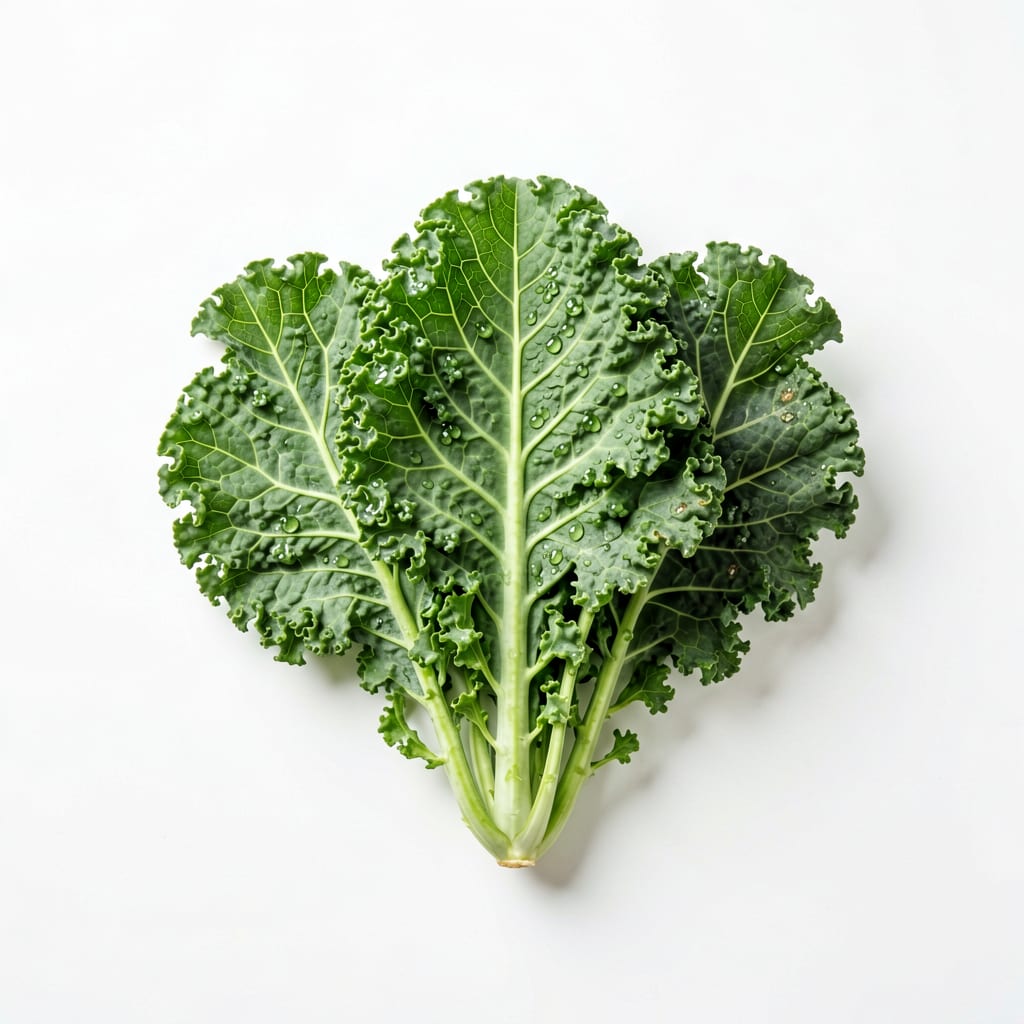
Kale
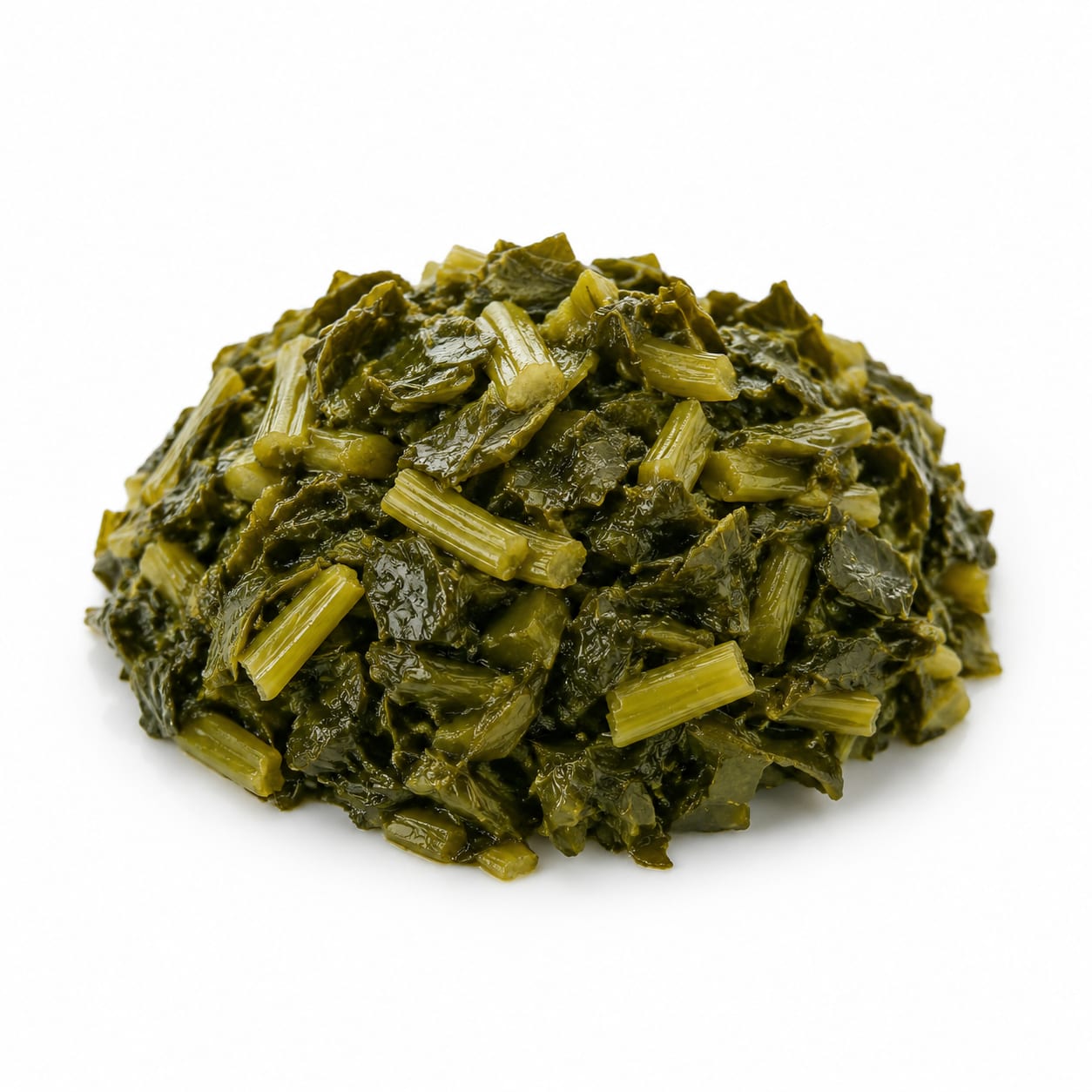
Mustard Greens
Kale edges out Mustard Greens on Vitamin K and eye-health antioxidants, but Mustard Greens are easier on the stomach, cook down more tender, and carry a lower pesticide burden.
Kale scores slightly higher for its exceptional Vitamin K and lutein content, but Mustard Greens stay close due to better digestibility and a cleaner pesticide profile.
Kale's raw versatility and lutein versus Mustard Greens' superior digestibility and spicier flavor profile.
At a glance
Executive summary
Overall
It depends
Healthier
It depends
More practical
Mustard Greens
Daily use
It depends
Key comparison lenses
Nutrient density and vitamin profile
Both are cruciferous superfoods, but their specific vitamin concentrations differ significantly
Culinary versatility and digestibility
Kale is famously tough raw, while Mustard Greens offer a spicier, softer alternative when cooked
Pesticide exposure and safety
Kale consistently appears on the EWG's Dirty Dozen list, making safety a key comparison factor
Thyroid and digestive sensitivity
Both contain goitrogens and tough fibers that affect digestion and thyroid function differently
Best choice for
Kale
- Green smoothies and raw salads
- Baking into crunchy chips
- Targeting eye health and bone density
Mustard Greens
- Hearty soups and stews
- Southern-style comfort cooking
- Those who find raw kale too tough or bloating
Least suitable for
Kale
- People with sensitive digestion who eat greens raw
- Those strictly avoiding conventional pesticide residues
Mustard Greens
- Raw salad preparations
- Diners who dislike spicy or peppery flavors
Deep comparison
Dimension by dimension
Each lens scores both foods and breaks down who each option suits.
- Dimension 1 · Priority 95Kale
Vitamin & Mineral Density
Kale · 93Mustard Greens · 86Kale delivers a massive dose of Vitamin K, A, and C, outpacing Mustard Greens in overall vitamin concentration.
Tradeoff
Mustard Greens provide more folate and Vitamin E, making them slightly better for cellular repair and skin health, but Kale wins on bone-supporting vitamins.
Why it matters
If you are eating greens primarily to fill nutrient gaps, Kale offers more bang per bite for bone density and immunity.
Real-world impact
A single serving of Kale easily covers your daily Vitamin K needs, while Mustard Greens cover about half.
Kale
- Bone health and blood clotting
- Immune support via Vitamin C
Better for
- Those on blood thinners who need strict Vitamin K control
Worse for
Mustard Greens
- Prenatal nutrition due to higher folate
- Skin protection via Vitamin E
Better for
- Maximizing Vitamin K intake per calorie
Worse for
- Dimension 2 · Priority 90Mustard Greens
Digestibility & Culinary Ease
Kale · 65Mustard Greens · 88Mustard Greens cook down to a tender texture much faster than Kale and lack the tough, woody ribs that make Kale challenging to eat raw.
Tradeoff
Kale holds its shape well in soups and salads, but requires massaging or cooking to become palatable, whereas Mustard Greens are naturally softer when heated.
Why it matters
If greens are hard to chew or digest, you are less likely to eat them daily, making Mustard Greens a more sustainable choice for cooked meals.
Real-world impact
Mustard Greens melt into a comforting, soft side dish in minutes, while Kale can remain chewy and fibrous if undercooked.
Kale
- Sturdy salads that need crunch
- Meal-prep bowls that sit in dressing without wilting
Better for
- People who get bloated from tough raw fibers
Worse for
Mustard Greens
- Quick weeknight sautés
- Easier digestion for sensitive stomachs
Better for
- Recipes requiring a firm, structural leaf
Worse for
- Dimension 3 · Priority 85Kale
Antioxidant & Eye Health Profile
Kale · 94Mustard Greens · 78Kale is one of the best dietary sources of lutein and zeaxanthin, antioxidants critical for protecting your eyes from blue light and aging.
Tradeoff
Mustard Greens still offer solid antioxidant benefits through flavonoids, but they cannot match Kale's specific impact on vision preservation.
Why it matters
For anyone staring at screens all day, Kale provides a targeted defense against eye strain and long-term macular degeneration.
Real-world impact
Eating Kale regularly is like putting internal sunglasses on your eyes, a benefit Mustard Greens only partially provide.
Kale
- Protecting vision from screen time
- Reducing oxidative stress
Better for
- Situations where eye health is not the primary concern
Worse for
Mustard Greens
- Adding variety to your antioxidant sources
Better for
- Those specifically targeting macular degeneration risk
Worse for
- Dimension 4 · Priority 80Mustard Greens
Pesticide Residue & Safety
Kale · 55Mustard Greens · 75Conventional Kale is frequently contaminated with multiple pesticide residues, while Mustard Greens generally test cleaner.
Tradeoff
You can avoid this entirely by buying organic Kale, but if you are stuck with conventional options, Mustard Greens are the safer bet.
Why it matters
Pesticide exposure can disrupt hormones and gut health, counteracting some of the benefits of eating greens in the first place.
Real-world impact
If you are on a budget and cannot buy organic, choosing Mustard Greens reduces your toxic load compared to conventional Kale.
Kale
- Sourcing from trusted organic farms
Better for
- Routine consumption of non-organic Kale
Worse for
Mustard Greens
- Budget-friendly conventional produce shopping
Better for
- Assuming all conventional greens are equally clean
Worse for
Timeline
Health impact over time
Short-term
Hours to days
Kale
- Can cause bloating or gas if eaten raw in large amounts
- Provides a quick, energizing boost of Vitamin C and iron
Mustard Greens
- Much easier on the stomach when cooked
- Adds a spicy, warming kick that can clear sinuses
Long-term
Months to years
Kale
- Excellent for maintaining bone density via high Vitamin K
- Strongly supports vision health and protects against macular degeneration
Mustard Greens
- Supports cardiovascular health and healthy blood pressure
- Aids natural detoxification processes with specific glucosinolates
Risk profile
Safety & processing
Both Kale and Mustard Greens are whole, natural vegetables with virtually no processing or artificial additives when bought fresh or frozen.
Kale
Pesticide residue
highConventional Kale is consistently ranked on the EWG's Dirty Dozen list for high pesticide contamination.
Goitrogenic compounds
mediumRaw Kale contains goitrogens that can interfere with thyroid function if consumed in extreme excess, especially in iodine-deficient individuals.
Mustard Greens
Pesticide residue
mediumMustard Greens test lower for pesticides than Kale, but conventional farming still uses some chemical sprays.
Goitrogenic compounds
lowCooking neutralizes most goitrogens, and Mustard Greens are almost always eaten cooked, minimizing the risk.
Who wins for whom
Audience fit
Same foods, different winners depending on your goal.
children
Mustard GreensMustard Greens cook down to a softer texture that is easier for kids to chew, and their mild spice can be hidden in soups.
daily consumption
It dependsKale is better if you blend smoothies or make salads; Mustard Greens are better if you prefer warm, cooked dinners.
diabetes
It dependsBoth have negligible impact on blood sugar and offer fiber that steadies energy, making them equally excellent choices.
elderly
Mustard GreensMustard Greens are gentler on the digestive system and easier to chew when cooked, which is crucial for aging digestive tracts.
muscle gain
It dependsNeither is a primary protein source, but both provide the micronutrients needed to support recovery and reduce inflammation.
weight loss
It dependsBoth are incredibly low in calories and high in fiber. Kale is more filling raw, while Mustard Greens are more satisfying cooked.
Your move
Decision guide
Choose Kale
- You want a sturdy base for meal-prep salads
- You blend green smoothies every morning
- Eye health and Vitamin K are your top priorities
Choose Mustard Greens
- You prefer cooked, comforting greens over raw salads
- You find Kale too tough, fibrous, or bloating
- You want a peppery flavor to liven up soups and stews
Either works if
- You just want to eat more cruciferous vegetables for cancer prevention
- You are looking for low-calorie volume to fill your plate
- You are buying organic and want to rotate your greens
Avoid both if
- You are on blood thinners and have been told to strictly limit Vitamin K
- You have severe thyroid issues and refuse to cook your greens
Final recommendation
Let your kitchen habits decide: choose Kale for raw prep and smoothies, and choose Mustard Greens for warm, easily digested meals. Rotating both is the smartest way to get a diverse range of nutrients without overloading on one flavor or pesticide profile.
Practical
Consumer tips
- 1
Massage Kale with olive oil and a pinch of salt to break down its tough fibers before eating raw.
- 2
Always buy organic Kale to avoid its notoriously high pesticide residues.
- 3
Steam or sauté both greens to reduce goitrogens, especially if you have thyroid concerns.
- 4
Use Mustard Greens to add a natural, spicy depth to mild dishes like bean soups or potato stews.