
Nutrition comparison
Kale vs Broccoli: Which Cruciferous Vegetable Is Actually Better for You?
Kale packs more vitamins per bite, but broccoli wins on digestibility, sulforaphane content, and everyday practicality. See the full nutritional comparison and find out which green deserves more space on your plate.
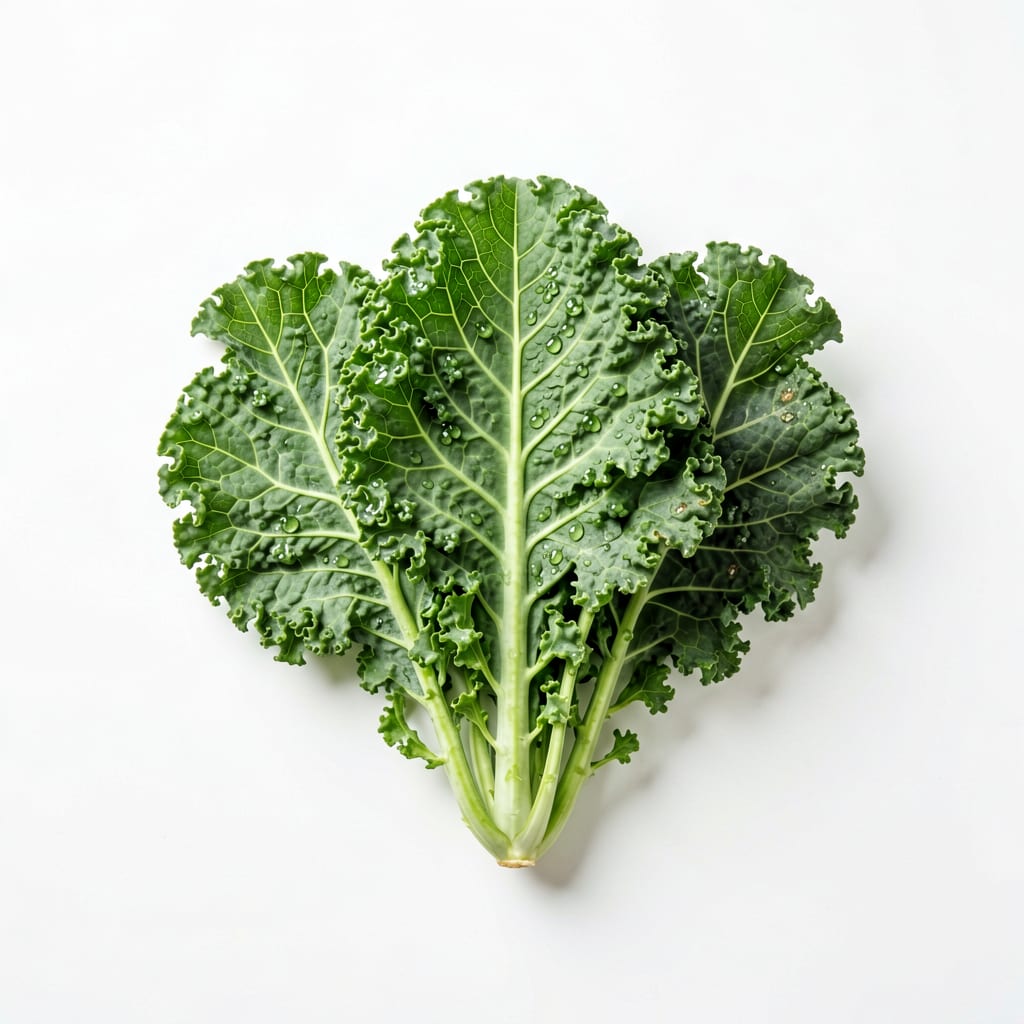
Kale
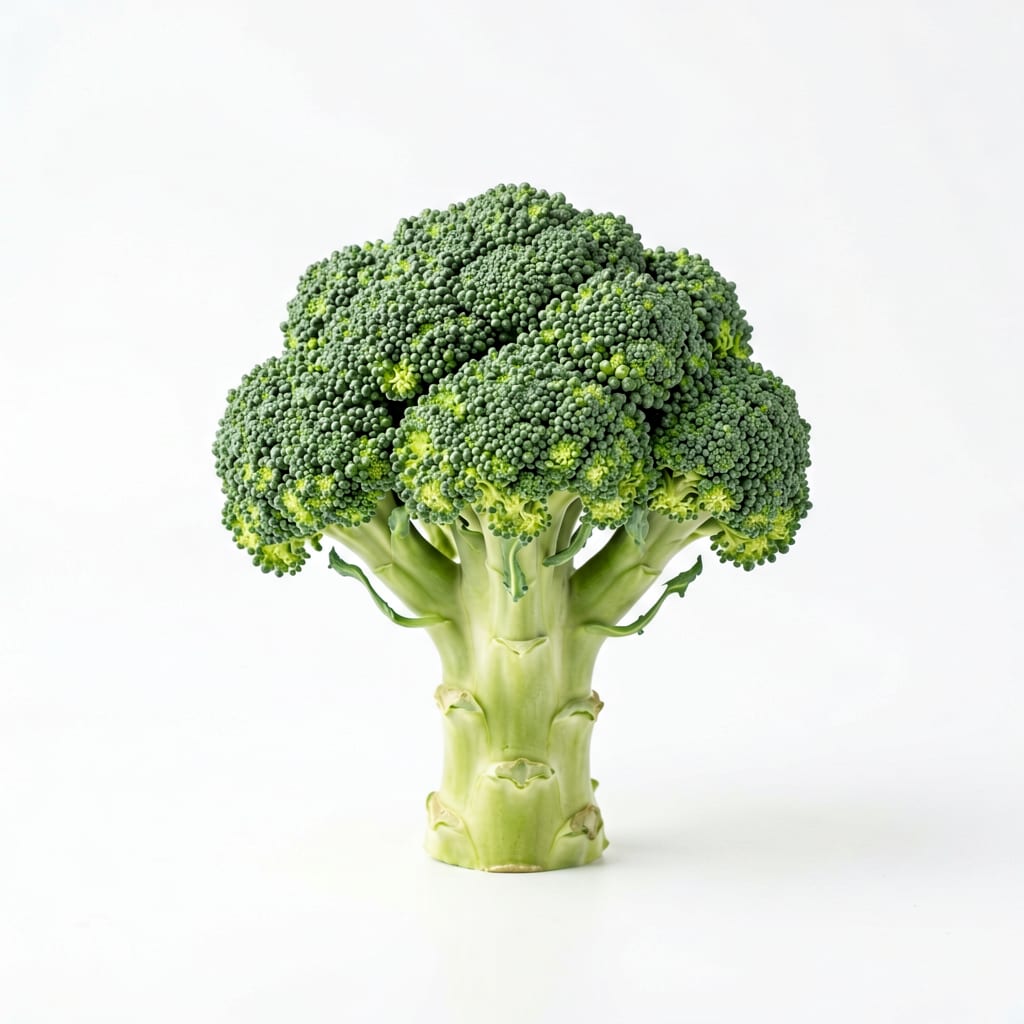
Broccoli
Kale wins on raw nutrient density and eye-health antioxidants, but broccoli wins on digestibility, versatility, and sulforaphane content. Most people will eat broccoli more consistently.
Broccoli edges ahead because its superior digestibility and versatility mean people actually eat it consistently. Kale has higher peak nutrient density but its bitterness and digestive challenges reduce real-world adherence.
Maximum micronutrient concentration versus everyday enjoyment and digestive comfort
At a glance
Executive summary
Overall
It depends
Healthier
It depends
More practical
Broccoli
Daily use
Broccoli
Key comparison lenses
nutrient density maximization
Both are cruciferous superfoods, so users want to know which packs more nutritional punch per bite
digestive tolerance and comfort
Kale is notorious for bloating and digestive discomfort, while broccoli is generally better tolerated
everyday practicality and versatility
Users want to know which is easier to cook with, meal prep, and actually enjoy eating regularly
thyroid and kidney safety
Both contain goitrogens, but kale has higher oxalate levels relevant for kidney stone concerns
cancer prevention potential
Both are cruciferous vegetables known for anti-cancer compounds, especially sulforaphane in broccoli
Best choice for
Kale
- People seeking maximum Vitamin K and Vitamin A intake
- Those focused on eye health and lutein intake
- Smoothie drinkers who blend greens daily
- Anyone already comfortable with bitter greens
- Nutrient-per-calorie optimizers
Broccoli
- People with sensitive digestion or IBS tendencies
- Families needing a vegetable everyone will actually eat
- Anyone concerned about kidney stones
- Meal preppers wanting versatile cooking options
- People prioritizing sustainable daily habits over peak nutrition
Least suitable for
Kale
- People prone to kidney stones due to high oxalates
- Those with hypothyroidism who consume it raw in large amounts
- Anyone who finds bitter greens unpleasant and would skip vegetables entirely
- People with severe digestive sensitivity
Broccoli
- People avoiding FODMAPs during a strict elimination phase
- Those who strongly dislike the sulfur smell when overcooked
- Anyone seeking the absolute highest Vitamin K concentration per serving
Deep comparison
Dimension by dimension
Each lens scores both foods and breaks down who each option suits.
- Dimension 1 · Priority 92Kale
nutrient_density
Kale · 94Broccoli · 82Kale delivers more vitamins and minerals per calorie, especially Vitamin K, Vitamin A, and lutein. It is one of the most nutrient-dense foods on the planet by weight.
Tradeoff
That density comes with oxalates that can block mineral absorption and trigger kidney stones in susceptible people.
Why it matters
If you eat small portions or need to maximize nutrition in limited calories, kale gives you more per bite.
Real-world impact
A single cup of raw kale covers over 100% of your daily Vitamin K and Vitamin A needs. Broccoli takes about 2-3 cups to hit the same marks.
Kale
- Vitamin K needs
- Vitamin A intake
- Lutein and zeaxanthin for eye health
- Calcium per calorie
Better for
- Calcium and iron absorption due to oxalate interference
- Kidney stone risk from oxalate load
Worse for
Broccoli
- Folate intake
- Vitamin C in a more bioavailable form
- Mineral absorption due to lower oxalates
Better for
- Total vitamin concentration per serving
- Vitamin K density
Worse for
- Dimension 2 · Priority 88Broccoli
digestibility_and_gut_comfort
Kale · 62Broccoli · 78Broccoli is gentler on the digestive system for most people. Raw kale is tough, fibrous, and commonly causes bloating or stomach heaviness.
Tradeoff
Kale's rough fiber can be beneficial for gut motility if your system handles it well, but it is a frequent complaint for new kale eaters.
Why it matters
A vegetable that causes discomfort gets eaten less often, negating its nutritional advantages entirely.
Real-world impact
Many people report feeling bloated or gassy after large kale salads. Steaming or massaging with oil helps, but broccoli rarely needs such preparation to feel comfortable.
Kale
- Promoting bowel regularity with insoluble fiber
Better for
- Raw kale frequently causes bloating
- Tough texture requires massaging or cooking to be palatable
- Can feel heavy in the stomach
Worse for
Broccoli
- Everyday comfort eating
- Less bloating and gas for most people
- Easier to introduce to beginners and children
Better for
- Contains FODMAPs that bother some IBS sufferers
Worse for
- Dimension 3 · Priority 78Broccoli
cancer_fighting_compounds
Kale · 78Broccoli · 90Broccoli is the richest common source of sulforaphane, one of the most studied anti-cancer compounds in food. Kale contains glucosinolates too, but at lower levels.
Tradeoff
Sulforaphane requires proper preparation to maximize. Overcooking broccoli destroys the enzyme needed to produce it.
Why it matters
For long-term disease prevention, sulforaphane is arguably the single most compelling reason to eat cruciferous vegetables regularly.
Real-world impact
Lightly steamed broccoli or broccoli sprouts deliver measurable sulforaphane. Boiling broccoli for over 5 minutes destroys most of it.
Kale
- Contains some glucosinolates that convert to cancer-fighting compounds
- High antioxidant load reduces oxidative stress
Better for
- Lower sulforaphane potential than broccoli
Worse for
Broccoli
- Richest common food source of sulforaphane
- More studied for cancer prevention outcomes
- Easier to prepare in ways that preserve anti-cancer compounds
Better for
- Sulforaphane is destroyed by overcooking, which is common
Worse for
- Dimension 4 · Priority 85Broccoli
versatility_and_enjoyment
Kale · 65Broccoli · 85Broccoli is far more versatile in the kitchen. It roasts well, steams well, stir-fries well, and even works raw with dip. Kale requires more effort to make enjoyable.
Tradeoff
Kale chips are a popular snack, and massaged kale salads can be delicious, but these require extra steps most people skip.
Why it matters
The healthiest vegetable is the one you actually eat. Broccoli's mild flavor and pleasant texture when cooked make it a reliable staple.
Real-world impact
Most people can eat broccoli multiple times per week without getting bored. Kale fatigue sets in faster due to its bitterness and chewiness.
Kale
- Kale chips as a snack alternative
- Blends into smoothies without strong flavor
- Works well in soups where texture dissolves
Better for
- Bitter taste requires dressing or cooking to mask
- Tough stems need removal
- Gets slimy when stored too long
Worse for
Broccoli
- Roasts beautifully with olive oil and garlic
- Works as a standalone side dish
- Children and picky eaters accept it more readily
- Fits into nearly any cuisine naturally
Better for
- Can develop sulfur smell when overcooked
- Less exciting for green smoothie enthusiasts
Worse for
- Dimension 5 · Priority 80Broccoli
thyroid_and_kidney_safety
Kale · 58Broccoli · 75Both contain goitrogens that can interfere with thyroid function when eaten raw in large amounts. Kale additionally carries significant oxalate levels that broccoli does not.
Tradeoff
Cooking reduces goitrogens in both vegetables, but kale's oxalate content remains a concern for kidney stone formers even after cooking.
Why it matters
For the roughly 12% of people with thyroid issues and the 1 in 10 who will experience kidney stones, these are not theoretical concerns.
Real-world impact
If you have hypothyroidism, steaming either vegetable is wise. If you have had kidney stones, kale poses a specific risk that broccoli largely avoids.
Kale
- Still safe when cooked for most people without thyroid issues
Better for
- High oxalates are a real concern for kidney stone formers
- Raw kale smoothies can be problematic for thyroid health
- Goitrogen load is higher than broccoli
Worse for
Broccoli
- Lower oxalate load reduces kidney stone risk
- Generally safer for thyroid patients when cooked
- Fewer documented safety concerns overall
Better for
- Still contains goitrogens that require cooking for thyroid-sensitive individuals
Worse for
- Dimension 6 · Priority 72Broccoli
satiety_and_fullness
Kale · 70Broccoli · 78Broccoli feels more filling per serving due to its bulk, water content, and slightly higher protein. Kale is lighter but can feel heavy in the stomach from fiber density.
Tradeoff
Kale's density means smaller portions feel substantial, but broccoli's volume-based fullness is more comfortable and satisfying.
Why it matters
Feeling satisfied after vegetables helps prevent overeating higher-calorie foods later.
Real-world impact
A large bowl of steamed broccoli alongside protein feels like a complete, filling meal. A kale salad can leave you feeling either stuffed or oddly hungry depending on preparation.
Kale
- Very low calorie density supports weight management
- Fiber slows digestion for sustained fullness
Better for
- Can feel heavy without providing satisfying volume
- Digestive discomfort may overshadow fullness signals
Worse for
Broccoli
- Higher protein per serving contributes to satiety
- Water content creates comfortable physical fullness
- More satisfying as a side dish with meals
Better for
- Lower calorie density means you need larger portions for the same energy
Worse for
Timeline
Health impact over time
Short-term
Hours to days
Kale
- May cause bloating or gas, especially when eaten raw in large amounts
- Can feel heavy in the stomach due to dense fiber
- Provides a noticeable energy boost from B vitamins and iron
- Raw kale in smoothies may cause mild throat irritation from oxalates
Broccoli
- Generally well-tolerated and comfortable to eat
- Provides steady energy without digestive heaviness
- High water content feels hydrating and light
- Raw broccoli can cause gas in FODMAP-sensitive individuals
Long-term
Months to years
Kale
- Supports bone health through exceptional Vitamin K content
- Lutein and zeaxanthin protect against macular degeneration over decades
- High oxalate intake may increase kidney stone risk for susceptible individuals
- Consistent consumption supports cardiovascular health through antioxidant action
- Raw kale excess may contribute to thyroid dysfunction in vulnerable people
Broccoli
- Sulforaphane consumption is associated with reduced cancer risk in epidemiological studies
- Supports immune function through consistent Vitamin C intake
- Folate content supports cellular repair and DNA maintenance
- Lower oxalate profile makes it safer for long-term kidney health
- Consistent intake supports detoxification enzyme pathways
Risk profile
Safety & processing
Both kale and broccoli are whole, unprocessed vegetables. The main concern is pesticide residue, as kale frequently appears on the Environmental Working Group's Dirty Dozen list. Broccoli typically has lower pesticide concerns due to its natural pest resistance. Buying organic matters more for kale than broccoli.
Kale
Pesticide residue
mediumKale is consistently on the EWG Dirty Dozen list with detectable levels of multiple pesticides. Washing helps but does not eliminate all residue. Organic kale is strongly recommended.
Oxalate-related kidney stones
mediumKale contains significant oxalates that can contribute to calcium oxalate kidney stone formation in predisposed individuals. Cooking reduces but does not eliminate this risk.
Goitrogen interference with thyroid
lowRaw kale contains goitrogens that can interfere with iodine uptake. This is primarily a concern for people with existing thyroid conditions eating large raw kale servings daily. Cooking largely neutralizes this.
Broccoli
Pesticide residue
lowBroccoli is on the EWG Clean Fifteen list with typically low pesticide residue. Its natural pest resistance reduces the need for heavy pesticide application.
FODMAP sensitivity
lowBroccoli contains fructans that can trigger symptoms in people with IBS or FODMAP sensitivity. This is manageable through portion control or cooking.
Goitrogen interference with thyroid
lowContains goitrogens at lower levels than kale. Cooking effectively reduces this concern for most people.
Who wins for whom
Audience fit
Same foods, different winners depending on your goal.
children
BroccoliMost children accept broccoli far more readily than kale. Broccoli trees with dip are a classic kid-friendly option. Kale's bitterness is a hard sell for most young palates.
daily consumption
BroccoliBroccoli is easier to eat every day without fatigue or digestive issues. Daily kale can become monotonous and uncomfortable for many people, reducing adherence over time.
diabetes
It dependsBoth have minimal impact on blood sugar. Kale's lower carbohydrate content gives it a slight edge for strict glycemic control, but broccoli's fiber and comfort make it more sustainable long-term.
elderly
BroccoliBroccoli is easier to chew and digest, which matters significantly for older adults. Its folate and Vitamin C content also support cardiovascular and immune health in aging populations.
muscle gain
BroccoliBroccoli has slightly more protein per serving and pairs more naturally with high-protein meals. Neither is a significant protein source, but broccoli complements muscle-building plates better.
weight loss
BroccoliBoth are extremely low in calories, but broccoli's higher satiety and better digestibility make it easier to eat in satisfying volumes without discomfort.
Your move
Decision guide
Choose Kale
- You want maximum Vitamin K and Vitamin A per calorie
- Eye health and lutein intake are top priorities for you
- You blend green smoothies and want a nutrient-dense addition
- You enjoy bitter greens and find them satisfying
- You have no kidney stone history or thyroid concerns
Choose Broccoli
- You want a vegetable you will actually eat consistently
- Digestive comfort matters to you
- You are cooking for a family with varied taste preferences
- You want the strongest sulforaphane and cancer-prevention benefits
- You have a history of kidney stones or thyroid issues
- You meal prep and want a versatile, reliable vegetable
Either works if
- You simply want more cruciferous vegetables in your diet
- You rotate vegetables weekly for nutrient diversity
- You are generally healthy with no specific thyroid or kidney concerns
- You enjoy both and can alternate based on the meal
Avoid both if
- You are on a strict low-FODMAP elimination diet and have not reintroduced cruciferous vegetables
- You are taking blood thinners like warfarin and have been told to maintain consistent Vitamin K intake without introducing new high-K foods
Final recommendation
Eat both, but make broccoli your daily staple and kale your strategic booster. Broccoli gives you reliable nutrition, comfort, and sulforaphane day after day. Add kale 2-3 times per week for its unmatched Vitamin K, lutein, and calcium density. If you must pick only one, broccoli wins for sustainability and real-world adherence.
Practical
Consumer tips
- 1
If you eat kale, buy organic whenever possible. It consistently ranks high for pesticide residue.
- 2
Massage raw kale with olive oil and salt for 2 minutes to break down tough fibers and reduce bitterness.
- 3
Lightly steam broccoli for 3-4 minutes to maximize sulforaphane while keeping crunch. Avoid boiling for over 5 minutes.
- 4
If you have thyroid concerns, always cook both vegetables before eating. Raw cruciferous vegetables are the main goitrogen concern.
- 5
Pair either vegetable with a fat source like olive oil or avocado to absorb fat-soluble vitamins A and K effectively.
- 6
For kale smoothies, limit to 1-2 cups raw and consider adding lemon juice, which may help reduce oxalate impact.
- 7
Broccoli sprouts contain 20-50 times more sulforaphane than mature broccoli. Consider adding them as a topping if cancer prevention is a priority.
- 8
Rotate your greens weekly. Spinach, arugula, collard greens, and Swiss chard all offer different nutrient profiles and prevent palate fatigue.