
Nutrition comparison
Kale vs Collard Greens: Nutrition, Digestion, and Best Uses Compared
Kale vs Collard Greens: Which is healthier? Compare nutrients, fiber, digestibility, and culinary uses to find the best leafy green for your meals.
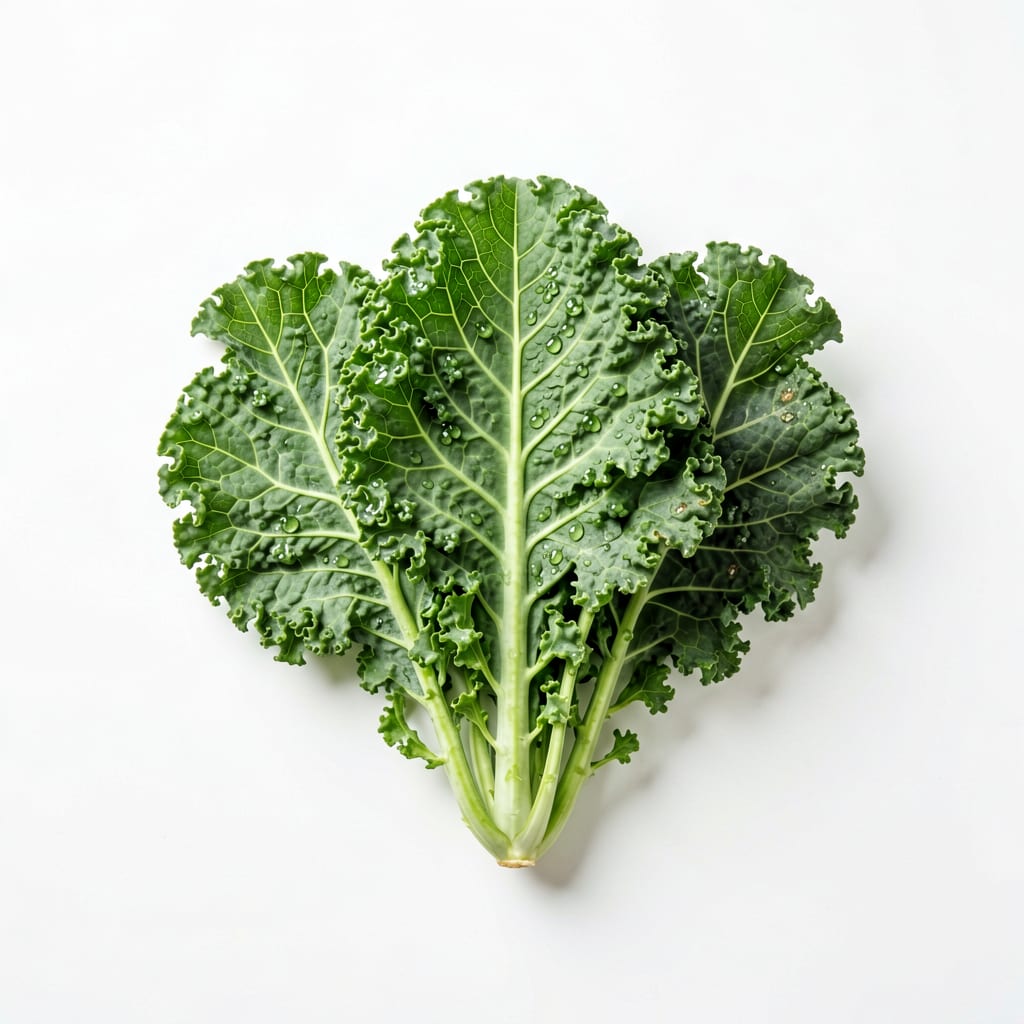
Kale
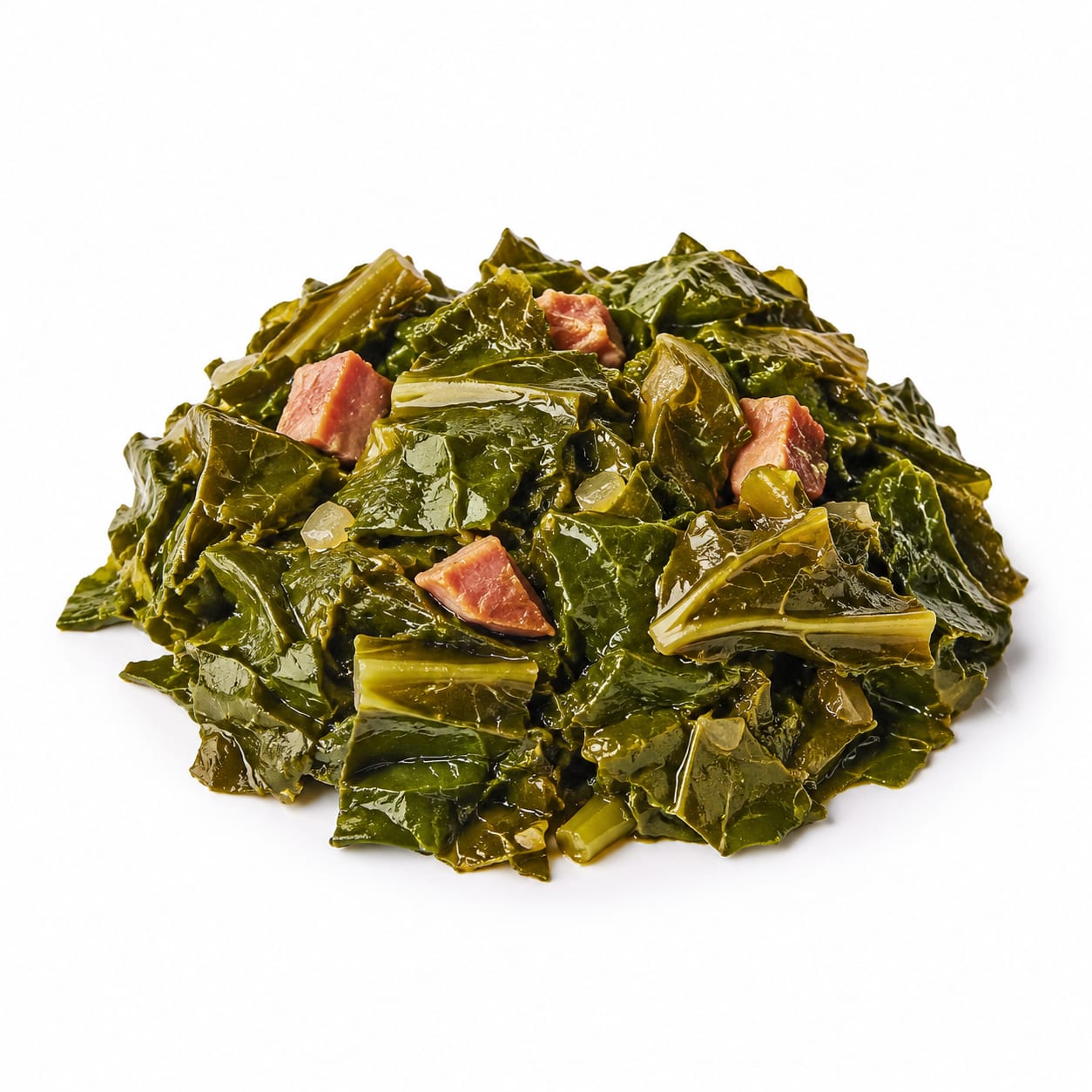
Collard Greens
Both are elite leafy greens, but Kale shines raw while Collard Greens are superior cooked and easier to digest.
Collard Greens edge out Kale slightly due to better digestibility when cooked and higher fiber, but the scores are nearly identical because both are top-tier superfoods.
Kale offers more vitamin C and raw versatility, while Collard Greens provide a milder flavor, softer texture when cooked, and slightly more fiber.
At a glance
Executive summary
Overall
It depends
Healthier
It depends
More practical
Collard Greens
Daily use
Collard Greens
Key comparison lenses
Nutrient density and vitamin profile
Both are superfood heavyweights, so users want to know which packs a bigger nutritional punch per bite.
Digestive tolerance and anti-nutrients
Raw cruciferous greens can cause bloating or thyroid concerns, making digestibility a key differentiator.
Culinary versatility and preparation
Kale is famous for raw salads, while Collard Greens are preferred cooked, impacting how people actually use them daily.
Satiety and fiber content
Fiber content dictates how filling these greens are and their impact on blood sugar stability.
Best choice for
Kale
- Green smoothies and raw salads
- Crispy low-carb snacking (kale chips)
- Maximizing vitamin C and antioxidant intake
Collard Greens
- Hearty, comforting cooked meals
- Low-carb wraps and sandwich substitutes
- People with sensitive stomachs who struggle with raw greens
Least suitable for
Kale
- People with thyroid issues eating them raw
- Those who find bitter flavors off-putting
- Individuals prone to bloating from raw fiber
Collard Greens
- Quick no-cook meal prep
- Raw delicate salads
- Crispy baked snack recipes
Deep comparison
Dimension by dimension
Each lens scores both foods and breaks down who each option suits.
- Dimension 1 · Priority 95Kale
Nutrient Density & Vitamin Profile
Kale · 96Collard Greens · 93Kale packs slightly more Vitamin C and Vitamin K per serving, making it a micronutrient powerhouse. Collard Greens still offer exceptional nutrition, especially in calcium, but Kale takes the edge in overall vitamin concentration.
Tradeoff
You get more vitamins per calorie with Kale, but the difference is marginal and only matters if you eat very small portions.
Why it matters
Higher vitamin density means your body gets more immune-supporting and bone-building nutrients from less food.
Real-world impact
A single serving of Kale covers your daily Vitamin C needs more reliably than Collard Greens.
Kale
- Boosting immune function with raw vitamin C
- Supporting bone density with high vitamin K
Better for
- Slight risk of over-consuming Vitamin K if on blood thinners
Worse for
Collard Greens
- Increasing calcium intake without dairy
Better for
- Lower overall vitamin C content
Worse for
- Dimension 2 · Priority 90Collard Greens
Digestive Comfort & Anti-nutrients
Kale · 72Collard Greens · 88Collard Greens are much gentler on the digestive system, especially when cooked. Raw Kale can cause bloating and gas due to its tough fibrous structure and goitrogenic compounds.
Tradeoff
Kale's raw crunch comes at the cost of harder digestion, while Collard Greens require cooking to unlock their tender, stomach-friendly texture.
Why it matters
Eating foods that are hard to digest can lead to discomfort and reduce how well your body absorbs the nutrients you just ate.
Real-world impact
A big bowl of raw Kale salad might leave you bloated, while a side of cooked Collard Greens feels comforting and easy on the stomach.
Kale
- Getting a satisfying crunch in raw dishes
Better for
- Higher likelihood of digestive distress when raw
- More goitrogens that can interfere with thyroid if consumed raw in massive amounts
Worse for
Collard Greens
- Preventing post-meal bloating and gas
- Supporting thyroid health by being easier to cook down and neutralize goitrogens
Better for
- Requires cooking for best digestion, adding prep time
Worse for
- Dimension 3 · Priority 85It depends
Culinary Versatility & Preparation
Kale · 89Collard Greens · 86Kale excels in raw applications like salads and smoothies, or baked into chips. Collard Greens shine as a cooked side dish and are unmatched as a sturdy, grain-free wrap substitute.
Tradeoff
Kale gives you raw and crispy options, while Collard Greens give you better structural integrity for warm, hearty recipes.
Why it matters
You only get nutritional benefits if you actually enjoy eating the food, so culinary fit is crucial for consistency.
Real-world impact
Use Kale for a refreshing lunch salad, but use Collard Greens for a warm winter stew or a healthy burger wrap.
Kale
- Massaged raw salads with tangy dressings
- Blending into fruit smoothies undetected
- Baking into crispy, salty snacks
Better for
- Poor choice for wraps due to curly, rigid leaves
- Tough texture if not properly massaged or cooked
Worse for
Collard Greens
- Rolling into low-carb burrito wraps
- Slow-cooking into savory, comforting side dishes
Better for
- Not ideal for raw salads due to tough stems
- Does not crisp up well for chip recipes
Worse for
- Dimension 4 · Priority 80Collard Greens
Satiety & Fiber Content
Kale · 84Collard Greens · 89Collard Greens provide slightly more dietary fiber and protein per calorie. This makes them slightly more filling and better for stabilizing blood sugar over longer periods.
Tradeoff
Kale fills you up through sheer volume and crunch, while Collard Greens offer a denser fiber profile that keeps you satisfied longer after a cooked meal.
Why it matters
Higher fiber means steadier energy levels and less temptation to snack between meals.
Real-world impact
A serving of cooked Collard Greens as a side dish will keep you full well into the afternoon better than a side of raw Kale.
Kale
- Adding bulk to smoothies without thickening them too much
Better for
- Raw fiber can pass through too quickly if not chewed well, reducing satiety
Worse for
Collard Greens
- Keeping you full for hours after a meal
- Supporting very stable blood sugar levels
Better for
- Cooking reduces the total volume, making it easier to eat a large amount of fiber quickly
Worse for
Timeline
Health impact over time
Short-term
Hours to days
Kale
- Can cause bloating or gas if eaten raw in large amounts
- Provides a quick vitamin C boost for immune support
Collard Greens
- Gentle on the stomach when cooked, offering immediate comfort
- Very filling as a side dish, reducing the urge to overeat
Long-term
Months to years
Kale
- Supports bone health and immunity with high vitamin concentration
- Excessive raw intake may impact thyroid function in susceptible people
Collard Greens
- Excellent for heart health and long-term digestion regularity
- Consistent fiber intake supports a healthy gut microbiome
Risk profile
Safety & processing
Both Kale and Collard Greens are whole, natural foods with virtually no processing or artificial additives when bought fresh.
Kale
Pesticide residue
highKale frequently appears on the EWG's Dirty Dozen list due to high pesticide detection; washing thoroughly or buying organic is strongly advised.
Goitrogen exposure
mediumRaw Kale contains goitrogens that can interfere with thyroid function if consumed in extreme excess, though cooking largely neutralizes them.
Collard Greens
Pesticide residue
mediumCollard Greens can carry pesticide residue, though they test slightly cleaner than Kale; organic options are still preferable.
Who wins for whom
Audience fit
Same foods, different winners depending on your goal.
children
Collard GreensCollard Greens have a milder flavor and softer texture when cooked, making them easier for kids to accept than bitter, chewy Kale.
daily consumption
Collard GreensCollard Greens are easier on the digestive system for daily cooked meals, whereas daily raw Kale can become tiresome or cause bloating.
diabetes
It dependsBoth greens have minimal impact on blood sugar and offer high fiber, making them equally superb for glucose management.
elderly
Collard GreensCooked Collard Greens are easier to chew and digest, which is crucial for older adults with dental or digestive concerns.
muscle gain
It dependsNeither Kale nor Collard Greens are significant protein sources, though both provide the micronutrients needed to support an active metabolism.
weight loss
It dependsBoth Kale and Collard Greens are extremely low in calories and high in volume, making them equally excellent for weight loss depending on recipe preference.
Your move
Decision guide
Choose Kale
- You love raw salads and smoothies
- You want a crispy, low-carb snack (kale chips)
- You need a massive Vitamin C and antioxidant boost
Choose Collard Greens
- You prefer warm, comforting cooked meals
- You want a sturdy low-carb wrap or tortilla replacement
- Raw greens tend to upset your stomach
Either works if
- You just want to eat more leafy greens overall
- You are focusing on bone health and Vitamin K
- You want to lower inflammation naturally with whole foods
Avoid both if
- You are on blood thinners like Warfarin without medical supervision
- You have severe oxalate sensitivities (though both are lower than spinach)
Final recommendation
Rotate both for the best results. Use Kale raw or baked for snacks and salads, and rely on Collard Greens for warm, comforting meals and healthy wraps. This gives you the best of both nutritional profiles without getting bored.
Practical
Consumer tips
- 1
Massage raw Kale with olive oil and salt for a few minutes before eating to soften the leaves and reduce bitterness.
- 2
Use the large, sturdy leaves of Collard Greens as a healthy wrap substitute for sandwiches, burgers, or tacos.
- 3
Always wash Kale thoroughly; it frequently ranks high in pesticide residue.
- 4
Lightly steaming either green reduces goitrogens, making them safer for your thyroid and easier to digest.