
Nutrition comparison
Bok Choy vs Kale: Which Leafy Green Is Actually Better for You?
Kale has more nutrients, but Bok Choy is easier to digest and cook. Compare these leafy greens on nutrition, taste, safety, and daily practicality to find your best match.
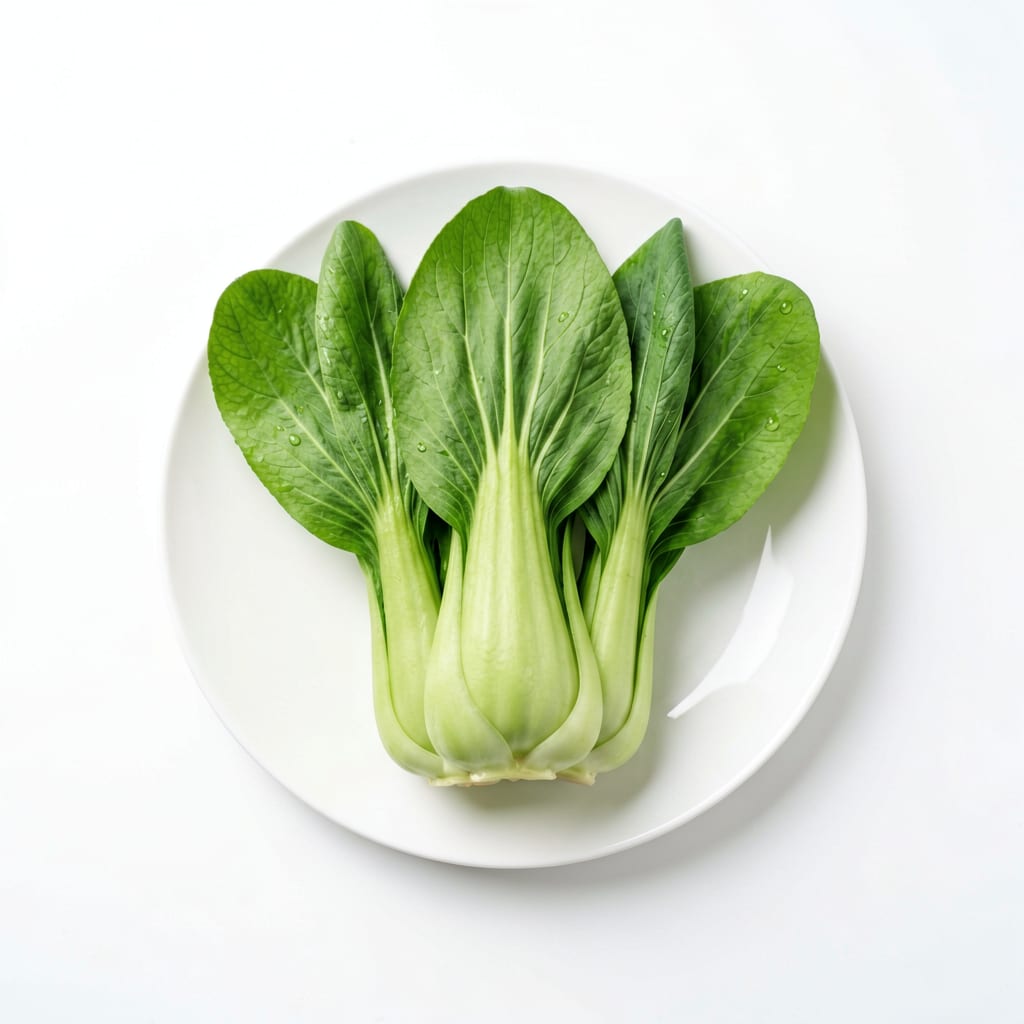
Bok Choy
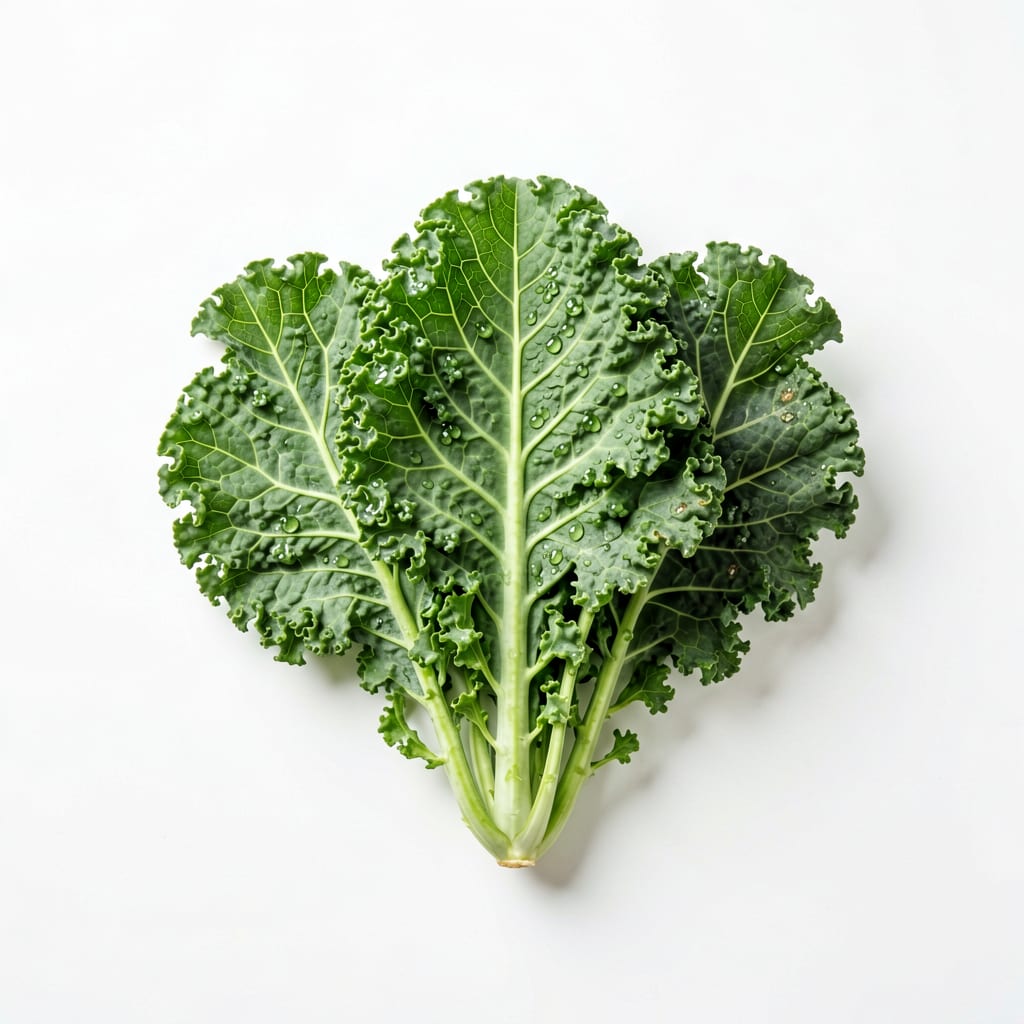
Kale
Kale packs more nutrients per bite, but Bok Choy is far easier to live with daily. The best choice depends on whether you prioritize maximum nutrition or sustainable consistency.
Kale scores higher on raw nutritional metrics, but Bok Choy stays competitive because its ease of use means people actually eat it consistently. A green you enjoy daily beats one you avoid.
Kale gives you more vitamins, antioxidants, and fiber but demands more effort and can upset sensitive stomachs. Bok Choy is milder, faster to cook, and gentler on digestion, but delivers less nutritional intensity.
At a glance
Executive summary
Overall
It depends
Healthier
Kale
More practical
Bok Choy
Daily use
Bok Choy
Key comparison lenses
nutrient density comparison
Both are nutrient-dense leafy greens, but Kale is famously considered a superfood while Bok Choy is often underestimated
digestive tolerance and gut comfort
Kale's tough fiber and oxalate content can cause bloating, while Bok Choy is gentler on the stomach
everyday practicality and ease of use
Bok Choy cooks in minutes and has a mild flavor; Kale requires massaging, longer cooking, or blending to be enjoyable
antioxidant and anti-inflammatory benefits
Kale is significantly richer in antioxidants like quercetin and kaempferol, which matters for long-term disease prevention
thyroid and goitrogen safety
Both are cruciferous vegetables with goitrogenic compounds, a real concern for people with thyroid conditions
Best choice for
Bok Choy
- People with sensitive digestion or IBS
- Busy home cooks wanting quick vegetable sides
- Anyone new to eating leafy greens regularly
- Stir-fry and Asian cuisine enthusiasts
- Those who find bitter greens unpleasant
Kale
- Nutrient maximizers chasing peak vitamin intake
- People focused on anti-inflammatory eating
- Smoothie and green juice drinkers
- Anyone wanting to boost fiber intake significantly
- Those seeking high vitamin K for bone health
Least suitable for
Bok Choy
- People needing very high fiber intake
- Those seeking maximum antioxidant density per calorie
- Raw salad enthusiasts wanting hearty greens
Kale
- People with thyroid conditions (without cooking)
- Those prone to bloating or gas from cruciferous vegetables
- Anyone who dislikes bitter flavors and will avoid eating it
- Kidney stone formers concerned about oxalates
Deep comparison
Dimension by dimension
Each lens scores both foods and breaks down who each option suits.
- Dimension 1 · Priority 95Kale
Nutrient Density
Bok Choy · 72Kale · 93Kale is one of the most nutrient-dense foods on the planet, significantly outpacing Bok Choy in vitamins K, A, and C per calorie.
Tradeoff
Kale's nutritional dominance comes with tougher texture and stronger flavor that many people find hard to consume in large quantities.
Why it matters
If you eat small portions or struggle to get enough greens, Kale delivers more nutrition per bite. But if you eat generous portions of Bok Choy willingly, the gap narrows in practice.
Real-world impact
A single cup of raw Kale covers over 100% of your daily vitamin K and A needs. Bok Choy covers roughly half that, which is still solid but less impressive.
Bok Choy
- Getting moderate nutrition without overwhelming your palate
Better for
- Lower total vitamin content per serving
Worse for
Kale
- Maximizing vitamin intake from small portions
- Boosting vitamin K for bone and blood health
- Getting more antioxidants per calorie
Better for
- Nutritional advantage only matters if you actually eat it
Worse for
- Dimension 2 · Priority 88Bok Choy
Digestive Comfort
Bok Choy · 88Kale · 62Bok Choy is significantly easier on the digestive system. Its tender leaves and milder fiber cause less bloating and gas.
Tradeoff
Kale's impressive fiber content that supports gut health can also cause discomfort, especially raw or in large amounts.
Why it matters
The healthiest vegetable does nothing if it sits in your fridge because eating it makes you bloated. Digestive tolerance determines real-world consistency.
Real-world impact
Many people report gas, bloating, or stomach heaviness after eating raw Kale salads. Bok Choy rarely causes these issues, even in larger portions.
Bok Choy
- People with IBS or sensitive stomachs
- Anyone transitioning to eating more vegetables
- Comfortable larger portions without discomfort
Better for
- Less fiber means less prebiotic benefit for gut bacteria
Worse for
Kale
- Those wanting to increase fiber intake for gut microbiome health
Better for
- Raw kale can cause significant bloating
- Tough fibrous stems are hard to break down
Worse for
- Dimension 3 · Priority 82Kale
Antioxidant and Anti-Inflammatory Power
Bok Choy · 65Kale · 90Kale contains substantially more flavonoids like quercetin and kaempferol, which are linked to reduced inflammation and disease risk.
Tradeoff
Bok Choy still provides antioxidants but at lower concentrations. You would need to eat noticeably more to match Kale's levels.
Why it matters
Chronic inflammation drives heart disease, cancer, and aging. Antioxidant-rich greens are one of the most accessible ways to fight this daily.
Real-world impact
Regular Kale consumption is associated with measurable reductions in inflammatory markers. Bok Choy helps too, but the evidence is less dramatic.
Bok Choy
- Mild anti-inflammatory support without digestive strain
Better for
- Lower flavonoid and polyphenol concentration
Worse for
Kale
- Strongest antioxidant protection among common greens
- Quercetin content supports allergy and immune health
- More studied for disease-prevention outcomes
Better for
- Benefits are dose-dependent, and large doses cause GI issues for some
Worse for
- Dimension 4 · Priority 80Bok Choy
Ease of Preparation and Versatility
Bok Choy · 86Kale · 68Bok Choy cooks in 2-3 minutes, works beautifully in stir-fries and soups, and needs no special preparation. Kale requires massaging for salads, longer cooking times, or blending.
Tradeoff
Kale's sturdiness makes it uniquely suited for chips and hearty salads that hold up to dressing, but that same toughness is a barrier for everyday cooking.
Why it matters
Convenience determines whether a vegetable becomes a habit or a one-time purchase. The easier it is to prepare, the more often you will eat it.
Real-world impact
Bok Choy goes from fridge to plate in under 5 minutes. Kale often needs 10-15 minutes of prep including stem removal, chopping, and massaging or cooking.
Bok Choy
- Weeknight dinners when time is short
- Simple sautés and quick soups
- No special techniques required
Better for
- Not ideal for raw salads or chips
- Can become mushy if overcooked
Worse for
Kale
- Making kale chips as a snack
- Hearty salads that store well with dressing
- Green smoothies where toughness is irrelevant
Better for
- Raw kale needs massaging with oil to become palatable
- Tough stems must be removed
- Takes significantly longer to cook tender
Worse for
- Dimension 5 · Priority 75Bok Choy
Thyroid and Safety Considerations
Bok Choy · 76Kale · 65Both are cruciferous vegetables containing goitrogens that can interfere with thyroid function, but Kale's higher concentration and common raw consumption make it a bigger concern.
Tradeoff
Cooking reduces goitrogens in both vegetables significantly, but Kale is more often eaten raw in smoothies and salads, increasing exposure.
Why it matters
For the roughly 12% of people with thyroid issues, this is not theoretical. Regular raw Kale consumption can meaningfully affect thyroid hormone levels.
Real-world impact
If you have hypothyroidism, cooking either vegetable is wise. But Kale smoothies drunk daily pose a more real risk than occasional cooked Bok Choy.
Bok Choy
- Lower goitrogen load per typical serving
- Usually eaten cooked, which neutralizes most goitrogens
- Safer choice for thyroid patients
Better for
- Still contains goitrogens that require cooking to neutralize
Worse for
Kale
- Still safe when cooked thoroughly
Better for
- Higher goitrogen content
- Commonly consumed raw in smoothies, maximizing exposure
- Oxalate content is a concern for kidney stone formers
Worse for
- Dimension 6 · Priority 70Kale
Satiety and Fullness
Bok Choy · 68Kale · 80Kale's higher fiber and tougher texture slow eating and promote fullness more effectively than Bok Choy's tender, water-rich leaves.
Tradeoff
Kale fills you up but can feel heavy. Bok Choy feels lighter, which is great for some meals but less satisfying if you are relying on greens to stay full.
Why it matters
If you are using greens to manage hunger or reduce calorie intake, the one that keeps you full longer is the one that actually works.
Real-world impact
A Kale salad at lunch will likely keep you satisfied longer than a Bok Choy side dish. But the Kale salad might also feel like a chore to finish.
Bok Choy
- Light meals where you do not want to feel stuffed
- Appetizers and side dishes
Better for
- Less effective at controlling hunger between meals
Worse for
Kale
- Main dish salads that need to hold you over
- Reducing snacking between meals
- Weight management through higher satiety
Better for
- Heavy feeling can be uncomfortable for some
Worse for
Timeline
Health impact over time
Short-term
Hours to days
Bok Choy
- Quick energy from easily digestible carbohydrates
- Minimal bloating or digestive discomfort
- Hydrating due to high water content
- Mild blood sugar stabilization from low calorie load
Kale
- Noticeable fullness and slower digestion
- Possible gas or bloating if eaten raw in quantity
- Steadier blood sugar from higher fiber content
- Energy boost from concentrated B-vitamins
Long-term
Months to years
Bok Choy
- Consistent vegetable intake is sustainable due to ease of preparation
- Moderate but reliable vitamin and mineral support
- Lower risk of thyroid interference since it is usually cooked
- Gentle on the digestive system over years of consumption
Kale
- Stronger protection against chronic inflammation and oxidative stress
- Better long-term bone density from exceptional vitamin K levels
- Improved gut microbiome diversity from high fiber intake
- Potential thyroid concerns if consumed raw daily without cooking
Risk profile
Safety & processing
Both Bok Choy and Kale are whole, unprocessed vegetables. Neither typically contains additives when purchased fresh. The main concern is pesticide residue, which affects Kale more severely because it frequently appears on the Dirty Dozen list.
Bok Choy
Pesticide residue
mediumBok Choy can carry pesticide residue, but it does not typically rank among the most contaminated vegetables. Washing thoroughly or choosing organic reduces this significantly.
Goitrogen exposure
lowContains goitrogens that can affect thyroid function, but typical cooking methods neutralize most of them. Risk is low for people with normal thyroid function.
Kale
Pesticide residue
highKale consistently appears on the EWG Dirty Dozen list with frequent detection of multiple pesticide residues. Organic is strongly recommended.
Goitrogen exposure
mediumHigher goitrogen content than Bok Choy, and because Kale is often consumed raw in smoothies, the risk of thyroid interference is more real for daily consumers.
Oxalate accumulation
mediumKale contains moderate oxalates that can contribute to kidney stone formation in susceptible individuals, especially when eaten raw regularly.
Who wins for whom
Audience fit
Same foods, different winners depending on your goal.
children
Bok ChoyBok Choy's milder flavor and softer texture make it far more likely that children will actually eat it. Kale's bitterness is a common rejection trigger for kids.
daily consumption
Bok ChoyBok Choy's ease of preparation, mild flavor, and digestive comfort make it more sustainable as a daily habit. Kale is nutritionally superior but harder to maintain consistently.
diabetes
KaleKale's higher fiber slows glucose absorption more effectively, and its stronger antioxidant profile helps combat the oxidative stress associated with diabetes.
elderly
Bok ChoyBok Choy is easier to chew, gentler on aging digestive systems, and still provides solid nutrition. Kale's toughness and digestive demands can be problematic for older adults.
muscle gain
KaleKale provides more vitamin K and magnesium per calorie, both important for muscle function and recovery. Neither is a significant protein source.
weight loss
KaleKale's higher fiber and satiety make it more effective for controlling hunger on a calorie deficit, though both are excellent low-calorie choices.
Your move
Decision guide
Choose Bok Choy
- You want a green you will actually cook and eat several times a week without dreading it
- You have a sensitive stomach or experience bloating from other cruciferous vegetables
- You cook a lot of Asian-inspired dishes and want a vegetable that fits naturally
- You have a thyroid condition and want to minimize goitrogen exposure
- You need meals on the table in under 10 minutes
Choose Kale
- You want maximum nutritional return per calorie and are willing to work for it
- You make green smoothies regularly and want the most nutrient-dense addition
- You are focused on anti-inflammatory eating and antioxidant intake
- You enjoy hearty salads and are willing to massage or cook Kale properly
- You have no digestive sensitivity and want the strongest vitamin K source available
Either works if
- You simply want more leafy greens in your diet and will eat whichever is in season
- You rotate vegetables weekly for microbiome diversity
- You are generally healthy and just need a reliable vegetable side dish
Avoid both if
- You are on a strict low-oxalate diet for kidney stone prevention without medical guidance on portion sizes
- You have severe thyroid issues and have been advised to avoid all cruciferous vegetables entirely
Final recommendation
Keep both in rotation. Use Kale when you have time to prepare it properly and want a nutritional powerhouse, especially in smoothies or cooked dishes. Use Bok Choy for quick weeknight meals when you need something easy, mild, and gentle on your stomach. The best green is the one you will actually eat consistently, and for many people, that is Bok Choy.
Practical
Consumer tips
- 1
Buy organic Kale whenever possible — it consistently ranks among the most pesticide-contaminated vegetables
- 2
If Kale gives you bloating, try cooking it instead of eating it raw — heat breaks down the tough fiber and reduces goitrogens
- 3
Massage raw Kale with olive oil and salt for 2-3 minutes before making salad — it tenderizes the leaves and removes bitterness
- 4
Bok Choy separates naturally into leaves and stems — add stems to the pan first since they take longer to cook
- 5
For thyroid safety, steam or sauté either vegetable for at least 5 minutes before eating
- 6
Store both in the crisper drawer with a damp paper towel — Bok Choy lasts about 5 days, Kale up to a week
- 7
Frozen Kale works surprisingly well in smoothies and soups and eliminates prep time
- 8
Baby Bok Choy is more tender and cooks even faster than the full-size version