
Nutrition comparison
Kale vs Swiss Chard: Which Leafy Green Is Healthier for You?
Compare Kale and Swiss Chard nutrition, oxalate levels, thyroid safety, and cooking practicality. Find out which green fits your health goals better.
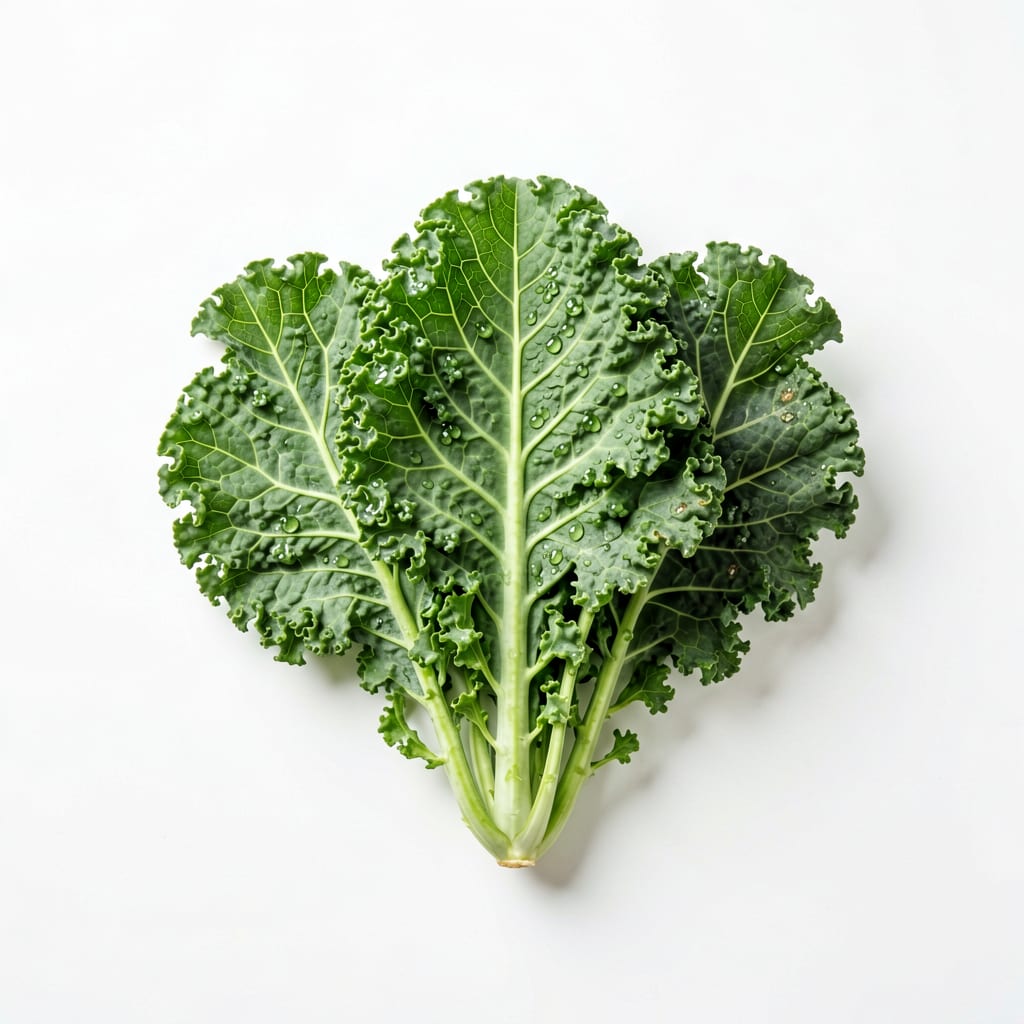
Kale
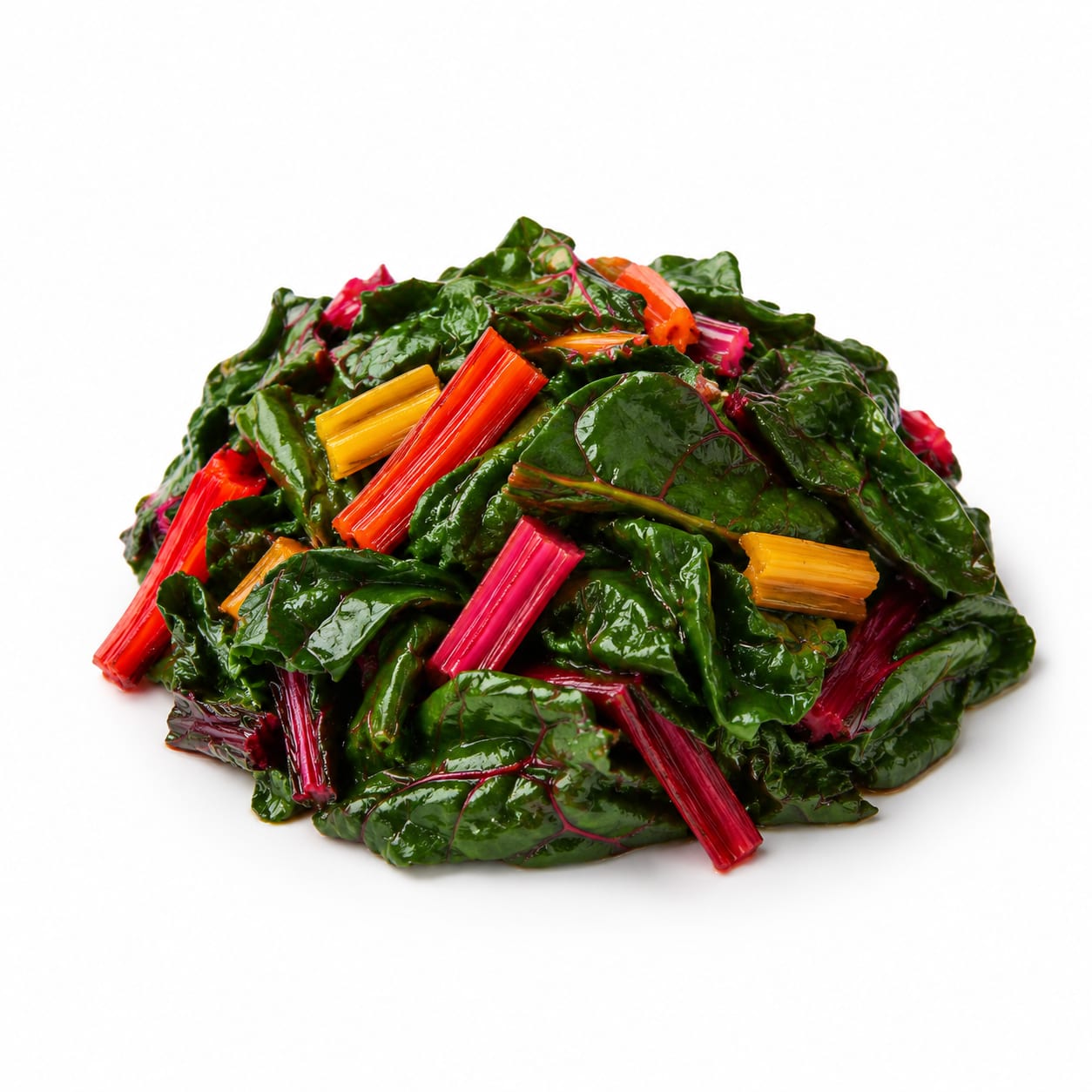
Swiss Chard
Kale packs more vitamins per leaf, but Swiss Chard is gentler on kidneys and easier to cook with daily.
Kale edges ahead on raw nutrient density, but Swiss Chard closes the gap with better mineral content, lower oxalate risk, and superior everyday practicality. The near-tie reflects how context-dependent this choice truly is.
Kale delivers superior vitamin K, A, and C, while Swiss Chard offers more magnesium, potassium, and far fewer oxalate risks.
At a glance
Executive summary
Overall
It depends
Healthier
It depends
More practical
Swiss Chard
Daily use
Swiss Chard
Key comparison lenses
nutrient density supremacy
Both are nutrient powerhouses, so users want to know which delivers more vitamins and minerals per bite
kidney and oxalate safety
Swiss Chard is extremely high in oxalates, a critical concern for kidney stone sufferers
thyroid impact
Kale contains goitrogens that can affect thyroid function, especially when consumed raw in large amounts
everyday cooking practicality
Swiss Chard cooks faster and tastes milder, making it easier for daily use
pesticide exposure
Kale consistently ranks on the Dirty Dozen list with high pesticide residue concerns
Best choice for
Kale
- People wanting maximum vitamin K for bone health
- Those seeking the highest vitamin C from greens
- Anyone prioritizing calcium from plant sources
- Smoothie drinkers who blend greens raw
Swiss Chard
- People prone to kidney stones who must limit oxalates
- Home cooks wanting a tender green that wilts quickly
- Those with thyroid concerns wanting fewer goitrogens
- Anyone seeking more magnesium for sleep or muscle recovery
Least suitable for
Kale
- People with a history of calcium oxalate kidney stones
- Those with hypothyroidism eating large raw quantities
- Budget shoppers unable to afford organic (high pesticide load)
- Anyone who finds bitter greens unpalatable
Swiss Chard
- People on blood thinners needing stable vitamin K intake (high variability)
- Those wanting maximum vitamin C from their greens
- Anyone seeking the absolute highest antioxidant density
- People who prefer sturdy greens for meal prep and salads
Deep comparison
Dimension by dimension
Each lens scores both foods and breaks down who each option suits.
- Dimension 1 · Priority 93Kale
Vitamin Density
Kale · 92Swiss Chard · 74Kale dominates in vitamins K, A, and C, delivering significantly more per serving than Swiss Chard.
Tradeoff
You get more immune-supporting and bone-building vitamins with Kale, but Swiss Chard still provides adequate amounts for most people.
Why it matters
Vitamin K is crucial for blood clotting and bone density, and Kale has over 600% of daily needs per cup raw versus roughly 300% in Swiss Chard.
Real-world impact
A daily Kale salad can nearly cover your vitamin K, A, and C needs in one meal. Swiss Chard covers the basics but leaves you reaching for other vitamin sources.
Kale
- Bone health optimization
- Immune support through vitamin C
- Skin health via beta-carotene
Better for
Swiss Chard
- Meeting vitamin K targets efficiently
- Getting sufficient vitamin C from greens alone
Worse for
- Dimension 2 · Priority 85Swiss Chard
Mineral Content
Kale · 70Swiss Chard · 88Swiss Chard delivers more magnesium, potassium, and iron per serving than Kale.
Tradeoff
Swiss Chard wins on minerals that support muscles, sleep, and blood pressure, but its iron is less absorbable due to oxalates.
Why it matters
Magnesium supports over 300 enzymatic reactions and most people are deficient. Potassium helps regulate blood pressure and fluid balance.
Real-world impact
Eating Swiss Chard regularly can help with muscle cramps, sleep quality, and blood pressure management more effectively than Kale.
Kale
- Calcium intake (more bioavailable calcium)
Better for
- Reaching daily magnesium goals
- Potassium intake for active individuals
Worse for
Swiss Chard
- Muscle recovery and cramp prevention
- Blood pressure regulation
- Sleep quality support
- Iron intake (though absorption is limited by oxalates)
Better for
- Dimension 3 · Priority 88Swiss Chard
Kidney and Oxalate Safety
Kale · 65Swiss Chard · 40Neither green is low-oxalate, but Kale has significantly less than Swiss Chard, making it the safer choice for kidney health.
Tradeoff
Swiss Chard's impressive mineral content comes bundled with very high oxalates that can contribute to kidney stones in susceptible people.
Why it matters
Swiss Chard contains roughly 700-800mg oxalates per 100g, while Kale contains roughly 15-20mg. This is a dramatic difference for anyone with kidney stone history.
Real-world impact
If you have ever passed a kidney stone, Swiss Chard should be eaten cautiously and always cooked. Kale is far more forgiving for at-risk individuals.
Kale
- Kidney stone prevention
- Safer for recurrent calcium oxalate stone formers
- Less concern about mineral absorption interference
Better for
Swiss Chard
- Kidney stone risk in susceptible individuals
- Oxalate interference with mineral absorption
- Requires cooking to reduce oxalate load significantly
Worse for
- Dimension 4 · Priority 80Swiss Chard
Thyroid Safety
Kale · 60Swiss Chard · 82Kale contains goitrogens that can interfere with thyroid function when eaten raw in large amounts; Swiss Chard has minimal goitrogenic compounds.
Tradeoff
Kale's raw crunch comes with thyroid risk for vulnerable people, while Swiss Chard is safer for those managing hypothyroidism.
Why it matters
Goitrogens can interfere with iodine uptake. For people with existing thyroid conditions, raw Kale in large smoothies can worsen symptoms.
Real-world impact
If you blend raw Kale into daily green smoothies and have thyroid issues, switching to Swiss Chard or cooking Kale first can make a noticeable difference in energy levels.
Kale
- Raw consumption in large amounts for thyroid patients
- Daily green smoothie habits for those with thyroid conditions
Worse for
Swiss Chard
- Hypothyroidism management
- Daily raw green smoothie consumption
- People on thyroid medication
Better for
- Dimension 5 · Priority 75Swiss Chard
Taste and Cooking Practicality
Kale · 58Swiss Chard · 84Swiss Chard is milder, more tender, and cooks in half the time. Kale is tougher and more bitter, requiring more preparation effort.
Tradeoff
Kale's sturdy texture makes it great for meal prep and raw salads, but Swiss Chard is far more convenient for quick weeknight cooking.
Why it matters
The green you actually enjoy cooking and eating will always outperform the one that sits wilting in your crisper drawer.
Real-world impact
Swiss Chard wilts into pasta or stir-fries in 2-3 minutes. Kale needs massaging for salads or 8-10 minutes of cooking to become tender. That time difference adds up over a week.
Kale
- Meal prep salads that hold up for days
- Sturdy texture for soups and stews
- Chips when baked crispy
Better for
- Quick cooking needs
- Picky eaters sensitive to bitterness
- Time-constrained meal preparation
Worse for
Swiss Chard
- Quick weeknight dinners
- Introducing greens to picky eaters
- Milder flavor that pairs easily with other ingredients
- Faster cooking saves time and energy
Better for
- Raw salad applications needing structure
- Meal prep requiring greens that do not wilt
Worse for
- Dimension 6 · Priority 72Swiss Chard
Pesticide Exposure
Kale · 45Swiss Chard · 68Kale consistently appears on the EWG Dirty Dozen list with detectable pesticide residues including concerning compounds. Swiss Chard has lower documented pesticide concerns.
Tradeoff
Kale's nutritional advantages come with a higher pesticide burden unless you buy organic, which increases cost significantly.
Why it matters
Non-organic Kale has been found with residues of multiple pesticides per sample, including some linked to neurological and hormonal effects.
Real-world impact
If organic is not in your budget, Swiss Chard is the safer conventional choice. With Kale, going organic matters more for reducing your pesticide exposure.
Kale
- Budget-conscious shoppers buying conventional
- Families wanting to minimize children's pesticide exposure affordably
Worse for
Swiss Chard
- Conventional produce buyers on a budget
- Those wanting lower pesticide exposure without paying organic prices
Better for
Timeline
Health impact over time
Short-term
Hours to days
Kale
- Raw Kale in large amounts may cause bloating or digestive discomfort due to tough fiber
- High vitamin C content supports immediate immune function
- Goitrogenic compounds can temporarily affect thyroid hormone production if consumed raw in excess
Swiss Chard
- Swiss Chard cooks down quickly, making it easier to eat larger volumes comfortably
- High potassium content can help with immediate muscle cramp relief
- Oxalates may cause mouth tingling or throat irritation when eaten raw in some sensitive individuals
Long-term
Months to years
Kale
- Consistent vitamin K intake supports long-term bone density and reduces fracture risk
- Goitrogen exposure from daily raw consumption may contribute to thyroid issues in vulnerable populations
- High antioxidant load from flavonoids supports cardiovascular health over time
Swiss Chard
- Regular magnesium intake supports better sleep quality and metabolic function long-term
- Chronic high oxalate consumption increases kidney stone risk in predisposed individuals
- Potassium-rich diet from Swiss Chard supports sustained healthy blood pressure levels
Risk profile
Safety & processing
Both Kale and Swiss Chard are whole, minimally processed foods with no artificial additives when purchased fresh. Any processing concern comes from pesticide residues rather than added ingredients.
Kale
Pesticide residue
highKale has ranked on the EWG Dirty Dozen list with multiple pesticide residues detected per sample, including some linked to neurological effects. Buying organic significantly reduces this risk.
Goitrogenic compounds
mediumRaw Kale contains goitrogens that can interfere with thyroid function. Cooking reduces this substantially. People with hypothyroidism should moderate raw intake.
Digestive discomfort
lowThe tough fibrous texture of raw Kale can cause bloating or gas in some people, especially when consumed in large amounts without cooking or massaging.
Swiss Chard
High oxalate content
highSwiss Chard contains extremely high levels of oxalates, which bind to calcium and iron, reducing their absorption, and significantly increase kidney stone risk in susceptible individuals.
Vitamin K variability for blood thinners
mediumSwiss Chard has variable vitamin K content depending on growing conditions, which can make it tricky for people on warfarin or other blood thinners to maintain consistent intake.
Raw consumption irritation
lowOxalate crystals in raw Swiss Chard can cause a scratchy sensation in the mouth or throat for some people, similar to raw spinach.
Who wins for whom
Audience fit
Same foods, different winners depending on your goal.
children
Swiss ChardSwiss Chard's milder flavor and softer texture when cooked make it far more palatable for kids who resist bitter greens.
daily consumption
Swiss ChardSwiss Chard's lower oxalate risk when cooked, milder taste, and easier preparation make it more sustainable as a daily green for most people.
diabetes
KaleKale's higher fiber content and lower carbohydrate availability help stabilize blood sugar more effectively.
elderly
Swiss ChardSwiss Chard is easier to chew and digest when cooked, and its magnesium content supports bone density and sleep quality in older adults.
muscle gain
Swiss ChardSwiss Chard provides more magnesium for muscle recovery and potassium for electrolyte balance after training.
weight loss
KaleKale has slightly fewer calories per cup and more fiber, keeping you fuller longer with its sturdy texture that requires more chewing.
Your move
Decision guide
Choose Kale
- You want maximum vitamin K, A, and C from a single green
- You have no history of kidney stones or thyroid issues
- You can afford organic to avoid high pesticide residues
- You enjoy making massaged kale salads or kale chips
- You want a sturdy green that holds up in meal prep containers
Choose Swiss Chard
- You are prone to kidney stones and want a lower-oxalate option than spinach
- You have hypothyroidism and want to avoid goitrogens
- You prefer quick-cooking greens for weeknight dinners
- You want more magnesium for sleep, muscle recovery, or stress management
- You are buying conventional produce and want lower pesticide exposure
Either works if
- You simply want more leafy greens in your diet regardless of type
- You rotate greens weekly to diversify your nutrient intake
- You cook your greens, which reduces both oxalate and goitrogen concerns
- You pair them with healthy fats for better fat-soluble vitamin absorption
Avoid both if
- You are on blood thinners and have not established a consistent vitamin K intake plan with your doctor
- You have severe oxalate sensitivity and need strictly low-oxalate greens like romaine or butter lettuce
Final recommendation
Rotate both. Use Kale for raw salads and meal prep when you want maximum vitamins. Use Swiss Chard for quick cooked dishes and when you want gentler flavor and more minerals. Variety beats picking a winner here.
Practical
Consumer tips
- 1
Always cook Swiss Chard to reduce oxalate content by 30-87% depending on method. Boiling and discarding the water works best.
- 2
Massage raw Kale with olive oil and salt for 2-3 minutes to break down tough fibers and reduce bitterness dramatically.
- 3
Buy organic Kale when possible due to high pesticide residues on conventional crops. Swiss Chard is a safer conventional choice.
- 4
If you have thyroid concerns, lightly steam or sauté Kale before adding to smoothies to deactivate goitrogens.
- 5
Pair either green with a fat source like olive oil, avocado, or nuts to absorb fat-soluble vitamins K and A effectively.
- 6
Freeze Kale stems for making vegetable broth later. The stems are nutritious but too tough for most recipes.
- 7
Swiss Chard stems are edible and delicious when chopped and sautéed. Do not discard them. They add crunch and color.