
Nutrition comparison
Romaine Lettuce vs Kale: Which Green Is Actually Better for You?
Complete nutritional comparison of Romaine Lettuce vs Kale covering nutrient density, digestion, food safety, and practical daily use. Find out which green fits your health goals.
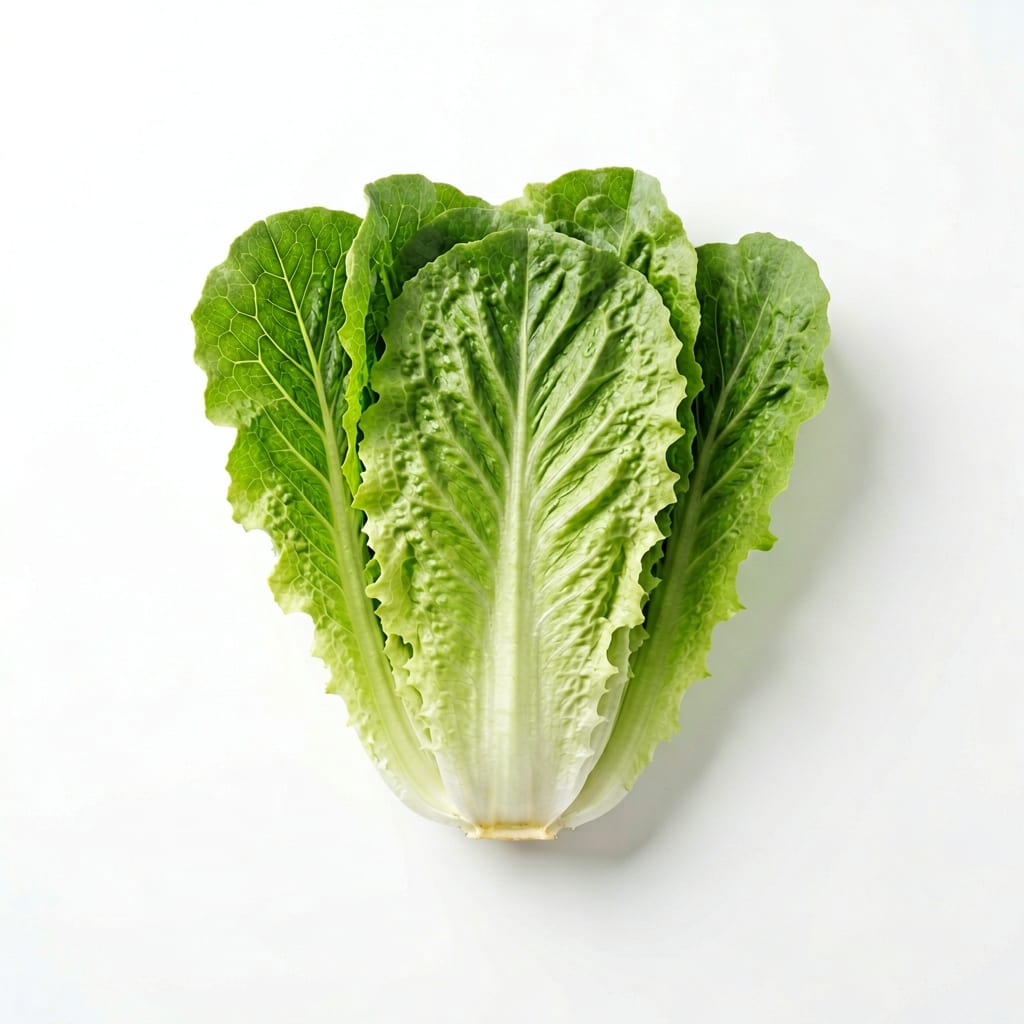
Romaine Lettuce
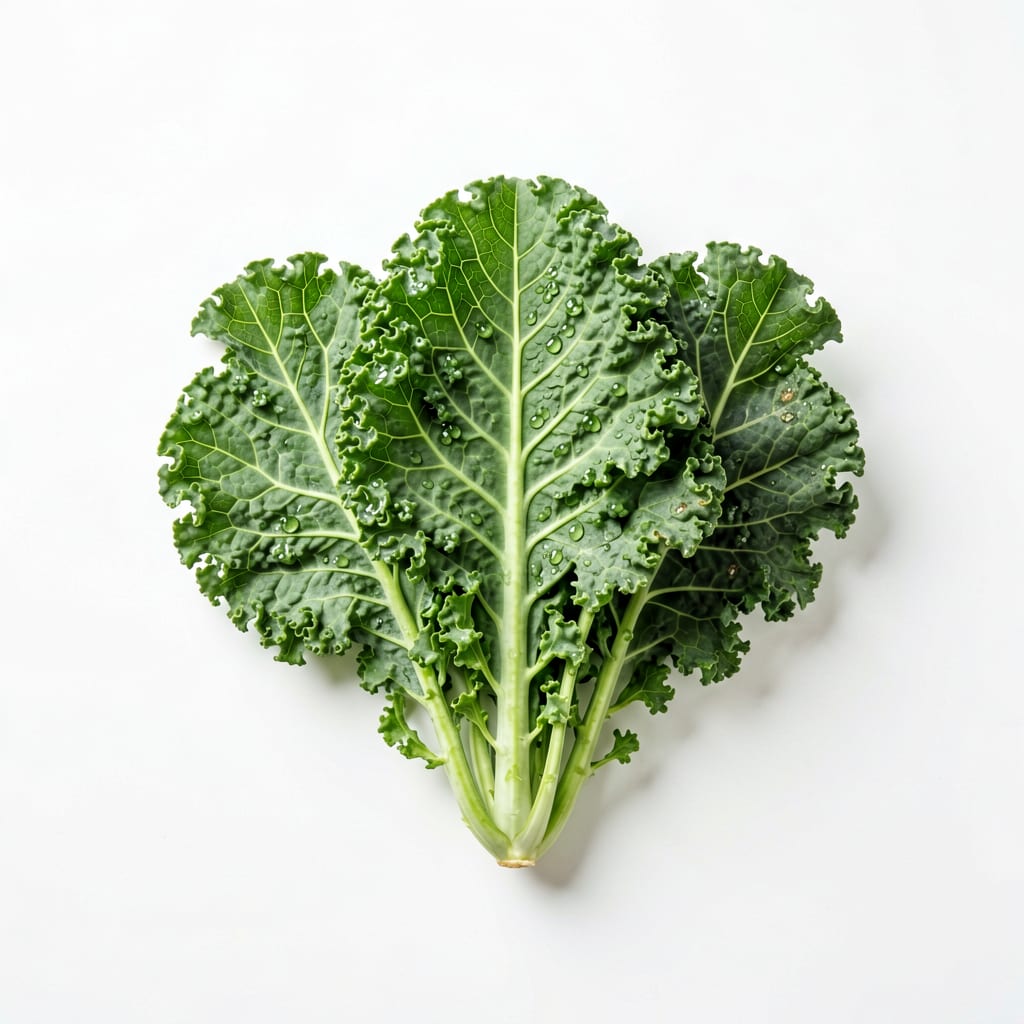
Kale
Kale delivers far more nutrition per bite, but Romaine is easier to eat in volume and gentler on digestion. The best choice depends on whether you prioritize nutrient density or practical enjoyment.
Kale scores notably higher due to its superior nutrient density, fiber content, and antioxidant profile. Romaine remains solid for practicality and digestibility but cannot match Kale's nutritional impact per serving.
Kale packs dramatically more vitamins and antioxidants but requires more effort to prepare and can cause digestive discomfort. Romaine offers a lighter, crisper eating experience that most people can easily consume in large salads.
At a glance
Executive summary
Overall
It depends
Healthier
Kale
More practical
Romaine Lettuce
Daily use
It depends
Key comparison lenses
nutrient density comparison
Kale is famously nutrient-dense while Romaine is often dismissed as empty water, making this the central question
everyday salad base selection
Both are used as salad foundations but offer very different eating experiences and nutritional payoffs
digestive tolerance and gut comfort
Kale's fiber and tough texture can cause bloating while Romaine is gentler on digestion
food safety and contamination risk
Romaine has had notable E. coli outbreaks and kale ranks high on pesticide residue lists
practical daily sustainability
Kale is harder to enjoy raw in large volumes while Romaine is easy to eat abundantly
Best choice for
Romaine Lettuce
- People with sensitive digestion who find kale causes bloating
- Anyone wanting a light, refreshing salad base they can eat in large volume
- Meal preppers who want a green that stays crisp for days
- Families with kids who resist bitter flavors
- Smoothie drinkers wanting a mild base that won't overpower fruit
Kale
- Nutrient maximizers who want the most vitamins per calorie
- People aiming to boost antioxidant and anti-inflammatory intake
- Anyone comfortable cooking or massaging greens to improve texture
- Those meeting higher vitamin K needs for bone health
- Budget-conscious shoppers wanting maximum nutritional value per dollar
Least suitable for
Romaine Lettuce
- Anyone relying on a single green for comprehensive nutrition
- People seeking high fiber intake from their salad base
- Those wanting significant antioxidant benefits from vegetables
Kale
- People with kidney stone history due to oxalate content
- Anyone with thyroid concerns who eats large raw kale quantities
- Those who find bitter flavors make them eat fewer vegetables overall
- People wanting a quick no-prep salad base
Deep comparison
Dimension by dimension
Each lens scores both foods and breaks down who each option suits.
- Dimension 1 · Priority 95Kale
Nutrient Density
Romaine Lettuce · 40Kale · 92Kale dramatically outperforms Romaine in nearly every vitamin and mineral category per calorie.
Tradeoff
Romaine's lower nutrient density means you need to eat much more volume to approach Kale's nutritional payoff, but that volume is easier to consume.
Why it matters
If your salad is your main vegetable intake for the day, Kale ensures you actually get meaningful nutrition rather than mostly water.
Real-world impact
A single cup of Kale covers your entire daily vitamin K needs and most of your vitamin A. Romaine requires several cups to hit the same targets.
Romaine Lettuce
- Staying hydrated through food
- Eating large portions without feeling stuffed
Better for
- Relying on Romaine as your primary nutrient source
- Getting enough fiber from salads alone
Worse for
Kale
- Meeting vitamin K, A, and C requirements efficiently
- Getting meaningful nutrition from smaller portions
- Maximizing antioxidant intake without supplements
Better for
- People who struggle to eat enough calories
- Anyone finding nutrient-dense foods too filling too quickly
Worse for
- Dimension 2 · Priority 80Kale
Satiety and Fullness
Romaine Lettuce · 45Kale · 78Kale's higher fiber and denser texture keep you full longer than Romaine's watery crispness.
Tradeoff
Kale fills you up more effectively but can feel heavy or uncomfortable if you have a sensitive stomach. Romaine is lighter and less likely to cause bloating.
Why it matters
If you're using salads to manage hunger between meals, Kale does a better job keeping you satisfied for hours.
Real-world impact
A Kale salad at lunch is more likely to prevent the 3pm snack attack. A Romaine salad may leave you hungry again within an hour.
Romaine Lettuce
- Light meals before exercise when you don't want to feel weighted down
- Staying comfortable during long sedentary afternoons
Better for
- Anyone relying on salad as a main meal who needs lasting energy
- Blood sugar management through sustained fullness
Worse for
Kale
- Weight management through natural appetite control
- Reducing between-meal snacking
Better for
- Pre-workout meals where heavy digestion is uncomfortable
- People who need to eat frequently throughout the day
Worse for
- Dimension 3 · Priority 78Romaine Lettuce
Digestive Tolerance
Romaine Lettuce · 85Kale · 55Romaine is significantly easier on the digestive system than Kale for most people.
Tradeoff
Kale's fiber is great for gut health long-term but can cause immediate bloating and gas, especially raw. Romaine digests comfortably for nearly everyone.
Why it matters
The healthiest food only works if you can actually eat it without discomfort. Many people avoid Kale precisely because of how it makes them feel.
Real-world impact
If a big Kale salad leaves you bloated and uncomfortable for hours, you're less likely to keep eating it. Romaine rarely causes this problem.
Romaine Lettuce
- People with IBS or sensitive digestion
- Anyone new to eating more vegetables who needs a gentle entry point
- Raw food enthusiasts who eat large salad volumes
Better for
- Anyone wanting to significantly boost their fiber intake quickly
Worse for
Kale
- Building gut microbiome diversity over time with gradual introduction
- People whose digestion handles cruciferous vegetables well
Better for
- First dates or important meetings where bloating is socially uncomfortable
- Evening meals when digestive discomfort disrupts sleep
Worse for
- Dimension 4 · Priority 85Kale
Antioxidant and Anti-inflammatory Power
Romaine Lettuce · 35Kale · 90Kale is one of the most antioxidant-rich vegetables available. Romaine provides minimal antioxidant benefit.
Tradeoff
Kale's glucosinolates and flavonoids offer real anti-inflammatory and cancer-fighting potential. Romaine simply cannot compete in this category.
Why it matters
Chronic inflammation drives most modern diseases. Kale actively fights it. Romaine is mostly neutral.
Real-world impact
Regular Kale consumption is linked to measurable reductions in inflammatory markers. Romaine has not shown similar effects in research.
Romaine Lettuce
- Providing a neutral base that lets other antioxidant-rich toppings shine
Better for
- Anyone counting on their salad base for anti-inflammatory benefits
Worse for
Kale
- Reducing systemic inflammation through diet
- Long-term chronic disease risk reduction
- Supporting the body's natural detoxification pathways
Better for
- People taking blood thinners who need consistent vitamin K intake rather than spikes
Worse for
- Dimension 5 · Priority 72Romaine Lettuce
Practicality and Ease of Use
Romaine Lettuce · 88Kale · 55Romaine is ready to eat with minimal prep. Kale requires washing, destemming, massaging, or cooking to be enjoyable.
Tradeoff
The extra effort Kale demands means some people buy it with good intentions but let it rot in the fridge. Romaine actually gets eaten.
Why it matters
The best nutritional choice is the one you'll actually make consistently. Convenience often beats nutrient density in real life.
Real-world impact
Romaine can be chopped and served in 30 seconds. Kale needs stems removed, leaves massaged with oil, or cooking time. That friction adds up over weeks.
Romaine Lettuce
- Busy weeknight meals when you need a salad fast
- Meal prepping salads that stay crisp for days
- Work lunches that need minimal assembly
Better for
- Anyone wanting their salad base to be the nutritional star rather than just a vehicle
Worse for
Kale
- Batch cooking soups and stews where prep time is amortized
- Smoothies where a blender handles the tough texture
Better for
- Quick meals and snacks where prep friction leads to skipping vegetables entirely
- Beginners who find Kale preparation intimidating
Worse for
- Dimension 6 · Priority 70It depends
Food Safety and Contamination Risk
Romaine Lettuce · 50Kale · 55Both carry real but different risks. Romaine has had serious E. coli outbreaks. Kale carries high pesticide residues.
Tradeoff
Romaine's contamination risk is acute and severe when it occurs but relatively rare overall. Kale's pesticide risk is chronic and consistent unless you buy organic.
Why it matters
Foodborne illness from Romaine has hospitalized people. Kale's pesticide load is a long-term health concern. Both deserve attention but in different ways.
Real-world impact
During an outbreak, Romaine is genuinely dangerous. Day to day, Kale's pesticide residue is the more consistent exposure concern.
Romaine Lettuce
- Lower daily pesticide exposure when conventional
- Fewer chronic low-level chemical concerns
Better for
- Periodic E. coli outbreaks that can cause severe illness
- Recalls that make Romaine temporarily unavailable or unsafe
Worse for
Kale
- No history of large-scale foodborne illness outbreaks
- Lower risk of acute bacterial contamination
Better for
- Consistently high pesticide residue rankings from EWG
- Requires organic purchase to mitigate chemical exposure
Worse for
Timeline
Health impact over time
Short-term
Hours to days
Romaine Lettuce
- Light hydration from high water content
- Minimal digestive discomfort even in large portions
- Quick energy from easily digested carbohydrates
- Unlikely to cause gas or bloating
Kale
- Noticeable fullness and satiety after eating
- Possible bloating or gas, especially with raw consumption
- Blood sugar stabilization from fiber content
- Energy that sustains longer due to slower digestion
Long-term
Months to years
Romaine Lettuce
- Adequate but not exceptional vitamin intake if eaten regularly
- Comfortable digestion that supports consistent vegetable consumption
- Lower antioxidant protection compared to darker greens
- Possible nutrient gaps if Romaine is your only vegetable
Kale
- Significantly reduced inflammation markers with regular consumption
- Improved gut microbiome diversity from fiber and glucosinolates
- Better bone health from consistently high vitamin K intake
- Potential thyroid interference if consumed raw in extreme quantities daily
Risk profile
Safety & processing
Both Romaine and Kale are whole, unprocessed vegetables with no additives. Any processing concern comes from pre-washed bagged versions, which may use chlorine washes. Whole heads are the cleanest option for both.
Romaine Lettuce
E. coli contamination
highRomaine has been linked to multiple large-scale E. coli outbreaks since 2017, primarily from contaminated irrigation water. Can cause severe food poisoning requiring hospitalization.
Listeria in pre-cut packages
mediumPre-washed and chopped Romaine carries higher listeria risk due to increased surface area and moisture in bags.
Kale
Pesticide residue
mediumKale consistently appears on the EWG Dirty Dozen list with detectable pesticide residues including DCPA, classified as a possible human carcinogen. Organic Kale mitigates this significantly.
Oxalate-related kidney stones
lowKale contains moderate oxalates. For most people this is harmless, but those with kidney stone history should moderate intake and consider cooking to reduce oxalate content.
Who wins for whom
Audience fit
Same foods, different winners depending on your goal.
children
Romaine LettuceKids overwhelmingly prefer Romaine's mild crunch over Kale's bitter toughness. A Romaine salad they'll actually eat beats a Kale salad they refuse.
daily consumption
It dependsRomaine is easier to eat daily without digestive fatigue. Kale provides more nutritional benefit per serving but can become monotonous or cause discomfort if overconsumed raw.
diabetes
KaleKale's fiber slows glucose absorption and its antioxidants help reduce insulin resistance. Romaine has minimal impact on blood sugar but lacks the active protective compounds.
elderly
KaleKale's exceptional vitamin K content supports bone density and its antioxidants protect against age-related cognitive decline. The nutrient density matters more when appetite decreases.
muscle gain
KaleNeither is a significant protein source, but Kale provides more minerals like iron and calcium that support muscle function and recovery.
weight loss
KaleKale's higher fiber and protein content per calorie creates more satiety, making it easier to eat less overall. Romaine's low calorie count is appealing but its lack of satiety can lead to overeating later.
Your move
Decision guide
Choose Romaine Lettuce
- You find Kale unpleasant and it makes you eat fewer vegetables overall
- You have digestive sensitivity to cruciferous vegetables
- You want a salad base that requires zero preparation effort
- You're feeding kids or picky eaters who need a gentle entry to greens
- You meal prep salads days in advance and need something that stays crisp
Choose Kale
- You want maximum nutritional return from every meal
- You're comfortable massaging, cooking, or blending Kale to improve texture
- You have no digestive issues with cruciferous vegetables
- You're focused on anti-inflammatory eating and antioxidant intake
- You can afford and access organic Kale to avoid pesticide concerns
Either works if
- You're building a mixed salad with other nutrient-dense toppings
- You rotate between multiple greens throughout the week
- You want variety in texture and flavor across meals
Avoid both if
- You're on a strict low-fiber diet for medical reasons
- You have severe kidney stone issues and need to limit oxalates and vitamin K
Final recommendation
Use both strategically. Make Kale your nutritional anchor when you have time to prepare it properly, and keep Romaine as your reliable daily base that ensures you always have something green on your plate. A mixed salad with Kale for nutrients and Romaine for volume and crunch gives you the best of both worlds.
Practical
Consumer tips
- 1
Buy organic Kale whenever possible to avoid pesticide residues, especially since it ranks on the Dirty Dozen list
- 2
Massage raw Kale with olive oil and salt for 2 minutes to break down tough fibers and reduce bitterness
- 3
Add Romaine to Kale salads to dilute the strong flavor while keeping nutritional benefits
- 4
Store Romaine with a paper towel in the crisper to extend freshness by several days
- 5
Freeze Kale that's about to go bad for later use in smoothies and soups
- 6
Remove Kale stems before eating raw, but save them for vegetable broth
- 7
Wash all Romaine thoroughly even if labeled pre-washed, especially during known outbreak periods
- 8
Blend Kale into fruit smoothies where its flavor disappears entirely but its nutrition remains
- 9
Use Romaine leaves as low-carb wraps for sandwiches and tacos
- 10
If Kale causes bloating, try lightly sautéing it instead of eating raw, which improves digestibility significantly