
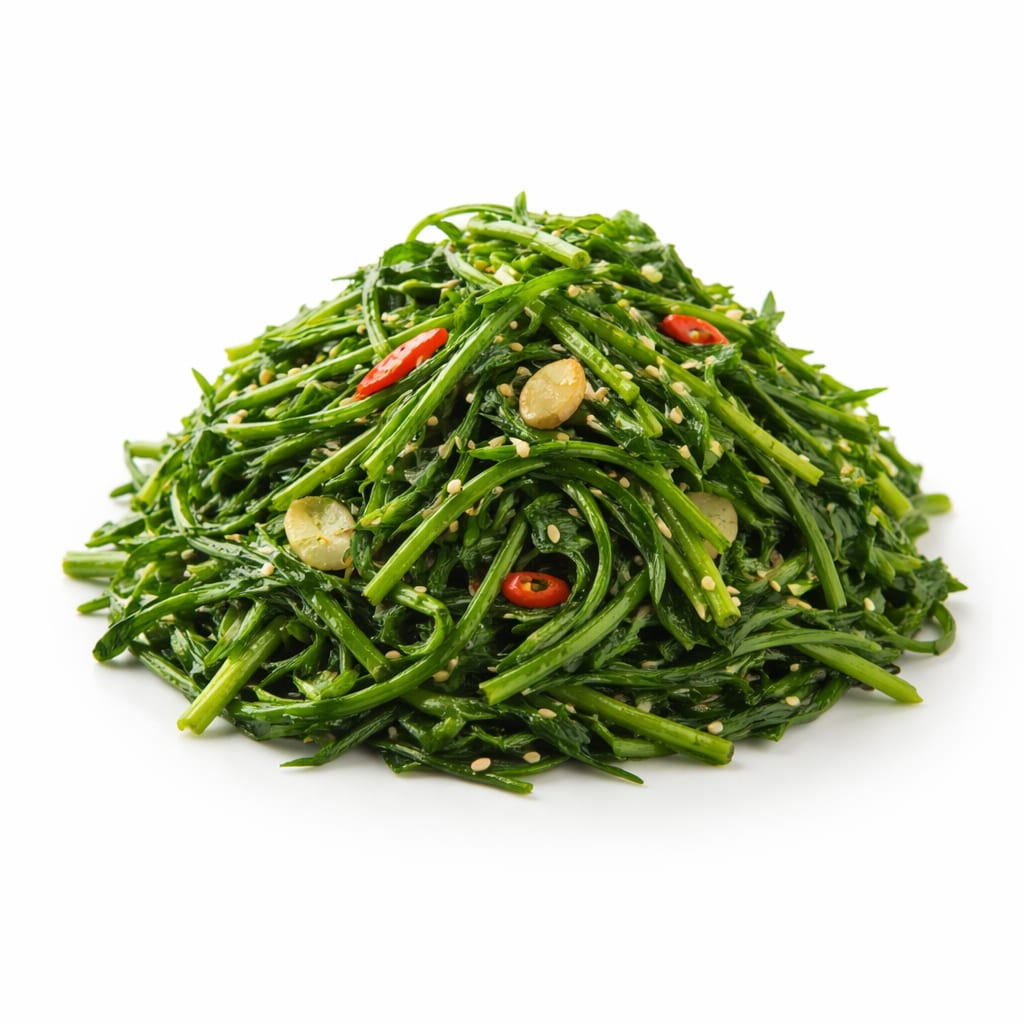
Leafy Green Vegetable
Indian Kalimeris
Indian Kalimeris is a low-calorie, edible Asian leafy green with a mild herbal flavor.
Indian Kalimeris (Kalimeris indica), also known as Indian aster, is an edible perennial herb commonly used in Asian cuisines. It features tender leaves and stems with a mildly bitter, herbal flavor, often stir-fried, blanched, or added to soups.
low-calorie foraged leafy green
Typical serving · 100g
Common varieties · Wild Kalimeris, Cultivated Kalimeris, Double-flowered Kalimeris
Overall context score across nutrition, safety, and diet fit
At a glance
Quick facts
Simple indicators based on nutrition, processing, and diet fit.
The story
What makes it unique
Indian Kalimeris is a low-energy, high-water leafy green characterized by slow digestion due to its fiber content, promoting moderate satiety. Its macronutrient profile is negligible, but it provides micronutrients and phenolic compounds. As a fresh vegetable, it is minimally processed.
Varieties: Wild Kalimeris · Cultivated Kalimeris · Double-flowered Kalimeris
Per 100g
Nutrition breakdown
Macro balance and key metrics at a glance.
Energy
Density 0.25 kcal/g
Protein
Carbs
Fat
Fiber
Sugar
0.5 g
Sodium
40 mg
Potassium
250 mg
Glycemic index
15
Glycemic load
1
Water content
90%
Standout compounds
Nutrient highlights
Vitamin A
moderateSupports vision and immune function
Vitamin C
moderatePromotes collagen synthesis and antioxidant defense
Flavonoids
highProvides anti-inflammatory and antioxidant effects
Dietary Fiber
moderateSupports digestion and gut microbiome health
Wellness map
Health scores & processing
NOVA processing scale
Minimally processed · Whole food
Fresh Indian Kalimeris is a whole, unprocessed plant food. Processing only occurs through washing and cooking at home.
Diet compatibility
- Weight loss
- Muscle gain
- Diabetes
- Gut health
- Low carb
- High protein
- Heart health
Relative standing
Food rankings
Qualitative ranks compared to similar whole foods.
- Satietygood
- Blood sugarexcellent
- Nutrient densitygood
- Fitness fuelpoor
- Processing qualityexcellent
Eat with confidence
Food safety profile
Generally safe when sourced from reputable suppliers or clean foraging environments. Leafy greens can retain pesticide residue or soil contaminants, requiring thorough washing.
Evidence confidence 75%
- Pesticidesmoderate
- Antibioticslow
- Heavy metalsmoderate
- Contaminationlow
Watch for
- Soil residue
- Pesticides
- Agricultural runoff
Safer choices
Organically grown Indian Kalimeris reduces pesticide exposure risk.
Prep tips
Rinse thoroughly under running water and soak if needed to remove soil and potential pesticide residue from the leaves and stems.
Standard leafy green agricultural regulations apply; foraged varieties depend on local soil quality.
Deep dive
Health analysis
How this food may fit different goals and preparation choices.
Weight loss
Very low energy density and calorie content allow for high-volume eating without exceeding daily limits.
Blood sugar
Negligible carbohydrate content and high fiber result in virtually no glycemic impact, making it safe for blood sugar management.
Fitness & energy
Not a significant source of macronutrients for fuel, but provides micronutrients that support overall metabolic function.
Gut health
Dietary fiber supports healthy digestion and feeds beneficial gut bacteria, though total fiber per serving is modest.
Processing quality
A whole, natural food with no artificial additives when purchased fresh.
Food safety
Primary concerns are pesticide residue and soil-borne contaminants, mitigated by proper washing and cooking.
Common mistakes
Overcooking can destroy heat-sensitive vitamins and turn the leaves mushy; quick blanching or stir-frying is preferable.
Best preparation
Quick stir-frying with garlic, blanching and dressing with sesame oil, or adding to soups at the end of cooking.
Practical guide
Best use cases
When and how this food fits real eating patterns.
Low-calorie side dish
Blanched and dressed with light sesame oil and soy sauce for a filling, low-calorie accompaniment.
Nutrient-dense soup addition
Added to broths and soups to increase volume and micronutrient content without adding calories.
Foraged whole food diet
Incorporated into a whole-food diet by foraging from clean, pesticide-free environments.
Balance sheet
Pros & cons
Upsides
- Very low in calories and carbohydrates
- Rich in antioxidants and flavonoids
- Supports healthy blood sugar levels
- High water content promotes hydration and fullness
- Versatile in Asian-style cooking
Trade-offs
- Not a significant source of protein or energy
- Can be bitter if not cooked properly
- Foraged varieties risk soil contamination if sourced from polluted areas
- Not widely available in standard Western supermarkets
Fit check
Who is it for?
Great match
- weight loss diets
- blood sugar management
- low-carb eating
- whole food plant-based diets
- foraging enthusiasts
Consider alternatives
- high-protein diets
- calorie-dense bulking
- those seeking fast workout energy
Side by side
How it compares
Open the full head-to-head analysis for nutrition, safety, and practical tradeoffs.
This food
Indian Kalimeris
VS95% alike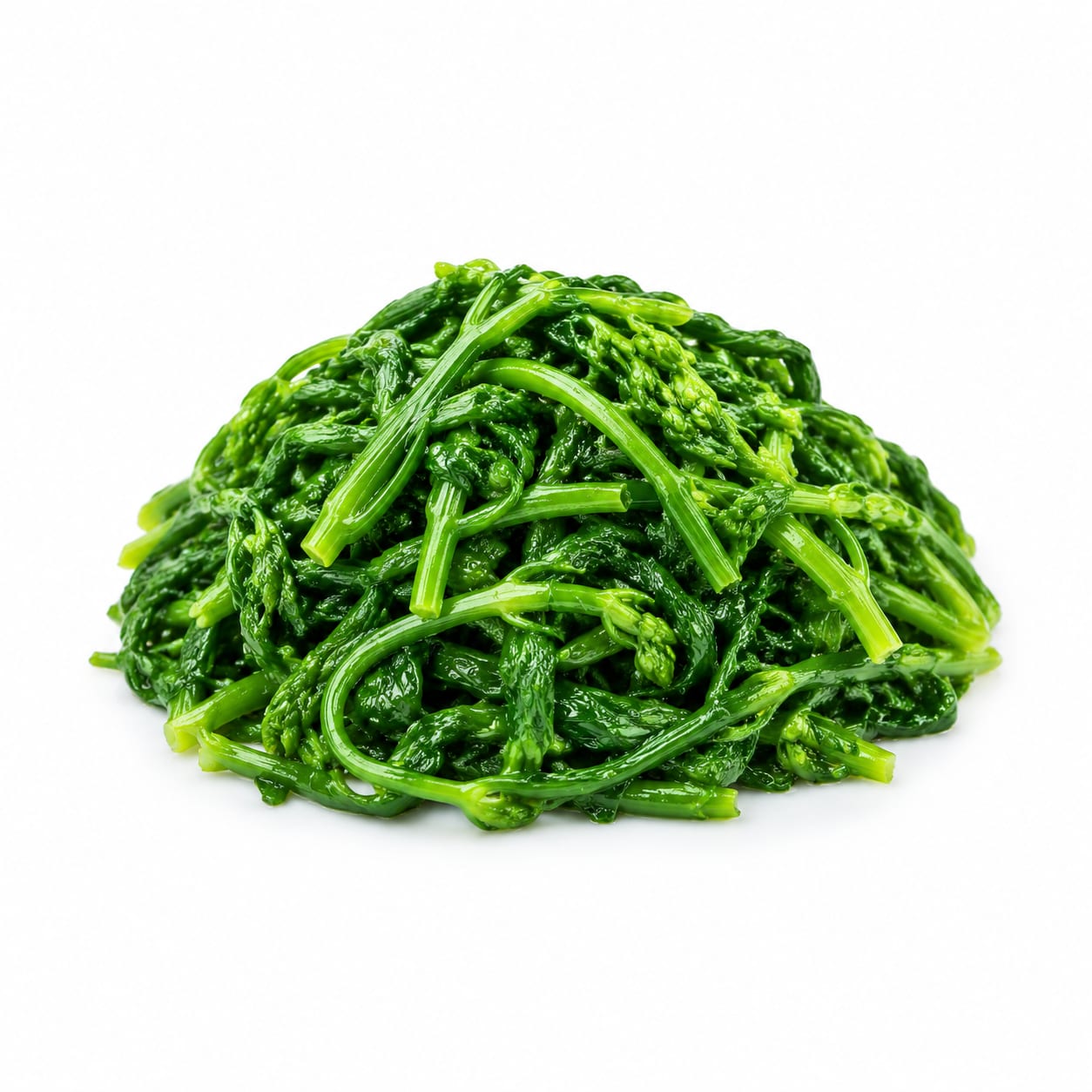
Compare with
Chrysanthemum greens
Both are mildly bitter Asian greens, but chrysanthemum greens are more widely commercially available.
Chrysanthemum greens and Indian Kalimeris are nutritionally similar low-calorie Asian greens, though chrysanthemum greens are easier to find in stores.
This food
Indian Kalimeris
VS85% alike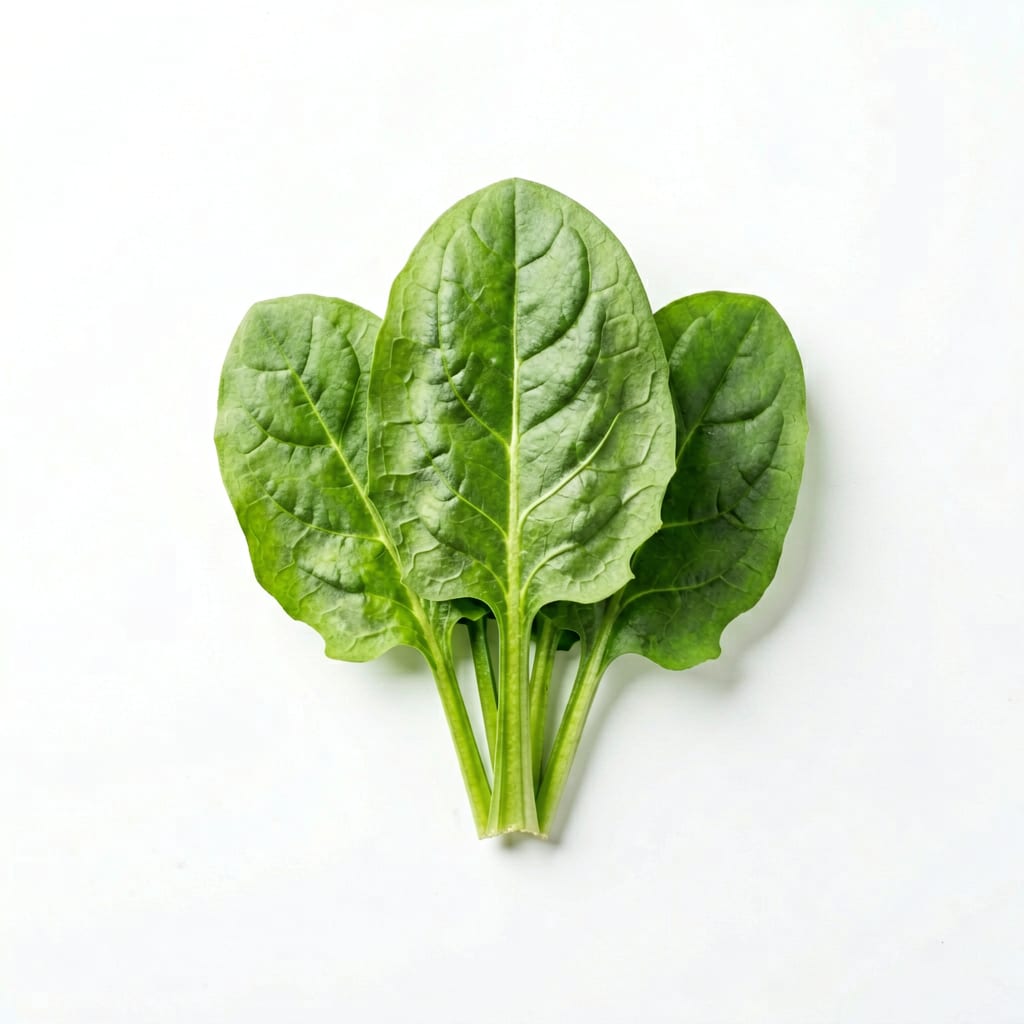
Compare with
Spinach
Spinach is milder and higher in iron, while Indian Kalimeris offers unique antioxidants and a firmer texture when cooked.
Spinach provides more iron and is better for raw salads, while Indian Kalimeris holds texture better when cooked and offers distinct antioxidants.
This food
Indian Kalimeris
VS80% alike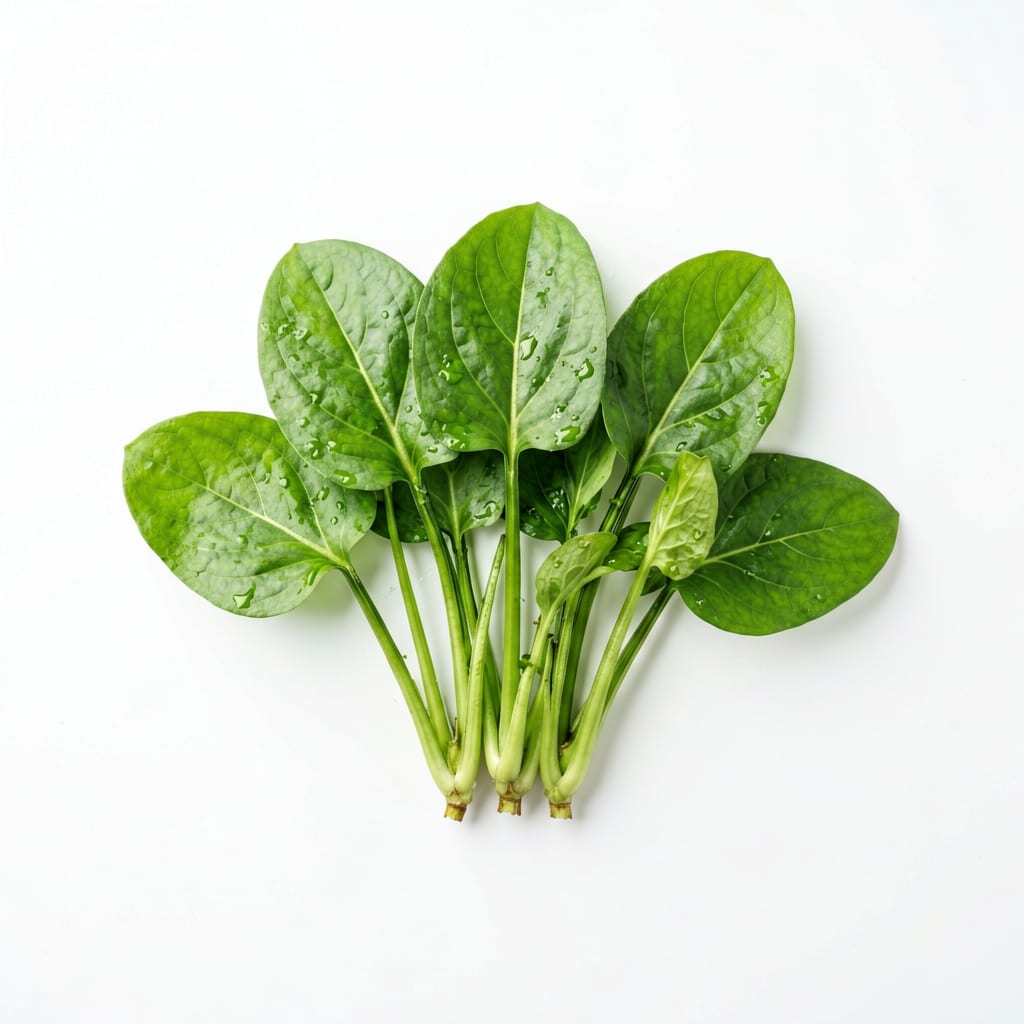
Compare with
Water spinach
Water spinach has thicker, hollow stems and milder leaves, whereas Indian Kalimeris is entirely tender with a slightly herbal taste.
Indian Kalimeris is slightly lower in calories than water spinach, but water spinach provides more volume per serving for stir-fries.
This food
Indian Kalimeris
VS75% alike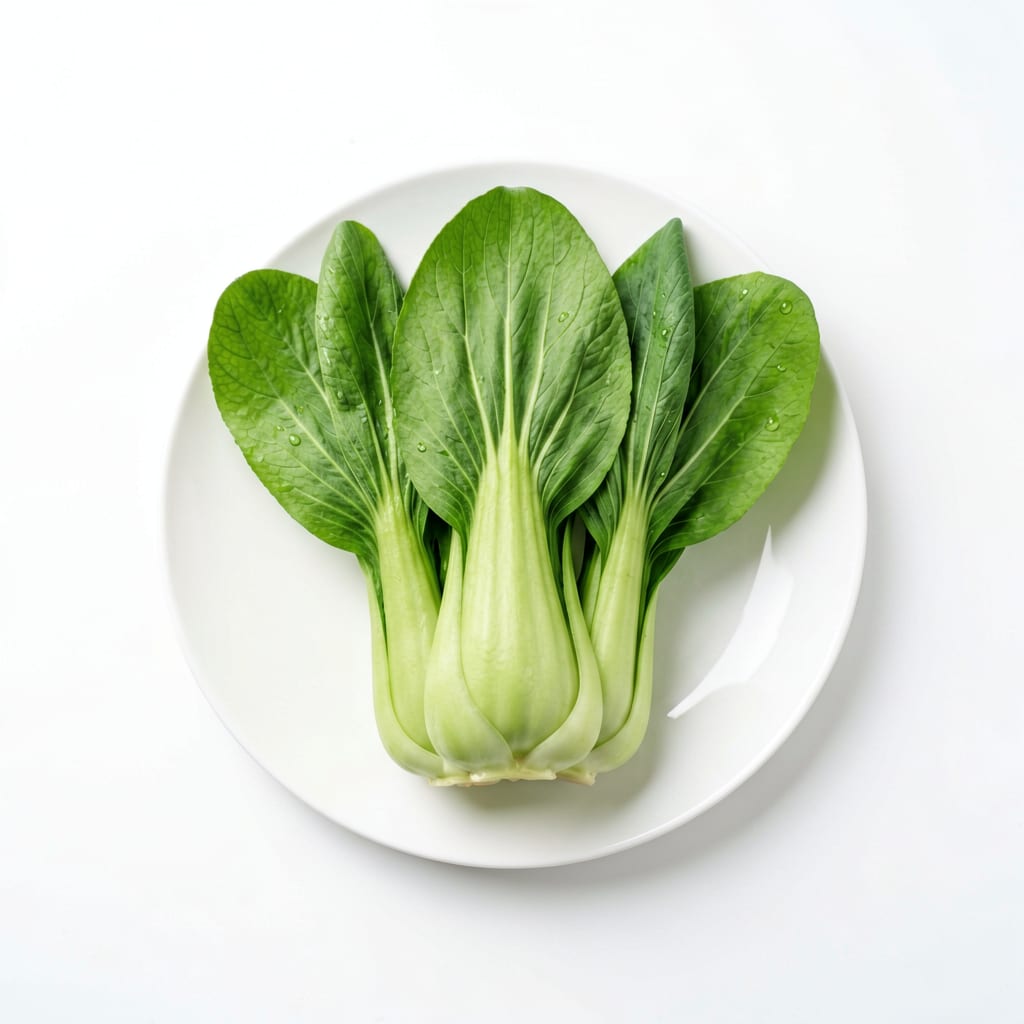
Compare with
Bok choy
Bok choy offers a crisp texture and higher Vitamin C, while Indian Kalimeris provides more phenolic antioxidants.
Bok choy is crunchier and higher in Vitamin C, while Indian Kalimeris is lower in calories and richer in specific antioxidants.
This food
Indian Kalimeris
VS70% alike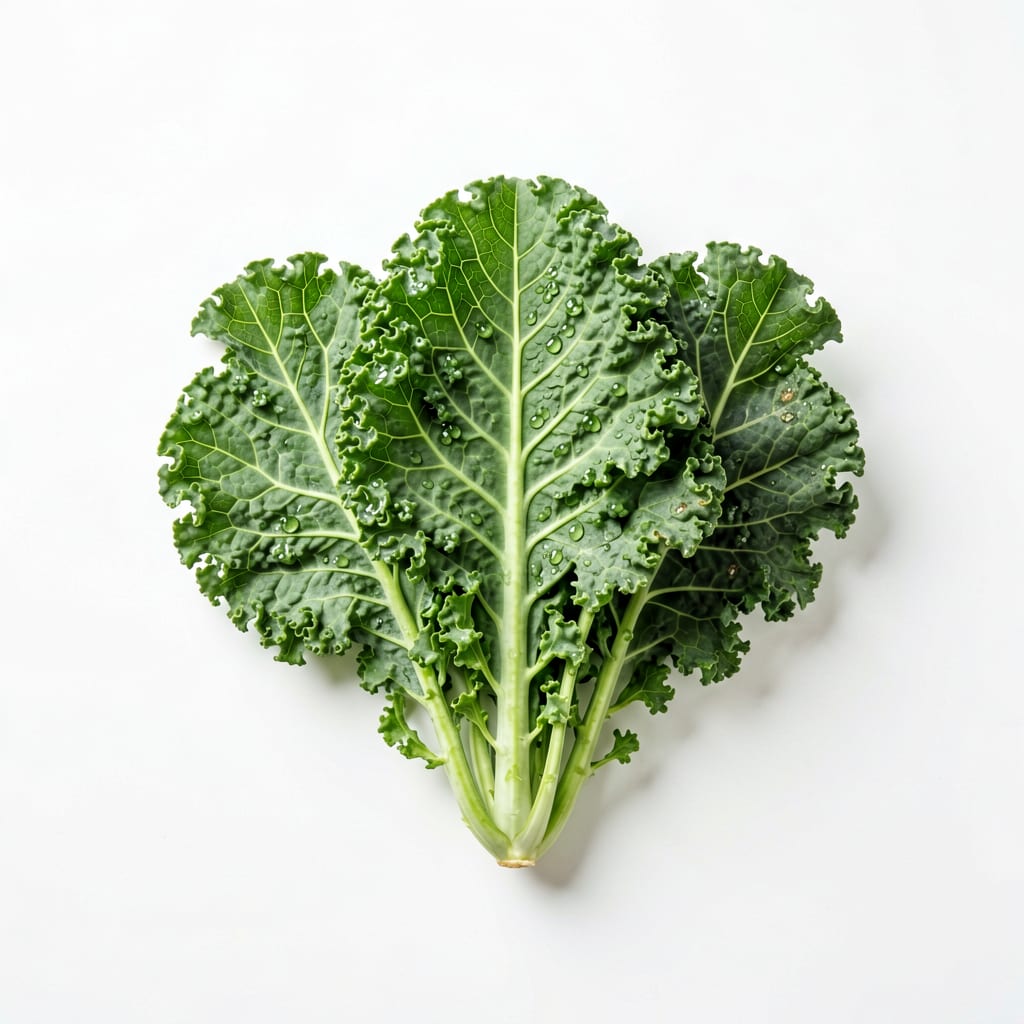
Compare with
Kale
Kale is significantly higher in vitamins K and C, while Indian Kalimeris is softer when cooked and less bitter.
Kale is a nutrient denser option with more vitamins, but Indian Kalimeris is lower in calories and more tender when cooked.
This food
Indian Kalimeris
VS65% alike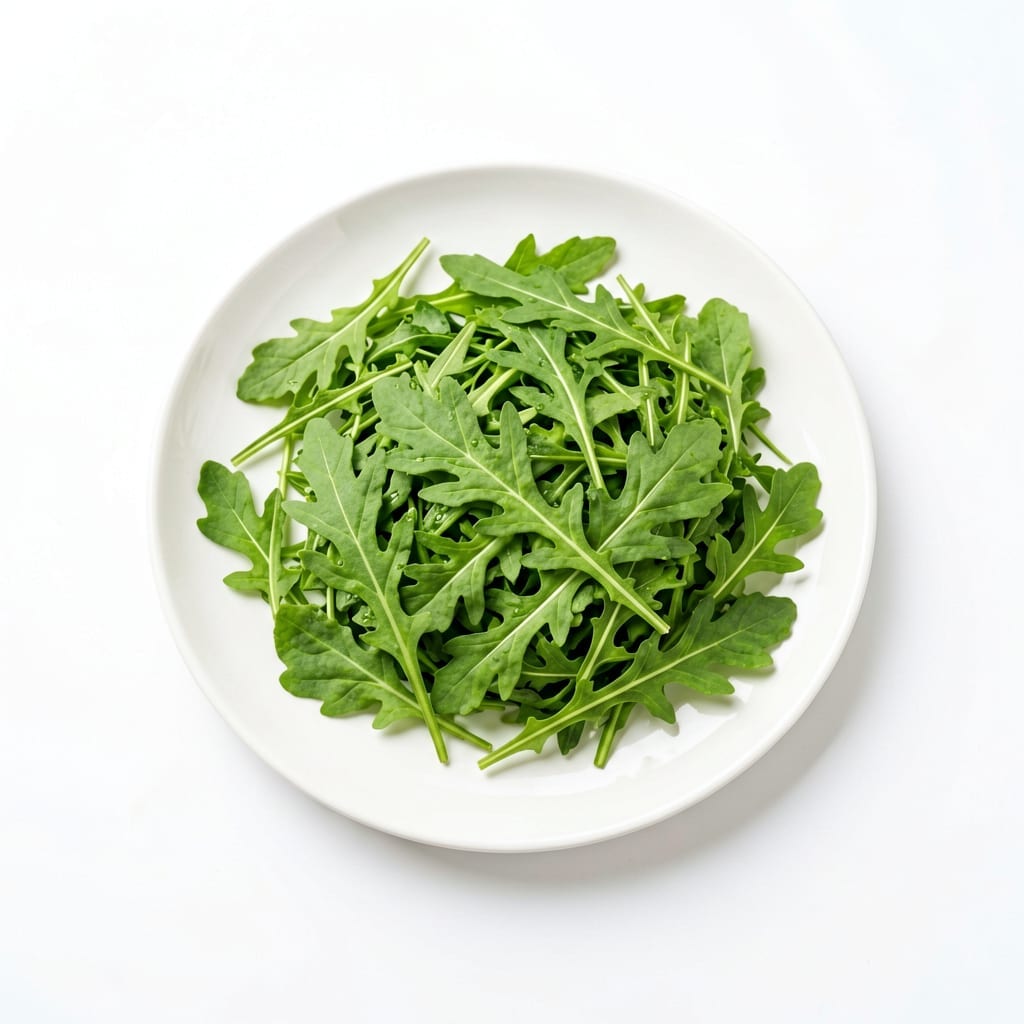
Compare with
Arugula
Arugula is primarily eaten raw, whereas Indian Kalimeris is usually cooked to mellow its herbal bitterness.
Arugula is better suited for raw salads with a peppery kick, while Indian Kalimeris is preferred cooked for a mild herbal flavor.
This food
Indian Kalimeris
VS65% alike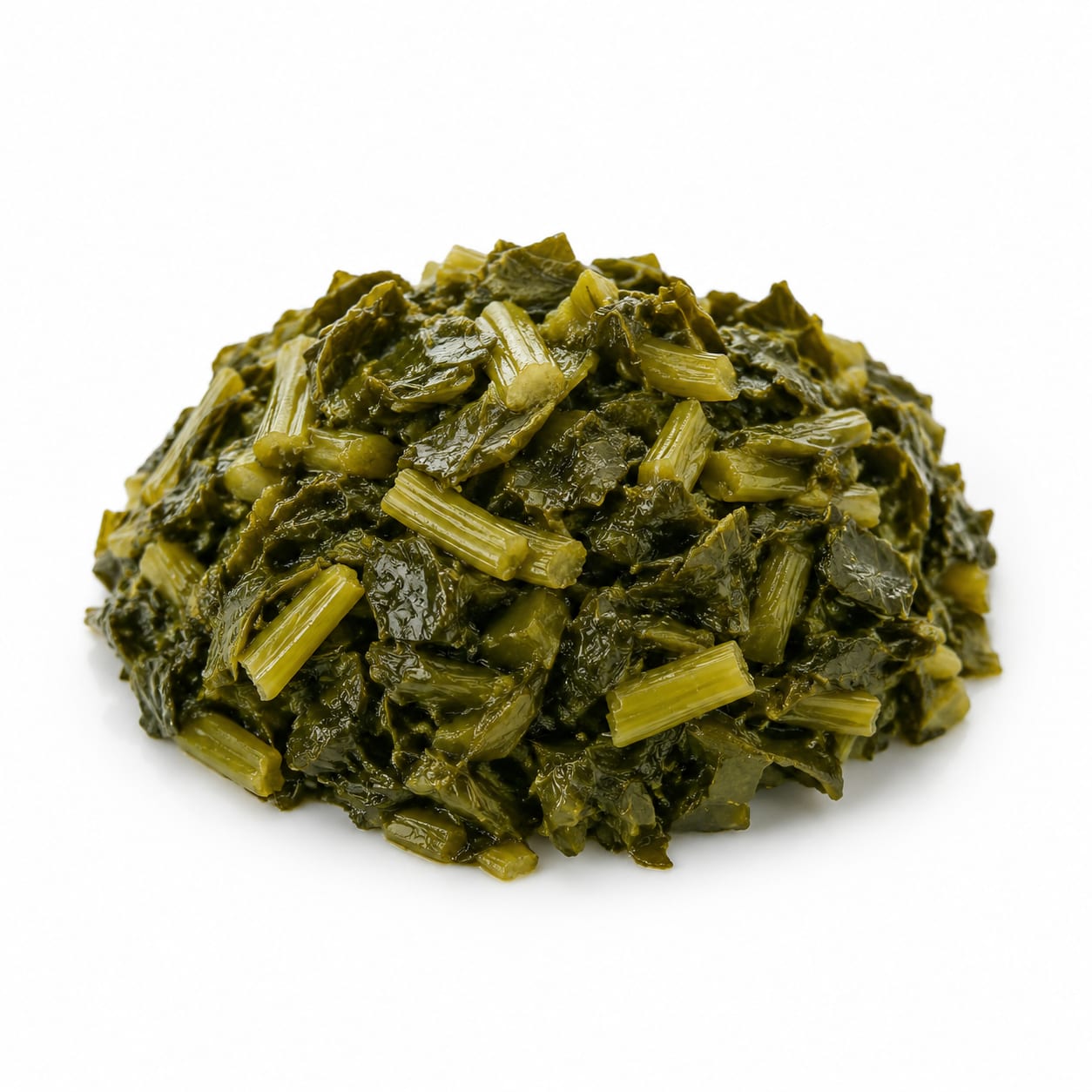
Compare with
Mustard greens
Mustard greens have a strong, spicy flavor and higher Vitamin K, while Indian Kalimeris is much milder and more delicate.
Mustard greens are spicier and higher in Vitamin K, whereas Indian Kalimeris is milder and lower in calories.
This food
Indian Kalimeris
VS60% alike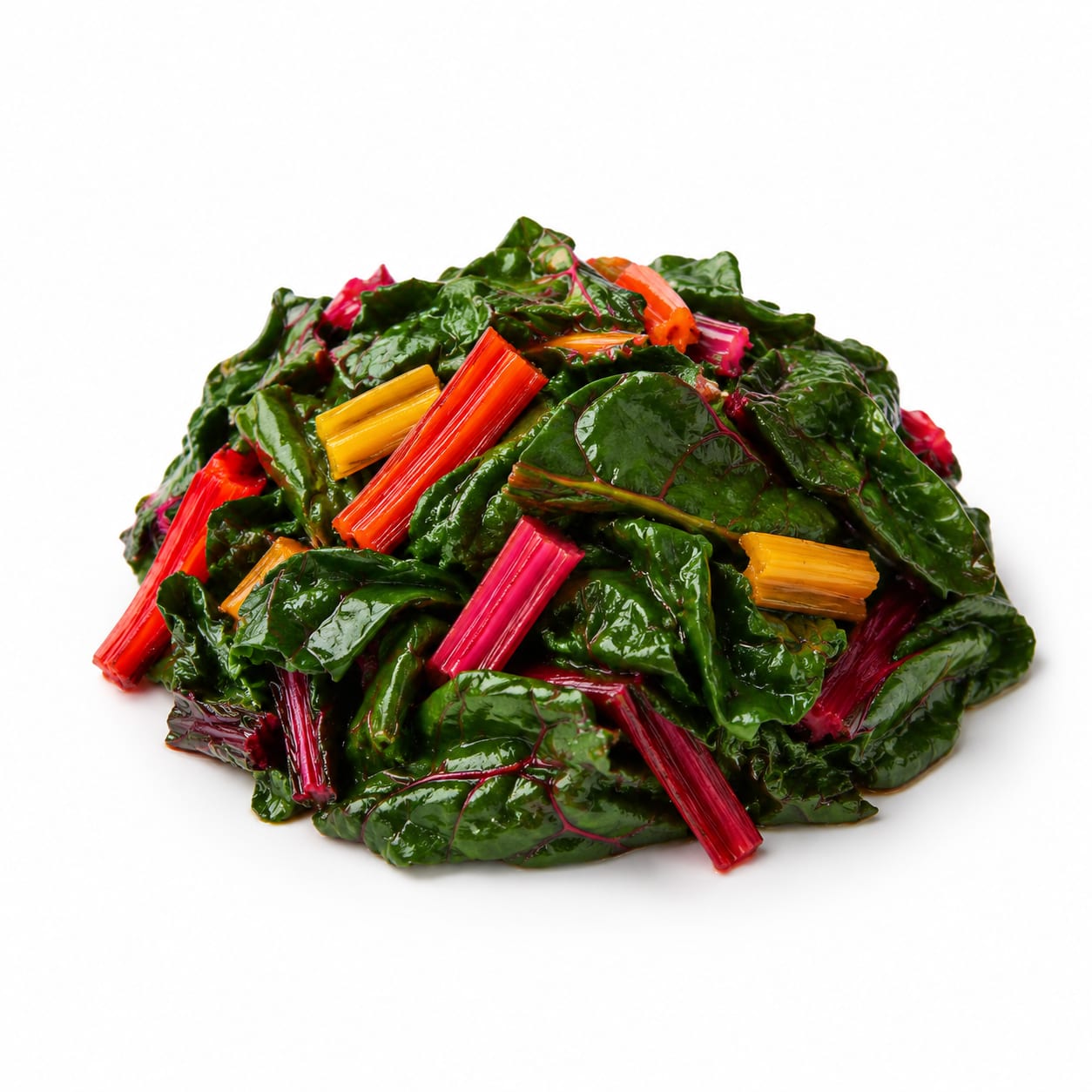
Compare with
Swiss chard
Swiss chard is higher in magnesium and potassium, but Indian Kalimeris is lower in oxalates which can inhibit mineral absorption.
Swiss chard offers more minerals like magnesium, but Indian Kalimeris is lower in calories and oxalates.
This food
Indian Kalimeris
VS70% alike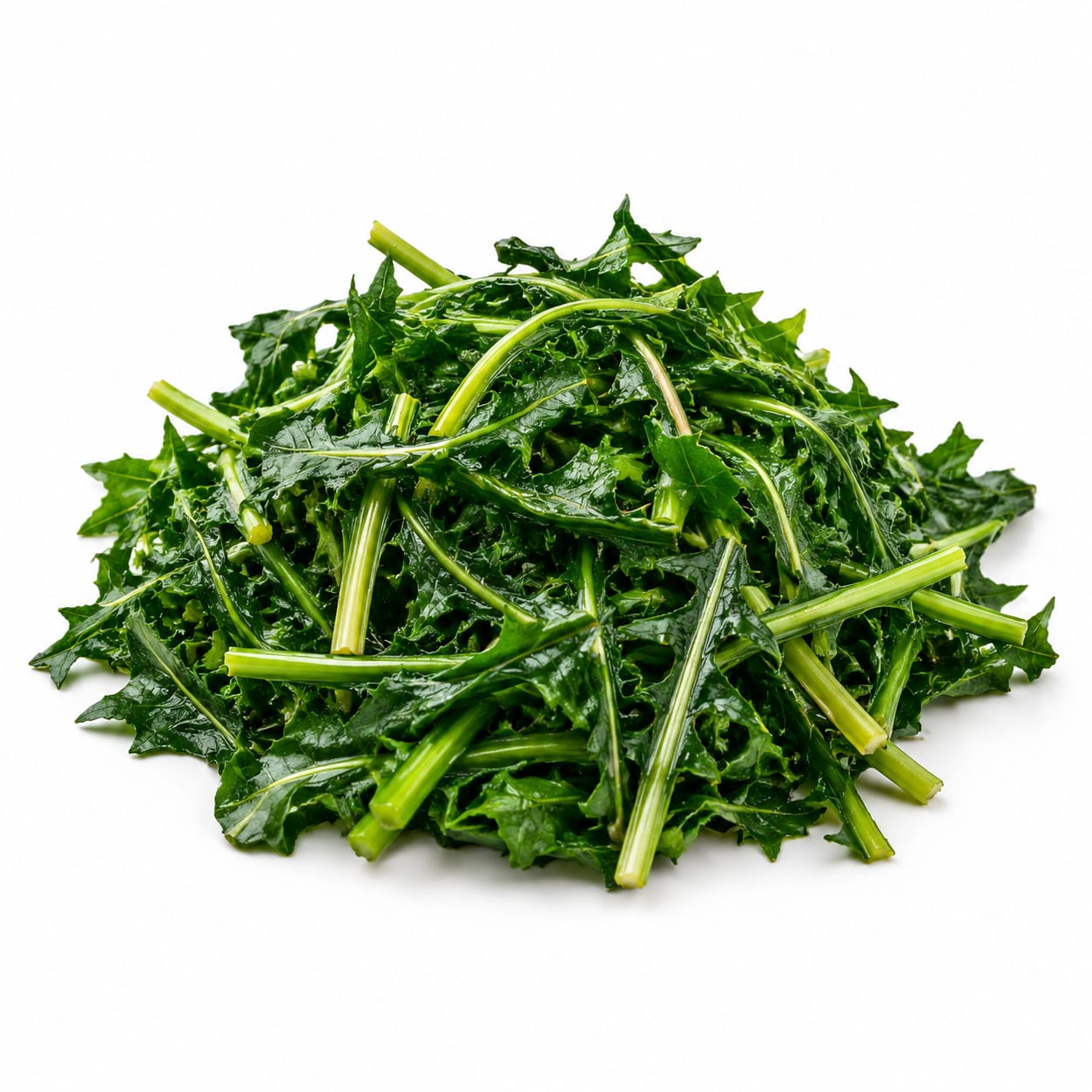
Compare with
Dandelion greens
Both are forageable bitter greens, but dandelion is higher in calcium and more intensely bitter.
Dandelion greens are more bitter and higher in calcium, while Indian Kalimeris offers a milder, more approachable flavor for cooking.
This food
Indian Kalimeris
VS50% alike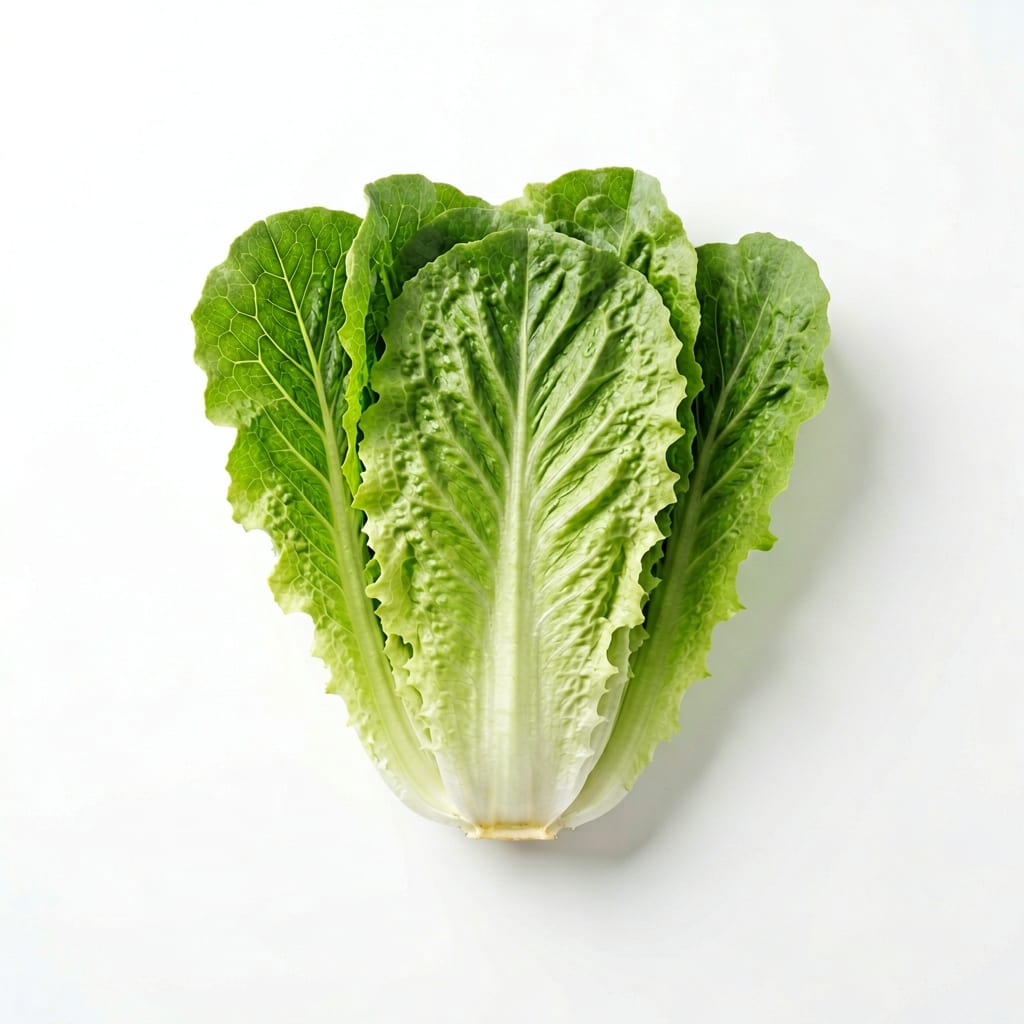
Compare with
Romaine lettuce
Romaine is crisp and water-rich for raw salads, while Indian Kalimeris is herbal and best suited for cooked applications.
Romaine is better for raw crunch in salads, while Indian Kalimeris is nutritionally denser and better suited for warm dishes.
Common questions
FAQ
Answers aligned with how people search for this food.
Is Indian Kalimeris edible?
Yes, the leaves and young stems of Indian Kalimeris are edible and commonly consumed as a vegetable in East and Southeast Asia.
What does Indian Kalimeris taste like?
It has a mildly bitter, herbal, and slightly sweet flavor, often compared to chrysanthemum greens or sweet greens.
How do you cook Indian Kalimeris?
It is best prepared by quick stir-frying with garlic, blanching, or adding to soups near the end of cooking to preserve texture and nutrients.
Is Indian Kalimeris good for weight loss?
Yes, it is very low in calories and carbohydrates while providing fiber, making it an excellent food for weight loss and volume eating.
Can diabetics eat Indian Kalimeris?
Yes, it has an extremely low glycemic index and load, meaning it will not spike blood sugar levels.
Can you eat Indian Kalimeris raw?
While it can be eaten raw in small amounts, it is usually cooked to reduce bitterness and eliminate potential soil-borne contaminants.
Is Indian Kalimeris a weed?
It is often considered a weed in lawns, but it is specifically foraged or cultivated as a culinary green in many Asian cultures.
What are the health benefits of Kalimeris indica?
It provides antioxidants, vitamins A and C, and fiber, supporting gut health, blood sugar control, and reducing inflammation.
Transparency
Data confidence
Estimated confidence for nutrition data, interpretation, safety notes, and comparisons.
Nutrition data
Health analysis
Food safety
Comparisons