
Nutrition comparison
Indian Kalimeris vs Arugula: Which Leafy Green Is Better for You?
Compare Indian Kalimeris and arugula side by side — nutrition, flavor, health benefits, and practical daily use. Find out which green fits your diet and lifestyle best.
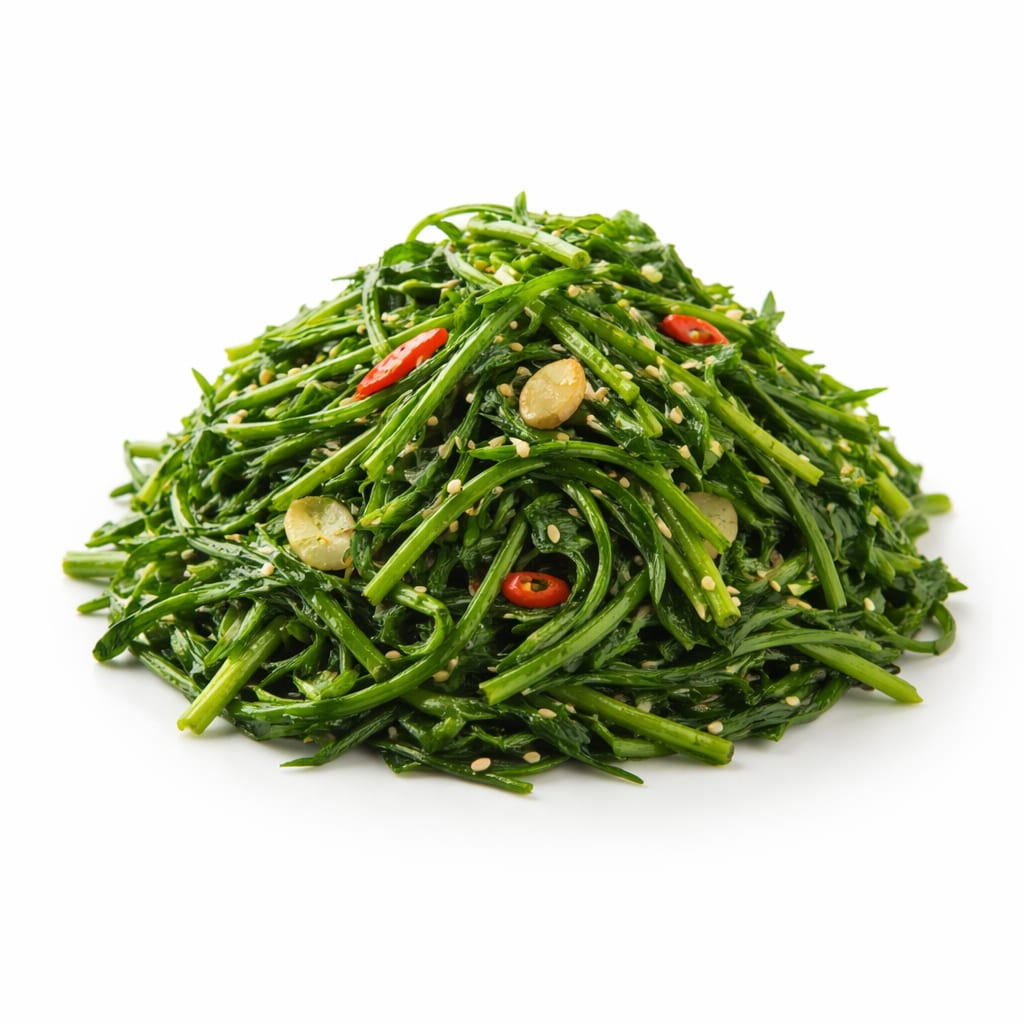
Indian Kalimeris
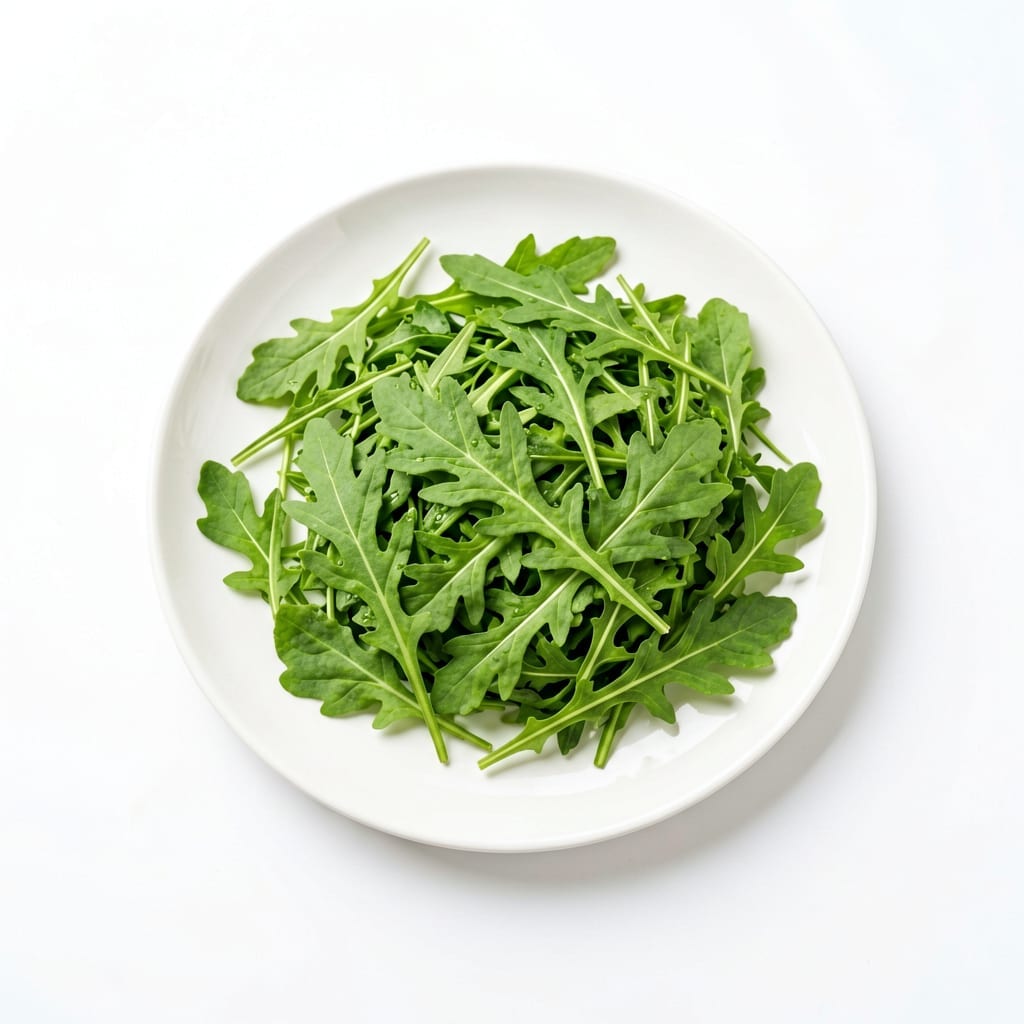
Arugula
Arugula wins on accessibility and researched nutrient density; Indian Kalimeris offers unique traditional benefits and a milder flavor profile that some palates prefer.
Arugula scores higher primarily due to superior accessibility, stronger research backing, and higher vitamin K content. Indian Kalimeris remains nutritionally valuable but loses points on availability and evidence gaps. The confidence score reflects limited published nutritional data for Indian Kalimeris.
Widely available, peppery arugula with strong research backing versus harder-to-find, sweeter Indian Kalimeris with rich traditional medicine heritage but less modern validation.
At a glance
Executive summary
Overall
It depends
Healthier
Arugula
More practical
Arugula
Daily use
Arugula
Key comparison lenses
leafy green nutritional density comparison
Both are nutrient-dense leafy greens but with distinctly different vitamin and mineral profiles that affect daily nutritional value
culinary versatility and flavor tradeoffs
Indian Kalimeris offers mild sweetness while arugula brings peppery bite — this shapes how each fits into meals
accessibility and practical daily use
Arugula is widely available globally; Indian Kalimeris requires specialty stores or foraging knowledge, impacting sustainability of daily use
antioxidant and anti-inflammatory potential
Both greens contain unique phytochemicals but through different mechanisms — arugula's glucosinolates vs Indian Kalimeris's flavonoids
traditional medicinal value vs modern research backing
Indian Kalimeris has deep Ayurvedic roots while arugula has more published nutritional studies, creating an evidence gap
Best choice for
Indian Kalimeris
- People following Ayurvedic or traditional Indian dietary practices
- Those who find bitter greens unpleasant and prefer milder flavors
- Home cooks exploring regional Asian cuisine authenticity
- Anyone seeking traditional anti-inflammatory remedies with historical use
Arugula
- Salad lovers wanting a flavorful, peppery base green
- People who want well-researched nitrate benefits for blood pressure
- Anyone shopping at regular grocery stores without specialty access
- Mediterranean diet followers seeking authentic ingredients
Least suitable for
Indian Kalimeris
- People without access to Asian specialty markets
- Anyone wanting quick, convenient grocery runs
- Those who prioritize extensively researched nutritional data
- Busy households needing reliable year-round availability
Arugula
- People sensitive to bitter or peppery flavors
- Those seeking a mild cooking green for stews and stir-fries
- Anyone with mustard family allergies or sensitivities
- Traditional Indian recipe purists needing authentic flavor
Deep comparison
Dimension by dimension
Each lens scores both foods and breaks down who each option suits.
- Dimension 1 · Priority 93Arugula
nutrient density
Indian Kalimeris · 68Arugula · 84Arugula packs more vitamin K, folate, and dietary nitrates per serving. Indian Kalimeris provides decent vitamin A and vitamin C but with less documented mineral content.
Tradeoff
Arugula delivers more measurable micronutrients on paper, while Indian Kalimeris may contain beneficial compounds not yet fully catalogued by modern science.
Why it matters
Vitamin K supports bone health and blood clotting; folate is critical for cell repair; nitrates improve blood flow. These give arugula a concrete daily nutritional edge.
Real-world impact
Regular arugula consumption gives you reliably trackable nutrient intake. Indian Kalimeris likely helps too, but you cannot as easily verify what you are getting.
Indian Kalimeris
- Vitamin A intake from beta-carotene
- Traditional therapeutic applications
- Gentle introduction to eating more greens
Better for
- Lack of comprehensive USDA-style nutrient data
- Uncertain mineral content per serving
- Harder to track actual nutritional intake
Worse for
Arugula
- Vitamin K for bone and blood health
- Folate for cellular repair
- Dietary nitrates for cardiovascular support
- Calcium and iron bioavailability
Better for
- Vitamin K can interfere with blood-thinning medications
- Lower vitamin A compared to some other greens
Worse for
- Dimension 2 · Priority 87It depends
flavor and culinary versatility
Indian Kalimeris · 78Arugula · 80Indian Kalimeris is mild and slightly sweet, making it a gentle cooking green. Arugula's peppery punch works brilliantly raw but can overpower delicate dishes.
Tradeoff
Mildness makes Indian Kalimeris more versatile for cooking into stews and stir-fries, while arugula's bold flavor shines in salads and as a finishing garnish but limits its use in some cooked dishes.
Why it matters
If a green tastes too strong, you eat less of it. If it is too bland, you might not enjoy it. The right flavor fit determines whether you actually sustain the habit.
Real-world impact
Arugula makes salads exciting with zero dressing effort. Indian Kalimeris disappears beautifully into soups and curries, adding nutrition without fighting other flavors.
Indian Kalimeris
- Blending into complex dishes without dominating
- Kid-friendly preparation due to mild taste
- Traditional Indian and Asian recipes requiring subtle greens
- Long-cooked dishes where peppery greens would turn bitter
Better for
- Boring as a standalone salad green
- Less recognizable flavor contribution in dishes
- Harder to build a meal around as a featured ingredient
Worse for
Arugula
- Raw salads as a flavorful base
- Pizza and sandwich toppings
- Pesto alternatives to basil
- Quick garnish that adds instant flavor
Better for
- Overpowers mild ingredients easily
- Bitterness intensifies with cooking
- Not ideal for delicate flavor profiles
- Some people find it too aggressive raw
Worse for
- Dimension 3 · Priority 90Arugula
accessibility and convenience
Indian Kalimeris · 35Arugula · 92Arugula is available at virtually every grocery store. Indian Kalimeris requires specialty Asian markets, foraging knowledge, or home gardening.
Tradeoff
You can grab arugula anywhere, anytime. Indian Kalimeris demands effort to source, which makes consistent daily use unrealistic for most people.
Why it matters
The healthiest green is the one you actually eat regularly. If sourcing is a barrier, nutritional benefits become theoretical rather than practical.
Real-world impact
Arugula is a grab-and-go grocery staple. Indian Kalimeris is a treasure hunt — rewarding when you find it, but not something you can count on for Tuesday dinner.
Indian Kalimeris
- Growing at home in suitable climates is straightforward
- Free or very cheap if foraged knowledgeably
- Unique offering for specialty food businesses
Better for
- Absent from most Western grocery stores
- Requires specialty market access or foraging skill
- Seasonal availability adds another barrier
- No standardized packaging or food safety oversight
Worse for
Arugula
- Available at every major supermarket
- Year-round reliable supply chain
- Pre-washed and ready-to-eat options abound
- Multiple brands and price points to choose from
Better for
- Can be expensive out of season
- Pre-washed bags have shorter shelf life
- Conventionally grown may have pesticide residues
Worse for
- Dimension 4 · Priority 82It depends
antioxidant and anti-inflammatory profile
Indian Kalimeris · 75Arugula · 79Arugula's glucosinolates break down into cancer-fighting compounds. Indian Kalimeris contains flavonoids and phenolic acids with traditional anti-inflammatory credibility.
Tradeoff
Arugula has more published evidence for its anti-cancer compounds. Indian Kalimeris has centuries of traditional use for inflammation but less lab validation.
Why it matters
Chronic inflammation drives most modern disease. Both greens fight it through different pathways, meaning they could complement each other beautifully.
Real-world impact
Eating arugula regularly gives you a well-studied cancer-fighting edge. Indian Kalimeris may offer similar protection through traditional pathways, but you are trusting ancestral wisdom over clinical trials.
Indian Kalimeris
- Flavonoid compounds with traditional anti-inflammatory evidence
- Historical use in Ayurvedic medicine for swelling and irritation
- Potential unique antioxidants not yet fully catalogued
Better for
- Limited peer-reviewed studies on specific antioxidant levels
- Cannot quantify actual anti-inflammatory impact precisely
- Traditional evidence does not equal clinical proof
Worse for
Arugula
- Glucosinolates convert to sulforaphane-like compounds
- More published research on chemopreventive properties
- Dietary nitrates reduce systemic inflammation markers
- Vitamin C and beta-carotene work synergistically
Better for
- Glucosinolate content varies significantly with growing conditions
- Cooking reduces some beneficial compounds substantially
Worse for
- Dimension 5 · Priority 76Indian Kalimeris
digestive tolerance
Indian Kalimeris · 82Arugula · 70Indian Kalimeris is gentler on the stomach with its mild composition. Arugula's peppery compounds and fiber can irritate sensitive digestive systems.
Tradeoff
If you have a delicate stomach, Indian Kalimeris is the safer bet. Arugula's bold compounds that make it nutritious also make it riskier for IBS or acid sensitivity.
Why it matters
A nutrient-dense green that causes bloating or discomfort gets abandoned quickly. Tolerance determines long-term adherence.
Real-world impact
Indian Kalimeris sits lightly in the stomach, even in larger quantities. Arugula can cause heartburn or gas in sensitive people, especially eaten raw in big salads.
Indian Kalimeris
- Gentle on sensitive stomachs
- Less likely to trigger heartburn or reflux
- Traditional use as a digestive-soothing green
- Better tolerated in larger cooked portions
Better for
- Lower fiber means less prebiotic benefit
- May not stimulate digestion as effectively
Worse for
Arugula
- Fiber supports healthy gut microbiome
- Bitter compounds stimulate digestive enzyme production
- Small amounts aid digestion before meals
Better for
- Raw arugula can aggravate IBS symptoms
- Peppery oils may trigger heartburn
- Excessive consumption causes bloating in sensitive individuals
- Mustard family sensitivities are not uncommon
Worse for
Timeline
Health impact over time
Short-term
Hours to days
Indian Kalimeris
- Mild, easy digestion with minimal gastrointestinal discomfort
- Gentle hydration from high water content
- Subtle energy support without blood sugar spikes
- Unlikely to cause any adverse reactions in normal amounts
Arugula
- Quick nitrate boost may improve alertness and blood flow within hours
- Bitter compounds stimulate bile production and digestive readiness
- Possible mild heartburn in sensitive individuals after raw consumption
- Immediate refreshing sensation when eaten as a salad base
Long-term
Months to years
Indian Kalimeris
- Consistent anti-inflammatory support through flavonoid intake
- Traditional evidence suggests benefits for skin and respiratory health
- Sustainable daily green habit due to excellent tolerance
- Potential benefits remain less validated by modern clinical trials
Arugula
- Cardiovascular protection through regular dietary nitrate consumption
- Reduced cancer risk from glucosinolate-derived compounds
- Stronger bones from consistent vitamin K intake
- Possible thyroid interference if consumed in extreme excess raw
Risk profile
Safety & processing
Both greens are whole, unprocessed foods in their natural state. Indian Kalimeris is typically sold fresh or foraged with no additives. Arugula is equally natural, though pre-washed bagged versions may have chlorine wash residues. Neither raises meaningful processing concerns.
Indian Kalimeris
foraging misidentification
mediumWild-harvested Indian Kalimeris could be confused with less edible lookalikes if forager expertise is limited
contamination from unregulated sources
mediumSpecialty market supply chains may lack the standardized food safety oversight of mainstream grocery distribution
pesticide residue from unknown farming practices
lowWhen sourced from small or unverified farms, pesticide practices may be undocumented, though traditional cultivation often uses fewer chemicals
Arugula
pesticide residue on conventional arugula
mediumArugula frequently appears on EWG's Dirty Dozen list for pesticide residues; organic options significantly reduce this concern
bacterial contamination in pre-washed bags
lowRecalls of bagged leafy greens happen periodically; washing even pre-washed arugula adds a safety margin
thyroid disruption from excessive raw consumption
lowGoitrogenic compounds in raw arugula can interfere with thyroid function, but only at unrealistically high intake levels
Who wins for whom
Audience fit
Same foods, different winners depending on your goal.
children
Indian KalimerisIndian Kalimeris has a milder, sweeter taste that children accept more readily than arugula's peppery bite, making it easier to incorporate into family meals
daily consumption
ArugulaArugula's reliable availability, versatile culinary uses, and well-documented nutrient profile make it a more sustainable daily habit for most people
diabetes
ArugulaArugula's negligible calories, low glycemic impact, and nitrate-driven vascular benefits support blood sugar management and reduce diabetic cardiovascular risk
elderly
ArugulaArugula's superior vitamin K content supports bone density and cardiovascular health, both critical concerns for aging adults, and its digestive stimulation aids declining enzyme production
muscle gain
ArugulaArugula's dietary nitrates improve blood flow and exercise performance, and its higher vitamin K supports bone health under training stress
weight loss
ArugulaArugula's bold flavor makes large low-calorie salads satisfying without heavy dressings, while its fiber content promotes fullness more effectively
Your move
Decision guide
Choose Indian Kalimeris
- You have access to Asian specialty markets or grow your own greens
- Mild flavor is important for your palate or your family's preferences
- You cook a lot of Indian, Southeast Asian, or traditional herbal recipes
- You have a sensitive stomach and find arugula too aggressive
- You value traditional medicinal food wisdom and want to explore it
Choose Arugula
- You want a nutrient-dense salad green available at any grocery store
- Peppery flavor excites you and makes eating greens enjoyable
- Cardiovascular health and blood pressure management are priorities
- You follow a Mediterranean diet or enjoy Italian-inspired cooking
- You want well-researched nutritional data to guide your food choices
Either works if
- You simply want more leafy greens in your diet and both are available
- You rotate greens regularly to diversify your nutrient intake
- Cost is not a concern and you enjoy experimenting with flavors
- You are generally healthy without specific digestive sensitivities
Avoid both if
- You take blood-thinning medications and cannot manage consistent vitamin K intake from arugula
- You have severe mustard family allergies that may cross-react with arugula
- You cannot reliably source either green and would let them spoil unused
- Your doctor has specifically advised against leafy greens due to a health condition
Final recommendation
Make arugula your everyday green for its accessibility, proven nutrient density, and culinary excitement. When you encounter Indian Kalimeris at a specialty market or restaurant, embrace it as a gentle, soothing alternative — especially on days when your stomach wants something milder. The ideal approach is rotating both, letting arugula handle your salads and Indian Kalimeris comfort your cooked dishes.
Practical
Consumer tips
- 1
Buy organic arugula when possible — it consistently ranks high for pesticide residue on conventional produce
- 2
If you find Indian Kalimeris, buy extra and blanch-freeze it; availability is unpredictable
- 3
Mix arugula with milder greens like butter lettuce if the peppery flavor is too intense on its own
- 4
Add Indian Kalimeris to dal or soup at the last minute to preserve its delicate flavor and nutrients
- 5
Grow Indian Kalimeris from seed in warm climates — it is surprisingly easy and gives you reliable access
- 6
Massage raw arugula with olive oil for 30 seconds to soften its bite and improve digestibility
- 7
Pair arugula with lemon juice; the vitamin C enhances iron absorption from both greens
- 8
If on blood thinners, keep your arugula intake consistent day-to-day rather than avoiding it entirely