
Nutrition comparison
Indian Kalimeris vs Chrysanthemum Greens: Which Medicinal Leafy Green Is Better for You?
Compare Indian Kalimeris and Chrysanthemum greens on nutrients, anti-inflammatory benefits, digestion, and daily eatability. Find out which Asian leafy green fits your health goals best.
Overall winner · Chrysanthemum greens
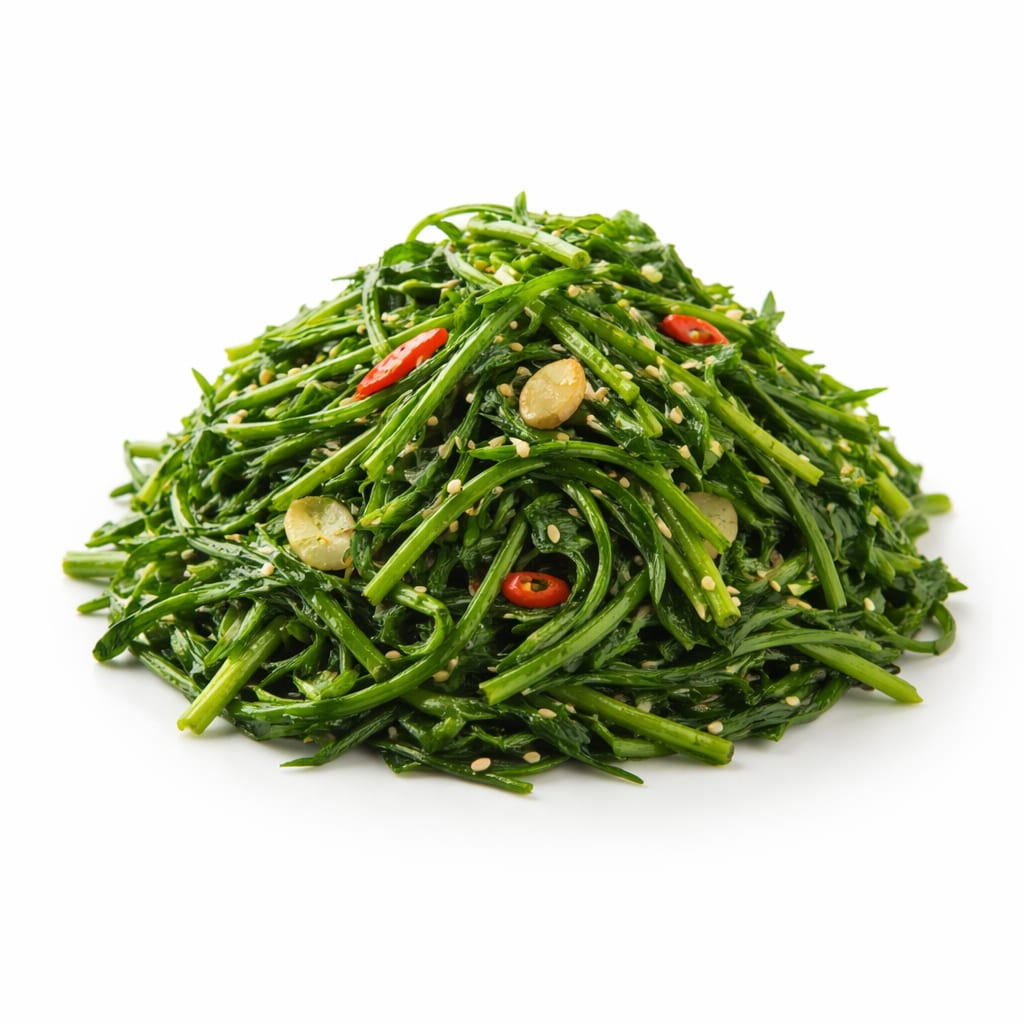
Indian Kalimeris
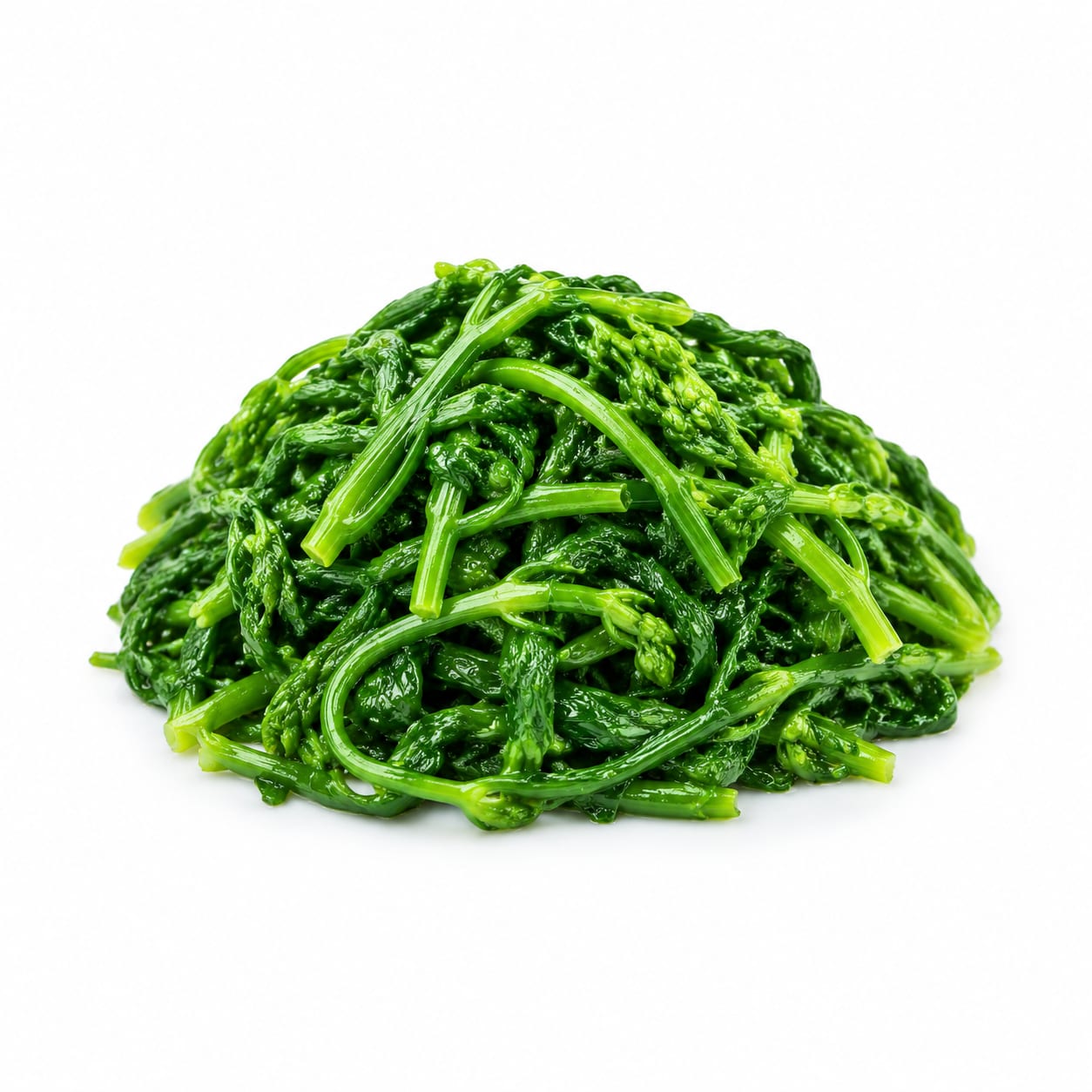
Chrysanthemum greens
Chrysanthemum greens edge ahead with higher vitamin K, more diverse antioxidants, and stronger anti-inflammatory compounds, but Indian Kalimeris wins on gentleness and everyday eatability.
Chrysanthemum greens score higher due to superior vitamin K content, richer flavonoid profile, and stronger documented anti-inflammatory effects. Indian Kalimeris remains competitive through milder flavor, better daily eatability, and broader culinary adaptability. The gap is moderate because both are nutrient-dense greens with overlapping benefits.
Chrysanthemum greens deliver more potent medicinal benefits and nutrients per bite, while Indian Kalimeris offers a milder, more approachable green that is easier to eat regularly without palate fatigue.
At a glance
Executive summary
Overall
Chrysanthemum greens
Healthier
Chrysanthemum greens
More practical
Indian Kalimeris
Daily use
Indian Kalimeris
Key comparison lenses
Nutrient density comparison between Asian leafy greens
Both are traditional medicinal greens valued for vitamins and minerals, so micronutrient content is the primary decision driver
Digestive tolerance and bitterness sensitivity
Chrysanthemum greens have a stronger bitter profile that some find harsh, while Indian Kalimeris is milder and easier on the stomach
Traditional medicinal and anti-inflammatory value
Both greens carry deep roots in Ayurvedic and East Asian medicine respectively, making therapeutic properties a key differentiator
Antioxidant and phytonutrient diversity
Chrysanthemum greens are notably rich in unique flavonoids and carotenoids that Indian Kalimeris provides in smaller amounts
Culinary versatility and accessibility
Availability differs significantly by region, and cooking methods affect nutrient retention differently for each green
Best choice for
Indian Kalimeris
- People sensitive to bitter flavors
- Daily gentle detox and mild liver support
- Households wanting an easy introduction to medicinal greens
- Those with delicate digestion or IBS tendencies
- Anyone seeking a versatile cooking green that disappears into dishes
Chrysanthemum greens
- People targeting strong anti-inflammatory benefits
- Bone health support through high vitamin K intake
- Hot pot and soup enthusiasts wanting authentic flavor
- Those seeking maximum antioxidant diversity per serving
- Traditional East Asian medicine practitioners
Least suitable for
Indian Kalimeris
- People wanting maximum therapeutic potency from their greens
- Those seeking high vitamin K for bone density support
- Anyone looking for bold, distinctive flavor in dishes
Chrysanthemum greens
- Children or adults averse to bitter tastes
- People on blood-thinning medications due to high vitamin K
- Those with sensitive stomachs who find bitter greens irritating
- Cooks wanting a neutral green that blends into any dish
Deep comparison
Dimension by dimension
Each lens scores both foods and breaks down who each option suits.
- Dimension 1 · Priority 93Chrysanthemum greens
Micronutrient Density
Indian Kalimeris · 68Chrysanthemum greens · 85Chrysanthemum greens pack significantly more vitamin K, folate, and beta-carotene per serving than Indian Kalimeris.
Tradeoff
The higher nutrient concentration in Chrysanthemum greens comes with a stronger flavor that limits portion sizes for some eaters, potentially reducing actual intake.
Why it matters
Vitamin K is critical for bone health and blood clotting, and many people under-consume it. Chrysanthemum greens are one of the richest leafy green sources available.
Real-world impact
A single serving of Chrysanthemum greens can provide over 100% of daily vitamin K needs, while Indian Kalimeris covers roughly 40-60%.
Indian Kalimeris
- Gradual nutrient intake without overwhelming single servings
- Balanced profile that avoids extreme vitamin K levels for those monitoring intake
Better for
- Lower overall vitamin and mineral concentration per serving
- Less efficient nutrient delivery if portion sizes are small
Worse for
Chrysanthemum greens
- Maximum vitamin K for bone density support
- Higher folate intake per calorie consumed
- Superior beta-carotene delivery for eye health
Better for
- Vitamin K levels require caution for those on anticoagulant medications
- High concentration may be excessive if consumed alongside other vitamin K-rich foods
Worse for
- Dimension 2 · Priority 88Chrysanthemum greens
Antioxidant and Phytonutrient Diversity
Indian Kalimeris · 65Chrysanthemum greens · 82Chrysanthemum greens contain unique flavonoids like luteolin and apigenin alongside potent carotenoids, offering broader antioxidant coverage than Indian Kalimeris.
Tradeoff
Indian Kalimeris still provides solid antioxidant support through chlorophyll and phenolic compounds, just with less variety and lower concentrations of the most studied anti-inflammatory flavonoids.
Why it matters
Diverse antioxidant intake correlates with reduced chronic disease risk more strongly than high doses of single antioxidants.
Real-world impact
Regular Chrysanthemum greens consumption may offer more noticeable reductions in inflammatory markers over months compared to Indian Kalimeris.
Indian Kalimeris
- Adequate baseline antioxidant support for casual consumers
- Less risk of over-consuming specific compounds
Better for
- Narrower range of protective plant compounds
- Less documented evidence for specific disease-preventive effects
Worse for
Chrysanthemum greens
- Broader spectrum of flavonoid protection against cellular damage
- Luteolin specifically studied for neuroprotective potential
- Stronger potential anti-inflammatory cascade effects
Better for
- Concentrated compounds could theoretically interact with certain medications
- Less research on long-term effects of high luteolin intake from food sources
Worse for
- Dimension 3 · Priority 82Indian Kalimeris
Digestive Tolerance and Gentleness
Indian Kalimeris · 85Chrysanthemum greens · 62Indian Kalimeris is notably gentler on the digestive system with milder bitterness and softer fiber texture, while Chrysanthemum greens can irritate sensitive stomachs.
Tradeoff
The very compounds that make Chrysanthemum greens more therapeutically potent are also what make them harder to digest for some people.
Why it matters
A green you can eat comfortably every day delivers more total benefit than a more potent one you avoid because it upsets your stomach.
Real-world impact
People with IBS or sensitive digestion often find Indian Kalimeris comfortable in regular rotation, while Chrysanthemum greens may cause bloating or discomfort if eaten in larger amounts.
Indian Kalimeris
- Comfortable daily consumption without digestive adjustment periods
- Suitable for sensitive stomachs and recovering digestive systems
- Easier for older adults with reduced digestive capacity
Better for
- Less digestive stimulation for those who benefit from bitter compounds
- May feel too mild for people seeking therapeutic digestive effects
Worse for
Chrysanthemum greens
- Bitter compounds may stimulate bile production and aid digestion in robust systems
- Traditional use as a digestive tonic in East Asian medicine for healthy individuals
Better for
- Can trigger bloating or stomach discomfort in sensitive individuals
- Bitterness may cause mild nausea on an empty stomach
- Requires cooking to soften fiber enough for comfortable digestion
Worse for
- Dimension 4 · Priority 78Indian Kalimeris
Flavor Versatility and Culinary Integration
Indian Kalimeris · 80Chrysanthemum greens · 65Indian Kalimeris blends more easily into diverse dishes with its mild, slightly herbaceous flavor, while Chrysanthemum greens have a distinctive taste that dominates recipes.
Tradeoff
Chrysanthemum greens reward specialized cooking with unique flavor depth, but they limit what dishes they work in. Indian Kalimeris quietly adapts to almost anything.
Why it matters
A versatile green gets eaten more often across more meals, which matters more for long-term health than occasional nutrient-dense servings.
Real-world impact
Indian Kalimeris can disappear into dal, stir-fries, and even smoothies without complaint. Chrysanthemum greens demand center stage in soups and hot pots where their flavor is the point.
Indian Kalimeris
- Works in curries, stir-fries, soups, and even green smoothies
- Does not overpower delicate flavor profiles in complex dishes
- Easy to mix with other greens for nutrient variety
Better for
- Lacks the bold character that makes dishes distinctive and exciting
- May feel forgettable in meals where flavor impact matters
Worse for
Chrysanthemum greens
- Creates distinctive, memorable dishes with authentic East Asian character
- Adds complexity to simple soups and broth-based meals
- Flavor intensifies umami in hot pot and nabemono preparations
Better for
- Difficult to incorporate into non-Asian cuisine without clashing
- Strong flavor limits portion size and frequency of use
- Overpowers milder ingredients in mixed dishes
Worse for
- Dimension 5 · Priority 86Chrysanthemum greens
Anti-inflammatory and Medicinal Potential
Indian Kalimeris · 64Chrysanthemum greens · 83Chrysanthemum greens have more robust scientific backing for anti-inflammatory, antimicrobial, and potential anticancer properties compared to Indian Kalimeris.
Tradeoff
Indian Kalimeris has a long Ayurvedic tradition for liver and skin support, but modern research validating specific mechanisms is thinner than for Chrysanthemum greens.
Why it matters
Chronic inflammation drives most age-related diseases, so choosing greens with stronger anti-inflammatory profiles has compounding long-term benefits.
Real-world impact
Someone eating Chrysanthemum greens 3-4 times weekly may see more measurable reductions in inflammatory markers over 6 months than with equivalent Indian Kalimeris consumption.
Indian Kalimeris
- Gentle liver support without overstimulating detox pathways
- Traditional use for skin conditions and mild blood purification
- Suitable for long-term daily use without concerns about overmedicating
Better for
- Less rigorous modern research confirming traditional medicinal claims
- Lower concentration of identified anti-inflammatory compounds
Worse for
Chrysanthemum greens
- Stronger evidence for reducing systemic inflammation markers
- Documented antimicrobial properties against oral and gut pathogens
- Luteolin content studied for potential neuroprotective and anticancer effects
Better for
- Stronger medicinal effects mean more caution needed alongside medications
- Not ideal as a casual daily green for people who prefer food over functional doses
Worse for
- Dimension 6 · Priority 70It depends
Availability and Practical Access
Indian Kalimeris · 70Chrysanthemum greens · 70Availability is region-dependent: Indian Kalimeris is easier to find in South Asian markets, while Chrysanthemum greens dominate East Asian grocery stores. Neither is a mainstream supermarket staple.
Tradeoff
Both require specialty shopping, but which one is more accessible depends entirely on your local community and ethnic grocery landscape.
Why it matters
The healthiest green is the one you can actually buy and eat regularly, not the one with superior nutrition you can never find.
Real-world impact
In cities with diverse markets, both are accessible. In smaller towns, you may need to grow one or both yourself, which is feasible since both are relatively easy to cultivate.
Indian Kalimeris
- Widely available in Indian grocery stores across North America and Europe
- Seeds easily sourced for home growing in warm climates
Better for
- Rarely found in mainstream supermarkets
- Unfamiliar to non-South Asian shoppers and produce managers
Worse for
Chrysanthemum greens
- Commonly stocked in Japanese, Korean, and Chinese markets
- Growing popularity in farmers markets and specialty produce sections
Better for
- Unlikely to appear in South Asian or non-Asian grocery stores
- Shorter shelf life can make sourcing inconsistent in smaller markets
Worse for
Timeline
Health impact over time
Short-term
Hours to days
Indian Kalimeris
- Mild digestive comfort with gentle fiber support
- Subtle energy lift from iron and B-vitamin content without stimulation
- Light, clean feeling after meals due to low calorie density
Chrysanthemum greens
- Noticeable bitter digestive stimulation increasing bile flow
- Potential mild stomach warmth or slight nausea if eaten raw in large amounts
- Quick satiety from strong flavor limiting overeating naturally
Long-term
Months to years
Indian Kalimeris
- Consistent gentle liver support and mild detoxification aid
- Steady antioxidant intake reducing cumulative oxidative stress
- Improved regularity from comfortable daily fiber consumption
Chrysanthemum greens
- Stronger anti-inflammatory protection potentially reducing chronic disease risk
- Significant vitamin K intake supporting bone density maintenance with age
- Possible neuroprotective benefits from regular luteolin exposure
- Blood-thinning medication interactions requiring careful monitoring
Risk profile
Safety & processing
Both Indian Kalimeris and Chrysanthemum greens are whole, minimally processed leafy vegetables typically sold fresh and unadulterated. Neither carries meaningful artificial additive concerns when purchased as fresh produce.
Indian Kalimeris
Pesticide residue on conventionally grown bunches
mediumLeafy greens from conventional farming can carry pesticide residues. Washing thoroughly reduces but may not eliminate all traces. Organic sourcing is preferable when available.
Contamination from irrigation water
lowAs with any fresh green, water quality during cultivation matters. Reputable sources and proper washing mitigate this effectively.
Chrysanthemum greens
Pesticide residue on conventionally grown bunches
mediumChrysanthemum greens are often grown intensively for Asian markets, and pesticide use can be significant. Washing and blanching helps reduce surface residues substantially.
Pyrethrin sensitivity from related compounds
lowChrysanthemum species contain natural pyrethrins. While dietary exposure is minimal, individuals with chrysanthemum pollen allergies should introduce these greens cautiously.
High vitamin K interaction with anticoagulant medications
highChrysanthemum greens are very rich in vitamin K, which directly counteracts blood thinners like warfarin. Consistent intake levels must be discussed with a physician.
Who wins for whom
Audience fit
Same foods, different winners depending on your goal.
children
Indian KalimerisIndian Kalimeris has a milder flavor that children tolerate better, and its lower vitamin K content poses less concern for developing bodies without the strong bitter taste that kids typically reject.
daily consumption
Indian KalimerisMilder flavor, easier digestion, and lower risk of nutrient-medication interactions make Indian Kalimeris the safer and more sustainable choice for everyday eating.
diabetes
Chrysanthemum greensChrysanthemum greens provide more potent anti-inflammatory compounds and higher magnesium content, both of which support insulin sensitivity more effectively than Indian Kalimeris.
elderly
It dependsIndian Kalimeris is gentler on aging digestive systems, but Chrysanthemum greens offer superior bone-protective vitamin K. The choice depends on whether digestive comfort or bone health is the bigger priority.
muscle gain
It dependsNeither green is a significant protein source. Both offer similar marginal support for muscle gain through micronutrients that aid recovery, with no meaningful advantage to either.
weight loss
Chrysanthemum greensChrysanthemum greens have stronger flavor that naturally limits overeating while delivering more nutrients per calorie, making each bite more efficient for calorie-conscious eaters.
Your move
Decision guide
Choose Indian Kalimeris
- You find bitter greens unpleasant and want something easy to eat regularly
- You have a sensitive stomach or IBS and need gentle fiber sources
- You take blood-thinning medications and need to monitor vitamin K intake
- You want a versatile cooking green that works in many cuisines
- You are introducing medicinal greens to children or picky eaters
Choose Chrysanthemum greens
- You want maximum anti-inflammatory and antioxidant benefits from your greens
- Bone health is a priority and you need high vitamin K intake
- You enjoy or tolerate bitter flavors and appreciate their digestive benefits
- You cook East Asian cuisine and want authentic flavor in hot pots and soups
- You are generally healthy and want the most therapeutically potent green available
Either works if
- You simply want more leafy green variety in your diet
- You have access to both and can rotate them for broader nutrient coverage
- You are generally healthy without medication interactions or digestive issues
- You enjoy cooking Asian cuisines and want to explore traditional ingredients
Avoid both if
- You have severe oxalate sensitivity and need to restrict leafy green intake
- You cannot access reliable fresh produce sources and only find wilted or spoiled bunches
- You are on strict vitamin K restriction and cannot accommodate any concentrated leafy greens
Final recommendation
For most people, the best approach is rotating both greens rather than choosing one exclusively. Use Indian Kalimeris as your comfortable daily green that you can eat in large quantities without fatigue, and add Chrysanthemum greens 2-3 times per week for their concentrated therapeutic benefits. If you must pick only one, choose Indian Kalimeris for sustainable daily consumption, or Chrysanthemum greens if you specifically need anti-inflammatory and bone health support and enjoy their bold flavor.
Practical
Consumer tips
- 1
Blanch Chrysanthemum greens briefly before cooking to reduce bitterness and soften fiber for easier digestion
- 2
Add Indian Kalimeris toward the end of cooking to preserve its delicate nutrients and mild flavor
- 3
Source both greens from organic or trusted farmers when possible to minimize pesticide exposure
- 4
Grow either green at home from seeds if availability is limited in your area — both are relatively easy to cultivate
- 5
If on blood thinners, maintain consistent intake levels of Chrysanthemum greens rather than avoiding them entirely, and consult your doctor about safe serving sizes
- 6
Mix both greens together in soups for a balance of mild volume and concentrated nutrients
- 7
Store both wrapped in damp paper towels in the refrigerator and use within 3-4 days for best quality