
Nutrition comparison
Indian Kalimeris vs Mustard Greens: Which Leafy Green Is Better for You?
Compare Indian Kalimeris and mustard greens on nutrition, thyroid safety, flavor, and cooking ease. Find out which green fits your health goals and lifestyle best.
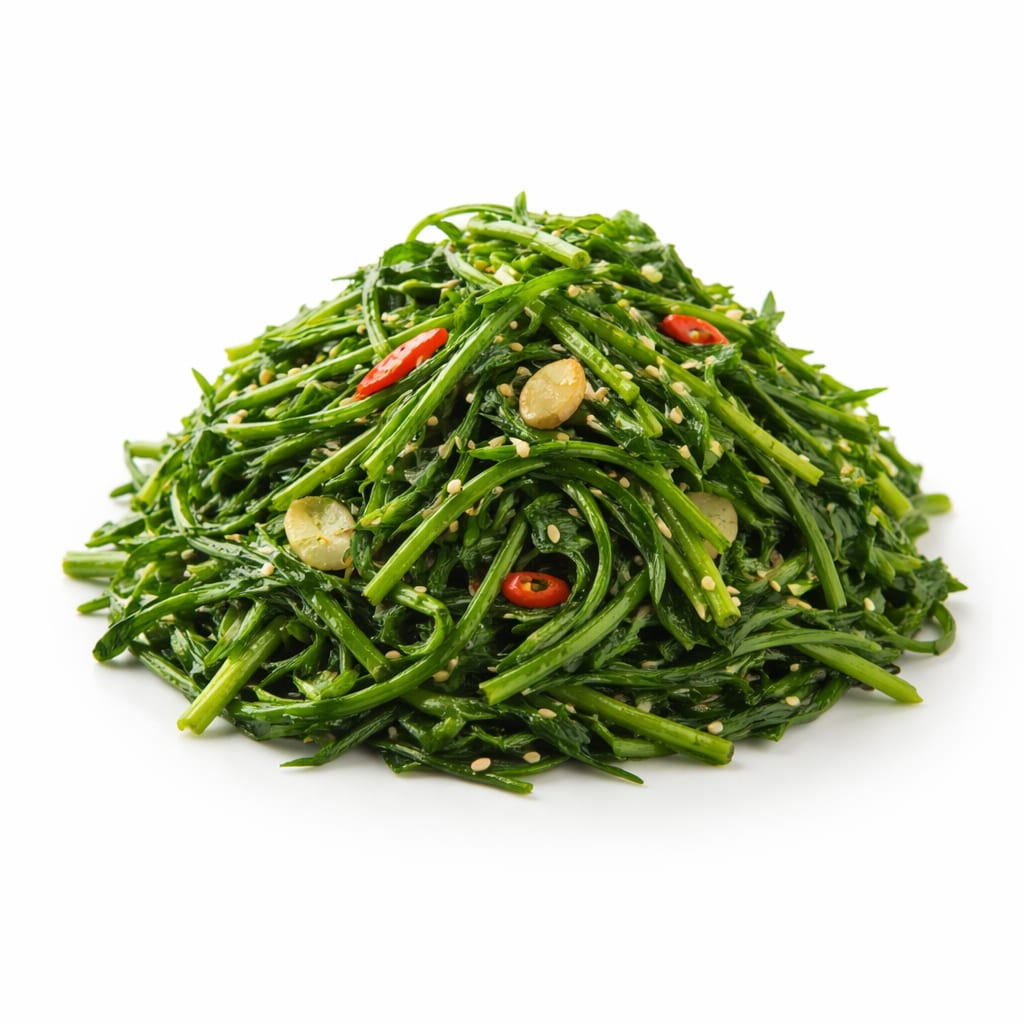
Indian Kalimeris
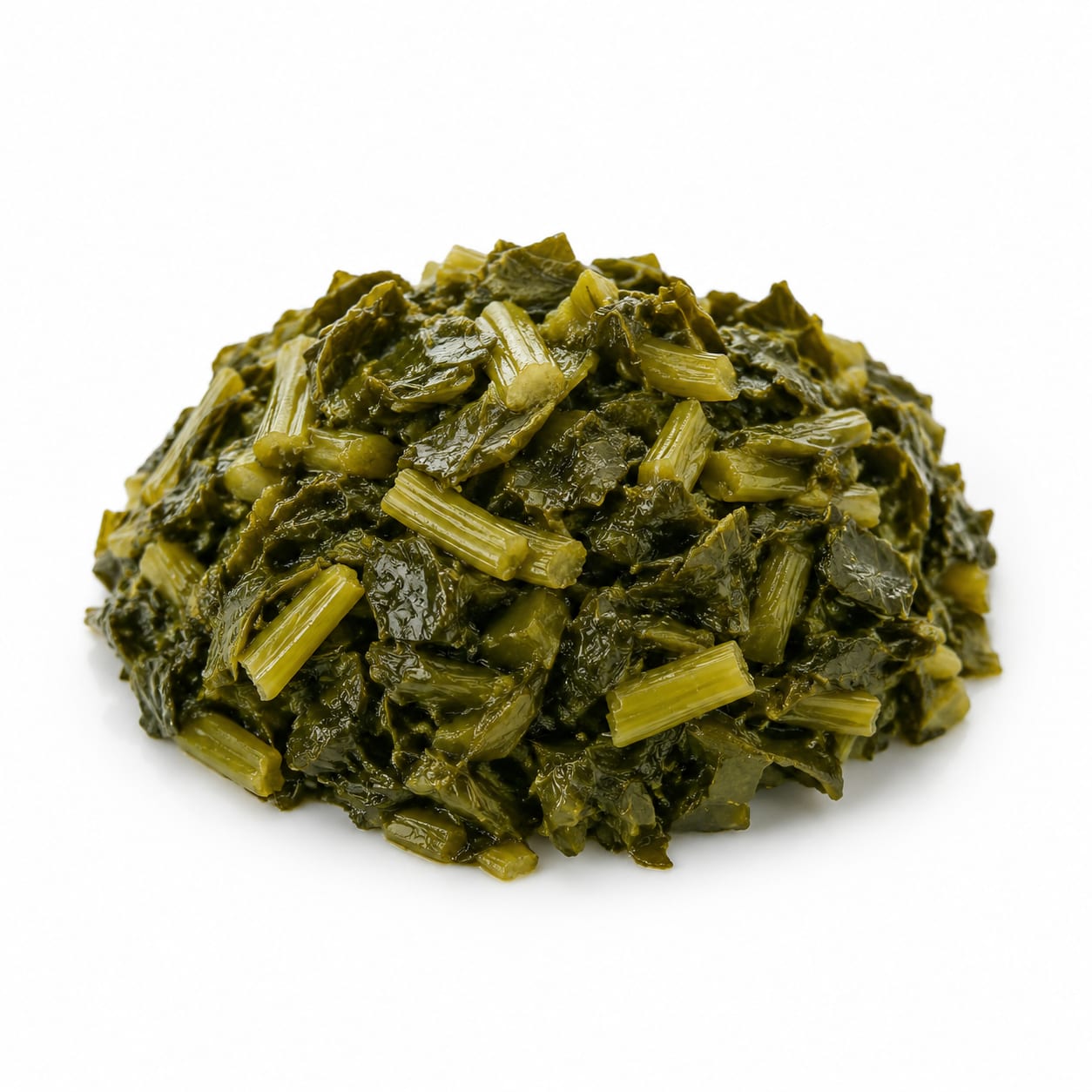
Mustard greens
Mustard greens deliver more documented nutrition per serving, but Indian Kalimeris is gentler on the thyroid and easier to cook with daily.
Mustard greens score higher due to superior documented nutrient density and broader research backing. Indian Kalimeris scores well for thyroid safety and cooking convenience but loses ground on limited nutritional research and availability.
Mustard greens offer superior vitamin K and glucosinolates but carry goitrogenic risk and require longer cooking; Indian Kalimeris is milder, thyroid-safe, and faster to prepare but less nutrient-dense by available data.
At a glance
Executive summary
Overall
It depends
Healthier
Mustard greens
More practical
Indian Kalimeris
Daily use
Indian Kalimeris
Key comparison lenses
nutrient density comparison
Both are leafy greens prized for micronutrients, so users want to know which packs more nutrition per bite
flavor and cooking practicality
Indian Kalimeris is mild and quick-cooking while mustard greens are pungent and need longer cooking, which affects daily usability
availability and accessibility
Mustard greens are widely available globally; Indian Kalimeris is specialty and regional, impacting whether users can actually find it
thyroid and goitrogen safety
Mustard greens are brassica vegetables with goitrogenic compounds; Indian Kalimeris is not, making this a key health differentiator
traditional medicinal value
Indian Kalimeris has Ayurvedic significance; users may be choosing based on traditional health wisdom
Best choice for
Indian Kalimeris
- People with thyroid concerns who want a safe daily green
- Home cooks wanting a mild green that cooks in minutes
- Those seeking Ayurvedic-aligned ingredients
- Anyone sensitive to bitter or pungent flavors
- People who struggle to find time for lengthy vegetable preparation
Mustard greens
- Those prioritizing maximum vitamin K intake
- People wanting cancer-fighting glucosinolates
- Anyone who enjoys bold, peppery flavors
- Those with access to well-stocked grocery stores
- People following Southern US, Chinese, or Punjabi culinary traditions
Least suitable for
Indian Kalimeris
- People who want extensively researched nutritional profiles
- Those without access to specialty Asian markets
- Anyone seeking high vitamin K for bone health
Mustard greens
- People with hypothyroidism or on thyroid medication
- Those who dislike bitter or pungent flavors
- Anyone looking for a quick-cooking weeknight green
Deep comparison
Dimension by dimension
Each lens scores both foods and breaks down who each option suits.
- Dimension 1 · Priority 95Mustard greens
vitamin_and_mineral_density
Indian Kalimeris · 65Mustard greens · 88Mustard greens are a nutritional powerhouse with exceptionally high vitamin K, abundant vitamin A, and significant folate. Indian Kalimeris provides good nutrition but has far less documented data.
Tradeoff
Mustard greens deliver more guaranteed micronutrients per serving, but Indian Kalimeris avoids the goitrogenic compounds that come with brassica vegetables.
Why it matters
If you are eating greens primarily for vitamin K or bone health, mustard greens are clearly superior. One serving covers over 500% of daily vitamin K needs.
Real-world impact
Eating mustard greens regularly can meaningfully improve bone density and blood clotting function. Indian Kalimeris supports general health but without the same dramatic vitamin K impact.
Indian Kalimeris
- Those who want moderate nutrition without thyroid interference
- People already getting adequate vitamin K from other sources
Better for
- Those relying on a single green for comprehensive micronutrient coverage
Worse for
Mustard greens
- Anyone needing to boost vitamin K for bone or blood health
- People wanting maximum nutrition per calorie consumed
Better for
- People on blood thinners who must limit vitamin K intake
Worse for
- Dimension 2 · Priority 88Mustard greens
cancer_fighting_compounds
Indian Kalimeris · 55Mustard greens · 85Mustard greens are rich in glucosinolates, which break down into sulforaphane and other compounds with well-documented anti-cancer properties. Indian Kalimeris contains antioxidants but lacks this specific class of compounds.
Tradeoff
The glucosinolates that fight cancer are the same compounds that can stress the thyroid when consumed raw in large amounts.
Why it matters
For people with family history of cancer, glucosinolate-rich vegetables are among the most evidence-backed dietary choices you can make.
Real-world impact
Regular consumption of mustard greens and other brassicas is associated with reduced risk of several cancers in large population studies.
Indian Kalimeris
- Those already consuming plenty of brassica vegetables who want variety
Better for
- Those specifically seeking glucosinolate benefits
Worse for
Mustard greens
- Anyone prioritizing cancer prevention through diet
- People who tolerate brassica vegetables well
Better for
- People with existing thyroid conditions who must limit goitrogens
Worse for
- Dimension 3 · Priority 82Indian Kalimeris
thyroid_safety
Indian Kalimeris · 95Mustard greens · 50Indian Kalimeris is thyroid-safe with no goitrogenic compounds. Mustard greens contain goitrogens that can interfere with thyroid function, especially when eaten raw or in large quantities.
Tradeoff
Choosing thyroid safety means giving up the glucosinolate cancer-fighting benefits that make brassica vegetables so valuable.
Why it matters
For the estimated 12% of adults with thyroid issues, this distinction is not trivial. Goitrogens can worsen hypothyroidism or interfere with medication absorption.
Real-world impact
Someone with hypothyroidism eating raw mustard greens daily could experience worsened symptoms or need medication adjustments. Indian Kalimeris carries no such risk.
Indian Kalimeris
- Anyone with hypothyroidism or Hashimoto's thyroiditis
- People taking thyroid hormone replacement medication
- Those who eat large quantities of raw greens in smoothies
Better for
- No real downside here for thyroid safety
Worse for
Mustard greens
- People with healthy thyroid function who cook their greens
Better for
- Those with any thyroid condition should limit intake or always cook thoroughly
Worse for
- Dimension 4 · Priority 78Indian Kalimeris
flavor_versatility_and_cooking_ease
Indian Kalimeris · 82Mustard greens · 62Indian Kalimeris has a mild, slightly herbaceous flavor that works in most dishes and cooks in 2-3 minutes. Mustard greens are distinctly peppery and bitter, requiring 10-15 minutes of cooking to mellow, and they dominate any dish they enter.
Tradeoff
Mild flavor means Indian Kalimeris blends easily but lacks the bold character that makes mustard greens the star of certain iconic dishes.
Why it matters
If cooking feels like a chore, a green that takes 3 minutes versus 15 minutes can be the difference between eating vegetables or ordering takeout.
Real-world impact
Indian Kalimeris can be tossed into soup at the last minute or quickly stir-fried on a busy weeknight. Mustard greens demand planning and longer cooking times.
Indian Kalimeris
- Busy weeknight cooks wanting fast vegetable sides
- People who prefer greens that do not overpower other ingredients
- Those new to cooking leafy greens
Better for
- Those seeking a bold, stand-alone green as the centerpiece of a dish
Worse for
Mustard greens
- Experienced cooks building flavor-forward dishes
- Anyone making traditional recipes like sarson ka saag or Southern-style greens
Better for
- Anyone short on time who needs dinner on the table fast
Worse for
- Dimension 5 · Priority 75Mustard greens
availability_and_affordability
Indian Kalimeris · 40Mustard greens · 85Mustard greens are available in most grocery stores worldwide at low cost. Indian Kalimeris is primarily found in specialty Asian markets or foraged, making it inaccessible for most Western consumers.
Tradeoff
The more nutritious and researched option is also the easier one to find, which is unusual in food comparisons.
Why it matters
The healthiest green in the world does you no good if you cannot buy it. Availability often determines what people actually eat consistently.
Real-world impact
Most people can walk into any supermarket and find mustard greens. Finding Indian Kalimeris requires specialty shopping, foraging knowledge, or growing it yourself.
Indian Kalimeris
- People living near Asian specialty markets
- Home gardeners willing to grow their own
Better for
- Anyone without access to specialty markets or foraging areas
Worse for
Mustard greens
- Nearly everyone else who shops at conventional grocery stores
Better for
- No real availability downside
Worse for
- Dimension 6 · Priority 70Indian Kalimeris
digestive_tolerance
Indian Kalimeris · 80Mustard greens · 65Indian Kalimeris is gentle on digestion with tender leaves and mild fiber. Mustard greens have tougher fiber and mustard oils that can cause bloating or stomach discomfort in sensitive individuals.
Tradeoff
The compounds that make mustard greens slightly harder to digest are the same ones that provide their health benefits.
Why it matters
People with IBS or sensitive digestion often abandon vegetables because of discomfort, not lack of motivation.
Real-world impact
Indian Kalimeris is less likely to cause gas or bloating, making it a better entry point for people rebuilding their vegetable intake after digestive issues.
Indian Kalimeris
- People with IBS or sensitive stomachs
- Those reintroducing greens after digestive illness
Better for
- No significant digestive downside
Worse for
Mustard greens
- People with robust digestion who tolerate brassica vegetables well
Better for
- Those prone to bloating from cruciferous vegetables
Worse for
Timeline
Health impact over time
Short-term
Hours to days
Indian Kalimeris
- Quick energy from easily digestible carbohydrates
- Mild detoxifying effect from natural antioxidants
- Gentle on stomach with minimal bloating risk
Mustard greens
- Noticeable vitamin K boost supporting blood clotting within hours
- Potential mild stomach discomfort if eaten raw in large amounts
- Sinus-clearing peppery sensation from mustard oils
Long-term
Months to years
Indian Kalimeris
- Consistent antioxidant intake supporting cellular health
- Thyroid-safe regular consumption without goitrogenic buildup
- Sustained gentle fiber intake supporting regular digestion
Mustard greens
- Significantly reduced cancer risk from regular glucosinolate consumption
- Stronger bones from exceptional vitamin K intake over months and years
- Potential thyroid suppression if consumed raw in excess over long periods
Risk profile
Safety & processing
Both greens are whole, unprocessed foods typically sold fresh. Neither carries meaningful additive concerns. Indian Kalimeris is often foraged wild, making it arguably the more natural option, though foraging introduces its own contamination considerations.
Indian Kalimeris
Foraging misidentification
mediumWild-harvested Indian Kalimeris could be confused with less edible lookalikes if gathered by inexperienced foragers. Commercially sourced product avoids this risk.
Environmental contamination in wild specimens
lowForaged plants near roads or industrial areas may absorb heavy metals or pollutants. Source from clean areas or trusted vendors.
Mustard greens
Goitrogenic compound exposure
mediumRaw mustard greens contain goitrogens that can suppress thyroid function. Cooking reduces this significantly but does not eliminate it entirely.
Pesticide residue on conventional crops
lowLeafy greens frequently appear on EWG's Dirty Dozen list. Mustard greens can carry pesticide residue; choosing organic reduces this concern.
Oxalate content
lowMustard greens contain moderate oxalates. People prone to kidney stones should be mindful, though cooking reduces oxalate levels.
Who wins for whom
Audience fit
Same foods, different winners depending on your goal.
children
Indian KalimerisIndian Kalimeris has a milder flavor and softer texture that children are more likely to accept. Mustard greens' peppery bite often triggers rejection in young eaters.
daily consumption
Indian KalimerisThyroid safety, quick cooking time, and gentle digestion make Indian Kalimeris more sustainable as a daily green. Mustard greens are excellent but best rotated with other vegetables to avoid goitrogenic accumulation.
diabetes
Mustard greensMustard greens have slightly more fiber and a lower glycemic impact. The magnesium content also supports insulin sensitivity more robustly.
elderly
Indian KalimerisIndian Kalimeris is easier to chew and digest, and avoids goitrogenic risk that can compound age-related thyroid decline. Mustard greens' vitamin K benefit is real but requires careful management if the person takes blood thinners.
muscle gain
It dependsNeither green is a significant protein source. Both contribute micronutrients that support recovery, but neither moves the needle meaningfully for muscle building alone.
weight loss
Mustard greensMustard greens are slightly lower in calories per serving and higher in fiber, providing more satiety per bite. The strong flavor also naturally limits overconsumption.
Your move
Decision guide
Choose Indian Kalimeris
- You have hypothyroidism or take thyroid medication
- You want a quick-cooking green for busy weeknights
- You prefer mild flavors that blend into any dish
- You have access to Indian or Asian specialty markets
- You have a sensitive stomach or IBS
Choose Mustard greens
- You want maximum cancer-fighting glucosinolates
- You need to boost vitamin K for bone health
- You enjoy bold, peppery flavors in your cooking
- You shop at conventional grocery stores
- You have healthy thyroid function and eat cooked greens
Either works if
- You simply want more leafy greens in your diet and can find both
- You are rotating vegetables for broad micronutrient coverage
- You have no thyroid issues and enjoy variety in your meals
Avoid both if
- You take warfarin or other blood thinners without medical guidance on vitamin K intake
- You have severe oxalate-related kidney stone issues
Final recommendation
For most people, the ideal approach is eating both in rotation. Use mustard greens a few times per week for their unmatched vitamin K and glucosinolate benefits, and Indian Kalimeris on other days for thyroid safety and cooking convenience. If you must choose one, pick mustard greens if your thyroid is healthy and you want the strongest nutritional impact. Pick Indian Kalimeris if you have thyroid concerns, value quick preparation, or find mustard greens too overpowering.
Practical
Consumer tips
- 1
If you have thyroid issues but want mustard greens' benefits, cook them thoroughly and pair with iodine-rich foods like seaweed to counteract goitrogens.
- 2
Indian Kalimeris wilts down significantly like most tender greens. Start with more volume than you think you need.
- 3
For the mildest mustard green flavor, blanch them briefly before adding to your main dish. This also reduces goitrogenic compounds.
- 4
If growing Indian Kalimeris at home, harvest young leaves for the most tender texture and mildest flavor.
- 5
Both greens pair well with garlic, ginger, and a splash of lemon juice or vinegar to balance any bitterness.
- 6
When buying mustard greens, choose organic when possible to reduce pesticide exposure on this leafy vegetable.
- 7
Freeze extra mustard greens after blanching. They retain their nutritional value and are ready for quick soups and stews.