
Nutrition comparison
Indian Kalimeris vs Bok Choy: Nutrition, Benefits, and Which Green to Choose
Compare Indian Kalimeris and bok choy side by side. Discover which leafy green offers better antioxidants, easier access, and stronger medicinal value for your health goals.
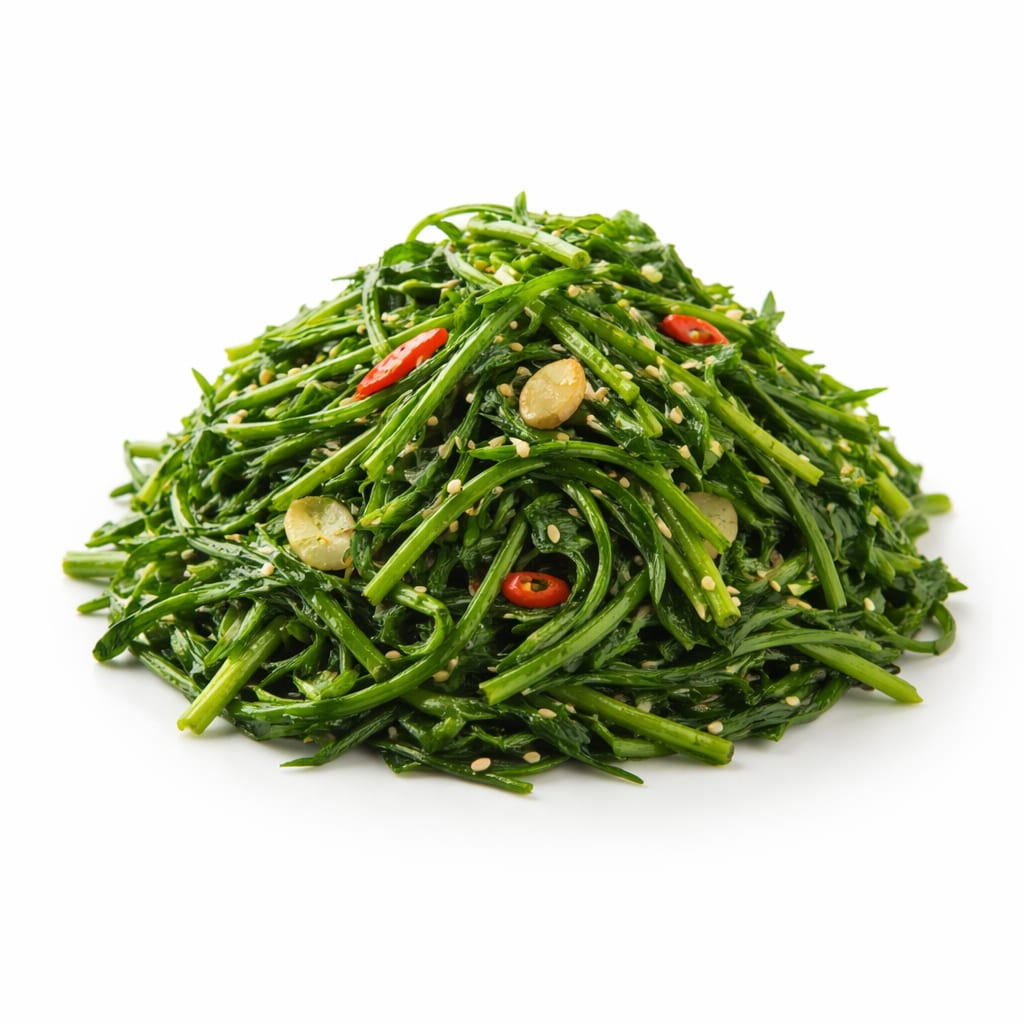
Indian Kalimeris
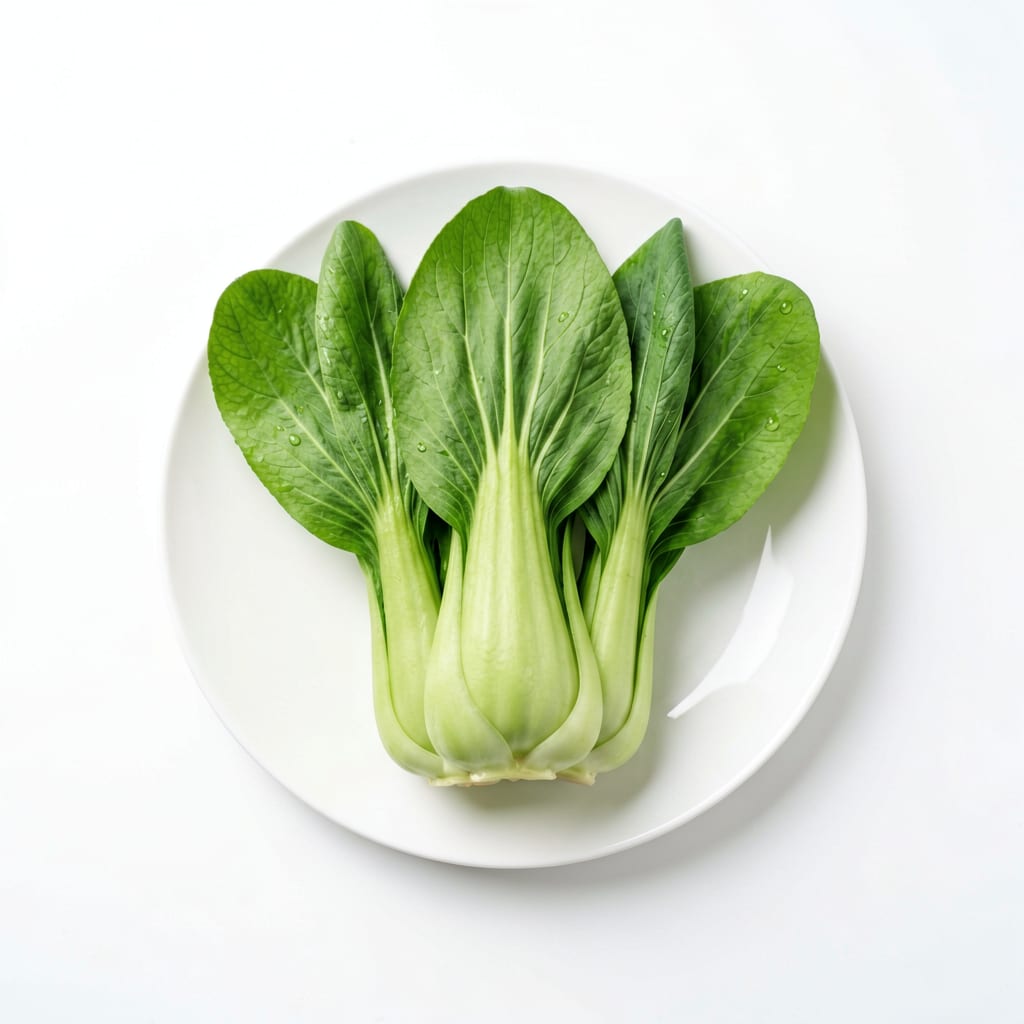
Bok choy
Bok choy wins on convenience and well-documented nutrition, while Indian Kalimeris offers unique medicinal compounds and stronger antioxidant potential for those who can source it.
Bok choy scores higher mainly due to accessibility, well-established nutritional data, and culinary ease. Indian Kalimeris is competitive on antioxidant and medicinal value but loses ground on availability and documented safety profiles.
Accessibility and reliability versus traditional healing properties and phytochemical diversity.
At a glance
Executive summary
Overall
It depends
Healthier
It depends
More practical
Bok choy
Daily use
Bok choy
Key comparison lenses
nutritional density comparison
Both are leafy greens, so users primarily want to know which packs more nutrients per bite
everyday accessibility
Bok choy is a grocery staple while Indian Kalimeris is often foraged or specialty-sourced, making practicality a key decision factor
medicinal and antioxidant value
Indian Kalimeris has deep roots in traditional medicine, which draws users seeking functional food benefits beyond basic nutrition
culinary versatility
How easily each green fits into everyday meals matters for long-term adoption
safety and contamination
Foraged greens carry different risk profiles than commercially farmed ones
Best choice for
Indian Kalimeris
- People seeking traditional Ayurvedic or folk-medicine benefits
- Those wanting broader flavonoid and phenolic compound diversity
- Foragers and locavores eating regionally native greens
- Anyone managing inflammation through functional foods
Bok choy
- Busy home cooks needing a reliable, easy-to-find green
- Families wanting a mild-tasting vegetable kids will accept
- People tracking calcium and vitamin K intake precisely
- Anyone meal-prepping stir-fries or soups on a weekly basis
Least suitable for
Indian Kalimeris
- People without reliable access to specialty or foraged greens
- Those who need precise nutritional data for medical dietary planning
- Anyone uncomfortable with the slightly bitter, herbal flavor
Bok choy
- People seeking strong medicinal or therapeutic plant compounds
- Those wanting a wider variety of lesser-known phytonutrients
- Anyone bored with common grocery greens and wanting novelty
Deep comparison
Dimension by dimension
Each lens scores both foods and breaks down who each option suits.
- Dimension 1 · Priority 94Bok choy
vitamin_and_mineral_density
Indian Kalimeris · 68Bok choy · 85Bok choy delivers reliably high vitamin K, vitamin C, folate, and calcium per serving with well-documented values. Indian Kalimeris likely contains comparable micronutrients but has far less lab-verified nutritional data.
Tradeoff
Bok choy gives you certainty; Indian Kalimeris may surprise you but you cannot count on exact numbers.
Why it matters
If you are tracking nutrients for bone health, pregnancy, or deficiency correction, verified data matters a lot.
Real-world impact
A single cup of cooked bok choy covers roughly 60% of your daily vitamin K needs with confidence. Indian Kalimeris probably helps similarly but you are guessing.
Indian Kalimeris
- People who trust traditional food wisdom over lab numbers
Better for
- Dietitians needing accurate data for client meal plans
Worse for
Bok choy
- Anyone needing precise intake tracking for medical reasons
- Pregnant women monitoring folate intake carefully
Better for
- Those who find overly clinical food tracking stressful
Worse for
- Dimension 2 · Priority 90Indian Kalimeris
antioxidant_and_phytochemical_diversity
Indian Kalimeris · 88Bok choy · 72Indian Kalimeris contains a richer profile of flavonoids, phenolic acids, and traditional bioactive compounds linked to anti-inflammatory and antimicrobial effects. Bok choy offers glucosinolates but a narrower phytochemical range.
Tradeoff
Indian Kalimeris brings more medicinal chemistry to your plate, but the clinical evidence remains largely traditional rather than trial-based.
Why it matters
Chronic inflammation drives most modern disease. A broader antioxidant spectrum may offer better long-term protection even if each compound is present in modest amounts.
Real-world impact
Regular consumption of Indian Kalimeris may help with mild inflammatory discomfort and seasonal immunity in a way bok choy simply was not designed for.
Indian Kalimeris
- People managing chronic low-grade inflammation
- Those interested in food-as-medicine approaches
- Anyone wanting to diversify their phytonutrient intake beyond common greens
Better for
- Anyone wanting FDA-backed clinical trial evidence before trusting health claims
Worse for
Bok choy
- People specifically seeking glucosinolate benefits for liver detox support
Better for
- Those relying solely on common greens for antioxidant variety
Worse for
- Dimension 3 · Priority 88Bok choy
accessibility_and_practicality
Indian Kalimeris · 35Bok choy · 95Bok choy is available in nearly every supermarket year-round. Indian Kalimeris is primarily a foraged or specialty green that most people cannot find without effort.
Tradeoff
The best nutrient profile means nothing if you cannot consistently buy or grow the food.
Why it matters
Consistency drives health outcomes. A greens you eat three times a week beats a superior green you eat once a month.
Real-world impact
You can grab bok choy on any grocery run. Indian Kalimeris may require growing it yourself, visiting specialty markets, or foraging with proper plant identification knowledge.
Indian Kalimeris
- Home gardeners willing to cultivate their own medicinal greens
- People living in regions where Indian Kalimeris grows wild
Better for
- Anyone without foraging skills or specialty market access
Worse for
Bok choy
- Anyone shopping at regular grocery stores
- Busy people who need to grab vegetables without extra effort
- Urban dwellers without foraging access
Better for
- People in areas with limited Asian grocery options
Worse for
- Dimension 4 · Priority 80Bok choy
culinary_versatility_and_taste
Indian Kalimeris · 60Bok choy · 82Bok choy's mild, slightly sweet flavor and crisp-stem texture make it welcome in stir-fries, soups, and salads. Indian Kalimeris has a distinctly herbal, slightly bitter taste that works well in specific traditional dishes but limits broader use.
Tradeoff
Bok choy adapts to nearly any cuisine. Indian Kalimeris shines in its traditional context but requires more culinary skill to use creatively.
Why it matters
If a vegetable does not taste good in your regular meals, you will stop eating it regardless of its health value.
Real-world impact
Bok choy disappears into a stir-fry effortlessly. Indian Kalimeris demands pairing with assertive spices and may need blanching to tame bitterness.
Indian Kalimeris
- Adventurous cooks exploring traditional Indian or Asian recipes
- People who enjoy bitter greens like mustard greens or radicchio
Better for
- People sensitive to bitter flavors
- Cooks unfamiliar with traditional preparation methods
Worse for
Bok choy
- Families needing a vegetable that blends into familiar dishes
- Stir-fry and soup enthusiasts wanting quick-cooking greens
- Anyone cooking for picky eaters
Better for
- Those seeking bold, distinctive vegetable flavors
Worse for
- Dimension 5 · Priority 75Bok choy
digestive_tolerance_and_gentleness
Indian Kalimeris · 65Bok choy · 80Bok choy is gentle on most digestive systems and rarely causes discomfort. Indian Kalimeris, with its bitter compounds and traditional medicinal potency, may cause mild stomach upset in sensitive individuals.
Tradeoff
Bok choy is the safer bet for sensitive stomachs. Indian Kalimeris offers digestive-stimulating properties that can help or hinder depending on the person.
Why it matters
If eating a vegetable causes bloating or discomfort, you will naturally avoid it, undermining any nutritional benefit.
Real-world impact
Bok choy feels light and easy after eating. Indian Kalimeris may feel slightly heavy or warming, which can be pleasant or irritating depending on your digestion.
Indian Kalimeris
- People whose digestion benefits from bitter-stimulated bile flow
- Those using bitter greens traditionally to improve appetite
Better for
- People with active gastric ulcers or severe acid reflux
Worse for
Bok choy
- Anyone with irritable bowel syndrome or sensitive digestion
- People recovering from gastrointestinal illness
- Those new to eating greens regularly
Better for
- Those wanting the appetite-stimulating effect of bitter greens
Worse for
- Dimension 6 · Priority 70It depends
satiety_and_meal_satisfaction
Indian Kalimeris · 72Bok choy · 70Both are low-calorie, high-water greens that fill you up temporarily without lasting satiety. Indian Kalimeris has slightly more fiber and bitter compounds that may slow eating speed and improve meal satisfaction.
Tradeoff
Neither green is a satiety powerhouse on its own. Both need pairing with protein and healthy fats to create a filling meal.
Why it matters
Greens alone will not keep you full. The question is which one makes your overall meal more satisfying.
Real-world impact
A bok choy stir-fry with tofu feels light and clean. An Indian Kalimeris curry with lentils feels more grounding and substantive due to the bitter depth.
Indian Kalimeris
- People who find bitter flavors naturally slow down their eating
- Those wanting a green that adds depth and complexity to a meal
Better for
- Those who find bitterness unsatisfying and leave food on the plate
Worse for
Bok choy
- Anyone wanting a clean, light base for protein-rich meals
- People who prefer feeling light rather than full after eating
Better for
- People who feel hungry again shortly after light meals
Worse for
Timeline
Health impact over time
Short-term
Hours to days
Indian Kalimeris
- May stimulate appetite and digestive enzyme release due to bitter compounds
- Could cause mild stomach warmth or slight nausea in unaccustomed eaters
- Likely provides a gentle anti-inflammatory effect within hours of consumption
Bok choy
- Provides quick hydration and a light, clean energy feeling
- Delivers an immediate boost of vitamin C and vitamin K toward daily targets
- Very unlikely to cause any digestive discomfort even in sensitive individuals
Long-term
Months to years
Indian Kalimeris
- Consistent intake may support reduced chronic inflammation through diverse flavonoid exposure
- Traditional use suggests benefits for respiratory health and seasonal immunity
- Long-term safety profile is less formally documented than common greens
Bok choy
- Regular consumption supports bone density through reliable vitamin K and calcium intake
- Glucosinolate compounds may contribute to reduced cancer risk with consistent intake
- Well-established long-term safety with decades of widespread consumption data
Risk profile
Safety & processing
Both greens are typically consumed in their natural state. Indian Kalimeris is often wild-harvested with minimal human intervention. Bok choy is commercially farmed but still sold as a whole, unprocessed vegetable. Neither carries meaningful additive concerns unless canned or preserved.
Indian Kalimeris
Misidentification during foraging
highIndian Kalimeris resembles other Asteraceae family plants, some of which may be toxic. Foraging without expert knowledge carries real danger.
Environmental contamination in wild harvests
mediumWild-growing plants may absorb heavy metals or pesticides from soil near roads or agricultural fields. Source location matters greatly.
Insufficient safety documentation
mediumUnlike commercially farmed greens, Indian Kalimeris lacks systematic pesticide residue testing and regulatory oversight in most markets.
Bok choy
Pesticide residue on conventional crops
mediumBok choy frequently appears on the Environmental Working Group's Dirty Dozen list. Washing thoroughly or choosing organic reduces this risk significantly.
Goitrogenic compounds
lowRaw bok choy contains goitrogens that can interfere with thyroid function in very large amounts. Cooking neutralizes most of this concern.
Who wins for whom
Audience fit
Same foods, different winners depending on your goal.
children
Bok choyBok choy's mild, slightly sweet taste is far more child-friendly than the bitter herbal notes of Indian Kalimeris.
daily consumption
Bok choyConsistent access, mild flavor that does not cause palate fatigue, and well-documented safety make bok choy the more sustainable daily green.
diabetes
Indian KalimerisIndian Kalimeris has slightly more fiber and bitter compounds that may improve insulin sensitivity and slow glucose absorption, though both are excellent very-low-carb choices.
elderly
Bok choyBok choy's soft texture when cooked, reliable calcium and vitamin K content, and gentle digestibility make it more suitable for older adults concerned about bone health and easy chewing.
muscle gain
It dependsNeither green is a meaningful protein source. Both serve as nutrient-dense sides for protein-rich meals. Choice depends on flavor preference and availability.
weight loss
Bok choyBoth are extremely low calorie, but bok choy's mild flavor and wide availability make it easier to eat consistently in large volumes as a meal base.
Your move
Decision guide
Choose Indian Kalimeris
- You have reliable access through foraging, growing, or specialty markets
- You are specifically interested in traditional medicinal plant benefits
- You enjoy bitter, complex flavors and cook regularly with assertive spices
- You want to diversify your phytonutrient intake beyond common grocery greens
Choose Bok choy
- You want a dependable, easy-to-find green for weekly meal prep
- You are cooking for a family with varying taste preferences
- You need precise nutritional data for dietary planning
- You are new to eating greens regularly and want a gentle entry point
Either works if
- You simply want more leafy greens in your diet and both are available
- You rotate vegetables weekly for nutrient diversity anyway
- You are eating well overall and this choice will not make or break your health
Avoid both if
- You have a known allergy to Asteraceae family plants (Indian Kalimeris) or Brassica vegetables (bok choy)
- You are on warfarin or blood thinners and cannot maintain consistent vitamin K intake
Final recommendation
Make bok choy your everyday green for reliability and ease. Add Indian Kalimeris when you can source it safely, treating it as a medicinal supplement to your regular vegetable rotation rather than a replacement. The best approach is diversity: each green offers compounds the other lacks.
Practical
Consumer tips
- 1
Wash bok choy thoroughly between the stem bases where pesticide residue and dirt accumulate
- 2
Choose organic bok choy when possible since it is a high-pesticide-residue crop
- 3
If foraging Indian Kalimeris, go with an experienced guide and never harvest near roads or industrial areas
- 4
Blanch Indian Kalimeris briefly before cooking to reduce excessive bitterness while preserving nutrients
- 5
Cook bok choy lightly to retain vitamin C while neutralizing goitrogens
- 6
Grow Indian Kalimeris in a home garden if you want reliable access without foraging risks
- 7
Rotate both greens with other leafy vegetables like spinach, kale, and chard for the broadest nutrient coverage