
Nutrition comparison
Indian Kalimeris vs Spinach: Which Leafy Green Is Actually Better for You?
Compare Indian Kalimeris and Spinach nutrition, oxalate content, mineral absorption, and health benefits. Discover which green is safer for kidney stones and which is more practical daily.
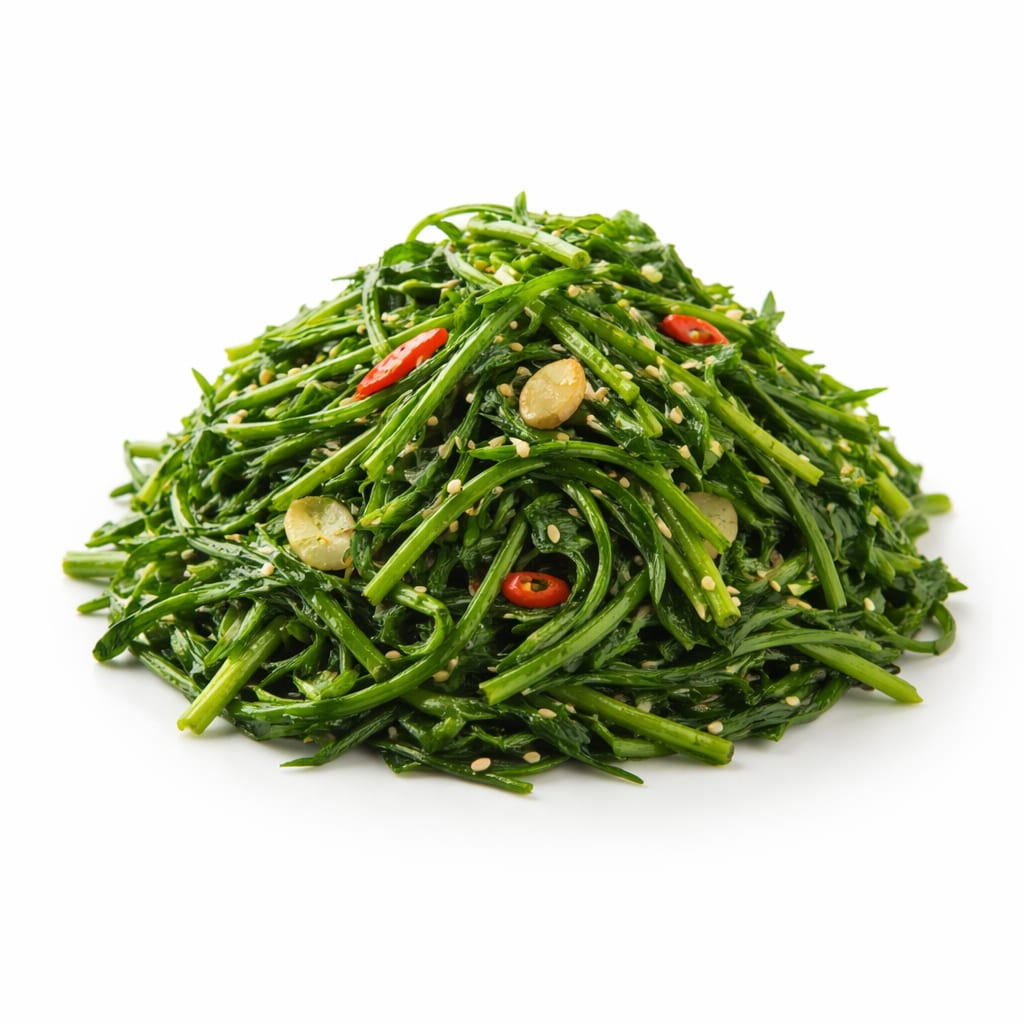
Indian Kalimeris
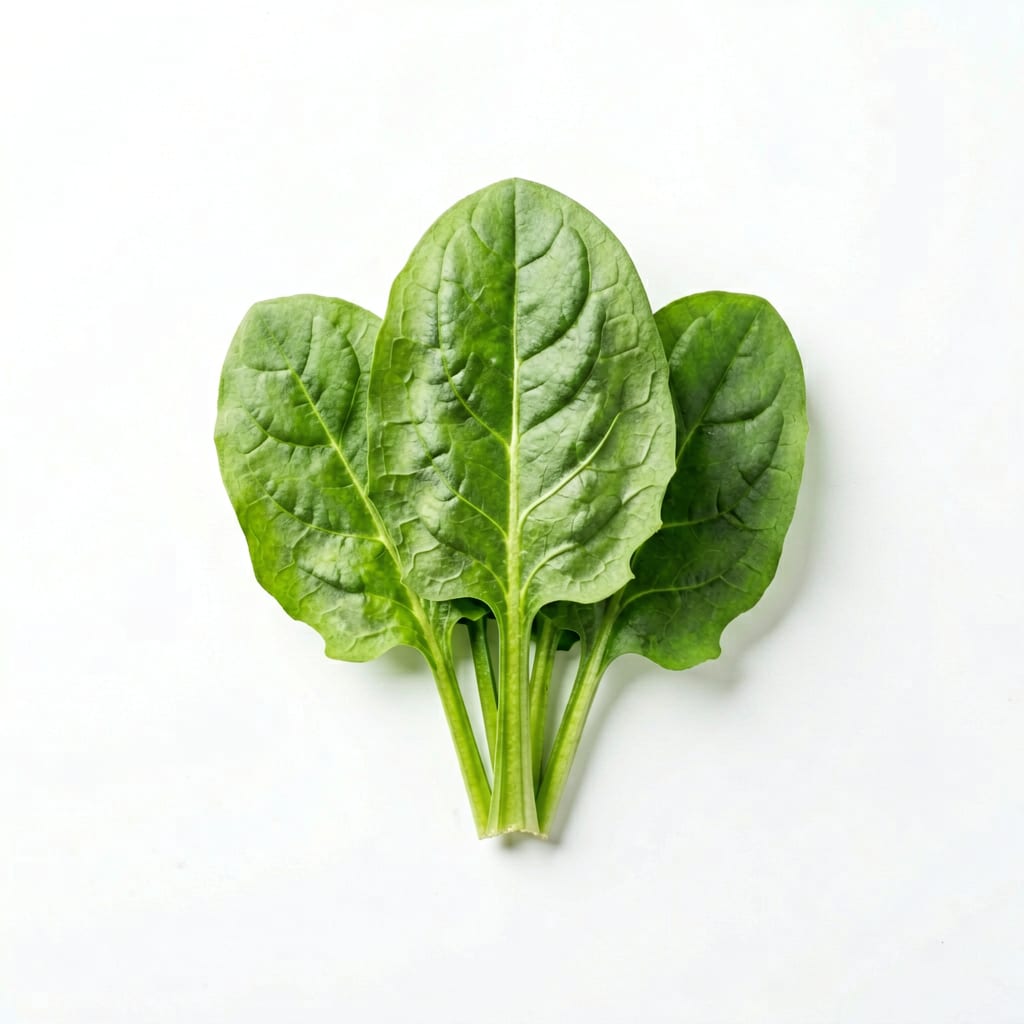
Spinach
Spinach wins on convenience and research backing, but Indian Kalimeris is the smarter pick if oxalates concern you or you want broader phytonutrient diversity.
Spinach scores higher due to overwhelming evidence, availability, and versatility. Indian Kalimeris closes the gap with its oxalate advantage and unique phytonutrients, but limited research and access hold it back.
Widespread availability and proven nutrition versus lower oxalates and unique traditional medicinal compounds.
At a glance
Executive summary
Overall
It depends
Healthier
It depends
More practical
Spinach
Daily use
Spinach
Key comparison lenses
nutrient density and mineral absorption
Both greens are prized for vitamins and minerals, but oxalate differences dramatically affect how much you actually absorb
oxalate sensitivity and kidney stone risk
Spinach is notoriously high in oxalates, making Indian Kalimeris a meaningful alternative for prone individuals
everyday availability and cooking versatility
Spinach is universally available while Indian Kalimeris remains specialty, affecting practical daily use
traditional medicinal and phytonutrient value
Indian Kalimeris carries unique bioactive compounds used in folk medicine that spinach lacks
digestive tolerance and gut comfort
Oxalates and fiber type differences influence how each green feels after eating
Best choice for
Indian Kalimeris
- People prone to kidney stones or oxalate sensitivity
- Those seeking traditional medicinal plant benefits
- Anyone wanting to diversify leafy green intake beyond common options
- Individuals with iron absorption concerns from high-oxalate greens
Spinach
- Anyone needing reliable, affordable, year-round leafy greens
- People prioritizing folate and vitamin K intake
- Meal preppers wanting a versatile green for smoothies, salads, and cooking
- Families wanting a mild-tasting green kids will eat
Least suitable for
Indian Kalimeris
- People without access to specialty or Asian markets
- Anyone unfamiliar with preparing wild-harvested greens
- Those who need standardized nutritional data for medical dietary planning
Spinach
- People with a history of calcium oxalate kidney stones
- Anyone with significant iron-deficiency anemia relying on plant iron
- Individuals on blood thinners who need stable vitamin K intake
Deep comparison
Dimension by dimension
Each lens scores both foods and breaks down who each option suits.
- Dimension 1 · Priority 93Indian Kalimeris
mineral absorption and bioavailability
Indian Kalimeris · 82Spinach · 58Indian Kalimeris likely allows better absorption of calcium and iron because it lacks the extreme oxalate load that binds minerals in spinach.
Tradeoff
You get more absorbable minerals from Indian Kalimeris, but spinach contains higher total amounts that partially compensate despite poor absorption.
Why it matters
Eating iron-rich greens means little if oxalates block absorption. For anemia or bone health, the green your body actually uses matters more than the green with higher numbers on paper.
Real-world impact
If you have iron-deficiency anemia, spinach's iron is largely trapped by oxalates. Indian Kalimeris delivers less iron total but your body retains more of it.
Indian Kalimeris
- Iron-deficient individuals relying on plant sources
- Anyone concerned about calcium absorption
- People who have noticed spinach does not improve their lab results
Better for
- Those needing precisely quantified mineral intake for medical plans
Worse for
Spinach
- People with no absorption concerns who eat varied diets
- Anyone taking mineral supplements that overshadow food-source differences
Better for
- Kidney stone formers
- Anemic individuals counting on dietary iron alone
Worse for
- Dimension 2 · Priority 90Indian Kalimeris
oxalate load and kidney health
Indian Kalimeris · 88Spinach · 35Spinach is one of the highest-oxalate foods commonly eaten. Indian Kalimeris is dramatically lower, making it far safer for kidney health.
Tradeoff
Choosing Indian Kalimeris protects your kidneys but costs you the convenience of grabbing spinach anywhere.
Why it matters
Roughly 1 in 10 people will develop kidney stones. High-oxalate foods are a primary driver. This is not a niche concern.
Real-world impact
If you have ever passed a kidney stone, spinach is genuinely risky. Indian Kalimeris lets you keep leafy greens in your diet without that fear.
Indian Kalimeris
- Anyone with kidney stone history
- People with oxalate sensitivity or gut permeability issues
- Those who eat large volumes of greens daily
Better for
- No meaningful downside on this dimension
Worse for
Spinach
- People with no kidney stone history who eat moderate portions
Better for
- Recurrent kidney stone formers
- People with compromised gut flora that fails to degrade oxalates
- Anyone eating spinach multiple times daily
Worse for
- Dimension 3 · Priority 85Spinach
vitamin density and folate content
Indian Kalimeris · 65Spinach · 90Spinach is a folate and vitamin K powerhouse with well-documented levels. Indian Kalimeris provides vitamins but with less reliable data.
Tradeoff
Spinach delivers proven, high vitamin levels. Indian Kalimeris offers vitamins too, but the exact amounts vary and are less studied.
Why it matters
Folate is critical for pregnant women and cardiovascular health. Vitamin K supports bone density and blood clotting. Reliable intake matters.
Real-world impact
A single cup of raw spinach covers over half your daily folate need. Indian Kalimeris likely helps but you cannot count on specific numbers.
Indian Kalimeris
- Those who rotate greens and get folate from other sources
Better for
- Those relying on a single green for folate
Worse for
Spinach
- Pregnant women or those planning pregnancy
- Anyone needing guaranteed folate intake
- People with vitamin K deficiency concerns
Better for
- People on warfarin who must limit vitamin K
Worse for
- Dimension 4 · Priority 78Indian Kalimeris
phytonutrient diversity and medicinal compounds
Indian Kalimeris · 85Spinach · 70Indian Kalimeris contains unique flavonoids and sesquiterpene lactones used traditionally for inflammation, coughs, and digestive issues. Spinach offers lutein and zeaxanthin but a narrower phytonutrient profile.
Tradeoff
Indian Kalimeris brings traditional medicine credibility and unique compounds. Spinach brings proven eye-health carotenoids.
Why it matters
Diverse phytonutrients reduce inflammation and support longevity in ways basic vitamins cannot. Eating the same green daily limits this benefit.
Real-world impact
Adding Indian Kalimeris to your rotation introduces plant compounds your body has never seen, which is genuinely valuable for immune and inflammatory resilience.
Indian Kalimeris
- Anyone interested in traditional medicinal foods
- People wanting to diversify their phytonutrient intake
- Those dealing with mild inflammatory or respiratory issues
Better for
- Those who need FDA-backed evidence before trusting a food's medicinal claims
Worse for
Spinach
- People focused on eye health and macular degeneration prevention
- Anyone wanting well-studied, proven antioxidant benefits
Better for
- People already eating spinach daily who want broader plant diversity
Worse for
- Dimension 5 · Priority 82Spinach
availability and everyday practicality
Indian Kalimeris · 30Spinach · 95Spinach is available in every grocery store worldwide. Indian Kalimeris is primarily found in specialty Asian markets or foraged seasonally.
Tradeoff
The best green nutritionally means nothing if you cannot buy it. Spinach wins on access alone.
Why it matters
Consistency beats perfection. A green you can eat three times weekly outperforms a superior green you can find twice a year.
Real-world impact
Most people reading this can get spinach within ten minutes. Indian Kalimeris might require a specialty trip, online order, or home growing.
Indian Kalimeris
- People living near Asian specialty markets
- Home gardeners willing to grow their own
- Foragers in regions where it grows wild
Better for
- Suburban and rural dwellers without specialty access
- Anyone unwilling to plan meals around hard-to-find ingredients
Worse for
Spinach
- Everyone else
- Busy professionals who shop at standard grocery stores
- People who meal prep on Sundays from one shopping trip
Better for
- No meaningful downside on this dimension
Worse for
- Dimension 6 · Priority 72Spinach
taste and culinary versatility
Indian Kalimeris · 55Spinach · 80Spinach has a mild flavor that works raw in smoothies, salads, or cooked into virtually any dish. Indian Kalimeris has a slightly bitter, herbaceous taste best suited to stir-fries and traditional preparations.
Tradeoff
Spinach disappears into dishes easily. Indian Kalimeris adds distinctive flavor but limits what recipes it works in.
Why it matters
If a green tastes bad in your smoothie or your kids refuse it, its nutritional profile is irrelevant.
Real-world impact
You can hide spinach in a berry smoothie and no one notices. Indian Kalimeris will announce itself in every bite.
Indian Kalimeris
- Adventurous cooks who enjoy bitter, complex flavors
- Anyone preparing traditional Asian stir-fries or soups
Better for
- Pickier eaters
- Smoothie-only green consumers
Worse for
Spinach
- Smoothie drinkers
- Parents sneaking greens into family meals
- People who dislike bitter flavors
Better for
- Those who find spinach bland and want more flavor complexity
Worse for
Timeline
Health impact over time
Short-term
Hours to days
Indian Kalimeris
- Gentle on the digestive system with minimal bloating
- Slightly bitter taste may stimulate digestive enzyme release
- Unlikely to cause oxalate-related discomfort
Spinach
- Can cause mouth puckering from oxalates in raw form
- May trigger bloating if eaten in large raw quantities
- Provides noticeable energy from B-vitamins and iron within hours
Long-term
Months to years
Indian Kalimeris
- Lower kidney stone risk with sustained consumption
- Unique anti-inflammatory compounds may support respiratory health over time
- Diverse phytonutrients contribute to long-term immune resilience
Spinach
- Consistent folate intake supports cardiovascular and brain health
- Lutein and zeaxanthin protect against age-related macular degeneration
- High oxalate intake may increase kidney stone risk with daily consumption
Risk profile
Safety & processing
Both are whole, minimally processed leafy greens. Indian Kalimeris is often wild-harvested, making it arguably closer to its natural state. Pre-washed spinach in plastic clamshells carries slightly more handling and packaging exposure.
Indian Kalimeris
misidentification during foraging
mediumWild-harvested Indian Kalimeris could be confused with similar-looking plants. Always source from trusted suppliers or confirm identification with an expert.
environmental contamination
lowIf foraged from roadsides or polluted areas, leaves may carry heavy metals or pesticides. Source from clean growing areas.
Spinach
E. coli and bacterial contamination
mediumSpinach has been involved in multiple foodborne illness outbreaks. Always wash thoroughly, even pre-washed packages.
pesticide residue
mediumSpinach consistently appears on the Dirty Dozen list for high pesticide residue. Organic options significantly reduce this risk.
oxalate accumulation
highRegular large servings of spinach can contribute to kidney stone formation in susceptible individuals. This is the most clinically significant risk between both greens.
Who wins for whom
Audience fit
Same foods, different winners depending on your goal.
children
SpinachSpinach's mild flavor hides easily in smoothies, pasta, and sauces. Indian Kalimeris bitterness will face more resistance from young palates.
daily consumption
SpinachSpinach's availability, mild taste, and versatility make it realistic to eat every day. Indian Kalimeris is better as a rotational addition than a daily staple.
diabetes
It dependsBoth greens have negligible impact on blood sugar. Indian Kalimeris may have a slight edge due to traditional anti-inflammatory properties that support insulin sensitivity, but evidence is preliminary.
elderly
Indian KalimerisLower oxalates make Indian Kalimeris safer for older adults concerned about kidney stones and calcium absorption, which become more critical with age.
muscle gain
SpinachNeither green is a protein source, but spinach's higher folate and magnesium content better support muscle recovery and cellular repair.
weight loss
SpinachBoth are extremely low calorie, but spinach is easier to eat in large volumes raw, creating more physical fullness with fewer calories.
Your move
Decision guide
Choose Indian Kalimeris
- You have a history of kidney stones or oxalate sensitivity
- You want to diversify your greens beyond the usual suspects
- You have access to a reliable source and enjoy slightly bitter flavors
- You are interested in traditional medicinal plant benefits
Choose Spinach
- You need a green you can find anywhere, any day of the year
- You want maximum folate and vitamin K from a single food
- You blend greens into smoothies or cook for picky eaters
- You have no oxalate concerns and want proven nutritional data
Either works if
- You simply want more leafy greens in your diet and both are available
- You rotate greens weekly to maximize phytonutrient diversity
- You are generally healthy with no specific mineral absorption or kidney concerns
Avoid both if
- You are on warfarin and need strictly controlled vitamin K intake
- You have severe oral allergy syndrome triggered by raw greens
Final recommendation
Eat spinach as your reliable daily green, but add Indian Kalimeris whenever you can find it. The oxalate reduction alone makes it worth seeking out, and the unique phytonutrients give your body something spinach never will. Think of Indian Kalimeris as your secret weapon green, not your everyday one.
Practical
Consumer tips
- 1
If you have kidney stone risk, boil spinach and discard the water to reduce oxalates by up to 87 percent
- 2
Buy organic spinach whenever possible to avoid high pesticide residues
- 3
Pair either green with vitamin C rich foods like lemon juice to boost iron absorption
- 4
Start with small portions of Indian Kalimeris if you have never tried it, as wild greens can surprise sensitive stomachs
- 5
Grow Indian Kalimeris at home if you cannot find it locally, it thrives in containers and warm climates
- 6
Rotate between at least three different leafy greens weekly for the broadest phytonutrient coverage