
Nutrition comparison
Indian Kalimeris vs Swiss Chard: Which Leafy Green Is Better for You?
Compare Indian Kalimeris and Swiss chard nutrition, oxalate content, and health benefits. Find out which green is safer for kidneys and which delivers more vitamins.
Overall winner · Swiss chard
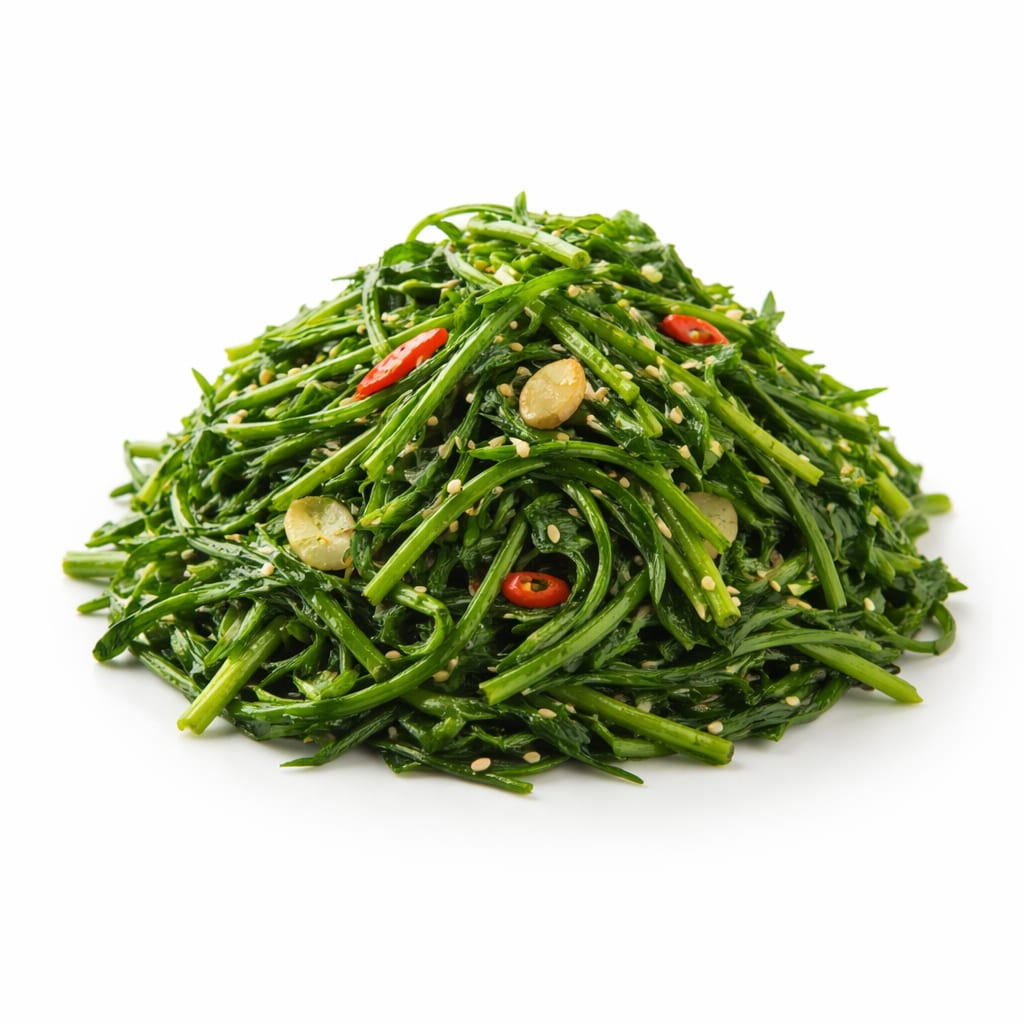
Indian Kalimeris
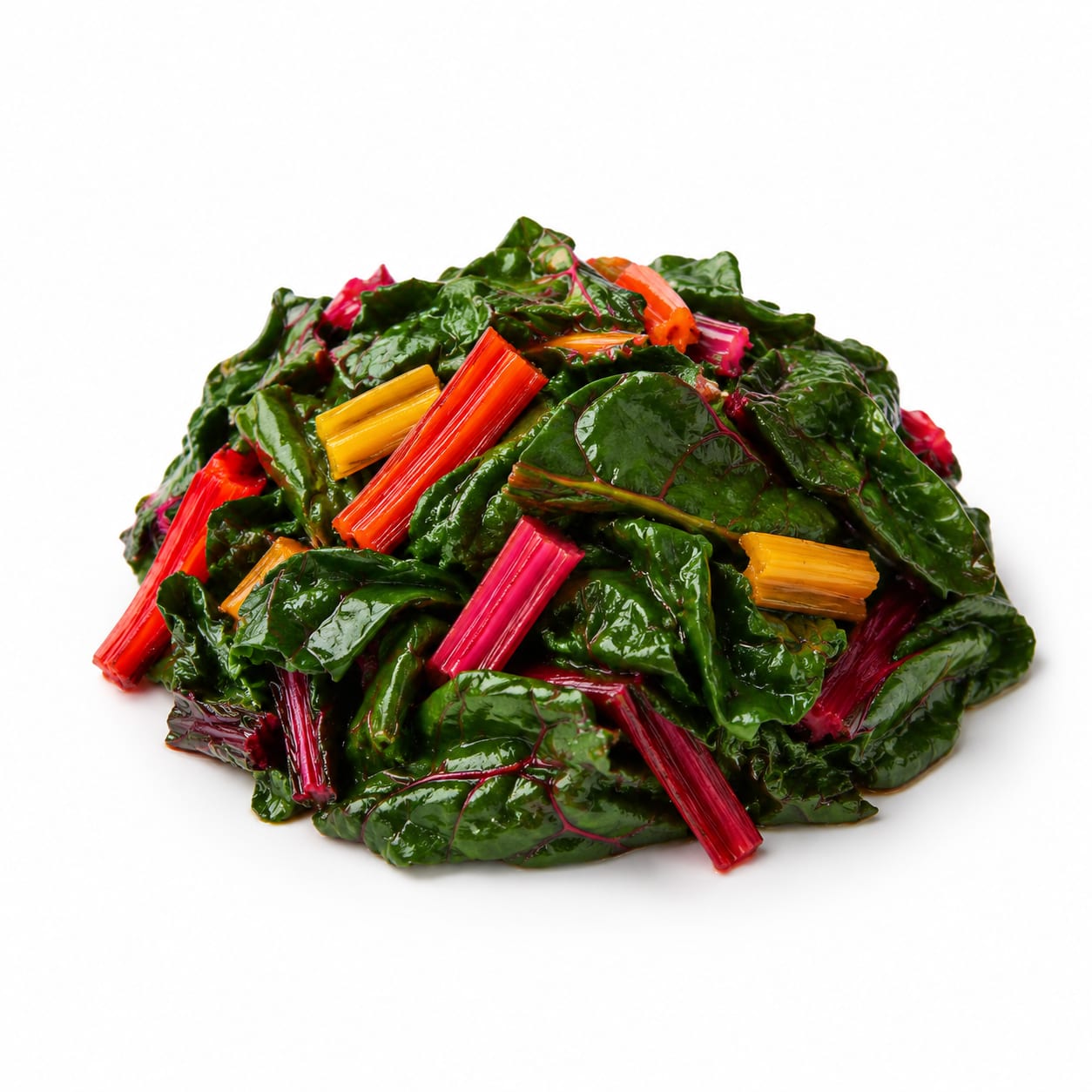
Swiss chard
Swiss chard delivers far more documented nutrition per bite and is easy to find, but its high oxalate levels make Indian Kalimeris the safer pick for kidney stone sufferers.
Swiss chard scores higher due to superior documented nutrient density and grocery availability, but Indian Kalimeris remains competitive for people who need lower oxalate intake or value its traditional medicinal role.
Proven nutrient density and convenience versus lower oxalate risk and traditional medicinal heritage.
At a glance
Executive summary
Overall
Swiss chard
Healthier
It depends
More practical
Swiss chard
Daily use
Swiss chard
Key comparison lenses
nutrient density comparison
Both are leafy greens, so vitamin and mineral content is the primary decision driver
oxalate and kidney stone risk
Swiss chard is notoriously high in oxalates, a major safety concern for many people
availability and practicality
Indian Kalimeris is a specialty green that most Western consumers cannot easily find
traditional medicinal value
Indian Kalimeris has a long history in Asian herbal medicine that adds unique value
versatility in cooking
How easily each green fits into everyday meals matters for long-term adoption
Best choice for
Indian Kalimeris
- People prone to kidney stones or needing a low-oxalate diet
- Those interested in traditional Asian herbal remedies and anti-inflammatory properties
- Anyone seeking a milder, less bitter green for gentle digestion
Swiss chard
- Anyone prioritizing maximum vitamin K, A, and magnesium intake
- People who want a widely available, affordable leafy green year-round
- Those cooking Mediterranean or Western-style dishes regularly
Least suitable for
Indian Kalimeris
- People who need reliable, easy-to-source nutrition from grocery stores
- Anyone unfamiliar with preparing traditional Asian greens
- Those seeking the highest possible vitamin K content
Swiss chard
- People with a history of calcium oxalate kidney stones
- Anyone on blood thinners who must limit vitamin K
- Those sensitive to high-nitrate vegetables
Deep comparison
Dimension by dimension
Each lens scores both foods and breaks down who each option suits.
- Dimension 1 · Priority 95Swiss chard
vitamin_and_mineral_density
Indian Kalimeris · 58Swiss chard · 91Swiss chard is a nutritional powerhouse with exceptionally high vitamin K, vitamin A, and magnesium. Indian Kalimeris offers decent nutrition but is far less studied and likely less concentrated.
Tradeoff
You gain proven, high-impact micronutrients with Swiss chard but lose the gentler, lower-oxalate profile of Indian Kalimeris.
Why it matters
Vitamin K supports bone density and blood clotting. Vitamin A protects vision and immunity. These are nutrients many people under-consume.
Real-world impact
A single cup of cooked Swiss chard covers over 700% of daily vitamin K needs. Indian Kalimeris cannot match that impact per serving.
Indian Kalimeris
- Those who need moderate rather than extreme vitamin K levels
Better for
- People relying on one green for maximum micronutrient coverage
Worse for
Swiss chard
- Anyone trying to correct vitamin K or magnesium deficiency through food
- Older adults needing bone-supporting nutrients
Better for
- Those on warfarin or other blood thinners who must keep vitamin K stable
Worse for
- Dimension 2 · Priority 88Indian Kalimeris
oxalate_and_kidney_safety
Indian Kalimeris · 82Swiss chard · 35Swiss chard is one of the highest-oxalate leafy greens available. Indian Kalimeris contains far lower oxalate levels, making it significantly safer for kidney health.
Tradeoff
Choosing Indian Kalimeris protects your kidneys but sacrifices the vitamin density that Swiss chard provides.
Why it matters
High oxalate intake can contribute to kidney stones and may reduce mineral absorption. Roughly 1 in 10 people will experience a kidney stone.
Real-world impact
If you have ever passed a kidney stone, Swiss chard is a genuinely risky choice. Indian Kalimeris lets you eat leafy greens without that worry.
Indian Kalimeris
- Anyone with a personal or family history of kidney stones
- People needing to follow a low-oxalate diet
Better for
- No significant downside on this dimension
Worse for
Swiss chard
- Those with no kidney stone risk who want maximum nutrient extraction
Better for
- Anyone prone to calcium oxalate stones
- People concerned about mineral absorption interference from oxalates
Worse for
- Dimension 3 · Priority 80Swiss chard
availability_and_convenience
Indian Kalimeris · 30Swiss chard · 88Swiss chard is stocked in nearly every supermarket. Indian Kalimeris is a specialty green rarely found outside Asian markets or home gardens.
Tradeoff
Swiss chard is always accessible and easy to incorporate into meals. Indian Kalimeris requires effort to source and may only be available seasonally.
Why it matters
The healthiest green is the one you can actually buy and eat regularly. Availability determines consistency.
Real-world impact
Most people can grab Swiss chard on any grocery run. Finding Indian Kalimeris often means visiting specialty stores, foraging, or growing it yourself.
Indian Kalimeris
- People with access to Asian markets or who grow their own greens
Better for
- Most Western consumers who cannot find it locally
Worse for
Swiss chard
- Busy households needing reliable, easy-to-find produce
- Anyone meal planning around standard grocery store inventory
Better for
- No significant downside on this dimension
Worse for
- Dimension 4 · Priority 72Indian Kalimeris
traditional_medicinal_value
Indian Kalimeris · 85Swiss chard · 45Indian Kalimeris has centuries of use in traditional Asian medicine for inflammation, digestion, and detoxification. Swiss chard is valued nutritionally but lacks a strong medicinal tradition.
Tradeoff
Indian Kalimeris offers cultural healing wisdom and anti-inflammatory properties that Swiss chard does not prioritize.
Why it matters
Traditional use often points to bioactive compounds that modern science has not fully mapped yet. This is not proof, but it is meaningful.
Real-world impact
If you follow Ayurvedic or Traditional Chinese Medicine principles, Indian Kalimeris fits naturally into healing protocols. Swiss chard is simply a nutrient-rich food.
Indian Kalimeris
- People integrating traditional Asian medicine into their wellness routine
- Those seeking gentle anti-inflammatory support from food
Better for
- People who only trust clinically validated health claims
Worse for
Swiss chard
- Anyone focused purely on measured Western nutritional metrics
Better for
- Those looking for food-as-medicine traditions beyond basic nutrition
Worse for
- Dimension 5 · Priority 70Indian Kalimeris
digestive_tolerance
Indian Kalimeris · 78Swiss chard · 60Indian Kalimeris is traditionally used to soothe digestion. Swiss chard's oxalates and fiber can irritate sensitive stomachs, especially raw.
Tradeoff
Indian Kalimeris feels gentler on the gut, while Swiss chard can cause bloating or discomfort in sensitive individuals.
Why it matters
A food that causes digestive distress will not be eaten consistently, no matter how nutritious it is.
Real-world impact
If raw salads leave you bloated, Indian Kalimeris cooked lightly may sit much more comfortably than Swiss chard.
Indian Kalimeris
- People with sensitive digestion or IBS tendencies
- Those who prefer cooked greens that feel light after eating
Better for
- No significant downside on this dimension
Worse for
Swiss chard
- Anyone with robust digestion who tolerates high-fiber greens well
Better for
- People who experience bloating from high-oxalate or high-fiber greens
Worse for
- Dimension 6 · Priority 65Swiss chard
antioxidant_diversity
Indian Kalimeris · 62Swiss chard · 80Swiss chard contains betalains, a unique class of antioxidants with anti-inflammatory properties. Indian Kalimeris has flavonoids but a less diverse and less studied antioxidant profile.
Tradeoff
Swiss chard offers a broader, more researched antioxidant spectrum. Indian Kalimeris provides some flavonoid benefits but with less scientific backing.
Why it matters
Diverse antioxidant intake protects cells from different types of oxidative damage over a lifetime.
Real-world impact
The colorful stems and leaves of Swiss chard signal a wider range of protective plant compounds working in your favor.
Indian Kalimeris
- Those who consume a varied diet already rich in antioxidants from other sources
Better for
- Those relying on one vegetable for broad antioxidant coverage
Worse for
Swiss chard
- Anyone wanting to maximize antioxidant variety from a single green
- People focused on reducing chronic inflammation through diet
Better for
- No significant downside on this dimension
Worse for
Timeline
Health impact over time
Short-term
Hours to days
Indian Kalimeris
- Gentle on the stomach, unlikely to cause bloating or discomfort
- Provides mild anti-inflammatory support after meals
- Low risk of oxalate-related digestive issues
Swiss chard
- High fiber may cause gas or bloating if eaten in large amounts raw
- Significant vitamin K intake can interfere with blood thinner medication within hours
- Raw consumption may leave a chalky mouthfeel due to oxalates
Long-term
Months to years
Indian Kalimeris
- Consistent low-oxalate intake supports kidney health over decades
- Traditional anti-inflammatory use may reduce chronic disease risk, though evidence is limited
- Moderate but steady micronutrient contribution when eaten regularly
Swiss chard
- Exceptional bone and cardiovascular protection from sustained high vitamin K intake
- Risk of kidney stone accumulation if consumed excessively without adequate hydration
- Betalain antioxidants may lower markers of chronic inflammation over time
Risk profile
Safety & processing
Both greens are whole, unprocessed foods in their natural state. Neither carries additive concerns when purchased fresh. The main difference is that Indian Kalimeris is more likely to be grown locally or foraged, while Swiss chard may travel longer distances to reach stores.
Indian Kalimeris
Misidentification during foraging
mediumIndian Kalimeris resembles other wild plants, some of which may be toxic. Only consume if sourced from reliable suppliers or identified by experienced foragers.
Pesticide residue from unknown sources
lowWhen purchased from unregulated markets, pesticide exposure is uncertain. Washing thoroughly reduces but does not eliminate this risk.
Swiss chard
High oxalate content
highSwiss chard contains among the highest oxalate levels of any common vegetable. This is a serious concern for anyone with kidney stone history or compromised kidney function.
Nitrate accumulation
mediumLike many leafy greens, Swiss chard accumulates nitrates which can convert to nitrites. This is generally beneficial for blood pressure but may be problematic for infants or those with specific conditions.
Vitamin K interaction with blood thinners
highThe extremely high vitamin K content can destabilize anticoagulant therapy. Anyone on warfarin must maintain consistent intake and consult their doctor.
Who wins for whom
Audience fit
Same foods, different winners depending on your goal.
children
Indian KalimerisIndian Kalimeris is gentler on small digestive systems and lacks the oxalate concerns that make large servings of Swiss chard risky for kids.
daily consumption
Swiss chardFor most healthy adults without kidney issues, Swiss chard's superior nutrient profile and easy availability make it the more practical daily choice.
diabetes
Swiss chardSwiss chard has a lower glycemic impact and contains syringic acid, which may help regulate blood sugar. Its high fiber also slows glucose absorption.
elderly
It dependsSwiss chard supports bone density with its vitamin K, but its oxalates can stress aging kidneys. Indian Kalimeris is safer for kidney health but offers less documented bone support.
muscle gain
Swiss chardSwiss chard provides more magnesium, which supports muscle function and recovery. Neither green is a significant protein source, so the difference is marginal.
weight loss
Swiss chardSwiss chard is extremely low in calories while being highly filling due to its fiber content. Its nutrient density helps prevent cravings that arise from micronutrient deficiencies.
Your move
Decision guide
Choose Indian Kalimeris
- You have a history of kidney stones or are on a low-oxalate diet
- You practice traditional Asian medicine and want food that aligns with those principles
- You have access to Indian Kalimeris through specialty markets or home gardening
- You experience bloating or discomfort from higher-oxalate greens
Choose Swiss chard
- You want maximum vitamin K, A, and magnesium from a single vegetable
- You have no kidney stone concerns and want the most nutrient-dense green available
- You need a leafy green that is easy to find at any grocery store year-round
- You cook Mediterranean, French, or Western-style dishes regularly
Either works if
- You simply want to eat more leafy greens and both are available to you
- You rotate your greens weekly to diversify nutrient and antioxidant intake
- You are healthy with no specific dietary restrictions or medication interactions
Avoid both if
- You are on blood thinners and have not consulted your doctor about vitamin K intake
- You have severe kidney disease and must restrict both oxalates and potassium
Final recommendation
For most people, Swiss chard is the stronger everyday choice due to its unmatched nutrient density and easy availability. However, if kidney stone prevention is a priority, Indian Kalimeris is the clearly safer option. The best approach is rotating both: Swiss chard for its vitamin and antioxidant punch, Indian Kalimeris for its gentler oxalate profile and traditional healing benefits.
Practical
Consumer tips
- 1
Boiling Swiss chard and discarding the water can reduce oxalate content by 30-87%, making it much safer for kidney-conscious eaters
- 2
Pair Swiss chard with calcium-rich foods like cheese or yogurt — calcium binds oxalates in the gut before they reach the kidneys
- 3
If you cannot find Indian Kalimeris locally, look for it at Asian grocery stores under names like Kalimeris indica or Indian aster
- 4
Rotate your leafy greens weekly rather than eating only one type — this diversifies your antioxidant intake and prevents oxalate buildup
- 5
Both greens shrink dramatically when cooked — start with more volume than you think you need
- 6
If foraging Indian Kalimeris, always confirm identification with an expert to avoid confusing it with similar-looking wild plants