
Nutrition comparison
Indian Kalimeris vs Kale: Which Leafy Green Is Better for You?
Compare Indian Kalimeris and Kale on nutrition, digestibility, thyroid safety, and taste. Kale wins on nutrient density, but Indian Kalimeris is gentler and more sustainable for daily eating.
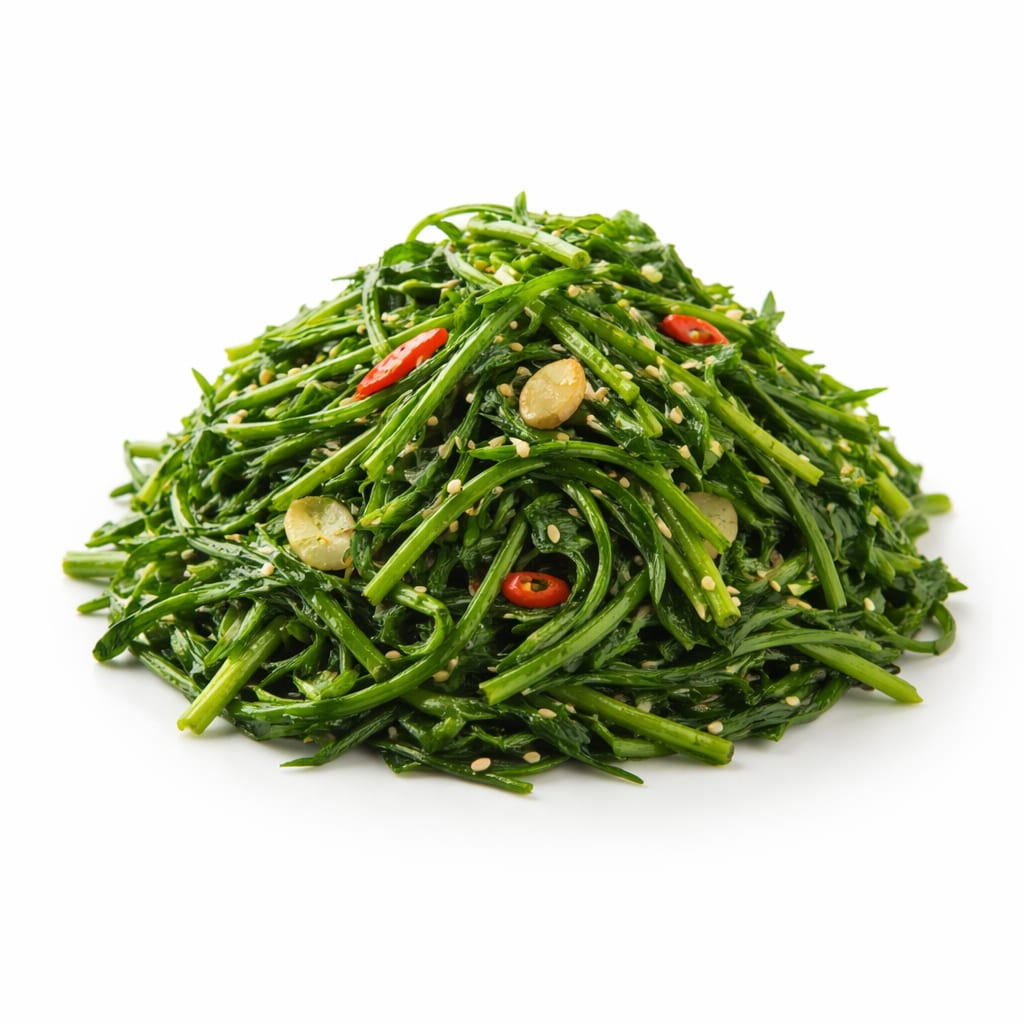
Indian Kalimeris
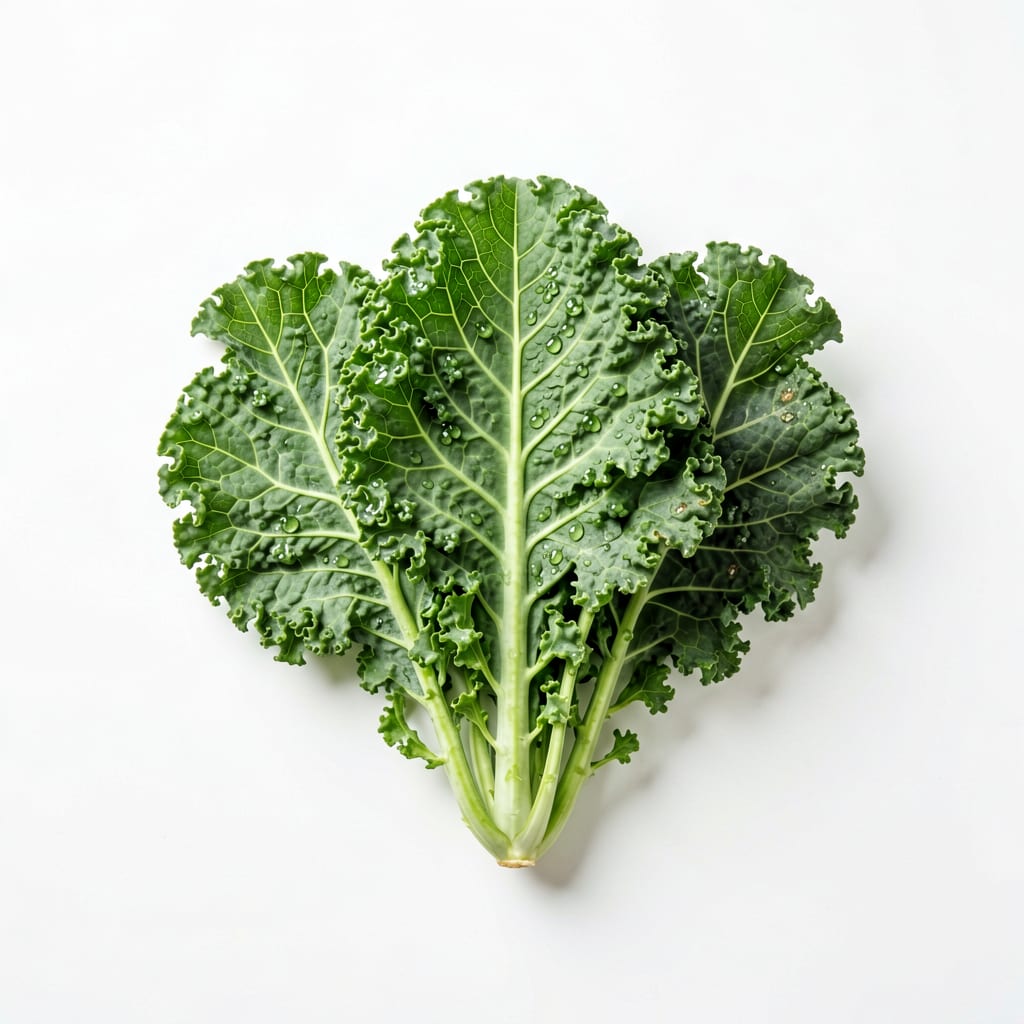
Kale
Kale wins on raw nutrient density, but Indian Kalimeris wins on digestibility and gentleness. Your thyroid and gut should decide.
Kale scores higher due to its exceptional vitamin K, A, and C content and wide availability. Indian Kalimeris stays competitive because of superior digestibility and thyroid safety. The gap is small because both are excellent greens with different strengths.
Kale packs more vitamins per serving but can bloat you and stress your thyroid. Indian Kalimeris is milder in nutrition and far easier on your body.
At a glance
Executive summary
Overall
It depends
Healthier
It depends
More practical
Kale
Daily use
Indian Kalimeris
Key comparison lenses
nutrient density comparison
Both are leafy greens prized for micronutrients, so users want to know which delivers more nutrition per bite
digestive tolerance
Kale is notorious for causing bloating, while Indian Kalimeris is traditionally considered gentle on the stomach
thyroid safety
Kale contains goitrogens that concern thyroid-sensitive users; Indian Kalimeris has no such reputation
accessibility and practicality
Kale is available everywhere; Indian Kalimeris requires specialty stores or foraging knowledge
culinary versatility
Users want to know which green fits more recipes and meal prep routines
Best choice for
Indian Kalimeris
- People with thyroid sensitivity who want to avoid goitrogens
- Those who get bloated from cruciferous vegetables
- Anyone seeking a gentle, everyday cooked green
- People managing digestive issues like IBS
Kale
- Anyone maximizing vitamin K and vitamin A intake
- Athletes needing high antioxidant loads
- People with easy access to conventional grocery stores
- Those who enjoy raw salads and smoothies
Least suitable for
Indian Kalimeris
- People without access to Asian grocery stores
- Anyone tracking precise macronutrients with limited nutritional data
- Raw food enthusiasts who avoid cooking greens
Kale
- People with hypothyroidism on iodine-restricted diets
- Those prone to bloating and gas from fibrous vegetables
- Anyone taking blood thinners who must limit vitamin K
Deep comparison
Dimension by dimension
Each lens scores both foods and breaks down who each option suits.
- Dimension 1 · Priority 92Kale
nutrient_density
Indian Kalimeris · 68Kale · 94Kale is one of the most nutrient-dense foods on the planet. Indian Kalimeris is nutritious but less concentrated in key vitamins.
Tradeoff
You get significantly more vitamin K, A, and C per calorie from Kale, but that intensity comes with digestive and thyroid tradeoffs.
Why it matters
If you eat small portions or have limited appetite, Kale delivers more nutrition per bite. Indian Kalimeris requires larger servings to match.
Real-world impact
A single cup of raw Kale covers your entire vitamin K needs for the day. Indian Kalimeris covers a meaningful portion but not as dramatically.
Indian Kalimeris
- Gentle, steady nutrient absorption without digestive stress
Better for
- Lower vitamin K means less support for bone density and blood clotting
Worse for
Kale
- Maximum vitamin delivery in minimal calories
- Meeting daily vitamin K requirements easily
Better for
- Nutrient density can overwhelm sensitive digestive systems
Worse for
- Dimension 2 · Priority 85Indian Kalimeris
digestive_tolerance
Indian Kalimeris · 88Kale · 52Indian Kalimeris is a soft, easily digested green when cooked. Kale is fibrous and commonly causes gas and bloating.
Tradeoff
Kale's tough fiber feeds gut bacteria but causes discomfort for many. Indian Kalimeris digests smoothly with less fermentation.
Why it matters
If you avoid greens because they make you bloated, Indian Kalimeris is the one you will actually keep eating.
Real-world impact
After a Kale salad, many people feel heavy and gassy within hours. A plate of cooked Indian Kalimeris feels light and comfortable.
Indian Kalimeris
- People with IBS or sensitive digestion
- Anyone tired of post-salad bloating
- Older adults with slower digestion
Better for
- Less prebiotic fiber means slightly less gut microbiome stimulation
Worse for
Kale
- People wanting to increase stool bulk and regularity
- Those with robust digestion who benefit from prebiotic fiber
Better for
- Common bloating and gas make it hard to eat regularly
- Raw Kale is nearly impossible for sensitive stomachs
Worse for
- Dimension 3 · Priority 80Indian Kalimeris
thyroid_safety
Indian Kalimeris · 90Kale · 55Kale contains goitrogens that can interfere with thyroid function when eaten raw in large amounts. Indian Kalimeris carries no known goitrogenic risk.
Tradeoff
Kale's glucosinolates are cancer-protective but thyroid-suppressive. Indian Kalimeris avoids this conflict entirely.
Why it matters
For the estimated 12% of adults with thyroid issues, this is not theoretical. Daily raw Kale smoothies can worsen hypothyroid symptoms.
Real-world impact
Cooking Kale reduces goitrogens significantly, but does not eliminate them. Indian Kalimeris can be eaten freely without thyroid concern.
Indian Kalimeris
- Anyone with diagnosed hypothyroidism
- People on thyroid medication who want to avoid interference
- Those who eat large volumes of greens daily
Better for
- Misses out on glucosinolate cancer-protective compounds
Worse for
Kale
- People with healthy thyroid function who want glucosinolate benefits
- Anyone who cooks Kale before eating, reducing goitrogen load
Better for
- Raw Kale in smoothies is a hidden thyroid stressor for susceptible people
Worse for
- Dimension 4 · Priority 75Kale
antioxidant_profile
Indian Kalimeris · 70Kale · 88Kale is loaded with quercetin, kaempferol, and lutein. Indian Kalimeris has its own flavonoids but less total antioxidant capacity.
Tradeoff
Kale offers a broader, more studied antioxidant spectrum. Indian Kalimeris offers unique compounds with less research behind them.
Why it matters
Antioxidant diversity matters more than quantity. Both greens contribute different compounds to your overall intake.
Real-world impact
Eating Kale regularly is linked to measurable reductions in oxidative stress markers. Indian Kalimeris likely helps too, but the evidence is thinner.
Indian Kalimeris
- Novel flavonoids that add diversity to an already varied diet
- Traditional medicinal compounds with centuries of use
Better for
- Less scientific validation of specific health outcomes
Worse for
Kale
- Well-researched lutein and zeaxanthin for eye health
- Strong quercetin content for inflammation control
Better for
- Antioxidant benefits are partially offset if you cannot tolerate eating it regularly
Worse for
- Dimension 5 · Priority 75Kale
availability_and_convenience
Indian Kalimeris · 35Kale · 92Kale is in every grocery store in America. Indian Kalimeris requires Asian markets, foraging, or home gardening.
Tradeoff
Kale's convenience means you will actually eat it. Indian Kalimeris requires effort to source but rewards you with a gentler eating experience.
Why it matters
The healthiest green is the one you can buy and cook consistently. Availability often trumps nutrition in real life.
Real-world impact
You can grab Kale at any supermarket on any day. Finding Indian Kalimeris means planning trips to specialty stores or growing it yourself.
Indian Kalimeris
- Home gardeners who want an easy-to-grow, heat-tolerant green
- Anyone near Asian grocery stores with fresh produce sections
Better for
- Most Americans cannot find it locally
- Limited shelf presence means inconsistent supply
Worse for
Kale
- Busy people who shop at conventional stores
- Meal preppers who need reliable weekly availability
- Travelers who want consistent access
Better for
- Ubiquity can lead to over-reliance and monotony
Worse for
- Dimension 6 · Priority 70Kale
culinary_versatility
Indian Kalimeris · 60Kale · 82Kale works raw in salads, blended in smoothies, baked into chips, or sautéed as a side. Indian Kalimeris is best cooked and used in stir-fries and soups.
Tradeoff
Kale fits more recipes and meal styles. Indian Kalimeris excels in its niche but has a narrower range.
Why it matters
If you eat the same green every day, versatility prevents boredom. Kale gives you more ways to keep it interesting.
Real-world impact
You can mass-prep Kale for salads, smoothies, and hot dishes all week. Indian Kalimeris mostly shines in cooked Asian-style dishes.
Indian Kalimeris
- Quick-cooking green that wilts in under 2 minutes
- Perfect for simple stir-fries and clear soups
- Mild flavor that does not dominate dishes
Better for
- Not enjoyable raw in salads or smoothies
- Limited to mostly Asian cooking applications
Worse for
Kale
- Works raw, cooked, blended, or baked
- Hearty texture holds up in meal prep containers
- Strong flavor that stands up to bold seasonings
Better for
- Tough stems require trimming and extra prep time
- Bitterness needs balancing with fat, acid, or salt
Worse for
Timeline
Health impact over time
Short-term
Hours to days
Indian Kalimeris
- Light, comfortable digestion after meals
- Quick-cooking texture saves kitchen time
- Mild detoxifying effect from traditional medicinal compounds
- Unlikely to cause gas or stomach heaviness
Kale
- Noticeable fullness and satiety from dense fiber
- Possible bloating and gas within 1-3 hours of eating
- Energy boost from high B-vitamin and iron content
- Raw consumption may cause stomach irritation in sensitive people
Long-term
Months to years
Indian Kalimeris
- Consistent gentle nutrition without digestive burnout
- Thyroid-safe daily consumption without restriction
- Traditional use suggests liver-supportive and anti-inflammatory benefits
- Sustainable as a daily green because it causes no discomfort
Kale
- Strong bone density support from exceptional vitamin K intake
- Eye health protection from lutein and zeaxanthin
- Potential thyroid suppression if consumed raw in large daily amounts
- Cancer-protective glucosinolates with consistent long-term intake
Risk profile
Safety & processing
Both greens are whole, unprocessed foods. Indian Kalimeris is often sold closer to its wild state. Kale is more commonly found in pre-washed bags, which may involve chlorine washes.
Indian Kalimeris
pesticide_residue
mediumWhen conventionally grown, Indian Kalimeris may carry pesticide residue. Organic or foraged sources reduce this concern significantly.
misidentification_when_foraging
highWild foraging carries risk of confusing Indian Kalimeris with similar-looking plants. Only experienced foragers or trusted market sources should be used.
contamination_from_unregulated_sources
mediumImported or wild-harvested greens may not follow the same safety standards as commercially farmed produce. Wash thoroughly.
Kale
pesticide_residue
mediumKale consistently appears on the EWG Dirty Dozen list for high pesticide residue. Organic Kale is strongly recommended.
goitrogen_overexposure
mediumRegular consumption of raw Kale in large amounts can suppress thyroid function, especially in people with existing thyroid conditions.
oxalate_load
lowKale has moderate oxalate levels, lower than spinach but still relevant for people prone to kidney stones.
Who wins for whom
Audience fit
Same foods, different winners depending on your goal.
children
Indian KalimerisIndian Kalimeris is milder, softer when cooked, and less likely to cause stomach complaints in kids. Kale's bitterness and toughness make it a hard sell to most children.
daily consumption
Indian KalimerisIndian Kalimeris can be eaten daily without thyroid concern or digestive fatigue. Kale is best rotated with other greens to avoid goitrogen buildup and monotony.
diabetes
KaleKale's higher fiber slows glucose absorption more effectively. Its very low glycemic load and strong antioxidant content help reduce diabetic inflammation over time.
elderly
Indian KalimerisOlder adults often have slower digestion and more medication interactions. Indian Kalimeris is gentler on the gut and does not carry the vitamin K interaction risk that Kale poses for those on blood thinners.
muscle gain
KaleKale provides slightly more protein per serving and better mineral density for recovery. Neither green is a primary protein source, but Kale edges ahead as a supportive food.
weight loss
KaleKale's higher fiber and protein content per calorie creates more satiety, helping control overall intake. But Indian Kalimeris works well too if Kale causes bloating that leads to overeating later.
Your move
Decision guide
Choose Indian Kalimeris
- You have hypothyroidism or take thyroid medication
- Cruciferous vegetables regularly bloat you
- You want a gentle daily green you can eat without thinking
- You have access to Asian markets or grow your own greens
- You prefer quick-cooking greens that wilt in under 2 minutes
- You take blood thinners and need stable, moderate vitamin K intake
Choose Kale
- You want maximum nutrient density per calorie
- Your digestion handles cruciferous vegetables without issue
- You need a green available at any grocery store any day
- You enjoy raw salads, smoothies, and baked chip recipes
- You want well-researched health outcomes with strong evidence
- You are not thyroid-sensitive and eat varied greens weekly
Either works if
- You simply want more leafy greens in your diet
- You are healthy with no specific digestive or thyroid concerns
- You rotate your greens weekly anyway
- You cook your greens before eating them
Avoid both if
- You are on warfarin or similar blood thinners and have not consulted your doctor about vitamin K intake
- You have severe oxalate sensitivity and kidney stone issues
- You have a known allergy to Asteraceae family plants (for Indian Kalimeris) or Brassica vegetables (for Kale)
Final recommendation
Eat both. Kale gives you unmatched nutrient density and proven health outcomes. Indian Kalimeris gives you a thyroid-safe, gut-friendly alternative that you can actually eat every day without discomfort. Rotate them weekly: Kale when you want a nutrient punch, Indian Kalimeris when you want something gentle. If you must pick one for daily use, Indian Kalimeris is the more sustainable long-term choice. If you must pick one for maximum health impact in limited portions, Kale wins.
Practical
Consumer tips
- 1
Always buy organic Kale when possible — it consistently ranks high for pesticide residue
- 2
Cook Kale before eating to reduce goitrogens by up to 50% and improve digestibility
- 3
Massage raw Kale with olive oil and lemon for 2 minutes to break down tough fibers if eating in salads
- 4
Indian Kalimeris cooks in under 2 minutes — add it at the very end of stir-fries to preserve nutrients
- 5
If you cannot find fresh Indian Kalimeris, check frozen sections of Asian grocery stores
- 6
Never forage Indian Kalimeris unless you are trained — lookalike plants can be toxic
- 7
Pair either green with a fat source like olive oil to absorb fat-soluble vitamins A and K
- 8
If Kale causes bloating, try switching to Indian Kalimeris for two weeks and notice the difference
- 9
Grow Indian Kalimeris in warm climates — it thrives in heat when Kale bolts and turns bitter