
Nutrition comparison
Indian Kalimeris vs Romaine Lettuce: Which Leafy Green Is Healthier?
Compare Indian Kalimeris and Romaine lettuce on nutrition, antioxidants, food safety, and practical use. Find out which green is better for your health goals.
Overall winner · Indian Kalimeris
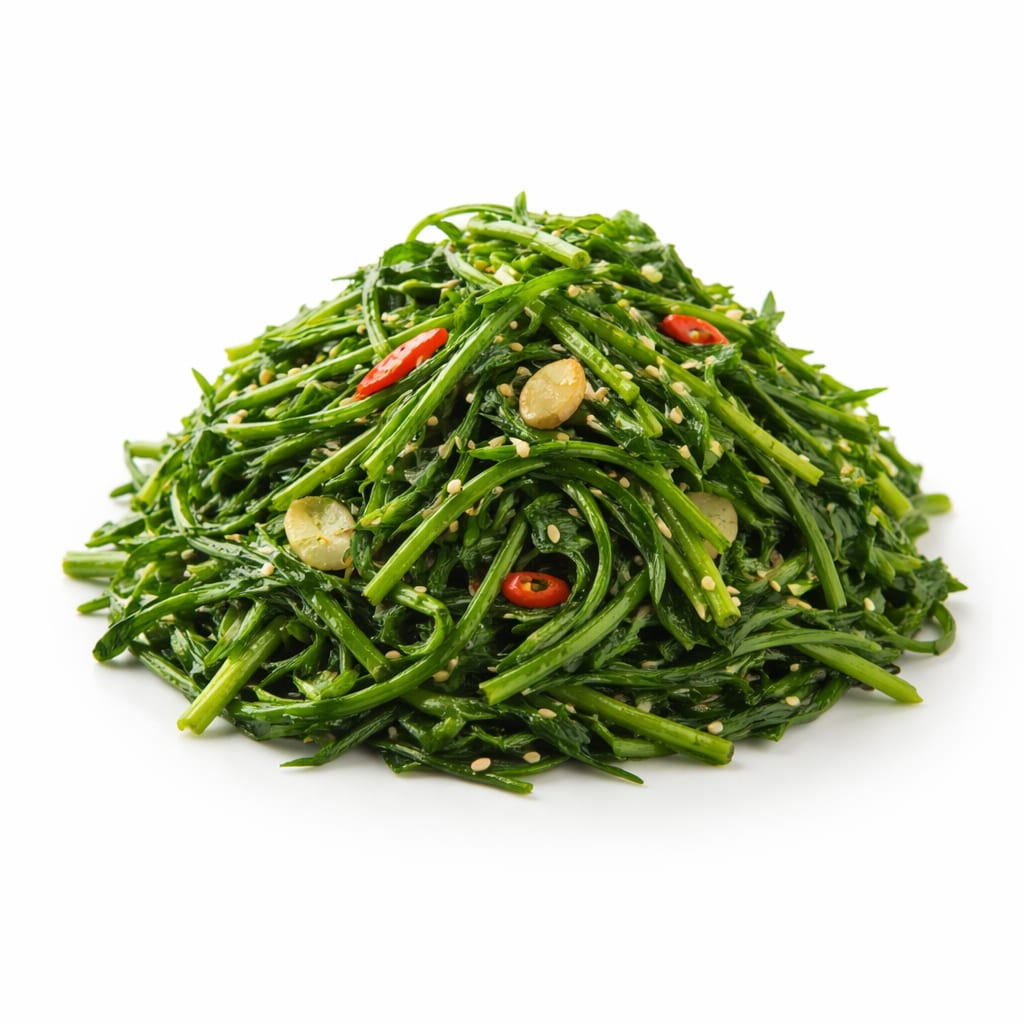
Indian Kalimeris
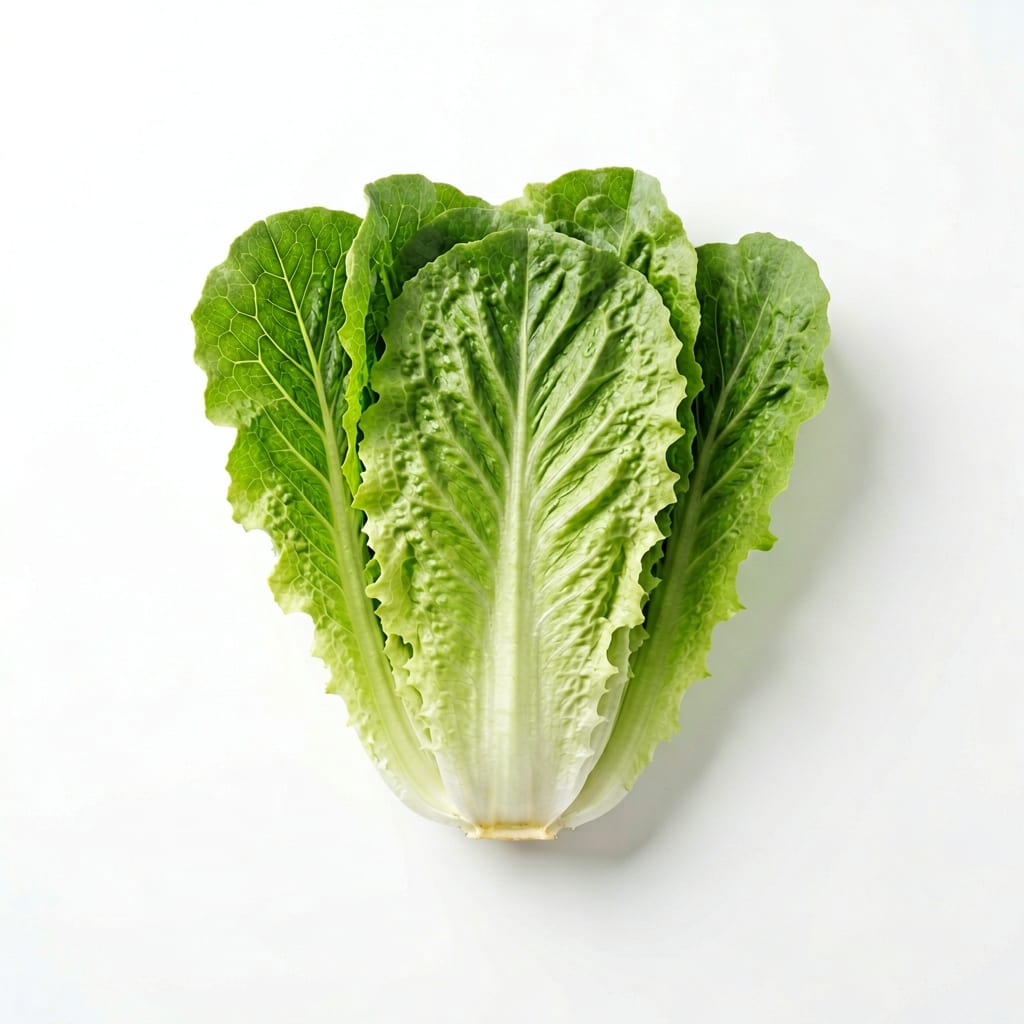
Romaine lettuce
Indian Kalimeris delivers significantly more nutrients and antioxidants per serving, but Romaine lettuce is far more accessible and convenient for everyday salads.
Indian Kalimeris scores higher due to superior nutrient density and antioxidant content, but Romaine remains a solid everyday choice that's easier to actually incorporate into meals consistently.
Nutritional power versus practical availability — Indian Kalimeris is the richer green, but Romaine is the easier one to actually eat regularly.
At a glance
Executive summary
Overall
Indian Kalimeris
Healthier
Indian Kalimeris
More practical
Romaine lettuce
Daily use
It depends
Key comparison lenses
nutrient density comparison between leafy greens
Users choosing between leafy greens typically want to know which packs more nutrition per bite
everyday salad vs cooked green decision
These two greens serve very different culinary roles — raw salads vs cooked dishes
antioxidant and phytonutrient value
Indian Kalimeris is known for bioactive compounds that Romaine lacks
food safety and contamination risk
Romaine has a documented history of E. coli outbreaks that consumers should weigh
accessibility and practical weekly use
Indian Kalimeris is harder to find in most Western grocery stores
Best choice for
Indian Kalimeris
- Maximizing vitamin and mineral intake per calorie
- Adding antioxidant-rich cooked greens to meals
- Traditional Asian recipes and stir-fries
- People seeking bitter greens for digestive benefits
Romaine lettuce
- Quick everyday salads with minimal prep
- Meal prep and batch cooking where raw greens are needed
- Families wanting a mild-tasting green kids will eat
- Low-cost, widely available produce staple
Least suitable for
Indian Kalimeris
- People who cannot find it locally
- Raw salad preparations — texture is better cooked
- Those sensitive to bitter flavors
Romaine lettuce
- Maximizing nutrient density from greens
- Cooked dishes where a sturdier, more flavorful green is desired
- Those avoiding produce with repeated contamination recalls
Deep comparison
Dimension by dimension
Each lens scores both foods and breaks down who each option suits.
- Dimension 1 · Priority 95Indian Kalimeris
Nutrient Density
Indian Kalimeris · 88Romaine lettuce · 55Indian Kalimeris is substantially richer in vitamins A, C, K, iron, and calcium than Romaine lettuce.
Tradeoff
You get more nutrition per bite from Indian Kalimeris, but you'd need to cook it to unlock its full nutrient potential.
Why it matters
If you're eating greens primarily for health benefits, the nutrient gap here is meaningful — not marginal.
Real-world impact
A serving of cooked Indian Kalimeris can deliver noticeably more iron and vitamin K than a large Romaine salad.
Indian Kalimeris
- Preventing nutrient deficiencies on a plant-based diet
- Boosting iron intake without supplements
Better for
- Requires cooking for best nutrient absorption
Worse for
Romaine lettuce
- Mild flavor that pairs with any meal without overpowering
Better for
- Lower return on the 'eat your greens' effort
Worse for
- Dimension 2 · Priority 85Indian Kalimeris
Antioxidant & Phytonutrient Content
Indian Kalimeris · 90Romaine lettuce · 45Indian Kalimeris contains flavonoids and phenolic compounds that Romaine simply does not offer in meaningful amounts.
Tradeoff
The bitter compounds in Indian Kalimeris that signal antioxidants also make it less palatable raw.
Why it matters
These compounds support cellular defense and reduce inflammation over time — a quiet but significant long-term benefit.
Real-world impact
Regularly eating Indian Kalimeris as a cooked side dish adds a layer of cellular protection that Romaine salads cannot match.
Indian Kalimeris
- Reducing chronic inflammation through diet
- Adding diversity to your phytonutrient intake
Better for
- Bitterness limits raw consumption and recipe versatility
Worse for
Romaine lettuce
- People who dislike bitter flavors and simply will not eat bitter greens
Better for
- Misses the deeper protective compounds found in traditional medicinal greens
Worse for
- Dimension 3 · Priority 80Romaine lettuce
Practicality & Availability
Indian Kalimeris · 35Romaine lettuce · 92Romaine is available in nearly every grocery store year-round. Indian Kalimeris is specialty produce that most Western shoppers cannot find easily.
Tradeoff
The healthier green does you no good if you cannot buy it — consistency beats perfection.
Why it matters
A green you actually eat three times a week beats a superior green you can never find.
Real-world impact
Romaine can be grabbed on any grocery run. Indian Kalimeris may require Asian markets, specialty stores, or home growing.
Indian Kalimeris
- Home gardeners who can grow their own supply
- People living near Asian grocery stores
Better for
- Most Western consumers will struggle to source it regularly
Worse for
Romaine lettuce
- Busy people who need reliable, easy-to-find produce
- Anyone meal prepping on a tight schedule
Better for
- Easy availability can lead to monotony and lower dietary diversity
Worse for
- Dimension 4 · Priority 72It depends
Culinary Versatility
Indian Kalimeris · 65Romaine lettuce · 70Romaine excels in raw applications; Indian Kalimeris excels in cooked dishes. They barely overlap in the kitchen.
Tradeoff
Each green dominates its own cooking domain — this is less about which is better and more about what meal you are making.
Why it matters
Trying to substitute one for the other usually leads to disappointment.
Real-world impact
Romaine makes a crisp, refreshing salad base. Indian Kalimeris makes a savory, satisfying stir-fry or soup green. They are not interchangeable.
Indian Kalimeris
- Stir-fries, soups, and braised dishes
- Recipes where a slightly bitter green adds depth
Better for
- Raw salads — texture is too tough and flavor too bitter
Worse for
Romaine lettuce
- Salads, wraps, and lettuce cups
- Dishes where crunch and freshness matter
Better for
- Cooked applications — it wilts into nothing and loses its appeal
Worse for
- Dimension 5 · Priority 70Indian Kalimeris
Food Safety
Indian Kalimeris · 80Romaine lettuce · 55Romaine lettuce has been linked to multiple large-scale E. coli outbreaks. Indian Kalimeris, typically cooked before eating, carries lower contamination risk.
Tradeoff
Cooking Indian Kalimeris kills most pathogens, while Romaine is eaten raw, leaving any contamination fully active.
Why it matters
If you have a weakened immune system or are pregnant, raw Romaine carries a real, documented risk.
Real-world impact
The CDC has issued multiple Romaine recalls. Cooking Indian Kalimeris effectively eliminates most bacterial threats.
Indian Kalimeris
- Immune-compromised individuals who need safer produce
- Anyone concerned about foodborne illness from raw greens
Better for
- If eaten raw unwashed, still carries standard field contamination risk
Worse for
Romaine lettuce
- People who wash produce thoroughly and trust their supply chain
Better for
- Repeated industry-wide recalls make it a less reliable choice for vulnerable populations
Worse for
- Dimension 6 · Priority 65Indian Kalimeris
Satiety & Fullness
Indian Kalimeris · 72Romaine lettuce · 50Cooked Indian Kalimeris is more filling per serving than raw Romaine, which is mostly water.
Tradeoff
Romaine fills your plate but not your stomach. Indian Kalimeris, especially cooked with oil, provides more lasting satisfaction.
Why it matters
If you are eating greens to feel full and manage portions, water-rich raw lettuce is less effective.
Real-world impact
A bowl of sautéed Indian Kalimeris with garlic and sesame oil satisfies like a real side dish. A Romaine salad leaves you hungry again in an hour.
Indian Kalimeris
- Using greens as a filling side dish
- Managing hunger between meals with nutrient-dense vegetables
Better for
- Requires cooking fat and seasoning to feel satisfying
Worse for
Romaine lettuce
- Adding volume to meals without adding calories
Better for
- High water content means you get full temporarily, then hungry again quickly
Worse for
Timeline
Health impact over time
Short-term
Hours to days
Indian Kalimeris
- Provides a noticeable boost in iron and vitamin K when consumed as a cooked green
- Slight bitter aftertaste may take adjustment for new eaters
- More filling than raw lettuce when prepared with healthy fats
Romaine lettuce
- Very hydrating due to high water content
- Extremely gentle on the stomach — easy to digest raw
- Minimal caloric impact, which can be helpful or unhelpful depending on goals
Long-term
Months to years
Indian Kalimeris
- Consistent intake supports stronger antioxidant defenses and reduced inflammation
- Higher vitamin K contributes to better bone health over decades
- Bitter compounds may improve digestive enzyme production with regular consumption
Romaine lettuce
- Regular raw salad intake supports healthy hydration and digestion habits
- Lower nutrient density means it should not be your only green long-term
- Continued reliance on Romaine alone may leave nutritional gaps compared to darker greens
Risk profile
Safety & processing
Both are whole, unprocessed vegetables. Indian Kalimeris is typically sold fresh or foraged. Romaine is sold fresh, sometimes pre-washed in bags which adds slight handling but no additives.
Indian Kalimeris
Field contamination from agricultural water
lowStandard risk for any fresh produce. Cooking eliminates most bacterial concerns.
Foraging misidentification
mediumIf wild-harvested rather than store-bought, there is risk of confusing Indian Kalimeris with similar-looking wild plants. Purchase from reputable sources.
Romaine lettuce
E. coli contamination
highRomaine has been linked to multiple multi-state E. coli outbreaks since 2018, often traced to irrigation water in major growing regions.
Pesticide residue
mediumRomaine frequently appears on EWG's Dirty Dozen list for pesticide residues. Washing helps but does not remove all residues.
Who wins for whom
Audience fit
Same foods, different winners depending on your goal.
children
Romaine lettuceRomaine's mild flavor and crunch make it far more kid-friendly. Most children reject bitter greens like Indian Kalimeris.
daily consumption
Romaine lettuceAvailability and ease of use make Romaine the more realistic daily staple for most people. The best green for daily use is the one you will actually eat every day.
diabetes
Indian KalimerisIndian Kalimeris has more fiber and antioxidants that support blood sugar regulation. Both are very low glycemic, so the difference is modest.
elderly
Indian KalimerisHigher vitamin K and calcium support bone health, and iron helps prevent anemia common in aging. Cooking makes it easier to chew and digest.
muscle gain
Indian KalimerisHigher iron content supports oxygen transport to muscles, and vitamin K aids recovery. Neither is a protein source, but Indian Kalimeris offers more supportive micronutrients.
weight loss
It dependsRomaine is lower in calories and fills plates with volume. Indian Kalimeris is more filling and nutrient-dense, which reduces cravings. Both work — through different mechanisms.
Your move
Decision guide
Choose Indian Kalimeris
- You have access to Indian Kalimeris through Asian markets or home gardening
- You want maximum nutritional return from your vegetable intake
- You enjoy cooked greens and are comfortable with slightly bitter flavors
- You have concerns about food safety with raw lettuce
Choose Romaine lettuce
- You need a reliable, affordable salad green available everywhere
- You prep raw meals and want something crisp and mild
- You are feeding children or picky eaters
- You want a low-effort vegetable that requires no cooking
Either works if
- You simply want more leafy greens in your diet regardless of type
- You are eating well overall and the difference between greens is marginal
- You rotate vegetables regularly and do not rely on just one
Avoid both if
- You have a specific leafy green allergy or sensitivity
- You are looking for a significant protein source — neither provides meaningful protein
Final recommendation
Eat both. Use Romaine for raw salads and wraps, and Indian Kalimeris for cooked dishes when you can find it. If you must pick one for health alone, Indian Kalimeris wins on nutrient density and safety. If you must pick one for realistic daily use, Romaine wins on convenience. The smartest approach is rotating between multiple leafy greens rather than committing to just one.
Practical
Consumer tips
- 1
If buying Indian Kalimeris, look for firm, vibrant leaves with no yellowing — wilted leaves indicate age and nutrient loss
- 2
Romaine is safest when the outer leaves are removed and the remaining head is washed thoroughly under running water
- 3
Cooking Indian Kalimeris with a small amount of healthy fat like sesame or olive oil improves absorption of fat-soluble vitamins
- 4
If you cannot find Indian Kalimeris locally, other bitter Asian greens like chrysanthemum greens or tatsoi offer similar nutritional profiles
- 5
Pre-washed bagged Romaine is convenient but has higher contamination risk due to processing — whole heads are safer
- 6
Growing Indian Kalimeris at home is surprisingly easy in temperate climates and gives you a steady, free supply