
Nutrition comparison
Indian Kalimeris vs Dandelion Greens: Which Wild Green Is Better for You?
Compare Indian Kalimeris and dandelion greens on nutrition, taste, safety, and daily usability. Find out which wild green fits your health goals and cooking style.
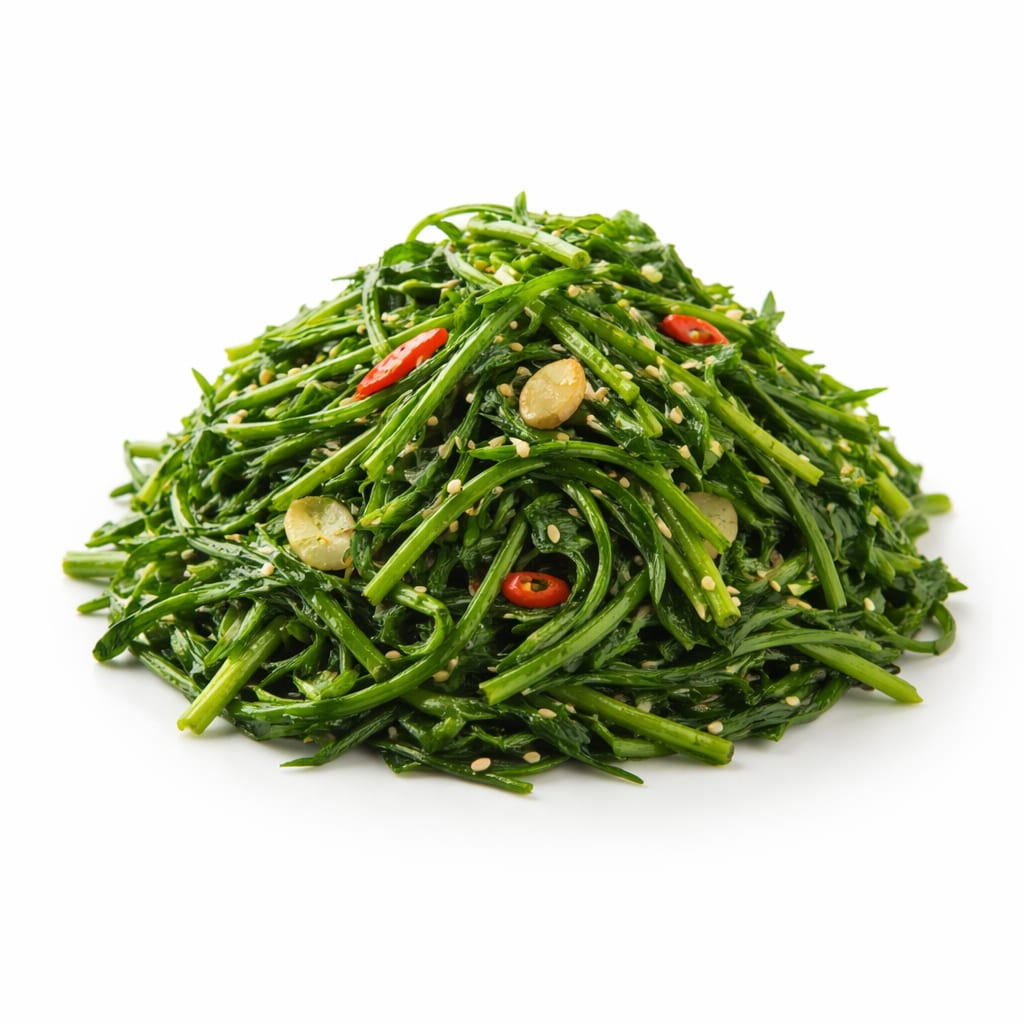
Indian Kalimeris
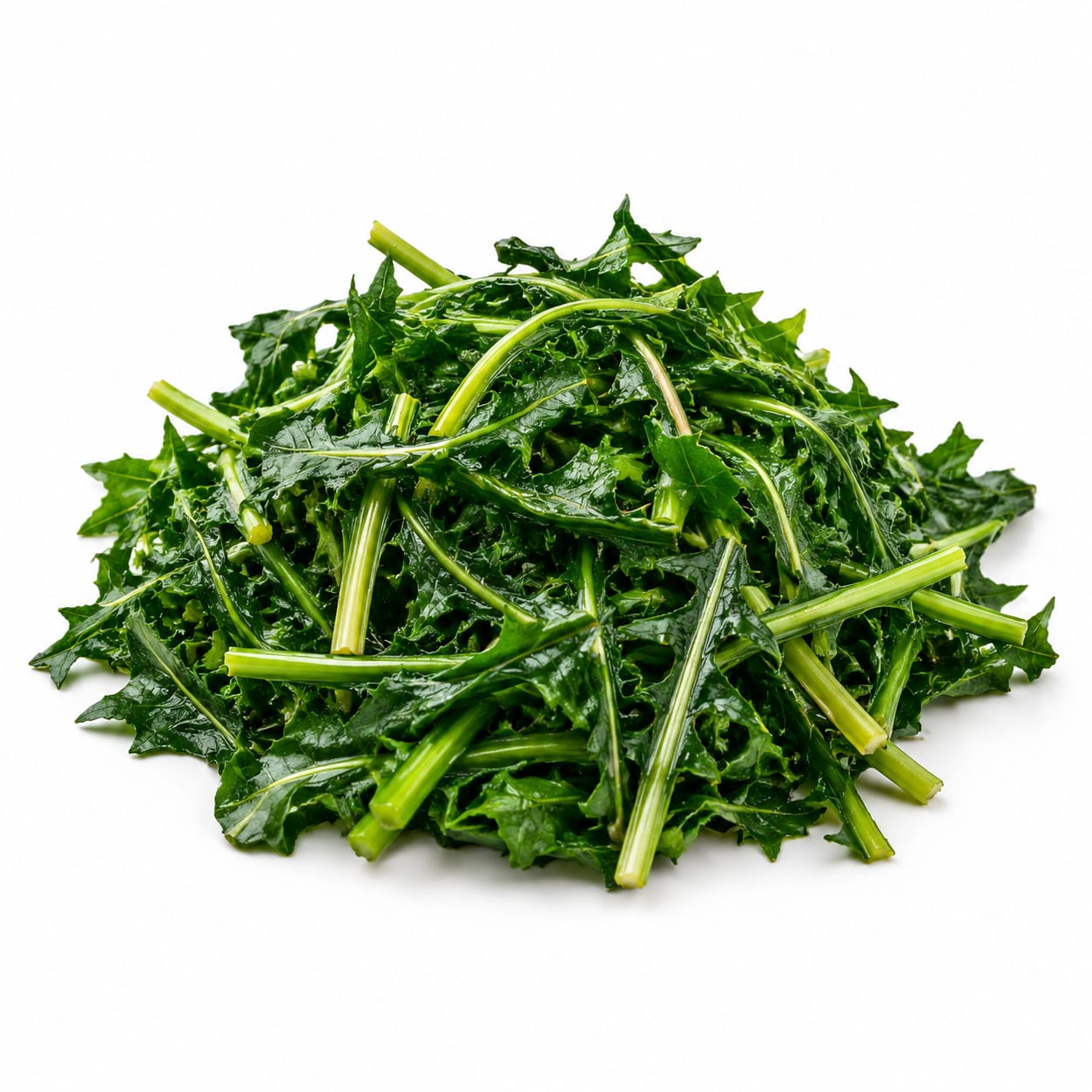
Dandelion Greens
Dandelion greens win on raw nutritional firepower and medicinal value, but Indian Kalimeris is far more pleasant to eat regularly and easier to cook with.
Dandelion greens score higher due to superior vitamin and mineral density and well-established medicinal benefits, but Indian Kalimeris stays competitive thanks to better palatability and cooking versatility. The confidence score reflects limited clinical data specifically on Indian Kalimeris.
Maximum nutrient density and liver support versus milder flavor and better culinary versatility.
At a glance
Executive summary
Overall
It depends
Healthier
Dandelion Greens
More practical
Indian Kalimeris
Daily use
Indian Kalimeris
Key comparison lenses
nutrient density comparison between wild foraged greens
Both are wild leafy greens prized for their nutritional punch, so users want to know which delivers more vitamins and minerals per bite
bitterness tolerance and culinary usability
Dandelion greens are famously bitter while Indian Kalimeris is milder, making taste a major deciding factor for daily use
foraging safety and contamination risk
Both are commonly foraged rather than store-bought, so pesticide exposure and soil contamination are real concerns
digestive and detoxification effects
Dandelion greens have well-documented diuretic and liver-supporting properties that Indian Kalimeris cannot match
accessibility and practical daily integration
Indian Kalimeris is harder to find outside Asian markets while dandelion greens are increasingly available in Western grocery stores
Best choice for
Indian Kalimeris
- People sensitive to bitter flavors who still want a nutrient-dense green
- Home cooks wanting a versatile leafy vegetable for stir-fries and soups
- Those seeking a gentle daily green without diuretic effects
- Families introducing more wild greens into meals
- Anyone who finds dandelion greens too harsh to enjoy
Dandelion Greens
- Nutrition maximizers who want the most vitamins and minerals per serving
- People seeking natural liver support and mild detoxification
- Those who enjoy or tolerate bitter flavors well
- Anyone looking for a high-calcium, high-iron plant food
- Experienced foragers wanting a well-documented medicinal green
Least suitable for
Indian Kalimeris
- People who need strong diuretic or liver-supporting effects from their greens
- Those wanting maximum vitamin K and calcium from a single serving
- Anyone outside regions where Indian Kalimeris is available or known
Dandelion Greens
- People with kidney issues who must avoid potassium spikes
- Anyone on diuretic medications due to compounding effects
- Those who genuinely cannot tolerate bitter flavors
- People prone to heartburn triggered by bitter foods
Deep comparison
Dimension by dimension
Each lens scores both foods and breaks down who each option suits.
- Dimension 1 · Priority 95Dandelion Greens
Vitamin and Mineral Density
Indian Kalimeris · 68Dandelion Greens · 92Dandelion greens are a nutritional powerhouse, delivering significantly more vitamin K, vitamin A, calcium, and iron per serving than Indian Kalimeris.
Tradeoff
You get more measurable nutrients from dandelion greens, but the intense bitterness makes it harder to eat large quantities consistently.
Why it matters
If you are trying to correct deficiencies or maximize nutrient intake from greens, dandelion greens deliver more per calorie.
Real-world impact
A single cup of raw dandelion greens covers over 500% of your daily vitamin K needs, while Indian Kalimeris provides a more modest but still solid contribution.
Indian Kalimeris
- Consistent daily intake because the milder taste allows larger portions
- Gradual nutrient building without overwhelming the palate
Better for
- Lower total nutrient yield per serving compared to dandelion greens
- Less documented nutritional profile in scientific literature
Worse for
Dandelion Greens
- Maximum vitamin K, A, calcium, and iron in fewer bites
- Correcting borderline deficiencies more efficiently
Better for
- Bitterness limits portion size, reducing actual nutrient intake in practice
- Overconsumption of vitamin K can interfere with blood-thinning medications
Worse for
- Dimension 2 · Priority 88Indian Kalimeris
Bitterness and Palatability
Indian Kalimeris · 82Dandelion Greens · 45Indian Kalimeris has a mild, slightly herbaceous flavor that most people find pleasant, while dandelion greens are distinctly and intensely bitter.
Tradeoff
The compounds that make dandelion greens bitter are the same ones responsible for many of their health benefits, so better taste means fewer medicinal compounds.
Why it matters
The healthiest green is the one you actually eat. If bitterness stops you from eating a green regularly, its theoretical nutritional advantages become irrelevant.
Real-world impact
Indian Kalimeris can be sautéed, added to soups, or mixed into salads without special preparation. Dandelion greens often require blanching, pairing with fat, or mixing with sweeter greens to become palatable.
Indian Kalimeris
- Easy to serve to children and picky eaters
- Works in simple recipes without masking techniques
- More likely to become a daily habit rather than an occasional chore
Better for
- Lacks the digestive-stimulating benefits that bitter compounds provide
- May feel too plain for people who enjoy assertive flavors
Worse for
Dandelion Greens
- Bitter compounds stimulate digestion and bile production
- Bitter flavors can add sophisticated depth to dishes when used skillfully
Better for
- Many people give up on eating them regularly due to taste fatigue
- Requires more cooking skill and recipe effort to enjoy
Worse for
- Dimension 3 · Priority 82Dandelion Greens
Digestive and Medicinal Effects
Indian Kalimeris · 55Dandelion Greens · 88Dandelion greens have centuries of documented use as a liver tonic, diuretic, and digestive aid. Indian Kalimeris has traditional uses but far less scientific backing.
Tradeoff
Stronger medicinal effects come with stronger physiological effects that may not suit everyone, especially those on certain medications.
Why it matters
If you are choosing a green partly for therapeutic benefits, dandelion greens have a much clearer evidence base.
Real-world impact
After a heavy meal, dandelion greens can genuinely help with bloating and sluggish digestion. Indian Kalimeris is more of a gentle, neutral green without pronounced after-meal effects.
Indian Kalimeris
- Safer for people who need to avoid diuretic effects
- Gentler on the system for daily consumption without physiological disruption
Better for
- Lacks the well-documented therapeutic profile of dandelion greens
- Cannot serve as a functional food for liver or kidney support
Worse for
Dandelion Greens
- Stimulates bile production and supports liver function
- Acts as a natural mild diuretic to reduce water retention
- Traditionally used for skin conditions and mild detoxification
Better for
- Diuretic effect can be problematic for those on blood pressure or kidney medications
- May increase urination frequency enough to be annoying during daily activities
Worse for
- Dimension 4 · Priority 80Indian Kalimeris
Foraging Safety and Contamination
Indian Kalimeris · 72Dandelion Greens · 60Both are commonly foraged, but dandelion greens grow everywhere including lawns and roadsides treated with chemicals, making contamination risk higher in practice.
Tradeoff
Dandelion greens are easier to find for foraging but harder to find from verified clean sources, while Indian Kalimeris is often sourced from known agricultural areas or Asian markets.
Why it matters
Wild greens absorb soil contaminants and pesticide residue more than most vegetables, so source matters enormously.
Real-world impact
That dandelion patch next to a parking lot may look tempting but could contain lead, pesticide residue, or pet waste contamination. Indian Kalimeris from an Asian grocery is typically farm-grown with more predictable safety.
Indian Kalimeris
- More commonly sold through regulated agricultural channels
- Less likely to be casually foraged from contaminated urban areas
Better for
- Less available in Western markets, so foraging may be the only option for some
- Less public awareness of safe foraging practices for this specific plant
Worse for
Dandelion Greens
- Organic dandelion greens are increasingly available in mainstream grocery stores
- Easy to grow yourself in clean containers at home
Better for
- Widespread lawn growth tempts unsafe urban foraging
- High risk of pesticide exposure from chemically treated lawns
Worse for
- Dimension 5 · Priority 75Indian Kalimeris
Culinary Versatility
Indian Kalimeris · 85Dandelion Greens · 58Indian Kalimeris integrates easily into stir-fries, soups, curries, and salads. Dandelion greens are more limited due to their bitterness and tougher texture when raw.
Tradeoff
A more versatile green gets used more often, which matters more for long-term health than occasional nutrient-dense meals.
Why it matters
Consistency beats intensity. A green you cook with three times a week outperforms one you force down once a month.
Real-world impact
Indian Kalimeris can replace spinach or bok choy in most recipes with minimal adjustment. Dandelion greens require specific recipes or careful balancing to taste good.
Indian Kalimeris
- Works as a direct substitute in most Asian vegetable dishes
- Mild flavor pairs well with almost any seasoning or protein
- Tender stems and leaves cook quickly and evenly
Better for
- Less character means it can feel interchangeable with other mild greens
- Does not bring a unique flavor signature to dishes
Worse for
Dandelion Greens
- Excellent in specific dishes like Italian sautés with garlic and olive oil
- Adds distinctive bitter complexity when used as an accent green
Better for
- Bitterness limits pairing options significantly
- Tough raw texture requires cooking or massaging with oil for salads
Worse for
- Dimension 6 · Priority 78Dandelion Greens
Antioxidant and Anti-inflammatory Profile
Indian Kalimeris · 65Dandelion Greens · 83Dandelion greens contain higher levels of polyphenols, flavonoids, and specific compounds like luteolin and chicoric acid with documented anti-inflammatory effects.
Tradeoff
Indian Kalimeris still provides meaningful antioxidants but has been far less studied, so its full profile remains unclear.
Why it matters
Chronic inflammation drives most modern diseases, so choosing greens with stronger anti-inflammatory compounds has long-term payoff.
Real-world impact
Regular consumption of dandelion greens may contribute to lower inflammatory markers over time, while Indian Kalimeris likely helps but with less certainty.
Indian Kalimeris
- Still provides meaningful antioxidant support through regular consumption
- Milder taste makes consistent intake more realistic
Better for
- Antioxidant profile is less well-characterized in research
- May lack some of the specific compounds that make dandelion greens medicinal
Worse for
Dandelion Greens
- Chicoric acid supports immune function and reduces oxidative stress
- Luteolin has been studied for anti-inflammatory and potential anti-cancer properties
- More robust scientific evidence for specific antioxidant compounds
Better for
- Benefits are dose-dependent, and bitterness limits how much people actually consume
Worse for
Timeline
Health impact over time
Short-term
Hours to days
Indian Kalimeris
- Gentle digestive support without stimulating urgency
- Mild energy lift from iron and B vitamins
- Comforting, light feeling after eating due to easy digestibility
Dandelion Greens
- Noticeable increase in urination within hours of consumption
- Reduced bloating after heavy meals due to bile stimulation
- Possible mild stomach discomfort if eaten in large quantities by unaccustomed eaters
Long-term
Months to years
Indian Kalimeris
- Steady contribution to daily vitamin and mineral intake
- Sustained gentle support for blood health through iron content
- Likely anti-inflammatory benefits from regular green vegetable consumption
Dandelion Greens
- Improved liver enzyme profiles with regular consumption
- Better calcium intake supporting bone density over time
- Potential for improved blood sugar regulation due to fiber and bitter compounds
- Risk of excessive vitamin K intake if consumed very frequently alongside supplements
Risk profile
Safety & processing
Both Indian Kalimeris and dandelion greens are whole, unprocessed foods typically sold fresh with no additives. The main concern is not processing but source cleanliness, especially for foraged specimens.
Indian Kalimeris
Misidentification during foraging
mediumIndian Kalimeris resembles some less edible aster family members. Foragers should confirm identification with an experienced guide before consuming wild-harvested plants.
Agricultural pesticide residue
lowWhen purchased from markets, Indian Kalimeris is typically grown with standard agricultural practices. Washing thoroughly reduces any residual concern.
Soil contamination in foraged specimens
mediumWild plants growing near roads or industrial areas may absorb heavy metals from soil. Source location matters significantly.
Dandelion Greens
Urban foraging contamination
highDandelion greens are the most commonly foraged plant in urban areas, and lawns are frequently treated with herbicides, pesticides, and fertilizers. Roadside dandelions may also contain lead and other heavy metals.
Interaction with diuretic medications
highDandelion greens have significant diuretic effects that compound with prescription diuretics, potentially causing dehydration or electrolyte imbalance.
Excessive vitamin K with blood thinners
mediumThe extremely high vitamin K content can interfere with warfarin and other anticoagulant medications, requiring careful portion management.
Oxalate content
lowDandelion greens contain moderate oxalates. People with a history of calcium oxalate kidney stones should moderate intake.
Who wins for whom
Audience fit
Same foods, different winners depending on your goal.
children
Indian KalimerisIndian Kalimeris has a milder flavor that children are more likely to accept, and it lacks the diuretic effects that could be concerning for smaller bodies.
daily consumption
Indian KalimerisIndian Kalimeris is gentle enough to eat every day without physiological disruption, while dandelion greens' diuretic and bitter effects make daily consumption challenging for most people.
diabetes
Dandelion GreensBitter compounds in dandelion greens may help improve insulin sensitivity, and the higher fiber content slows glucose absorption more effectively.
elderly
Dandelion GreensThe exceptional vitamin K and calcium content in dandelion greens directly supports bone health and blood clotting, which are critical concerns for older adults. However, those on blood thinners should choose Indian Kalimeris instead.
muscle gain
It dependsNeither green is a significant protein source. Dandelion greens offer slightly more iron for oxygen delivery to muscles, but the difference is marginal for this goal.
weight loss
Dandelion GreensDandelion greens have fewer calories per serving with higher fiber, and their diuretic effect reduces water weight. However, Indian Kalimeris is easier to eat in larger volumes, which helps with satiety.
Your move
Decision guide
Choose Indian Kalimeris
- You find bitter greens unpleasant and want something easier to eat regularly
- You need a versatile cooking green that works in stir-fries, soups, and salads
- You are on diuretic or blood-thinning medications and need to avoid compounding effects
- You want a daily green that will not send you to the bathroom more often
- You are cooking for a family and need broad taste appeal
Choose Dandelion Greens
- You want maximum nutritional return per serving and can handle the bitterness
- You are specifically seeking liver support or natural detoxification
- You enjoy bitter flavors or have developed a taste for them
- You have access to organic or home-grown dandelion greens from clean soil
- You are looking for a medicinal green with centuries of traditional use backing it
Either works if
- You simply want to add more leafy greens to your diet and both are available
- You rotate greens regularly and want variety in your vegetable intake
- You are in good health with no medication interactions to worry about
Avoid both if
- You have severe oxalate sensitivity or a history of calcium oxalate kidney stones
- You cannot verify that foraged specimens come from clean, uncontaminated soil
- You are on multiple medications and have not consulted your doctor about green vegetable interactions
Final recommendation
Eat both if you can. Use Indian Kalimeris as your everyday cooking green for its pleasant flavor and versatility, and add dandelion greens two to three times a week for their concentrated nutrients and liver-supporting compounds. If you must pick one, choose Indian Kalimeris for sustainable daily use or dandelion greens for targeted nutritional and medicinal benefits.
Practical
Consumer tips
- 1
If buying dandelion greens, choose organic from a grocery store rather than foraging from lawns unless you are certain the area is chemical-free
- 2
Blanch dandelion greens for 30 seconds in boiling water to reduce bitterness before sautéing or adding to dishes
- 3
Pair dandelion greens with lemon juice, olive oil, or a sprinkle of salt to balance their bitterness
- 4
Indian Kalimeris cooks quickly and works best added in the last few minutes of stir-frying to preserve texture
- 5
If growing dandelion greens at home, harvest young leaves before flowering for the mildest flavor
- 6
Both greens lose some nutrients with prolonged cooking, so quick sautéing or light steaming preserves the most value
- 7
Freeze-dried dandelion green powder is available as a supplement if fresh greens are too bitter but you still want the nutritional benefits