
Fruit
Hackberry
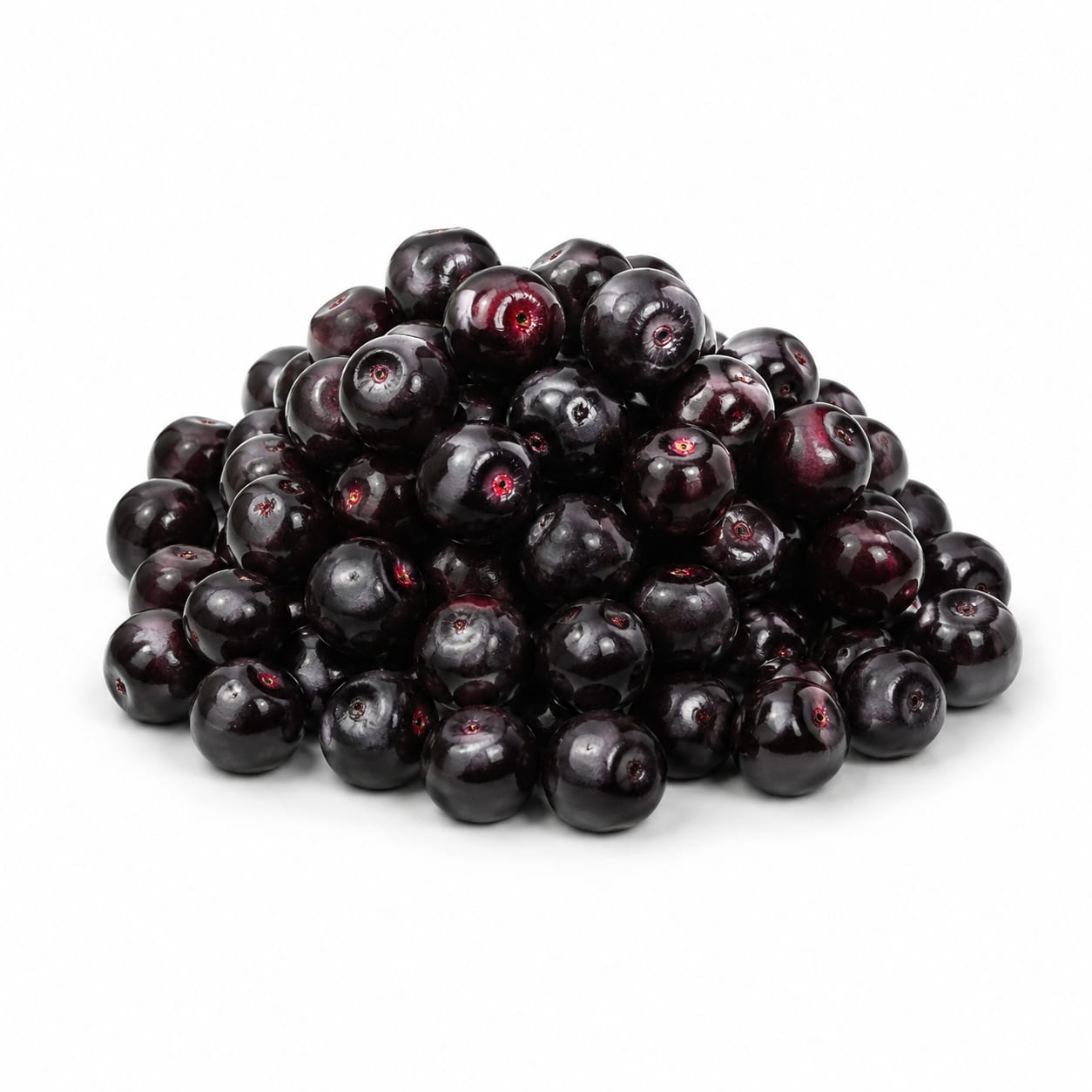
A small, sweet, wild berry-like fruit with a large edible seed known for its high fiber content.
A small, dark purple to red drupe produced by the Celtis tree, featuring thin sweet flesh over a large, hard seed that can be ground into a nutritious paste.
high-fiber wild fruit
Typical serving · 100g
Common varieties · common hackberry, sugarberry, netleaf hackberry, Chinese hackberry
Overall context score across nutrition, safety, and diet fit
At a glance
Quick facts
Simple indicators based on nutrition, processing, and diet fit.
The story
What makes it unique
Hackberries are wild drupes with a high carbohydrate and fiber profile. The edible seed, rich in cellulose and healthy fats, significantly increases fiber content when ground. Digestion is slow due to the fibrous matrix, resulting in moderate satiety and a tempered glycemic response despite natural sugar content.
Varieties: common hackberry · sugarberry · netleaf hackberry · Chinese hackberry
Per 100g
Nutrition breakdown
Macro balance and key metrics at a glance.
Energy
Density 1.40 kcal/g
Protein
Carbs
Fat
Fiber
Sugar
18 g
Sodium
5 mg
Potassium
260 mg
Glycemic index
40
Glycemic load
8
Water content
45%
Standout compounds
Nutrient highlights
Dietary Fiber
highPromotes digestive regularity and gut microbiome health
Carbohydrates
highProvides quick natural energy for physical activity
Potassium
moderateSupports fluid balance and healthy nerve function
Antioxidants
moderateProtects cells from oxidative stress and inflammation
Wellness map
Health scores & processing
NOVA processing scale
minimally processed · Whole food
Wild foraged fruit consumed whole or dried, requiring no industrial processing.
Diet compatibility
- Weight loss
- Muscle gain
- Diabetes
- Gut health
- Low carb
- High protein
- Heart health
Relative standing
Food rankings
Qualitative ranks compared to similar whole foods.
- Satietygood
- Blood sugargood
- Nutrient densitygood
- Fitness fuelmoderate
- Processing qualityexcellent
Eat with confidence
Food safety profile
Hackberries are generally safe wild foods, but urban foraging carries a risk of pollution or pesticide drift. Thorough washing is essential to remove environmental contaminants.
Evidence confidence 70%
- Pesticideslow
- Antibioticslow
- Heavy metalsmoderate
- Contaminationmoderate
Watch for
- bird droppings
- urban pollutants
- dust
Safer choices
Organically grown or rural foraged hackberries away from roadsides.
Prep tips
Rinse thoroughly under running water. Ensure accurate identification to avoid confusing with toxic lookalikes.
Not typically commercially regulated as it is mostly a foraged wild food.
Deep dive
Health analysis
How this food may fit different goals and preparation choices.
Weight loss
High fiber content, especially if the seed is consumed, slows digestion and promotes fullness, though natural sugars require portion awareness.
Blood sugar
The substantial fiber matrix tempers the absorption of natural sugars, preventing rapid blood sugar spikes.
Fitness & energy
Provides quick natural sugars for short-term energy, but lacks the protein needed for muscle recovery.
Gut health
Exceptional fiber content from the ground seed supports bowel regularity and feeds beneficial gut bacteria.
Processing quality
A completely unprocessed wild food, representing the highest tier of whole-food nutrition.
Food safety
Primary risks stem from foraging environments; avoid trees near busy roads or industrial areas due to potential soil contamination.
Common mistakes
Spitting out the seed misses the primary nutritional benefit; grinding the whole fruit unlocks its full fiber and fat profile.
Best preparation
Eating whole and spitting out the pit, or grinding the entire fruit into a paste or flour for maximum nutrition.
Practical guide
Best use cases
When and how this food fits real eating patterns.
High-fiber snacking
Eating ground hackberries provides a massive fiber boost for gut health and regularity.
Wild foraging
A reliable, unprocessed calorie source for foragers and hikers in late summer and fall.
Natural sweetener
Ground hackberry paste can sweeten smoothies, oatmeal, or baked goods naturally without refined sugar.
Balance sheet
Pros & cons
Upsides
- Extremely high in fiber when consumed with the seed
- Completely unprocessed wild food
- Rich in natural antioxidants
- Sustainable and free to forage
- Low glycemic impact relative to sugar content
Trade-offs
- High sugar content requires portion control
- Tedious to process if grinding the whole fruit
- Risk of environmental contamination if foraged near roads
- Large pit makes eating the flesh alone inefficient
Fit check
Who is it for?
Great match
- gut health improvement
- high-fiber diets
- wild foraging enthusiasts
- natural energy snacking
Consider alternatives
- strict low-carb diets
- people avoiding seeds or high fiber
- commercial calorie counting due to wild variation
Side by side
How it compares
Open the full head-to-head analysis for nutrition, safety, and practical tradeoffs.
This food
Hackberry
VS85% alike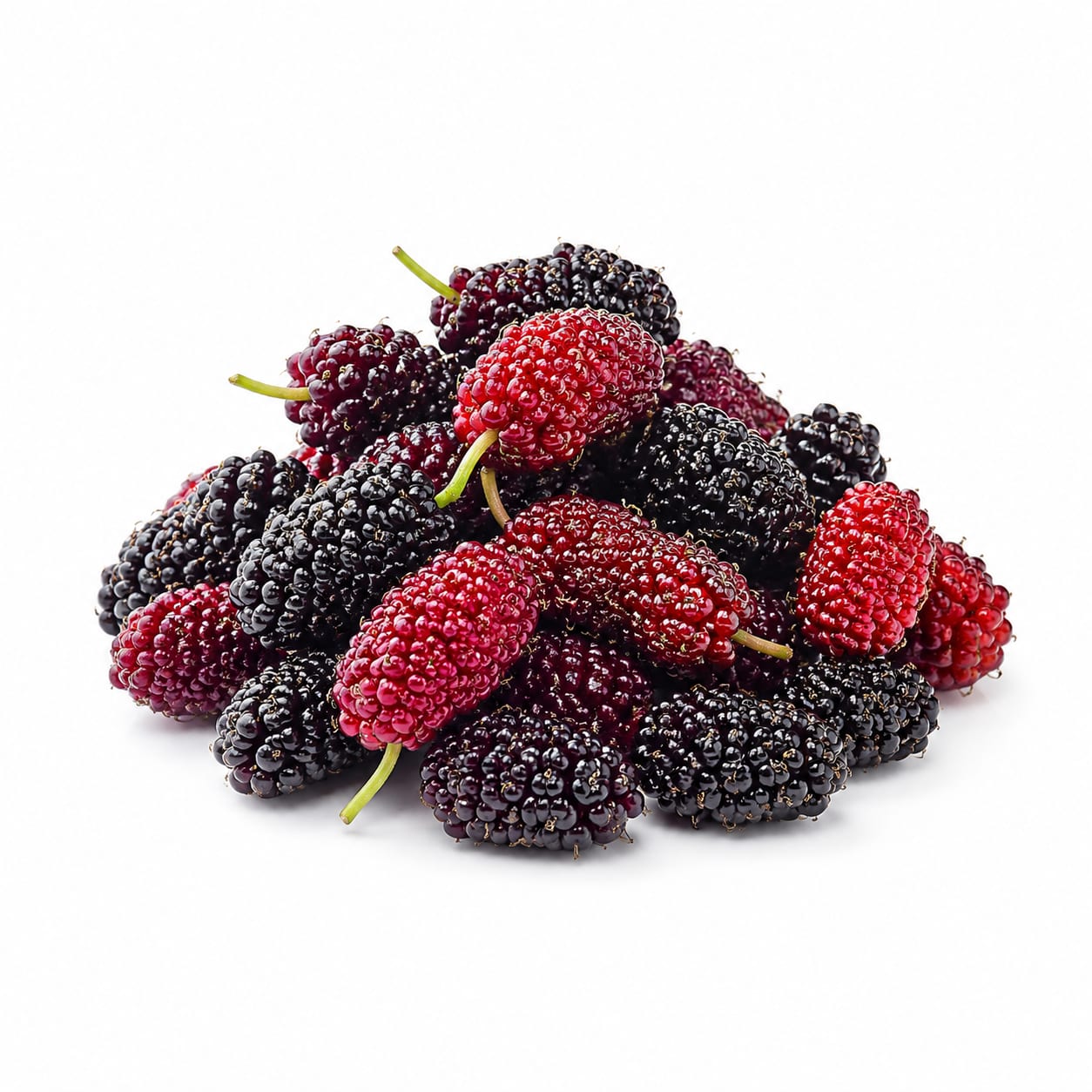
Compare with
Mulberry
Hackberries offer significantly more fiber if the seed is ground, while mulberries are easier to eat raw and provide more vitamin C.
Hackberries provide much more fiber and better blood sugar control than mulberries, but mulberries are easier to snack on and richer in vitamin C.
This food
Hackberry
VS80% alike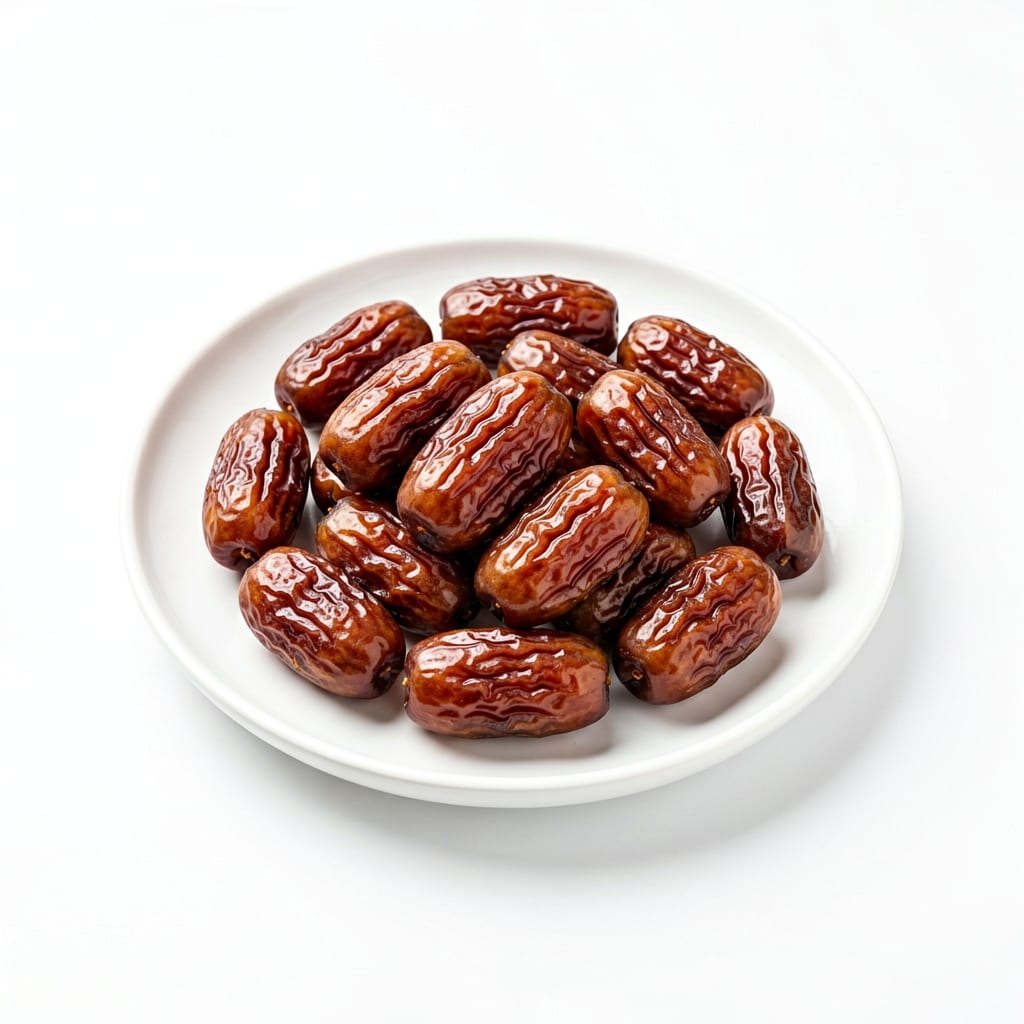
Compare with
Date
Dates are higher in calories and sugar, while hackberries provide a superior fiber-to-sugar ratio and are less processed.
Hackberries are lower in sugar and higher in fiber than dates, making them better for blood sugar control, while dates offer quicker energy for athletes.
This food
Hackberry
VS75% alike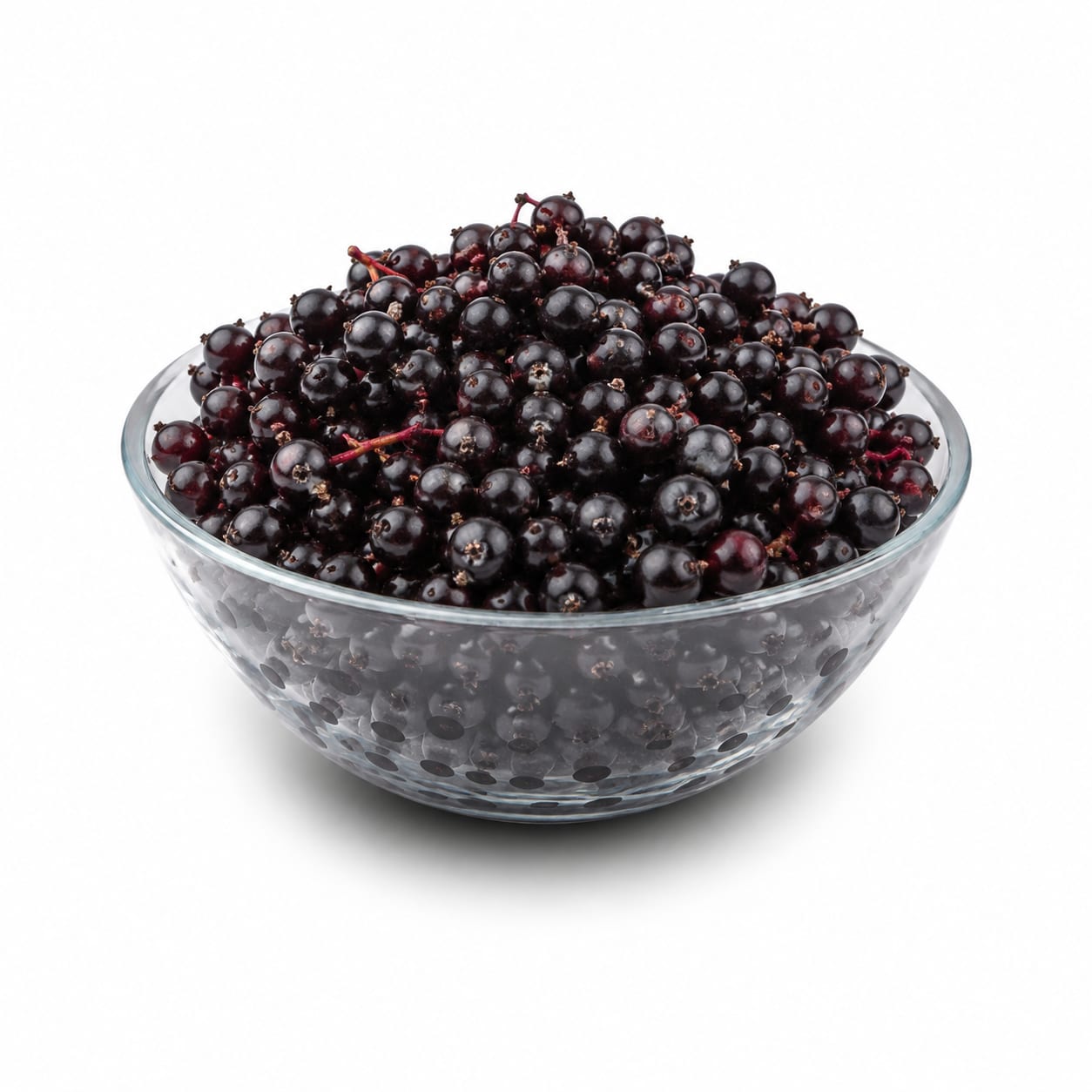
Compare with
Elderberry
Elderberries are renowned for immune support but must be cooked, whereas hackberries are safe raw and offer far more dietary fiber.
Hackberries are safer to eat raw and much higher in fiber than elderberries, which require cooking to remove toxins but are more famous for immune benefits.
This food
Hackberry
VS70% alike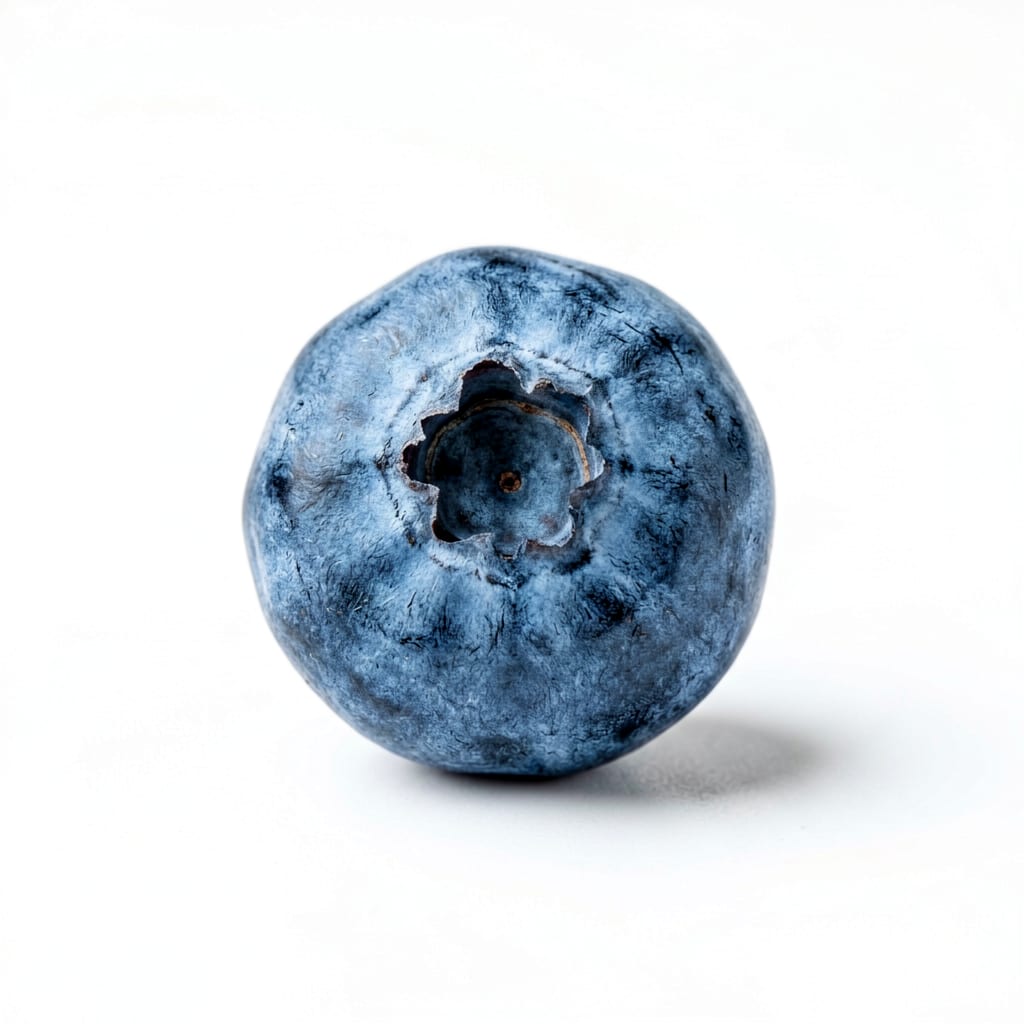
Compare with
Blueberry
Blueberries are lower in calories and higher in vitamins, but hackberries provide dramatically more fiber and sustained energy.
Blueberries are lower in calories and better for quick snacking, while hackberries offer vastly more fiber for gut health and satiety.
This food
Hackberry
VS75% alike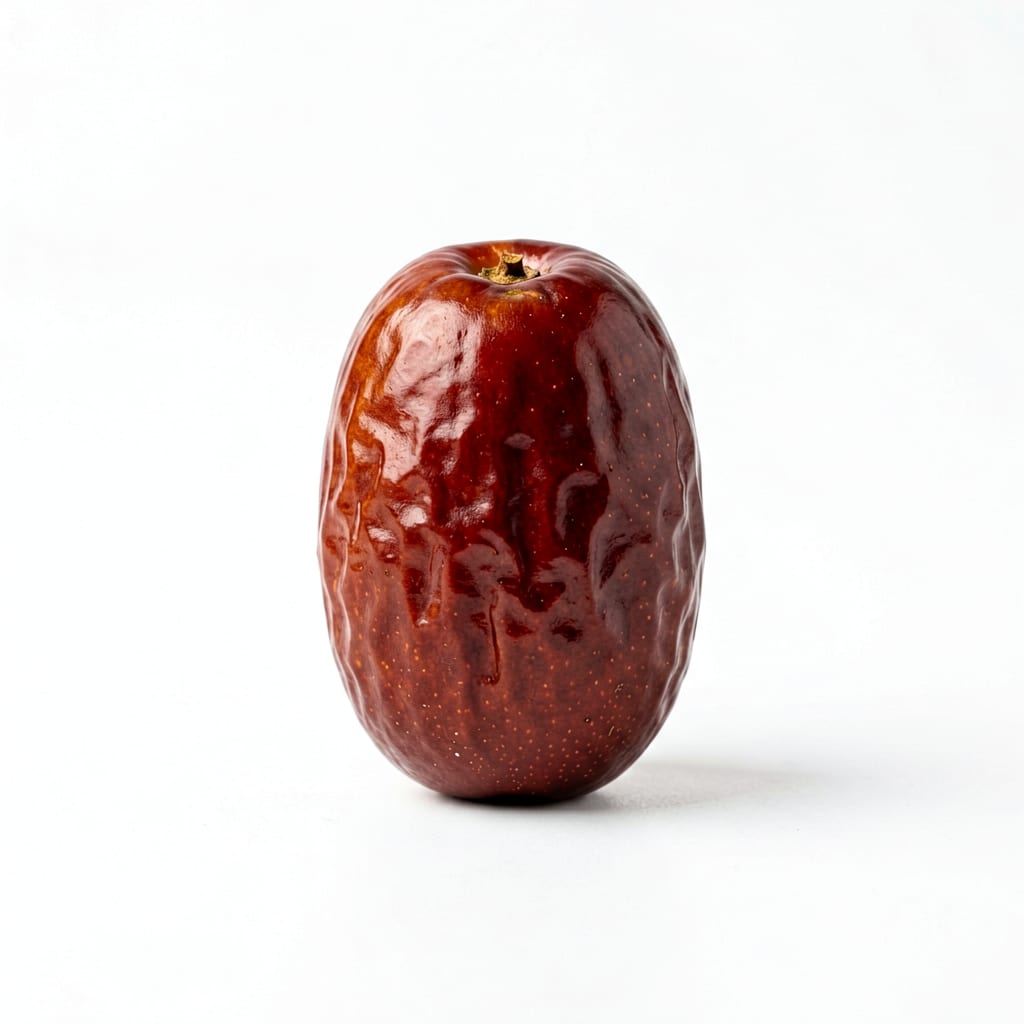
Compare with
Jujube
Jujubes are higher in vitamin C, while hackberries provide a stronger fiber profile when the seed is consumed.
Hackberries offer more fiber and better blood sugar regulation than jujubes, but jujubes provide more vitamin C and are easier to find commercially.
This food
Hackberry
VS65% alike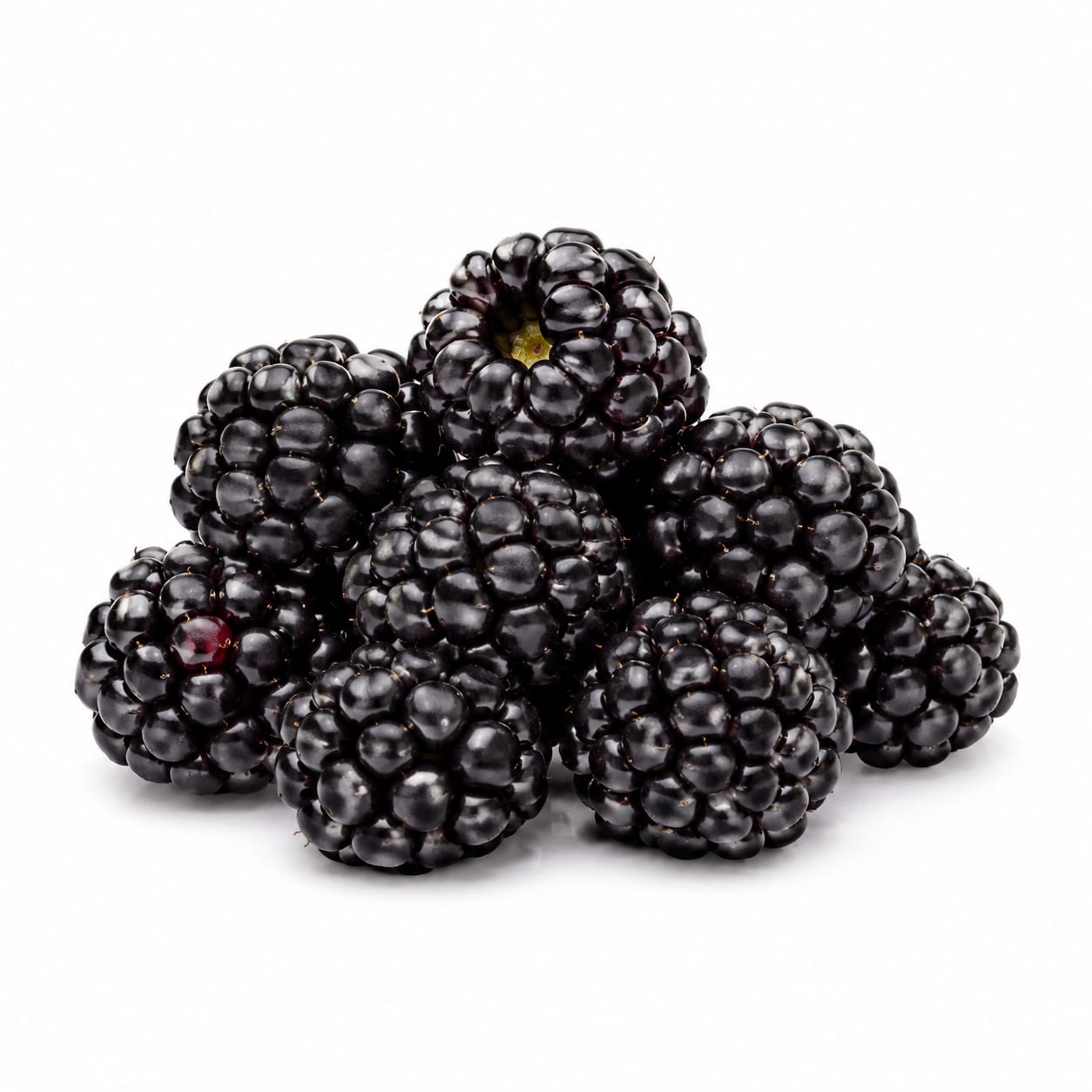
Compare with
Blackberry
Blackberries are easier to eat in volume and lower in sugar, but hackberries have a unique edible seed that boosts fiber content even higher.
Blackberries are lower in sugar and easier to eat raw, while hackberries provide a denser fiber punch when ground due to their edible seed.
This food
Hackberry
VS60% alike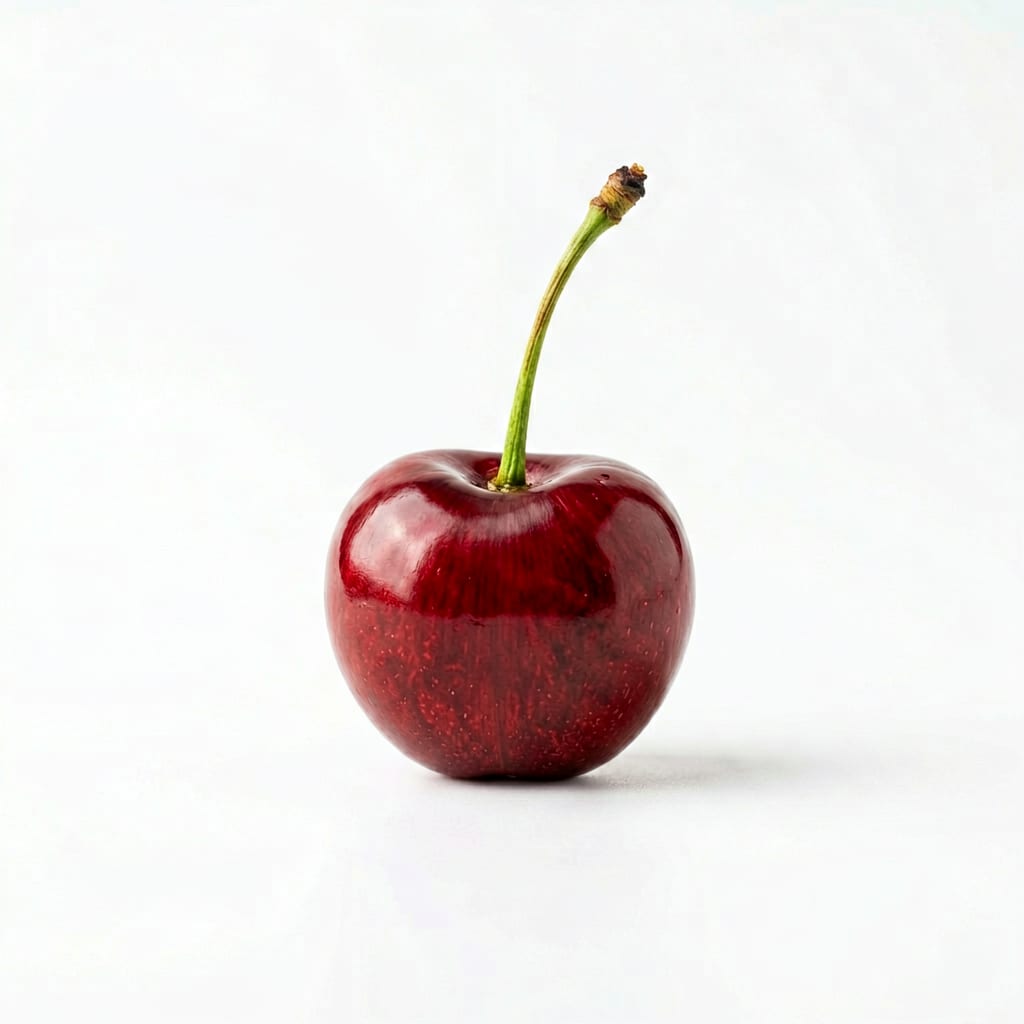
Compare with
Cherry
Cherries are lower in fiber and higher in sugar, while hackberries provide a slower-digesting energy source.
Hackberries are better for blood sugar control and satiety due to high fiber, whereas cherries are juicier, lower in calories, and better for quick hydration.
This food
Hackberry
VS55% alike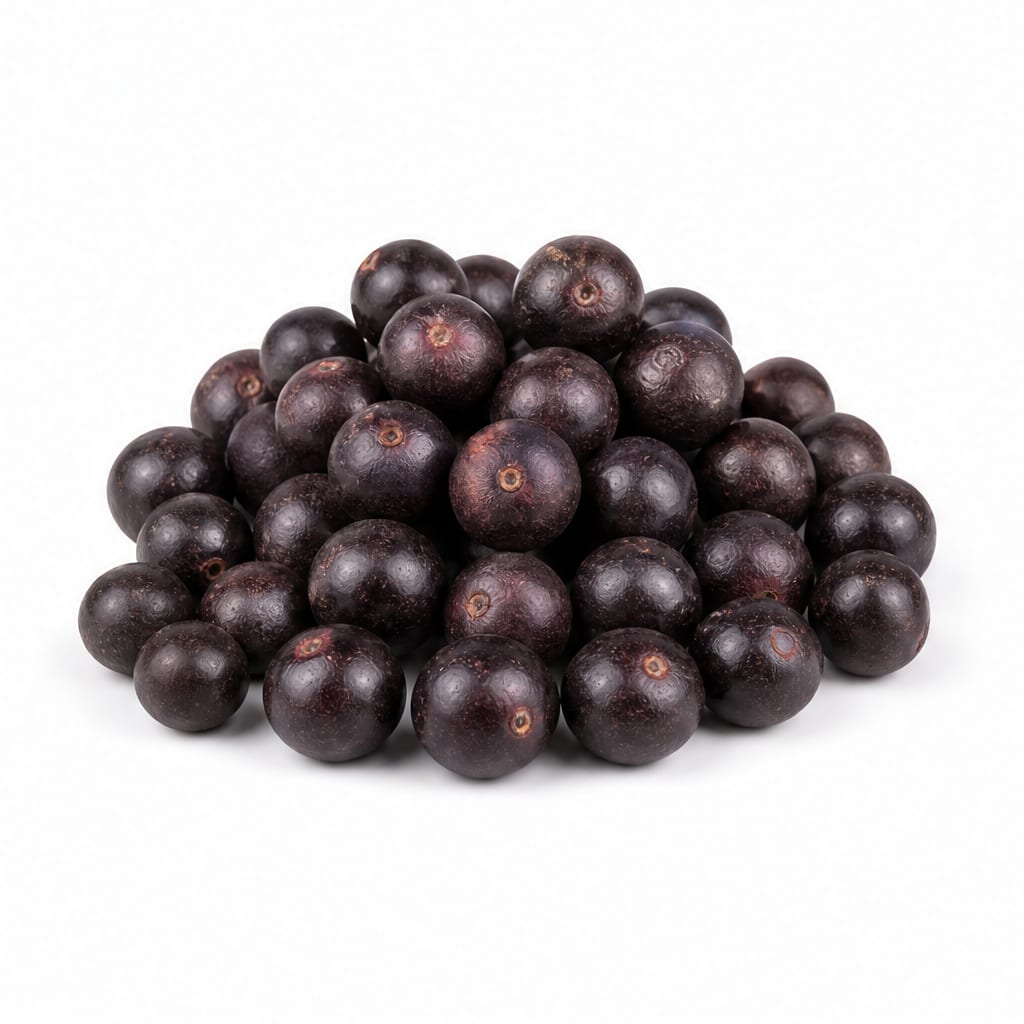
Compare with
Acai Berry
Acai is higher in healthy fats and marketed heavily for antioxidants, while hackberry is a whole-food, high-fiber alternative with no processing required.
Acai berries offer more healthy fats and antioxidants, but hackberries provide superior fiber and are consumed as a whole, unprocessed food.
This food
Hackberry
VS55% alike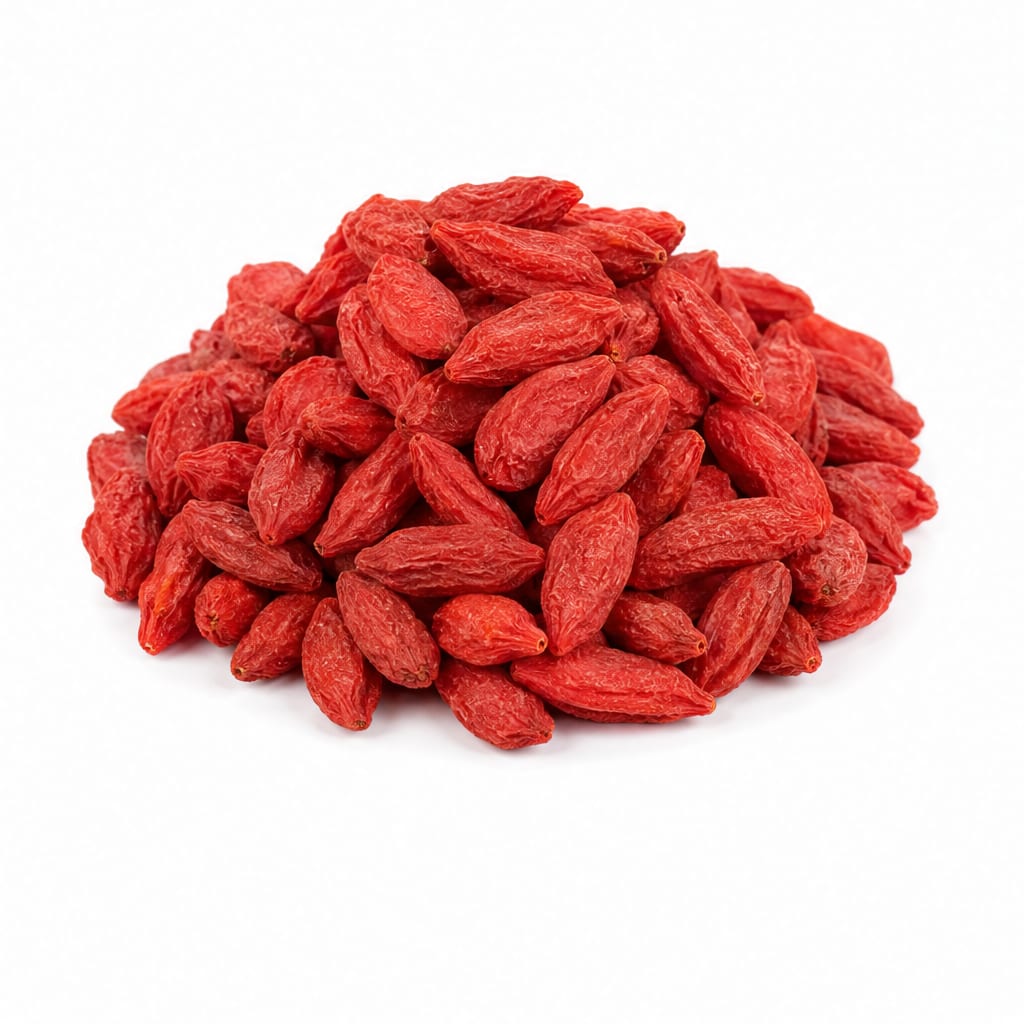
Compare with
Goji Berry
Goji berries are higher in protein and vitamin A, while hackberries offer better fiber and lower sugar content.
Goji berries are higher in protein and vitamin A, but hackberries are lower in sugar and much higher in fiber, making them better for blood sugar management.
This food
Hackberry
VS70% alike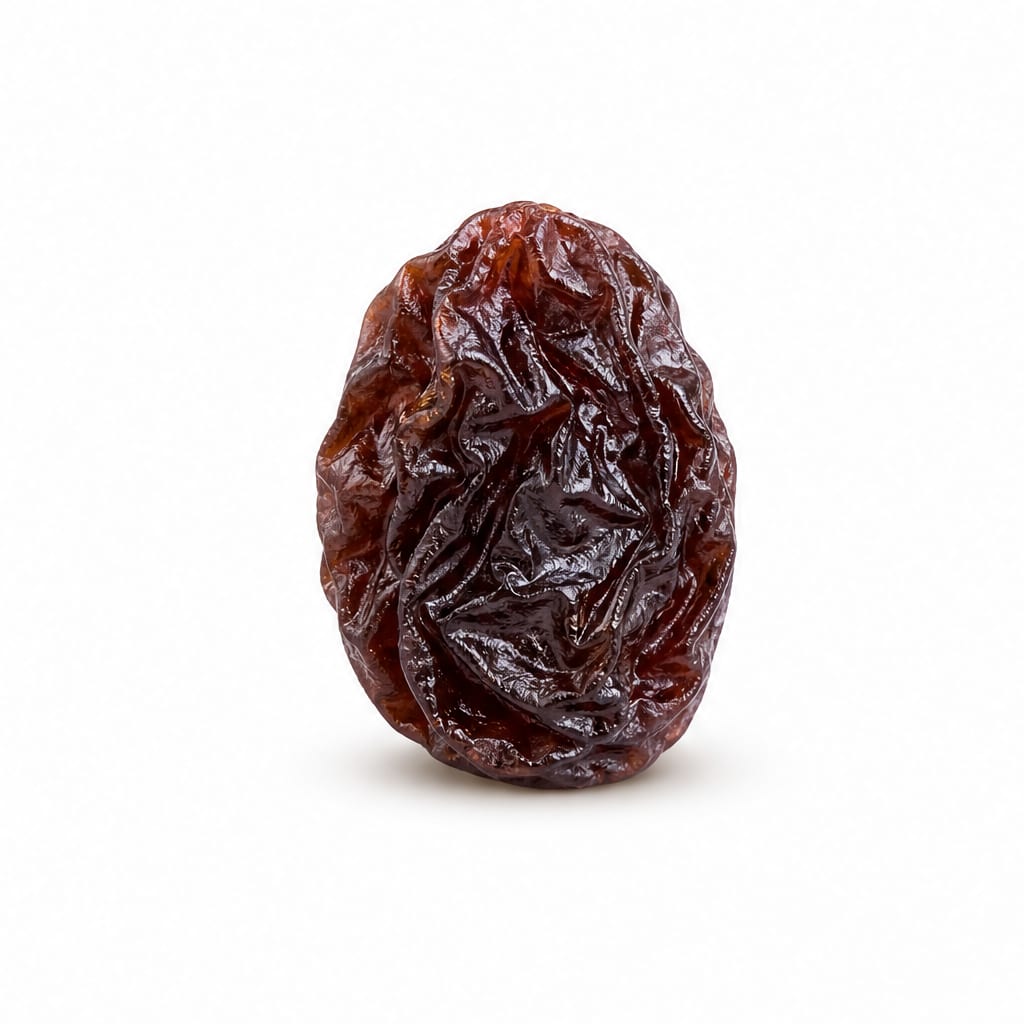
Compare with
Raisin
Raisins are higher in sugar and lack the edible seed fiber, making hackberries a more satiating, blood-sugar-friendly choice.
Hackberries are significantly higher in fiber and lower in sugar than raisins, offering better satiety and blood sugar control for a sweet snack.
Common questions
FAQ
Answers aligned with how people search for this food.
Are hackberries safe to eat?
Yes, hackberries are safe to eat when correctly identified and thoroughly washed to remove environmental contaminants like dust or bird droppings.
Can you eat the pit of a hackberry?
Yes, the pit is edible and highly nutritious. It is too hard to chew directly, but grinding the whole fruit into a paste unlocks its high fiber and fat content.
What do hackberries taste like?
Hackberries taste very sweet, similar to dates or raisins, with a hint of melon and a slightly dry, crunchy texture from the outer shell.
Are hackberries good for weight loss?
Their high fiber content promotes satiety, making them a good option in moderation, though their natural sugar density requires portion control.
Do hackberries raise blood sugar?
They have a moderate glycemic impact because their high fiber content slows the absorption of natural sugars, preventing rapid blood sugar spikes.
How do you eat hackberries?
They can be eaten raw directly off the tree, or the entire fruit can be ground into a nutritious paste or flour for use in smoothies and baked goods.
Transparency
Data confidence
Estimated confidence for nutrition data, interpretation, safety notes, and comparisons.
Nutrition data
Health analysis
Food safety
Comparisons