
Nutrition comparison
Hackberry vs Acai Berry: Nutrition, Antioxidants, and Which Is Worth Eating
Compare hackberry and acai berry side by side. Discover which berry wins on antioxidants, calcium, sugar, healthy fats, and real-world value for your diet.
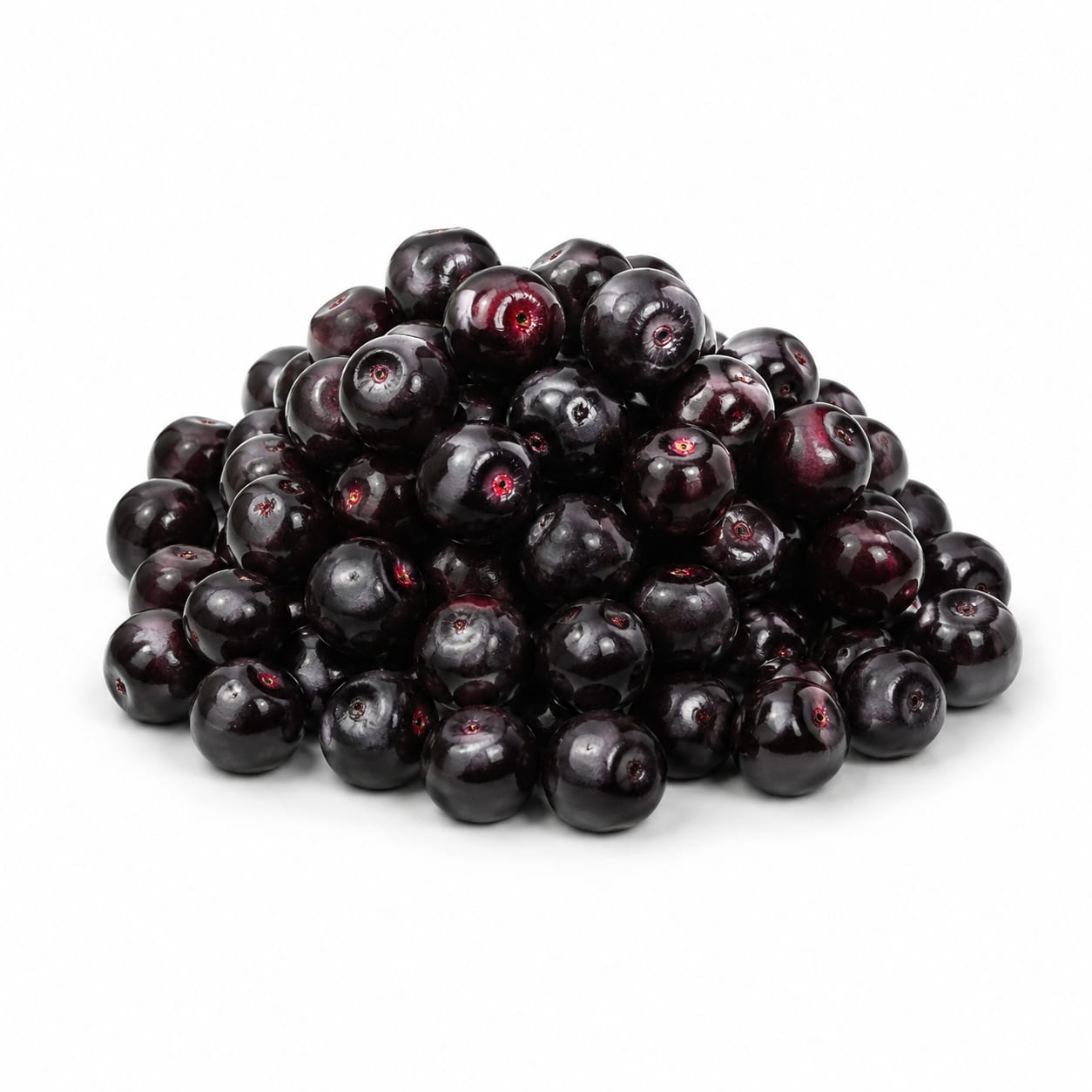
Hackberry
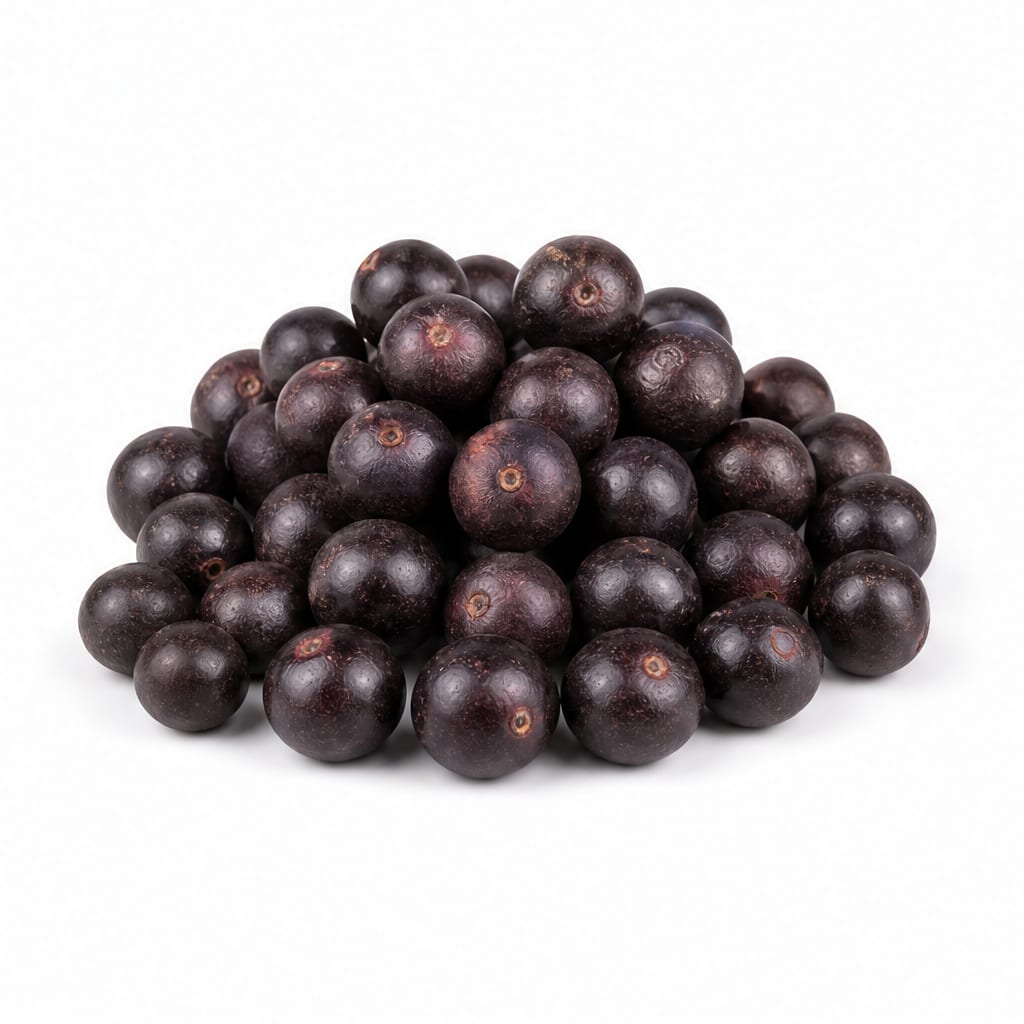
Acai Berry
Acai delivers more antioxidants and unique healthy fats, while hackberry offers superior calcium, lower sugar, and a truly unprocessed wild food experience.
Acai scores higher overall due to its exceptional antioxidant and healthy fat content, but hackberry stays competitive with superior calcium, lower sugar, and zero processing. The moderate confidence reflects limited clinical data on hackberry specifically.
Acai gives you proven antioxidant power and omega fats but often comes processed and expensive; hackberry is a mineral-dense, sugar-light foraged food but harder to find and lower in overall antioxidant capacity.
At a glance
Executive summary
Overall
It depends
Healthier
Acai Berry
More practical
Acai Berry
Daily use
It depends
Key comparison lenses
antioxidant superiority
Acai is famous for its anthocyanin density; users want to know if the hype is real compared to a lesser-known wild berry
wild foraged vs commercial superfood
Hackberry is primarily foraged while acai is a commercial product, raising questions about processing, cost, and authenticity
healthy fat content
Acai is unusual among berries for its omega fatty acid profile, a key differentiator users care about
mineral density
Hackberry is remarkably high in calcium for a fruit, which surprises many users and matters for bone health
sugar and glycemic impact
Both are lower-sugar berries, but users comparing them often care about blood sugar stability
Best choice for
Hackberry
- People seeking low-sugar fruit options
- Foragers and wild food enthusiasts
- Those wanting maximum calcium from fruit
- Anyone avoiding commercially processed superfoods
- Budget-conscious users with access to hackberry trees
Acai Berry
- People prioritizing antioxidant intake
- Smoothie and bowl enthusiasts wanting healthy fats
- Those seeking omega fatty acids from fruit
- Anyone wanting a convenient frozen berry option
- Users focused on skin and anti-aging nutrition
Least suitable for
Hackberry
- People without foraging access or knowledge
- Anyone needing consistent commercial availability
- Those wanting high omega fat intake from fruit
- Users who dislike thin-fleshed or seed-heavy fruit
- People seeking a quick blended breakfast option
Acai Berry
- Budget-conscious shoppers (acai is expensive)
- Anyone avoiding processed or transported superfoods
- Those concerned about superfood marketing hype
- People wanting a low-fat fruit option
- Users sensitive to higher calorie density in berries
Deep comparison
Dimension by dimension
Each lens scores both foods and breaks down who each option suits.
- Dimension 1 · Priority 95Acai Berry
antioxidant_capacity
Hackberry · 55Acai Berry · 93Acai is one of the most antioxidant-dense fruits on the planet, while hackberry offers modest antioxidant benefits.
Tradeoff
You get dramatically more free-radical protection from acai, but hackberry still contributes meaningfully to daily antioxidant intake without the superfood price tag.
Why it matters
Higher antioxidant intake correlates with reduced oxidative stress, better skin aging, and lower chronic disease risk over time.
Real-world impact
Regular acai consumption may visibly support skin health and recovery from exercise; hackberry helps but won't deliver the same noticeable anti-aging effect.
Hackberry
- Anyone who eats a varied diet already rich in antioxidants
- People who get antioxidants from other sources like tea and dark leafy greens
Better for
- Users relying on one fruit as their primary antioxidant source
Worse for
Acai Berry
- Those wanting maximum antioxidant impact from a single fruit
- People focused on anti-aging and skin health
- Anyone recovering from intense physical training
Better for
- People who assume more antioxidants always means better health outcomes regardless of overall diet quality
Worse for
- Dimension 2 · Priority 88Acai Berry
healthy_fat_profile
Hackberry · 15Acai Berry · 88Acai contains notable amounts of omega-3, omega-6, and omega-9 fatty acids, which is extremely rare for a berry. Hackberry has negligible fat content.
Tradeoff
Acai provides heart-protective and anti-inflammatory fats you simply cannot get from hackberry, but this also makes acai more calorie-dense per serving.
Why it matters
Omega fatty acids support brain function, heart health, and inflammation control. Getting them from fruit is unusual and convenient.
Real-world impact
An acai bowl delivers fats that keep you satisfied longer and support steady energy, while hackberry is a lighter snack that won't provide that satiety boost from fat.
Hackberry
- Anyone strictly limiting dietary fat intake
- People wanting a very light low-calorie snack
Better for
- People relying on fruit as a fat source in plant-based diets
Worse for
Acai Berry
- Those wanting omega fats without eating fish or nuts
- Smoothie drinkers seeking creamier texture and satiety
- Anyone needing longer-lasting energy from a fruit-based meal
Better for
- Users tracking calories closely who forget that healthy fats are still calorie-dense
Worse for
- Dimension 3 · Priority 82Hackberry
mineral_density_especially_calcium
Hackberry · 88Acai Berry · 52Hackberry is remarkably high in calcium for a fruit, containing significantly more than acai per serving. It also provides good iron and magnesium.
Tradeoff
Hackberry delivers a mineral profile that supports bone health more effectively, but acai still offers decent iron and potassium content.
Why it matters
Calcium from whole food sources is often better absorbed than from supplements, and most people fall short of daily requirements.
Real-world impact
Regular hackberry consumption can meaningfully contribute to daily calcium needs, which matters for bone density especially in older adults. Acai helps with iron but won't move the needle on calcium.
Hackberry
- Older adults concerned about bone density
- Anyone who avoids dairy and needs plant-based calcium
- Growing teenagers with high calcium needs
Better for
- Anyone expecting all berries to be similar in mineral content
Worse for
Acai Berry
- People whose mineral focus is iron rather than calcium
- Those who get adequate calcium from other dietary sources
Better for
- Those relying on acai as a primary mineral source
Worse for
- Dimension 4 · Priority 76Hackberry
sugar_content_and_glycemic_impact
Hackberry · 82Acai Berry · 68Hackberry is lower in sugar and has a gentler effect on blood sugar compared to acai, which contains moderate sugar levels.
Tradeoff
Hackberry offers steadier energy with less crash risk, but acai's sugar content is still moderate and comes paired with fiber and fat that slow absorption.
Why it matters
Lower sugar intake supports metabolic health, reduces cravings, and helps maintain stable energy throughout the day.
Real-world impact
Hackberry won't spike your blood sugar, making it a safer afternoon snack. Acai is still reasonable but the sugar adds up in large smoothie bowls with toppings.
Hackberry
- People managing diabetes or insulin resistance
- Anyone trying to reduce overall sugar intake
- Those prone to afternoon energy crashes
Better for
- Users expecting a sweet berry experience
Worse for
Acai Berry
- Active people who benefit from moderate natural sugar before or after exercise
- Those who find very low-sugar fruit unsatisfying
Better for
- People who load acai bowls with granola and honey, unknowingly creating a high-sugar meal
Worse for
- Dimension 5 · Priority 80Hackberry
processing_and_authenticity
Hackberry · 95Acai Berry · 45Hackberry is almost always eaten wild and unprocessed, while most acai available outside Brazil is frozen pulp, powder, or freeze-dried with varying quality.
Tradeoff
Hackberry gives you a truly whole food experience with zero additives, but acai's processing enables global access at the cost of some nutrient degradation and potential additives.
Why it matters
Processing can reduce heat-sensitive nutrients, introduce additives, and disconnect you from the original food matrix that enhances absorption.
Real-world impact
When you eat hackberry, you know exactly what you are getting. With acai, quality varies wildly between brands, and some products contain added sugars or fillers.
Hackberry
- Clean-eating purists
- People concerned about ultra-processing
- Anyone who values food transparency
Better for
- Anyone who cannot forage or find hackberry commercially
Worse for
Acai Berry
- Those without foraging access who still want superfruit benefits
- People willing to research and pay for high-quality frozen acai pulp
Better for
- Consumers who assume all acai products are equal in quality
Worse for
- Dimension 6 · Priority 70Hackberry
fiber_content_and_digestive_benefit
Hackberry · 78Acai Berry · 72Both berries offer solid fiber, but hackberry edges ahead with its fibrous flesh and seed coat that supports digestion and gut health.
Tradeoff
Hackberry's fiber is more textured and physically filling, while acai's fiber is smoother and easier to consume in blended form.
Why it matters
Adequate fiber supports gut microbiome diversity, regular digestion, and sustained fullness after eating.
Real-world impact
Hackberry feels more like eating a fibrous whole food that fills you up, while acai fiber is often blended into a smooth texture that goes down easy but may feel less satisfying.
Hackberry
- People wanting maximum fullness from small portions
- Those who benefit from chewing whole fibrous foods
Better for
- People who find seedy or fibrous fruit unpleasant to eat
Worse for
Acai Berry
- Anyone with digestive sensitivity who prefers smoother fiber
- Smoothie drinkers who want fiber without texture
Better for
- Those who blend acai into drinks and miss out on the satiety that chewing provides
Worse for
Timeline
Health impact over time
Short-term
Hours to days
Hackberry
- Provides steady energy without a sugar crash
- Light and filling due to high fiber content
- Minimal digestive discomfort for most people
- Low glycemic impact makes it safe for blood sugar management
Acai Berry
- Offers satisfying creaminess and sustained energy from healthy fats
- Natural sugars provide a gentle energy lift
- Anti-inflammatory fats may reduce post-exercise soreness
- Can feel heavy in large portions due to fat and calorie density
Long-term
Months to years
Hackberry
- High calcium intake supports bone mineral density over decades
- Low sugar consumption helps maintain insulin sensitivity
- Wild food consumption connects you to seasonal eating patterns
- Consistent fiber intake promotes gut microbiome diversity
Acai Berry
- Sustained antioxidant intake may reduce visible signs of aging
- Regular omega fat consumption supports cardiovascular health
- Anti-inflammatory compounds may lower chronic disease risk
- Potential for over-reliance on a single superfood instead of dietary variety
Risk profile
Safety & processing
Hackberry is almost always consumed as a wild-foraged whole fruit with no processing whatsoever. Acai berries spoil within 24 hours of harvest, so they must be frozen, freeze-dried, or processed into pulp almost immediately. While this processing is necessary for preservation, it means most consumers never eat fresh acai, and some commercial products contain added sugars, fillers, or emulsifiers.
Hackberry
misidentification
mediumForagers must correctly identify hackberry trees to avoid confusing them with similar-looking but inedible or toxic wild berries. Proper foraging knowledge is essential.
environmental_contamination
lowWild-harvested hackberries growing near roads or industrial areas may absorb pollutants. Forage from clean, uncontaminated locations.
pesticide_absence_risk
lowSince hackberries are not commercially sprayed, this is actually a benefit. No pesticide residue concerns compared to conventionally grown berries.
Acai Berry
added_sugars_in_commercial_products
mediumMany frozen acai pouches and smoothie packs contain added sugars or fruit juice concentrates that are not clearly labeled, increasing actual sugar intake beyond expectations.
quality_degradation_during_transport
lowAcai is highly perishable and must be frozen quickly after harvest. Poor cold chain management can degrade antioxidant content before the product reaches consumers.
exaggerated_health_claims
mediumMarketing often overstates acai's weight loss and detox benefits, which are not supported by clinical evidence. This can lead to unrealistic expectations and disappointment.
Who wins for whom
Audience fit
Same foods, different winners depending on your goal.
children
Acai BerryAcai's sweeter taste and smoother texture in blended form are more appealing to kids, and its healthy fats support developing brains.
daily consumption
It dependsAcai works better as a daily blended breakfast staple for convenience and fat intake, while hackberry is ideal as a low-sugar daily snack if you have foraging access.
diabetes
HackberryHackberry's significantly lower sugar content and gentler glycemic impact make it the safer choice for blood sugar management.
elderly
HackberryHackberry's exceptional calcium content directly supports bone density concerns that become critical with aging, and its low sugar suits slower metabolisms.
muscle gain
Acai BerryAcai's healthy fats and moderate natural sugars provide useful calories for active people, and its anti-inflammatory properties support recovery after training.
weight loss
HackberryHackberry's lower sugar, lower calorie density, and higher fiber-to-calorie ratio make it more supportive of weight loss without triggering cravings.
Your move
Decision guide
Choose Hackberry
- You have access to hackberry trees and enjoy foraging
- Low sugar intake is a top priority for you
- You want maximum calcium from a fruit source
- You prefer truly unprocessed wild foods
- You are on a tight budget and cannot afford imported superfoods
Choose Acai Berry
- Antioxidant intake is your primary nutritional goal
- You want omega fatty acids from a fruit source
- You enjoy making smoothie bowls and blended breakfasts
- You are willing to pay premium prices for quality frozen pulp
- Anti-aging and skin health are major concerns for you
Either works if
- You simply want to add more berry variety to your diet
- You already eat a balanced diet and are not deficient in any specific nutrient
- You enjoy rotating between different fruits seasonally
Avoid both if
- You have a berry allergy or sensitivity
- You expect either berry to produce dramatic weight loss or cure health problems on its own
Final recommendation
If you can forage hackberry, it is an underappreciated nutritional gem worth adding to your rotation for its calcium and low sugar. If you want maximum antioxidant and omega fat benefits in a convenient form, quality acai pulp is worth the cost. The best approach for most people is to enjoy both when available rather than treating either as a must-have superfood. No single berry replaces a diverse diet rich in many colorful fruits.
Practical
Consumer tips
- 1
When buying acai, check ingredient lists carefully. The only ingredient should be acai. Avoid products with added sugars, soy lecithin, or fruit juice concentrates.
- 2
Frozen acai pulp retains more antioxidants than powdered forms. Prioritize frozen if available.
- 3
Hackberry season runs late summer through fall in most of North America. Look for trees in parks, forests, and along riverbanks.
- 4
If foraging hackberry, always confirm tree identification with a reliable field guide or experienced forager before eating.
- 5
Acai bowls at cafes often contain 40-60 grams of sugar once toppings are added. Ask for no honey or granola if watching sugar intake.
- 6
Fresh hackberries can be dried for long-term storage, preserving most of their mineral content and all of their fiber.
- 7
Freeze-dried acai powder is convenient but loses some omega fat content during processing. Frozen pulp is nutritionally closer to fresh.
- 8
Neither berry provides significant protein. Pair either with nuts, seeds, or yogurt for a more complete snack.