
Nutrition comparison
Hackberry vs Elderberry: Safety, Immune Benefits, and Foraging Comparison
Compare hackberry and elderberry for immune support, safety, nutrition, and foraging ease. Learn which wild berry is better for your health goals and how to prepare each safely.
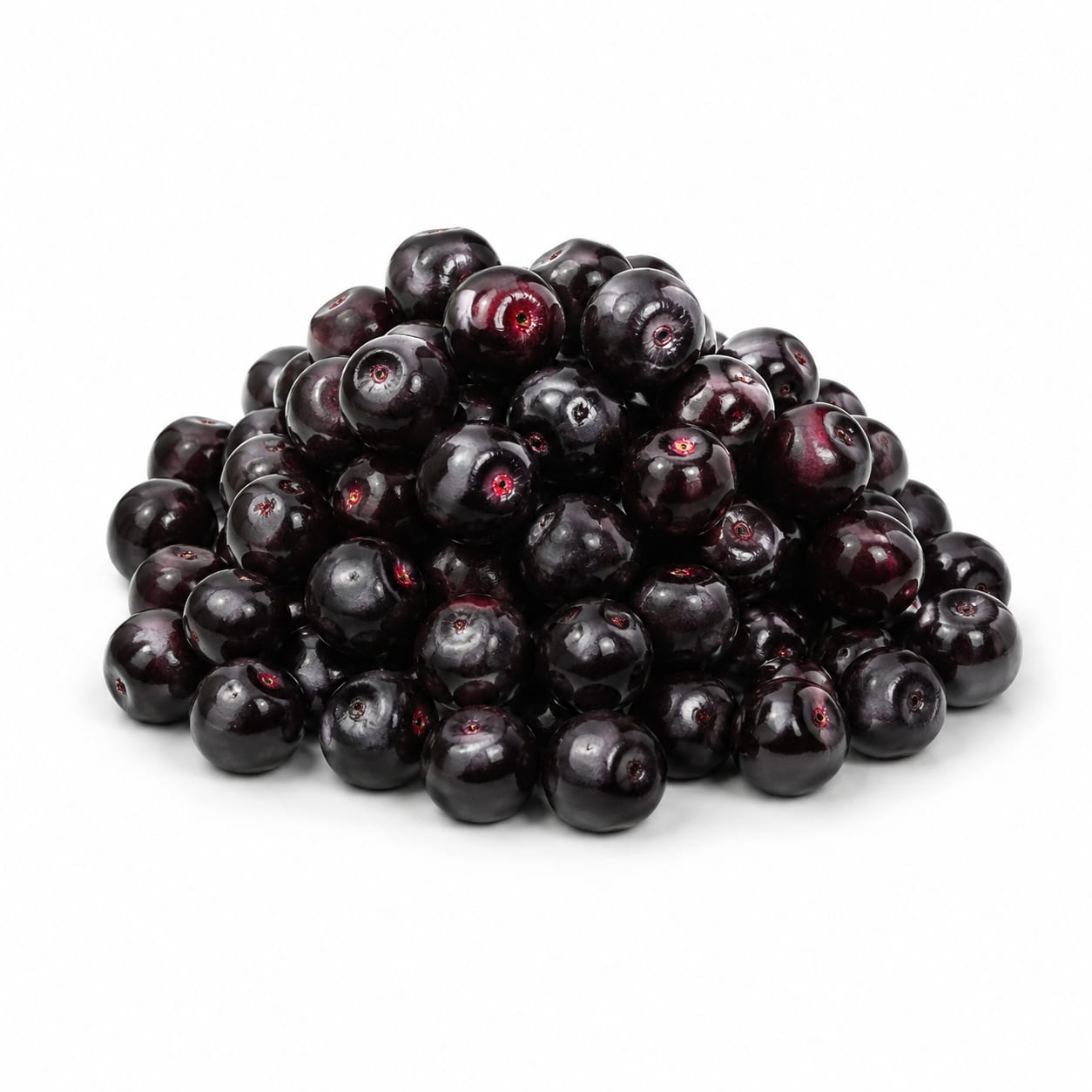
Hackberry
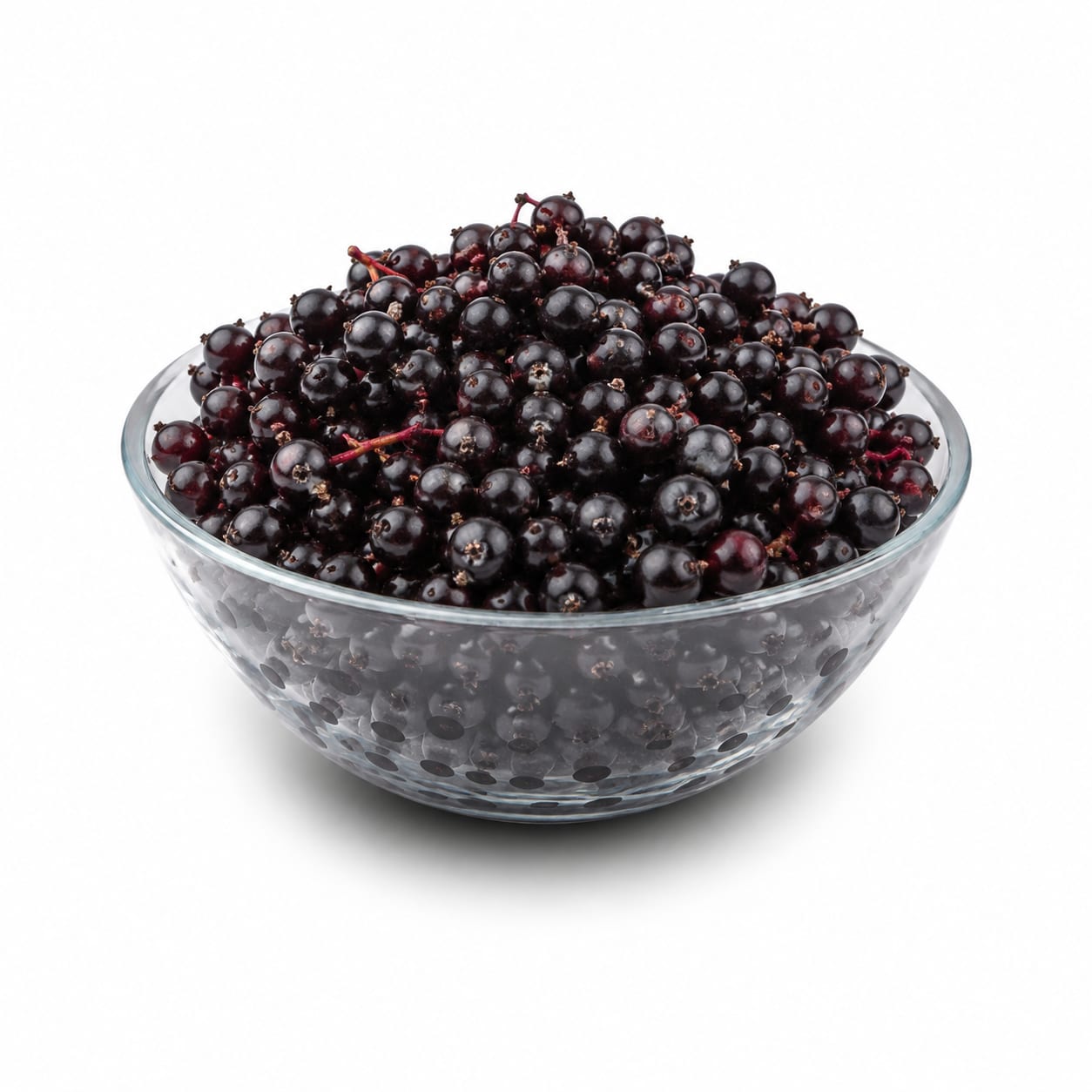
Elderberry
Elderberry wins on immune power and antioxidant density, but hackberry wins on safety and ease of use. Your choice depends on whether you prioritize medicinal potency or worry-free snacking.
Elderberry scores higher due to its exceptional antioxidant and immune-supporting properties, but its safety requirements and preparation burden narrow the gap significantly. Hackberry's simplicity and safety earn it points for everyday usability.
Elderberry offers far stronger health benefits but demands careful cooking to avoid toxicity. Hackberry is gentler and safer but nutritionally modest.
At a glance
Executive summary
Overall
It depends
Healthier
Elderberry
More practical
Hackberry
Daily use
Hackberry
Key comparison lenses
immune support and antioxidant potency
Elderberry is renowned for immune benefits; users are likely comparing these for cold/flu season support
safety and preparation requirements
Elderberry contains cyanogenic glycosides when raw and must be cooked; hackberry is safer to eat directly off the tree
foraging and wild food safety
Both are commonly foraged rather than purchased, making correct identification and preparation critical
nutritional density comparison
Users want to know which wild berry delivers more vitamins, minerals, and beneficial compounds per serving
everyday practicality and availability
Neither is a typical grocery store item, but elderberry products are far more commercially available
Best choice for
Hackberry
- Casual foragers who want a safe trail snack
- People nervous about food toxicity risks
- Anyone eating berries raw without cooking access
- Children who might eat wild fruit unprepared
Elderberry
- Cold and flu season immune support
- People willing to cook or buy prepared syrups
- Those seeking maximum antioxidant intake
- Anyone making homemade remedies or tinctures
Least suitable for
Hackberry
- Anyone seeking strong therapeutic or immune benefits
- People wanting a nutrient-dense superfood
- Those looking for commercially available products
Elderberry
- Impatient foragers who might eat berries raw
- Households with small children who graze on fruit
- Anyone without reliable cooking facilities
- People who confuse elderberry with toxic lookalikes
Deep comparison
Dimension by dimension
Each lens scores both foods and breaks down who each option suits.
- Dimension 1 · Priority 95Elderberry
antioxidant_and_immune_potency
Hackberry · 30Elderberry · 92Elderberry is a heavyweight in the antioxidant world. Hackberry offers mild benefits but cannot compete.
Tradeoff
You get far more immune-supporting anthocyanins from elderberry, but only if you prepare it correctly.
Why it matters
Regular elderberry consumption can reduce cold duration and severity. Hackberry will not give you this effect.
Real-world impact
Taking elderberry syrup at the first sign of a cold could shave a day or two off your illness. Hackberry is just a pleasant snack.
Hackberry
- Avoiding over-reliance on any single 'superfood'
Better for
- Anyone counting on therapeutic immune benefits
Worse for
Elderberry
- Fighting off seasonal colds and flu
- Reducing oxidative stress from illness or intense exercise
- Supporting immune defense during travel or stress
Better for
- People who assume more antioxidants always means better without considering safety
Worse for
- Dimension 2 · Priority 92Hackberry
safety_and_toxicity_risk
Hackberry · 88Elderberry · 40Hackberry is safe to eat raw off the tree. Raw elderberry contains cyanogenic compounds that can cause nausea, vomiting, and worse.
Tradeoff
Elderberry's health benefits come with a non-negotiable cooking requirement. Skip it and you risk poisoning yourself.
Why it matters
A forager who snacks on raw elderberries could end up in the emergency room. Hackberry has no such danger.
Real-world impact
Eating a handful of raw elderberries might cause severe stomach cramps and vomiting within hours. Hackberry just tastes a bit dry and sweet.
Hackberry
- Worry-free foraging with kids
- Eating berries straight from the tree on hikes
- Anyone unfamiliar with wild food preparation
Better for
- No significant safety downside beyond mild digestive bulk from seeds
Worse for
Elderberry
- People who rigorously follow preparation instructions and never take shortcuts
Better for
- Casual snackers who might eat before cooking
- Foragers who confuse Sambucus nigra with toxic lookalikes like dwarf elder
- Children who might sample berries before an adult prepares them
Worse for
- Dimension 3 · Priority 78Elderberry
vitamin_and_mineral_density
Hackberry · 35Elderberry · 72Elderberry delivers notable vitamin C, potassium, and iron. Hackberry provides some calcium and carbs but is nutritionally thin.
Tradeoff
Elderberry is the more nutrient-packed berry, though neither rivals common fruits like blueberries or oranges for vitamin content.
Why it matters
If you are foraging to supplement your diet, elderberry contributes more actual nutrition per calorie.
Real-world impact
A serving of elderberry syrup gives you a meaningful vitamin C bump. Hackberry mostly gives you sugar and a little calcium.
Hackberry
- Getting a small calcium boost from a wild food source
Better for
- Anyone relying on foraged fruit as a meaningful nutrient source
Worse for
Elderberry
- Supplementing vitamin C intake naturally
- Adding dietary iron from a plant source
- Getting more potassium without supplements
Better for
- People expecting vitamin levels comparable to citrus or berries like blackcurrant
Worse for
- Dimension 4 · Priority 80Hackberry
ease_of_preparation_and_use
Hackberry · 82Elderberry · 38Hackberry can be eaten raw, dried, or ground into meal with zero safety concerns. Elderberry must be cooked and strained to be safe.
Tradeoff
Convenience favors hackberry heavily. Elderberry demands time, attention, and cooking equipment.
Why it matters
If you want a grab-and-go wild fruit, hackberry works. Elderberry is a project, not a snack.
Real-world impact
You can toss hackberries in a trail mix in 30 seconds. Elderberry requires cooking, straining seeds, and sweetening before it becomes palatable and safe.
Hackberry
- Quick trail snacks while hiking
- Adding to granola or oatmeal without prep
- Low-effort foraging for beginners
Better for
- Culinary versatility is limited by the large hard pit
Worse for
Elderberry
- Making large batches of syrup or jam to use over weeks
- Creating concentrated wellness remedies
Better for
- Spontaneous snacking
- Anyone without a stove or cooking pot
- Impatient people who skip preparation steps
Worse for
- Dimension 5 · Priority 70Elderberry
commercial_availability_and_accessibility
Hackberry · 15Elderberry · 65Elderberry syrups, gummies, and supplements are widely sold. Hackberry is almost never found in stores.
Tradeoff
You can buy elderberry products easily but must forage or specialty-source hackberry yourself.
Why it matters
Most people will never encounter hackberry unless they forage. Elderberry has an entire commercial ecosystem.
Real-world impact
You can order elderberry syrup on any grocery delivery app. Finding hackberry requires finding a tree or a very niche supplier.
Hackberry
- People who enjoy foraging as an activity rather than a chore
Better for
- Urban dwellers with no access to hackberry trees
- Anyone who wants a reliable, repeatable supply
Worse for
Elderberry
- Anyone who wants the benefits without foraging
- People who prefer standardized, tested products
- Convenient purchase for busy households
Better for
- Budget-conscious consumers since commercial elderberry products are expensive
Worse for
Timeline
Health impact over time
Short-term
Hours to days
Hackberry
- Provides quick energy from natural sugars with a mild blood sugar rise
- Safe to eat in quantity without gastrointestinal distress
- The hard seed can be unpleasant to chew but is not harmful
Elderberry
- Raw consumption causes nausea, vomiting, and diarrhea within hours
- Properly cooked elderberry delivers a noticeable vitamin C boost
- Elderberry syrup at first sign of illness may reduce symptom severity within 24-48 hours
Long-term
Months to years
Hackberry
- Minimal long-term health impact due to low nutrient density
- Safe regular consumption with no cumulative toxicity risk
- Could contribute modest calcium intake if eaten frequently
Elderberry
- Consistent use during cold season may reduce infection frequency and duration
- High anthocyanin intake supports cardiovascular health over time
- Chronic consumption of improperly prepared elderberry could stress the liver and digestive system
Risk profile
Safety & processing
Both berries are whole, wild foods when foraged. However, most people encounter elderberry as a syrup or supplement, which may contain added sugar, preservatives, or alcohol. Hackberry is almost always consumed in its natural state.
Hackberry
Choking hazard from hard pit
lowThe large seed inside hackberry is very hard but not toxic. Small children should be supervised, but the risk is minor.
Misidentification with toxic trees
lowHackberry is relatively easy to identify by its distinctive warty bark and berry shape. Confusion with toxic species is uncommon.
Elderberry
Cyanogenic glycoside poisoning from raw berries
highRaw elderberries contain compounds that release cyanide when digested. Symptoms include nausea, vomiting, diarrhea, and in severe cases, coma. Cooking destroys these compounds.
Toxic lookalike confusion
highDwarf elder (Sambucus ebulus) and other similar-looking species are significantly more toxic. Correct identification is critical before consuming any wild-harvested elderberry.
Stems and leaves contamination
mediumEven when cooking berries, accidentally including stems or leaves introduces much higher concentrations of toxic compounds. Thorough destemming is mandatory.
Who wins for whom
Audience fit
Same foods, different winners depending on your goal.
children
HackberryHackberry poses no toxicity risk if a child eats it raw. Elderberry's danger when uncooked makes it inappropriate for households where kids might snack unsupervised.
daily consumption
HackberryHackberry can be eaten daily without special preparation or safety concerns. Daily elderberry use is fine as a commercial syrup but requires more effort and caution if homemade.
diabetes
ElderberryElderberry has less sugar and a lower glycemic impact per serving. Hackberry's higher carb content makes it less ideal for blood sugar management.
elderly
ElderberryElderberry's immune-supporting properties are especially valuable for older adults with weaker immune responses, provided they use commercially prepared products.
muscle gain
It dependsNeither berry is relevant for muscle gain. Both lack significant protein. Choose based on other health goals instead.
weight loss
ElderberryElderberry is lower in sugar and calories per serving while being more nutrient-dense, making it a better fit for calorie-conscious diets when properly prepared.
Your move
Decision guide
Choose Hackberry
- You forage casually and want a safe, no-prep wild snack
- You have children who might eat berries before you can cook them
- You want a low-anxiety introduction to wild foods
- You dislike cooking or processing your foraged finds
- You are prone to skipping preparation steps when hungry
Choose Elderberry
- You want serious immune support during cold and flu season
- You are comfortable cooking and straining berries carefully
- You prefer buying prepared syrups or supplements over foraging
- You value antioxidant potency above convenience
- You are making homemade wellness remedies like tinctures or oxymels
Either works if
- You enjoy foraging as a hobby and want to try multiple wild berries
- You are building a diverse wild food pantry
- You live near both tree species and want seasonal variety
Avoid both if
- You have a berry allergy or sensitivity
- You cannot confidently identify either tree species in the wild
- You are pregnant and cautious about consuming wild-harvested foods without medical guidance
Final recommendation
If your priority is immune support and you are willing to cook carefully or buy prepared products, elderberry is the clear winner. If you want a safe, simple foraging experience with no toxicity worries, hackberry is the better choice. For most people, the practical path is using commercial elderberry products for health benefits and enjoying hackberry as a fun foraging find when you encounter it.
Practical
Consumer tips
- 1
Never eat raw elderberries. Always cook them thoroughly at a rolling boil for at least 20 minutes before consuming.
- 2
Remove all elderberry stems and leaves before cooking. They contain much higher concentrations of toxic compounds than the berries.
- 3
If buying elderberry syrup, check the sugar content. Many commercial products are loaded with added sugar or honey.
- 4
Hackberry fruits can be dried and ground into a flour-like meal with a nutty, sweet flavor. This is the traditional Native American preparation method.
- 5
When foraging either berry, confirm identification with multiple sources. Use apps, field guides, and ideally a local expert.
- 6
Freeze elderberries after cooking and straining to preserve them for months. Ice cube trays work well for portioning.
- 7
Hackberry trees are easy to identify by their distinctive corky, warty bark. If the bark does not match, do not eat the fruit.
- 8
If you experience nausea or vomiting after eating any wild berry, seek medical attention immediately and bring a sample of the plant for identification.