
Nutrition comparison
Hackberry vs Raisin: Which Dried Fruit Snack Is Healthier?
Compare hackberry and raisin nutrition including sugar, fiber, calories, and blood sugar impact. Discover which fruit is better for weight loss, diabetes, and daily snacking.
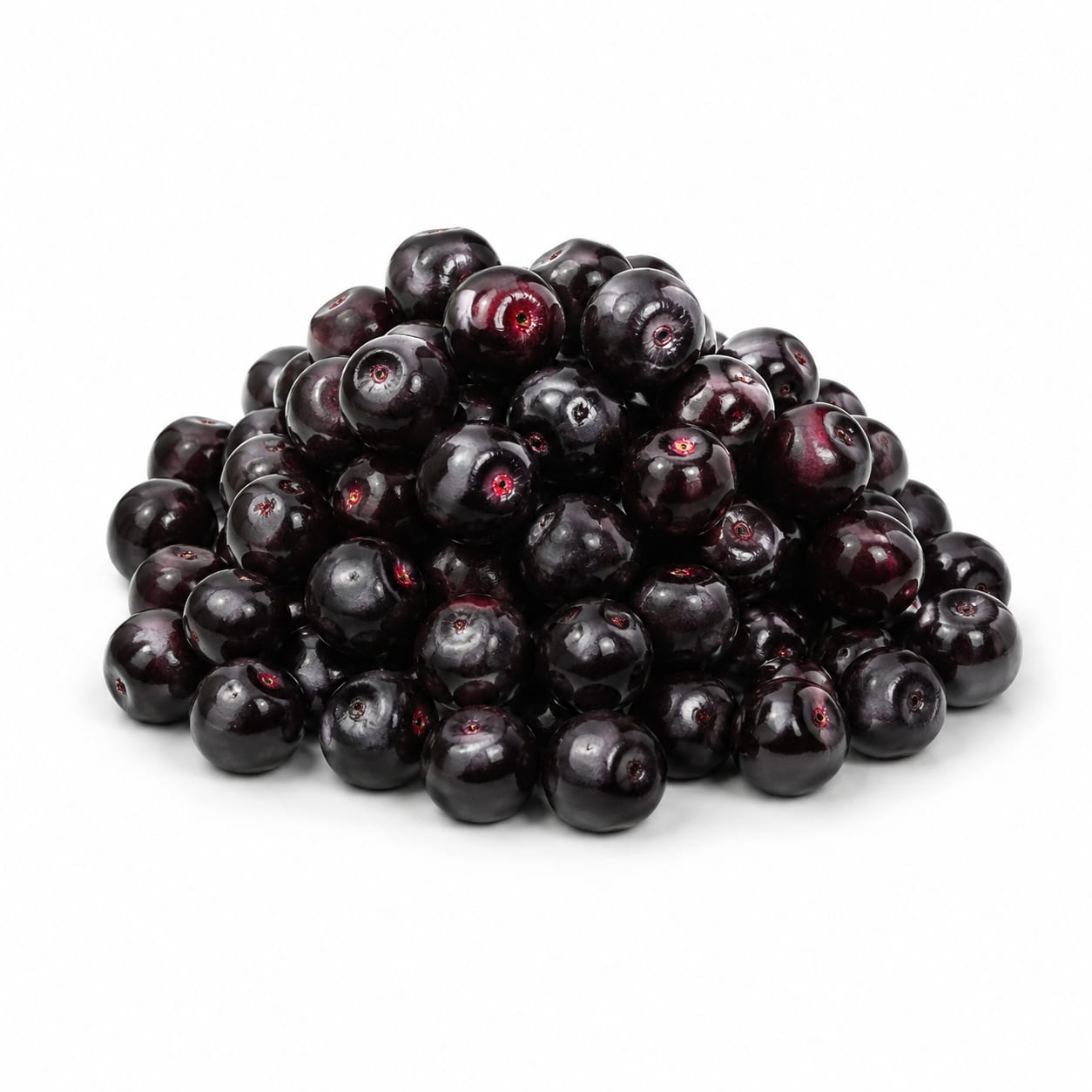
Hackberry
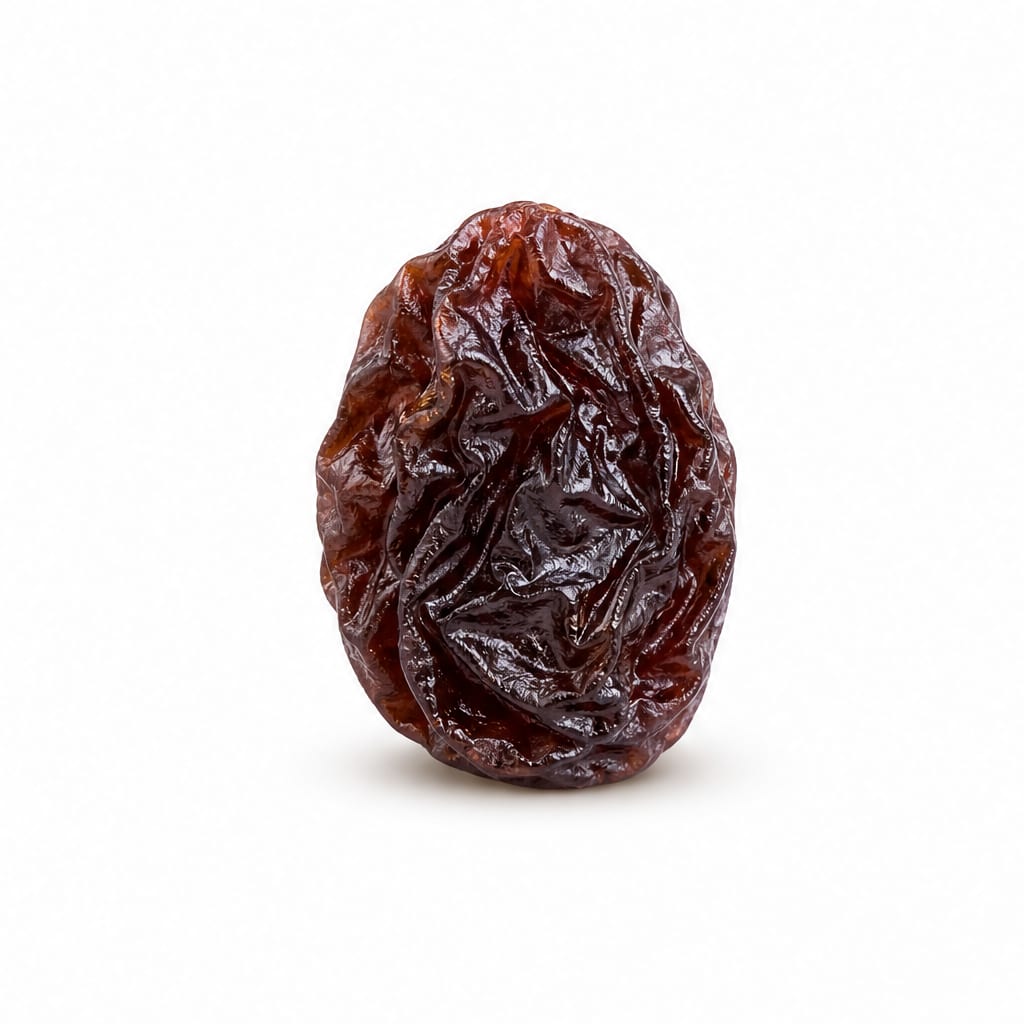
Raisin
Hackberries win on nutrition and blood sugar, but raisins win on convenience and availability. Your choice depends on whether you value metabolic health or practicality more.
Hackberries score higher nutritionally due to lower sugar, higher fiber, and wild-foraged naturalness. Raisins score lower because of concentrated sugar and overeating risk, but their widespread availability and mineral content keep them competitive for practical use.
Hackberries give you steadier energy and more fiber with far less sugar, but you will struggle to find them. Raisins are everywhere but can spike blood sugar and are easy to overeat.
At a glance
Executive summary
Overall
It depends
Healthier
Hackberry
More practical
Raisin
Daily use
Raisin
Key comparison lenses
sugar and blood sugar management
Raisins are extremely sugar-dense due to dehydration, while hackberries are notably lower in sugar with more fiber to slow absorption
naturalness and processing
Hackberries are wild-foraged whole fruits; raisins undergo commercial drying and may contain preservatives
calorie density and weight management
Raisins pack concentrated calories in a small package, making portion control difficult; hackberries are far less calorie-dense
practical availability
Raisins are available everywhere year-round; hackberries are seasonal and foraged, creating a major convenience gap
fiber and digestive health
Hackberries offer significantly more fiber per calorie, supporting gut health and satiety far better than raisins
Best choice for
Hackberry
- People managing blood sugar or diabetes
- Wild food enthusiasts and foragers
- Anyone seeking high-fiber, low-sugar snacks
- Those avoiding concentrated sweets
- People trying to reduce calorie density in their diet
Raisin
- Athletes needing quick energy after workouts
- Busy families wanting affordable shelf-stable fruit
- Iron-deficient individuals needing mineral boosts
- Hikers and campers needing lightweight calorie sources
- Anyone who cannot access hackberries
Least suitable for
Hackberry
- People with no foraging access or knowledge
- Anyone needing convenient store-bought snacks
- Those who dislike crunchy seeds in fruit
- Large families needing affordable bulk fruit
Raisin
- People with diabetes or insulin resistance
- Anyone trying to limit concentrated sugar
- Those prone to overeating dried fruit
- People sensitive to sulfites in conventionally dried raisins
Deep comparison
Dimension by dimension
Each lens scores both foods and breaks down who each option suits.
- Dimension 1 · Priority 95Hackberry
sugar_and_blood_sugar_impact
Hackberry · 88Raisin · 32Hackberries have far less sugar and more fiber to slow absorption. Raisins deliver a rapid sugar hit that can destabilize energy levels.
Tradeoff
Raisins provide quick energy when you need it, but that same sugar concentration makes them risky for blood sugar management.
Why it matters
If you have ever felt that crash after eating dried fruit, you have experienced the downside of concentrated fruit sugar without enough fiber to buffer it.
Real-world impact
A handful of raisins can spike blood sugar within 30 minutes, leaving you hungry again soon. Hackberries provide a steadier, longer-lasting energy curve.
Hackberry
- Diabetics and prediabetics
- Afternoon snackers avoiding energy crashes
- Anyone monitoring glycemic load
Better for
- Situations requiring immediate energy
Worse for
Raisin
- Endurance athletes mid-run
- Post-workout glycogen replenishment
- Hypoglycemic episodes needing fast sugar
Better for
- Sedentary snacking at a desk
- Late-night eating
- Anyone with metabolic syndrome
Worse for
- Dimension 2 · Priority 80Hackberry
fiber_and_satiety
Hackberry · 90Raisin · 48Hackberries are remarkably high in fiber, especially insoluble fiber from their thin skin and seed. Raisins offer moderate fiber but far less per calorie.
Tradeoff
Hackberries fill you up on fewer calories. Raisins are less filling per serving, making it easy to eat more than intended.
Why it matters
Fiber is the difference between a snack that satisfies and one that leaves you reaching for more food 20 minutes later.
Real-world impact
You can eat a cup of raisins and still feel hungry because the fiber-to-calorie ratio is low. A smaller amount of hackberries feels more substantial.
Hackberry
- Weight management
- Digestive regularity
- Reducing between-meal hunger
Better for
- People with very sensitive digestion who struggle with insoluble fiber
Worse for
Raisin
- Mild constipation relief in children who refuse high-fiber foods
Better for
- Anyone tracking calories who tends to overeat dried fruit
Worse for
- Dimension 3 · Priority 78Hackberry
calorie_density
Hackberry · 85Raisin · 35Hackberries are low in calories relative to volume. Raisins are extremely calorie-dense because drying removes water while concentrating sugar.
Tradeoff
Raisins pack a lot of energy into a small package, which is great for backpacking but dangerous for mindless snacking.
Why it matters
Calorie density is the hidden driver of overeating. Foods that look small but contain many calories easily slip past your fullness signals.
Real-world impact
A quarter cup of raisins has roughly 120 calories and barely registers in your stomach. The same calories in hackberries would fill much more volume.
Hackberry
- Weight loss diets
- Volume eating approaches
- Snacking while watching TV without going overboard
Better for
- Situations where you need maximum calories in minimum weight
Worse for
Raisin
- Backpacking and hiking
- Athletes needing calorie efficiency
- Children who need calorie-dense foods
Better for
- Anyone eating while distracted
- Portion-control challenges
Worse for
- Dimension 4 · Priority 65Raisin
mineral_content
Hackberry · 50Raisin · 78Raisins are a good source of iron, potassium, and boron. Hackberries contain minerals too, but raisins have been more thoroughly studied and are known for iron and potassium density.
Tradeoff
Raisins offer more documented mineral benefits, but you also consume more sugar to get those minerals. Hackberries provide minerals with less metabolic cost.
Why it matters
Iron deficiency is common, especially in women and vegetarians. Potassium supports blood pressure regulation. Getting these from food matters.
Real-world impact
A serving of raisins can meaningfully contribute to daily iron intake, which hackberries may not match in typical foraged amounts.
Hackberry
- Getting minerals without the sugar load
Better for
- Reliable mineral supplementation from food
Worse for
Raisin
- Iron-deficient individuals
- Vegetarians needing plant-based iron
- Potassium needs for blood pressure
Better for
- Those who cannot afford the sugar that comes with the minerals
Worse for
- Dimension 5 · Priority 90Raisin
availability_and_convenience
Hackberry · 15Raisin · 95Raisins are available in every grocery store, year-round, in multiple varieties. Hackberries require foraging knowledge, seasonal timing, and geographic luck.
Tradeoff
The healthiest food only helps if you can actually get it. Raisins win decisively on access, shelf stability, and affordability.
Why it matters
Nutrition advice that ignores practicality is useless. A superfood you cannot find does not improve your diet.
Real-world impact
You can buy raisins in under five minutes at any store. Finding hackberries requires living near hackberry trees, knowing when they ripen, and beating birds to the harvest.
Hackberry
- Experienced foragers with local access
- People who value wild food connection
Better for
- Urban dwellers without foraging access
- People who need consistent supply
Worse for
Raisin
- Everyone else
- Meal preppers needing reliable ingredients
- Families with weekly grocery budgets
Better for
- Those who prioritize wild and local food systems
Worse for
- Dimension 6 · Priority 60Hackberry
antioxidant_and_phytonutrient_profile
Hackberry · 82Raisin · 65Both contain antioxidants, but hackberries have a broader phytonutrient profile as wild fruits typically produce more defensive compounds. Raisins retain some grape antioxidants but lose others during drying.
Tradeoff
Wild hackberries likely offer more diverse antioxidants, but raisins have documented polyphenol content with established health research.
Why it matters
Antioxidant diversity from wild plants may provide broader cellular protection than the narrower profile of cultivated dried fruit.
Real-world impact
Eating wild foods like hackberries introduces your body to compounds that modern diets rarely provide, potentially supporting resilience in ways we are still discovering.
Hackberry
- Maximizing phytonutrient diversity
- Wild food enthusiasts seeking novel compounds
Better for
- Situations where you need well-researched, quantified antioxidant doses
Worse for
Raisin
- Reliable, studied antioxidant intake
Better for
- Those seeking maximum phytonutrient variety
Worse for
Timeline
Health impact over time
Short-term
Hours to days
Hackberry
- Steady energy without sugar spikes or crashes
- Mild fullness from high fiber content
- Possible adjustment period for those unaccustomed to high insoluble fiber
Raisin
- Quick energy boost from concentrated natural sugars
- Risk of blood sugar spike followed by energy dip within an hour
- Easy to overeat because of low volume-to-calorie ratio
Long-term
Months to years
Hackberry
- Better blood sugar regulation with regular consumption
- Improved digestive regularity from consistent high fiber intake
- Potential broad-spectrum antioxidant benefits from wild phytonutrients
Raisin
- Contribution to iron stores and potassium intake over time
- Risk of excess calorie intake if portions are not carefully managed
- Possible increased sugar cravings from regular concentrated sweet exposure
Risk profile
Safety & processing
Hackberries are eaten essentially as nature provides them, straight from the tree. Raisins undergo commercial drying, and conventionally produced raisins may contain sulfites or pesticide residues. Organic raisins reduce but do not eliminate processing concerns.
Hackberry
Misidentification with toxic lookalikes
mediumForaging always carries identification risk. Hackberries are generally safe and distinctive, but novice foragers should confirm with experienced guides before consuming any wild fruit.
Environmental contamination
lowTrees growing near roads or industrial areas may absorb pollutants. Forage from clean, uncontaminated locations away from traffic and treated landscapes.
Raisin
Sulfite sensitivity
mediumConventionally dried raisins often contain sulfur dioxide as a preservative. This can trigger asthma or allergic reactions in sensitive individuals. Organic or unsulfured raisins avoid this.
Pesticide residue
mediumGrapes are consistently ranked among the most pesticide-contaminated fruits. Drying concentrates any residues present. Choosing organic raisins significantly reduces this exposure.
Mycotoxin contamination
lowImproperly stored raisins can develop mold and ochratoxin. Proper storage in cool, dry conditions minimizes this risk.
Who wins for whom
Audience fit
Same foods, different winners depending on your goal.
children
RaisinRaisins are kid-friendly, widely available, and provide iron and potassium in a format children accept. Hackberries are impractical for most families and have a less familiar texture.
daily consumption
RaisinPracticality wins for daily use. Raisins are accessible, affordable, and easy to incorporate into meals. Hackberries cannot be reliably sourced by most people for daily eating.
diabetes
HackberrySignificantly less sugar and more fiber make hackberries the safer choice for blood sugar stability. Raisins can cause rapid glucose spikes.
elderly
RaisinRaisins offer easily chewed nutrition with documented iron and potassium benefits important for aging bodies. Hackberries have a crunchy seed that may be harder to eat for those with dental issues.
muscle gain
RaisinRaisins provide quick-digesting carbs useful post-workout for glycogen replenishment, plus iron for oxygen transport during training.
weight loss
HackberryLower calorie density and higher fiber make hackberries far more supportive of weight management. Raisins are easy to overconsume, and their concentrated sugar can trigger cravings.
Your move
Decision guide
Choose Hackberry
- You have access to hackberry trees and know how to forage safely
- Blood sugar management is a top health priority
- You want a low-sugar, high-fiber fruit snack
- You are interested in wild foods and their unique nutritional profiles
- Calorie density is a concern for your eating patterns
Choose Raisin
- You need a convenient, store-bought dried fruit option
- You are an athlete needing quick post-workout carbs
- Iron or potassium supplementation through food matters to you
- You want something shelf-stable for pantry storage
- You are packing food for hiking or travel
Either works if
- You want a naturally sweet snack instead of candy
- You are looking for plant-based snack options
- You value whole-food fruit sources over processed treats
Avoid both if
- You need a high-protein snack for satiety
- You are on a very low-carb or ketogenic diet
- You have severe fructose intolerance
Final recommendation
If you can find hackberries, they are the nutritionally superior choice with less sugar, more fiber, and wild-foraged benefits. But for most people, raisins are the realistic option. Choose unsulfured organic raisins when possible, and pair them with a protein or fat source like nuts to blunt the blood sugar impact. If you ever get the chance to try hackberries, take it — your body will thank you for the fiber and phytonutrient diversity.
Practical
Consumer tips
- 1
Choose organic unsulfured raisins to avoid pesticide residues and sulfite exposure
- 2
Pair raisins with almonds or walnuts to slow sugar absorption and add protein
- 3
If foraging hackberries, harvest from trees away from roads and confirm identification with a reliable guide
- 4
Store raisins in a cool dry place and discard any that show signs of mold
- 5
Limit raisin portions to a quarter cup to avoid unintentional calorie overload
- 6
Try mixing a small amount of raisins with lower-sugar dried fruits like cranberries or fresh berries to reduce overall sugar concentration