
Nutrition comparison
Hackberry vs Date: Sugar, Calories, and Which Is Healthier
Compare hackberry and date nutrition including sugar content, calories, fiber, and minerals. Find out which fruit is better for diabetes, weight loss, and daily snacking.
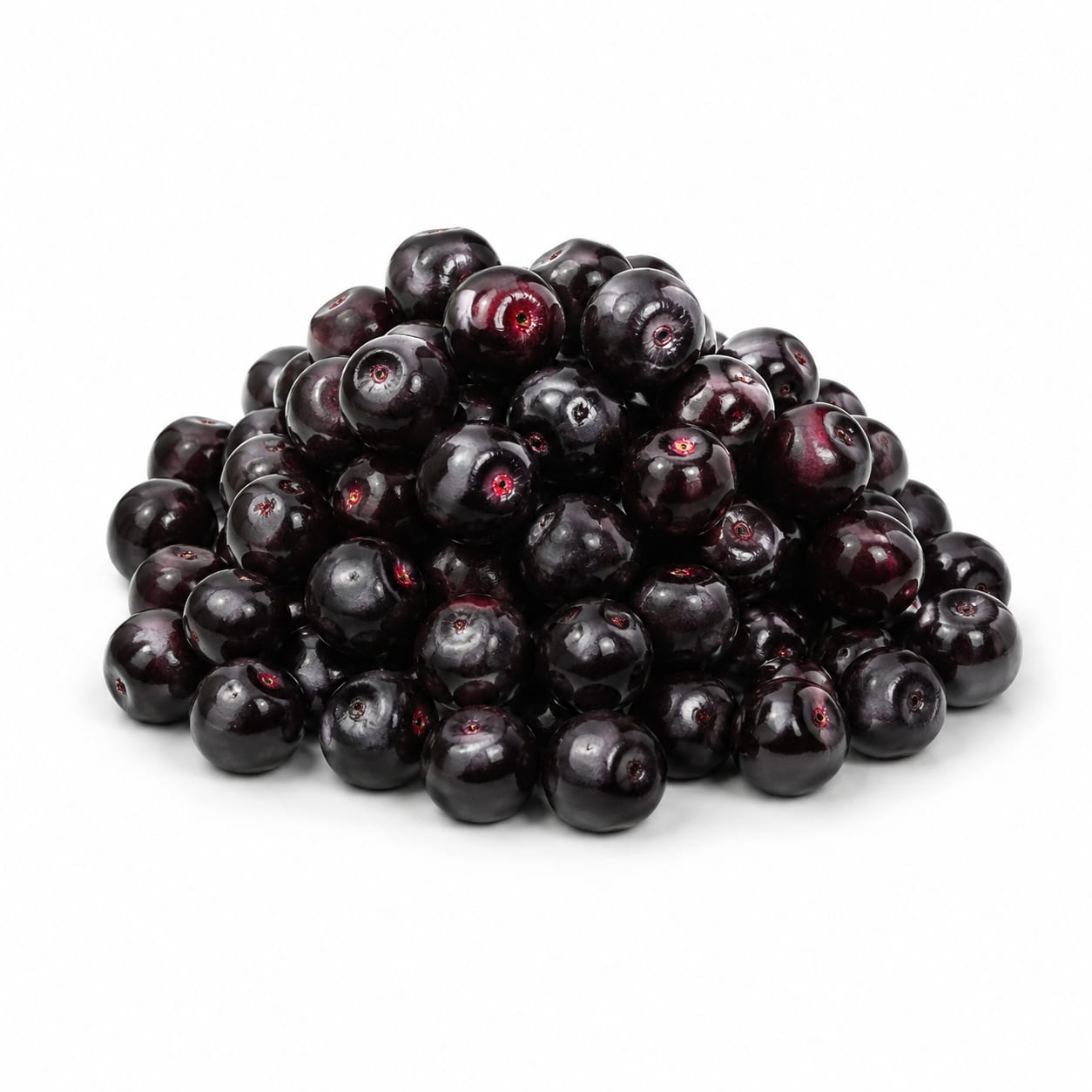
Hackberry
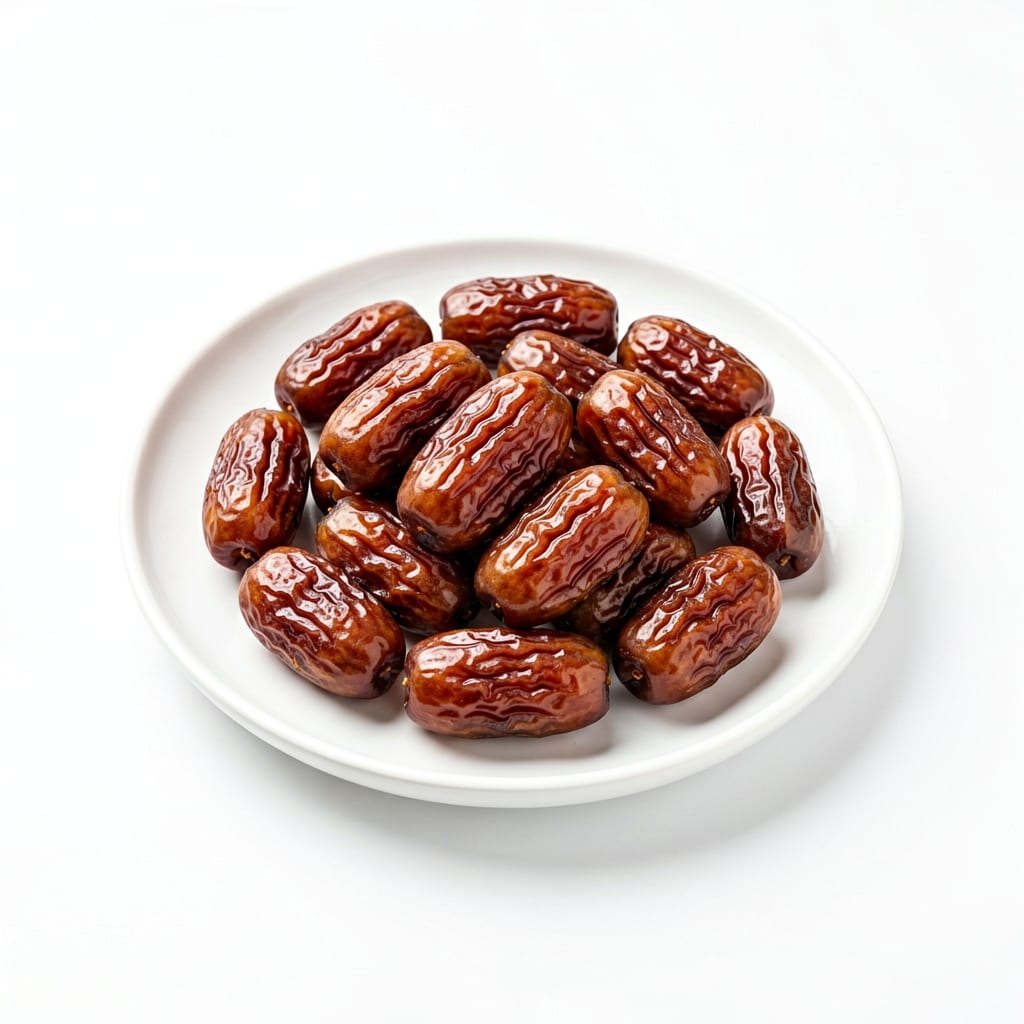
Date
Hackberries win for low-sugar, low-calorie snacking while dates dominate for quick energy and mineral density. Your goal determines the winner.
Hackberries score higher due to dramatically lower sugar and calorie density, but dates earn strong marks for mineral content and practical availability. The narrow gap reflects that dates are more useful in specific high-energy contexts.
Dates give you concentrated sweetness and minerals at a high sugar cost; hackberries give you light, steady nutrition with minimal sugar but far less calorie reward.
At a glance
Executive summary
Overall
It depends
Healthier
Hackberry
More practical
Date
Daily use
It depends
Key comparison lenses
sugar and glycemic impact
Dates are extremely high in natural sugars while hackberries are remarkably low, making this the dominant tradeoff
calorie density for snacking
Hackberries offer a light snacking experience whereas dates are calorie-dense and easy to overconsume
natural vs commercial availability
Hackberries are primarily foraged while dates are widely sold, affecting real-world usability
quick energy vs sustained energy
Dates provide rapid energy from sugar while hackberries offer steadier, slower-burning fuel
mineral nutrition
Dates are notably rich in potassium and magnesium while hackberries offer calcium and iron
Best choice for
Hackberry
- People managing blood sugar or diabetes
- Anyone counting calories or doing low-carb eating
- Foragers and wild-food enthusiasts
- Those wanting a light snack without a sugar crash
Date
- Endurance athletes needing quick fuel
- People seeking natural sweeteners for recipes
- Anyone needing calorie-dense portable energy
- Post-workout recovery when rapid glycogen refill matters
Least suitable for
Hackberry
- People who need quick calorie intake or are underweight
- Anyone unfamiliar with foraging or without reliable access
- Those wanting a satisfying sweet treat
Date
- People with diabetes or insulin resistance
- Anyone on a calorie-restricted diet
- Those prone to sugar cravings or binge eating
Deep comparison
Dimension by dimension
Each lens scores both foods and breaks down who each option suits.
- Dimension 1 · Priority 95Hackberry
sugar_and_glycemic_load
Hackberry · 92Date · 28Hackberries contain a fraction of the sugar found in dates, making them far gentler on blood sugar.
Tradeoff
Choosing hackberries means avoiding sugar spikes but sacrificing the quick energy burst dates provide.
Why it matters
Dates can deliver over 60g of sugar per 100g, which hits your bloodstream fast. Hackberries keep sugar minimal, so you avoid the crash and craving cycle.
Real-world impact
A handful of dates can spike your blood sugar within 20 minutes, leaving you hungry again soon. Hackberries provide a calm, steady nibble that will not trigger an afternoon energy dip.
Hackberry
- Stable blood sugar throughout the day
- Avoiding sugar-driven cravings
- Diabetes-friendly snacking
Better for
- Not enough quick energy for intense activity
- May feel unsatisfying if you want something sweet
Worse for
Date
- Rapid pre-workout energy
- Quick recovery fuel after exercise
- Natural sweetness for recipes without refined sugar
Better for
- Blood sugar spikes that trigger hunger soon after
- Easy to overeat due to high palatability
- Problematic for anyone with insulin resistance
Worse for
- Dimension 2 · Priority 88Hackberry
calorie_density_and_satiety
Hackberry · 82Date · 45Hackberries are a light, low-calorie snack while dates are calorie-dense and easy to overconsume.
Tradeoff
Hackberries fill you gently without calorie overload; dates pack dense calories that can silently add up.
Why it matters
A small handful of dates can easily deliver 200+ calories before you feel full. Hackberries let you snack at leisure with minimal caloric impact.
Real-world impact
Mindless date snacking can add 300-400 calories in minutes. Hackberries are self-limiting — you eat them slowly and stop naturally.
Hackberry
- Weight management without feeling deprived
- Guilt-free grazing behavior
- Portion control happens naturally
Better for
- Not enough calories if you need energy density
- May leave you wanting more food shortly after
Worse for
Date
- Hikers and athletes needing compact calorie sources
- Underweight individuals needing to gain
- Meal replacement in survival situations
Better for
- Stealth calorie surplus that drives weight gain
- Easy to eat past fullness without noticing
Worse for
- Dimension 3 · Priority 72Date
mineral_and_micronutrient_density
Hackberry · 55Date · 80Dates are notably richer in potassium, magnesium, and copper, while hackberries offer decent calcium and iron.
Tradeoff
Dates deliver more total mineral nutrition per serving, but it comes packaged with heavy sugar load.
Why it matters
Potassium and magnesium from dates support muscle function and hydration, which matters for active people. Hackberries provide calcium and iron but in smaller total amounts per serving.
Real-world impact
Eating a few dates after exercise gives you meaningful potassium and magnesium alongside fast carbs. Hackberries contribute minerals slowly without the sugar baggage.
Hackberry
- Calcium intake from a plant source
- Iron without excessive sugar
- Trace minerals in a low-calorie package
Better for
- Lower total mineral content per serving
- Harder to eat enough volume for mineral targets
Worse for
Date
- Potassium for muscle cramp prevention
- Magnesium for sleep and recovery
- Copper for iron metabolism and energy
Better for
- Minerals come with a high sugar cost
- Not ideal for mineral supplementation if avoiding sugar
Worse for
- Dimension 4 · Priority 70It depends
fiber_quality_and_digestive_effect
Hackberry · 74Date · 72Both foods offer good fiber, but hackberries provide more insoluble roughage while dates offer soluble fiber that feeds gut bacteria.
Tradeoff
Hackberry fiber is tougher and more filling but less comfortable; date fiber is gentler and more prebiotic but comes with sugar.
Why it matters
Insoluble fiber from hackberries speeds transit and adds bulk. Soluble fiber from dates feeds beneficial bacteria but the sugar may offset benefits for some people.
Real-world impact
Hackberries keep your digestion moving briskly. Dates support a healthy gut microbiome but may cause bloating if you eat too many at once.
Hackberry
- Bulk-forming laxative effect for constipation
- Physical fullness from roughage
- Lower sugar alongside fiber benefits
Better for
- Tough texture may be unpleasant for some
- Insoluble fiber can irritate sensitive digestive tracts
Worse for
Date
- Prebiotic soluble fiber for gut bacteria
- Smoother digestive tolerance for sensitive stomachs
- Soft, easy-to-chew fiber source for elderly or children
Better for
- High sugar can ferment and cause gas
- Excessive intake leads to loose stools
Worse for
- Dimension 5 · Priority 82Date
availability_and_practical_everyday_use
Hackberry · 25Date · 90Dates are available in every grocery store; hackberries require foraging or specialty sourcing.
Tradeoff
Dates are convenient and reliable; hackberries demand effort and knowledge to obtain.
Why it matters
Nutrition only works if you can actually get the food. Most people can buy dates today but have never seen a hackberry.
Real-world impact
You can grab dates at any supermarket year-round. Hackberries require knowing how to identify the tree, when to harvest, and how to process them — a significant barrier.
Hackberry
- Free if you have access to hackberry trees
- Connection to local foraging and seasonal eating
- Zero packaging or supply chain concerns
Better for
- Nearly impossible to find commercially
- Requires foraging knowledge and effort
- Seasonal availability limits consistent use
Worse for
Date
- Available in every grocery store
- Consistent quality and quantity year-round
- Easy to incorporate into recipes immediately
Better for
- Always packaged and transported long distances
- Quality varies by brand and processing
Worse for
- Dimension 6 · Priority 65It depends
antioxidant_and_phytonutrient_profile
Hackberry · 76Date · 70Hackberries contain unique flavonoids and phenolic compounds; dates offer carotenoids and phenolics with documented anti-inflammatory effects.
Tradeoff
Hackberries may have more diverse phytonutrients per calorie; dates have better-studied antioxidant compounds.
Why it matters
Both foods deliver plant compounds that fight oxidative stress, but through different pathways. Variety between them would be ideal.
Real-world impact
Eating hackberries introduces your body to less common antioxidants that complement a typical diet. Dates provide well-researched polyphenols that support heart and brain health.
Hackberry
- Novel flavonoids not found in common fruits
- High antioxidant value per calorie consumed
- Dietary diversity from an underutilized food
Better for
- Limited research on specific health outcomes
- Antioxidant content varies by tree and region
Worse for
Date
- Well-studied phenolics with proven anti-inflammatory effects
- Carotenoids supporting eye and skin health
- Consistent antioxidant content in commercial products
Better for
- High sugar partially counters anti-inflammatory benefits
- Antioxidant advantage diminishes if you eat too many
Worse for
Timeline
Health impact over time
Short-term
Hours to days
Hackberry
- Steady, calm energy without a sugar rush
- Mild digestive stimulation from insoluble fiber
- Satisfying crunch that slows eating pace
Date
- Rapid blood sugar elevation within 15-30 minutes
- Quick energy surge useful for physical activity
- Possible sugar crash and renewed hunger within an hour if eaten alone
Long-term
Months to years
Hackberry
- Lower cumulative sugar exposure supports metabolic health
- Consistent fiber intake promotes regular digestion
- Minimal risk of calorie-driven weight gain from snacking
Date
- Regular consumption may improve potassium and magnesium status
- Risk of excess calorie intake if portions are not controlled
- Soluble fiber supports gut microbiome diversity over time
Risk profile
Safety & processing
Both foods are whole and unprocessed in their natural state. However, some commercial dates are treated with sulfur dioxide or coated in syrup, so checking labels matters. Hackberries are almost always consumed as-foraged with no processing.
Hackberry
Misidentification during foraging
mediumHackberries can be confused with other tree fruits by inexperienced foragers. Always confirm tree identification with a reliable guide before consuming.
Environmental contamination
lowTrees growing near roads or polluted areas may absorb contaminants. Forage from clean, untreated areas away from traffic.
Date
Sulfur dioxide sensitivity
mediumSome dried dates are treated with sulfites to preserve color. People with sulfite sensitivity should seek unsulfured varieties.
Mold and mycotoxins
lowImproperly stored dates can develop mold. Always check for visible spoilage and store in a cool, dry place or refrigerate.
Who wins for whom
Audience fit
Same foods, different winners depending on your goal.
children
DateDates are sweet, soft, and widely available, making them a practical and appealing snack for kids. Hackberries are less accessible and have a tougher texture.
daily consumption
It dependsHackberries are better for daily low-sugar snacking, but dates are more practical for consistent daily access. The winner depends on whether sugar intake or availability is your bigger concern.
diabetes
HackberryHackberries have negligible sugar impact compared to the high glucose and fructose load in dates.
elderly
DateDates are soft, easy to chew, and provide potassium and magnesium that support bone and muscle health in aging. Hackberries may be too fibrous or hard for some elderly individuals.
muscle gain
DateDates offer quick carbs and potassium that support post-workout glycogen replenishment and muscle recovery.
weight loss
HackberryHackberries provide snacking satisfaction with minimal calories and almost no sugar, making them far easier to fit into a calorie deficit.
Your move
Decision guide
Choose Hackberry
- You are managing blood sugar, diabetes, or insulin resistance
- You want a low-calorie snack that will not trigger cravings
- You have access to hackberry trees and enjoy foraging
- You are sensitive to high-sugar foods but want a fruit-like snack
Choose Date
- You need quick portable energy for hiking, running, or long workdays
- You want a natural whole-food sweetener for smoothies or baking
- You are underweight or need calorie-dense nutrition
- You are an athlete seeking post-workout carb replenishment
Either works if
- You want whole-food, unprocessed fruit snacks
- You value fiber and plant-based nutrition
- You are looking for alternatives to refined sugar sweets
Avoid both if
- You have a severe fructose intolerance
- You are on a very low-carb or ketogenic diet
- You need high-protein snacks for satiety
Final recommendation
If blood sugar control or weight management is your priority, hackberries are the clear winner despite their limited availability. If you need accessible, energy-dense fuel for active days, dates are the practical choice. Ideally, use dates strategically around activity and hackberries for casual snacking — this gives you the best of both worlds without overdoing sugar.
Practical
Consumer tips
- 1
Look for unsulfured and unsweetened dates to avoid added preservatives or syrups
- 2
If foraging hackberries, harvest from trees away from roads and pesticide-treated areas
- 3
Freeze dates to extend shelf life and prevent mold without losing nutritional value
- 4
Dry hackberries for long-term storage — they keep well and develop a pleasant crunch
- 5
Pair dates with a protein or fat source like nuts to slow sugar absorption and reduce the crash
- 6
Start with just one or two dates as a serving — they are denser than they seem
- 7
Use chopped dates to sweeten oatmeal instead of reaching for honey or maple syrup
- 8
If you cannot find hackberries locally, do not force it — dates remain a solid whole-food option