
Nutrition comparison
Hackberry vs Jujube: Which Traditional Fruit Is Better for You?
Compare hackberry and jujube nutrition, health benefits, and practical use. Learn which fruit wins for sleep support, snacking, and daily wellness.
Overall winner · Jujube
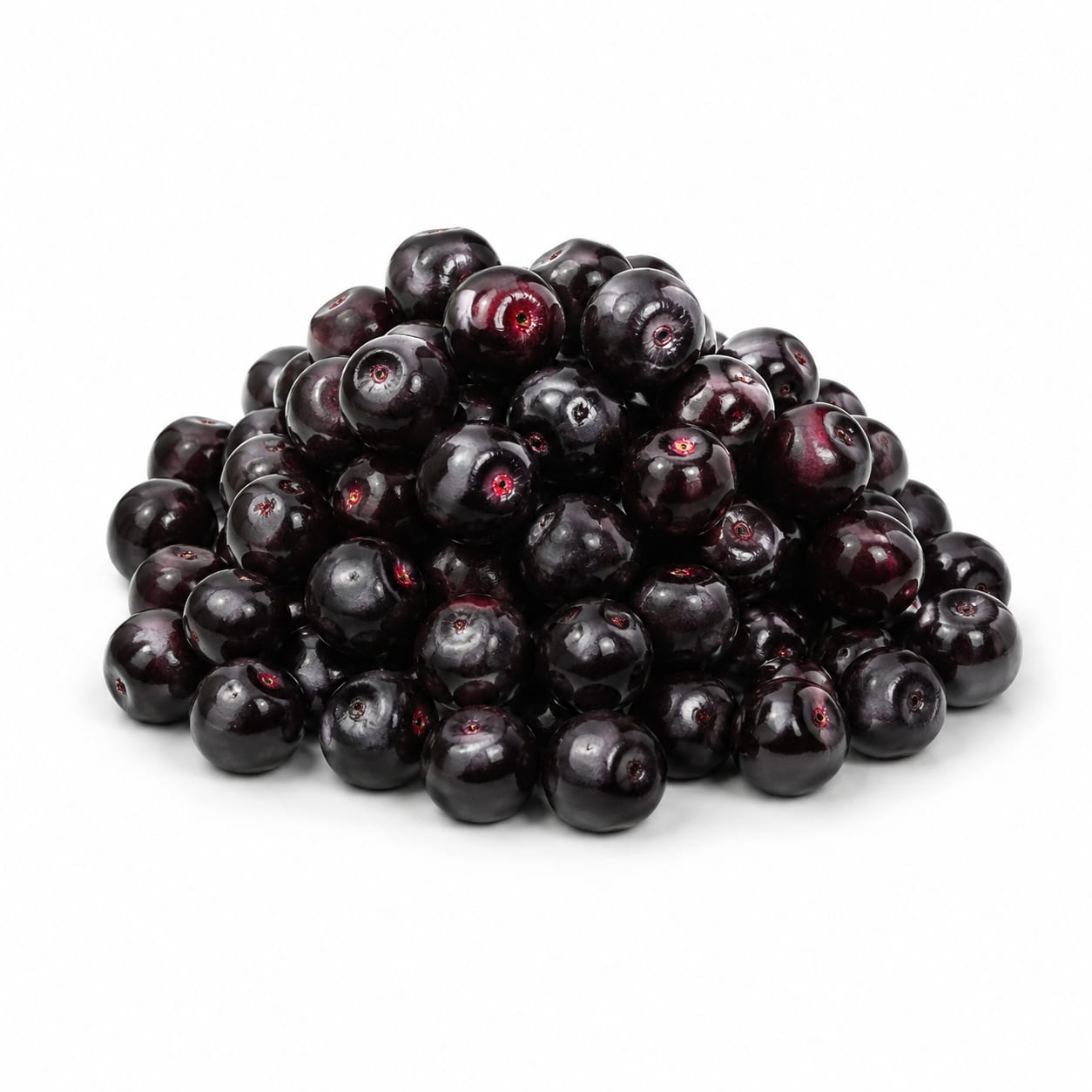
Hackberry
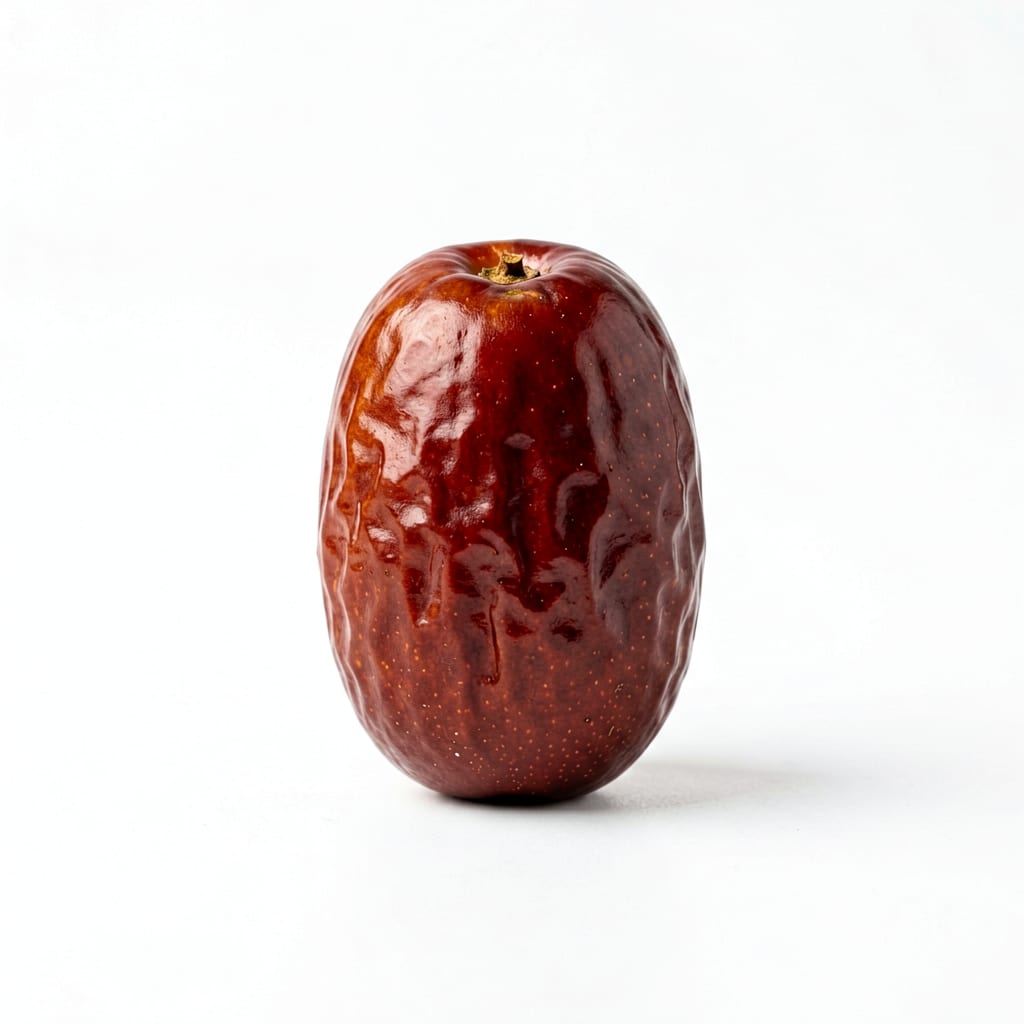
Jujube
Jujube delivers more edible fruit, stronger medicinal tradition, better availability, and greater versatility, making it the more practical and nutritionally rewarding choice for most people.
Jujube scores notably higher due to its superior edible portion, established health benefits, commercial availability, and culinary versatility. Hackberry is not inferior nutritionally per se, but its limited flesh and foraging-only access reduce its practical score significantly.
Hackberry offers a unique wild-foraging experience and a different antioxidant profile, but you sacrifice edible portion size and convenience compared to jujube.
At a glance
Executive summary
Overall
Jujube
Healthier
Jujube
More practical
Jujube
Daily use
Jujube
Key comparison lenses
Traditional fruit comparison for wellness and snacking
Both are traditional foraged or cultivated fruits with deep roots in herbal medicine, so users are likely choosing between them for health benefits rather than casual snacking
Edible portion and eating satisfaction
Hackberry has very thin flesh around a large pit while jujube offers substantial edible fruit, making this a key practical differentiator
Traditional medicine and calming properties
Jujube is renowned in Traditional Chinese Medicine for sleep and anxiety support, while hackberry has more limited medicinal documentation
Antioxidant and micronutrient value
Both fruits carry antioxidant compounds, but their profiles differ significantly in type and concentration
Availability and real-world accessibility
Hackberry is primarily foraged while jujube is commercially available, making accessibility a major decision factor
Best choice for
Hackberry
- Foragers and wild-food enthusiasts seeking connection to native plants
- People wanting a low-calorie sweet nibble with minimal sugar load
- Those interested in exploring lesser-known native American fruits
Jujube
- Anyone seeking a calming, sleep-supportive evening snack
- People wanting a nutrient-dense dried fruit for daily consumption
- Those following Traditional Chinese Medicine practices
Least suitable for
Hackberry
- People wanting substantial fruit portions or meal components
- Anyone without reliable foraging access or knowledge
- Those frustrated by high-pit-to-flesh ratio fruits
Jujube
- People strictly limiting sugar intake, especially from dried forms
- Those who find chewy dried fruit textures unappealing
Deep comparison
Dimension by dimension
Each lens scores both foods and breaks down who each option suits.
- Dimension 1 · Priority 92Jujube
Edible Portion and Eating Satisfaction
Hackberry · 30Jujube · 85Hackberry has a large pit with only a thin layer of sweet flesh, while jujube offers a generous, satisfying bite whether fresh or dried.
Tradeoff
You gain a wild-foraging novelty with hackberry but lose the satisfying mouthfeel and substance that jujube provides.
Why it matters
Fruits you can actually eat a decent amount of are more likely to become regular habits rather than one-time curiosities.
Real-world impact
A handful of dried jujubes feels like a real snack. A handful of hackberries feels like mostly pits with a sweet hint.
Hackberry
- Mindful snacking where small amounts are the goal
- Tasting experiences and foraging education
Better for
- Anyone expecting a filling fruit snack
- Children who may choke on the large pits
Worse for
Jujube
- Actual hunger satisfaction between meals
- Adding to oatmeal, tea, or trail mix
Better for
- Overeating dried jujubes can deliver more sugar than intended
Worse for
- Dimension 2 · Priority 85Jujube
Calming and Sleep Support
Hackberry · 25Jujube · 88Jujube has centuries of use as a calming and sleep-promoting remedy in Traditional Chinese Medicine, backed by emerging research on its flavonoid and saponin content.
Tradeoff
Hackberry lacks this specific calming reputation entirely, offering no comparable tradition or evidence for relaxation benefits.
Why it matters
Many people choose functional foods specifically for stress and sleep support, and jujube is one of the few fruits with genuine traditional and scientific backing here.
Real-world impact
Eating a few dried jujubes before bed is a common sleep ritual in many Asian households. Hackberry has no equivalent use case.
Hackberry
- Anyone specifically seeking food-based sleep support
Worse for
Jujube
- Evening wind-down routines
- People dealing with mild anxiety or restless sleep
- Replacing heavier late-night snacks with something calming
Better for
- Dimension 3 · Priority 78Jujube
Vitamin C and Micronutrient Density
Hackberry · 45Jujube · 80Fresh jujube is remarkably high in vitamin C, often exceeding citrus fruits. Hackberry contains some vitamins but has far less documented nutritional data.
Tradeoff
Dried jujube loses most of its vitamin C, narrowing the gap, but fresh jujube remains a standout source.
Why it matters
If you are choosing fruits partly for vitamin intake, fresh jujube is surprisingly potent and often overlooked.
Real-world impact
A few fresh jujubes can cover a significant portion of your daily vitamin C needs. Hackberry simply cannot match this.
Hackberry
- Those who forage hackberry and enjoy it as a supplemental wild food
Better for
- Relying on hackberry as a meaningful vitamin source
Worse for
Jujube
- Immune support during cold season
- Anyone wanting a fruit-based vitamin C boost beyond citrus
Better for
- Dried jujube is not a reliable vitamin C source
Worse for
- Dimension 4 · Priority 72It depends
Antioxidant Diversity
Hackberry · 68Jujube · 72Both fruits offer antioxidants but of different types. Hackberry contains unique phenolic compounds from its skin, while jujube provides flavonoids, polysaccharides, and saponins with more research behind them.
Tradeoff
Hackberry may offer antioxidant novelty value, but jujube's antioxidant profile is better studied and linked to concrete health outcomes.
Why it matters
Antioxidant diversity matters for long-term health, but poorly studied antioxidants carry more uncertainty than well-characterized ones.
Real-world impact
Jujube's antioxidants have documented anti-inflammatory and liver-protective effects. Hackberry's are promising but less proven.
Hackberry
- Dietary diversity enthusiasts wanting rare phytochemicals
- Those who already consume jujube and want complementary antioxidants
Better for
- Anyone wanting proven, well-documented antioxidant outcomes
Worse for
Jujube
- Evidence-based antioxidant intake with known benefits
- Long-term anti-inflammatory dietary strategies
Better for
- Dimension 5 · Priority 88Jujube
Availability and Convenience
Hackberry · 15Jujube · 82Jujube is widely available in Asian markets, online, and increasingly in mainstream stores. Hackberry is almost exclusively a foraged fruit with no commercial supply chain.
Tradeoff
Hackberry's scarcity makes it special but impractical. Jujube can be ordered from your phone in minutes.
Why it matters
The healthiest food is the one you can actually obtain and eat regularly, not the one that sounds interesting but remains inaccessible.
Real-world impact
You can buy dried jujubes year-round and keep them in your pantry. Finding hackberry requires knowledge, timing, and geographic luck.
Hackberry
- Rural dwellers with hackberry trees on their property
- Foraging hobbyists who enjoy the hunt
Better for
- Nearly everyone without foraging skills or access
- Consistent daily nutrition routines
Worse for
Jujube
- Urban and suburban residents
- Anyone wanting a reliable weekly fruit staple
- People who value convenience alongside health
Better for
- Those in regions without Asian markets or online delivery
Worse for
- Dimension 6 · Priority 70Hackberry
Sugar Load and Blood Sugar Impact
Hackberry · 72Jujube · 48Hackberry's tiny edible portion means you consume very little sugar per fruit. Dried jujube is concentrated and sweet, making it easy to overconsume sugar.
Tradeoff
Hackberry's low sugar is partly because there is so little to eat. Jujube's higher sugar comes with more nutrients but requires portion awareness.
Why it matters
For blood sugar management, the glycemic load you actually consume matters more than theoretical sugar content per gram.
Real-world impact
You would need to eat dozens of hackberries to match the sugar in just a few dried jujubes, which is unlikely to happen in practice.
Hackberry
- People monitoring blood sugar closely
- Low-carb dieters wanting a sweet taste without much sugar
Better for
Jujube
- Active people needing natural energy
- Post-workout recovery snacking
Better for
- People with diabetes who struggle with portion control on sweet dried fruits
Worse for
- Dimension 7 · Priority 65Jujube
Culinary Versatility
Hackberry · 25Jujube · 82Jujube works fresh in salads, dried in teas, stewed in soups, and blended into desserts. Hackberry is mostly eaten as-is off the tree with limited culinary applications.
Tradeoff
Jujube integrates into your cooking life in many ways. Hackberry remains a nibble, not an ingredient.
Why it matters
Foods that fit into multiple meals and recipes get eaten more often and deliver more consistent health benefits.
Real-world impact
You can drop jujubes into chicken soup, steep them in tea, or bake them into bars. Hackberry is essentially a trail nibble.
Hackberry
- Raw food purists who eat fruits unprocessed
Better for
- Anyone wanting to cook with their fruit
- Recipe-based meal planners
Worse for
Jujube
- Home cooks wanting functional ingredients
- Tea drinkers looking for natural sweetening and health benefits
- Meal prep enthusiasts
Better for
Timeline
Health impact over time
Short-term
Hours to days
Hackberry
- Quick light energy from natural sugars in the thin flesh
- Minimal blood sugar spike due to tiny portion sizes typically consumed
- Mild astringent sensation that may feel cleansing in the mouth
Jujube
- Noticeable calming effect within 30-60 minutes when consumed before bed
- Steadier energy from fresh jujube due to fiber and natural sugars
- Dried jujube provides quick energy but can cause a sugar rush if overeaten
Long-term
Months to years
Hackberry
- Potential antioxidant benefits from regular consumption, though evidence is limited
- Very low risk of overconsumption given the small edible portion
- Possible mild anti-inflammatory effects from phenolic compounds in the skin
Jujube
- Improved sleep quality with consistent evening consumption, supported by both tradition and emerging research
- Better immune resilience from vitamin C intake when consuming fresh jujube
- Liver-protective effects documented in animal studies using jujube extracts
- Risk of excess sugar intake if dried jujube is consumed in large quantities daily
Risk profile
Safety & processing
Both fruits are naturally whole foods. Fresh hackberry is eaten straight from the tree with zero processing. Fresh jujube is equally natural, while dried jujube undergoes simple dehydration. Some commercially dried jujubes may contain sulfur dioxide as a preservative, so check labels if you are sensitive.
Hackberry
Misidentification during foraging
highHackberry trees can be confused with other Celtis species or unrelated trees by inexperienced foragers. Always confirm identification with an expert before eating any wild-harvested fruit.
Pesticide exposure on urban trees
mediumHackberry trees growing in urban or roadside areas may have been sprayed with pesticides or absorbed pollutants from soil and air. Forage from clean, known locations away from roads.
Choking hazard from pits
mediumThe large pit relative to the small fruit size poses a choking risk, especially for young children who may not expect such a large seed inside a small berry.
Jujube
Sulfur dioxide in some dried products
lowSome commercially dried jujubes are treated with sulfur dioxide to preserve color. This can trigger reactions in sensitive individuals, particularly those with asthma. Look for unsulfured options.
Added sugar in some processed jujube products
lowCertain candied or sweetened jujube products contain added sugar beyond what is naturally present. Read ingredient lists to avoid unintended sugar loading.
Mold on improperly stored dried jujubes
lowDried jujubes stored in humid conditions can develop mold. Keep them in airtight containers in a cool, dry place and discard any that show discoloration or off smells.
Who wins for whom
Audience fit
Same foods, different winners depending on your goal.
children
JujubeFresh jujube has a fun apple-like crunch and no choking-sized pits, while hackberry's large pit inside a small berry is a genuine choking hazard for young kids.
daily consumption
JujubeJujube is easy to obtain, store, and incorporate into daily routines through tea, snacking, or cooking. Hackberry's foraging requirement makes daily consumption unrealistic for most people.
diabetes
HackberryThe practical reality is that hackberry delivers almost no sugar per serving due to its small edible portion. Dried jujube is concentrated sugar that requires careful portioning.
elderly
JujubeJujube's calming properties, soft texture when dried, and traditional use for supporting sleep and digestion make it especially valuable for older adults. Hackberry's minimal flesh offers little nutritional benefit.
muscle gain
JujubeNeither fruit is a muscle-building food, but jujube provides more carbohydrate energy for training and some potassium for recovery, making it the marginally better choice around workouts.
weight loss
HackberryHackberry's tiny edible portion makes overconsumption nearly impossible, providing a sweet taste with negligible calories. Jujube, especially dried, is calorie-dense and easy to overeat.
Your move
Decision guide
Choose Hackberry
- You have hackberry trees accessible and enjoy foraging as an activity itself
- You want a virtually zero-calorie sweet nibble with no risk of overeating
- You are building a diverse wild-food diet and value novel phytochemicals
- You find satisfaction in eating hyper-local native foods from your region
Choose Jujube
- You want a functional food that supports sleep and reduces anxiety
- You need a versatile ingredient for tea, soup, or snacking
- You are looking for a vitamin C rich fresh fruit or a satisfying dried fruit
- You want something you can actually buy, store, and eat consistently
- You follow Traditional Chinese Medicine principles in your diet
Either works if
- You simply want a natural whole-food fruit snack and both are available
- You are exploring traditional and foraged fruits to diversify your diet
- You have no specific health goal beyond eating more whole fruits
Avoid both if
- You have severe fructose intolerance or fruit sugar sensitivity
- You are on a strict very-low-carb ketogenic diet
- You need high-protein or high-fat foods and fruits do not fit your macros
Final recommendation
For most people, jujube is the clearly better choice. It offers more nutrition, proven calming benefits, real culinary versatility, and actual availability. Hackberry is a charming wild food worth experiencing if you have access, but it cannot serve as a dietary staple the way jujube can. Think of hackberry as a delightful foraging bonus and jujube as a legitimate daily health ally.
Practical
Consumer tips
- 1
When buying dried jujubes, check for unsulfured varieties to avoid preservative exposure, especially if you have asthma or sulfite sensitivity.
- 2
Fresh jujube season is late summer to fall. Look for firm, smooth fruits with a reddish-brown color. They crisp like mini apples when fresh.
- 3
To use jujube for sleep, try steeping 3-5 dried fruits in hot water for 10 minutes and drinking the tea 30 minutes before bed.
- 4
If foraging hackberry, only harvest from trees you have positively identified and that grow away from roads and sprayed areas.
- 5
Store dried jujubes in an airtight jar in a cool, dark cupboard. They last for months but check occasionally for mold in humid climates.
- 6
Fresh jujube loses its vitamin C quickly after picking, so eat it within a few days or dry it for longer storage.