
Nutrition comparison
Hackberry vs Goji Berry: Which Superfruit Is Actually Better for You?
Compare hackberry and goji berry nutrition, sugar content, antioxidants, and safety. Learn which berry wins for eye health, blood sugar, and daily use.
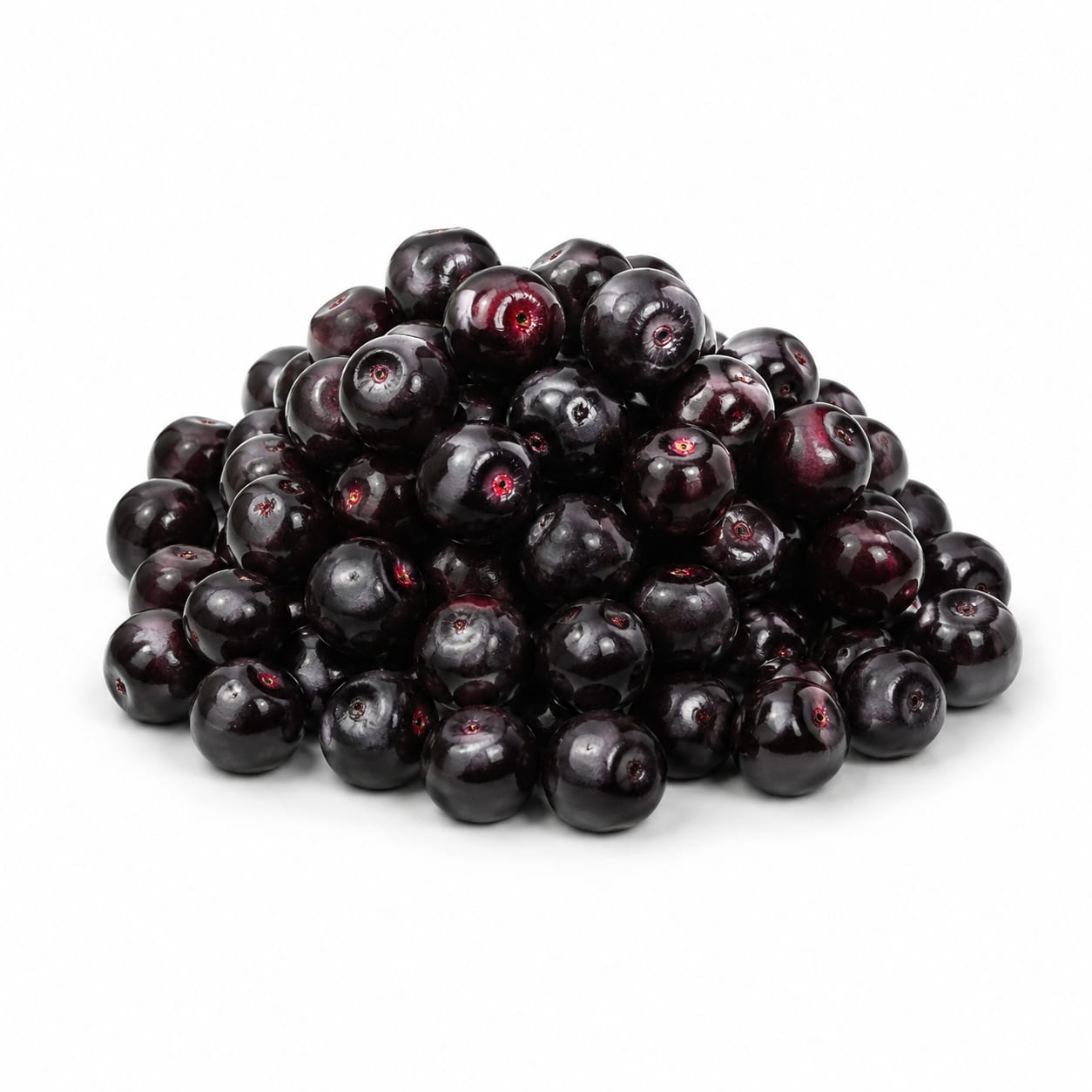
Hackberry
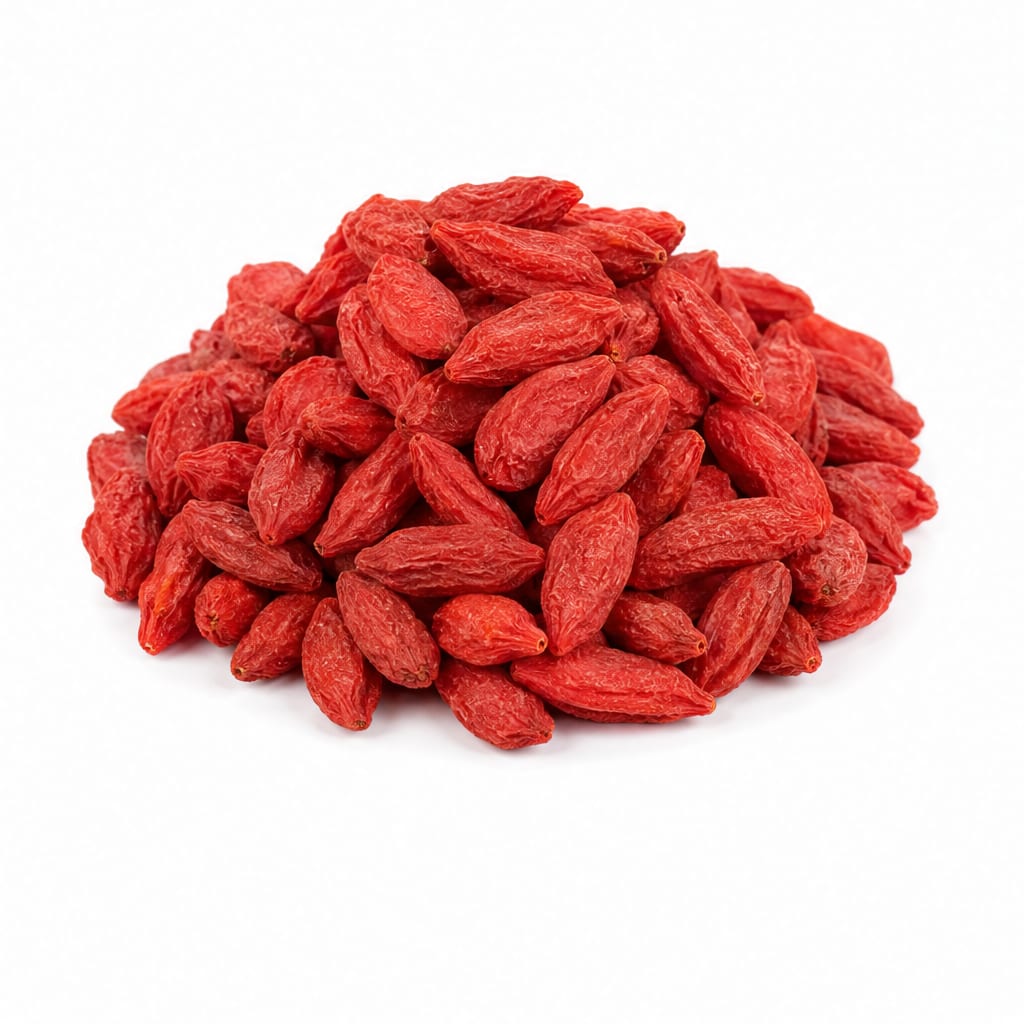
Goji Berry
Goji berries deliver more concentrated antioxidants and eye-protective compounds, but hackberries offer similar benefits with far less sugar, no drug interactions, and a fraction of the cost if you can find them.
Goji berries score slightly higher due to superior documented nutrient density and easy availability, but hackberries stay competitive thanks to lower sugar, fewer safety concerns, and much better value. The close scores reflect that neither is clearly dominant — the winner depends entirely on your priorities.
Proven nutrient density and convenience versus lower sugar, fewer safety concerns, and dramatically better value.
At a glance
Executive summary
Overall
It depends
Healthier
It depends
More practical
Goji Berry
Daily use
Hackberry
Key comparison lenses
superfood reality check
Goji berries carry heavy marketing as a miracle berry while hackberries remain underappreciated — users want to know if the hype is justified
antioxidant and nutrient density comparison
Both are berry-type fruits valued for protective compounds, making direct nutrient comparison the core question
sugar and blood sugar impact
Dried goji berries are sugar-concentrated while hackberries are lower-sugar wild fruits — critical for metabolic health decisions
safety and contamination concerns
Goji berries face pesticide and drug interaction issues that hackberries largely avoid
practical availability and value
Goji berries are expensive and commercially available while hackberries are cheap but hard to find
Best choice for
Hackberry
- People watching blood sugar closely
- Budget-conscious foragers and wild food enthusiasts
- Anyone on blood-thinning medications
- Those wanting a low-sugar trail snack
Goji Berry
- People seeking eye health support (zeaxanthin)
- Anyone wanting reliable commercial availability
- Those who prioritize proven antioxidant content
- People following Traditional Chinese Medicine approaches
Least suitable for
Hackberry
- People without access to foraging or specialty sources
- Anyone wanting standardized nutrient dosing
- Those who dislike thin flesh around large seeds
Goji Berry
- People on warfarin or other blood thinners
- Those strictly limiting sugar intake
- Budget-conscious consumers eating berries daily
Deep comparison
Dimension by dimension
Each lens scores both foods and breaks down who each option suits.
- Dimension 1 · Priority 95Goji Berry
antioxidant power
Hackberry · 65Goji Berry · 90Goji berries are among the most antioxidant-rich fruits on earth, with documented ORAC scores far exceeding hackberries.
Tradeoff
You get more antioxidant firepower from goji berries, but hackberries still provide meaningful protection without the superfood price tag.
Why it matters
Antioxidants protect cells from daily wear and tear — more is generally better, but both berries contribute meaningfully.
Real-world impact
Regular goji berry consumption shows measurable improvements in blood antioxidant levels within weeks. Hackberries help too, but the evidence base is thinner.
Hackberry
- Casual antioxidant support without overpaying
Better for
- Anyone wanting the strongest documented antioxidant effects
Worse for
Goji Berry
- Maximum antioxidant intake for aging and recovery
- Eye-specific protection via zeaxanthin and lutein
Better for
- Those who assume more antioxidants always means better health outcomes
Worse for
- Dimension 2 · Priority 90Hackberry
sugar and blood sugar impact
Hackberry · 85Goji Berry · 55Hackberries are naturally low-sugar wild fruits, while dried goji berries concentrate sugar significantly.
Tradeoff
Goji berries taste sweeter and more snackable, but hackberries keep your blood sugar far steadier.
Why it matters
Dried fruit sugar adds up fast — a handful of dried goji berries can contain 10-15g of sugar, comparable to candy for blood sugar response.
Real-world impact
Eating dried goji berries as a casual snack can spike blood sugar similarly to eating dried cranberries. Hackberries provide a gentler, steadier energy curve.
Hackberry
- Diabetics and pre-diabetics
- Anyone avoiding afternoon energy crashes
- Keto and low-carb eaters
Better for
- Those wanting a sweet treat replacement
Worse for
Goji Berry
- Athletes needing quick energy after exercise
- People who find low-sugar snacks unsatisfying
Better for
- Anyone monitoring sugar intake carefully
Worse for
- Dimension 3 · Priority 85Goji Berry
eye and vision health
Hackberry · 50Goji Berry · 92Goji berries are one of the richest food sources of zeaxanthin, a compound directly protective of retinal health.
Tradeoff
For eye health specifically, goji berries have no real rival among common berries. Hackberries offer general antioxidant support but lack targeted vision compounds.
Why it matters
Zeaxanthin accumulates in the macula and directly shields it from blue light damage — this is rare and valuable.
Real-world impact
Regular goji berry consumption has been shown to increase macular pigment density in clinical studies, potentially delaying age-related vision decline.
Hackberry
- General cellular protection without specific eye focus
Better for
- Those specifically seeking eye health support
Worse for
Goji Berry
- Adults over 40 concerned about macular degeneration
- Heavy screen users wanting retinal protection
- Anyone with family history of vision problems
Better for
- Dimension 4 · Priority 75Hackberry
fiber and digestive health
Hackberry · 80Goji Berry · 65Hackberries provide notable fiber relative to their small size, especially when the thin skin and some seed material is consumed. Dried goji berries offer fiber too, but the higher sugar offsets some benefits.
Tradeoff
Hackberries give you more gut-friendly fiber per gram of sugar consumed, making them a better digestive bargain.
Why it matters
Fiber-to-sugar ratio matters more than absolute fiber — it determines whether a fruit feeds your gut bacteria or spikes your blood sugar first.
Real-world impact
A serving of hackberries feels lighter in the stomach and supports more regular digestion without the sugar load that dried goji berries bring.
Hackberry
- People prioritizing gut health per calorie
- Those wanting digestive regularity without sugar
Better for
- Those wanting soft, easy-to-chew fiber sources
Worse for
Goji Berry
- People who find high-fiber foods uncomfortable and prefer gentler fiber sources
Better for
- Anyone counting fiber-to-sugar ratio
Worse for
- Dimension 5 · Priority 80Hackberry
safety and drug interactions
Hackberry · 90Goji Berry · 55Hackberries have no known drug interactions and minimal contamination issues. Goji berries interact with blood thinners and face pesticide concerns from some commercial sources.
Tradeoff
Goji berries' medicinal potency comes with medicinal-level cautions. Hackberries are safer precisely because they are milder.
Why it matters
If you take warfarin or similar medications, goji berries can dangerously alter your INR levels. This is not theoretical — it is well-documented.
Real-world impact
A person on blood thinners eating goji berries regularly may need dosage adjustments. Hackberries carry no such risk.
Hackberry
- Anyone on anticoagulant therapy
- People taking multiple medications who want to avoid interactions
- Those concerned about pesticide exposure in imported superfoods
Better for
Goji Berry
- People not on interacting medications who want stronger therapeutic effects
Better for
- Anyone on warfarin, heparin, or similar drugs
- People who source goji berries from unknown suppliers
Worse for
- Dimension 6 · Priority 70Hackberry
value and accessibility
Hackberry · 60Goji Berry · 70Goji berries are expensive but available everywhere. Hackberries are essentially free if you can forage them, but nearly impossible to buy commercially.
Tradeoff
Goji berries cost more but you can actually get them. Hackberries are the better value on paper but require effort and knowledge to obtain.
Why it matters
The healthiest food in the world does nothing if you cannot access it. Practical availability often trumps nutritional superiority.
Real-world impact
You can order goji berries from any grocery store today. Finding hackberries requires knowing where Celtis trees grow and when to harvest — a barrier most people will not overcome.
Hackberry
- Foragers and rural dwellers with Celtis trees nearby
- People who enjoy wild food gathering as a lifestyle
Better for
- Most consumers who lack foraging skills or access
- Anyone wanting to buy berries at a store
Worse for
Goji Berry
- Urban dwellers wanting reliable access
- Anyone who values convenience over cost
- People who want consistent quality and dosing
Better for
- Budget-limited households eating berries daily
Worse for
Timeline
Health impact over time
Short-term
Hours to days
Hackberry
- Steady, gentle energy without sugar spikes
- Mild digestive support from fiber and mucilaginous compounds
- Low risk of any adverse reaction
Goji Berry
- Noticeable antioxidant boost measurable in blood tests within weeks
- Sweet satisfaction that may trigger cravings for more sugar
- Potential stomach upset if eaten in large quantities on an empty stomach
Long-term
Months to years
Hackberry
- Consistent low-sugar fruit intake supporting metabolic health
- Sustainable daily habit due to low cost and low risk
- Modest but reliable antioxidant protection from regular wild fruit consumption
Goji Berry
- Meaningful retinal protection and potential vision preservation with age
- Risk of excessive sugar intake if portion control is poor
- Possible drug interaction complications if medications change over time
Risk profile
Safety & processing
Hackberries are typically eaten fresh or simply dried with no additives. Commercial goji berries are often dried with sulfur dioxide as a preservative and may contain added sugars or oils to improve texture and shelf life. Always check labels on goji products — quality varies dramatically between brands.
Hackberry
misidentification during foraging
mediumCeltis species are generally safe but novice foragers could confuse them with other wild berries. Always confirm identification with an expert before eating any wild fruit.
environmental contamination
lowTrees growing along busy roads may absorb pollutants. Forage away from high-traffic areas and treated landscapes.
Goji Berry
pesticide residues
mediumMany commercial goji berries are grown in China where pesticide regulations differ. Some tested samples have shown multiple pesticide residues. Choose organic when possible.
drug interaction with anticoagulants
highGoji berries can increase the effect of warfarin and similar blood thinners, potentially causing dangerous bleeding. This interaction is clinically documented and not theoretical.
sulfur dioxide sensitivity
lowSome dried goji berries are treated with sulfites as a preservative, which can trigger reactions in sensitive individuals, particularly asthmatics.
Who wins for whom
Audience fit
Same foods, different winners depending on your goal.
children
Goji BerryGoji berries are sweeter, softer, and more appealing to kids. Hackberries have thin flesh around a large seed that children may find frustrating or choking-hazardous.
daily consumption
HackberryLower sugar, no drug interactions, and minimal contamination risk make hackberries a safer daily habit. Goji berries are fine daily too, but require more caution with dosing and medication checks.
diabetes
HackberrySignificantly lower sugar content and better fiber-to-sugar ratio make hackberries far gentler on blood glucose. Dried goji berries can spike blood sugar if portions are not carefully controlled.
elderly
Goji BerryThe zeaxanthin in goji berries directly supports aging eyes, and the soft texture is easier to eat. However, elderly individuals on blood thinners should avoid goji berries entirely.
muscle gain
Goji BerryNeither berry is a muscle-building food, but goji berries provide slightly more carbohydrate energy around workouts and contain small amounts of amino acids that hackberries lack.
weight loss
HackberryLower sugar and calorie density make hackberries easier to eat freely without stalling fat loss. Dried goji berries are easy to overeat due to concentrated sweetness.
Your move
Decision guide
Choose Hackberry
- You have access to hackberry trees and enjoy foraging
- You are monitoring blood sugar or following a low-carb approach
- You take blood-thinning medications
- You want a low-cost, low-risk daily fruit habit
- You prefer eating whole, unprocessed wild foods
Choose Goji Berry
- Eye health and zeaxanthin intake are top priorities
- You want reliable commercial availability and consistent quality
- You are not on interacting medications
- You are comfortable managing sugar portions
- You value Traditional Chinese Medicine food therapy
Either works if
- You simply want more berry variety in your diet
- You are generally healthy and eat berries in moderation
- You rotate between different antioxidant sources anyway
Avoid both if
- You have berry allergies or sensitivities
- You are looking for a significant protein source — neither berry delivers meaningful protein
- You expect any single fruit to transform your health outcomes
Final recommendation
If you can get hackberries, they are the smarter daily choice — less sugar, fewer risks, and essentially free. But for most people, goji berries win on practicality alone. The best approach is eating goji berries in measured portions for their unique eye-health compounds while treating them as a concentrated supplement rather than a casual snack. If you ever gain access to fresh hackberries, enjoy them freely as a low-guilt wild food.
Practical
Consumer tips
- 1
Buy organic goji berries whenever possible to reduce pesticide exposure — the price difference is worth the safety margin
- 2
Limit dried goji berries to roughly one ounce per day to keep sugar intake reasonable
- 3
If you forage hackberries, harvest from clean areas away from roads and treated lawns
- 4
Freeze fresh hackberries for year-long use — they retain their nutrients well
- 5
Soak dried goji berries in water before eating to reduce sugar concentration and make them easier to digest
- 6
If you take any medications, especially blood thinners, consult your doctor before making goji berries a regular habit
- 7
Try mixing both berries together in small amounts — you get goji's zeaxanthin and hackberry's low-sugar fiber in one snack