
Nutrition comparison
Hackberry vs Mulberry: Nutrition, Foraging, and Taste Compared
Discover the differences between Hackberry and Mulberry. Learn which wild berry is safer, more nutritious, and better for snacking or foraging.
Overall winner · Mulberry
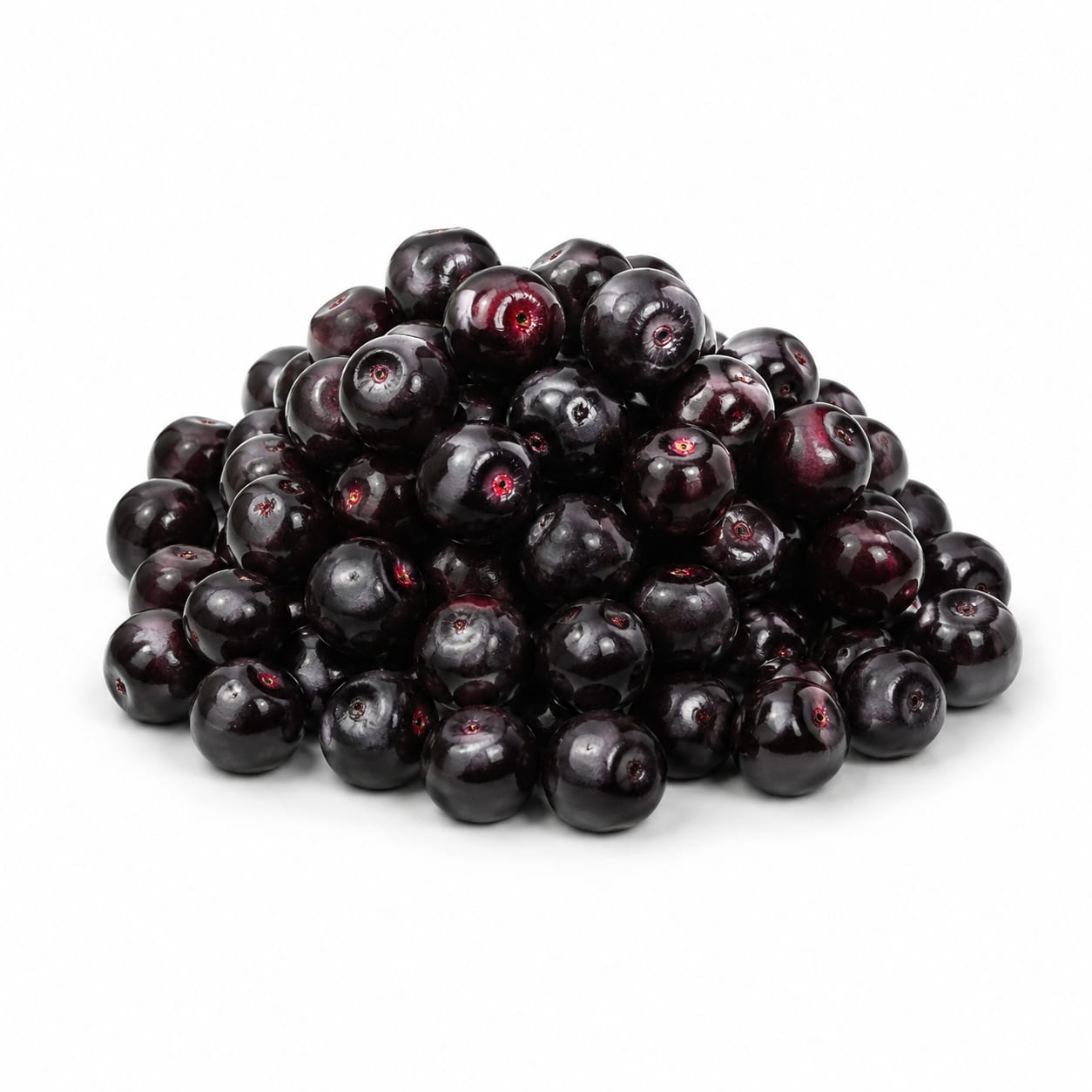
Hackberry
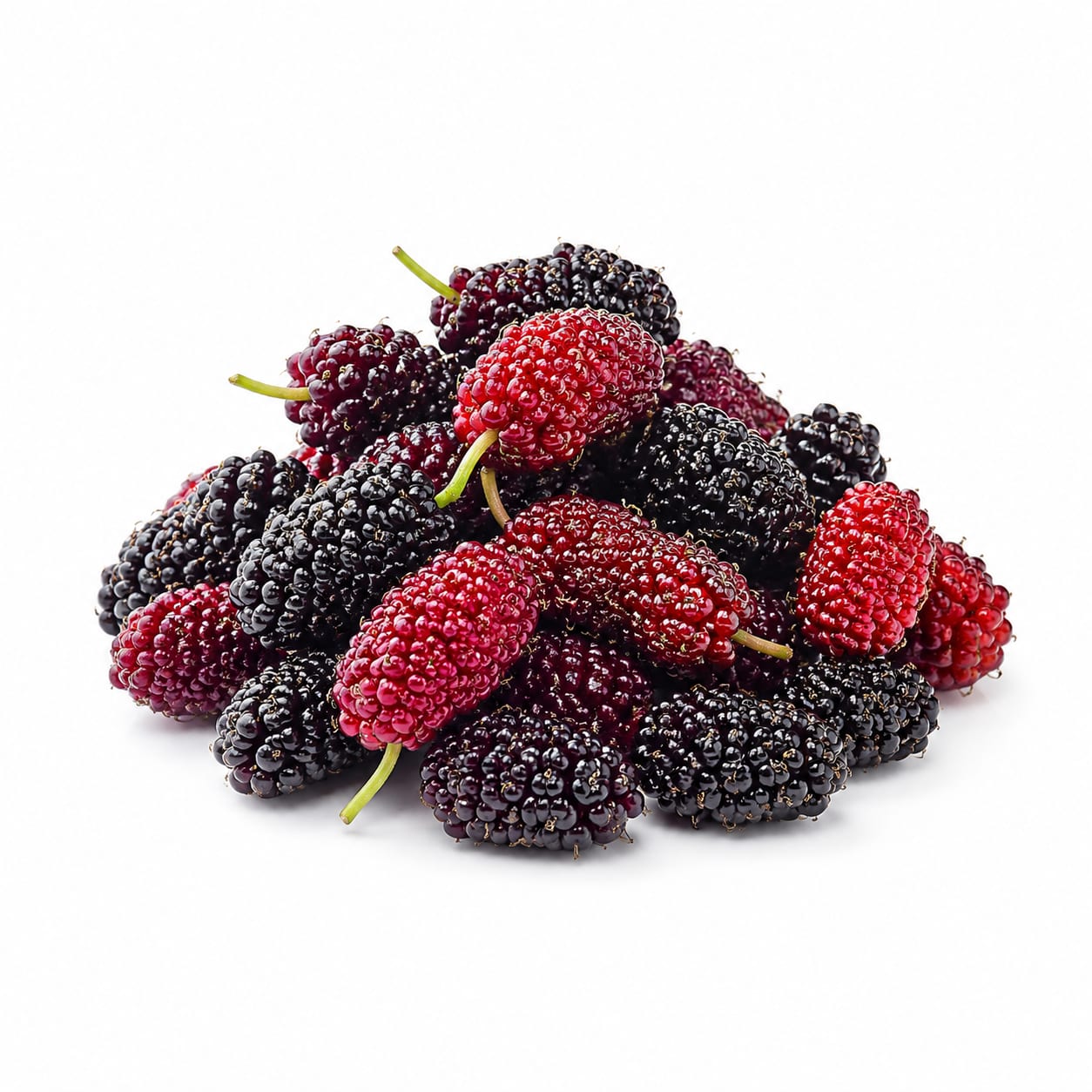
Mulberry
Mulberry offers a juicy, satisfying eating experience with high usable fruit volume, while Hackberry is mostly pit with a thin sweet crunch.
Mulberry scores significantly higher due to its superior edibility, higher usable fruit volume, and broader culinary applications. Hackberry is a fun foraging find but is heavily limited by its large pit and minimal flesh.
Mulberry gives you far more edible flesh and culinary versatility, whereas Hackberry is a fun trail nibble but impractical as a substantial food source.
At a glance
Executive summary
Overall
Mulberry
Healthier
Mulberry
More practical
Mulberry
Daily use
Mulberry
Key comparison lenses
Foraging and wild food safety
Both are commonly foraged rather than store-bought, making proper identification and safety crucial.
Edibility and eating experience
Hackberry has a large pit with thin flesh, while Mulberry is juicy and fleshy, creating a massive difference in satisfaction.
Nutritional density per serving
Users want to know if the effort of foraging these wild fruits translates to real health benefits.
Best choice for
Hackberry
- Foragers wanting a quick, sweet trail snack
- Permaculture enthusiasts looking for drought-resistant trees
- People seeking unique wild food experiences
Mulberry
- Smoothie and jam makers
- Those wanting a high-volume, low-calorie fruit
- People looking to boost iron and vitamin C intake
Least suitable for
Hackberry
- Young children due to the hard pit choking hazard
- Anyone wanting juicy fruit for recipes
- People with dental work or sensitive teeth
Mulberry
- People with severe birch pollen allergies
- Those wanting a long-lasting pantry fruit without freezing
Deep comparison
Dimension by dimension
Each lens scores both foods and breaks down who each option suits.
- Dimension 1 · Priority 85Mulberry
Nutritional Value & Antioxidant Density
Hackberry · 68Mulberry · 88Mulberry delivers more usable vitamins and minerals per serving because you consume the whole berry, while Hackberry's thin skin limits actual nutrient intake.
Tradeoff
Hackberry skin contains unique antioxidants, but the tiny amount of flesh means you get far less total nutrition per berry compared to Mulberry.
Why it matters
To get a meaningful dose of vitamins, you would need to eat a massive volume of Hackberries compared to a small bowl of Mulberries.
Real-world impact
A handful of Mulberries gives you a noticeable boost in vitamin C and iron; a handful of Hackberries is mostly just a sweet taste and a pile of seeds.
Hackberry
- Unique phytonutrients from the skin
- Trace minerals from wild foraging soil
Better for
- Low actual nutrient delivery due to pit-to-flesh ratio
- Minimal vitamin intake per berry
Worse for
Mulberry
- Higher vitamin C and iron per serving
- Resveratrol content for heart health
- More actual food mass per calorie
Better for
- Slightly higher sugar content if eaten in large volumes
Worse for
- Dimension 2 · Priority 90Mulberry
Eating Experience & Satiety
Hackberry · 50Mulberry · 92Mulberries are juicy, fleshy, and satisfying to eat by the handful. Hackberries are mostly pit with a thin, sweet crunch.
Tradeoff
Hackberry offers a fun, crunchy texture, but Mulberry actually fills you up and satisfies fruit cravings like a traditional berry.
Why it matters
Foods that are satisfying to eat are easier to incorporate into a daily diet without feeling deprived or hungry an hour later.
Real-world impact
Eating Mulberries feels like eating a real fruit snack; eating Hackberries feels more like nibbling on sweet shells and spitting out the rest.
Hackberry
- Crunchy texture variety
- Quick sweet hit on the trail
Better for
- Unsatisfying as a standalone snack
- Cannot be used in smoothies or jams easily
Worse for
Mulberry
- Juicy and hydrating
- High satiety from fiber and water
- Versatile for cooking and baking
Better for
- Can stain fingers and clothes easily
- Very delicate and bruises quickly
Worse for
- Dimension 3 · Priority 82Mulberry
Safety & Digestibility
Hackberry · 55Mulberry · 85Hackberry's large, hard pit poses a choking hazard and limits digestibility, whereas Mulberry's tiny seeds are safe and pass easily.
Tradeoff
You have to carefully spit out or navigate Hackberry pits, while Mulberries can be eaten whole without worry.
Why it matters
Choking hazards and digestive discomfort can completely negate the benefits of a wild food, especially for vulnerable ages.
Real-world impact
You can mindlessly snack on Mulberries, but eating Hackberries requires constant attention to avoid cracking a tooth or swallowing a pit.
Hackberry
- Tough skin can withstand some rough handling while foraging
Better for
- Hard pit is a choking risk for kids
- Can crack teeth if bitten carelessly
- Pit can cause intestinal distress if swallowed
Worse for
Mulberry
- Safe for whole consumption
- Gentle on the digestive tract
- No choking hazard from large pits
Better for
- Tiny seeds can bother very sensitive digestive systems in large amounts
Worse for
- Dimension 4 · Priority 75It depends
Foraging & Availability
Hackberry · 78Mulberry · 80Both are commonly foraged, but Mulberries are more widely recognized and yield far more edible fruit per tree.
Tradeoff
Hackberry trees are incredibly resilient and common in urban areas, but Mulberry trees give you a much better return on your harvesting effort.
Why it matters
Access to fresh, local fruit depends heavily on what grows well in your area and how easily you can gather a meaningful amount.
Real-world impact
You might find a Hackberry tree on every block, but a single Mulberry tree will give you enough fruit to freeze for months.
Hackberry
- Extremely drought and pollution tolerant tree
- Often found in harsh urban environments
Better for
- Very tedious to harvest in quantity
- Rarely if ever sold in stores
Worse for
Mulberry
- Higher yield per tree
- Easier to harvest in bulk
- Available commercially in some regions
Better for
- Trees can be messy and stain pavements
- Birds often get to the crop first
Worse for
Timeline
Health impact over time
Short-term
Hours to days
Hackberry
- Quick sweet energy from the thin skin
- Potential dental discomfort from the hard pit
Mulberry
- Hydrating and refreshing
- Mild blood sugar boost from natural sugars
Long-term
Months to years
Hackberry
- Minimal nutritional impact due to low flesh volume
- Risk of dental damage if pits are bitten frequently
Mulberry
- Improved iron levels and antioxidant status
- Better blood sugar regulation from fiber
Risk profile
Safety & processing
Both Hackberry and Mulberry are typically eaten wild and fresh, completely free from artificial additives or processing.
Hackberry
Choking and dental hazard
highThe large, hard pit can easily choke a child or adult if swallowed whole, and can crack teeth if bitten forcefully.
Misidentification
mediumForagers must be certain they have a true Hackberry and not a toxic lookalike, though Celtis species are generally quite distinct.
Mulberry
Pollen allergy cross-reactivity
mediumMulberries can trigger oral allergy syndrome in people sensitive to birch pollen, causing itchy mouth or throat.
Urban contamination
lowBecause trees often grow along roads or fences, berries can be exposed to vehicle exhaust or pesticide drift.
Who wins for whom
Audience fit
Same foods, different winners depending on your goal.
children
MulberryMulberries are soft and safe to eat whole, while Hackberry's hard pit is a major choking hazard for kids.
daily consumption
MulberryMulberries are versatile enough to eat daily in yogurt, smoothies, or alone, while Hackberries are more of an occasional nibble.
diabetes
MulberryMulberries contain compounds that may help regulate blood sugar, and their fiber slows absorption better than Hackberry's minimal flesh.
elderly
MulberryMulberries are easy to chew and digest, whereas Hackberry pits pose a risk to dental work and digestion.
muscle gain
It dependsNeither is a significant protein source, though Mulberry's slightly better vitamin profile supports overall recovery.
weight loss
MulberryMulberries provide high volume and fiber for very few calories, making them far more satisfying than the thin-skinned Hackberry.
Your move
Decision guide
Choose Hackberry
- You are hiking and spot a Hackberry tree for a quick, sweet trail nibble
- You want to try unique wild foods and don't mind spitting out pits
- You are interested in drought-resistant permaculture trees
Choose Mulberry
- You want a delicious, juicy berry for snacking, smoothies, or baking
- You need a safe, pit-free fruit for children
- You are looking to boost your iron and antioxidant intake with real volume
Either works if
- You are foraging and both trees are available in your area
- You want a natural, unprocessed sweet treat
Avoid both if
- You have severe oral allergy syndrome to birch pollen
- You are foraging in areas with heavy industrial pollution or pesticide use
Final recommendation
Mulberry is the clear winner for everyday eating, offering a juicy, nutrient-dense, and safe experience. Hackberry is a fun foraging novelty, but its large pit and lack of flesh make it impractical as a real food source.
Practical
Consumer tips
- 1
When foraging Mulberries, lay a tarp under the tree and shake the branches—ripe berries fall easily.
- 2
Never bite down on a Hackberry; roll the sweet skin off with your tongue and spit out the pit.
- 3
Freeze Mulberries on a baking sheet before transferring to a bag so they don't clump together.
- 4
Always wash wild berries thoroughly to remove dust, bugs, and potential urban contaminants.