
Nutrition comparison
Hackberry vs Cherry: Nutrition, Fiber, Sugar, and Foraging Comparison
Hackberry delivers more fiber, calcium, and protein with less sugar than cherry, but cherry wins on taste, availability, and anti-inflammatory benefits. Compare both to find which fruit fits your goals.
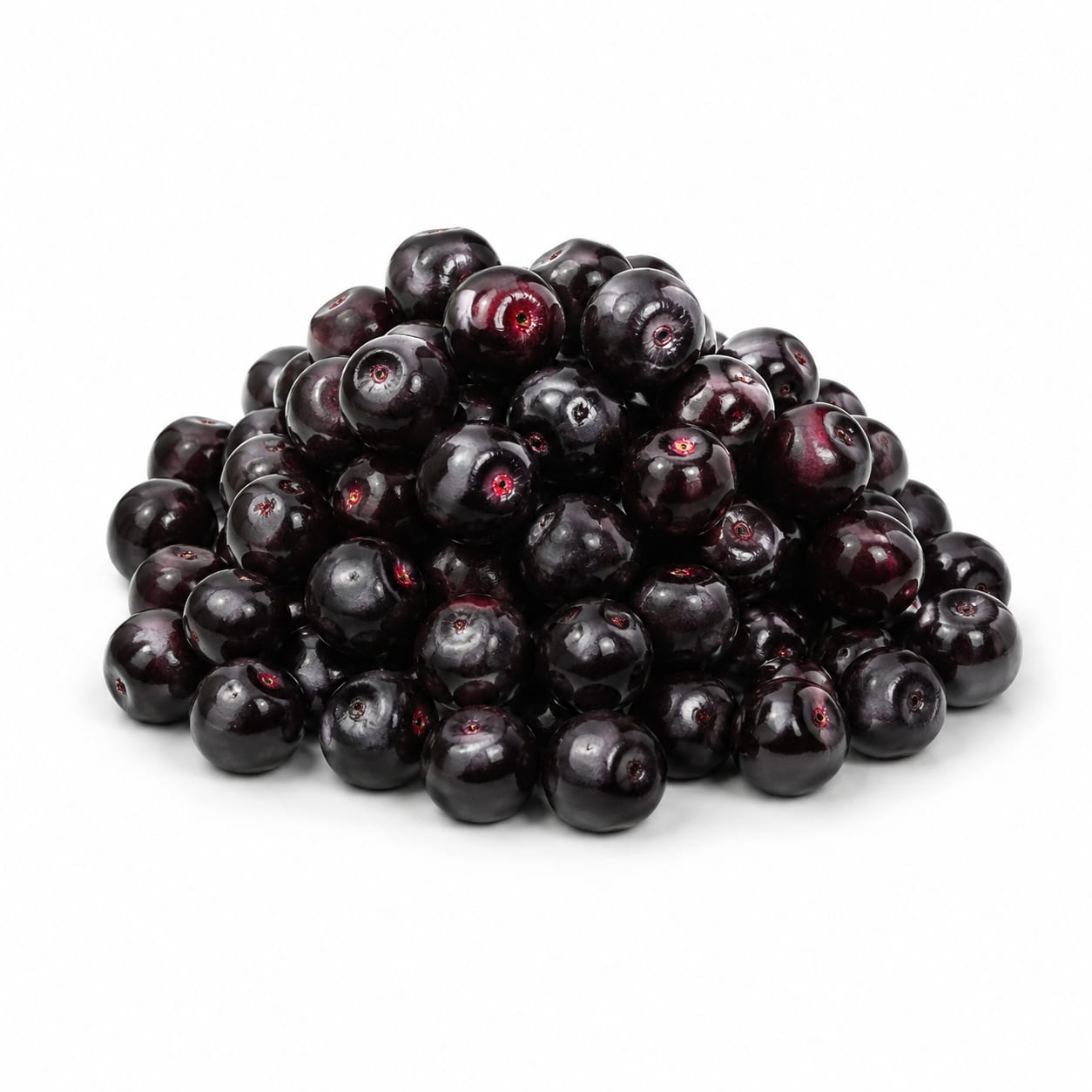
Hackberry
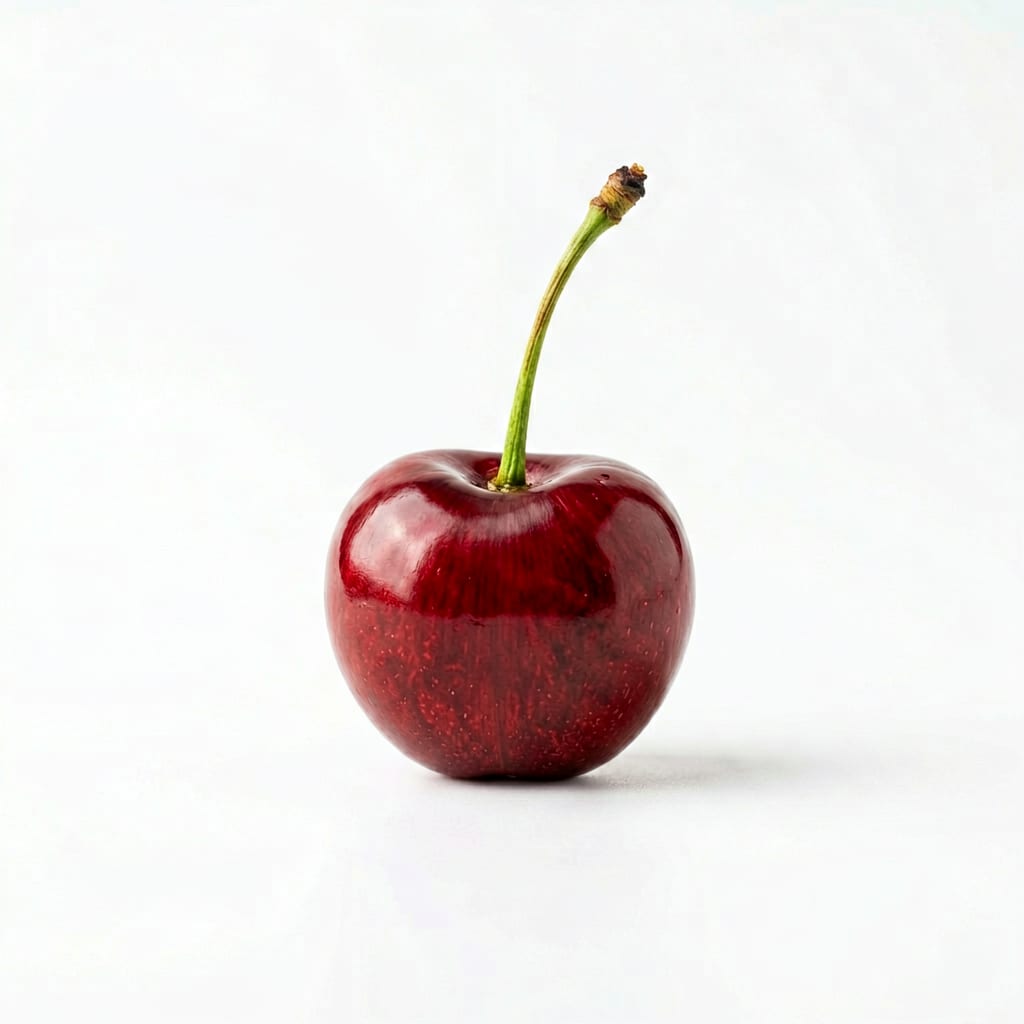
Cherry
Hackberry is the nutritional dark horse with far more fiber, protein, and calcium, but cherry wins on taste, availability, and everyday practicality.
Cherry edges ahead due to practicality and palatability, but hackberry's superior nutrient density keeps it competitive. The gap reflects that nutrition alone rarely drives food choices when access and enjoyment are limited.
Nutritional density and blood sugar stability versus convenience, flavor, and reliable access.
At a glance
Executive summary
Overall
It depends
Healthier
Hackberry
More practical
Cherry
Daily use
Cherry
Key comparison lenses
wild foraged fruit vs commercial fruit nutrition
Hackberry is a foraged wild fruit while cherry is a mainstream commercial fruit, creating a wild vs cultivated comparison with very different access and nutrient profiles
sugar and fiber tradeoff
Hackberry offers dramatically more fiber and less sugar per serving, making this a key differentiator for blood sugar and satiety decisions
practical accessibility and everyday usability
Cherry is available in any grocery store while hackberry requires foraging knowledge or specialty sourcing, making convenience a major deciding factor
antioxidant and micronutrient density
Both fruits carry strong antioxidant profiles but from different phytochemical families, with hackberry surprisingly rich in calcium and protein for a fruit
Best choice for
Hackberry
- Foragers and wild food enthusiasts seeking free, nutrient-dense fruit
- People managing blood sugar who want a low-sugar, high-fiber fruit option
- Anyone needing extra calcium from plant sources
- Those looking to diversify their fruit intake beyond commercial options
Cherry
- Families wanting a crowd-pleasing fruit for snacks and desserts
- Athletes needing quick natural sugar for post-workout recovery
- People who value convenience and year-round grocery availability
- Anyone seeking melatonin and anti-inflammatory benefits from a familiar fruit
Least suitable for
Hackberry
- People with no access to hackberry trees or foraging knowledge
- Children who may struggle with the gritty texture and large pit
- Anyone wanting a sweet, dessert-like fruit experience
Cherry
- People strictly limiting sugar who need the lowest-sugar fruit possible
- Those seeking maximum fiber per calorie
- Anyone with cherry allergies or birch pollen cross-reactivity
Deep comparison
Dimension by dimension
Each lens scores both foods and breaks down who each option suits.
- Dimension 1 · Priority 95Hackberry
Fiber and Satiety
Hackberry · 92Cherry · 55Hackberry delivers substantially more fiber per serving, making it far more filling and better for digestive health.
Tradeoff
You get outstanding fiber from hackberry but sacrifice the juicy, easy-to-eat texture that makes cherry so enjoyable.
Why it matters
Fiber is the single most undereaten nutrient in modern diets. A high-fiber fruit like hackberry keeps you full longer and stabilizes blood sugar in ways cherry simply cannot match.
Real-world impact
A handful of hackberries will keep you satisfied for an hour or two. A bowl of cherries may leave you reaching for more food within 30 minutes.
Hackberry
- Blood sugar management
- Gut health and regularity
- Weight management through fullness
Better for
- Eating large quantities comfortably due to gritty texture
Worse for
Cherry
- Light snacking without feeling heavy
- Pre-workout when you want something that digests quickly
Better for
- Staying full between meals
- Avoiding sugar-driven hunger rebounds
Worse for
- Dimension 2 · Priority 92Hackberry
Sugar Content and Blood Sugar Impact
Hackberry · 88Cherry · 52Hackberry contains significantly less sugar and more fiber, resulting in a much gentler blood sugar response.
Tradeoff
Lower sugar means less sweetness and less immediate energy, which is either a benefit or a drawback depending on your needs.
Why it matters
For anyone watching blood sugar, the difference between a low-sugar high-fiber fruit and a moderate-sugar fruit is meaningful. Steady energy beats sugar spikes for most people most of the time.
Real-world impact
Hackberry will not cause the afternoon energy dip that a cherry snack can trigger in sugar-sensitive individuals.
Hackberry
- Diabetics and pre-diabetics
- Anyone avoiding sugar crashes
- Keto-adjacent eaters wanting occasional fruit
Better for
- Satisfying a sweet tooth
- Quick energy replenishment after intense exercise
Worse for
Cherry
- Endurance athletes needing fast carbs
- People with high caloric needs who benefit from natural sugars
Better for
- Metabolic health when eaten in large quantities
- Controlling cravings triggered by sweet taste
Worse for
- Dimension 3 · Priority 85Hackberry
Micronutrient Density
Hackberry · 86Cherry · 68Hackberry is surprisingly rich in calcium, protein, and certain minerals for a fruit, outperforming cherry on several micronutrient markers.
Tradeoff
Cherry provides more vitamin C and unique compounds like melatonin that hackberry does not offer in comparable amounts.
Why it matters
Getting minerals from fruit is uncommon. Hackberry's calcium and protein content make it a genuinely useful contributor to daily intake, not just a snack.
Real-world impact
Regular hackberry consumption can meaningfully supplement calcium intake, especially for people avoiding dairy. Cherry is better for immune support and sleep quality.
Hackberry
- Bone health through calcium content
- Plant-based eaters needing mineral diversity
- Anyone wanting protein from unexpected sources
Better for
- Vitamin C intake
- Sleep support benefits
Worse for
Cherry
- Immune support from vitamin C
- Sleep quality from natural melatonin
- Joint health from anti-inflammatory anthocyanins
Better for
- Calcium and mineral contribution
- Protein content per serving
Worse for
- Dimension 4 · Priority 80It depends
Antioxidant Profile
Hackberry · 78Cherry · 80Both fruits offer strong but different antioxidant profiles. Cherry leads with anthocyanins while hackberry provides diverse phenolic compounds.
Tradeoff
Neither is clearly superior. Cherry's antioxidants are better studied, while hackberry's are less researched but likely potent given its wild plant defenses.
Why it matters
Antioxidant diversity matters more than quantity from a single source. Eating both would be ideal, but each contributes differently to your body's defense systems.
Real-world impact
Cherry's anthocyanins have documented anti-inflammatory effects, especially for joints and muscles. Hackberry's antioxidants may offer similar benefits but lack the clinical evidence.
Hackberry
- Antioxidant diversity from wild plant compounds
- People already eating cherry-type antioxidants from other berries
Better for
- Confidence in specific health outcomes due to limited research
Worse for
Cherry
- Post-exercise inflammation reduction
- Gout and joint inflammation management
- Evidence-backed antioxidant intake
Better for
- Antioxidant variety if already consuming similar berry types
Worse for
- Dimension 5 · Priority 90Cherry
Practicality and Accessibility
Hackberry · 25Cherry · 92Cherry is available in every grocery store. Hackberry requires foraging knowledge, seasonal timing, and geographic luck.
Tradeoff
You gain superior nutrition from hackberry but lose the convenience of grabbing fruit at any store year-round.
Why it matters
The healthiest food is the one you actually eat. A fruit you cannot find or identify has zero nutritional value in practice.
Real-world impact
You can buy cherries any day of the week. Hackberries require finding a tree, knowing it is safe, and harvesting during a narrow window.
Hackberry
- People with hackberry trees on their property
- Experienced foragers who enjoy wild food gathering
Better for
- Weekly meal planning
- Reliable nutrition routines
- People unfamiliar with safe foraging
Worse for
Cherry
- Busy families needing reliable fruit access
- Urban dwellers without foraging opportunities
- Anyone wanting consistent year-round availability
Better for
- Cost savings from free wild food
Worse for
- Dimension 6 · Priority 82Cherry
Taste and Eating Experience
Hackberry · 48Cherry · 88Cherry offers a universally loved sweet-tart juiciness. Hackberry has a thin sweet layer over a gritty skin and large pit, making it an acquired taste.
Tradeoff
Hackberry's unusual texture and high pit-to-flesh ratio make it less enjoyable for most people, despite its pleasant sweetness.
Why it matters
Taste drives long-term dietary habits. A fruit you look forward to eating will always beat a nutritionally superior one you avoid.
Real-world impact
Most people happily snack on a bowl of cherries. Hackberries are more of a nibble-and-spit experience, limiting how much you naturally want to consume.
Hackberry
- Adventurous eaters who enjoy unique wild flavors
- People who appreciate subtle sweetness over bold flavor
Better for
- Pleasing picky eaters
- Culinary versatility beyond snacking
Worse for
Cherry
- Serving to guests and children
- Dessert and recipe integration
- Consistent enjoyment and satisfaction
Better for
- Novelty and foraging satisfaction
Worse for
Timeline
Health impact over time
Short-term
Hours to days
Hackberry
- Steady energy without sugar spikes due to low sugar and high fiber
- Mild digestive stimulation from high fiber content
- Quick feeling of fullness from small quantities
Cherry
- Quick energy boost from natural sugars, useful before or after exercise
- Possible mild blood sugar rise in sensitive individuals
- Hydrating effect from high water content
Long-term
Months to years
Hackberry
- Improved digestive regularity from consistent high fiber intake
- Better blood sugar control patterns with regular consumption
- Potential bone density support from notable calcium content
- Possible antioxidant benefits that are hard to quantify due to limited research
Cherry
- Reduced inflammation markers from regular anthocyanin intake
- Improved sleep quality from natural melatonin content
- Lower uric acid levels relevant to gout management
- Better cardiovascular indicators from polyphenol consumption
Risk profile
Safety & processing
Both fruits are whole, unprocessed foods in their natural state. Hackberry has a slight edge as a truly wild food never touched by agricultural chemicals, while conventionally grown cherries may carry pesticide residues that warrant washing or choosing organic.
Hackberry
Misidentification with toxic lookalikes
highForagers must confidently distinguish hackberry from other small fruits and berries. Mistaking a toxic species for hackberry can cause serious illness. Only forage if you have verified knowledge.
Environmental contamination from urban trees
mediumHackberry trees growing near roads or in treated landscapes may absorb pollutants. Harvest from clean, untreated areas away from traffic and industrial zones.
Choking hazard from large pit
lowThe large seed inside hackberry is not meant to be swallowed. Children and distracted eaters should be cautioned.
Cherry
Pesticide residue on conventional cherries
mediumCherries consistently appear on the EWG Dirty Dozen list for pesticide residues. Washing helps but does not remove all residues. Organic cherries significantly reduce this concern.
Allergic cross-reactivity with birch pollen
lowPeople with birch pollen allergy may experience oral allergy syndrome with cherries, causing mouth and throat itching. Cooking cherries usually eliminates this reaction.
Cyanogenic compounds in cherry pits
lowCherry pits contain amygdalin, which releases cyanide when crushed and eaten. Accidental swallowing of whole pits is harmless, but deliberately cracking and eating many pits is dangerous.
Who wins for whom
Audience fit
Same foods, different winners depending on your goal.
children
CherryCherry is sweet, familiar, and enjoyable for kids. Hackberry's gritty texture, large pit, and unfamiliar taste make it a hard sell for most children, and the choking hazard from the pit requires supervision.
daily consumption
CherryConsistent access, enjoyable taste, and culinary versatility make cherry far more sustainable as a daily fruit habit. Hackberry's seasonal and geographic limitations prevent reliable daily use for most people.
diabetes
HackberryDramatically lower sugar combined with high fiber gives hackberry a much gentler glycemic impact, making it the safer choice for blood sugar management.
elderly
CherryCherry's anti-inflammatory properties benefit joint health, and its melatonin supports sleep, both common concerns for older adults. The soft texture is also easier to manage than hackberry's gritty skin.
muscle gain
CherryCherry provides faster-digesting carbs useful around workouts and has documented anti-inflammatory benefits for muscle recovery. Hackberry's low sugar makes it less useful for training fuel.
weight loss
HackberryHigher fiber and lower sugar make hackberry more satiating per calorie, reducing the urge to overeat. However, its rarity makes this advantage hard to sustain daily.
Your move
Decision guide
Choose Hackberry
- You have access to hackberry trees and know how to safely identify them
- Blood sugar management is your top dietary priority
- You want maximum fiber and mineral density from fruit
- You enjoy foraging and connecting with wild food sources
- You are looking to diversify beyond standard grocery store fruits
Choose Cherry
- You want a delicious, widely available fruit for daily snacking
- Athletic performance and recovery are priorities
- You value anti-inflammatory and sleep-supporting benefits
- You need a fruit that fits easily into recipes and family meals
- Consistency and convenience matter more than peak nutrient density
Either works if
- You simply want more fruit variety in your diet
- Both are available and you enjoy mixing wild and cultivated foods
- Antioxidant diversity from different fruit sources is your goal
Avoid both if
- You have a specific allergy to either fruit or related species
- You are on a very strict low-fiber diet for medical reasons
- You cannot verify the safety of foraged hackberry or wash conventional cherries
Final recommendation
Eat cherries as your everyday fruit and seek out hackberries when you have the chance. Cherry gives you reliable nutrition, enjoyment, and access. Hackberry gives you a nutritional upgrade when available, especially for fiber, calcium, and blood sugar control. The best approach is not choosing one over the other but using hackberry as a seasonal supplement to a cherry-rich diet.
Practical
Consumer tips
- 1
If foraging hackberry, harvest from trees away from roads and treated areas, and always confirm identification with a reliable source or experienced forager
- 2
Choose organic cherries when possible to reduce pesticide exposure, especially if you eat them frequently
- 3
Try drying hackberries for a concentrated snack that preserves their unique nutrition and extends shelf life
- 4
Freeze cherries at peak ripeness to preserve their antioxidant content for months
- 5
Pair cherry with a protein or fat source like nuts to slow sugar absorption and extend satiety
- 6
Do not crack and eat cherry pits, as they contain cyanogenic compounds that release cyanide
- 7
If new to hackberry, start with a small amount to assess your tolerance to the high fiber content