
Nutrition comparison
Hackberry vs Blackberry: Nutrition, Antioxidants, and Which Berry to Choose
Compare hackberry and blackberry side by side. Learn which berry offers more antioxidants, better fiber, and easier daily use. Practical nutrition advice for foragers and health-conscious eaters.
Overall winner · Blackberry
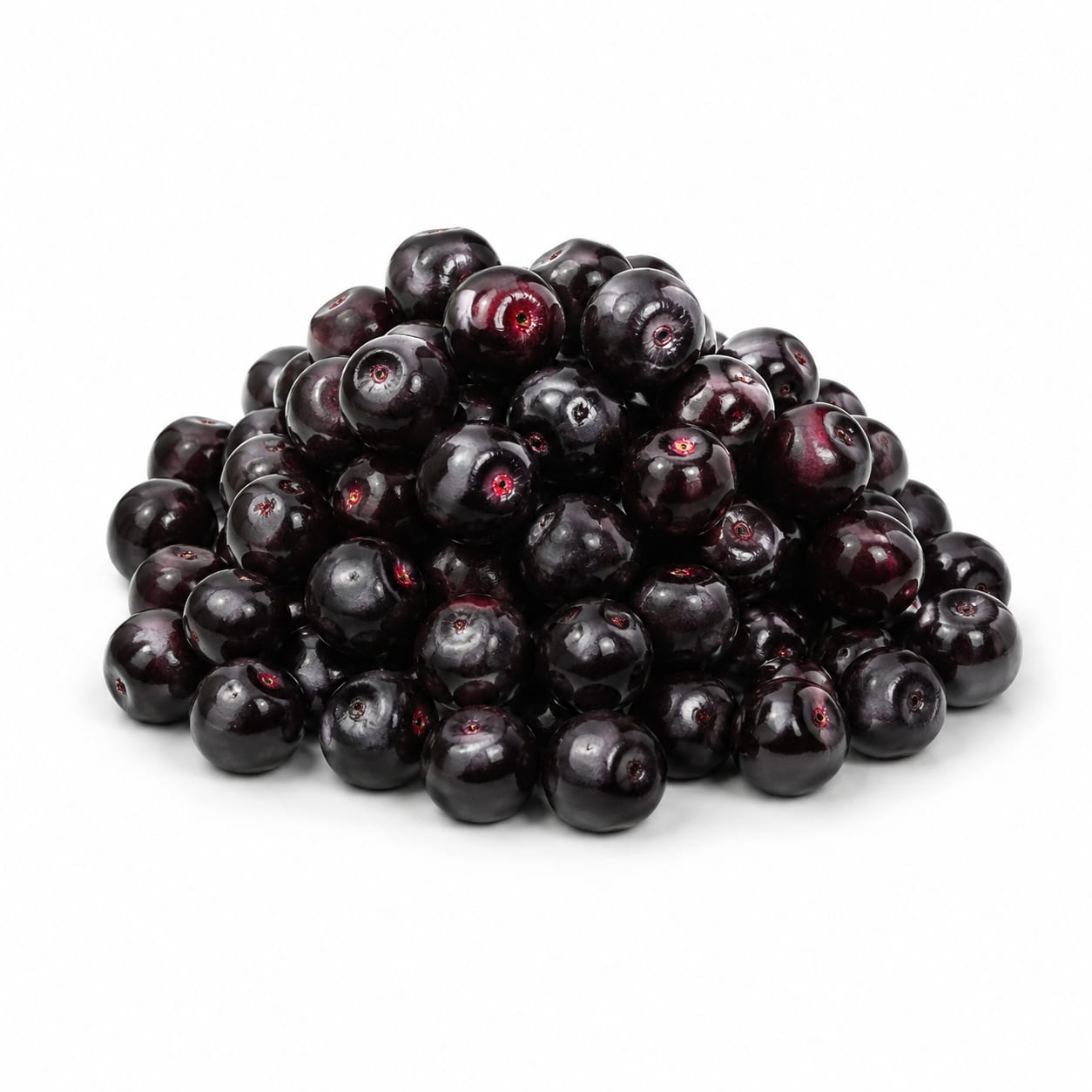
Hackberry
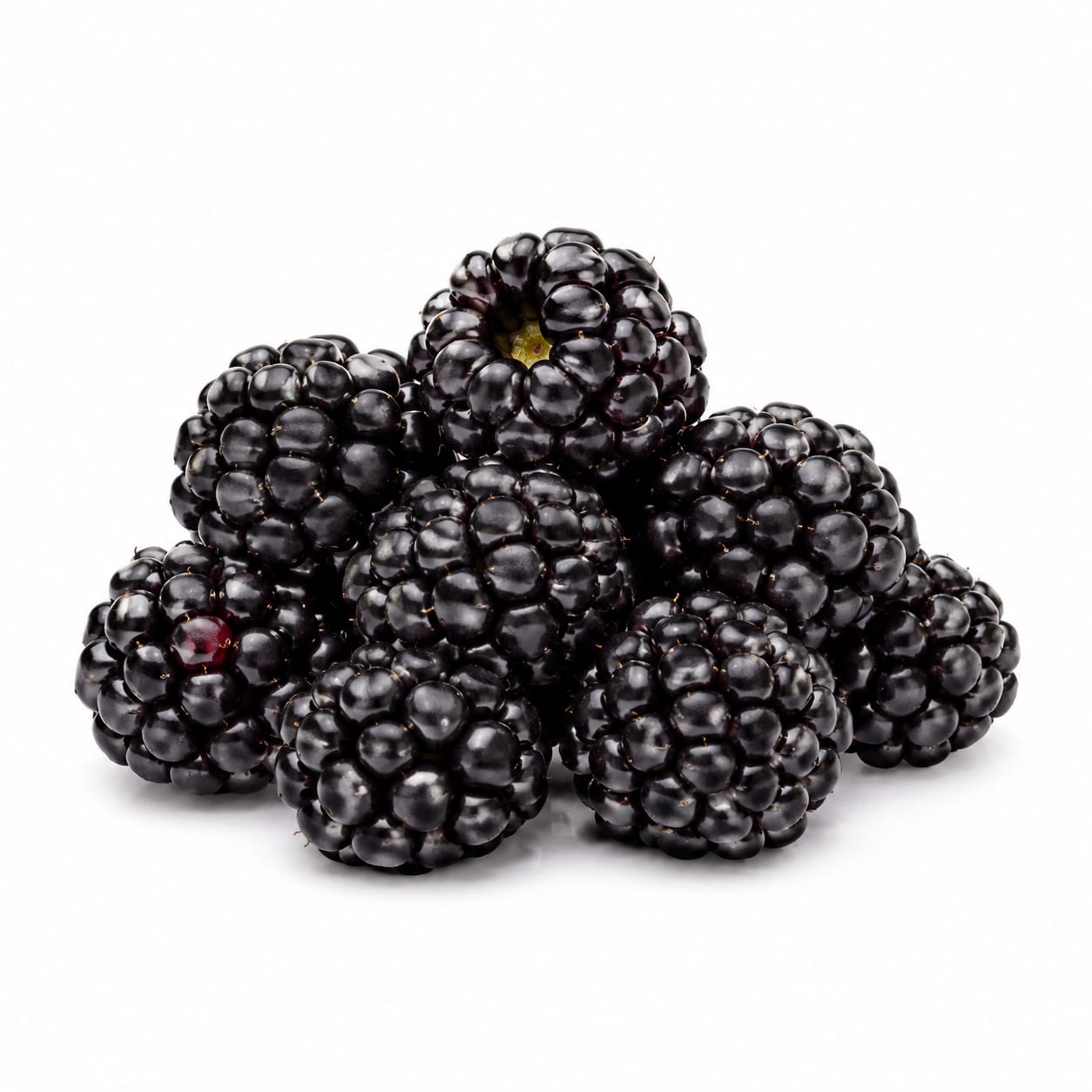
Blackberry
Blackberries win on nutrition, convenience, and safety, but hackberries offer a unique low-calorie foraging experience with surprising calcium content.
Blackberries score significantly higher due to superior nutrient density, abundant edible flesh, strong research backing, and easy availability. Hackberries earn moderate scores for unique calcium content and ultra-low calories but lose ground on minimal flesh, foraging difficulty, and limited nutritional data.
You gain far more antioxidants, vitamins, and edible flesh from blackberries, but hackberries provide a wild-food adventure with minimal calories and notable calcium.
At a glance
Executive summary
Overall
Blackberry
Healthier
Blackberry
More practical
Blackberry
Daily use
Blackberry
Key comparison lenses
antioxidant and nutrient density
Blackberries are renowned for anthocyanin content while hackberries are a lesser-known foraged fruit with sparse nutritional data
foraged vs commercial fruit tradeoffs
Hackberries are primarily wild-foraged while blackberries are widely available in stores, creating accessibility and safety differences
practical everyday usability
Hackberries have a large pit and minimal flesh making them hard to eat in quantity, whereas blackberries are easy to consume by the handful
fiber and digestive benefit
Both berries offer fiber but from different sources—hackberry from its thin skin and seed coat, blackberry from abundant flesh and seeds
blood sugar and low carb suitability
Both are low-sugar berries suitable for low-carb diets but differ in how much you can realistically eat
Best choice for
Hackberry
- Foragers and wild-food enthusiasts
- People seeking extremely low-calorie snacking
- Those interested in traditional or indigenous foodways
- Anyone wanting a novel source of dietary calcium from fruit
Blackberry
- Everyday health-conscious eaters
- People targeting antioxidant intake
- Low-carb and keto dieters wanting a satisfying berry
- Families wanting a kid-friendly nutrient-dense fruit
Least suitable for
Hackberry
- People who want reliable nutrition data
- Anyone with limited foraging experience or access
- Children who could choke on the hard pit
- Those wanting substantial fruit portions
Blackberry
- People with salicylate sensitivity
- Those on very tight budgets in areas where berries are expensive
- Individuals allergic to Rubus family fruits
Deep comparison
Dimension by dimension
Each lens scores both foods and breaks down who each option suits.
- Dimension 1 · Priority 92Blackberry
Antioxidant Power
Hackberry · 35Blackberry · 93Blackberries are among the highest-antioxidant fruits available, while hackberries have minimal antioxidant research.
Tradeoff
Choosing hackberries means missing out on one of nature's most potent antioxidant sources in exchange for a novel foraging experience.
Why it matters
Anthocyanins in blackberries support brain health, reduce inflammation, and protect against chronic disease—benefits you simply cannot replicate with hackberries.
Real-world impact
A daily handful of blackberries gives you measurable antioxidant protection; hackberries would require eating impractical quantities for similar effect.
Hackberry
- Experiencing diverse wild plant compounds
Better for
- No reliable ORAC or antioxidant data exists
Worse for
Blackberry
- Fighting oxidative stress
- Supporting cognitive function
- Reducing chronic inflammation
Better for
- Antioxidants degrade with prolonged storage
Worse for
- Dimension 2 · Priority 88Blackberry
Vitamin and Mineral Density
Hackberry · 40Blackberry · 85Blackberries deliver strong vitamin C, vitamin K, and manganese. Hackberries surprisingly contain notable calcium but lack data on most other vitamins.
Tradeoff
Hackberries offer an unusual calcium source from fruit, but blackberries provide a far more complete micronutrient profile.
Why it matters
Vitamin K and manganese from blackberries support bone health and metabolism—covering more nutritional ground than hackberry's calcium alone.
Real-world impact
Eating blackberries regularly helps fill multiple nutrient gaps. Hackberries mainly contribute calcium, which is easier to get from other foods.
Hackberry
- Calcium intake from an unusual fruit source
Better for
- Almost no published data on vitamin content
Worse for
Blackberry
- Vitamin C for immune support
- Vitamin K for bone and blood health
- Manganese for metabolism
Better for
- Not a significant calcium source
Worse for
- Dimension 3 · Priority 80Blackberry
Fiber and Satiety
Hackberry · 45Blackberry · 82Blackberries provide generous fiber from flesh and tiny seeds. Hackberries offer some fiber but mostly from the inedible pit you discard.
Tradeoff
Blackberry fiber is fully consumable and satisfying; hackberry fiber is largely lost when you spit out the seed.
Why it matters
Fiber you actually eat matters more than fiber technically present in the whole fruit including the pit.
Real-world impact
A cup of blackberries leaves you pleasantly full. A handful of hackberries barely registers as eating due to the thin flesh layer.
Hackberry
- Technically high fiber if you consumed the entire fruit including pit
Better for
- Most fiber is in the pit which nobody eats
Worse for
Blackberry
- Realistic fiber intake from edible portions
- Better satiety per serving
- Gentle digestive regularity
Better for
- Tiny seeds can bother some people with diverticulitis
Worse for
- Dimension 4 · Priority 72Hackberry
Caloric Efficiency
Hackberry · 90Blackberry · 70Hackberries are extremely low in calories per fruit because there is almost nothing edible around the large pit. Blackberries are already low-calorie but provide more calories per berry because you eat the whole thing.
Tradeoff
Hackberries win on calories-but that is because most of the fruit is inedible. Blackberries give you more actual food for slightly more calories.
Why it matters
Ultra-low calories sound great until you realize you are getting almost no energy or nutrition per fruit.
Real-world impact
You would need to forage hundreds of hackberries to match the caloric and nutritional intake of a modest blackberry serving.
Hackberry
- Virtually zero calories per fruit eaten
- Mindless snacking without caloric consequence
Better for
- Low calories reflect low edible mass, not a diet advantage
Worse for
Blackberry
- More energy per serving for active people
- Calories come with substantial nutrients attached
Better for
- Slightly more calories if eating large quantities
Worse for
- Dimension 5 · Priority 85Blackberry
Availability and Practicality
Hackberry · 20Blackberry · 88Blackberries are available year-round in grocery stores. Hackberries require foraging knowledge, tree identification, and seasonal access.
Tradeoff
Blackberries are grab-and-go convenient. Hackberries demand effort, knowledge, and geographic luck.
Why it matters
The healthiest food is the one you can actually obtain and eat regularly.
Real-world impact
You can buy blackberries any week of the year. Finding hackberry trees, confirming identification, and harvesting enough fruit is a niche activity.
Hackberry
- Free if you have access to hackberry trees
- Fun seasonal foraging activity
Better for
- Very limited availability
- Requires foraging expertise
- Cannot buy in stores
Worse for
Blackberry
- Available in any supermarket
- Consistent quality and quantity
- Frozen options retain most nutrients
Better for
- Can be expensive out of season
- Organic options cost more
Worse for
- Dimension 6 · Priority 70It depends
Blood Sugar Friendliness
Hackberry · 75Blackberry · 78Both berries are low-sugar and blood-sugar friendly. Blackberries have a slight edge due to more fiber from edible portions slowing glucose absorption.
Tradeoff
The difference is minimal—both are excellent choices for stable blood sugar compared to almost any other fruit.
Why it matters
For diabetics or low-carb eaters, both berries are safe options that will not cause spikes.
Real-world impact
Neither berry will cause an afternoon energy crash. Blackberries edge ahead only because you can eat enough of them to feel satisfied without sugar overload.
Hackberry
- Extremely low sugar per fruit
- Almost impossible to overeat due to the pit
Better for
- No glycemic index data available
Worse for
Blackberry
- Well-documented low glycemic impact
- More fiber slows sugar absorption
Better for
- Larger portions could add more sugar than expected
Worse for
Timeline
Health impact over time
Short-term
Hours to days
Hackberry
- Mild energy from natural sugars in the thin flesh
- Minimal satiety due to tiny edible portion
- Possible oral fatigue from working around the hard pit
Blackberry
- Quick but steady energy from natural sugars buffered by fiber
- Noticeable fullness from a modest serving
- Mild digestive stimulation from fiber and seeds
Long-term
Months to years
Hackberry
- Calcium contribution from regular consumption if foraged routinely
- Limited long-term health data due to lack of research
- Potential for varied nutrient intake depending on soil quality of foraging site
Blackberry
- Reduced inflammation from consistent anthocyanin intake
- Improved digestive regularity from fiber
- Better vascular health from polyphenols
- Potential cognitive protection from regular berry consumption
Risk profile
Safety & processing
Both are whole, unprocessed berries in their natural state. Hackberries are as wild as fruit gets—straight from the tree with zero human intervention. Blackberries from stores are cultivated but still minimally processed. Frozen blackberries may have slight texture changes but retain nutrients well.
Hackberry
Misidentification of foraged tree
highNovice foragers could confuse hackberry trees with toxic species. Positive identification requires experience and reliable field guides.
Environmental contamination
mediumWild trees near roads or industrial areas may absorb heavy metals, pesticides, or pollutants that concentrate in the fruit.
Choking hazard from pit
mediumThe hard central pit poses a choking risk for young children or anyone eating hackberries carelessly.
Blackberry
Pesticide residue
mediumConventionally grown blackberries frequently appear on the Dirty Dozen list due to pesticide retention in their bumpy surface structure.
Mold and spoilage
lowBlackberries spoil quickly and can develop mold within days, which may produce mycotoxins if consumed.
Salicylate sensitivity
lowBlackberries contain moderate salicylates that can trigger reactions in sensitive individuals.
Who wins for whom
Audience fit
Same foods, different winners depending on your goal.
children
BlackberryBlackberries are soft, sweet, and easy to eat. Hackberries have a hard pit that is a genuine choking hazard for kids.
daily consumption
BlackberryBlackberries are easy to buy, store, and eat every day. Hackberries are a seasonal novelty that cannot sustain daily nutrition.
diabetes
BlackberryBoth are low-sugar, but blackberries have documented low glycemic impact and enough fiber to slow absorption predictably.
elderly
BlackberryBlackberries support vascular and cognitive health with strong research backing. Hackberries lack the evidence base and their pit makes them harder to eat safely.
muscle gain
BlackberryNeither berry is a muscle-building food, but blackberries at least provide meaningful manganese for metabolism and enough calories to complement a post-workout meal.
weight loss
BlackberryBlackberries provide satisfying portions with low calories and high fiber, making them easier to stick with. Hackberries are ultra-low calorie but too insubstantial to replace actual snacks.
Your move
Decision guide
Choose Hackberry
- You are an experienced forager with access to hackberry trees
- You want a zero-calorie nibble during outdoor activities
- You are curious about traditional and indigenous food sources
- You need a novel calcium source and enjoy wild foods
Choose Blackberry
- You want maximum antioxidant and vitamin benefit from a berry
- You need a convenient daily fruit that is easy to find and eat
- You are managing blood sugar, inflammation, or weight
- You are feeding children or elderly family members
Either works if
- You simply want a low-sugar fruit option
- You enjoy trying different berries for variety
- You are following a low-carb or keto eating pattern
Avoid both if
- You have a known berry allergy
- You need calorie-dense foods for weight gain
- You are looking for significant protein intake from fruit
Final recommendation
Make blackberries your everyday berry—they deliver proven health benefits, are easy to find, and satisfying to eat. Save hackberries for foraging adventures and cultural exploration, not as a nutritional staple. If you do forage hackberries, always confirm tree identification and avoid trees near roads or treated areas.
Practical
Consumer tips
- 1
Buy organic blackberries when possible—their bumpy surface traps pesticides that are hard to wash off
- 2
Frozen blackberries are nearly as nutritious as fresh and far more practical for year-round use
- 3
If foraging hackberries, harvest from trees away from roads, industrial areas, or pesticide-treated landscapes
- 4
Never eat hackberries without confirming the tree species with a reliable field guide or experienced forager
- 5
Store blackberries unwashed in a single layer in the fridge and use within 3-4 days for best quality
- 6
Blackberries pair well with Greek yogurt or oatmeal for a balanced breakfast that stabilizes blood sugar