
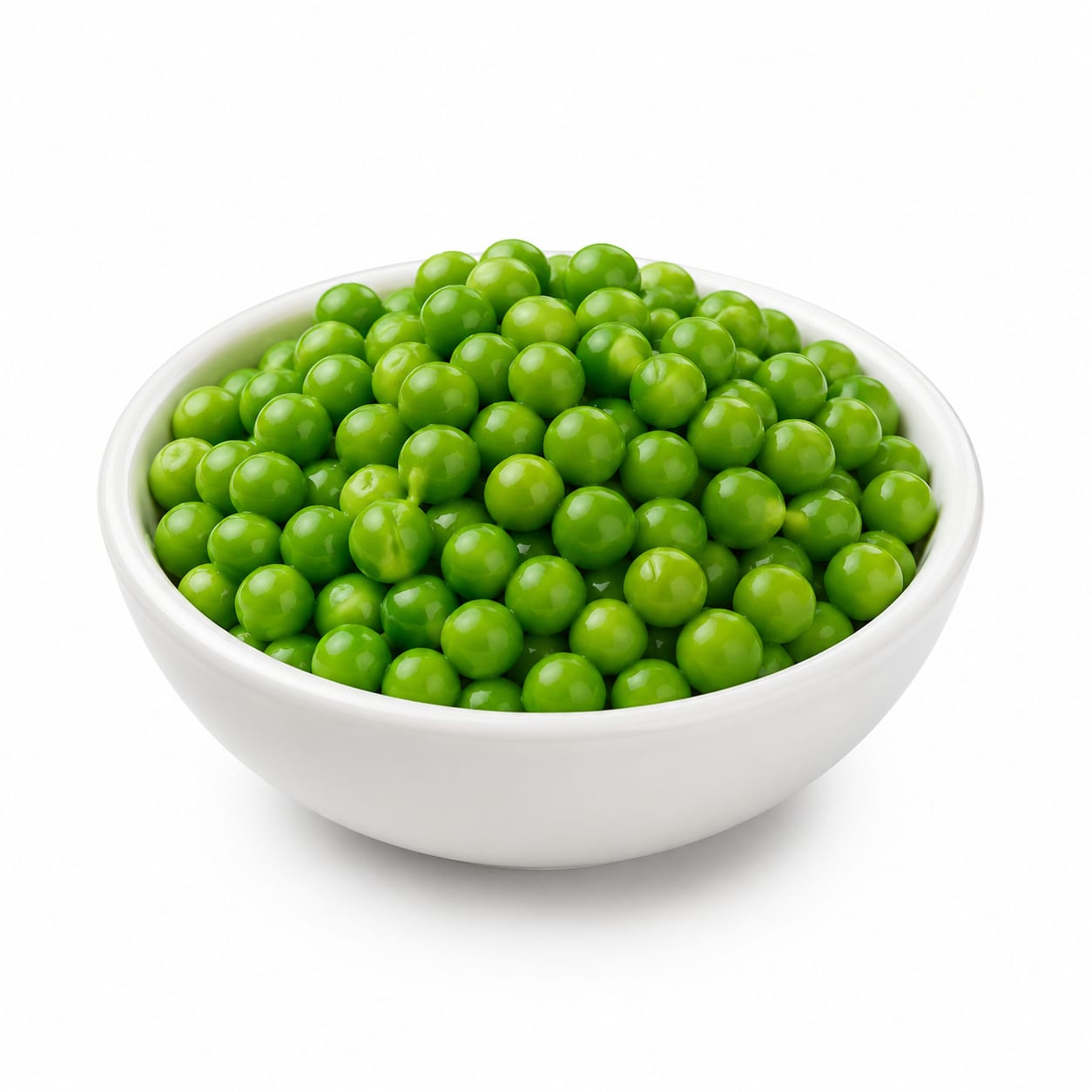
Legume / Starchy Vegetable
Green Pea
A nutrient-dense legume commonly consumed as a starchy vegetable, known for its high fiber and plant protein content.
Small, round green seeds harvested from the pods of the Pisum sativum plant, commonly eaten as a vegetable but botanically classified as a legume.
fiber-rich starchy legume
Typical serving · 160g
Common varieties · garden peas, snow peas, sugar snap peas, sweet peas, split peas
Overall context score across nutrition, safety, and diet fit
At a glance
Quick facts
Simple indicators based on nutrition, processing, and diet fit.
The story
What makes it unique
Green peas digest at a moderate rate due to their fiber and protein content, which slows carbohydrate absorption and promotes satiety. They have a balanced macronutrient profile for a vegetable, offering notable plant protein alongside complex carbohydrates. As a minimally processed whole food, they retain their natural nutrient matrix.
Varieties: garden peas · snow peas · sugar snap peas · sweet peas · split peas
Per 100g
Nutrition breakdown
Macro balance and key metrics at a glance.
Energy
Density 0.81 kcal/g
Protein
Carbs
Fat
Fiber
Sugar
5.7 g
Sodium
5 mg
Potassium
244 mg
Glycemic index
51
Glycemic load
4
Water content
79%
Standout compounds
Nutrient highlights
Fiber
highPromotes digestive regularity and gut microbiome health
Vitamin K
highEssential for bone metabolism and blood clotting
Vitamin C
moderateSupports immune function and collagen synthesis
Folate
moderateCrucial for cell division and DNA synthesis
Plant Protein
moderateSupports muscle maintenance and increases satiety
Wellness map
Health scores & processing
NOVA processing scale
minimally processed · Whole food
Fresh or frozen green peas are whole foods that undergo minimal processing such as washing and freezing, with no added ingredients.
Diet compatibility
- Weight loss
- Muscle gain
- Diabetes
- Gut health
- Low carb
- High protein
- Heart health
Relative standing
Food rankings
Qualitative ranks compared to similar whole foods.
- Satietygood
- Blood sugarexcellent
- Nutrient densitygood
- Fitness fuelmoderate
- Processing qualityexcellent
Eat with confidence
Food safety profile
Green peas are generally safe with low contamination risk. Conventional farming uses pesticides, but residues are usually within safe limits and easily mitigated by washing.
Evidence confidence 90%
- Pesticidesmoderate
- Antibioticslow
- Heavy metalslow
- Contaminationlow
Watch for
- pesticide residues
Safer choices
Organic peas to reduce pesticide exposure, though frozen conventional peas are also very safe due to industry standards.
Prep tips
Rinse fresh peas thoroughly under running water. Frozen peas are pre-washed and can be used directly.
Conventional peas often show pesticide residues but typically fall well below regulatory safety limits.
Deep dive
Health analysis
How this food may fit different goals and preparation choices.
Weight loss
Low energy density and high fiber create a strong satiety response, helping control overall calorie intake.
Blood sugar
The combination of fiber and protein slows glucose absorption, resulting in a low glycemic load despite their carbohydrate content.
Fitness & energy
Provide a mix of slow-digesting carbs for sustained energy and protein for muscle support, though not as rapid as simple carbs.
Gut health
Rich in soluble and insoluble fiber that feeds beneficial gut bacteria, but their fructan content can cause bloating in sensitive individuals.
Processing quality
Typically consumed as a whole, unprocessed food whether fresh or frozen, preserving the natural nutrient matrix.
Food safety
Low risk of microbial contamination. Pesticide residues are the primary concern, easily managed by choosing organic or washing thoroughly.
Common mistakes
Overcooking peas degrades their vitamin C content and vibrant color. Boiling them in excess water can also leach out water-soluble nutrients.
Best preparation
Steaming or microwaving with minimal water preserves nutrients. Light sautéing also enhances flavor without significant nutrient loss.
Practical guide
Best use cases
When and how this food fits real eating patterns.
Plant-based protein boost
Adding to salads or bowls to increase protein intake without relying on animal sources.
High-fiber side dish
Steaming as a quick side to add volume and fiber to a meal for better satiety.
Blood sugar-friendly carb source
Using as a primary carbohydrate in meals for steady energy release without glucose spikes.
Balance sheet
Pros & cons
Upsides
- High in fiber for digestive health
- Good source of plant-based protein
- Low glycemic index supports blood sugar control
- Rich in vitamins K, C, and folate
- Versatile and easy to prepare
- Affordable and widely available
Trade-offs
- Moderate carbohydrate content limits keto suitability
- Contains antinutrients like phytic acid that reduce mineral absorption
- High in fructans which can cause bloating in sensitive individuals
- Not a complete protein source on its own
Fit check
Who is it for?
Great match
- plant-based eaters seeking protein
- blood sugar management
- high-volume low-calorie diets
- increasing daily fiber intake
Consider alternatives
- strict ketogenic diets
- low-FODMAP diets
- people with severe legume allergies
Side by side
How it compares
Open the full head-to-head analysis for nutrition, safety, and practical tradeoffs.
This food
Green Pea
VS85% alike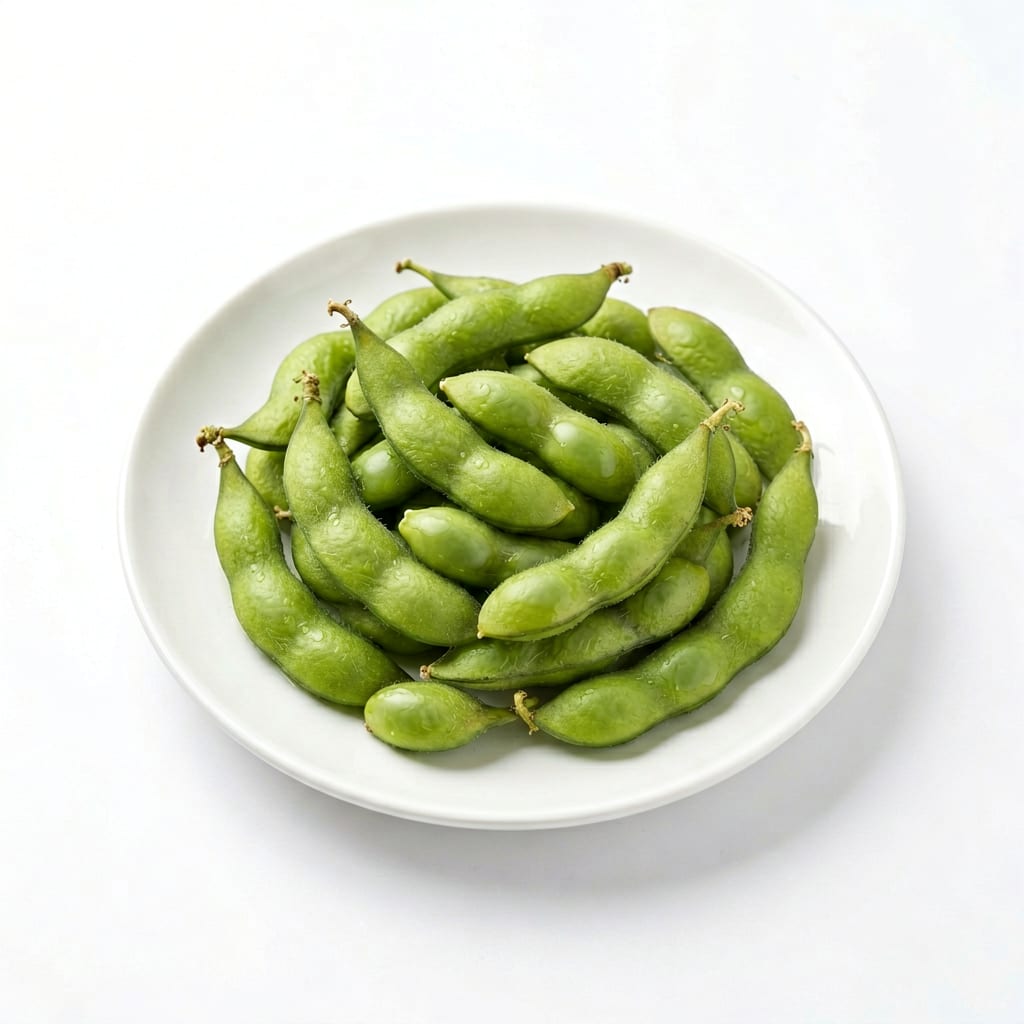
Compare with
Edamame
Edamame provides more protein and healthy fats, while green peas are lower in calories and higher in carbohydrates.
Edamame offers more protein and fewer carbs for muscle and blood sugar control, while green peas are lower in calories for volume eating.
This food
Green Pea
VS80% alike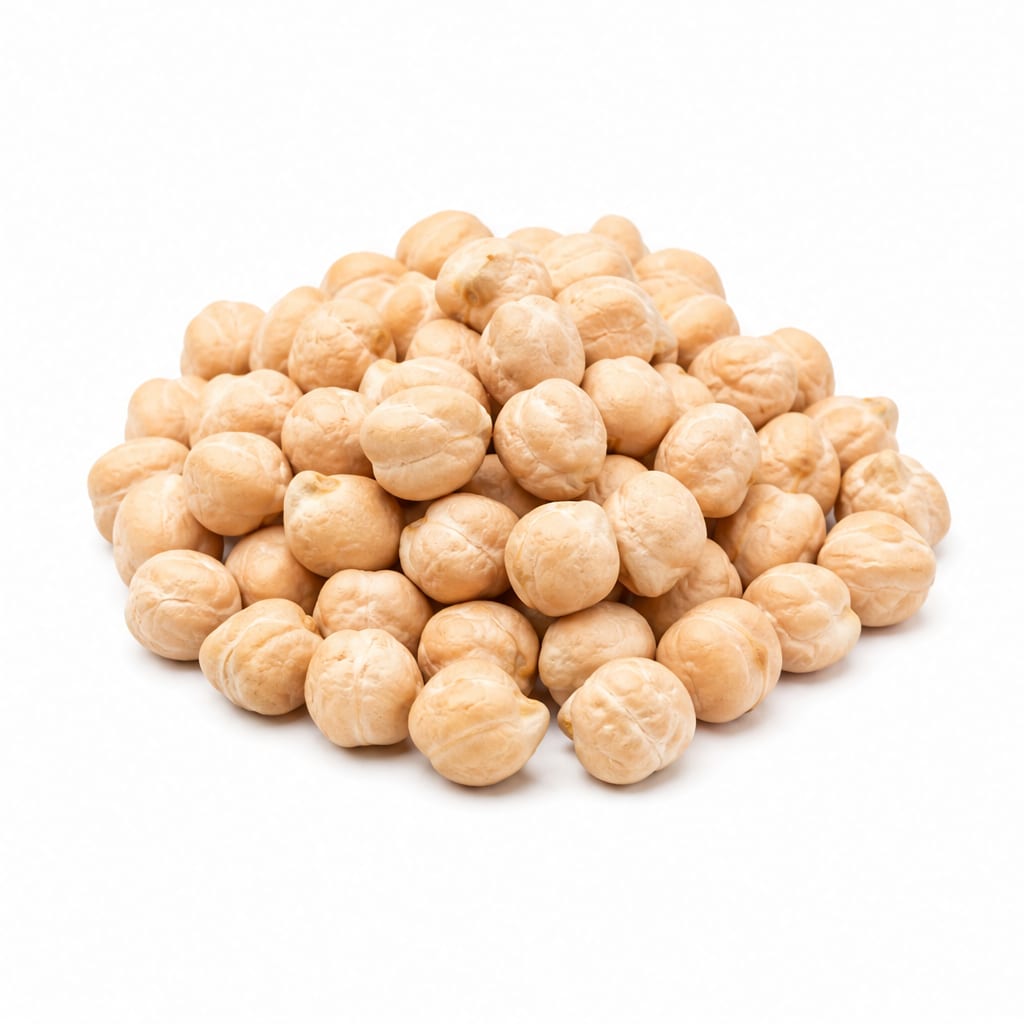
Compare with
Chickpeas
Chickpeas are denser in calories and protein, whereas green peas are lighter and lower in carbohydrates.
Chickpeas provide more protein and iron for satiety and fitness, while green peas are lower in calories and carbs for weight loss and blood sugar management.
This food
Green Pea
VS80% alike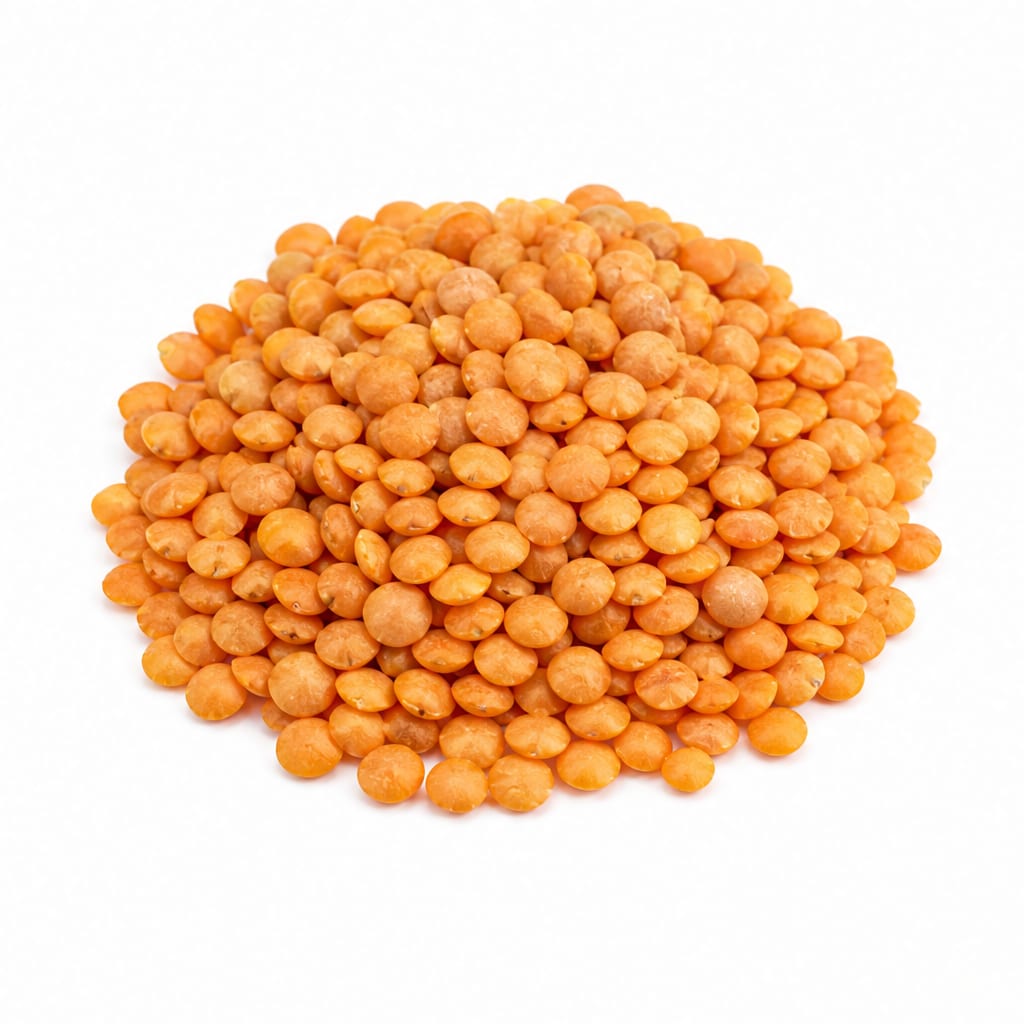
Compare with
Lentils
Lentils offer more protein and iron per calorie, while green peas provide a lighter, sweeter flavor with fewer calories.
Lentils deliver more protein and fiber for satiety, while green peas offer a lighter, lower-calorie option for weight loss.
This food
Green Pea
VS75% alike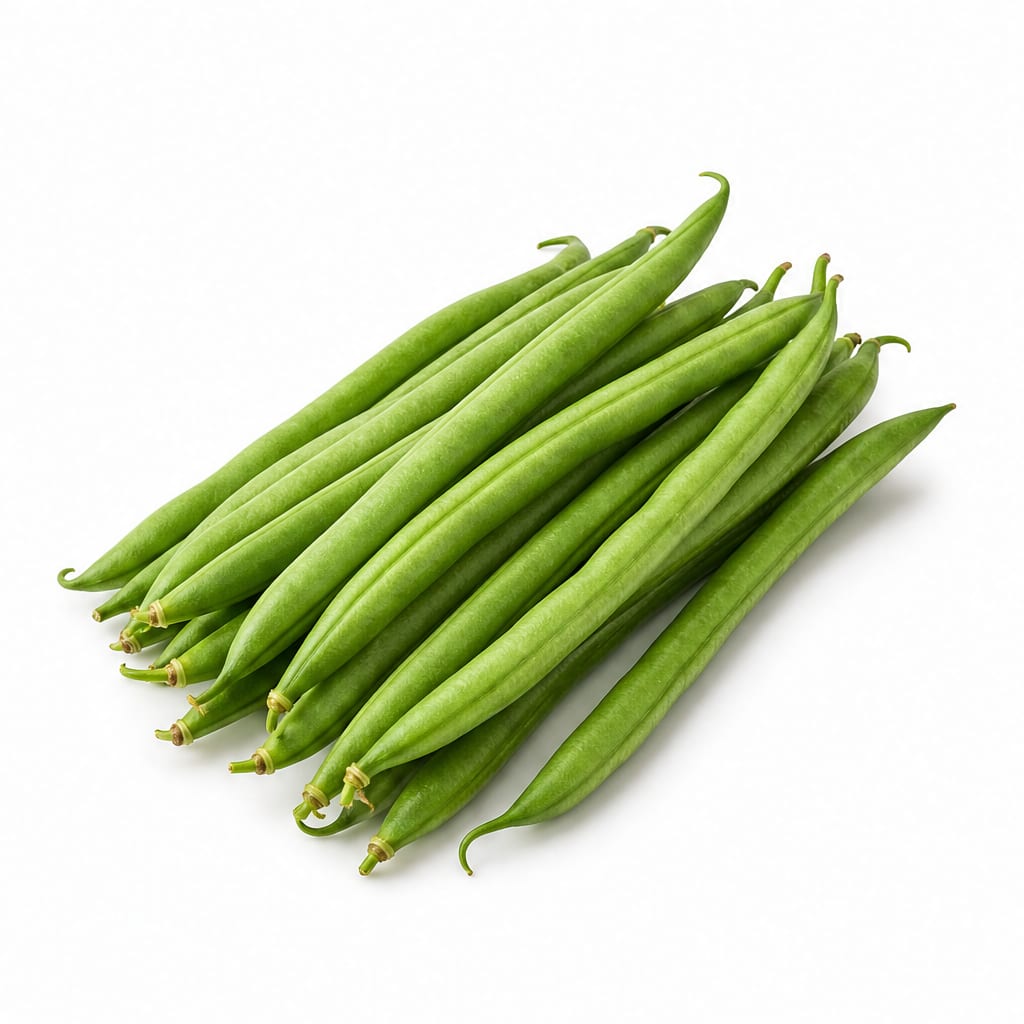
Compare with
Green Beans
Green beans are much lower in carbs and calories, making them better for strict low-carb, while peas offer more protein.
Green beans are much lower in carbs and calories for strict diets, while green peas offer more protein and energy for fitness.
This food
Green Pea
VS75% alike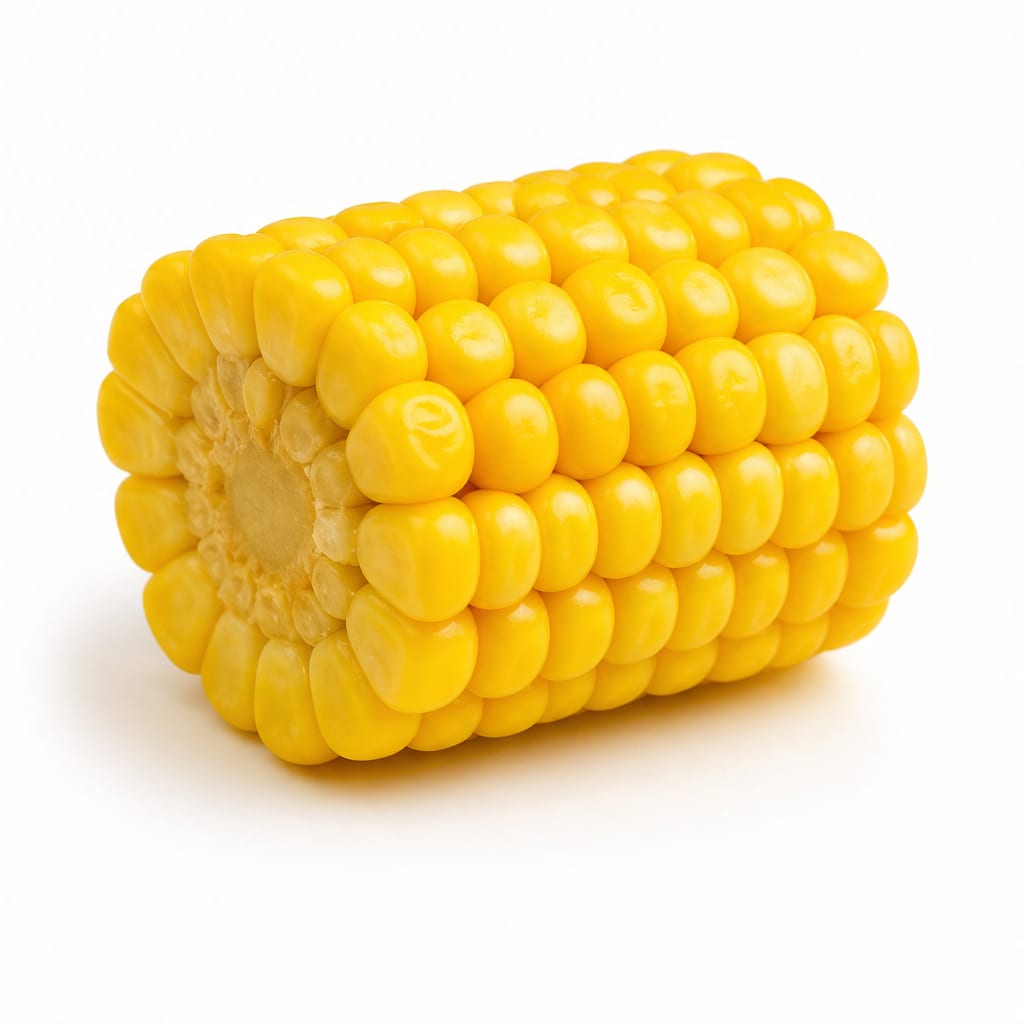
Compare with
Sweet Corn
Both are starchy vegetables, but green peas have double the protein and fiber of corn, making them more satiating.
Green peas have double the protein and fiber of corn, making them better for satiety and blood sugar, while corn provides faster energy.
This food
Green Pea
VS70% alike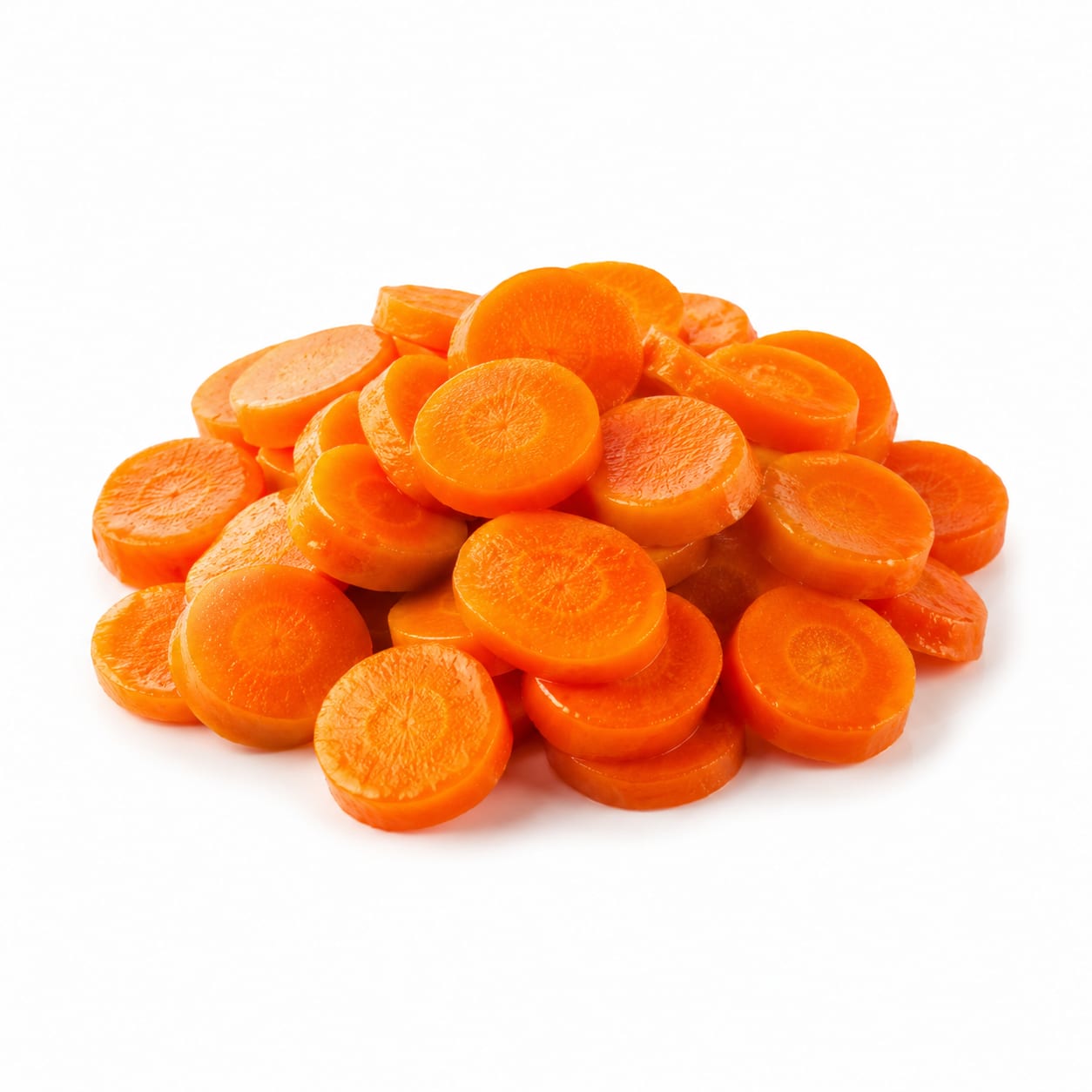
Compare with
Carrots
Carrots are rich in beta-carotene and lower in protein, whereas green peas offer stronger satiety due to higher protein and fiber.
Carrots are lower in calories and carbs, but green peas provide significantly more protein and fiber for satiety and blood sugar control.
This food
Green Pea
VS70% alike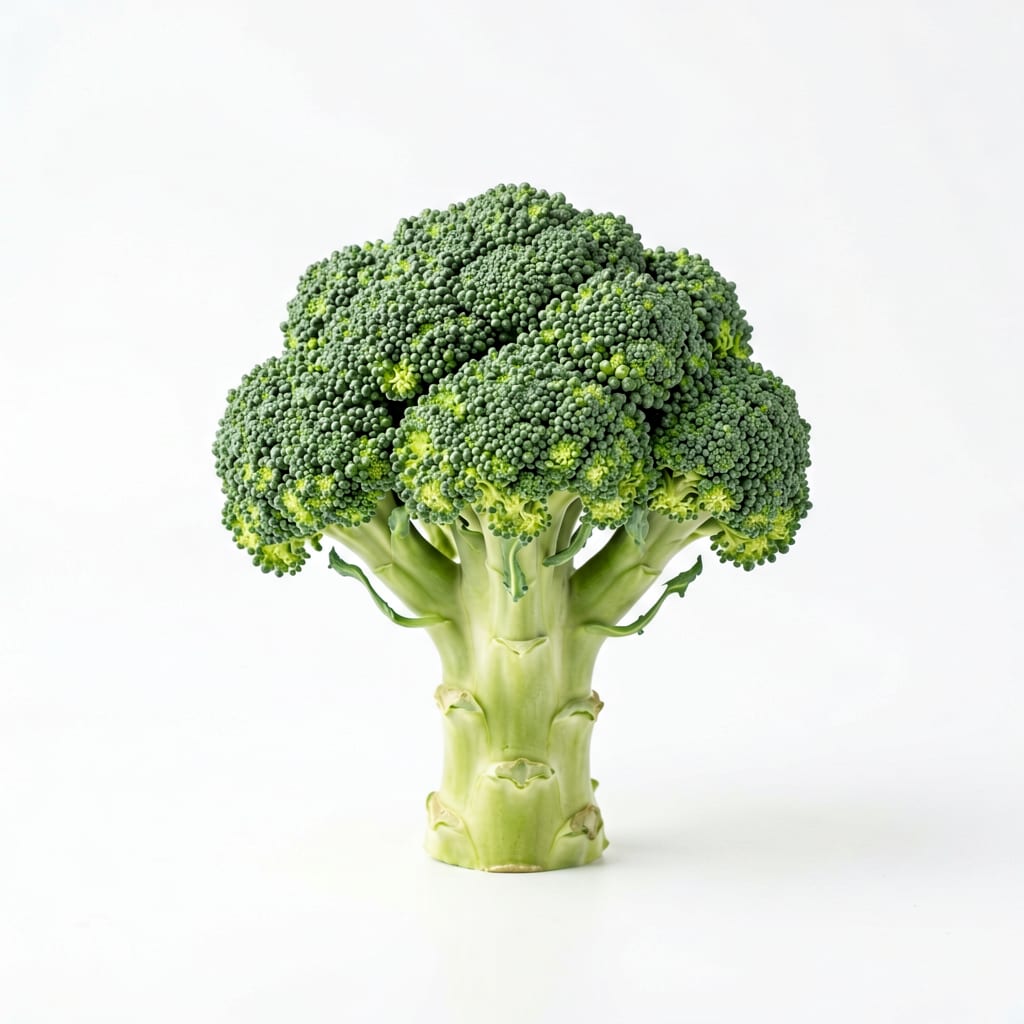
Compare with
Broccoli
Broccoli is lower in carbs and calories, but green peas provide significantly more protein per serving.
Broccoli is lower in calories and carbs for weight loss, while green peas offer more protein and carbohydrates for post-workout recovery.
This food
Green Pea
VS75% alike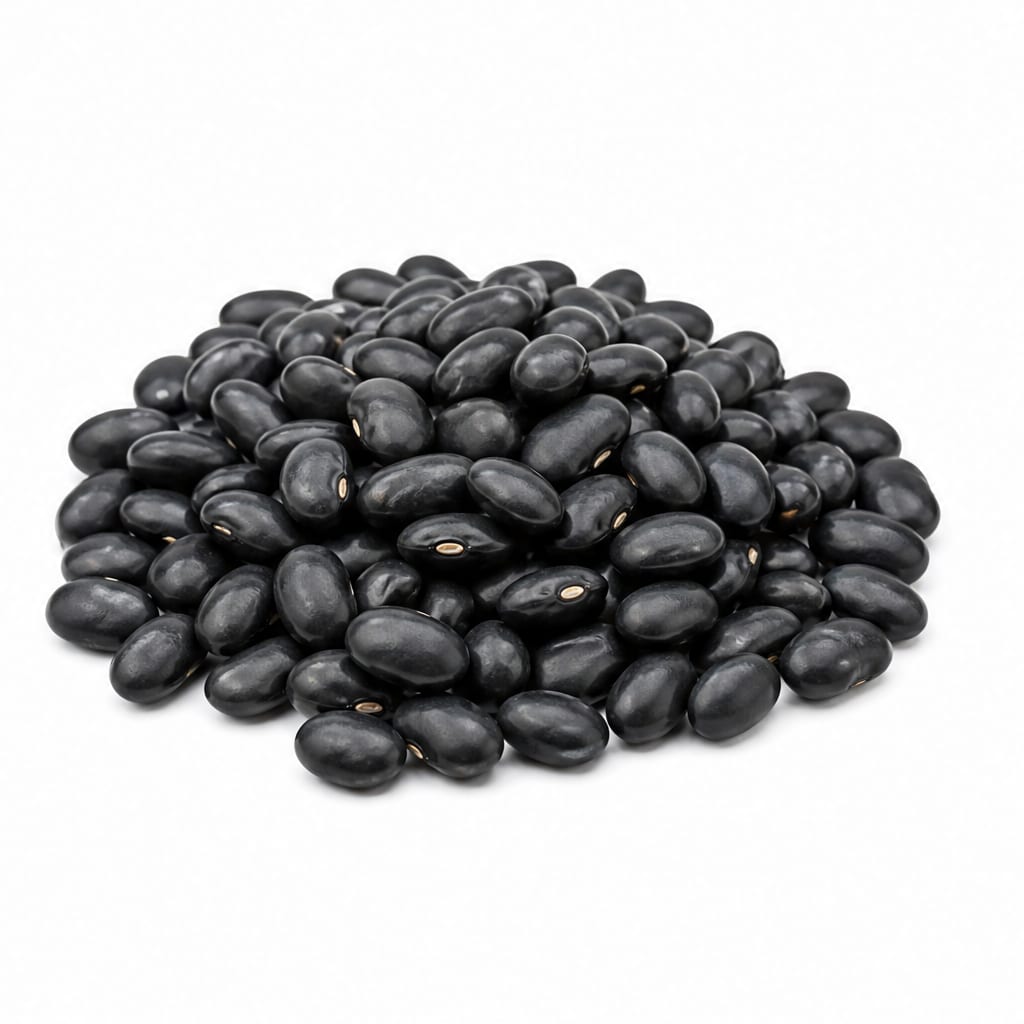
Compare with
Black Beans
Black beans are higher in protein and fiber but also higher in calories, while green peas are lighter and less calorie-dense.
Black beans are higher in protein and fiber for muscle and satiety, while green peas are less calorie-dense and better for weight loss.
This food
Green Pea
VS65% alike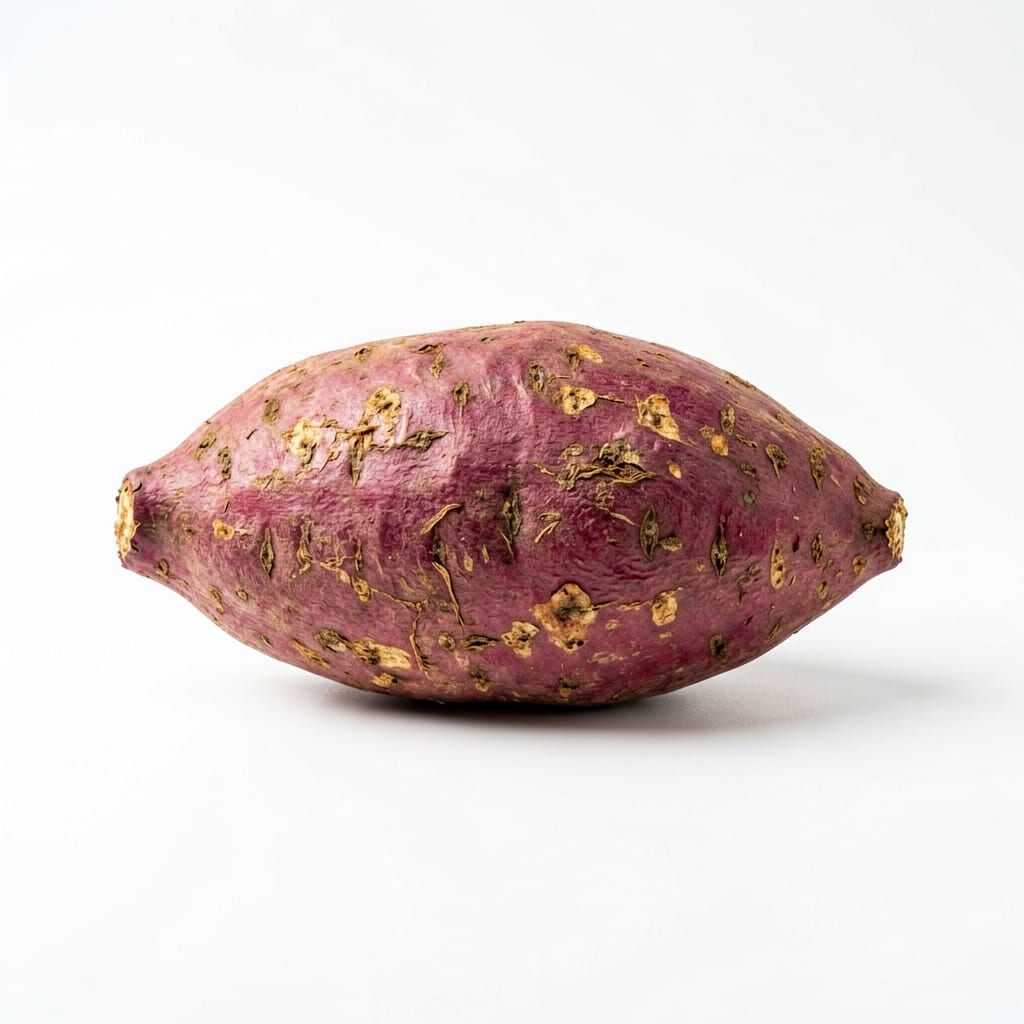
Compare with
Sweet Potato
Sweet potatoes are higher in carbs and vitamin A, while green peas are lower in calories and higher in protein.
Sweet potatoes offer faster-digesting carbs for workout fuel, while green peas provide more protein and a lower glycemic load for blood sugar management.
This food
Green Pea
VS60% alike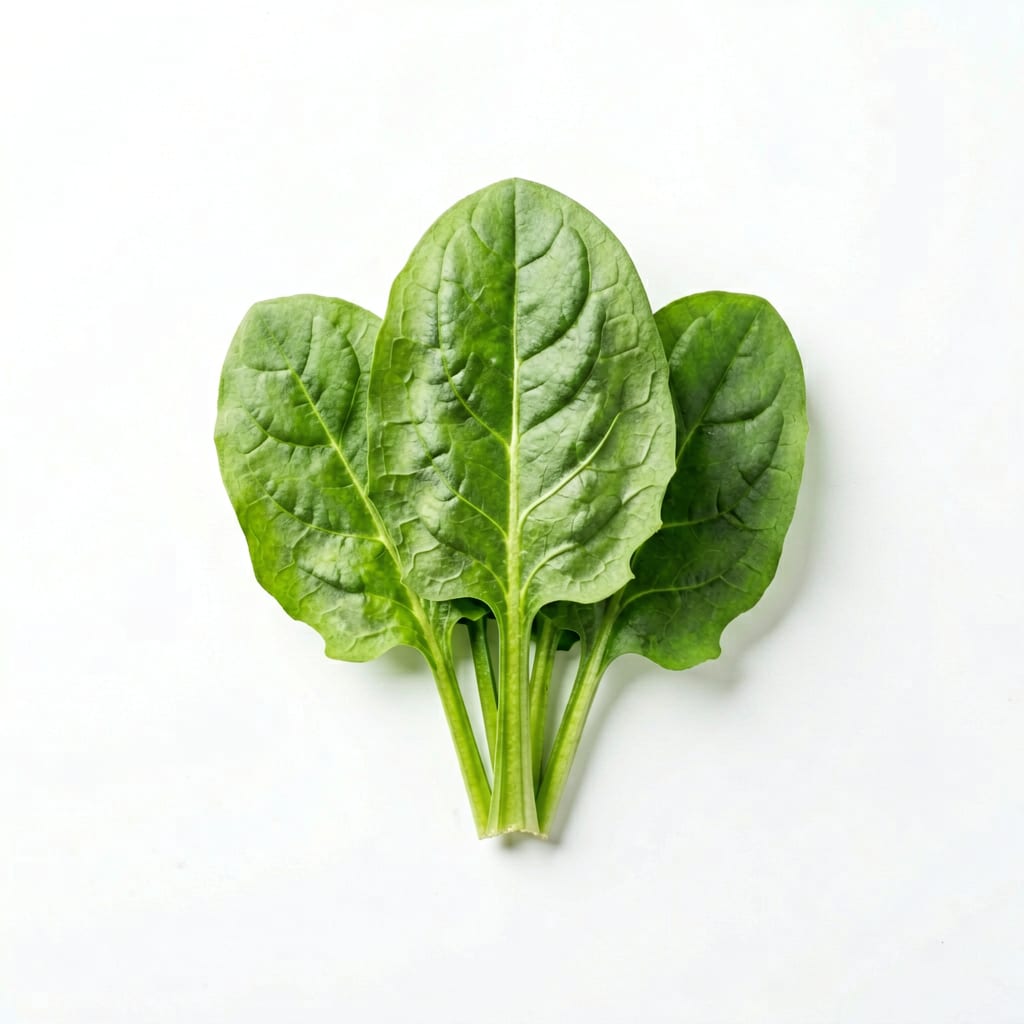
Compare with
Spinach
Spinach is extremely low in calories and carbs, whereas green peas provide a substantial protein and carbohydrate energy source.
Spinach is extremely low in calories for cutting, while green peas provide essential carbohydrates and protein for energy and muscle support.
Common questions
FAQ
Answers aligned with how people search for this food.
Are green peas good for weight loss?
Yes, green peas are good for weight loss due to their high fiber and protein content, which increases satiety, and their low energy density, which allows for larger portions with fewer calories.
Do green peas spike blood sugar?
No, green peas have a low glycemic index and load. Their fiber and protein slow down carbohydrate digestion, preventing rapid blood sugar spikes.
Are green peas a carb or a protein?
Green peas contain both. While primarily a carbohydrate source, they offer significantly more protein than most vegetables, providing about 5.4 grams per 100 grams.
Can you eat green peas on a low carb diet?
In strict low-carb or keto diets, green peas might be too high in carbs. However, for moderate low-carb diets, small portions can fit due to their high fiber content.
Why do green peas cause bloating?
Green peas contain fructans and fiber that can be difficult for some people to digest, leading to gas and bloating, especially in those with IBS or following a low-FODMAP diet.
Are frozen green peas healthy?
Yes, frozen green peas are very healthy. They are picked at peak ripeness and flash-frozen, which locks in vitamins and antioxidants, often making them as nutritious as fresh peas.
Are green peas good for gut health?
Yes, the high fiber content in green peas supports healthy digestion and feeds beneficial gut bacteria, promoting a balanced microbiome.
What is the difference between green peas and edamame?
Green peas are legumes with higher carbs, while edamame are young soybeans with much higher protein and fat content, and fewer net carbs.
Transparency
Data confidence
Estimated confidence for nutrition data, interpretation, safety notes, and comparisons.
Nutrition data
Health analysis
Food safety
Comparisons