
Nutrition comparison
Green Peas vs Sweet Potato: Nutrition, Blood Sugar, and Health Comparison
Compare green peas vs sweet potatoes to see which is better for weight loss, blood sugar, and daily energy. Learn the nutritional tradeoffs between these healthy carbs.
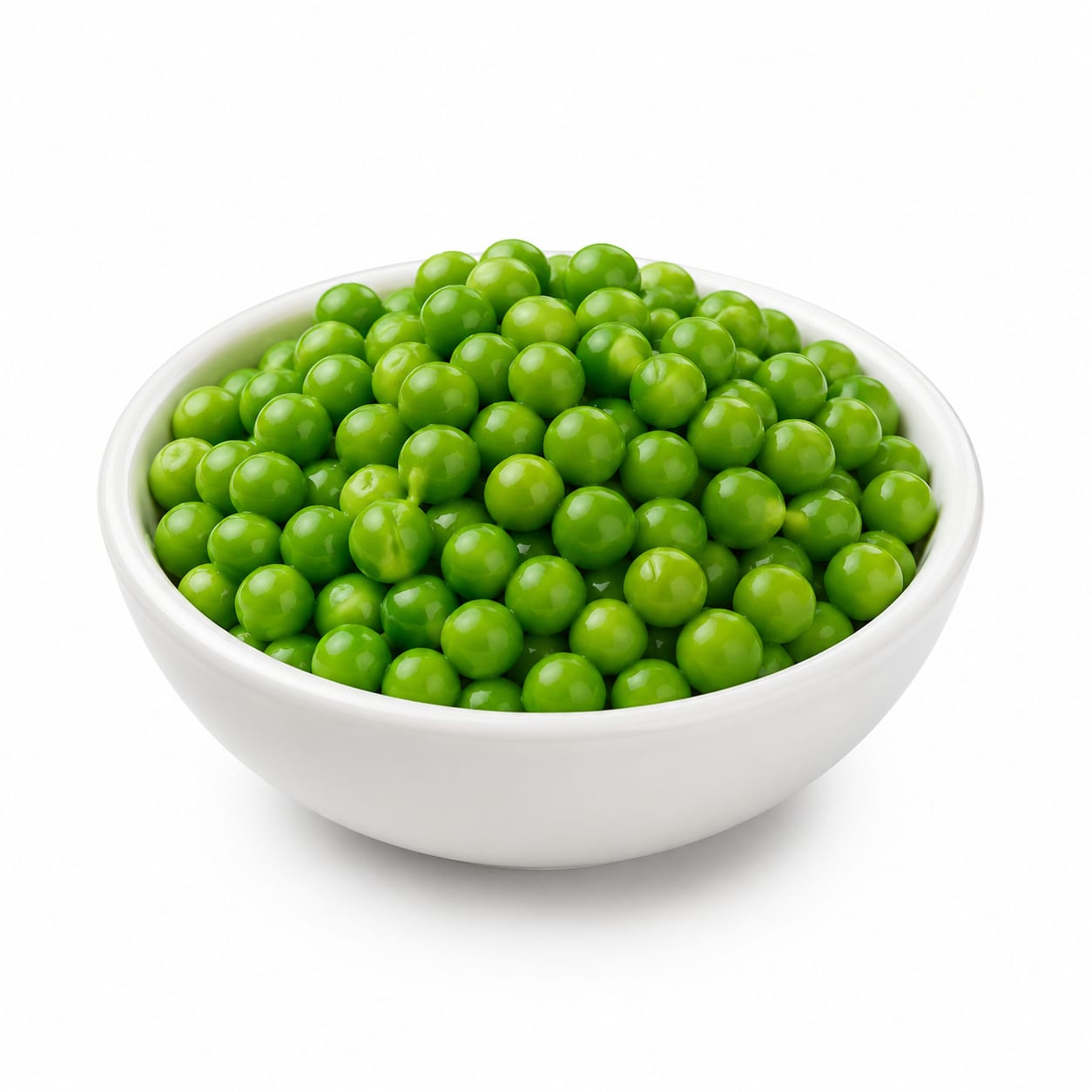
Green Pea
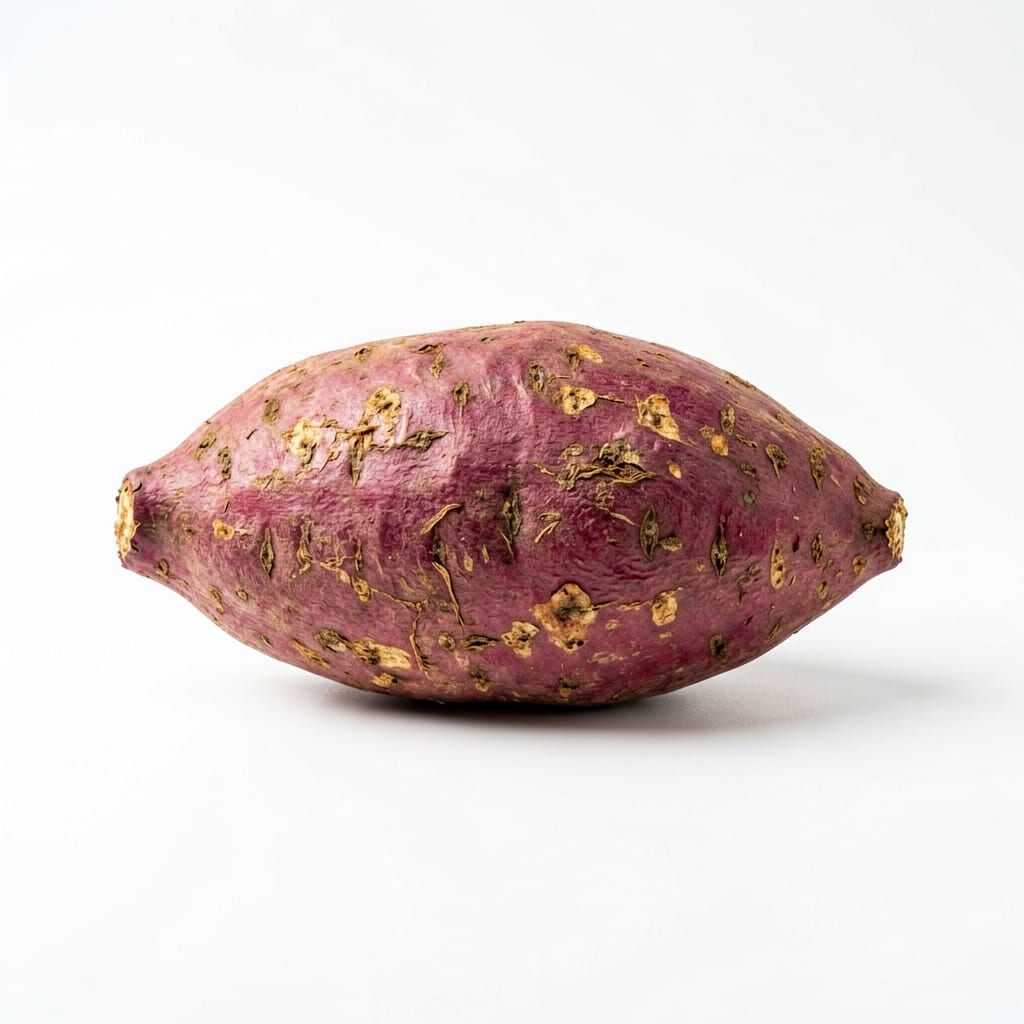
Sweet Potato
Sweet potatoes are a comforting, energy-dense carb base, while green peas are a protein-packed, blood-sugar-friendly legume.
Green peas score slightly higher due to their superior protein content and gentler blood sugar impact, but sweet potatoes remain an excellent nutrient-dense carb source.
You trade the satisfying, energy-fueling starch and Vitamin A of sweet potatoes for the steadier energy, higher protein, and lower glycemic impact of green peas.
At a glance
Executive summary
Overall
It depends
Healthier
Green Pea
More practical
Sweet Potato
Daily use
Green Pea
Key comparison lenses
Blood sugar management
Sweet potatoes are starchier and can spike blood sugar faster, while green peas offer slower-digesting carbs.
Protein and satiety
Green peas provide significantly more protein per calorie, making them more filling for their size.
Meal role versatility
Sweet potatoes often serve as a carb-heavy meal base, whereas green peas usually play a supporting side role.
Best choice for
Green Pea
- People managing blood sugar or insulin resistance
- Those wanting plant-based protein from whole foods
- Anyone needing a low-calorie, high-fiber side dish
Sweet Potato
- Athletes needing quick carb replenishment
- People looking for a comforting, filling meal base
- Anyone needing a Vitamin A boost
Least suitable for
Green Pea
- Those with severe legume intolerances or IBS triggers
- People needing high-calorie carb loading
Sweet Potato
- People on strict low-carb or keto diets
- Those highly sensitive to blood sugar spikes
Deep comparison
Dimension by dimension
Each lens scores both foods and breaks down who each option suits.
- Dimension 1 · Priority 92Green Pea
Blood Sugar Stability
Green Pea · 88Sweet Potato · 65Green peas have a much lower glycemic impact, providing steadier energy without the crash.
Tradeoff
Sweet potatoes offer faster energy but can cause a sharper blood sugar rise, especially when baked.
Why it matters
Steady blood sugar means fewer afternoon energy crashes and less craving for snacks later.
Real-world impact
Eating green peas leaves you feeling lighter and more stable, while a large sweet potato might make you want a nap if eaten alone.
Green Pea
- Avoiding the afternoon energy crash
- Managing insulin resistance
Better for
- Rapid glycogen restoration
Worse for
Sweet Potato
- Quick post-workout carb replenishment
Better for
- Sitting at a desk all day without a blood sugar spike
Worse for
- Dimension 2 · Priority 88Green Pea
Protein & Satiety
Green Pea · 85Sweet Potato · 45Green peas are surprisingly high in protein for a vegetable, making them far more filling per calorie.
Tradeoff
Sweet potatoes are mostly carbs, so they fill you up with bulk and starch rather than protein.
Why it matters
Protein is key to staying full between meals and maintaining muscle mass.
Real-world impact
A serving of green peas will keep hunger at bay longer than sweet potatoes, which might leave you hungry again within a couple of hours.
Green Pea
- Staying full between meals
- Plant-based eaters needing protein
Better for
- Situations requiring lightweight, calorie-dense food
Worse for
Sweet Potato
- Carb-loading before endurance events
Better for
- Meals where the carb source needs to provide satiety
Worse for
- Dimension 3 · Priority 85It depends
Micronutrient Profile
Green Pea · 82Sweet Potato · 85Sweet potatoes are loaded with Vitamin A, while green peas offer more B vitamins, iron, and folate.
Tradeoff
You choose between exceptional eye and skin health support from sweet potatoes or blood and cell health support from green peas.
Why it matters
Different micronutrients serve entirely different bodily functions, making variety ideal.
Real-world impact
Eating sweet potatoes gives you a massive boost in beta-carotene (great for skin), while green peas help more with energy production and blood health.
Green Pea
- Supporting healthy blood and cell function
- Pregnant women needing folate
Better for
- Those specifically needing Vitamin A
Worse for
Sweet Potato
- Supporting eye health and immunity
- Getting a natural Vitamin A boost
Better for
- Those needing iron or folate
Worse for
- Dimension 4 · Priority 75Sweet Potato
Digestive Tolerance
Green Pea · 60Sweet Potato · 85Sweet potatoes are generally very easy on the stomach, while green peas can cause bloating in sensitive people.
Tradeoff
The fiber in green peas is great but comes with fermentable carbs that cause gas; sweet potatoes are soothing but lower in total fiber.
Why it matters
Digestive discomfort can ruin an otherwise healthy meal choice.
Real-world impact
If you have IBS or a sensitive stomach, sweet potatoes feel comforting and safe, whereas a bowl of green peas might leave you bloated.
Green Pea
- Those with excellent digestion needing more fiber
Better for
- Date nights or situations where bloating is undesirable
Worse for
Sweet Potato
- People with IBS or sensitive stomachs
- Soothing an upset digestive tract
Better for
- Those needing a massive fiber intake boost
Worse for
- Dimension 5 · Priority 70Sweet Potato
Meal Versatility
Green Pea · 65Sweet Potato · 90Sweet potatoes can serve as the foundation of a meal, while green peas are usually a side dish or mix-in.
Tradeoff
Sweet potatoes are more filling as a base but heavier, whereas green peas are easier to toss into various dishes without dominating them.
Why it matters
How you build your meals determines how easily you can stick to healthy eating habits.
Real-world impact
You can build a whole lunch around a baked sweet potato, but green peas usually accompany something else on the plate.
Green Pea
- Adding nutrition to soups and salads without adding bulk
- Quick side dishes
Better for
- Creating a filling meal on their own
Worse for
Sweet Potato
- Building a satisfying main course
- Meal prepping a hearty carb base
Better for
- Light summer meals or salads
Worse for
Timeline
Health impact over time
Short-term
Hours to days
Green Pea
- Provides steady, crash-free energy
- May cause mild bloating or gas due to fermentable fibers
Sweet Potato
- Delivers quick, satisfying energy
- Can induce a slight food coma if eaten in large quantities alone
Long-term
Months to years
Green Pea
- Supports healthy blood pressure and heart health
- Helps maintain muscle mass through plant protein intake
Sweet Potato
- Promotes healthy vision and skin through high Vitamin A
- Supports sustained energy for active lifestyles
Risk profile
Safety & processing
Both green peas and sweet potatoes are whole, minimally processed foods when bought fresh or frozen, making them clean choices.
Green Pea
Pesticide residue
mediumGreen peas often carry pesticide residues, so choosing organic or washing thoroughly is advisable.
Sweet Potato
Pesticide residue
lowSweet potatoes are generally lower in pesticide residue, often appearing on clean food lists.
Who wins for whom
Audience fit
Same foods, different winners depending on your goal.
children
Sweet PotatoSweet potatoes are sweeter, easier to digest, and packed with Vitamin A for growing bodies, making them more kid-friendly.
daily consumption
Green PeaGreen peas offer a better balance of protein and carbs for everyday eating without spiking blood sugar.
diabetes
Green PeaGreen peas have a significantly lower glycemic index and more fiber, preventing sharp blood sugar spikes.
elderly
Sweet PotatoSweet potatoes are softer, easier to chew and digest, and provide essential nutrients for aging eyes and skin.
muscle gain
Green PeaThe higher protein content in green peas supports muscle maintenance better than the carb-heavy sweet potato.
weight loss
Green PeaGreen peas offer more protein and fewer digestible carbs per calorie, making them more satiating for weight loss.
Your move
Decision guide
Choose Green Pea
- You want steadier energy and better blood sugar control
- You need more plant-based protein in your meals
- You are looking for a low-calorie, high-fiber side dish
Choose Sweet Potato
- You need a hearty, comforting carb base for a meal
- You are an athlete needing to replenish carb stores
- You want a gentle, easy-to-digest food for an upset stomach
Either works if
- You are meal-prepping healthy lunches for the week
- You want to increase your whole-food fiber intake
Avoid both if
- You are on a strict ketogenic diet
- You have severe digestive issues with both legumes and tubers
Final recommendation
Let your energy needs decide: choose green peas for a lighter, protein-fueled side, and sweet potatoes when you need a comforting, energy-rich meal base.
Practical
Consumer tips
- 1
Frozen green peas are just as nutritious as fresh and often more convenient.
- 2
Boiling sweet potatoes instead of baking lowers their glycemic index.
- 3
Pair sweet potatoes with a protein or fat source to prevent blood sugar spikes.
- 4
If green peas cause bloating, try smaller portions or sprouted varieties.