
Nutrition comparison
Green Peas vs Chickpeas: Which Legume Is Better for You?
Compare green peas and chickpeas on protein, calories, fiber, and digestion. Find out which legume fits your weight loss, muscle gain, or daily meal goals.
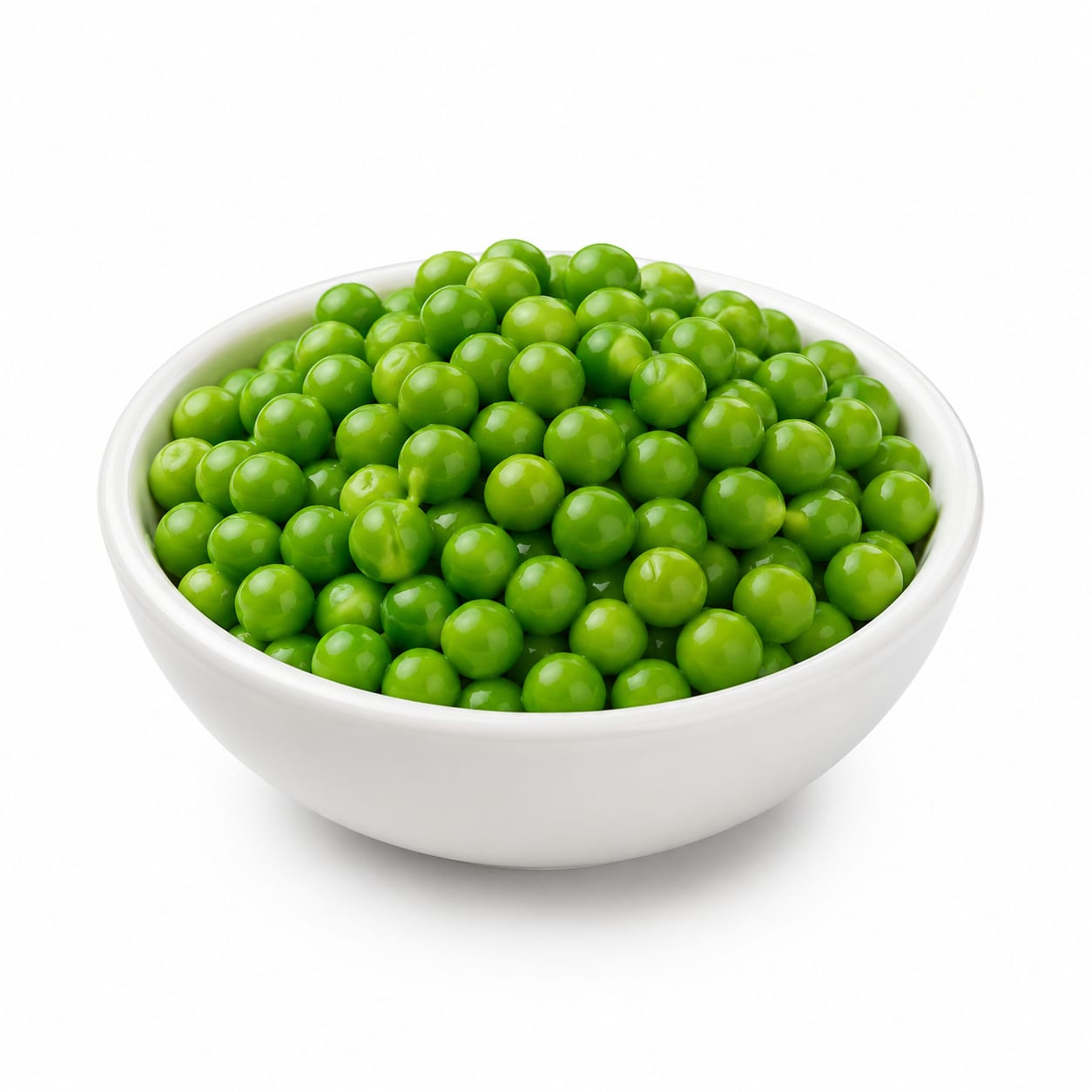
Green Pea
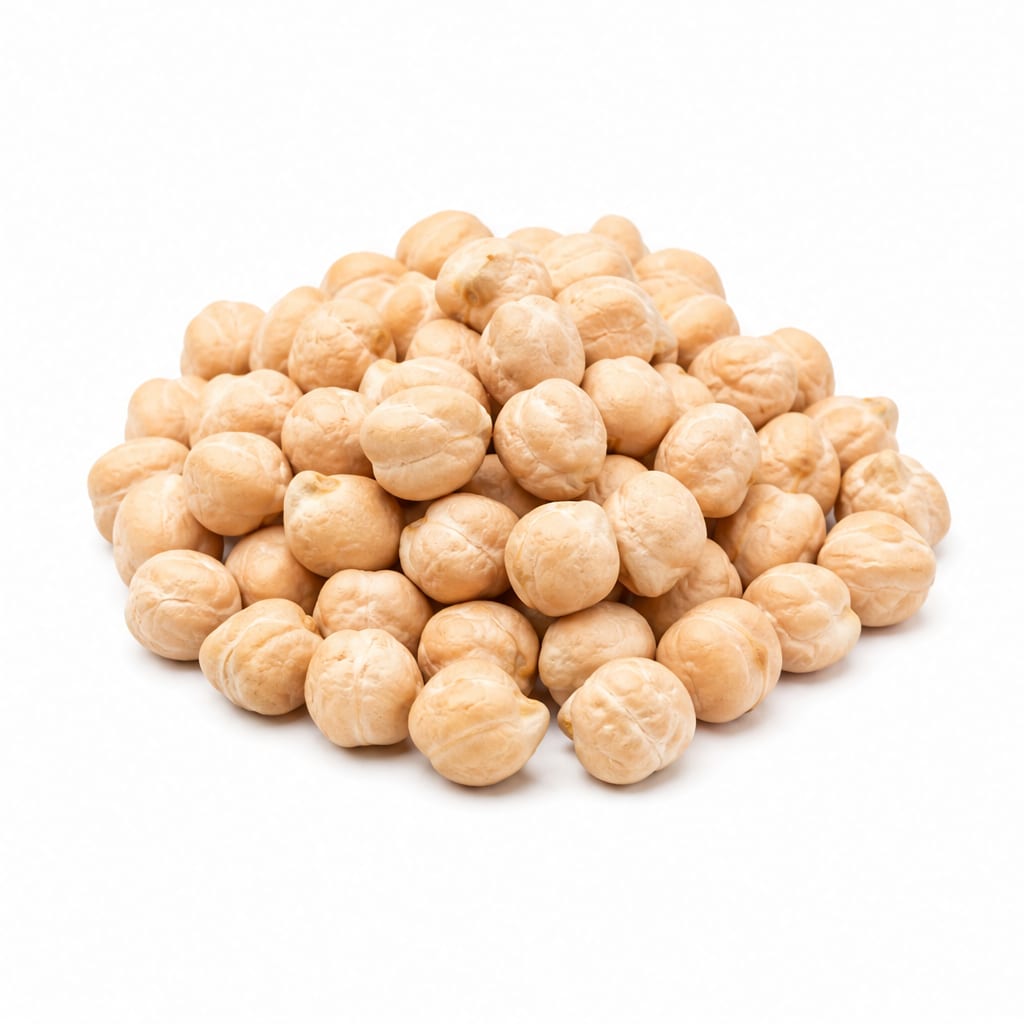
Chickpeas
Chickpeas deliver more protein and staying power; green peas offer lighter calories and faster digestion. Your pick depends on whether you need fuel or lightness.
Chickpeas score higher due to superior protein, iron, and satiety, but green peas remain competitive thanks to lower calorie density and easier digestion. The gap is moderate because both are genuinely healthy whole foods.
Satiety and protein density versus calorie efficiency and digestive ease.
At a glance
Executive summary
Overall
It depends
Healthier
It depends
More practical
Chickpeas
Daily use
Chickpeas
Key comparison lenses
plant protein source selection
Both are top legume protein sources, users often choose between them for meal planning
weight management and calorie efficiency
Significant calorie density difference affects portion control and diet adherence
meal prep and versatility
Chickpeas dominate in batch cooking while green peas shine in quick meals
digestive tolerance and gut comfort
Legume sensitivity varies widely and directly impacts daily food choices
blood sugar management
Both are moderate-GI carbs but with meaningful differences in glycemic response
Best choice for
Green Pea
- Light lunches when you want energy without heaviness
- Low-calorie meal volume for weight loss
- Quick side dishes under 10 minutes
- People with sensitive digestion who struggle with denser legumes
- Vitamin K and vitamin C prioritization
Chickpeas
- Post-workout meals needing serious protein
- Meal prep batches that last all week
- Plant-based eaters relying on legumes as a protein staple
- Hearty soups, stews, and curries
- Iron and magnesium replenishment
Least suitable for
Green Pea
- Athletes needing high protein intake from a single source
- Those wanting long-lasting fullness from small portions
- Bulk meal prep requiring robust texture over days
Chickpeas
- Very low-calorie diet phases
- People prone to bloating from high-fiber legumes
- Quick weeknight meals when time is under 15 minutes (unless using canned)
Deep comparison
Dimension by dimension
Each lens scores both foods and breaks down who each option suits.
- Dimension 1 · Priority 93Chickpeas
Protein & Satiety
Green Pea · 58Chickpeas · 88Chickpeas provide nearly double the protein per serving, keeping you full far longer.
Tradeoff
That extra fullness comes with noticeably more calories per cup.
Why it matters
If you're relying on legumes as a primary protein source, chickpeas get you there with fewer total servings.
Real-world impact
A chickpea bowl at noon likely holds you until dinner. A green pea bowl might leave you snacking by 3pm.
Green Pea
- Light eaters who feel uncomfortable after heavy meals
- Smaller appetites and kid-friendly portions
Better for
- Recovery meals after intense training
- Long workdays without snack access
Worse for
Chickpeas
- Anyone needing sustained energy for 4-5 hour stretches
- Plant-based diets where every protein gram counts
Better for
- Sedentary days when excess calories add up fast
- Hot summer meals where heavy food feels unappealing
Worse for
- Dimension 2 · Priority 86Green Pea
Calorie Efficiency
Green Pea · 89Chickpeas · 62Green peas deliver more food volume per calorie, making them ideal for eating larger portions without overshooting intake.
Tradeoff
You get more plate volume but less nutritional payload per bite.
Why it matters
For weight loss or calorie-conscious eating, volume matters psychologically as much as nutritionally.
Real-world impact
A heaping cup of green peas feels generous for around 120 calories. The same calorie amount of chickpeas looks like a modest scoop.
Green Pea
- Active weight loss phases
- People who eat with their eyes and need full plates
Better for
- Hikers and athletes needing calorie-dense fuel
- Anyone trying to reduce meal frequency
Worse for
Chickpeas
- Active individuals who actually need the calories
- Hard gainers struggling to eat enough
Better for
- Evening meals on sedentary days
- Anyone tracking calories closely who finds portions tiny
Worse for
- Dimension 3 · Priority 80Chickpeas
Fiber & Digestive Health
Green Pea · 72Chickpeas · 82Chickpeas pack more fiber per serving, but their density can cause bloating in sensitive people. Green peas offer gentler fiber that's easier to tolerate.
Tradeoff
More fiber versus more potential gas and discomfort.
Why it matters
Fiber only helps if you can actually eat the food regularly without dreading the aftermath.
Real-world impact
Chickpeas might have you reaching for stretchy pants after a big bowl. Green peas are less likely to cause that puffy feeling.
Green Pea
- IBS-prone individuals who need gentle fiber
- People reintroducing legumes after a low-fiber period
Better for
- Those relying on a single food to hit high fiber targets
Worse for
Chickpeas
- Healthy guts that handle high fiber without issue
- Cholesterol management through soluble fiber intake
Better for
- Date nights and social events where bloating is a concern
- New legume eaters whose gut flora hasn't adapted yet
Worse for
- Dimension 4 · Priority 75It depends
Micronutrient Profile
Green Pea · 78Chickpeas · 80Green peas win on vitamin K, vitamin C, and folate. Chickpeas dominate in iron, magnesium, zinc, and B6.
Tradeoff
Antioxidant vitamins versus mineral density — your needs determine the winner.
Why it matters
Women often need more iron, while bone health relies on vitamin K. Context is everything.
Real-world impact
A menstruating athlete benefits more from chickpeas' iron. Someone focused on bone density and immunity might lean toward green peas.
Green Pea
- Bone health support through vitamin K
- Immune system boost from vitamin C
Better for
- Anemia-prone people needing iron from food sources
Worse for
Chickpeas
- Iron-deficient individuals, especially premenopausal women
- Magnesium support for sleep and muscle recovery
Better for
- Those already meeting mineral needs through supplements or other foods
Worse for
- Dimension 5 · Priority 72Green Pea
Blood Sugar Stability
Green Pea · 80Chickpeas · 73Green peas have a lower glycemic index and fewer carbs per serving, leading to gentler blood sugar curves.
Tradeoff
Chickpeas are still moderate-GI and their protein helps buffer spikes, but the higher carb load is less forgiving.
Why it matters
For prediabetics and energy-sensitive individuals, every glycemic point matters across thousands of meals.
Real-world impact
Green peas after lunch mean less of that 2pm energy dip. Chickpeas are still fine but require more portion awareness.
Green Pea
- Prediabetics managing post-meal glucose
- Afternoon meals where energy crashes kill productivity
Better for
- Endurance athletes who need faster carb availability
Worse for
Chickpeas
- Post-exercise meals where faster glycogen replenishment helps
- Balanced plates with fat and protein that blunt the glycemic response
Better for
- Late-night eating close to bedtime
- Unbalanced meals heavy on chickpeas without fat or protein pairing
Worse for
- Dimension 6 · Priority 78Chickpeas
Versatility & Meal Prep
Green Pea · 65Chickpeas · 88Chickpeas transform into hummus, roast into snacks, thicken curries, and anchor grain bowls. Green peas have a narrower range.
Tradeoff
Chickpeas demand more prep time unless you use canned. Green peas cook from frozen in minutes.
Why it matters
The food you actually enjoy cooking with always beats the one that sits in your pantry.
Real-world impact
Sunday meal prep with chickpeas sets up your whole week. Frozen green peas save you on chaotic Tuesday nights.
Green Pea
- Last-minute side dishes in under 5 minutes
- Quick additions to pasta, rice, or soup without extra planning
Better for
- Making dips, spreads, or anything requiring a creamy base
Worse for
Chickpeas
- Batch cooking and weekly meal prep routines
- Snack creation like roasted chickpeas or hummus
Better for
- Spontaneous cooking when you forgot to soak or thaw anything
Worse for
Timeline
Health impact over time
Short-term
Hours to days
Green Pea
- Light, comfortable fullness without heaviness
- Quick energy from easily digested carbs
- Minimal bloating compared to denser legumes
- Gentle blood sugar rise without sharp crashes
Chickpeas
- Strong satiety that reduces between-meal snacking
- Possible gas and bloating if your gut isn't adapted
- Steady energy release over several hours
- Warm, comforting feeling from dense, hearty meals
Long-term
Months to years
Green Pea
- Easier calorie management supporting healthy weight maintenance
- Consistent vitamin K intake supporting bone density
- Low digestive stress enabling consistent daily consumption
- Antioxidant support from vitamin C and carotenoids
Chickpeas
- Improved iron status reducing fatigue risk
- Higher protein intake supporting muscle preservation with age
- Soluble fiber contributing to cholesterol reduction
- Magnesium intake supporting cardiovascular and sleep health
Risk profile
Safety & processing
Both are whole foods in their natural state. Frozen green peas and dried chickpeas are essentially unprocessed. Canned chickpeas add sodium but remain a clean choice if rinsed. Neither raises ultra-processing concerns.
Green Pea
Pesticide residue on conventionally grown peas
lowGreen peas typically rank low on pesticide concern lists, but frozen imported peas may carry trace residues. Washing or choosing organic minimizes this further.
Chickpeas
Sodium in canned chickpeas
mediumCanned chickpeas often contain 300-400mg sodium per serving. Rinsing removes about 40% but not all. Dried chickpeas avoid this entirely.
BPA exposure from can linings
lowMany brands now use BPA-free linings, but some still don't. Dried or jarred chickpeas eliminate this concern.
Who wins for whom
Audience fit
Same foods, different winners depending on your goal.
children
Green PeaSmaller, sweeter, and easier to chew — green peas are more kid-friendly. Chickpeas can be a choking concern for toddlers and their texture is often rejected.
daily consumption
ChickpeasChickpeas offer broader nutritional coverage as a daily staple. Green peas are great but less nutritionally complete for frequent reliance.
diabetes
Green PeaLower glycemic index and fewer carbs per serving give green peas the edge for post-meal glucose control. Chickpeas are still acceptable but require more portion discipline.
elderly
ChickpeasHigher protein and iron help counter age-related muscle loss and anemia. Softer cooked chickpeas are manageable for most older adults.
muscle gain
ChickpeasNearly double the protein per serving makes chickpeas a more efficient muscle-support food. The extra calories also support a surplus.
weight loss
Green PeaLower calorie density lets you eat satisfying portions while staying in a deficit. Chickpeas are healthy but calorie-dense enough to accidentally overshoot.
Your move
Decision guide
Choose Green Pea
- You want lighter meals that don't leave you sluggish
- You're actively cutting calories and need volume
- You have a sensitive stomach or are new to legumes
- You need a quick side dish in under 10 minutes
- You're feeding kids who reject heavier textures
Choose Chickpeas
- You need serious protein from plant sources
- You meal prep on weekends and want food that holds up
- You're an athlete or very active person
- You want to make hummus, curries, or roasted snacks
- You're focused on iron and magnesium intake
Either works if
- You're building a balanced grain bowl and both fit
- You want legume variety across the week
- You're generally healthy and just need more plant-based meals
- You're mixing them together in soups or stews for nutrient diversity
Avoid both if
- You have a diagnosed legume allergy
- You're on a strict low-FODMAP elimination phase
- You're currently experiencing severe IBS flares and need a fiber reset
Final recommendation
Keep both in rotation. Use green peas on lighter days and quick meals. Lean into chickpeas when you need staying power and protein. Alternating between them gives you the broadest nutrient coverage without the monotony of picking just one.
Practical
Consumer tips
- 1
Rinse canned chickpeas thoroughly to cut sodium by roughly 40%
- 2
Buy frozen green peas over canned — they retain more nutrients and have no added salt
- 3
Soak dried chickpeas overnight with a pinch of baking soda to reduce gas-causing compounds
- 4
Roast chickpeas with olive oil and spices for a crunchy snack that replaces chips
- 5
Toss a handful of green peas into any pasta or rice dish in the last two minutes of cooking
- 6
Start with small portions of chickpeas if you're new to legumes and increase gradually over two weeks
- 7
Mix both together in a salad for a satisfying texture contrast and broader nutrient profile