
Nutrition comparison
Green Pea vs Edamame: Which is Better for Protein and Weight Loss?
Compare Green Pea vs Edamame to see which legume wins for protein, blood sugar, and weight loss. Discover the nutritional tradeoffs and find out which is right for you.
Overall winner · Edamame
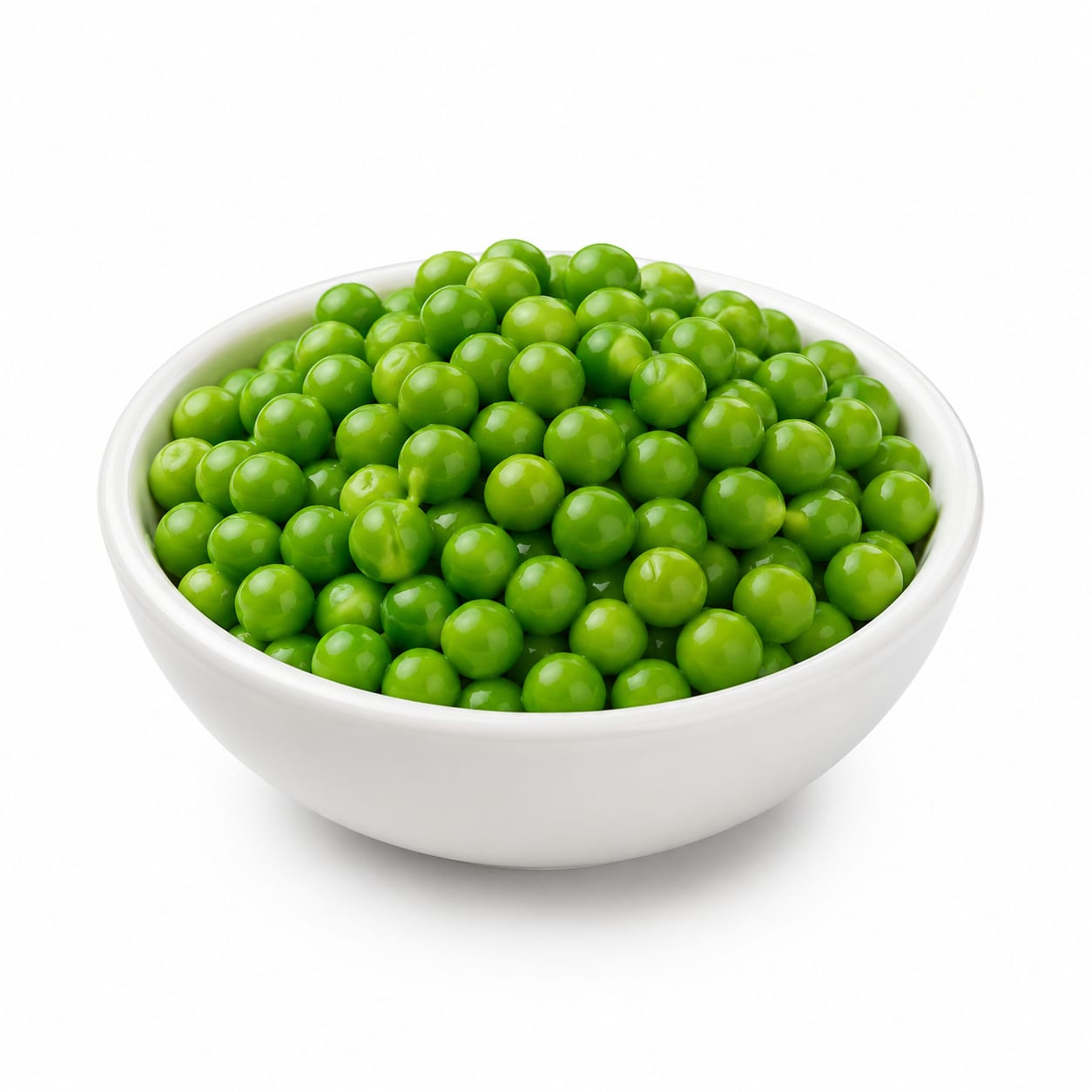
Green Pea
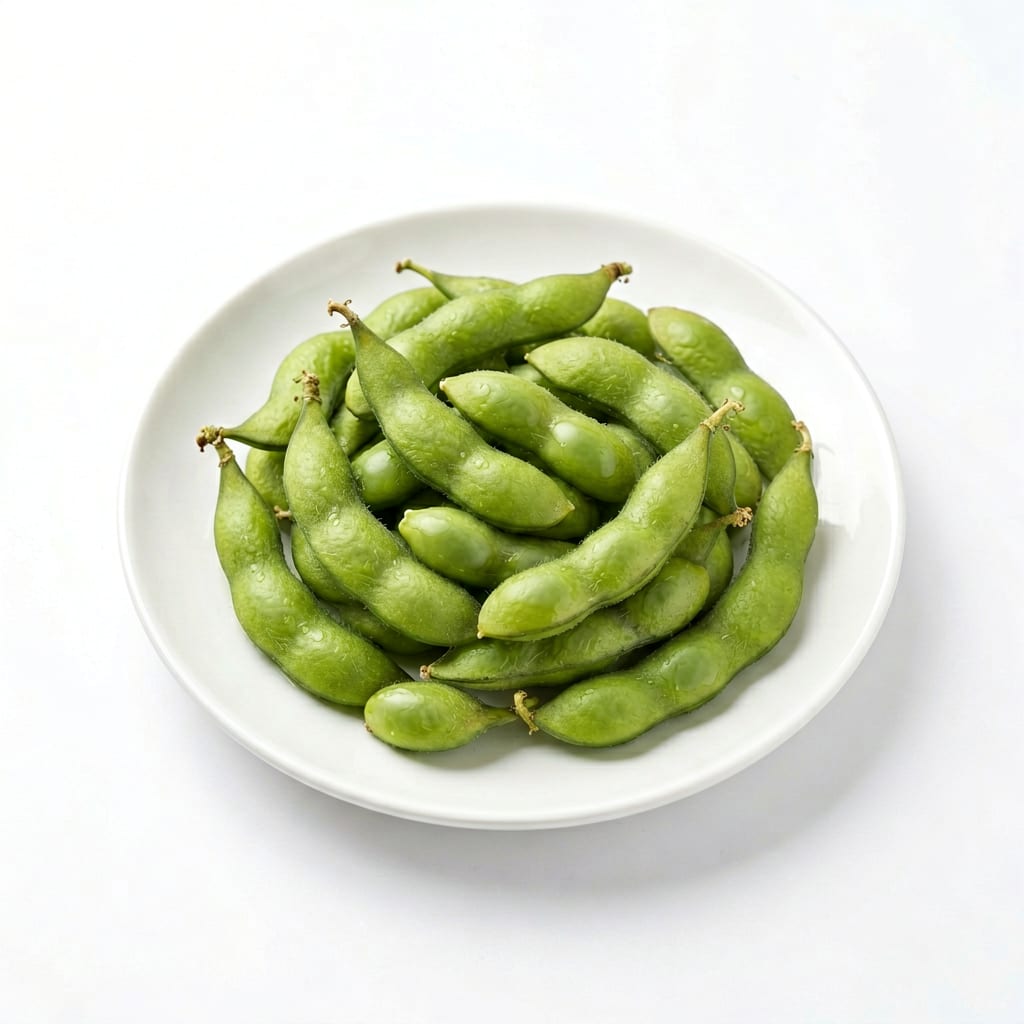
Edamame
Edamame wins on nutritional density and protein power, but Green Pea takes the crown for low-calorie bulk and soy-free eating.
Edamame scores higher due to its complete protein profile and healthy fat content, which offer broader nutritional benefits. Green Pea remains a strong choice but lacks the protein density and amino acid completeness of Edamame.
You trade fewer calories and a milder flavor in Green Pea for double the protein and healthy fats in Edamame.
At a glance
Executive summary
Overall
Edamame
Healthier
Edamame
More practical
It depends
Daily use
Edamame
Key comparison lenses
plant-based protein quality and completeness
Edamame is a rare complete plant protein, while Green Pea is not, making this the biggest differentiator for vegetarians and vegans.
soy vs non-soy legume choice
Many people avoid soy due to allergies or phytoestrogen concerns, making the soy content a critical decision factor.
weight loss vs muscle maintenance
Green Pea is lighter and lower in calories, while Edamame is denser and better for preserving muscle mass.
blood sugar management
Both are high-fiber legumes, but their differing carb-to-fat ratios impact blood sugar responses differently.
Best choice for
Green Pea
- Strict calorie counters
- People avoiding soy
- Those wanting a mild, easy-to-mix side dish
- Budget-conscious shoppers
Edamame
- Vegetarians and vegans needing complete protein
- Active individuals building or maintaining muscle
- Snackers wanting something filling
- People needing steady, long-lasting energy
Least suitable for
Green Pea
- Those needing high protein without excess carbs
- Vegans relying on a single protein source for amino acids
Edamame
- People with soy allergies or sensitivities
- Those strictly limiting dietary fat or calories
Deep comparison
Dimension by dimension
Each lens scores both foods and breaks down who each option suits.
- Dimension 1 · Priority 95Edamame
Protein Quality & Satiety
Green Pea · 60Edamame · 92Edamame delivers double the protein and is a complete protein, keeping you full much longer than Green Pea.
Tradeoff
You get more calories with Edamame in exchange for far superior muscle-building and hunger-busting amino acids.
Why it matters
Complete proteins are rare in the plant world. Eating Edamame means you do not have to combine foods to get all essential amino acids.
Real-world impact
A bowl of Edamame easily replaces a protein bar for post-workout recovery, while Green Pea leaves you hunting for another protein source within an hour.
Green Pea
- Light eaters who prefer getting protein from smaller portions
Better for
- Those relying on it as a primary protein source
- People trying to curb cravings between meals
Worse for
Edamame
- Athletes needing efficient muscle repair
- Vegans seeking a no-guesswork protein source
- Anyone tired of snacking that does not fill them up
Better for
- Those who find high-protein meals too heavy
Worse for
- Dimension 2 · Priority 80Edamame
Carbohydrate Load & Blood Sugar
Green Pea · 70Edamame · 88Edamame is lower in net carbs and higher in fat, leading to a steadier blood sugar response than the starchier Green Pea.
Tradeoff
Green Pea provides quicker energy from carbohydrates, while Edamame offers slower, sustained energy.
Why it matters
If you are watching your blood sugar, the fat and protein in Edamame act as a brake on digestion, preventing spikes.
Real-world impact
Eating Edamame as an afternoon snack prevents the energy crash that might hit an hour after eating a serving of Green Pea.
Green Pea
- Endurance athletes needing accessible carbs before a workout
Better for
- Those strictly limiting starch intake
Worse for
Edamame
- People with insulin resistance or diabetes
- Those aiming for a keto-friendly legume option
Better for
- Anyone needing a quick carbohydrate boost during intense exercise
Worse for
- Dimension 3 · Priority 75Edamame
Healthy Fats & Heart Health
Green Pea · 30Edamame · 90Edamame contains beneficial omega-3 and omega-6 fats, whereas Green Pea is virtually fat-free.
Tradeoff
You consume more calories from fat with Edamame, but these are heart-protective fats your body needs.
Why it matters
Dietary fat is essential for hormone production and nutrient absorption. Edamame provides this naturally without needing added oils.
Real-world impact
Choosing Edamame over Green Pea helps you hit your healthy fat goals for the day without relying on supplements or dressings.
Green Pea
- Those on an extremely low-fat diet prescribed by a doctor
Better for
- Those who need dietary fat to absorb fat-soluble vitamins
Worse for
Edamame
- Anyone looking to improve their omega-3 intake
- People wanting to support cardiovascular health naturally
Better for
- People counting every single calorie from fat
Worse for
- Dimension 4 · Priority 85Green Pea
Calorie Density & Weight Loss
Green Pea · 88Edamame · 70Green Pea has fewer calories per serving, making it easier to eat larger volumes without overconsuming calories.
Tradeoff
You get to eat more volume with Green Pea, but you sacrifice the intense satiety that comes from the protein and fat in Edamame.
Why it matters
Volume eating helps with compliance on a diet. Green Pea lets you fill your plate without filling out your waistline.
Real-world impact
A cup of Green Pea feels like a substantial side dish for under 70 calories, while a cup of Edamame runs over 180 calories.
Green Pea
- Volume eaters wanting large portions
- Those on a strict calorie deficit
Better for
- People who feel hungry soon after low-calorie meals
Worse for
Edamame
- Those who prefer smaller, denser meals that keep them full for hours
Better for
- Mindless snackers who might eat far more calories than intended
Worse for
- Dimension 5 · Priority 70It depends
Hormonal Effects & Phytonutrients
Green Pea · 75Edamame · 78Edamame brings soy isoflavones which can help with menopause symptoms, while Green Pea offers saponins and lutein without the soy debate.
Tradeoff
Edamame offers potent phytoestrogens that are beneficial for many but concerning for a few, whereas Green Pea plays it safe and neutral.
Why it matters
Soy phytoestrogens are heavily researched and generally safe, but if you have a thyroid condition or soy sensitivity, they can be problematic.
Real-world impact
A woman going through menopause might find Edamame incredibly helpful, while someone with a thyroid issue might prefer the peace of mind of Green Pea.
Green Pea
- People avoiding soy for hormonal or thyroid reasons
- Those who want neutral phytonutrients without controversy
Better for
- Those missing out on the specific benefits of soy isoflavones
Worse for
Edamame
- Women seeking natural menopause symptom relief
- People looking to lower cholesterol through soy intake
Better for
- Individuals with soy allergies or thyroid medication interactions
Worse for
Timeline
Health impact over time
Short-term
Hours to days
Green Pea
- Provides a quick burst of starchy energy
- Light on the stomach, unlikely to cause bloating in small portions
Edamame
- Highly filling, easily bridges the gap between meals
- Fat content slows digestion, preventing sudden hunger
Long-term
Months to years
Green Pea
- Supports healthy weight maintenance through low-calorie volume eating
- Provides steady fiber for digestive regularity
Edamame
- Helps preserve lean muscle mass due to high complete protein
- Supports heart health through unsaturated fats and soy isoflavones
Risk profile
Safety & processing
Both Green Pea and Edamame are whole foods typically sold frozen or fresh with no additives. They are equally natural and clean options.
Green Pea
Pesticide residue
lowGreen Peas tend to have low pesticide residues, making the conventional option relatively safe, though organic is always cleaner.
Antinutrient exposure
lowContains phytic acid which can slightly reduce mineral absorption, but cooking largely deactivates it.
Edamame
GMO contamination
mediumMost conventional soy is genetically modified. Choosing organic Edamame completely avoids this concern.
Phytoestrogen sensitivity
lowIsoflavones can mildly impact thyroid function in iodine-deficient individuals, though normal consumption is safe for most.
Who wins for whom
Audience fit
Same foods, different winners depending on your goal.
children
EdamameEdamame offers healthy fats and complete protein essential for childhood development, provided there is no soy allergy.
daily consumption
EdamameThe broader nutritional profile of Edamame makes it a more impactful daily staple, assuming soy is well-tolerated.
diabetes
EdamameThe higher protein and fat content in Edamame slows down carbohydrate absorption, resulting in a gentler blood sugar curve.
elderly
EdamameOlder adults need higher protein to prevent muscle wasting, making Edamame a more protective daily choice.
muscle gain
EdamameEdamame provides double the protein and all essential amino acids, which are critical for muscle repair and growth.
weight loss
Green PeaGreen Pea allows for larger portion sizes with fewer calories, making it easier to stick to a calorie deficit without feeling deprived.
Your move
Decision guide
Choose Green Pea
- You are strictly counting calories and want more volume
- You avoid soy due to allergy, preference, or thyroid concerns
- You want a mild-tasting addition to soups, salads, or bowls
Choose Edamame
- You need a robust, complete plant protein source
- You want a satisfying snack that kills hunger for hours
- You are actively building or maintaining muscle mass
Either works if
- You just want a fiber-rich vegetable side dish
- You are looking to increase your daily legume intake for gut health
Avoid both if
- You have a severe legume allergy
- You are on a strict low-FODMAP diet and are sensitive to galactans
Final recommendation
Let your goals decide. If you need protein and staying power, Edamame is the clear winner. If you want low-calorie volume or need to avoid soy, Green Pea is your best friend. Both are excellent choices that outperform most side dishes.
Practical
Consumer tips
- 1
Always choose organic Edamame to avoid GMO soy and pesticide exposure.
- 2
Frozen Green Peas and Edamame are flash-frozen at peak ripeness, making them just as nutritious as fresh.
- 3
If Edamame is too filling as a side, use half Green Pea and half Edamame to balance calories and protein.
- 4
Rinse canned Green Peas to reduce sodium by about 40%.