
Nutrition comparison
Green Pea vs Green Beans: Nutrition, Carbs, and Health Benefits Compared
Comparing Green Peas and Green Beans? Discover which is better for weight loss, blood sugar, and protein, and how to choose the right green veggie for your goals.
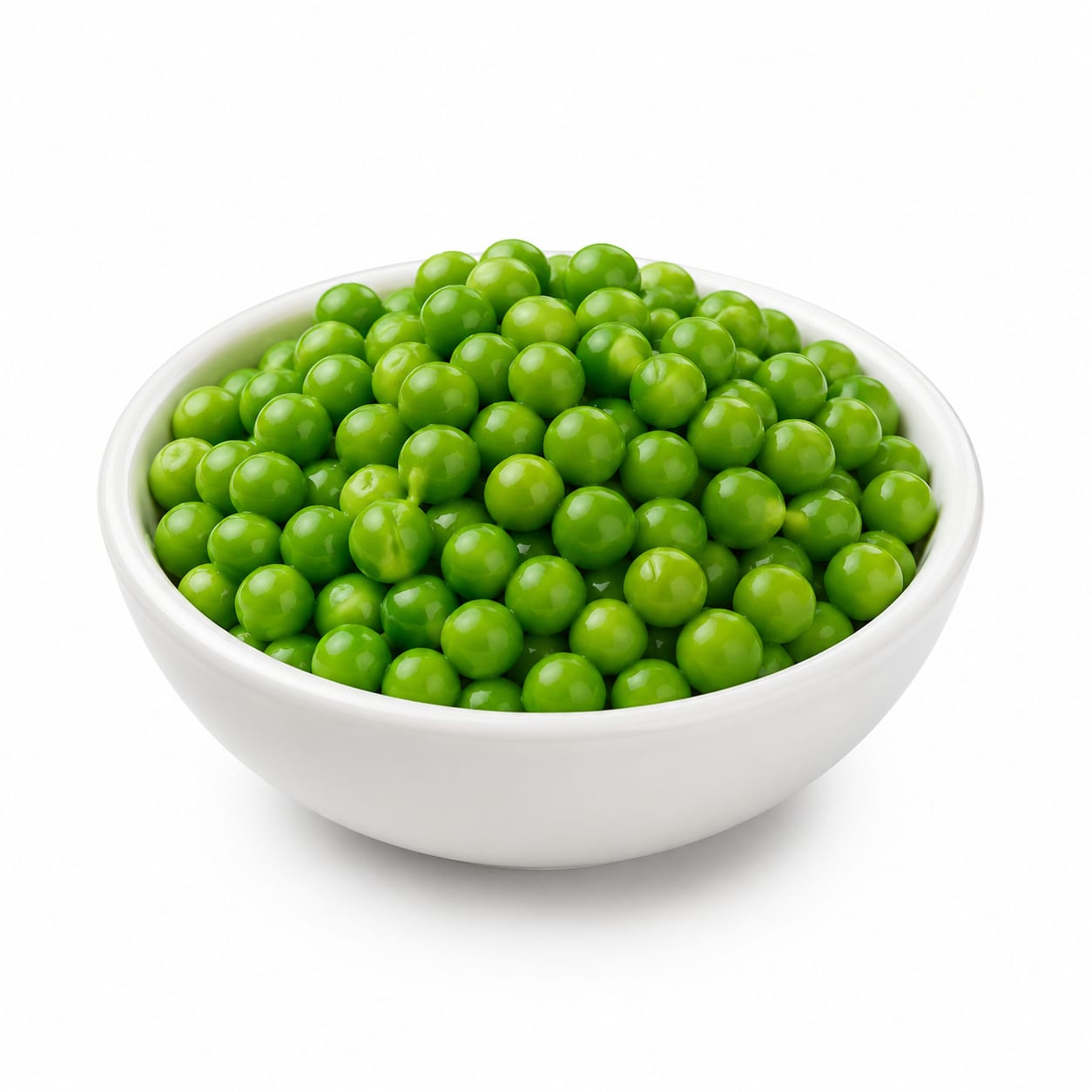
Green Pea
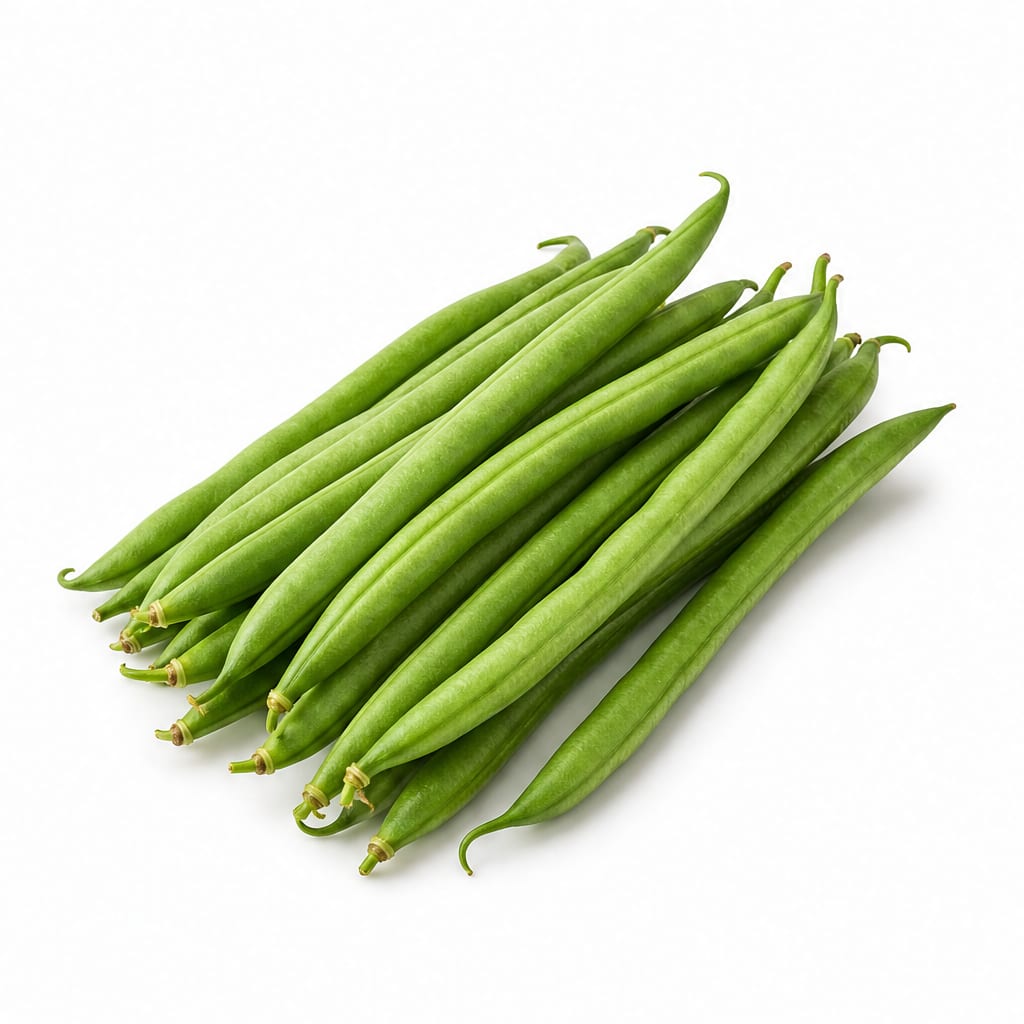
Green Beans
Green Peas deliver more protein, iron, and staying power, while Green Beans offer a lighter, low-carb, low-calorie bite that is easier on digestion.
Green Beans score slightly higher due to broader everyday versatility, lower calorie density, and easier digestion, though Green Peas win on specific nutritional metrics like protein and iron.
Nutritional density and satiety from Green Peas versus the low-calorie, blood-sugar-friendly lightness of Green Beans.
At a glance
Executive summary
Overall
It depends
Healthier
It depends
More practical
Green Beans
Daily use
Green Beans
Key comparison lenses
Carbohydrate and blood sugar impact
Green Peas are starchy legumes while Green Beans are non-starchy vegetables, creating a major difference for low-carb and diabetic diets.
Protein and satiety comparison
Green Peas offer significantly more plant-based protein, making them more filling and suitable for vegetarian diets.
Calorie density for weight management
Green Beans allow for much larger portions with fewer calories, which is crucial for volume eaters.
Digestive tolerance and bloating
Green Peas contain more oligosaccharides and starch, which can trigger bloating and gas in sensitive individuals compared to Green Beans.
Best choice for
Green Pea
- Plant-based eaters needing more protein
- People looking for a filling side dish
- Those needing an iron and folate boost
Green Beans
- Low-carb and keto dieters
- Volume eaters wanting large portions for few calories
- People prone to bloating from legumes
Least suitable for
Green Pea
- Strict low-carb dieters
- People highly sensitive to legume-induced bloating
Green Beans
- Athletes or elderly needing higher protein intake
- Those looking for a calorie-dense energy source
Deep comparison
Dimension by dimension
Each lens scores both foods and breaks down who each option suits.
- Dimension 1 · Priority 90Green Pea
Satiety and Fullness
Green Pea · 85Green Beans · 65Green Peas are significantly more filling due to their higher protein and complex carbohydrate content.
Tradeoff
You get longer-lasting energy from Green Peas, but they feel heavier in the stomach than a light serving of Green Beans.
Why it matters
Staying full between meals helps prevent overeating and snacking on less healthy options.
Real-world impact
A side of Green Peas will keep you satisfied until your next meal, whereas Green Beans might leave you looking for a snack an hour later.
Green Pea
- Sustained energy through a busy afternoon
- Post-workout recovery meals
Better for
- Moments when you want a light, refreshing bite
Worse for
Green Beans
- Light dinners when you do not want to sleep on a full stomach
- Late-night snacking with minimal calorie guilt
Better for
- Meals where the vegetable is the only source of satiety
Worse for
- Dimension 2 · Priority 88Green Beans
Blood Sugar and Low-Carb Fit
Green Pea · 55Green Beans · 95Green Beans are a non-starchy vegetable with minimal carbs, making them ideal for stable blood sugar. Green Peas have enough starch to spike blood sugar if eaten in large amounts.
Tradeoff
Choosing Green Beans guarantees a minimal blood sugar impact, while Green Peas provide steady energy but at a higher carb cost.
Why it matters
Keeping blood sugar stable prevents energy crashes and reduces cravings.
Real-world impact
Diabetics can eat Green Beans freely, but need to carefully portion Green Peas like they would a starchy carb.
Green Pea
- Pre-workout fuel when you need sustained carbohydrate energy
Better for
- Those monitoring every gram of carbohydrate
Worse for
Green Beans
- Managing diabetes or insulin resistance
- Strict ketogenic diets
Better for
- Endurance athletes needing carb replenishment
Worse for
- Dimension 3 · Priority 85Green Beans
Calorie Density and Weight Loss
Green Pea · 70Green Beans · 95Green Beans offer far more volume for fewer calories, making them a dieter's best friend.
Tradeoff
You can eat a massive bowl of Green Beans for minimal calories, but Green Peas pack more nutrition per bite at a higher calorie cost.
Why it matters
Volume eating helps you feel physically full without overconsuming calories.
Real-world impact
If you are starving at dinner, a huge pile of Green Beans will fill your plate and stomach without filling out your waistline.
Green Pea
- Active individuals who actually need the extra calories and nutrients
Better for
- Mindless snacking where calories can add up quickly
Worse for
Green Beans
- Cutting phases where calorie budgeting is strict
- Volume eaters who like large portions
Better for
- Underweight individuals needing calorie-dense foods
Worse for
- Dimension 4 · Priority 82Green Pea
Micronutrient Density
Green Pea · 90Green Beans · 75Green Peas are a nutritional powerhouse, delivering much more iron, folate, and B vitamins per serving than Green Beans.
Tradeoff
Green Peas provide stronger nutritional support for blood health and energy, while Green Beans offer solid but less concentrated vitamins.
Why it matters
Iron and folate are common deficiencies, especially for women and vegetarians.
Real-world impact
Eating Green Peas regularly can help fight fatigue and support healthy blood, acting more like a supplement than a simple vegetable.
Green Pea
- Pregnant women needing extra folate
- Vegetarians boosting iron intake
Better for
- Those who only need basic vegetable nutrition without the starch
Worse for
Green Beans
- Getting vitamin K and silicon for bone and joint health
Better for
- Situations where maximizing nutrient density per calorie is the goal
Worse for
- Dimension 5 · Priority 75Green Beans
Digestive Tolerance
Green Pea · 60Green Beans · 90Green Beans are gentle on the gut, while Green Peas can cause uncomfortable bloating and gas.
Tradeoff
Green Peas offer more fiber for gut health, but their complex sugars can ferment and cause distension, whereas Green Beans are easily digested.
Why it matters
Digestive discomfort can ruin an otherwise healthy meal and discourage you from eating vegetables.
Real-world impact
If you have a sensitive stomach or a date night, Green Beans are the safer side dish to avoid unwanted bloating.
Green Pea
- Building a robust gut microbiome over time with prebiotic fiber
Better for
- People with severe IBS or FODMAP sensitivities
Worse for
Green Beans
- Sensitive stomachs or IBS flare-ups
- Social situations where bloating is a concern
Better for
- Those who need high amounts of prebiotic fiber to feed gut bacteria
Worse for
Timeline
Health impact over time
Short-term
Hours to days
Green Pea
- Provides a noticeable energy boost from complex carbs
- Can cause gassiness or stomach distension shortly after eating
Green Beans
- Feels very light and non-bloating in the stomach
- Has virtually no impact on blood sugar levels
Long-term
Months to years
Green Pea
- Supports better iron status and prevents anemia
- Higher protein intake aids in muscle maintenance over the years
Green Beans
- Consistent low-calorie intake supports long-term weight management
- High antioxidant content helps reduce cellular aging
Risk profile
Safety & processing
Both Green Peas and Green Beans are whole, natural foods. Canned versions may contain added sodium, but frozen and fresh varieties are completely free of artificial additives.
Green Pea
Pesticide residue
lowGreen Peas typically have lower pesticide residue levels, often appearing on clean food lists.
Green Beans
Pesticide residue
mediumConventional Green Beans frequently test positive for multiple pesticide residues, making organic a better choice.
Who wins for whom
Audience fit
Same foods, different winners depending on your goal.
children
Green PeaGrowing children benefit greatly from the extra protein, iron, and folate found in Green Peas for proper development.
daily consumption
Green BeansGreen Beans are easier to eat every day in large quantities due to their low calorie count, low carb count, and gentle digestion.
diabetes
Green BeansGreen Beans are a non-starchy vegetable that will not spike blood sugar, whereas Green Peas contain enough starch to require portion control.
elderly
Green PeaOlder adults need more protein to prevent muscle wasting and more iron to combat anemia, both of which Green Peas provide in higher amounts.
muscle gain
Green PeaGreen Peas provide substantially more protein per serving, which is essential for muscle repair and growth.
weight loss
Green BeansGreen Beans allow for massive portion sizes with very few calories, making it much easier to maintain a calorie deficit.
Your move
Decision guide
Choose Green Pea
- You follow a vegetarian or vegan diet and need plant-based protein
- You are an active person needing sustained energy and muscle support
- You have been told you need more iron or folate in your diet
Choose Green Beans
- You are counting carbs or managing diabetes
- You want to eat a large volume of food without consuming many calories
- You get bloated easily from beans and legumes
Either works if
- You simply want a nutritious green vegetable to round out your dinner plate
- You are meal-prepping and want to mix up your vegetable rotation
Avoid both if
- You have a severe legume allergy, as both can trigger reactions
Final recommendation
Let your primary health goal decide: choose Green Peas when you need protein, iron, and lasting fullness; choose Green Beans when you want low-carb volume, steady blood sugar, and a light stomach. For the best of both worlds, mix them together for a balanced side dish.
Practical
Consumer tips
- 1
Buy frozen Green Peas and Green Beans over canned to avoid excess sodium and BPA exposure.
- 2
If buying conventional Green Beans, wash them thoroughly or opt for organic due to higher pesticide risk.
- 3
Squeeze fresh lemon juice over Green Peas; the vitamin C significantly boosts your body's absorption of their iron.
- 4
If Green Peas cause you bloating, try eating smaller portions alongside a digestive aid like ginger or fennel.