
Nutrition comparison
Green Peas vs Black Beans: Which Legume Is Better for Your Health Goals?
Compare Green Peas and Black Beans on protein, fiber, blood sugar impact, digestion, and weight loss. Find out which legume fits your diet and when to choose each one.
Overall winner · Black Beans
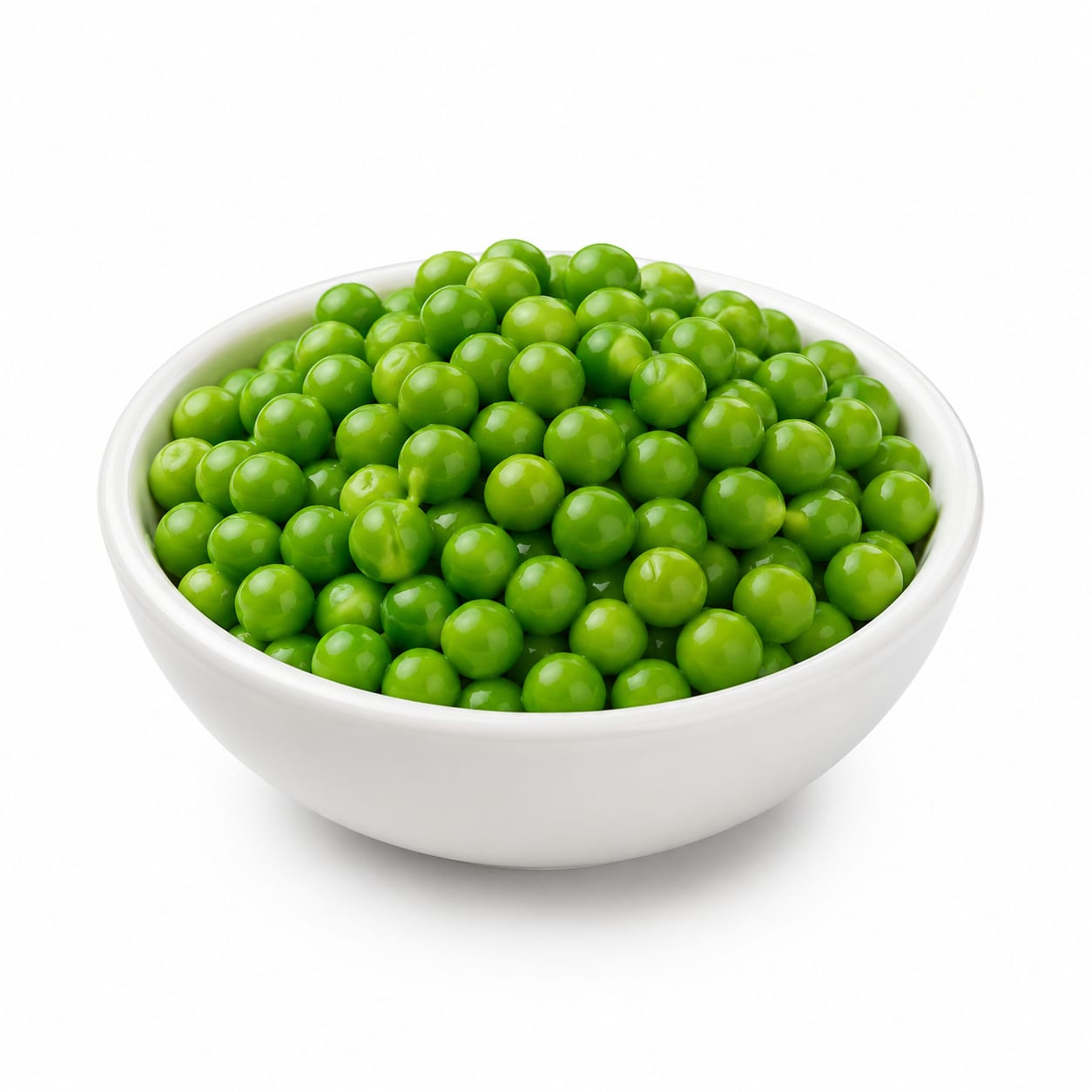
Green Pea
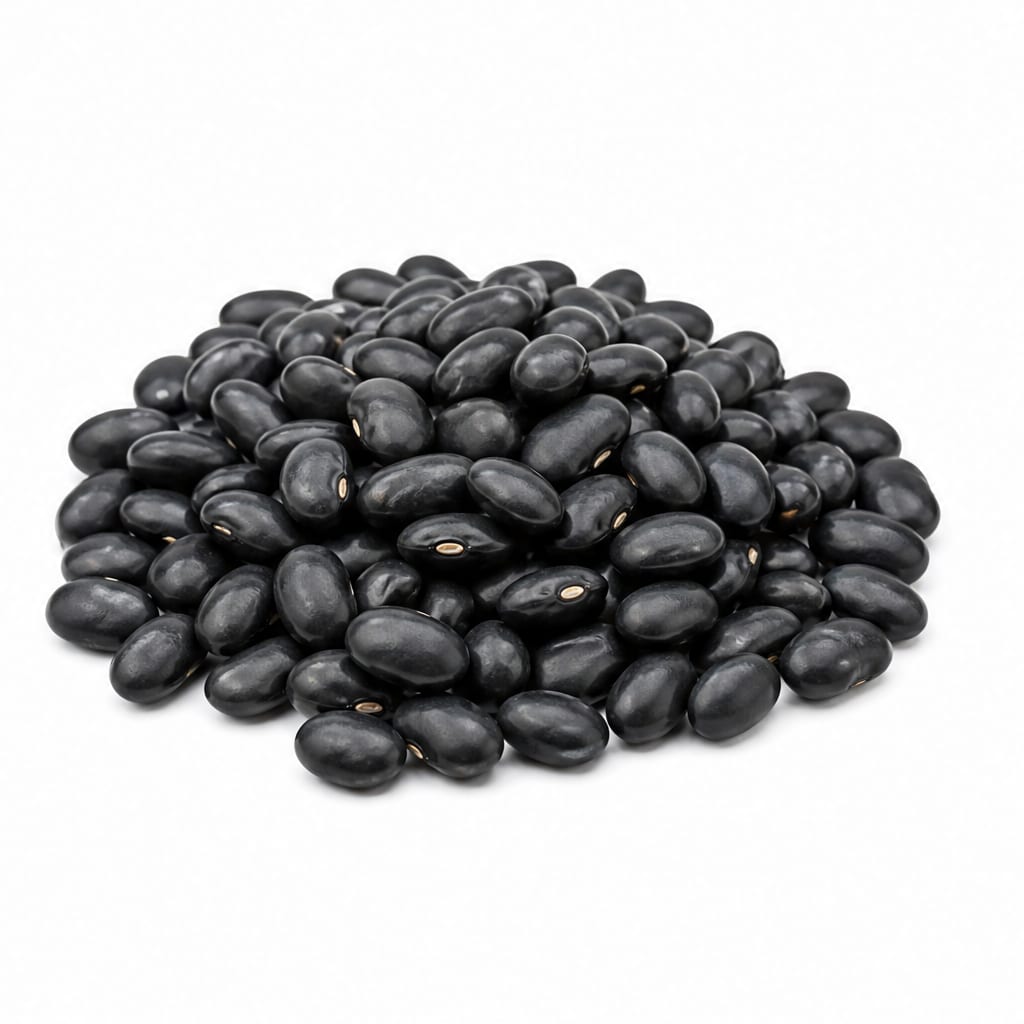
Black Beans
Black Beans deliver more protein, more fiber, and steadier blood sugar per calorie, making them the stronger everyday legume. Green Peas win when you want something lighter, quicker, and easier to digest.
Black Beans score higher due to superior protein, fiber, mineral density, and blood sugar stability. Green Peas remain valuable for their lighter calorie load and easier digestion, but are less nutritionally complete as a staple.
Black Beans are more filling and nutritionally dense but require longer cooking and can be harder to digest. Green Peas are lighter and more convenient but less satisfying per serving.
At a glance
Executive summary
Overall
Black Beans
Healthier
Black Beans
More practical
Green Pea
Daily use
Black Beans
Key comparison lenses
plant-based protein source selection
Both are top legume choices for vegetarians and vegans deciding on their primary protein staple
satiety and meal satisfaction
Users often choose between these for filling meals that prevent overeating later
blood sugar management
Both are carbohydrate-containing legumes, so glycemic impact is a key concern
digestive comfort and tolerance
Legumes are notorious for causing gas and bloating, and tolerance differs significantly between these two
weight loss calorie efficiency
Calorie density differs meaningfully, affecting portion control and diet adherence
Best choice for
Green Pea
- People with sensitive digestion who find beans too heavy
- Quick weeknight meals when cooking time is limited
- Lighter meals where you want vegetable bulk without density
- Children who prefer sweeter, milder flavors
- Low-calorie diet phases needing volume over density
Black Beans
- Plant-based eaters needing reliable protein intake
- Anyone managing blood sugar or insulin resistance
- Athletes and active people seeking sustained energy
- Meal preppers wanting filling staples that last all week
- People trying to stay full longer between meals
Least suitable for
Green Pea
- Those needing high protein from plant sources
- People who find light meals leave them hungry an hour later
- Anyone anemic or needing concentrated iron intake
- Very low-carb dieters avoiding even moderate starch
Black Beans
- People with severe IBS or FODMAP sensitivities
- Anyone short on time who cannot soak or slow-cook
- Those who find heavy legumes cause uncomfortable bloating
- Light eaters who feel overly full from dense meals
Deep comparison
Dimension by dimension
Each lens scores both foods and breaks down who each option suits.
- Dimension 1 · Priority 95Black Beans
Protein & Satiety
Green Pea · 55Black Beans · 88Black Beans provide roughly double the protein per serving, making them far more filling and reliable for hunger control.
Tradeoff
That extra protein comes with more calories and a heavier feeling in the stomach, which some people find uncomfortable.
Why it matters
Protein is the main driver of fullness. If your meal does not satisfy you, you snack more later and undermine your goals.
Real-world impact
A bowl of Black Beans at lunch can keep you full until dinner. Green Peas often leave you reaching for a snack by mid-afternoon.
Green Pea
- Light eaters who prefer smaller, less dense meals
- Snacking situations where heavy protein feels like overkill
Better for
- Main meals where Green Peas alone will not satisfy hunger
- Recovery nutrition after demanding physical activity
Worse for
Black Beans
- Anyone trying to reduce between-meal snacking
- Plant-based diets where every protein gram counts
- Post-workout meals needing sustained amino acid delivery
Better for
- Small appetites where a full portion feels like too much
- Hot summer days when heavy food sounds unappealing
Worse for
- Dimension 2 · Priority 90Black Beans
Fiber & Digestive Health
Green Pea · 62Black Beans · 85Black Beans deliver significantly more fiber per serving, supporting gut health and regularity more effectively.
Tradeoff
More fiber can mean more gas and bloating, especially if your body is not used to high-fiber legumes.
Why it matters
Fiber feeds beneficial gut bacteria, stabilizes digestion, and helps lower cholesterol over time.
Real-world impact
Regular Black Bean consumption tends to improve bowel regularity within a week. Green Peas contribute too, but you need larger portions for the same effect.
Green Pea
- People transitioning to high-fiber diets who need a gentler starting point
- Anyone prone to bloating from denser legumes
Better for
- Those relying on a single legume for all their fiber needs
- People already struggling with irregularity
Worse for
Black Beans
- Chronic constipation sufferers needing reliable relief
- Gut microbiome optimization through diverse fiber intake
Better for
- IBS-C or FODMAP-sensitive individuals during flare-ups
- Sudden large increases in fiber without gradual adaptation
Worse for
- Dimension 3 · Priority 85Black Beans
Blood Sugar Stability
Green Pea · 60Black Beans · 82Black Beans have a lower glycemic index and more fiber to slow glucose absorption, resulting in steadier blood sugar.
Tradeoff
Green Peas are not bad for blood sugar, but their slightly higher starch-to-fiber ratio means a marginally faster glucose rise.
Why it matters
Steady blood sugar prevents energy crashes, mood swings, and cravings that derail healthy eating.
Real-world impact
After Black Beans, you feel calm and steady for hours. After Green Peas alone, you might notice a subtle energy dip sooner.
Green Pea
- Small side portions where glycemic impact is minimal anyway
- Paired with protein-rich foods that buffer glucose response
Better for
- Large servings as a standalone carb source for insulin-resistant individuals
- Meals where Green Peas are the only fiber source
Worse for
Black Beans
- Prediabetics and type 2 diabetics managing post-meal spikes
- Anyone prone to afternoon energy crashes after lunch
Better for
- Very low-carb diets where even slow-digesting carbs are restricted
Worse for
- Dimension 4 · Priority 75Green Pea
Calorie Efficiency
Green Pea · 82Black Beans · 65Green Peas deliver more volume and visual plate coverage for fewer calories, making them feel like a better deal when cutting.
Tradeoff
Fewer calories also means less nutritional payload per bite, so you may need to eat more or supplement elsewhere.
Why it matters
During weight loss, calorie density determines how much food you can realistically eat while staying in a deficit.
Real-world impact
A heaping cup of Green Peas feels generous on the plate for roughly 120 calories. The same volume of Black Beans costs closer to 220 calories.
Green Pea
- Volume eaters who need large portions to feel satisfied psychologically
- Cutting phases where every calorie matters
Better for
- Those who find low-calorie meals leave them hungry again quickly
- Situations needing calorie-dense fuel for physical demands
Worse for
Black Beans
- Bulking or maintenance phases where calorie density is an advantage
- Active people who need concentrated energy without excessive volume
Better for
- Strict calorie counters who find dense portions easy to overeat
- Late-night meals where lighter options feel better
Worse for
- Dimension 5 · Priority 80Black Beans
Micronutrient Density
Green Pea · 64Black Beans · 83Black Beans are richer in iron, magnesium, potassium, and folate. Green Peas offer more vitamin K and vitamin C but fall short on minerals.
Tradeoff
The iron in Black Beans is non-heme iron, which absorbs poorly without vitamin C — ironically something Green Peas can provide.
Why it matters
Mineral deficiencies, especially iron and magnesium, are common and affect energy, sleep, and mood.
Real-world impact
Eating Black Beans regularly can meaningfully move the needle on iron intake. Green Peas alone will not solve an iron shortfall.
Green Pea
- Those specifically boosting vitamin K for bone or blood health
- People getting iron from other sources who want complementary vitamins
Better for
- Anemic individuals relying too heavily on Green Peas for iron
- Pregnant women needing concentrated folate and iron
Worse for
Black Beans
- Vegans and vegetarians at higher risk for iron deficiency
- Anyone needing magnesium for sleep, muscle recovery, or stress management
Better for
- Those who do not pair Black Beans with vitamin C sources for iron absorption
Worse for
- Dimension 6 · Priority 70Green Pea
Convenience & Versatility
Green Pea · 80Black Beans · 65Green Peas cook faster, work in more dishes seamlessly, and require no soaking. Black Beans demand more planning unless canned.
Tradeoff
Canned Black Beans are convenient but add sodium and cost more per serving than dried.
Why it matters
The best healthy food is the one you actually prepare. Complexity reduces consistency.
Real-world impact
Frozen Green Peas go from freezer to plate in minutes. Dried Black Beans need overnight soaking plus an hour of cooking.
Green Pea
- Busy weeknights when cooking time is under 15 minutes
- Impromptu meals without meal prep planning
Better for
- Situations where you want a dense, hearty base for bowls and stews
- Recipes where a creamier, starchier texture is needed
Worse for
Black Beans
- Meal prep Sundays when batch cooking for the week ahead
- Slow cooker or instant pot routines that make cook time irrelevant
Better for
- Last-minute cooking without canned options on hand
- Small kitchens without storage for soaking and long cooking
Worse for
- Dimension 7 · Priority 72Black Beans
Antioxidant & Anti-inflammatory Power
Green Pea · 60Black Beans · 84Black Beans are loaded with anthocyanins — the same dark pigments that make blueberries famous. Green Peas have antioxidants but at lower concentrations.
Tradeoff
You would need to eat a lot of Black Beans regularly to match the antioxidant impact of berries, so this advantage is real but moderate.
Why it matters
Chronic inflammation drives aging, joint pain, and disease. Every anti-inflammatory food choice compounds over decades.
Real-world impact
A diet rich in dark-colored legumes like Black Beans contributes to long-term inflammation reduction. Green Peas help, but less dramatically.
Green Pea
- Those already eating a high-antioxidant diet from other sources
- Lighter meals where antioxidant density is not the priority
Better for
- Those relying on Green Peas as their primary antioxidant legume
Worse for
Black Beans
- Anyone building an anti-inflammatory eating pattern
- People with inflammatory conditions seeking dietary support
Better for
- People expecting dramatic short-term anti-inflammatory effects from food alone
Worse for
Timeline
Health impact over time
Short-term
Hours to days
Green Pea
- Lighter digestion with minimal bloating compared to heavier legumes
- Moderate blood sugar rise that resolves within an hour or two
- Quick energy from more digestible starches, but less sustained fullness
- Easy to eat large portions without feeling overly stuffed
Black Beans
- Noticeable fullness that can last 4 to 5 hours after a proper serving
- Potential gas and bloating in the first few days if your body is unaccustomed
- Very stable blood sugar with minimal post-meal spike
- Heavy satiety that may reduce desire for snacking or dessert
Long-term
Months to years
Green Pea
- Steady but modest fiber contribution to gut health
- Vitamin K support for bone density and healthy blood clotting
- Lower overall mineral intake that may need compensation from other foods
- Gentle on the digestive system with low risk of chronic discomfort
Black Beans
- Meaningful improvement in cholesterol levels from soluble fiber
- Better iron stores over time, especially important for menstruating women
- Stronger gut microbiome diversity from concentrated prebiotic fiber
- Reduced long-term inflammation markers from anthocyanin consumption
- Risk of persistent bloating if intake increases too quickly without adaptation
Risk profile
Safety & processing
Both Green Peas and Black Beans are whole foods in their natural form. Frozen Green Peas and dried Black Beans are essentially unprocessed. Canned versions of either may contain added sodium, but rinsing removes most of it.
Green Pea
Pesticide residue on conventional Green Peas
lowGreen Peas grown conventionally may carry trace pesticide residues, but they rank relatively low on the EWG dirty dozen list. Choosing organic reduces this further.
Added sodium in canned Green Peas
lowCanned varieties often contain added salt. Rinsing reduces sodium by roughly 40 percent, and frozen or fresh versions avoid this entirely.
Black Beans
Added sodium in canned Black Beans
mediumCanned Black Beans can contain 400 to 500mg of sodium per serving. Rinsing helps, but low-sodium or no-salt-added cans are preferable for daily use.
Phytohaemagglutinin toxicity from undercooked dried Black Beans
lowRaw or severely undercooked kidney beans are the primary concern for this toxin, but Black Beans contain smaller amounts. Thorough cooking eliminates the risk entirely.
BPA exposure from can linings
lowSome canned Black Beans use BPA-lined cans. Choosing BPA-free brands or cooking from dried eliminates this concern.
Who wins for whom
Audience fit
Same foods, different winners depending on your goal.
children
Green PeaGreen Peas are sweeter, milder, and easier for small digestive systems to handle. Their smaller size and softer texture also make them less of a choking concern for younger kids.
daily consumption
Black BeansBlack Beans provide a more complete nutritional package for daily use — more protein, more fiber, more minerals. The key is starting with small portions and increasing gradually to build digestive tolerance.
diabetes
Black BeansThe lower glycemic index and higher fiber content of Black Beans create a slower, more manageable glucose response. This makes them safer and more protective for blood sugar management.
elderly
It dependsBlack Beans offer more iron and folate, which elderly people often lack. But Green Peas are gentler on aging digestive systems. Those with good digestion benefit more from Black Beans; those with sensitive stomachs should lean toward Green Peas.
muscle gain
Black BeansBlack Beans provide substantially more protein per serving, which is the critical factor for muscle repair and growth. Green Peas alone do not deliver enough protein to meaningfully support muscle gain.
weight loss
It dependsGreen Peas win for calorie-cutting phases where volume matters. Black Beans win when satiety and preventing overeating are the bigger challenge. Pick based on which struggle dominates your weight loss journey.
Your move
Decision guide
Choose Green Pea
- You want lighter meals that do not sit heavy in your stomach
- Digestive sensitivity makes denser legumes uncomfortable
- You are in a calorie-cutting phase and need volume over density
- You cook on the fly and need something ready in minutes
- You are feeding kids who prefer sweeter, milder vegetables
Choose Black Beans
- You need reliable plant protein that actually keeps you full
- Blood sugar stability is a health priority for you
- You are building meals around a hearty, satisfying base
- You want to improve iron and magnesium intake naturally
- You meal prep and can batch-cook once or twice a week
Either works if
- You are rotating legumes for dietary variety and gut microbiome diversity
- You are eating a balanced diet with other protein sources covering gaps
- You want to mix both in soups, stews, or grain bowls for complementary nutrition
Avoid both if
- You are on a strict very-low-carb or ketogenic diet
- You have severe legume allergies or sensitivities
- You are in an active FODMAP elimination phase and cannot tolerate either
Final recommendation
Make Black Beans your primary legume staple for the protein, fiber, and mineral density. Add Green Peas as a complementary side when you want something lighter, quicker, or easier to digest. The best approach is not choosing one forever — it is knowing when each one serves you better. Pair them together in a bowl with rice and vegetables, and you get the best of both worlds.
Practical
Consumer tips
- 1
If using canned Black Beans, always choose low-sodium or no-salt-added versions and rinse thoroughly before eating.
- 2
Frozen Green Peas retain nearly all their nutrients and are often fresher than the peas sitting in a produce aisle for days.
- 3
Soak dried Black Beans overnight and discard the soaking water to significantly reduce gas-producing compounds.
- 4
If Black Beans cause bloating, start with just two tablespoons per meal and increase gradually over two weeks as your gut adapts.
- 5
Pair Black Beans with a vitamin C source like tomatoes, bell peppers, or a squeeze of lime to dramatically boost iron absorption.
- 6
Keep a bag of frozen Green Peas handy for quick meals — they cook in under five minutes and upgrade almost any dish.
- 7
Mix both into soups and stews: Black Beans for substance and protein, Green Peas for color, sweetness, and vitamin C.