
Nutrition comparison
Green Peas vs Sweet Corn: Which Is Healthier for Blood Sugar, Weight Loss, and Protein?
Green peas beat sweet corn on protein, fiber, and blood sugar stability. Learn when sweet corn is the better choice and how to decide between these popular side dishes.
Overall winner · Green Pea
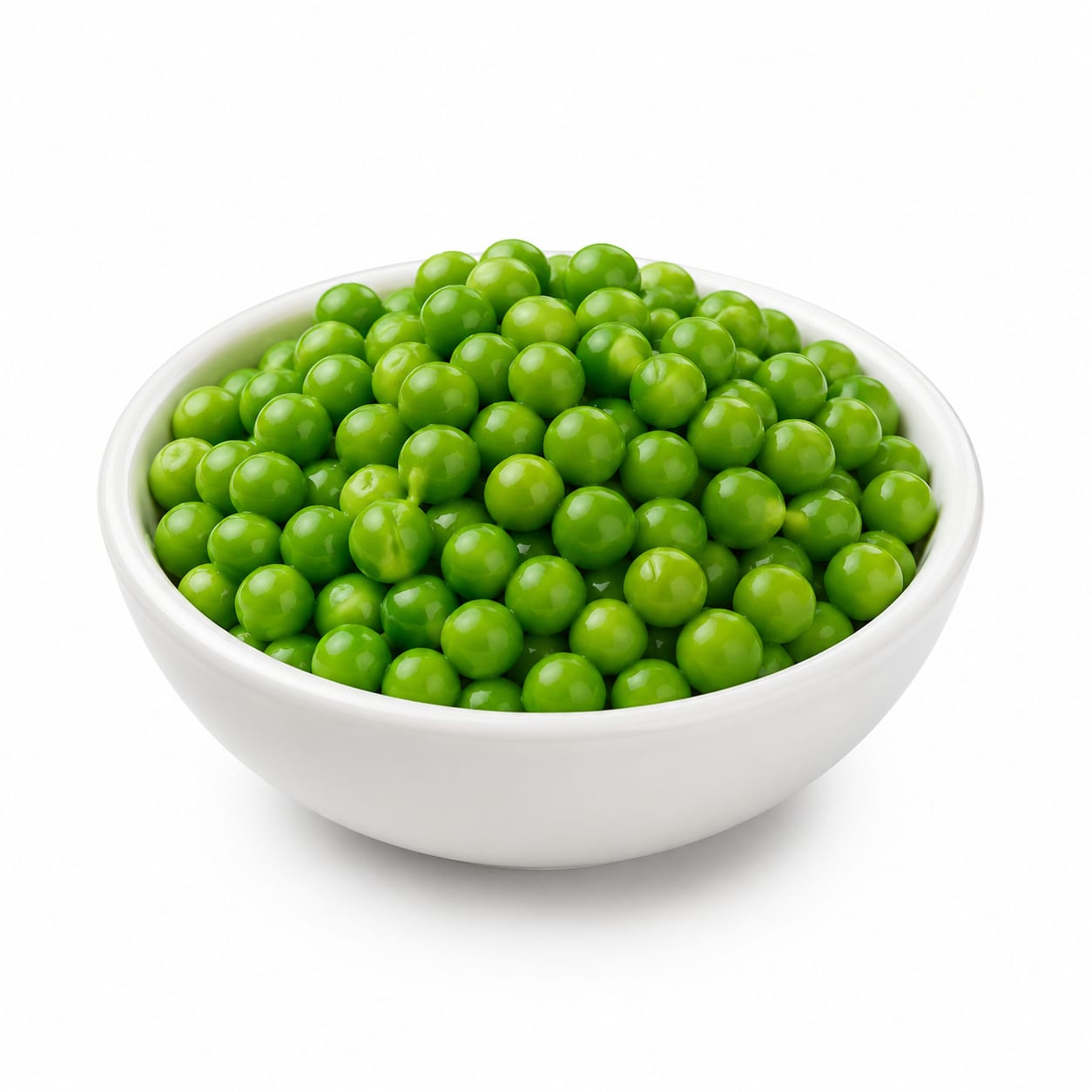
Green Pea
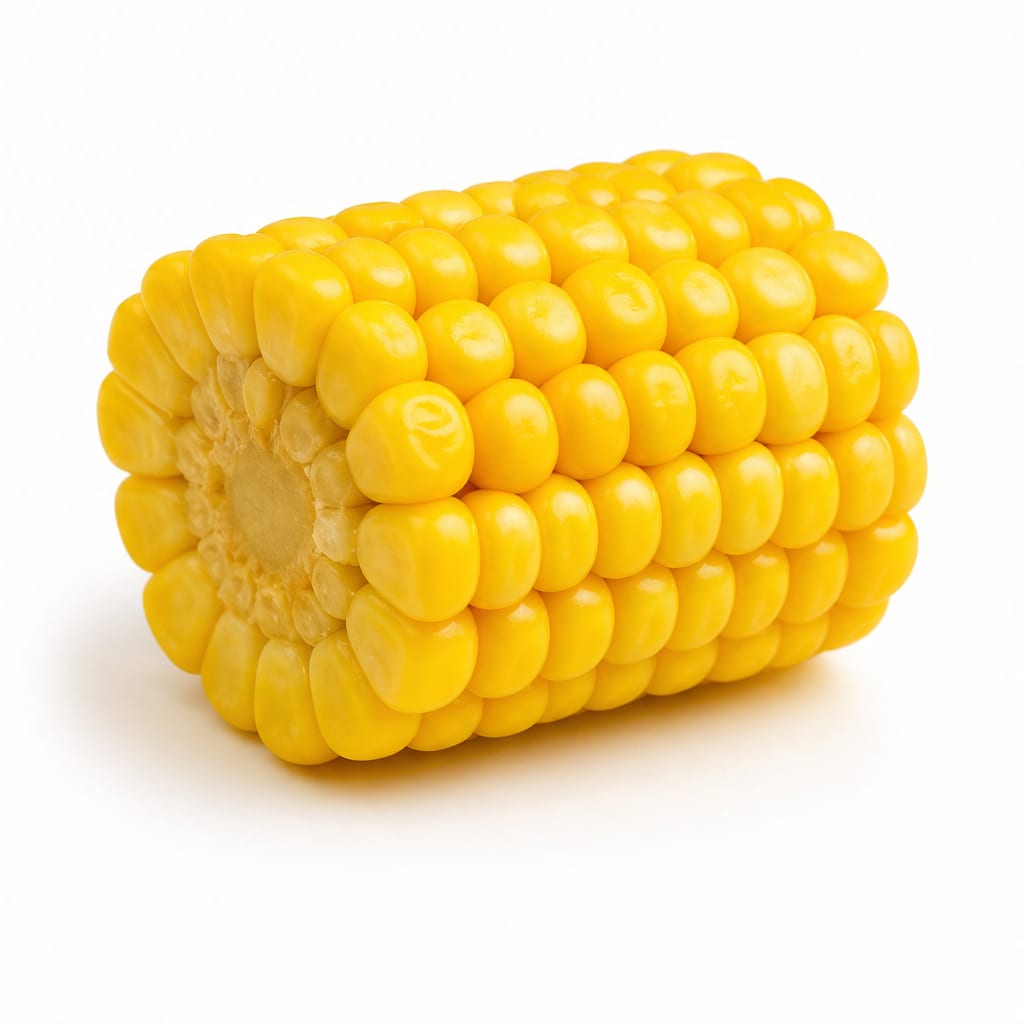
Sweet Corn
Green peas outperform sweet corn on protein, fiber, blood sugar stability, and calorie efficiency, making them the stronger everyday choice for most health goals.
Green peas score notably higher due to superior protein, fiber, blood sugar stability, and nutrient density. Sweet corn remains a reasonable choice but carries a higher glycemic load and lower protein payoff per calorie.
Sweet corn delivers quicker energy and a sweeter eating experience, but green peas keep you fuller longer with nearly double the protein and fiber per calorie.
At a glance
Executive summary
Overall
Green Pea
Healthier
Green Pea
More practical
It depends
Daily use
Green Pea
Key comparison lenses
blood sugar management
These starchy vegetables differ significantly in glycemic impact, making this the top concern for most users comparing them
weight loss and satiety
Both are common side dishes, so understanding which keeps you fuller with fewer calories matters for daily meal planning
protein and nutrient density
Green peas deliver notably more protein per calorie, a surprising difference many people overlook
quick energy vs sustained energy
Sweet corn provides faster energy while green peas offer steadier, longer-lasting fuel
GMO and pesticide concerns
Sweet corn is commonly GMO in the US, while green peas are not, raising safety questions for some consumers
Best choice for
Green Pea
- People managing blood sugar or diabetes
- Anyone prioritizing weight loss or calorie efficiency
- Those seeking more plant-based protein
- Meal preppers wanting longer-lasting satiety
- Anyone eating a high-fiber diet
Sweet Corn
- Active people needing quick carbohydrate energy
- Those wanting a sweeter, more comforting side dish
- Anyone focused on eye health nutrients like lutein
- People who find green peas difficult to digest
- Athletes carb-loading before endurance events
Least suitable for
Green Pea
- People with severe pea or legume allergies
- Those on a very low-fiber diet for digestive recovery
- Anyone who strongly dislikes the taste and would skip vegetables entirely
Sweet Corn
- People strictly managing blood sugar spikes
- Those on low-carb or ketogenic diets
- Anyone avoiding GMO foods without access to organic options
- People trying to maximize protein per calorie
Deep comparison
Dimension by dimension
Each lens scores both foods and breaks down who each option suits.
- Dimension 1 · Priority 92Green Pea
blood sugar stability
Green Pea · 85Sweet Corn · 52Green peas have a glycemic index around 22-39, while sweet corn ranges from 48-60, meaning peas cause a much gentler blood sugar rise.
Tradeoff
Sweet corn gives you faster energy but at the cost of a sharper glucose spike that can lead to an energy crash an hour later.
Why it matters
If you are prediabetic, diabetic, or just trying to avoid afternoon energy crashes, this difference is significant enough to change how your whole afternoon feels.
Real-world impact
A green pea side dish with lunch keeps you steady until dinner. Sweet corn at lunch may leave you reaching for a snack by 3pm.
Green Pea
- Diabetics and prediabetics
- People prone to energy crashes
- Anyone pairing carbs with a sedentary workday
Better for
- Situations where you actually need rapid carbohydrate absorption
Worse for
Sweet Corn
- Post-workout recovery when quick glycogen replenishment helps
- Endurance athletes mid-activity
Better for
- Sedentary days when quick sugar just becomes stored fat
- Anyone insulin-resistant
Worse for
- Dimension 2 · Priority 85Green Pea
protein and muscle support
Green Pea · 82Sweet Corn · 48A cup of green peas delivers roughly 8 grams of protein compared to sweet corn's 4-5 grams, making peas one of the better vegetable protein sources.
Tradeoff
Sweet corn offers more carbohydrate energy but almost half the protein, so you get calories without the muscle-supporting payoff.
Why it matters
For plant-based eaters especially, every gram of protein matters. Green peas quietly deliver more protein than many people expect from a vegetable.
Real-world impact
Adding a cup of green peas to your bowl gives you the protein equivalent of over an egg. Sweet corn gives you less than half that.
Green Pea
- Vegetarians and vegans counting protein
- Anyone trying to maintain muscle while losing fat
- Older adults needing higher protein per meal
Better for
- Those who need pure carbohydrate fuel without protein slowing absorption
Worse for
Sweet Corn
- Carb-heavy training days when protein comes from other sources
Better for
- Anyone relying on vegetable sides as a meaningful protein contributor
Worse for
- Dimension 3 · Priority 88Green Pea
fiber and digestive fullness
Green Pea · 86Sweet Corn · 55Green peas provide roughly 7-9 grams of fiber per cup versus sweet corn's 3-4 grams, nearly doubling the digestive satisfaction.
Tradeoff
Sweet corn is gentler on sensitive digestive systems, while green peas can cause bloating in people unaccustomed to high fiber.
Why it matters
Fiber is the single biggest predictor of whether a meal actually keeps you full. This gap means green peas are far more likely to prevent overeating later.
Real-world impact
A green pea side dish can delay hunger by 1-2 hours compared to sweet corn, which may leave you hungry again within an hour.
Green Pea
- Anyone trying to eat less without feeling deprived
- People needing more regular digestion
- Those building a high-fiber eating pattern
Better for
- Those not used to high fiber who might experience gas or bloating initially
Worse for
Sweet Corn
- People with IBS or fiber sensitivity
- Anyone recovering from digestive surgery needing lower fiber temporarily
Better for
- Chronic constipation sufferers who need more fiber
Worse for
- Dimension 4 · Priority 82Green Pea
calorie efficiency
Green Pea · 84Sweet Corn · 58Green peas deliver more protein and fiber per calorie than sweet corn, making them a more nutrient-dense choice for the same serving size.
Tradeoff
Sweet corn is more calorie-dense with less nutritional payoff, so you consume more calories to feel equally satisfied.
Why it matters
When every calorie counts, choosing foods that deliver more nutrition per bite determines whether a diet feels sustainable or punishing.
Real-world impact
You can eat a generous cup of green peas for roughly 115 calories with strong satiety. The same calories of sweet corn is a smaller portion with less staying power.
Green Pea
- Calorie-counters and weight loss seekers
- Anyone eating larger portions to feel full
Better for
- Those who genuinely need to gain weight
Worse for
Sweet Corn
- Underweight individuals needing calorie density
- Active people who struggle to eat enough
Better for
- Anyone watching portion sizes carefully
Worse for
- Dimension 5 · Priority 70Sweet Corn
eye and antioxidant nutrients
Green Pea · 65Sweet Corn · 78Sweet corn is notably rich in lutein and zeaxanthin, two antioxidants critical for eye health that green peas provide in smaller amounts.
Tradeoff
Green peas have more vitamin C and vitamin K, but sweet corn wins specifically for vision-protecting compounds.
Why it matters
Lutein and zeaxanthin accumulate in the retina and are linked to lower risk of age-related macular degeneration, a leading cause of vision loss.
Real-world impact
Regular sweet corn consumption can meaningfully contribute to your daily lutein intake, which matters more as you age.
Green Pea
- People prioritizing vitamin K for bone health
- Anyone needing more immune-supporting vitamin C
Better for
- Those specifically targeting lutein intake
Worse for
Sweet Corn
- Adults over 50 concerned about vision health
- Anyone with a family history of macular degeneration
Better for
- People already getting lutein from leafy greens and eggs
Worse for
- Dimension 6 · Priority 72Green Pea
GMO and pesticide exposure
Green Pea · 82Sweet Corn · 50Most sweet corn grown in the US is genetically modified, while green peas are not commercially available as GMO crops.
Tradeoff
Organic sweet corn avoids GMO concerns but costs more and is less available. Green peas avoid this issue entirely regardless of organic status.
Why it matters
For consumers avoiding GMOs, this is a practical dealbreaker for conventional sweet corn that requires no such worry with green peas.
Real-world impact
Buying conventional green peas carries no GMO risk. Buying conventional sweet corn in the US almost certainly means you are eating GMO corn unless labeled otherwise.
Green Pea
- GMO-avoidant consumers
- Anyone wanting one less thing to research at the grocery store
Better for
- No significant downside here
Worse for
Sweet Corn
- People with access to affordable organic corn
- Those unconcerned about GMOs
Better for
- Budget-conscious shoppers avoiding GMOs who cannot afford organic
Worse for
- Dimension 7 · Priority 68Sweet Corn
taste and eating enjoyment
Green Pea · 58Sweet Corn · 78Sweet corn's natural sweetness and buttery texture make it more universally appealing and comforting than green peas, which some find bland or mealy.
Tradeoff
The sweeter, more enjoyable taste of corn comes with the metabolic cost of higher sugar content and less nutritional payoff.
Why it matters
Food has to be enjoyable enough to eat consistently. If you hate green peas, their nutritional advantages become irrelevant.
Real-world impact
Kids and picky eaters are far more likely to eat sweet corn willingly. Green peas often require seasoning or mixing into dishes to be enjoyable.
Green Pea
- People who enjoy earthy, savory flavors
- Anyone who likes peas in soups, stews, and mixed dishes
Better for
- Picky eaters who avoid green vegetables
Worse for
Sweet Corn
- Families with children
- Anyone seeking a comforting, naturally sweet side dish
- People new to eating more vegetables
Better for
- Those trying to reduce sweet-tasting foods to manage cravings
Worse for
Timeline
Health impact over time
Short-term
Hours to days
Green Pea
- Steady energy without significant blood sugar spikes
- Noticeable fullness that delays next hunger by 1-2 hours
- Possible mild bloating or gas if your body is not used to high fiber
Sweet Corn
- Quick energy boost from natural sugars and starch
- Moderate blood sugar rise that may trigger hunger again within an hour
- Easier on digestion for sensitive stomachs due to lower fiber
Long-term
Months to years
Green Pea
- Better blood sugar control with regular consumption
- Improved cholesterol levels from soluble fiber
- More sustainable weight management due to higher satiety per calorie
- Stronger contribution to daily protein needs, especially on plant-based diets
Sweet Corn
- Consistent lutein intake supporting long-term eye health
- Higher cumulative glycemic load if eaten frequently without protein pairing
- Possible contribution to gradual weight gain if portions are not managed
- Supports energy needs for active lifestyles when eaten appropriately
Risk profile
Safety & processing
Both green peas and sweet corn are whole, minimally processed vegetables when purchased fresh or frozen. Canned versions of both may contain added sodium, so frozen is generally the cleaner option for both.
Green Pea
Pesticide residue
lowGreen peas are not on the EWG's Dirty Dozen list and typically carry low pesticide residue. Frozen peas are generally very clean.
Sweet Corn
GMO exposure
mediumRoughly 90% of sweet corn grown in the US is genetically modified. Choose organic if avoiding GMOs is important to you.
Pesticide residue
lowSweet corn is actually on the EWG's Clean Fifteen list, meaning it tends to have low pesticide residue even when conventionally grown.
Who wins for whom
Audience fit
Same foods, different winners depending on your goal.
children
Sweet CornSweet corn's natural sweetness and fun eating format make it far more likely that children will actually eat it willingly, and some vegetable intake beats none.
daily consumption
Green PeaGreen peas offer better nutritional consistency for daily use with steadier energy, more protein, and better blood sugar control without the GMO concern.
diabetes
Green PeaThe lower glycemic index and higher fiber content of green peas create a much gentler blood sugar response, which is critical for diabetes management.
elderly
Green PeaOlder adults benefit more from green peas' higher protein for muscle preservation, higher fiber for digestion, and vitamin K for bone health.
muscle gain
Green PeaNearly double the protein per cup makes green peas a more useful vegetable for supporting muscle maintenance and growth.
weight loss
Green PeaGreen peas provide significantly more protein and fiber per calorie, keeping you fuller on fewer calories and making portion control easier.
Your move
Decision guide
Choose Green Pea
- You want steadier energy without afternoon crashes
- Blood sugar management is a priority for you
- You are tracking protein intake, especially on a plant-based diet
- You want to feel fuller on fewer calories
- You prefer to avoid GMO foods without paying organic prices
- You are meal prepping and want a side dish that keeps you satisfied
Choose Sweet Corn
- You need quick carbohydrate energy before or after exercise
- You are feeding kids or picky eaters who resist green vegetables
- Eye health is a specific concern and you do not eat many leafy greens
- You find green peas bloating or difficult to digest
- You want a sweeter, more comforting side dish for occasional enjoyment
- You have access to organic corn and want a treat vegetable
Either works if
- You are rotating vegetables for dietary variety, which is always smart
- You are mixing both into a salad or soup for complementary nutrients
- Neither is a major calorie source in your overall diet
Avoid both if
- You are on a strict very-low-carb or ketogenic diet, as both are starchy
- You have a specific allergy to either food
- You are on a low-fiber diet prescribed for acute digestive recovery
Final recommendation
Make green peas your default everyday choice for their protein, fiber, and blood sugar advantages. Enjoy sweet corn as an occasional treat or pre-workout fuel, ideally organic to avoid GMO exposure. The nutritional gap is large enough that this swap meaningfully improves your diet over time without requiring dramatic changes.
Practical
Consumer tips
- 1
Buy frozen green peas over canned to avoid excess sodium and preserve nutrients. Frozen peas are picked and flash-frozen at peak ripeness, often retaining more nutrients than fresh peas that have traveled long distances.
- 2
If choosing sweet corn, look for organic to avoid GMOs. The price difference is usually small for frozen organic corn.
- 3
Pair sweet corn with a protein source like grilled chicken or black beans to blunt the blood sugar spike and make the meal more balanced.
- 4
Season green peas with a little olive oil, lemon, and mint for a simple side that tastes far better than plain boiled peas.
- 5
Mix both together in a salad with diced bell pepper and vinaigrette for a colorful dish that combines the strengths of each vegetable.
- 6
Do not judge either vegetable by its canned version. Canned green peas are mushy and metallic-tasting, while frozen peas are sweet and vibrant. The preparation format changes the experience dramatically.